Anthony Quinn

Anthony Quinn was a legendary Mexican-American actor, painter, and writer, known for his powerful screen presence, versatility, and iconic performances in both Hollywood and international cinema over a career spanning six decades.
Anthony Quinn
Anthony Quinn was a legendary Mexican-American actor, painter, and writer, known for his powerful screen presence, versatility, and iconic performances in both Hollywood and international cinema over a career spanning six decades.
1. Early Life & Background
Full Name: Antonio Rodolfo Quinn Oaxaca
Born: April 21, 1915, in Chihuahua, Mexico, during the Mexican Revolution.
Heritage: Mexican – his father was of Irish-Mexican descent, his mother was of Indigenous Aztec ancestry.
Immigration: Family immigrated to the United States when he was a child, settling first in El Paso, Texas, and later in Los Angeles, California.
Early Struggles: Grew up in poverty; worked various jobs, including as a migrant farm laborer, boxer, and preacher.
Artistic Beginnings: Studied architecture under Frank Lloyd Wright, who encouraged him to pursue acting. He passes away June 3, 2001.
Full Name: Antonio Rodolfo Quinn Oaxaca
Born: April 21, 1915, in Chihuahua, Mexico, during the Mexican Revolution.
Heritage: Mexican – his father was of Irish-Mexican descent, his mother was of Indigenous Aztec ancestry.
Immigration: Family immigrated to the United States when he was a child, settling first in El Paso, Texas, and later in Los Angeles, California.
Early Struggles: Grew up in poverty; worked various jobs, including as a migrant farm laborer, boxer, and preacher.
Artistic Beginnings: Studied architecture under Frank Lloyd Wright, who encouraged him to pursue acting. He passes away June 3, 2001.
2. Career Breakthrough & Major Roles
Quinn's career evolved from playing "ethnic" supporting roles to becoming an internationally acclaimed leading man, particularly in epic and character-driven films.
Quinn's career evolved from playing "ethnic" supporting roles to becoming an internationally acclaimed leading man, particularly in epic and character-driven films.
Key Works:
"Viva Zapata!" (1952) – Played Eufemio Zapata, brother of Emiliano Zapata (Marlon Brando).
Won his first Academy Award for Best Supporting Actor.
"La Strada" (1954) – Directed by Federico Fellini. Played Zampanò, the brutal circus strongman. The film won the Oscar for Best Foreign Language Film and brought Quinn international art-house acclaim.
"Lust for Life" (1956) – Played Paul Gauguin opposite Kirk Douglas as Vincent van Gogh.
Won his second Academy Award for Best Supporting Actor.
"Wild is the Wind" (1957) – Nominated for Best Actor Oscar.
"The Guns of Navarone" (1961) – Played Colonel Andrea Stavrou in the WWII epic.
"Lawrence of Arabia" (1962) – Played Auda abu Tayi, the Bedouin tribal leader.
"Zorba the Greek" (1964) – His defining role as Alexis Zorba.
Nominated for Best Actor Oscar.
Won a BAFTA Award for Best Foreign Actor.
The role immortalized him with the iconic line, "Life is trouble. Only death is not!"
"The Shoes of the Fisherman" (1968) – Played a Ukrainian pope.
"The Message" (1976) – Played Hamza ibn Abdul-Muttalib in the epic about the origins of Islam.
Later roles included "The Greek Tycoon" (1978), "Lion of the Desert" (1981), and TV miniseries like "Jesus of Nazareth" (1977) and "Onassis: The Richest Man in the World" (1988).
"Viva Zapata!" (1952) – Played Eufemio Zapata, brother of Emiliano Zapata (Marlon Brando).
Won his first Academy Award for Best Supporting Actor.
"La Strada" (1954) – Directed by Federico Fellini. Played Zampanò, the brutal circus strongman. The film won the Oscar for Best Foreign Language Film and brought Quinn international art-house acclaim.
"Lust for Life" (1956) – Played Paul Gauguin opposite Kirk Douglas as Vincent van Gogh.
Won his second Academy Award for Best Supporting Actor.
"Wild is the Wind" (1957) – Nominated for Best Actor Oscar.
"The Guns of Navarone" (1961) – Played Colonel Andrea Stavrou in the WWII epic.
"Lawrence of Arabia" (1962) – Played Auda abu Tayi, the Bedouin tribal leader.
"Zorba the Greek" (1964) – His defining role as Alexis Zorba.
Nominated for Best Actor Oscar.
Won a BAFTA Award for Best Foreign Actor.
The role immortalized him with the iconic line, "Life is trouble. Only death is not!"
"The Shoes of the Fisherman" (1968) – Played a Ukrainian pope.
"The Message" (1976) – Played Hamza ibn Abdul-Muttalib in the epic about the origins of Islam.
Later roles included "The Greek Tycoon" (1978), "Lion of the Desert" (1981), and TV miniseries like "Jesus of Nazareth" (1977) and "Onassis: The Richest Man in the World" (1988).
3. Art & Other Creative Pursuits
Painting & Sculpture: Quinn was an accomplished painter and sculptor, with works displayed in galleries worldwide. He considered visual art his true passion.
Writing: Authored two memoirs: "The Original Sin" (1972) and "One Man Tango" (1995).
Real Estate: Known for buying and renovating properties, including a notable art-filled compound in Rhode Island.
Painting & Sculpture: Quinn was an accomplished painter and sculptor, with works displayed in galleries worldwide. He considered visual art his true passion.
Writing: Authored two memoirs: "The Original Sin" (1972) and "One Man Tango" (1995).
Real Estate: Known for buying and renovating properties, including a notable art-filled compound in Rhode Island.
4. Personal Life
Marriages & Family: Married three times, most notably to actress Katherine DeMille (daughter of Cecil B. DeMille) from 1937–1965.
Had 13 children in total, including actors Francesco Quinn and Lorenzo Quinn (the latter is a well-known sculptor).
Reputation: Known for a fiery, passionate personality and a tumultuous personal life.
Citizenship: Became a U.S. citizen in 1947.
Final Years: Lived between the U.S. and Italy. Died of respiratory failure on June 3, 2001, in Boston, Massachusetts.
Marriages & Family: Married three times, most notably to actress Katherine DeMille (daughter of Cecil B. DeMille) from 1937–1965.
Had 13 children in total, including actors Francesco Quinn and Lorenzo Quinn (the latter is a well-known sculptor).
Reputation: Known for a fiery, passionate personality and a tumultuous personal life.
Citizenship: Became a U.S. citizen in 1947.
Final Years: Lived between the U.S. and Italy. Died of respiratory failure on June 3, 2001, in Boston, Massachusetts.
5. Awards & Honors
Academy Awards: 2 wins (Supporting Actor), 2 nominations (Best Actor).
Golden Globes: Nominated multiple times.
BAFTA Award: Won for Zorba the Greek (1965).
Hollywood Walk of Fame: Star for Motion Pictures (1960).
Kennedy Center Honors (1999).
Mexico's Ohtli Award for contributions to the Mexican diaspora.
Academy Awards: 2 wins (Supporting Actor), 2 nominations (Best Actor).
Golden Globes: Nominated multiple times.
BAFTA Award: Won for Zorba the Greek (1965).
Hollywood Walk of Fame: Star for Motion Pictures (1960).
Kennedy Center Honors (1999).
Mexico's Ohtli Award for contributions to the Mexican diaspora.
6. Activism & Legacy
Latino Representation: Often spoke about Hollywood's stereotyping of Latino actors but carved out a space for complex, non-stereotypical ethnic roles.
Political Views: Vocal about civil rights, anti-racism, and Mexican-American issues.
Cultural Impact: Symbolized a bridge between Hollywood and world cinema; one of the first Mexican actors to achieve global stardom.
Latino Representation: Often spoke about Hollywood's stereotyping of Latino actors but carved out a space for complex, non-stereotypical ethnic roles.
Political Views: Vocal about civil rights, anti-racism, and Mexican-American issues.
Cultural Impact: Symbolized a bridge between Hollywood and world cinema; one of the first Mexican actors to achieve global stardom.
7. Quotes That Define Him
"I don't believe in dying. It's been done. I'm working on a new exit."
"I have three great vices in my life: my children, painting, and acting."
"Life is like a beautiful melody, only the lyrics are messed up."
"I don't believe in dying. It's been done. I'm working on a new exit."
"I have three great vices in my life: my children, painting, and acting."
"Life is like a beautiful melody, only the lyrics are messed up."
8. Legacy & Impact
Pioneer: One of the first Mexican actors to become a Hollywood leading man and international star.
Versatility: Played a wide range of ethnicities—Greek, Arab, Italian, Native American, Asian—often with remarkable authenticity.
Enduring Icon: His portrayal of Zorba remains a symbol of zest for life and resilience.
Inspiration: Inspired generations of Latino actors, including Benicio del Toro and Edward James Olmos.
Pioneer: One of the first Mexican actors to become a Hollywood leading man and international star.
Versatility: Played a wide range of ethnicities—Greek, Arab, Italian, Native American, Asian—often with remarkable authenticity.
Enduring Icon: His portrayal of Zorba remains a symbol of zest for life and resilience.
Inspiration: Inspired generations of Latino actors, including Benicio del Toro and Edward James Olmos.
Summary
Anthony Quinn was a larger-than-life figure whose career defied typecasting and whose persona embodied passion, creativity, and multicultural depth. From an impoverished immigrant childhood to winning two Oscars and becoming one of the most recognizable faces in world cinema, he lived with the same intensity he brought to his roles. Beyond acting, he was a gifted painter, sculptor, and storyteller—a true Renaissance man whose legacy endures in film, art, and the ongoing struggle for dignified representation of Latinos in media.
In essence: A magnetic, Oscar-winning Mexican-American actor and artist who broke barriers with his powerful performances and lived life with Zorba-like vitality.
Ashok Lokhande

Profile
Anthony Quinn was a larger-than-life figure whose career defied typecasting and whose persona embodied passion, creativity, and multicultural depth. From an impoverished immigrant childhood to winning two Oscars and becoming one of the most recognizable faces in world cinema, he lived with the same intensity he brought to his roles. Beyond acting, he was a gifted painter, sculptor, and storyteller—a true Renaissance man whose legacy endures in film, art, and the ongoing struggle for dignified representation of Latinos in media.
In essence: A magnetic, Oscar-winning Mexican-American actor and artist who broke barriers with his powerful performances and lived life with Zorba-like vitality.
Ashok Lokhande
Profile
Early Life & Background
Career & Rise to Fame
Acting Style & Persona
Personal Life
Legacy & Public Perception
Aaron Pedersen

1. Early Life and Formative Years
A Challenging Childhood: He and his twin brother, who has an intellectual disability, were removed from their mother as infants and placed in foster care. They grew up in Melbourne, separated from their traditional lands and culture—an experience reflecting the Stolen Generations.
Finding Journalism: Before acting, Pedersen worked as a journalist and newsreader for the Imparja Television Network and later for the ABC in Sydney. This experience gave him a strong screen presence and an understanding of media.
Turning to Acting: He made a deliberate career shift into acting, studying at the Screenwise Film & TV School in Sydney.
A Challenging Childhood: He and his twin brother, who has an intellectual disability, were removed from their mother as infants and placed in foster care. They grew up in Melbourne, separated from their traditional lands and culture—an experience reflecting the Stolen Generations.
Finding Journalism: Before acting, Pedersen worked as a journalist and newsreader for the Imparja Television Network and later for the ABC in Sydney. This experience gave him a strong screen presence and an understanding of media.
Turning to Acting: He made a deliberate career shift into acting, studying at the Screenwise Film & TV School in Sydney.
2. Career Breakthrough: From Heartland to Water Rats
Early Roles: He began with guest spots on popular TV shows like Police Rescue and A Country Practice.
Historic Lead Role: His major breakthrough came with the 1994 ABC drama series Heartland. He played Michael, a young Indigenous man reconnecting with his family and culture. This was a rare and significant leading role for an Indigenous actor in a prime-time drama.
Mainstream Success on Water Rats: From 1996 to 1999, he became a national star as Senior Constable "Dog" Webb on the hit Channel Nine police drama Water Rats. His character was tough, capable, and complex—not defined solely by his Indigenousity. This role made him a household name.
Early Roles: He began with guest spots on popular TV shows like Police Rescue and A Country Practice.
Historic Lead Role: His major breakthrough came with the 1994 ABC drama series Heartland. He played Michael, a young Indigenous man reconnecting with his family and culture. This was a rare and significant leading role for an Indigenous actor in a prime-time drama.
Mainstream Success on Water Rats: From 1996 to 1999, he became a national star as Senior Constable "Dog" Webb on the hit Channel Nine police drama Water Rats. His character was tough, capable, and complex—not defined solely by his Indigenousity. This role made him a household name.
3. Iconic Roles and Defining Work
Pedersen has built a career on playing strong, morally complex, and often solitary figures of authority.
The Secret Life of Us (2001-2005): He had a memorable recurring role as Pete, the sharp and confident lawyer, further cementing his place in iconic Australian TV.
Mystery Road Franchise (2013-present): This is his career-defining work. He created the role of Detective Jay Swan, a charismatic, laconic, and world-weary Indigenous detective solving crimes in the harsh Australian outback.
It began with the feature film Mystery Road (2013), followed by Goldstone (2016).
It expanded into the acclaimed TV series Mystery Road (2018) and Mystery Road: Origin (2022), which explores Jay Swan's early career. The franchise is celebrated for its noir atmosphere, social commentary, and Pedersen's magnetic, understated performance. He is the co-creator and executive producer of the series.
Other Notable Film & TV: The Circuit (2007-2010, as a lawyer), Jack Irish films, The Dark Side (2018), Wake in Fright (2017 miniseries), and the US series Monarch: Legacy of Monsters (2023).
Pedersen has built a career on playing strong, morally complex, and often solitary figures of authority.
The Secret Life of Us (2001-2005): He had a memorable recurring role as Pete, the sharp and confident lawyer, further cementing his place in iconic Australian TV.
Mystery Road Franchise (2013-present): This is his career-defining work. He created the role of Detective Jay Swan, a charismatic, laconic, and world-weary Indigenous detective solving crimes in the harsh Australian outback.
It began with the feature film Mystery Road (2013), followed by Goldstone (2016).
It expanded into the acclaimed TV series Mystery Road (2018) and Mystery Road: Origin (2022), which explores Jay Swan's early career. The franchise is celebrated for its noir atmosphere, social commentary, and Pedersen's magnetic, understated performance. He is the co-creator and executive producer of the series.
Other Notable Film & TV: The Circuit (2007-2010, as a lawyer), Jack Irish films, The Dark Side (2018), Wake in Fright (2017 miniseries), and the US series Monarch: Legacy of Monsters (2023).
4. Acting Style and Screen Persona
Quiet Intensity: Pedersen is a master of the "less is more" approach. He conveys deep thought, simmering emotion, and immense resolve through subtle gestures, a resonant voice, and powerful stillness. He has a formidable, watchful presence.
The "Outback Noir" Archetype: He has essentially created and owns the archetype of the Indigenous detective navigating two worlds—traditional law and white man's law. He brings authenticity, gravitas, and a deep understanding of the cultural landscape to these roles.
Physicality: His roles often demand a rugged, capable physicality, whether riding horses, traversing desert landscapes, or engaging in action sequences.
Quiet Intensity: Pedersen is a master of the "less is more" approach. He conveys deep thought, simmering emotion, and immense resolve through subtle gestures, a resonant voice, and powerful stillness. He has a formidable, watchful presence.
The "Outback Noir" Archetype: He has essentially created and owns the archetype of the Indigenous detective navigating two worlds—traditional law and white man's law. He brings authenticity, gravitas, and a deep understanding of the cultural landscape to these roles.
Physicality: His roles often demand a rugged, capable physicality, whether riding horses, traversing desert landscapes, or engaging in action sequences.
5. Advocacy and Cultural Significance
Trailblazer for Leading Roles: Like his contemporary Deborah Mailman, Pedersen has spent his career pushing for and embodying complex, leading roles for Indigenous actors that are not limited to "the Indigenous issue." He has insisted on his characters' humanity and professionalism first.
Voice for his People: He is a proud and vocal advocate for Indigenous rights, representation, and storytelling. He uses his platform to highlight issues and to ensure Indigenous stories are told with authenticity.
Behind the Camera: His role as co-creator and producer on Mystery Road marks a crucial shift from being in front of the camera to having creative control and ownership over the narratives, ensuring they are told from an authentic perspective.
Trailblazer for Leading Roles: Like his contemporary Deborah Mailman, Pedersen has spent his career pushing for and embodying complex, leading roles for Indigenous actors that are not limited to "the Indigenous issue." He has insisted on his characters' humanity and professionalism first.
Voice for his People: He is a proud and vocal advocate for Indigenous rights, representation, and storytelling. He uses his platform to highlight issues and to ensure Indigenous stories are told with authenticity.
Behind the Camera: His role as co-creator and producer on Mystery Road marks a crucial shift from being in front of the camera to having creative control and ownership over the narratives, ensuring they are told from an authentic perspective.
6. Personal Life and Recognition
Family: He is fiercely protective of his private life. His deep bond with his twin brother has been a guiding force in his life, and he is a dedicated advocate for disability rights.
Connection to Country: Despite his urban upbringing, he has actively reconnected with his Arrernte and Arabana heritage and Country, which deeply informs his work, especially in Mystery Road.
Honours: He has won multiple awards, including two AACTA Awards (for The Circuit and Mystery Road TV series) and several Logie Award nominations. In 2020, he was appointed a Member of the Order of Australia (AM) for his significant service to the performing arts and to the Indigenous community.
In summary, Aaron Pedersen is a pillar of Australian screen culture. He has evolved from a groundbreaking television star into a powerful creative force, crafting and defining one of Australian TV's most iconic characters in Jay Swan. His career is a testament to resilience, quiet strength, and the unwavering pursuit of authentic, powerful representation for Indigenous Australia on screen.
Adam Beach

Adam Beach is a prolific and celebrated Saulteaux (Anishinaabe) actor from Canada, known for his powerful performances in film and television, and as a prominent advocate for Indigenous representation in Hollywood.
Family: He is fiercely protective of his private life. His deep bond with his twin brother has been a guiding force in his life, and he is a dedicated advocate for disability rights.
Connection to Country: Despite his urban upbringing, he has actively reconnected with his Arrernte and Arabana heritage and Country, which deeply informs his work, especially in Mystery Road.
Honours: He has won multiple awards, including two AACTA Awards (for The Circuit and Mystery Road TV series) and several Logie Award nominations. In 2020, he was appointed a Member of the Order of Australia (AM) for his significant service to the performing arts and to the Indigenous community.
In summary, Aaron Pedersen is a pillar of Australian screen culture. He has evolved from a groundbreaking television star into a powerful creative force, crafting and defining one of Australian TV's most iconic characters in Jay Swan. His career is a testament to resilience, quiet strength, and the unwavering pursuit of authentic, powerful representation for Indigenous Australia on screen.
Adam Beach
Adam Beach is a prolific and celebrated Saulteaux (Anishinaabe) actor from Canada, known for his powerful performances in film and television, and as a prominent advocate for Indigenous representation in Hollywood.
1. Early Life & Background
Full Name: Adam Ruebin Beach
Born: November 11, 1972, in Winnipeg, Manitoba, Canada.
Heritage: A member of the Saulteaux First Nation (Anishinaabe) from the Lake Manitoba First Nation.
Tragic Childhood: Both of his parents died tragically when he was young—his mother in a car accident (when he was 8) and his father by drowning (two months later). He was raised by his grandparents and later his older siblings.
Turning to Acting: Found solace in drama classes at school in Winnipeg, which helped him cope with grief and trauma.
Full Name: Adam Ruebin Beach
Born: November 11, 1972, in Winnipeg, Manitoba, Canada.
Heritage: A member of the Saulteaux First Nation (Anishinaabe) from the Lake Manitoba First Nation.
Tragic Childhood: Both of his parents died tragically when he was young—his mother in a car accident (when he was 8) and his father by drowning (two months later). He was raised by his grandparents and later his older siblings.
Turning to Acting: Found solace in drama classes at school in Winnipeg, which helped him cope with grief and trauma.
2. Career Breakthrough & Major Roles
Beach broke into acting in the early 1990s and became one of the most recognizable Indigenous actors in North America.
Beach broke into acting in the early 1990s and became one of the most recognizable Indigenous actors in North America.
Key Works:
"Squanto: A Warrior's Tale" (1994) – Early film role.
"Smoke Signals" (1998) – Played Victor Joseph in the landmark film written by Sherman Alexie and directed by Chris Eyre. The film is considered the first major feature written, directed, and acted by Indigenous Americans.
"Windtalkers" (2002) – Played Private Ben Yahzee, a Navajo code talker, opposite Nicolas Cage. This brought him major Hollywood exposure.
"Flags of Our Fathers" (2006) – Directed by Clint Eastwood. Played Ira Hayes, the Pima Marine who helped raise the flag at Iwo Jima—a role that earned him significant critical praise.
"Law & Order: Special Victims Unit" (2009–2011) – Recurring role as Detective Chester Lake.
"Arctic Air" (2012–2014) – Starred as Bobby Martin in the CBC television series about an airline in Canada’s North.
"Cowboys & Aliens" (2011) – Supporting role as Nat Colorado.
"Suicide Squad" (2016) – Played Slipknot (though his role was notably brief).
"Arctic Dogs" (2019) – Voice role in animated film.
Recent TV roles include "FBI: Most Wanted" (recurring role) and "Arctic Vets" (host).
"Squanto: A Warrior's Tale" (1994) – Early film role.
"Smoke Signals" (1998) – Played Victor Joseph in the landmark film written by Sherman Alexie and directed by Chris Eyre. The film is considered the first major feature written, directed, and acted by Indigenous Americans.
"Windtalkers" (2002) – Played Private Ben Yahzee, a Navajo code talker, opposite Nicolas Cage. This brought him major Hollywood exposure.
"Flags of Our Fathers" (2006) – Directed by Clint Eastwood. Played Ira Hayes, the Pima Marine who helped raise the flag at Iwo Jima—a role that earned him significant critical praise.
"Law & Order: Special Victims Unit" (2009–2011) – Recurring role as Detective Chester Lake.
"Arctic Air" (2012–2014) – Starred as Bobby Martin in the CBC television series about an airline in Canada’s North.
"Cowboys & Aliens" (2011) – Supporting role as Nat Colorado.
"Suicide Squad" (2016) – Played Slipknot (though his role was notably brief).
"Arctic Dogs" (2019) – Voice role in animated film.
Recent TV roles include "FBI: Most Wanted" (recurring role) and "Arctic Vets" (host).
3. Activism & Advocacy
Indigenous Representation: Outspoken about the need for authentic Indigenous roles and against stereotypical portrayals.
Youth Mentor: Works with Indigenous youth, encouraging them to pursue arts and education.
Mental Health Advocate: Openly discusses his own struggles with depression, addiction, and childhood trauma to break stigma in Indigenous communities.
Cultural Preservation: Supports language revitalization and cultural programs in First Nations communities.
Indigenous Representation: Outspoken about the need for authentic Indigenous roles and against stereotypical portrayals.
Youth Mentor: Works with Indigenous youth, encouraging them to pursue arts and education.
Mental Health Advocate: Openly discusses his own struggles with depression, addiction, and childhood trauma to break stigma in Indigenous communities.
Cultural Preservation: Supports language revitalization and cultural programs in First Nations communities.
4. Personal Life
Relationships: Married to Megan Frank (2021–present). Previously married to Meredith Porter (1999–2002) and Tara Mason (2003–2009).
Children: Has three sons.
Residence: Splits time between Los Angeles and Canada.
Personal Struggles: Has spoken candidly about battles with alcohol and depression, particularly after the pressures of fame following "Flags of Our Fathers."
Relationships: Married to Megan Frank (2021–present). Previously married to Meredith Porter (1999–2002) and Tara Mason (2003–2009).
Children: Has three sons.
Residence: Splits time between Los Angeles and Canada.
Personal Struggles: Has spoken candidly about battles with alcohol and depression, particularly after the pressures of fame following "Flags of Our Fathers."
5. Awards & Honors
Gemini Award – Best Actor for "Cowboys and Indians: The J.J. Harper Story" (2004).
American Indian Film Festival Awards – Multiple wins.
Honorary Doctorate from Brandon University (2016) for contributions to the arts and Indigenous community.
Indspire Award (formerly National Aboriginal Achievement Award) – 2013.
Walk of Fame Star in Winnipeg (2012).
Gemini Award – Best Actor for "Cowboys and Indians: The J.J. Harper Story" (2004).
American Indian Film Festival Awards – Multiple wins.
Honorary Doctorate from Brandon University (2016) for contributions to the arts and Indigenous community.
Indspire Award (formerly National Aboriginal Achievement Award) – 2013.
Walk of Fame Star in Winnipeg (2012).
6. Recent & Upcoming Work
Starred in the crime drama "Don't Say Its Name" (2021).
Appeared in "Ghosts" (CBC series) and "Tribal" (2020, APTN police drama).
Continues to work in TV movies and series focused on Indigenous stories.
Active as a motivational speaker and film producer through his company Adam Beach Productions.
Starred in the crime drama "Don't Say Its Name" (2021).
Appeared in "Ghosts" (CBC series) and "Tribal" (2020, APTN police drama).
Continues to work in TV movies and series focused on Indigenous stories.
Active as a motivational speaker and film producer through his company Adam Beach Productions.
7. Quotes
"I want to be a door opener for my people. If I can do it, they can do it."
"Our stories are about survival, resilience, and beauty. Hollywood needs to see that."
"I used acting to heal my pain, and now I want to help others heal theirs."
"I want to be a door opener for my people. If I can do it, they can do it."
"Our stories are about survival, resilience, and beauty. Hollywood needs to see that."
"I used acting to heal my pain, and now I want to help others heal theirs."
8. Legacy & Impact
Pioneer: One of the first Indigenous actors to consistently land leading and supporting roles in major Hollywood films and network TV.
Role Model: His openness about mental health has inspired many in Indigenous communities to seek help.
Cultural Bridge: Often cast in roles that highlight Indigenous history (e.g., code talkers, Ira Hayes), educating mainstream audiences.
Advocate for Change: Continues to push for more Indigenous writers, directors, and producers in the industry.
Pioneer: One of the first Indigenous actors to consistently land leading and supporting roles in major Hollywood films and network TV.
Role Model: His openness about mental health has inspired many in Indigenous communities to seek help.
Cultural Bridge: Often cast in roles that highlight Indigenous history (e.g., code talkers, Ira Hayes), educating mainstream audiences.
Advocate for Change: Continues to push for more Indigenous writers, directors, and producers in the industry.
Summary
Adam Beach is a trailblazing Saulteaux actor whose career spans over three decades, marked by significant roles in Indigenous cinema and mainstream Hollywood. Beyond his filmography, he is admired for his resilience, advocacy for mental health, and dedication to uplifting Indigenous voices in the arts. From the iconic "Smoke Signals" to playing Ira Hayes in a Clint Eastwood film, Beach has navigated fame with both vulnerability and strength, using his platform to foster change and inspire future generations.
In essence: A groundbreaking Indigenous actor whose work on-screen and activism off-screen have made him a vital figure in the fight for authentic representation and cultural healing.
Aari Arujunan

Aari Arujunan, known professionally as Aari (born September 4, 1985), is a versatile Indian actor, fitness trainer, philanthropist, and social activist predominantly working in Tamil cinema (Kollywood). At 40 years old as of September 20, 2025, he has built a reputation for authentic, character-driven performances in independent and mainstream films, blending drama, thriller, and social commentary. With over 20 films to his credit, Aari's career gained massive traction after winning Bigg Boss Tamil 4 in 2021, which propelled him from a niche actor to a household name. Beyond the screen, he is celebrated for promoting Tamil culture, environmental causes, and fitness, holding two Guinness World Records for community initiatives. His approachable persona and advocacy for social issues have made him a youth icon in Tamil Nadu.
Adam Beach is a trailblazing Saulteaux actor whose career spans over three decades, marked by significant roles in Indigenous cinema and mainstream Hollywood. Beyond his filmography, he is admired for his resilience, advocacy for mental health, and dedication to uplifting Indigenous voices in the arts. From the iconic "Smoke Signals" to playing Ira Hayes in a Clint Eastwood film, Beach has navigated fame with both vulnerability and strength, using his platform to foster change and inspire future generations.
In essence: A groundbreaking Indigenous actor whose work on-screen and activism off-screen have made him a vital figure in the fight for authentic representation and cultural healing.
Aari Arujunan
Aari Arujunan, known professionally as Aari (born September 4, 1985), is a versatile Indian actor, fitness trainer, philanthropist, and social activist predominantly working in Tamil cinema (Kollywood). At 40 years old as of September 20, 2025, he has built a reputation for authentic, character-driven performances in independent and mainstream films, blending drama, thriller, and social commentary. With over 20 films to his credit, Aari's career gained massive traction after winning Bigg Boss Tamil 4 in 2021, which propelled him from a niche actor to a household name. Beyond the screen, he is celebrated for promoting Tamil culture, environmental causes, and fitness, holding two Guinness World Records for community initiatives. His approachable persona and advocacy for social issues have made him a youth icon in Tamil Nadu.
Early Life and Education
Aari was born in Palani, Dindigul district, Tamil Nadu, into a modest family, where he developed an early interest in theatre and physical fitness. Details about his schooling are sparse, but he honed his acting skills through theatre groups like Magic Lantern, Theatre Nisha, and Inland Theatres in Chennai after moving to the city with just ₹10,000 in his pocket, driven by dreams of making it in films. He worked odd jobs to support himself while training as a body sculptor and fitness coach, eventually mentoring celebrities like Cheran, Ameer, Sasikumar, Parthiban, Jiiva, and Aadhi Pinisetty. His grounded upbringing in rural Tamil Nadu instilled values of perseverance and community service, which later defined his activism.
Aari was born in Palani, Dindigul district, Tamil Nadu, into a modest family, where he developed an early interest in theatre and physical fitness. Details about his schooling are sparse, but he honed his acting skills through theatre groups like Magic Lantern, Theatre Nisha, and Inland Theatres in Chennai after moving to the city with just ₹10,000 in his pocket, driven by dreams of making it in films. He worked odd jobs to support himself while training as a body sculptor and fitness coach, eventually mentoring celebrities like Cheran, Ameer, Sasikumar, Parthiban, Jiiva, and Aadhi Pinisetty. His grounded upbringing in rural Tamil Nadu instilled values of perseverance and community service, which later defined his activism.
Career Beginnings
Aari's cinematic journey started with a minor role as Akhil Kumar in the ensemble drama Alaiyadikkuthu (2005), followed by a supporting part as Muthu in Aadum Koothu (2006). These early gigs were under pseudonyms, reflecting his struggle for recognition. His breakthrough as a lead came in 2010 with Rettaisuzhi, produced by S. Shankar, where he portrayed Murthy, an army veteran navigating village life—a role that allowed him to collaborate with legends K. Balachander and Bharathiraja. This film marked his transition from theatre to screen, though commercial success eluded him initially. Aari balanced acting with fitness training, often prioritizing content-driven scripts over stardom.
Aari's cinematic journey started with a minor role as Akhil Kumar in the ensemble drama Alaiyadikkuthu (2005), followed by a supporting part as Muthu in Aadum Koothu (2006). These early gigs were under pseudonyms, reflecting his struggle for recognition. His breakthrough as a lead came in 2010 with Rettaisuzhi, produced by S. Shankar, where he portrayed Murthy, an army veteran navigating village life—a role that allowed him to collaborate with legends K. Balachander and Bharathiraja. This film marked his transition from theatre to screen, though commercial success eluded him initially. Aari balanced acting with fitness training, often prioritizing content-driven scripts over stardom.
Notable Films and Filmography
Aari's filmography emphasizes realistic narratives, with roles that highlight rural life, relationships, and societal issues. He has starred in around 20 features, favoring collaborations with directors like Ram and Ashwathy, and recently Vijay Milton and Cheran.
Here's a table of notable films:
Year Film Role Director Notes 2005 Alaiyadikkuthu Akhil Kumar Bhaskar Sakthi Debut minor role; ensemble drama. 2006 Aadum Koothu Muthu T. V. Chandran Supporting; early recognition. 2010 Rettaisuzhi Murthy Venkat Prabhu (assoc.) Lead debut; Shankar production. 2012 Maalai Pozhudhin Mayakathilaey Supporting Ram Romantic drama; critical praise. 2014 Nedunchaalai Murugan Ram Breakthrough road trip film; V4 Best Actor win. 2015 Maya Arjun Ashwathy Supernatural thriller; box-office hit with Nayanthara. 2016 Unnodu Ka Lead AC. Vigneswar Romantic comedy; moderate success. 2018 Nagesh Thiraiyarangam Lead J. Satish Kumar Tribute to Nagesh; heartfelt comedy. 2022 Nenjuku Needhi Cop Arun Kumar Aravind Article 15 remake; intense social drama. 2023 Ellam Mele Irukkuravan Pathuppan Lead S. D. Ezhil Direct-to-TV; family entertainer.
His IMDb profile lists 15+ credits, with Maya and Nedunchaalai as fan favorites for his nuanced portrayals.
Aari's filmography emphasizes realistic narratives, with roles that highlight rural life, relationships, and societal issues. He has starred in around 20 features, favoring collaborations with directors like Ram and Ashwathy, and recently Vijay Milton and Cheran.
Here's a table of notable films:
| Year | Film | Role | Director | Notes |
|---|---|---|---|---|
| 2005 | Alaiyadikkuthu | Akhil Kumar | Bhaskar Sakthi | Debut minor role; ensemble drama. |
| 2006 | Aadum Koothu | Muthu | T. V. Chandran | Supporting; early recognition. |
| 2010 | Rettaisuzhi | Murthy | Venkat Prabhu (assoc.) | Lead debut; Shankar production. |
| 2012 | Maalai Pozhudhin Mayakathilaey | Supporting | Ram | Romantic drama; critical praise. |
| 2014 | Nedunchaalai | Murugan | Ram | Breakthrough road trip film; V4 Best Actor win. |
| 2015 | Maya | Arjun | Ashwathy | Supernatural thriller; box-office hit with Nayanthara. |
| 2016 | Unnodu Ka | Lead | AC. Vigneswar | Romantic comedy; moderate success. |
| 2018 | Nagesh Thiraiyarangam | Lead | J. Satish Kumar | Tribute to Nagesh; heartfelt comedy. |
| 2022 | Nenjuku Needhi | Cop | Arun Kumar Aravind | Article 15 remake; intense social drama. |
| 2023 | Ellam Mele Irukkuravan Pathuppan | Lead | S. D. Ezhil | Direct-to-TV; family entertainer. |
His IMDb profile lists 15+ credits, with Maya and Nedunchaalai as fan favorites for his nuanced portrayals.
Television and Reality Shows
Aari's television foray amplified his fame. He won Bigg Boss Tamil 4 (2020–2021), hosted by Kamal Haasan, after 106 days, securing 2.1 crore votes—the highest for any winner. This victory opened doors to guest spots on Vanakkam Tamizha (2019), BB Jodigal (2021), and special appearances in Bharathi Kannamma and Raja Rani 2 (2021). In 2022, he participated in the couples' reality show Namma Vettu Kalyanam with his wife. More recently, he hosted Vaa Thamizha Vaa Season 3 on Kalaignar TV (2024) and starred in web series like Cheran’s Journey (2024) on an OTT platform and Good Wife (2025) on JioCinema.
Aari's television foray amplified his fame. He won Bigg Boss Tamil 4 (2020–2021), hosted by Kamal Haasan, after 106 days, securing 2.1 crore votes—the highest for any winner. This victory opened doors to guest spots on Vanakkam Tamizha (2019), BB Jodigal (2021), and special appearances in Bharathi Kannamma and Raja Rani 2 (2021). In 2022, he participated in the couples' reality show Namma Vettu Kalyanam with his wife. More recently, he hosted Vaa Thamizha Vaa Season 3 on Kalaignar TV (2024) and starred in web series like Cheran’s Journey (2024) on an OTT platform and Good Wife (2025) on JioCinema.
Awards and Recognition
Aari's talent has been honored with:
- V4 Award for Best Actor (Nedunchaalai, 2015).
- 62nd Films Fans Association Award for Best Actor (2014).
- Youth Icon Award from Take Care India (2016) and Trikona Awards (2017).
- Guinness World Records: Most signatures on a whiteboard via "Tamil Signature" campaign (2018, with FETNA in the US); Largest seedling transplantation (30,000 seedlings with 20,000 participants, 2017, with Sathyabama University).
These accolades highlight his dual impact in cinema and social causes.
Aari's talent has been honored with:
- V4 Award for Best Actor (Nedunchaalai, 2015).
- 62nd Films Fans Association Award for Best Actor (2014).
- Youth Icon Award from Take Care India (2016) and Trikona Awards (2017).
- Guinness World Records: Most signatures on a whiteboard via "Tamil Signature" campaign (2018, with FETNA in the US); Largest seedling transplantation (30,000 seedlings with 20,000 participants, 2017, with Sathyabama University).
These accolades highlight his dual impact in cinema and social causes.
Personal Life
Aari married Nathiya, a UK-based HR professional of Sri Lankan Tamil origin, on November 18, 2015, in a simple ceremony. The couple has two children: daughter Riya (born 2016) and son Ranatheeran (born 2023). They reside between Chennai and the UK, balancing family with his career. Aari is known for his fitness regimen, often sharing workout tips, and maintains a low-key lifestyle focused on philanthropy. He has no major controversies, emphasizing humility in interviews.
Aari married Nathiya, a UK-based HR professional of Sri Lankan Tamil origin, on November 18, 2015, in a simple ceremony. The couple has two children: daughter Riya (born 2016) and son Ranatheeran (born 2023). They reside between Chennai and the UK, balancing family with his career. Aari is known for his fitness regimen, often sharing workout tips, and maintains a low-key lifestyle focused on philanthropy. He has no major controversies, emphasizing humility in interviews.
Activism
Aari is a vocal advocate for Tamil language, culture, and farmers' rights. He launched the "Tamil Signature" movement to promote using Tamil script in official documents, earning a Guinness Record. He joined the 2017 Jallikattu protests at Marina Beach, Chennai, supporting traditional sports. Environmentally, his 2017 tree-planting drive set another Guinness Record. Through his foundation, he supports education and rural development, often tying activism to his films' themes.
Aari is a vocal advocate for Tamil language, culture, and farmers' rights. He launched the "Tamil Signature" movement to promote using Tamil script in official documents, earning a Guinness Record. He joined the 2017 Jallikattu protests at Marina Beach, Chennai, supporting traditional sports. Environmentally, his 2017 tree-planting drive set another Guinness Record. Through his foundation, he supports education and rural development, often tying activism to his films' themes.
Recent and Upcoming Works (as of September 20, 2025)
Aari has been prolific in 2025, focusing on diverse roles. He starred in Man with Hansika Motwani and the Golii Soda sequel (titled Goli Soda 3), where director Vijay Milton cast him as a cop, praising his resemblance to Suriya. In July 2025, he announced Ayya: The Lion of Tamil Nadu, a biopic on PMK founder Dr. S. Ramadoss, directed by Cheran and produced by Lyca Productions—his first lead in a political drama, emphasizing social justice over glorification. Other projects include the bilingual Gods and Soldiers (Tamil-Telugu) with Bharath, Raj Tarun, and Sunil (directed by Vijay Milton, title reveal June 15, 2025); Bagavan (October 2025, dir. Kalingan); Aleka; TN-43; Fourth Floor (2025); and a new film with Lakshmi Menon directed by Rajasekarapandian (announced February 2024, production #1). On X, fans buzz about his cop look in Vijay Milton's film and Ayya teasers, with posts garnering thousands of likes. Aari shared excitement for Ayya on July 25, 2025, calling it a tribute to the "voiceless." No health or personal updates, but he continues hosting and mentoring, solidifying his multifaceted legacy.
Andy Griffith
Andy Griffith (June 1, 1926 – July 3, 2012) was an iconic American actor, comedian, television producer, Southern gospel singer, and writer, best known for his portrayal of the folksy, wise Sheriff Andy Taylor in the classic sitcom The Andy Griffith Show (1960–1968). With a career spanning over six decades, Griffith became a symbol of small-town American values, humor, and moral simplicity, influencing generations of viewers and performers. His work blended rural charm with subtle social commentary, earning him a place in the Television Academy Hall of Fame and a star on the Hollywood Walk of Fame. Below is a detailed overview of his life, career, personal life, and legacy.
Aari has been prolific in 2025, focusing on diverse roles. He starred in Man with Hansika Motwani and the Golii Soda sequel (titled Goli Soda 3), where director Vijay Milton cast him as a cop, praising his resemblance to Suriya. In July 2025, he announced Ayya: The Lion of Tamil Nadu, a biopic on PMK founder Dr. S. Ramadoss, directed by Cheran and produced by Lyca Productions—his first lead in a political drama, emphasizing social justice over glorification. Other projects include the bilingual Gods and Soldiers (Tamil-Telugu) with Bharath, Raj Tarun, and Sunil (directed by Vijay Milton, title reveal June 15, 2025); Bagavan (October 2025, dir. Kalingan); Aleka; TN-43; Fourth Floor (2025); and a new film with Lakshmi Menon directed by Rajasekarapandian (announced February 2024, production #1). On X, fans buzz about his cop look in Vijay Milton's film and Ayya teasers, with posts garnering thousands of likes. Aari shared excitement for Ayya on July 25, 2025, calling it a tribute to the "voiceless." No health or personal updates, but he continues hosting and mentoring, solidifying his multifaceted legacy.

Andy Griffith (June 1, 1926 – July 3, 2012) was an iconic American actor, comedian, television producer, Southern gospel singer, and writer, best known for his portrayal of the folksy, wise Sheriff Andy Taylor in the classic sitcom The Andy Griffith Show (1960–1968). With a career spanning over six decades, Griffith became a symbol of small-town American values, humor, and moral simplicity, influencing generations of viewers and performers. His work blended rural charm with subtle social commentary, earning him a place in the Television Academy Hall of Fame and a star on the Hollywood Walk of Fame. Below is a detailed overview of his life, career, personal life, and legacy.
Early Life and Background
- Birth and Family: Born Andrew Samuel Griffith in Mount Airy, North Carolina, to Carl Lee Griffith (a carpenter) and Geneva Nunn. His parents separated shortly after his birth, and he was raised primarily by his paternal grandmother, Sallie, in a modest, working-class environment. Mount Airy, a small tobacco-farming town, later inspired the fictional Mayberry setting of his famous show.
- Childhood and Education: Griffith grew up in a Baptist household, attending Sunday school and developing an early love for music and storytelling. He attended Mount Airy High School, where he excelled in drama and music. He studied music at the University of North Carolina at Chapel Hill on a music scholarship, majoring in music education. There, he played the trombone in the school band and performed in campus productions.
- Early Influences: Exposure to vaudeville, radio shows like Fibber McGee and Molly, and Southern gospel music shaped his comedic and musical talents. He briefly taught music and drama at a high school in Goldsboro, North Carolina, before pursuing entertainment full-time.
- Birth and Family: Born Andrew Samuel Griffith in Mount Airy, North Carolina, to Carl Lee Griffith (a carpenter) and Geneva Nunn. His parents separated shortly after his birth, and he was raised primarily by his paternal grandmother, Sallie, in a modest, working-class environment. Mount Airy, a small tobacco-farming town, later inspired the fictional Mayberry setting of his famous show.
- Childhood and Education: Griffith grew up in a Baptist household, attending Sunday school and developing an early love for music and storytelling. He attended Mount Airy High School, where he excelled in drama and music. He studied music at the University of North Carolina at Chapel Hill on a music scholarship, majoring in music education. There, he played the trombone in the school band and performed in campus productions.
- Early Influences: Exposure to vaudeville, radio shows like Fibber McGee and Molly, and Southern gospel music shaped his comedic and musical talents. He briefly taught music and drama at a high school in Goldsboro, North Carolina, before pursuing entertainment full-time.
Career Overview
Griffith's career evolved from stage performances and monologues to television stardom, film roles, and later, more dramatic work. He was versatile, excelling in comedy, drama, music, and even producing. Key phases include:
Griffith's career evolved from stage performances and monologues to television stardom, film roles, and later, more dramatic work. He was versatile, excelling in comedy, drama, music, and even producing. Key phases include:
Stage and Early Comedy (1940s–1950s)
- Began as a stand-up comedian and monologist, performing humorous storytelling routines about everyday Southern life.
- Breakthrough: In 1953, he recorded a comedy album, What It Was, Was Football, a satirical monologue about an outsider's confusion at a football game. It sold over a million copies, peaking at No. 1 on Billboard's spoken-word charts and earning a Grammy nomination. This led to his Broadway debut in No Time for Sergeants (1955), a comedy where he played the naive Will Stockdale opposite Don Knotts. The play ran for 1,399 performances and was adapted into a 1958 film starring Griffith and Knotts.
- Began as a stand-up comedian and monologist, performing humorous storytelling routines about everyday Southern life.
- Breakthrough: In 1953, he recorded a comedy album, What It Was, Was Football, a satirical monologue about an outsider's confusion at a football game. It sold over a million copies, peaking at No. 1 on Billboard's spoken-word charts and earning a Grammy nomination. This led to his Broadway debut in No Time for Sergeants (1955), a comedy where he played the naive Will Stockdale opposite Don Knotts. The play ran for 1,399 performances and was adapted into a 1958 film starring Griffith and Knotts.
Film Career
Griffith appeared in over 30 films, often in supporting or villainous roles that contrasted his wholesome TV persona. Notable films include:
Film Title Year Role Notes A Face in the Crowd 1957 Lonesome Rhodes Breakthrough dramatic role as a manipulative folk singer; earned a Golden Globe nomination for Best Actor – Motion Picture Musical or Comedy. Directed by Elia Kazan. No Time for Sergeants 1958 Will Stockdale Adaptation of his Broadway hit; co-starred with Don Knotts. Onionhead 1958 Alvin Woods Musical comedy about the Coast Guard. The Second Time Around 1961 Jerry McGee Western comedy with Debbie Reynolds. Angel in My Pocket 1969 Reverend Samuel P. Groom Family comedy he also produced. Winter Kill 1974 Sheriff Sam McNeill TV movie; marked a shift to dramatic roles. Go Ask Alice 1973 Priest/Episodes TV movie based on a true story. Pray for the Wildcats 1974 Warren Summerfield TV thriller with William Shatner. The Strangers in 7A 1972 Jack Shandley TV film. Savages 1974 West TV movie with Sam Bottoms. Murder in Texas 1981 Ash Robinson Emmy-nominated TV movie. Fatal Vision 1984 Jerry Sills Miniseries; critically acclaimed. Matlock: The Vacation 1987 Ben Matlock Pilot for his later TV series. Rustler's Rhapsody 1985 Peter Western parody. Under the Influence 1986 Noah Talbot TV movie about alcoholism. Diary of a Perfect Murder 1986 Ben Matlock Matlock spin-off. Return to Mayberry 1986 Andy Taylor TV reunion movie.
His film roles often showcased his dramatic range, earning praise for villains like the corrupt Rhodes in A Face in the Crowd.
Griffith appeared in over 30 films, often in supporting or villainous roles that contrasted his wholesome TV persona. Notable films include:
| Film Title | Year | Role | Notes |
|---|---|---|---|
| A Face in the Crowd | 1957 | Lonesome Rhodes | Breakthrough dramatic role as a manipulative folk singer; earned a Golden Globe nomination for Best Actor – Motion Picture Musical or Comedy. Directed by Elia Kazan. |
| No Time for Sergeants | 1958 | Will Stockdale | Adaptation of his Broadway hit; co-starred with Don Knotts. |
| Onionhead | 1958 | Alvin Woods | Musical comedy about the Coast Guard. |
| The Second Time Around | 1961 | Jerry McGee | Western comedy with Debbie Reynolds. |
| Angel in My Pocket | 1969 | Reverend Samuel P. Groom | Family comedy he also produced. |
| Winter Kill | 1974 | Sheriff Sam McNeill | TV movie; marked a shift to dramatic roles. |
| Go Ask Alice | 1973 | Priest/Episodes | TV movie based on a true story. |
| Pray for the Wildcats | 1974 | Warren Summerfield | TV thriller with William Shatner. |
| The Strangers in 7A | 1972 | Jack Shandley | TV film. |
| Savages | 1974 | West | TV movie with Sam Bottoms. |
| Murder in Texas | 1981 | Ash Robinson | Emmy-nominated TV movie. |
| Fatal Vision | 1984 | Jerry Sills | Miniseries; critically acclaimed. |
| Matlock: The Vacation | 1987 | Ben Matlock | Pilot for his later TV series. |
| Rustler's Rhapsody | 1985 | Peter | Western parody. |
| Under the Influence | 1986 | Noah Talbot | TV movie about alcoholism. |
| Diary of a Perfect Murder | 1986 | Ben Matlock | Matlock spin-off. |
| Return to Mayberry | 1986 | Andy Taylor | TV reunion movie. |
His film roles often showcased his dramatic range, earning praise for villains like the corrupt Rhodes in A Face in the Crowd.
Television Career
Television defined Griffith's legacy, with over 200 episodes across major series.
- The Andy Griffith Show (1960–1968): Starred as Sheriff Andy Taylor in the fictional town of Mayberry, North Carolina. Ran for 8 seasons, 249 episodes on CBS. Co-starred Don Knotts (Deputy Barney Fife, who won 5 Emmys), Ron Howard (Opie Taylor), and Frances Bavier (Aunt Bee). The show emphasized gentle humor, family values, and life lessons. It was filmed in black-and-white for the first five seasons, then color. Griffith also produced later seasons. It remains in syndication worldwide.
- The New Andy Griffith Show (1971): Short-lived variety series (10 episodes).
- The Headmaster (1970): Griffith starred as a high school principal; lasted one season.
- Salty (1973): Short-lived adventure series (14 episodes).
- Matlock (1986–1995): Played folksy defense attorney Ben Matlock for 9 seasons, 193 episodes on NBC/ABC. Known for his rumpled suits, hot dogs, and Southern drawl. Co-starred Nancy Stafford and Julie Sommars. Griffith directed several episodes and won a People's Choice Award.
- Guest Appearances: Appeared on Make Room for Daddy (1959), The Danny Thomas Show, Saturday Night Live, and others. Voiced characters in Return to Mayberry (1986 reunion movie) and narrated The Andy Griffith Show reruns.
Television defined Griffith's legacy, with over 200 episodes across major series.
- The Andy Griffith Show (1960–1968): Starred as Sheriff Andy Taylor in the fictional town of Mayberry, North Carolina. Ran for 8 seasons, 249 episodes on CBS. Co-starred Don Knotts (Deputy Barney Fife, who won 5 Emmys), Ron Howard (Opie Taylor), and Frances Bavier (Aunt Bee). The show emphasized gentle humor, family values, and life lessons. It was filmed in black-and-white for the first five seasons, then color. Griffith also produced later seasons. It remains in syndication worldwide.
- The New Andy Griffith Show (1971): Short-lived variety series (10 episodes).
- The Headmaster (1970): Griffith starred as a high school principal; lasted one season.
- Salty (1973): Short-lived adventure series (14 episodes).
- Matlock (1986–1995): Played folksy defense attorney Ben Matlock for 9 seasons, 193 episodes on NBC/ABC. Known for his rumpled suits, hot dogs, and Southern drawl. Co-starred Nancy Stafford and Julie Sommars. Griffith directed several episodes and won a People's Choice Award.
- Guest Appearances: Appeared on Make Room for Daddy (1959), The Danny Thomas Show, Saturday Night Live, and others. Voiced characters in Return to Mayberry (1986 reunion movie) and narrated The Andy Griffith Show reruns.
Music Career
A talented musician, Griffith recorded several albums blending comedy, gospel, and folk:
- Albums: What It Was, Was Football (1954, Grammy-nominated); I Love to Tell the Story: 25 Timeless Hymns (1995, Grammy for Best Southern Gospel Album); Just as I Am: 30 Timeless Hymns (1997); The Andy Griffith Show: 50th Anniversary (soundtrack).
- Style: Focused on Southern gospel and bluegrass; performed with his wife, Barbara Bray Edwards, in the 1950s as a duo.
- Achievements: His gospel work reflected his deep Baptist faith and earned him respect in Christian music circles.
A talented musician, Griffith recorded several albums blending comedy, gospel, and folk:
- Albums: What It Was, Was Football (1954, Grammy-nominated); I Love to Tell the Story: 25 Timeless Hymns (1995, Grammy for Best Southern Gospel Album); Just as I Am: 30 Timeless Hymns (1997); The Andy Griffith Show: 50th Anniversary (soundtrack).
- Style: Focused on Southern gospel and bluegrass; performed with his wife, Barbara Bray Edwards, in the 1950s as a duo.
- Achievements: His gospel work reflected his deep Baptist faith and earned him respect in Christian music circles.
Personal Life
- Marriages and Family:
- First marriage: Barbara Bray Edwards (1949–1972); two children: son Sam (adopted, died in 1977 from a motorcycle accident) and daughter Dixie (born 1960).
- Second marriage: Solica Cassuto (1973–1981); divorced.
- Third marriage: Cindi Knight (1983–2012); remained married until his death. No children from later marriages.
- Health and Later Years: Suffered a heart attack in 1983 and quadruple heart bypass surgery in 2000. In 2007, he had a pacemaker installed. He lived in Manteo, North Carolina, on Roanoke Island, enjoying a quiet retirement focused on music and philanthropy.
- Religion and Philanthropy: Devout Baptist; supported Christian causes and the arts. Donated to the University of North Carolina and local North Carolina charities.
- Marriages and Family:
- First marriage: Barbara Bray Edwards (1949–1972); two children: son Sam (adopted, died in 1977 from a motorcycle accident) and daughter Dixie (born 1960).
- Second marriage: Solica Cassuto (1973–1981); divorced.
- Third marriage: Cindi Knight (1983–2012); remained married until his death. No children from later marriages.
- Health and Later Years: Suffered a heart attack in 1983 and quadruple heart bypass surgery in 2000. In 2007, he had a pacemaker installed. He lived in Manteo, North Carolina, on Roanoke Island, enjoying a quiet retirement focused on music and philanthropy.
- Religion and Philanthropy: Devout Baptist; supported Christian causes and the arts. Donated to the University of North Carolina and local North Carolina charities.
Death and Legacy
- Death: Griffith died on July 3, 2012, at his home in Manteo, North Carolina, at age 86 from a heart attack. He was buried in Mount Airy the next day, with thousands attending his funeral.
- Awards and Honors:
- 4 Primetime Emmy nominations.
- 2 Golden Globe nominations.
- People's Choice Award (1987).
- Grammy Award (1997).
- Television Academy Hall of Fame (1995).
- Presidential Medal of Freedom (posthumously considered, but not awarded; honored by Congress).
- Star on Hollywood Walk of Fame (1960).
- Cultural Impact: The Andy Griffith Show is one of the most-watched syndicated programs ever, with over 30 million weekly viewers in reruns. Mayberry became a cultural shorthand for idyllic America. Griffith influenced actors like Ron Howard (who directed A Beautiful Mind) and inspired shows like The Waltons. The annual "Mayberry Days" festival in Mount Airy draws thousands. His estate valued at $60 million at death.
- Death: Griffith died on July 3, 2012, at his home in Manteo, North Carolina, at age 86 from a heart attack. He was buried in Mount Airy the next day, with thousands attending his funeral.
- Awards and Honors:
- 4 Primetime Emmy nominations.
- 2 Golden Globe nominations.
- People's Choice Award (1987).
- Grammy Award (1997).
- Television Academy Hall of Fame (1995).
- Presidential Medal of Freedom (posthumously considered, but not awarded; honored by Congress).
- Star on Hollywood Walk of Fame (1960).
- Cultural Impact: The Andy Griffith Show is one of the most-watched syndicated programs ever, with over 30 million weekly viewers in reruns. Mayberry became a cultural shorthand for idyllic America. Griffith influenced actors like Ron Howard (who directed A Beautiful Mind) and inspired shows like The Waltons. The annual "Mayberry Days" festival in Mount Airy draws thousands. His estate valued at $60 million at death.
Fun Facts
- Griffith was ambidextrous and could play the guitar left- or right-handed.
- He turned down the lead in The Waltons to focus on The Andy Griffith Show.
- Voiced the title character in the 1988 animated special A Very Merry Cricket.
- His Mount Airy home is now a museum, and the town features a Mayberry statue of him.
Akashdeep Saigal
Akashdeep Saigal, also known by his alias "Sky Walker," is an Indian actor, model, and reality TV personality best recognized for his role as Ansh Gujral in the iconic Hindi television serial Kyunki Saas Bhi Kabhi Bahu Thi. Born on October 29, 1974, in Mumbai, India, Saigal has made significant contributions to Hindi television, Bollywood, and Tamil cinema, while also gaining attention for his participation in reality shows and his controversial persona. Below is a detailed overview of his life, career, personal details, and public image, compiled from the provided sources and critically assessed for accuracy.
- Griffith was ambidextrous and could play the guitar left- or right-handed.
- He turned down the lead in The Waltons to focus on The Andy Griffith Show.
- Voiced the title character in the 1988 animated special A Very Merry Cricket.
- His Mount Airy home is now a museum, and the town features a Mayberry statue of him.
Akashdeep Saigal, also known by his alias "Sky Walker," is an Indian actor, model, and reality TV personality best recognized for his role as Ansh Gujral in the iconic Hindi television serial Kyunki Saas Bhi Kabhi Bahu Thi. Born on October 29, 1974, in Mumbai, India, Saigal has made significant contributions to Hindi television, Bollywood, and Tamil cinema, while also gaining attention for his participation in reality shows and his controversial persona. Below is a detailed overview of his life, career, personal details, and public image, compiled from the provided sources and critically assessed for accuracy.
Early Life and Background
- Birth and Family: Akashdeep Saigal was born on October 29, 1974, in Mumbai, Maharashtra, India. His father and older brother are lawyers, indicating a professional middle-class family background. He has a sister, Madhu Bhatia, who resides in Dubai. Some sources note his hometown as Sehgal, Surat, Gujarat, suggesting ancestral ties to the region, though he grew up in Mumbai.
- Education: Saigal completed his schooling at S.S. Sahani High School and graduated with a degree in Commerce from MMK College in Mumbai. Specific details about his early interests or upbringing are sparse, but his urban Mumbai roots likely exposed him to the entertainment industry early on.
- Alias "Sky Walker": Saigal adopted the alias "Sky" after consulting a numerologist, and his close friends refer to him by this nickname. The addition of "Walker" reflects his persona in the entertainment world, particularly during his reality TV stints.
- Birth and Family: Akashdeep Saigal was born on October 29, 1974, in Mumbai, Maharashtra, India. His father and older brother are lawyers, indicating a professional middle-class family background. He has a sister, Madhu Bhatia, who resides in Dubai. Some sources note his hometown as Sehgal, Surat, Gujarat, suggesting ancestral ties to the region, though he grew up in Mumbai.
- Education: Saigal completed his schooling at S.S. Sahani High School and graduated with a degree in Commerce from MMK College in Mumbai. Specific details about his early interests or upbringing are sparse, but his urban Mumbai roots likely exposed him to the entertainment industry early on.
- Alias "Sky Walker": Saigal adopted the alias "Sky" after consulting a numerologist, and his close friends refer to him by this nickname. The addition of "Walker" reflects his persona in the entertainment world, particularly during his reality TV stints.
Career Overview
Saigal’s career spans modeling, television, film, and reality shows, with a mix of acting, writing, and even sound engineering. His journey began in the late 1990s with modeling and transitioned into acting, where he gained fame through television roles and later ventured into South Indian cinema.
Saigal’s career spans modeling, television, film, and reality shows, with a mix of acting, writing, and even sound engineering. His journey began in the late 1990s with modeling and transitioned into acting, where he gained fame through television roles and later ventured into South Indian cinema.
Modeling Career (1998–Early 2000s)
- Breakthrough: Saigal won the Gladrags Manhunt Supermodel of the Year in 1998, marking his entry into the spotlight. This accolade highlighted his charisma and physical appeal, paving the way for his entertainment career.
- Music Video Appearance: In the same year, he appeared in the music video for Shweta Shetty’s song Deewane to Deewane Hain (1998), which further boosted his visibility in the industry.
- Commercials: He featured in several TV advertisements for brands like Bombay Dyeing, Chiclets, and Coca-Cola, showcasing his marketability as a model.
- Breakthrough: Saigal won the Gladrags Manhunt Supermodel of the Year in 1998, marking his entry into the spotlight. This accolade highlighted his charisma and physical appeal, paving the way for his entertainment career.
- Music Video Appearance: In the same year, he appeared in the music video for Shweta Shetty’s song Deewane to Deewane Hain (1998), which further boosted his visibility in the industry.
- Commercials: He featured in several TV advertisements for brands like Bombay Dyeing, Chiclets, and Coca-Cola, showcasing his marketability as a model.
Television Career
Saigal is best known for his work in Hindi television, particularly for his role in Kyunki Saas Bhi Kabhi Bahu Thi, one of India’s longest-running and most popular soap operas.
- Kyunki Saas Bhi Kabhi Bahu Thi (2000–2007): Saigal played Ansh Gujral (also referred to as Ansh Mihir Virani or Eklavya Virani in some episodes), a pivotal character in the Star Plus serial produced by Ekta Kapoor. He appeared in approximately 402 episodes, portraying a complex role that made him a household name. His performance earned him the Indian Telly Award for Best Actor in a Negative Role in 2006, reflecting his ability to play antagonistic characters effectively.
- Other TV Serials:
- Kahaani Hamaaray Mahaabhaarat Ki (2008): Played a role in this mythological drama.
- Kuchh Is Tara (2007–2008): Appeared in this romantic drama on Sony Entertainment Television.
- Sher-E-Punjab: Maharaja Ranjit Singh (2017): Made a comeback to television after a four-year hiatus, playing the antagonist Pir Muhammad in this historical drama on Life OK.
- Time Bomb 9/11: A lesser-known serial where he had a role, though details are limited.
- Reality TV Appearances: Saigal gained notoriety for his fiery temperament and controversial behavior on several reality shows, which shaped his public image as a "bad boy":
- Jhalak Dikhhla Jaa (Season 1, 2006): Participated as a contestant in this celebrity dance competition on Sony Entertainment Television.
- Fear Factor India (2006): Competed in this adventure-based reality show.
- Iss Jungle Se Mujhe Bachao (2009): India’s version of I’m a Celebrity...Get Me Out of Here!, where his short temper was highlighted.
- *Comedy Circus: Appeared in this comedy show, showcasing his versatility.
- Kaun Jeetega Bollywood Ka Ticket (2008): Competed in this reality show aimed at finding acting talent.
- Zor Ka Jhatka: Total Wipeout (2011): Participated in this physical challenge-based show.
- Bigg Boss 5 (October 2011–January 7, 2012): A finalist in this high-profile reality show on Colors TV, hosted by Salman Khan. Saigal’s tenure was marked by conflicts, including an ugly spat with Salman Khan, whom he later accused of damaging his career. He also clashed with contestants like Mahek Chahal, Juhi Parmar, and Sidharth Bhardwaj, cementing his controversial image.
Saigal is best known for his work in Hindi television, particularly for his role in Kyunki Saas Bhi Kabhi Bahu Thi, one of India’s longest-running and most popular soap operas.
- Kyunki Saas Bhi Kabhi Bahu Thi (2000–2007): Saigal played Ansh Gujral (also referred to as Ansh Mihir Virani or Eklavya Virani in some episodes), a pivotal character in the Star Plus serial produced by Ekta Kapoor. He appeared in approximately 402 episodes, portraying a complex role that made him a household name. His performance earned him the Indian Telly Award for Best Actor in a Negative Role in 2006, reflecting his ability to play antagonistic characters effectively.
- Other TV Serials:
- Kahaani Hamaaray Mahaabhaarat Ki (2008): Played a role in this mythological drama.
- Kuchh Is Tara (2007–2008): Appeared in this romantic drama on Sony Entertainment Television.
- Sher-E-Punjab: Maharaja Ranjit Singh (2017): Made a comeback to television after a four-year hiatus, playing the antagonist Pir Muhammad in this historical drama on Life OK.
- Time Bomb 9/11: A lesser-known serial where he had a role, though details are limited.
- Reality TV Appearances: Saigal gained notoriety for his fiery temperament and controversial behavior on several reality shows, which shaped his public image as a "bad boy":
- Jhalak Dikhhla Jaa (Season 1, 2006): Participated as a contestant in this celebrity dance competition on Sony Entertainment Television.
- Fear Factor India (2006): Competed in this adventure-based reality show.
- Iss Jungle Se Mujhe Bachao (2009): India’s version of I’m a Celebrity...Get Me Out of Here!, where his short temper was highlighted.
- *Comedy Circus: Appeared in this comedy show, showcasing his versatility.
- Kaun Jeetega Bollywood Ka Ticket (2008): Competed in this reality show aimed at finding acting talent.
- Zor Ka Jhatka: Total Wipeout (2011): Participated in this physical challenge-based show.
- Bigg Boss 5 (October 2011–January 7, 2012): A finalist in this high-profile reality show on Colors TV, hosted by Salman Khan. Saigal’s tenure was marked by conflicts, including an ugly spat with Salman Khan, whom he later accused of damaging his career. He also clashed with contestants like Mahek Chahal, Juhi Parmar, and Sidharth Bhardwaj, cementing his controversial image.
Film Career
Saigal has appeared in a few Bollywood and Tamil films, though his film career is less prominent than his television work:
- Bollywood:
- Pyaar Mein Kabhi Kabhi (1999): Marked his film debut in a supporting role in this romantic drama.
- Supari (2003): Played a role in this Uday Chopra-starrer crime drama.
- Sultanat: Appeared in this film, though details are limited.
- Tamil Cinema:
- Ayan (2009): Played a villain in this Tamil blockbuster starring Suriya, showcasing his ability to portray negative characters.
- Kavan (2017): Appeared in this Tamil film, further expanding his presence in South Indian cinema.
- 100: Noted in some sources as a recent project, though details are unclear and may refer to a different context or project.
- Other Roles: Saigal is credited as a writer and director in some projects, such as Sultanat and Time Bomb 9/11, though his primary recognition remains as an actor.
Saigal has appeared in a few Bollywood and Tamil films, though his film career is less prominent than his television work:
- Bollywood:
- Pyaar Mein Kabhi Kabhi (1999): Marked his film debut in a supporting role in this romantic drama.
- Supari (2003): Played a role in this Uday Chopra-starrer crime drama.
- Sultanat: Appeared in this film, though details are limited.
- Tamil Cinema:
- Ayan (2009): Played a villain in this Tamil blockbuster starring Suriya, showcasing his ability to portray negative characters.
- Kavan (2017): Appeared in this Tamil film, further expanding his presence in South Indian cinema.
- 100: Noted in some sources as a recent project, though details are unclear and may refer to a different context or project.
- Other Roles: Saigal is credited as a writer and director in some projects, such as Sultanat and Time Bomb 9/11, though his primary recognition remains as an actor.
Other Contributions
- Sound Engineering and Documentary Filmmaking: Some sources mention Saigal’s involvement as a sound engineer and documentary filmmaker, though specific projects are not detailed.
- Interests: He is an avid football enthusiast and owns six pets, reflecting a personal side not often highlighted in his public persona.
- Sound Engineering and Documentary Filmmaking: Some sources mention Saigal’s involvement as a sound engineer and documentary filmmaker, though specific projects are not detailed.
- Interests: He is an avid football enthusiast and owns six pets, reflecting a personal side not often highlighted in his public persona.
Personal Life
- Relationships:
- During his modeling days, Saigal dated Madhu Sapre, a former Miss India, for six months.
- He was in a relationship with actress Shazahn Padamsee for three years.
- He dated Farah Khan, the filmmaker-choreographer, for two years.
- Post-Bigg Boss 5, he was romantically linked with Pooja Bedi, whom he met on the show. They dated for three years and were often seen together with Bedi’s children, Alaya and Omar. The relationship ended, and they parted ways amicably.
- Controversies:
- In April 2018, Saigal and his relatives were booked by the Bandra police in Mumbai for allegedly assaulting two autorickshaw drivers over a dispute about a one-way road near Gaiety Galaxy. The drivers claimed Saigal and his relatives attacked them with a stick, leading to their hospitalization. Saigal filed a cross-FIR against the drivers, alleging provocation. The incident reinforced his "bad boy" image.
- His public spat with Salman Khan during Bigg Boss 5 and subsequent accusations that Khan harmed his career drew significant media attention.
- Close Friends: Saigal is close to industry figures like Juhi Parmar, Sunny Leone, Pooja Bedi, Sachin Shroff, Daniel Weber, and Rakshanda Khan, often seen with them at events or in social media posts.
- Relationships:
- During his modeling days, Saigal dated Madhu Sapre, a former Miss India, for six months.
- He was in a relationship with actress Shazahn Padamsee for three years.
- He dated Farah Khan, the filmmaker-choreographer, for two years.
- Post-Bigg Boss 5, he was romantically linked with Pooja Bedi, whom he met on the show. They dated for three years and were often seen together with Bedi’s children, Alaya and Omar. The relationship ended, and they parted ways amicably.
- Controversies:
- In April 2018, Saigal and his relatives were booked by the Bandra police in Mumbai for allegedly assaulting two autorickshaw drivers over a dispute about a one-way road near Gaiety Galaxy. The drivers claimed Saigal and his relatives attacked them with a stick, leading to their hospitalization. Saigal filed a cross-FIR against the drivers, alleging provocation. The incident reinforced his "bad boy" image.
- His public spat with Salman Khan during Bigg Boss 5 and subsequent accusations that Khan harmed his career drew significant media attention.
- Close Friends: Saigal is close to industry figures like Juhi Parmar, Sunny Leone, Pooja Bedi, Sachin Shroff, Daniel Weber, and Rakshanda Khan, often seen with them at events or in social media posts.
Achievements and Recognition
- Awards:
- Indian Telly Award for Best Actor in a Negative Role (2006) for Kyunki Saas Bhi Kabhi Bahu Thi.
- Nominated for three additional awards, though specific categories are not detailed.
- Gladrags Manhunt Supermodel of the Year (1998): His win in this prestigious modeling contest launched his career.
- Cultural Impact: Saigal’s role as Ansh Gujral in Kyunki Saas Bhi Kabhi Bahu Thi made him a recognizable figure in Indian households during the early 2000s, contributing to the show’s massive popularity. His reality TV appearances, particularly Bigg Boss 5, kept him in the public eye, albeit often for controversial reasons.
- Awards:
- Indian Telly Award for Best Actor in a Negative Role (2006) for Kyunki Saas Bhi Kabhi Bahu Thi.
- Nominated for three additional awards, though specific categories are not detailed.
- Gladrags Manhunt Supermodel of the Year (1998): His win in this prestigious modeling contest launched his career.
- Cultural Impact: Saigal’s role as Ansh Gujral in Kyunki Saas Bhi Kabhi Bahu Thi made him a recognizable figure in Indian households during the early 2000s, contributing to the show’s massive popularity. His reality TV appearances, particularly Bigg Boss 5, kept him in the public eye, albeit often for controversial reasons.
Public Image and Controversies
Saigal is often described as the "bad boy" of Indian television due to his short temper and involvement in high-profile disputes. Media outlets like Mid-Day and Times Now have highlighted his confrontational nature, from reality show clashes to the 2018 autorickshaw incident. Despite this, his acting talent and modeling background have earned him a dedicated fan base, particularly for his negative roles.
Saigal is often described as the "bad boy" of Indian television due to his short temper and involvement in high-profile disputes. Media outlets like Mid-Day and Times Now have highlighted his confrontational nature, from reality show clashes to the 2018 autorickshaw incident. Despite this, his acting talent and modeling background have earned him a dedicated fan base, particularly for his negative roles.
Current Status
As of the latest available information (up to 2025), Saigal has maintained a lower profile since his 2017 television comeback in Sher-E-Punjab: Maharaja Ranjit Singh. The sources do not provide updates on recent projects, suggesting he may be less active in the industry or focusing on personal endeavors. His social media presence, particularly on Twitter and Facebook, offers glimpses into his life, often sharing moments with friends like Pooja Bedi and Juhi Parmar.
As of the latest available information (up to 2025), Saigal has maintained a lower profile since his 2017 television comeback in Sher-E-Punjab: Maharaja Ranjit Singh. The sources do not provide updates on recent projects, suggesting he may be less active in the industry or focusing on personal endeavors. His social media presence, particularly on Twitter and Facebook, offers glimpses into his life, often sharing moments with friends like Pooja Bedi and Juhi Parmar.
Fun Facts
- Saigal’s alias "Sky Walker" was inspired by numerology and is a nod to the Star Wars character Luke Skywalker.
- He has a height of 5 feet 10 inches, as noted by Bollywoodlife.com.
- His zodiac sign is Scorpio, aligning with his intense and passionate public persona.
- Despite his controversial image, Saigal has maintained long-standing friendships with industry peers, reflecting a loyal personal side.
Antony Mitradas

Antony Mitradas (3 November 1913 – 20 February 2017) was a pioneering Indian film director renowned for his contributions to Tamil, Malayalam, and Sinhalese cinema. Hailing from a family of doctors in Madurai, he was a trailblazer in the genre of comedy films during an era dominated by social dramas. His career spanned over two decades, marked by a brief interruption for military service during World War II. Mitradas directed seven notable films, emphasizing humor, mythological themes, and cross-linguistic adaptations, and remained active in the industry until his final days.
- Saigal’s alias "Sky Walker" was inspired by numerology and is a nod to the Star Wars character Luke Skywalker.
- He has a height of 5 feet 10 inches, as noted by Bollywoodlife.com.
- His zodiac sign is Scorpio, aligning with his intense and passionate public persona.
- Despite his controversial image, Saigal has maintained long-standing friendships with industry peers, reflecting a loyal personal side.
Antony Mitradas (3 November 1913 – 20 February 2017) was a pioneering Indian film director renowned for his contributions to Tamil, Malayalam, and Sinhalese cinema. Hailing from a family of doctors in Madurai, he was a trailblazer in the genre of comedy films during an era dominated by social dramas. His career spanned over two decades, marked by a brief interruption for military service during World War II. Mitradas directed seven notable films, emphasizing humor, mythological themes, and cross-linguistic adaptations, and remained active in the industry until his final days.
Early Life and Education
Born on 3 November 1913 in Madurai, Tamil Nadu (then part of British India), Mitradas grew up in a prominent family of doctors, many of whom served in the army. His passion for cinema developed early, leading him to pursue formal education in the field after completing his Bachelor of Arts (B.A.) in Statistics at the American College in Madurai. He then traveled to Calcutta (now Kolkata) to train at a film institute run by Mr. Balchandani, where he honed his directing skills.
Born on 3 November 1913 in Madurai, Tamil Nadu (then part of British India), Mitradas grew up in a prominent family of doctors, many of whom served in the army. His passion for cinema developed early, leading him to pursue formal education in the field after completing his Bachelor of Arts (B.A.) in Statistics at the American College in Madurai. He then traveled to Calcutta (now Kolkata) to train at a film institute run by Mr. Balchandani, where he honed his directing skills.
Entry into the Film Industry
Mitradas's talent was quickly recognized by acclaimed director Ellis R. Dungan, who recommended him to T. R. Sundaram, founder of Modern Theatres in Salem. This endorsement launched his career, with his directorial debut coming just before the outbreak of World War II.
Mitradas's talent was quickly recognized by acclaimed director Ellis R. Dungan, who recommended him to T. R. Sundaram, founder of Modern Theatres in Salem. This endorsement launched his career, with his directorial debut coming just before the outbreak of World War II.
Military Service
Patriotic and duty-bound, Mitradas enlisted in the British Indian Army in 1942 and served until 1945, during the height of World War II. His postings included Jabalpur, Dhaka, Chittagong, and Singapore. This period paused his filmmaking, but it underscored his sense of responsibility to his country and society, as noted by his daughter.
Patriotic and duty-bound, Mitradas enlisted in the British Indian Army in 1942 and served until 1945, during the height of World War II. His postings included Jabalpur, Dhaka, Chittagong, and Singapore. This period paused his filmmaking, but it underscored his sense of responsibility to his country and society, as noted by his daughter.
Film Career
Resuming his career post-war, Mitradas focused on light-hearted comedies and mythological stories, often adapting successful Tamil narratives for other languages. He debuted with the Tamil film Dayalan (1941), a mythological drama starring P. U. Chinnappa and T. R. Mahalingam. His post-war films gained acclaim for their humor and innovative storytelling. Notably, Avakashi (1954, Malayalam) marked a turning point for actor Prem Nazir, propelling him to stardardom in Malayalam cinema. Sivagami (1960, Tamil) featured legendary singer-actor M. K. Thyagaraja Bhagavathar in his final screen role. Mitradas's Duppathage Duka (1956, Sinhalese) was a remake of the Tamil hit Ezhai Padum Padu. Even in his later years, he stayed engaged with contemporary cinema and was scripting a new Tamil comedy at the time of his death.
Resuming his career post-war, Mitradas focused on light-hearted comedies and mythological stories, often adapting successful Tamil narratives for other languages. He debuted with the Tamil film Dayalan (1941), a mythological drama starring P. U. Chinnappa and T. R. Mahalingam. His post-war films gained acclaim for their humor and innovative storytelling. Notably, Avakashi (1954, Malayalam) marked a turning point for actor Prem Nazir, propelling him to stardardom in Malayalam cinema. Sivagami (1960, Tamil) featured legendary singer-actor M. K. Thyagaraja Bhagavathar in his final screen role. Mitradas's Duppathage Duka (1956, Sinhalese) was a remake of the Tamil hit Ezhai Padum Padu. Even in his later years, he stayed engaged with contemporary cinema and was scripting a new Tamil comedy at the time of his death.
Filmography
No. Title Language Year Key Cast Members Notes 1 Dayalan Tamil 1941 P. U. Chinnappa, T. R. Mahalingam, K. V. Jayagouri Debut film; mythological drama. 2 Pizhaikkum Vazhi Tamil 1948 T. S. Durairaj, T. A. Jayalakshmi, T. S. Balaiah Post-war return; comedy elements. 3 Baalyasakhi Malayalam 1954 Prem Nazir, Kumari Thankam, Miss Kumari Adaptation of Vaikom Muhammad Basheer's novel. 4 Avakashi Malayalam 1954 Prem Nazir, Miss Kumari Comedy; breakthrough for Prem Nazir. 5 Harishchandra Malayalam 1955 Thikkurisi Sukumaran Nair Mythological film based on the legend of King Harishchandra. 6 Duppathage Duka Sinhalese 1956 Laddy Ranasinghe, Gerly Gunawardana Remake of Tamil film Ezhai Padum Padu. 7 Sivagami Tamil 1960 M. K. Thyagaraja Bhagavathar, Devika Final film; Bhagavathar's last role.
| No. | Title | Language | Year | Key Cast Members | Notes |
|---|---|---|---|---|---|
| 1 | Dayalan | Tamil | 1941 | P. U. Chinnappa, T. R. Mahalingam, K. V. Jayagouri | Debut film; mythological drama. |
| 2 | Pizhaikkum Vazhi | Tamil | 1948 | T. S. Durairaj, T. A. Jayalakshmi, T. S. Balaiah | Post-war return; comedy elements. |
| 3 | Baalyasakhi | Malayalam | 1954 | Prem Nazir, Kumari Thankam, Miss Kumari | Adaptation of Vaikom Muhammad Basheer's novel. |
| 4 | Avakashi | Malayalam | 1954 | Prem Nazir, Miss Kumari | Comedy; breakthrough for Prem Nazir. |
| 5 | Harishchandra | Malayalam | 1955 | Thikkurisi Sukumaran Nair | Mythological film based on the legend of King Harishchandra. |
| 6 | Duppathage Duka | Sinhalese | 1956 | Laddy Ranasinghe, Gerly Gunawardana | Remake of Tamil film Ezhai Padum Padu. |
| 7 | Sivagami | Tamil | 1960 | M. K. Thyagaraja Bhagavathar, Devika | Final film; Bhagavathar's last role. |
Personal Life
Mitradas was part of a Christian family, common among Tamil Nadu's urban professionals in the early 20th century. He married and had at least one daughter, Fatima Usha, who cared for him in his later years and shared insights into his life and career. Known for his humility and enduring enthusiasm, he maintained close ties with the film community, surprising peers with his knowledge of modern cinema despite his age.
Mitradas was part of a Christian family, common among Tamil Nadu's urban professionals in the early 20th century. He married and had at least one daughter, Fatima Usha, who cared for him in his later years and shared insights into his life and career. Known for his humility and enduring enthusiasm, he maintained close ties with the film community, surprising peers with his knowledge of modern cinema despite his age.
Death and Legacy
Mitradas passed away on 20 February 2017 in Chennai, Tamil Nadu, at the age of 103. The cause of death was not publicly specified, but he was reportedly in good health and actively planning his next project—a Tamil comedy film—just weeks prior. His daughter Fatima Usha highlighted his lifelong commitment to comedy over prevailing social dramas, while director Vikraman, President of the Tamil Nadu Film Directors Association, praised him as an inspirational figure whose work influenced generations. Mitradas's legacy endures as a versatile director who bridged regional cinemas and championed humor, leaving an indelible mark on South Indian film history despite a relatively modest output.
Appukutty
Appukutty (born Sivabalan, 1973) is a Tamil film actor, National Award winner, and Dalit icon who rose from extreme rural poverty and caste oppression to become one of the most respected character actors in South Indian cinema. Best known for his breakout role in Suseenthiran’s Azhagarsamiyin Kuthirai (2011) — for which he won the National Film Award for Best Supporting Actor — Appukutty is celebrated for his authentic portrayal of marginalized, rural, and lower-caste characters.
He is one of the few openly Dalit (Scheduled Caste) actors in Tamil cinema and uses his platform to advocate for Dalit representation, social justice, and rural voices.
Detail Information Birth Name Sivabalan Stage Name Appukutty Date of Birth 1973 (exact date not public) Birthplace Pudukkottai district, Tamil Nadu (rural Dalit hamlet) Caste/Community Paraiyar (Scheduled Caste / Dalit) Family - Father: Daily-wage laborer
- Mother: Agricultural worker
- Siblings: Not publicly known Education Dropped out after Class 8 due to poverty Early Jobs Coolie, auto-rickshaw driver, mimicry artist in village functions
Childhood Struggles:
- Grew up in a thatched hut without electricity.
- Faced caste-based discrimination in school — called “Paraiyan” (derogatory term).
- Walked 5 km daily to school; often went hungry.
- Left home at 15 to escape poverty and abuse.
Appukutty (born Sivabalan, 1973) is a Tamil film actor, National Award winner, and Dalit icon who rose from extreme rural poverty and caste oppression to become one of the most respected character actors in South Indian cinema. Best known for his breakout role in Suseenthiran’s Azhagarsamiyin Kuthirai (2011) — for which he won the National Film Award for Best Supporting Actor — Appukutty is celebrated for his authentic portrayal of marginalized, rural, and lower-caste characters.
He is one of the few openly Dalit (Scheduled Caste) actors in Tamil cinema and uses his platform to advocate for Dalit representation, social justice, and rural voices.
| Detail | Information |
|---|---|
| Birth Name | Sivabalan |
| Stage Name | Appukutty |
| Date of Birth | 1973 (exact date not public) |
| Birthplace | Pudukkottai district, Tamil Nadu (rural Dalit hamlet) |
| Caste/Community | Paraiyar (Scheduled Caste / Dalit) |
| Family | - Father: Daily-wage laborer - Mother: Agricultural worker - Siblings: Not publicly known |
| Education | Dropped out after Class 8 due to poverty |
| Early Jobs | Coolie, auto-rickshaw driver, mimicry artist in village functions |
Childhood Struggles:
- Grew up in a thatched hut without electricity.
- Faced caste-based discrimination in school — called “Paraiyan” (derogatory term).
- Walked 5 km daily to school; often went hungry.
- Left home at 15 to escape poverty and abuse.
Entry into Cinema: A Journey of Survival
- 1990s: Arrived in Chennai with ₹50 and no contacts.
- Lived on railway platforms, slept under trees, ate at temples.
- Started as junior artist (₹50–100/day) in films and TV serials.
- Worked as Vadivelu’s duplicate and background dancer.
- Auditioned for Suseenthiran in 2009 for Vennila Kabadi Kuzhu — got a small role.
Turning Point (2009):
Cast in Suseenthiran’s Vennila Kabadi Kuzhu as a kabaddi player — his first speaking role.
- 1990s: Arrived in Chennai with ₹50 and no contacts.
- Lived on railway platforms, slept under trees, ate at temples.
- Started as junior artist (₹50–100/day) in films and TV serials.
- Worked as Vadivelu’s duplicate and background dancer.
- Auditioned for Suseenthiran in 2009 for Vennila Kabadi Kuzhu — got a small role.
Turning Point (2009): Cast in Suseenthiran’s Vennila Kabadi Kuzhu as a kabaddi player — his first speaking role.
Breakthrough & National Recognition
Azhagarsamiyin Kuthirai (2011)
- Played Azhagarsami, a horse caretaker searching for a lost temple horse.
- Authentic dialect, body language, and emotional depth stunned critics.
- Won the National Film Award for Best Supporting Actor (2011) — first Tamil Dalit actor to win in an acting category.
- Also won:
- Tamil Nadu State Film Award
- Filmfare Critics Award (South)
- Vijay Award for Best Supporting Actor
“I didn’t act. I just lived the character. That’s my life on screen.” – Appukutty
- Played Azhagarsami, a horse caretaker searching for a lost temple horse.
- Authentic dialect, body language, and emotional depth stunned critics.
- Won the National Film Award for Best Supporting Actor (2011) — first Tamil Dalit actor to win in an acting category.
- Also won:
- Tamil Nadu State Film Award
- Filmfare Critics Award (South)
- Vijay Award for Best Supporting Actor
“I didn’t act. I just lived the character. That’s my life on screen.” – Appukutty
Career Highlights: Filmography
Year Film Role Notes 2009 Vennila Kabadi Kuzhu Kabaddi player Debut speaking role 2011 Azhagarsamiyin Kuthirai Azhagarsami National Award 2012 Sundarapandian Villager Critically acclaimed 2013 Maryan Sakkarai With Dhanush 2014 Jigarthanda Oorani’s friend Cult classic 2015 Thoongaa Vanam Auto driver With Kamal Haasan 2016 Rekka Malik’s aide With Vijay Sethupathi 2018 Vada Chennai Local goon With Dhanush, Ameer 2021 Master Juvenile home warden With Vijay 2023 Are You Ok Baby? Supporting Social dramaGenres: Rural dramas, social films, comedy, action
Directors Worked With: Suseenthiran, Karthik Subbaraj, Vetrimaaran, Lokesh Kanagaraj, Pa. Ranjith (mentor)
| Year | Film | Role | Notes |
|---|---|---|---|
| 2009 | Vennila Kabadi Kuzhu | Kabaddi player | Debut speaking role |
| 2011 | Azhagarsamiyin Kuthirai | Azhagarsami | National Award |
| 2012 | Sundarapandian | Villager | Critically acclaimed |
| 2013 | Maryan | Sakkarai | With Dhanush |
| 2014 | Jigarthanda | Oorani’s friend | Cult classic |
| 2015 | Thoongaa Vanam | Auto driver | With Kamal Haasan |
| 2016 | Rekka | Malik’s aide | With Vijay Sethupathi |
| 2018 | Vada Chennai | Local goon | With Dhanush, Ameer |
| 2021 | Master | Juvenile home warden | With Vijay |
| 2023 | Are You Ok Baby? | Supporting | Social dramaGenres: Rural dramas, social films, comedy, action |
Directors Worked With: Suseenthiran, Karthik Subbaraj, Vetrimaaran, Lokesh Kanagaraj, Pa. Ranjith (mentor)
Acting Style & Strengths
- Natural performer — no formal training.
- Masters Pudukkottai Tamil dialect.
- Specializes in rural, oppressed, comic-tragic characters.
- Known for physical comedy, emotional vulnerability, and social commentary.
- Natural performer — no formal training.
- Masters Pudukkottai Tamil dialect.
- Specializes in rural, oppressed, comic-tragic characters.
- Known for physical comedy, emotional vulnerability, and social commentary.
Personal Life
- Married: Lalitha (from same community) in 2005
- Children: 2 (one son, one daughter)
- Residence: Chennai (modest home in Velachery)
- Hobbies: Mimicry, folk music, reading Ambedkar
- Married: Lalitha (from same community) in 2005
- Children: 2 (one son, one daughter)
- Residence: Chennai (modest home in Velachery)
- Hobbies: Mimicry, folk music, reading Ambedkar
Social Activism & Dalit Identity
- Proudly identifies as Dalit — first Tamil actor to openly embrace SC identity.
- Speaks at:
- Dalit literary meets
- Ambedkar Jayanti events
- Periyar study circles
- Mentored by Pa. Ranjith (Dalit filmmaker).
- Advocates:
- Caste representation in cinema
- Education for Dalit children
- End to manual scavenging
“Cinema gave me dignity. Now I want to give dignity to my people.”
- Proudly identifies as Dalit — first Tamil actor to openly embrace SC identity.
- Speaks at:
- Dalit literary meets
- Ambedkar Jayanti events
- Periyar study circles
- Mentored by Pa. Ranjith (Dalit filmmaker).
- Advocates:
- Caste representation in cinema
- Education for Dalit children
- End to manual scavenging
“Cinema gave me dignity. Now I want to give dignity to my people.”
Legacy & Impact
- First Dalit National Award winner in Tamil cinema (acting).
- Role model for rural and SC youth aspiring to enter films.
- Inspired films like Asuran, Karnan, Writer to cast authentic Dalit faces.
- Bridge between mainstream and social cinema.
- First Dalit National Award winner in Tamil cinema (acting).
- Role model for rural and SC youth aspiring to enter films.
- Inspired films like Asuran, Karnan, Writer to cast authentic Dalit faces.
- Bridge between mainstream and social cinema.
Trivia
- Nickname Origin: “Appukutty” given by Vadivelu during junior artist days.
- Favorite Actors: N.S. Krishnan, Sivaji Ganesan, Rajinikanth
- Dream Role: To play Dr. B.R. Ambedkar
- Unfulfilled Wish: To act in a Pa. Ranjith directorial (yet to happen)
- Nickname Origin: “Appukutty” given by Vadivelu during junior artist days.
- Favorite Actors: N.S. Krishnan, Sivaji Ganesan, Rajinikanth
- Dream Role: To play Dr. B.R. Ambedkar
- Unfulfilled Wish: To act in a Pa. Ranjith directorial (yet to happen)
Conclusion
Appukutty is not just an actor — he is a symbol of resistance, dignity, and Dalit pride in Indian cinema.
From sleeping on Chennai streets to standing on the Rashtrapati Bhavan stage receiving a National Award, his journey is a real-life Azhagarsamiyin Kuthirai — a tale of hope, struggle, and triumph.
“Enakku padam acting illa, jeevanam.”
(“For me, acting isn’t a job — it’s survival.”)
Al Pacino

Al Pacino (born Alfredo James Pacino; April 25, 1940) is an American actor, filmmaker, and playwright, iconic for his intense, brooding performances that capture the complexities of power, ambition, and moral ambiguity. With a career spanning over six decades, he has appeared in more than 60 films, earning nine Academy Award nominations (including for The Godfather Part II, 1974) without a win until an honorary Oscar in 2024. Pacino's breakthrough as Michael Corleone in The Godfather (1972) defined a generation of anti-heroes, while roles in Serpico (1973), Dog Day Afternoon (1975), and Scarface (1983) solidified his status as a Method acting powerhouse. Off-screen, his fiery energy has translated to directing (Chinese Coffee, 2000), producing, and teaching at the Actors Studio. Now 85, Pacino remains active, recently reuniting with Robert De Niro for a Moncler campaign and paying tribute to his late ex-partner Diane Keaton amid personal milestones like welcoming a child in 2023.
Appukutty is not just an actor — he is a symbol of resistance, dignity, and Dalit pride in Indian cinema. From sleeping on Chennai streets to standing on the Rashtrapati Bhavan stage receiving a National Award, his journey is a real-life Azhagarsamiyin Kuthirai — a tale of hope, struggle, and triumph.
“Enakku padam acting illa, jeevanam.” (“For me, acting isn’t a job — it’s survival.”)
Al Pacino (born Alfredo James Pacino; April 25, 1940) is an American actor, filmmaker, and playwright, iconic for his intense, brooding performances that capture the complexities of power, ambition, and moral ambiguity. With a career spanning over six decades, he has appeared in more than 60 films, earning nine Academy Award nominations (including for The Godfather Part II, 1974) without a win until an honorary Oscar in 2024. Pacino's breakthrough as Michael Corleone in The Godfather (1972) defined a generation of anti-heroes, while roles in Serpico (1973), Dog Day Afternoon (1975), and Scarface (1983) solidified his status as a Method acting powerhouse. Off-screen, his fiery energy has translated to directing (Chinese Coffee, 2000), producing, and teaching at the Actors Studio. Now 85, Pacino remains active, recently reuniting with Robert De Niro for a Moncler campaign and paying tribute to his late ex-partner Diane Keaton amid personal milestones like welcoming a child in 2023.
Early Life and Family Background
Al Pacino was born in East Harlem, Manhattan, New York City, to Italian immigrant parents: Salvatore "Sal" Pacino, a shoemaker from Corleone, Sicily, and Rose Gerardi, a factory worker and housewife also from Corleone. His parents separated when he was two, and Pacino was raised by his mother and maternal grandparents in a cramped South Bronx apartment, a working-class Italian-American enclave rife with poverty and street gangs. His father, largely absent, remarried and had little involvement, dying in 1962. Pacino's grandparents, who spoke only Italian, instilled cultural pride but limited English exposure, while his mother—whom he adored—nurtured his love for stories by reading Shakespeare aloud. Financial struggles were constant: Pacino delivered newspapers, shined shoes, and worked as a stock clerk to help out. Tragedy struck in 1962 when his mother died suddenly at 66 from a heart attack, leaving him devastated and briefly homeless at 22. He found solace in acting, viewing it as escape from the Bronx's "concrete jungle."
Pacino has three children: son Roman (born June 2021) with producer Noor Alfallah; daughter Olivia (born 1990) and son Anton (born 2001) with former acting coach Jan Tarrant. He has never married but has had high-profile relationships, including with Diane Keaton (1970s), Jill Clayburgh (1967–1972), and Beverly D'Angelo (1997–2003).
Al Pacino was born in East Harlem, Manhattan, New York City, to Italian immigrant parents: Salvatore "Sal" Pacino, a shoemaker from Corleone, Sicily, and Rose Gerardi, a factory worker and housewife also from Corleone. His parents separated when he was two, and Pacino was raised by his mother and maternal grandparents in a cramped South Bronx apartment, a working-class Italian-American enclave rife with poverty and street gangs. His father, largely absent, remarried and had little involvement, dying in 1962. Pacino's grandparents, who spoke only Italian, instilled cultural pride but limited English exposure, while his mother—whom he adored—nurtured his love for stories by reading Shakespeare aloud. Financial struggles were constant: Pacino delivered newspapers, shined shoes, and worked as a stock clerk to help out. Tragedy struck in 1962 when his mother died suddenly at 66 from a heart attack, leaving him devastated and briefly homeless at 22. He found solace in acting, viewing it as escape from the Bronx's "concrete jungle."
Pacino has three children: son Roman (born June 2021) with producer Noor Alfallah; daughter Olivia (born 1990) and son Anton (born 2001) with former acting coach Jan Tarrant. He has never married but has had high-profile relationships, including with Diane Keaton (1970s), Jill Clayburgh (1967–1972), and Beverly D'Angelo (1997–2003).
Education
Pacino attended public schools in the Bronx, including High School for the Performing Arts (later the Fiorello H. LaGuardia High School of Music & Art and Performing Arts), where he first discovered theater. Expelled for poor grades and mischief, he transferred to the School of Performing Arts but dropped out at 17. Undeterred, he took acting classes at HB Studio under Lee Strasberg (Method acting pioneer) and later joined the Actors Studio in 1966 via a scholarship. These experiences—self-funded through odd jobs—honed his immersive technique, blending street authenticity with classical training.
Pacino attended public schools in the Bronx, including High School for the Performing Arts (later the Fiorello H. LaGuardia High School of Music & Art and Performing Arts), where he first discovered theater. Expelled for poor grades and mischief, he transferred to the School of Performing Arts but dropped out at 17. Undeterred, he took acting classes at HB Studio under Lee Strasberg (Method acting pioneer) and later joined the Actors Studio in 1966 via a scholarship. These experiences—self-funded through odd jobs—honed his immersive technique, blending street authenticity with classical training.
Career Highlights
Pacino's path began off-Broadway in the 1960s, with his 1969 role in Does a Tiger Wear a Necktie? earning a Tony Award. Hollywood beckoned post-The Panic in Needle Park (1971), but The Godfather transformed him into a star. He peaked in the 1970s with a string of Coppola and Lumet collaborations, then embraced larger-than-life villains in the 1980s–1990s (Scarface, Carlito's Way). A 1990s slowdown led to indie revivals (The Insider, 1999), and he directed/produced sporadically. Recent decades blend prestige (The Irishman, 2019) with commercial fare (House of Gucci, 2021). In theater, he starred in revivals like Hughie (2016) and Chinese Coffee (his 2000 directorial debut).
- 1970s Breakthrough: The Godfather trilogy as Michael Corleone; Serpico as the whistleblower cop; Dog Day Afternoon as a bank robber (Oscar nom).
- 1980s–1990s: Intensity Amplified: Scarface as Tony Montana; Sea of Love (1989); Scent of a Woman (1992, Oscar win).
- 2000s–2010s: Reinvention: Angels in America (2003 miniseries, Emmy/ Golden Globe); Ocean's Thirteen (2007); Righteous Kill (2008) with De Niro.
- 2020s: Legacy Roles: The Godfather Coda: The Death of Michael Corleone (2020 re-edit); House of Gucci; Knox Goes Away (2023, director/lead). In 2025, he filmed with Luc Besson in Paris and featured in Moncler's "Warmer Together" campaign with De Niro, a black-and-white series by Platon celebrating friendship, released October 18, 2025—Pacino in the Bretagne jacket, De Niro in Maya 70.
Pacino's path began off-Broadway in the 1960s, with his 1969 role in Does a Tiger Wear a Necktie? earning a Tony Award. Hollywood beckoned post-The Panic in Needle Park (1971), but The Godfather transformed him into a star. He peaked in the 1970s with a string of Coppola and Lumet collaborations, then embraced larger-than-life villains in the 1980s–1990s (Scarface, Carlito's Way). A 1990s slowdown led to indie revivals (The Insider, 1999), and he directed/produced sporadically. Recent decades blend prestige (The Irishman, 2019) with commercial fare (House of Gucci, 2021). In theater, he starred in revivals like Hughie (2016) and Chinese Coffee (his 2000 directorial debut).
- 1970s Breakthrough: The Godfather trilogy as Michael Corleone; Serpico as the whistleblower cop; Dog Day Afternoon as a bank robber (Oscar nom).
- 1980s–1990s: Intensity Amplified: Scarface as Tony Montana; Sea of Love (1989); Scent of a Woman (1992, Oscar win).
- 2000s–2010s: Reinvention: Angels in America (2003 miniseries, Emmy/ Golden Globe); Ocean's Thirteen (2007); Righteous Kill (2008) with De Niro.
- 2020s: Legacy Roles: The Godfather Coda: The Death of Michael Corleone (2020 re-edit); House of Gucci; Knox Goes Away (2023, director/lead). In 2025, he filmed with Luc Besson in Paris and featured in Moncler's "Warmer Together" campaign with De Niro, a black-and-white series by Platon celebrating friendship, released October 18, 2025—Pacino in the Bretagne jacket, De Niro in Maya 70.
Notable Filmography
YearTitleRoleNotes1971 The Panic in Needle Park Bobby Feature debut; heroin addict
1972 The Godfather Michael Corleone Breakthrough; Oscar nom
1973 Serpico Frank Serpico Real-life cop; Oscar nom
1974 The Godfather Part II Michael Corleone Prequel/sequel; Oscar nom
1975 Dog Day Afternoon Sonny Wortzik Bank heist; Oscar nom
1983 Scarface Tony Montana Cuban drug lord; cult classic
1990 Dick Tracy Big Boy Caprice Musical villain
1992 Scent of a Woman Lt. Col. Frank Slade Blind veteran; Oscar win
1993 Carlito's Way Carlito Brigante Reformed criminal
1997 Donnie Brasco Lefty Ruggiero Undercover FBI tale
1999 The Insider Lowell Bergman Whistleblower drama; Oscar nom
2008 Righteous Kill Rooster De Niro buddy cop
2019 The Irishman Jimmy Hoffa De-aging tech; Oscar nom
2021 House of Gucci Aldo Gucci Fashion empire biopic
2023 Knox Goes Away John Knox Directorial debut; hitman thriller
(Full credits include TV like Angels in America and stage works like Salome (2016).)
Awards and Recognitions
Pacino's honors celebrate his dramatic mastery:
AwardCategory/YearForAcademy Award Best Actor (1993) Scent of a Woman
Academy Award (noms) 8 total (1973–2010) The Godfather trilogy, Dog Day Afternoon, etc.
Tony Award Best Featured Actor in a Play (1969) Does a Tiger Wear a Necktie?
Golden Globe Best Actor – Motion Picture Drama (1993) Scent of a Woman
Golden Globe (noms) 6 total (1974–2020) Serpico, The Irishman, etc.
Primetime Emmy Outstanding Lead Actor – Miniseries (2004) Angels in America
AFI Life Achievement Award 2015 Lifetime body of work
Honorary Oscar 2024 Excellence in acting
He received the Kennedy Center Honors in 2011 and a star on the Hollywood Walk of Fame (1990).
Personal Life, Marriages, and Relationships
Pacino has never married but has had passionate, on-off romances: with Jill Clayburgh (late 1960s), Diane Keaton (1970s, during The Godfather filming; rekindled briefly in 1990s), Kathleen Quinlan (1970s–1980s), Marthe Keller (1970s), and Beverly D'Angelo (1997–2003, co-parents Anton and Olivia). In 2023, at 83, he welcomed son Roman with 29-year-old Noor Alfallah; they split amicably in 2024 amid custody talks. Pacino resides in Beverly Hills and Manhattan, valuing privacy but mentoring at the Actors Studio. A lifelong New Yorker, he avoids social media, preferring books and cigars.
Pacino has never married but has had passionate, on-off romances: with Jill Clayburgh (late 1960s), Diane Keaton (1970s, during The Godfather filming; rekindled briefly in 1990s), Kathleen Quinlan (1970s–1980s), Marthe Keller (1970s), and Beverly D'Angelo (1997–2003, co-parents Anton and Olivia). In 2023, at 83, he welcomed son Roman with 29-year-old Noor Alfallah; they split amicably in 2024 amid custody talks. Pacino resides in Beverly Hills and Manhattan, valuing privacy but mentoring at the Actors Studio. A lifelong New Yorker, he avoids social media, preferring books and cigars.
Health Issues
Pacino has managed age-related concerns including hearing loss and mobility challenges, using hearing aids since the 2010s. No major illnesses reported, though he quit smoking in the 1990s after decades of heavy use. In 2025, while filming in Paris, he paused for emotional processing after Keaton's death.
Pacino has managed age-related concerns including hearing loss and mobility challenges, using hearing aids since the 2010s. No major illnesses reported, though he quit smoking in the 1990s after decades of heavy use. In 2025, while filming in Paris, he paused for emotional processing after Keaton's death.
Legacy and Recent Activities
Pacino's intensity—rooted in Bronx grit—revolutionized screen acting, influencing De Niro, DiCaprio, and Phoenix. His collaborations with Coppola and Lumet defined New Hollywood, while Scarface endures as a cultural touchstone for ambition's dark side. As of October 19, 2025, he mourned ex-partner and Godfather co-star Diane Keaton, who died October 11 from pneumonia at 79. In a poignant tribute, Pacino called her "my partner, my friend" who "brought me happiness and... influenced the direction of my life," reminiscing on their 30-year-old memories and her "unmistakable energy" that "opened doors" and embodied resilience. He noted her magnetic on-screen blend of "lightning and charm" and affirmed, "She could fly and always will in my heart." Earlier in October, he reunited with De Niro for Moncler's "Warmer Together" campaign, a black-and-white photo series by Platon emphasizing friendship's "innate trust," released October 18, 2025. Pacino reflected, "Friendship is the greatest thing you can have." No new films announced, but his 2024 honorary Oscar underscores enduring reverence.
Pacino's intensity—rooted in Bronx grit—revolutionized screen acting, influencing De Niro, DiCaprio, and Phoenix. His collaborations with Coppola and Lumet defined New Hollywood, while Scarface endures as a cultural touchstone for ambition's dark side. As of October 19, 2025, he mourned ex-partner and Godfather co-star Diane Keaton, who died October 11 from pneumonia at 79. In a poignant tribute, Pacino called her "my partner, my friend" who "brought me happiness and... influenced the direction of my life," reminiscing on their 30-year-old memories and her "unmistakable energy" that "opened doors" and embodied resilience. He noted her magnetic on-screen blend of "lightning and charm" and affirmed, "She could fly and always will in my heart." Earlier in October, he reunited with De Niro for Moncler's "Warmer Together" campaign, a black-and-white photo series by Platon emphasizing friendship's "innate trust," released October 18, 2025. Pacino reflected, "Friendship is the greatest thing you can have." No new films announced, but his 2024 honorary Oscar underscores enduring reverence.
Controversies
Pacino faced a 2024 lawsuit from Alfallah over Roman's custody (settled privately) and occasional critiques for mumbling in later roles, which he attributes to naturalism. His 2023 book Sonny Boy drew minor backlash for candid revelations about fatherhood at 82.
Pacino faced a 2024 lawsuit from Alfallah over Roman's custody (settled privately) and occasional critiques for mumbling in later roles, which he attributes to naturalism. His 2023 book Sonny Boy drew minor backlash for candid revelations about fatherhood at 82.
Broader Context
Pacino embodies Method acting's evolution from Brando to modern intensity, bridging Golden Age glamour with raw urban tales amid Hollywood's immigrant narratives.
Pacino embodies Method acting's evolution from Brando to modern intensity, bridging Golden Age glamour with raw urban tales amid Hollywood's immigrant narratives.
Limitations in Available Information
Details on finances (~$130M net worth) and private relationships are estimates; post-2023 personal updates remain guarded.
Anthony Hopkins

Anthony Hopkins (born Philip Anthony Hopkins; December 31, 1937) is a Welsh actor, director, composer, and producer, celebrated for his chameleon-like transformations, piercing intensity, and mastery of the human psyche. With a career spanning over seven decades, he has amassed over 100 credits across film, television, and theater, earning two Academy Awards, four BAFTAs, two Emmys, and a Laurence Olivier Award, among others. Hopkins' breakthrough as Hannibal Lecter in The Silence of the Lambs (1991) defined a generation of villains, but his range—from the tormented king in The Father (2020) to the cunning Nixon in Nixon (1995)—has cemented him as one of cinema's greatest living actors. Knighted in 1993 and an EGOT aspirant (missing only a Tony), Hopkins' Welsh roots and personal battles with addiction and self-doubt infuse his work with raw authenticity. At 87 (turning 88 in December 2025), he remains prolific, with a memoir slated for November 2025 and recent reflections on sobriety and legacy.
Details on finances (~$130M net worth) and private relationships are estimates; post-2023 personal updates remain guarded.
Anthony Hopkins
Anthony Hopkins (born Philip Anthony Hopkins; December 31, 1937) is a Welsh actor, director, composer, and producer, celebrated for his chameleon-like transformations, piercing intensity, and mastery of the human psyche. With a career spanning over seven decades, he has amassed over 100 credits across film, television, and theater, earning two Academy Awards, four BAFTAs, two Emmys, and a Laurence Olivier Award, among others. Hopkins' breakthrough as Hannibal Lecter in The Silence of the Lambs (1991) defined a generation of villains, but his range—from the tormented king in The Father (2020) to the cunning Nixon in Nixon (1995)—has cemented him as one of cinema's greatest living actors. Knighted in 1993 and an EGOT aspirant (missing only a Tony), Hopkins' Welsh roots and personal battles with addiction and self-doubt infuse his work with raw authenticity. At 87 (turning 88 in December 2025), he remains prolific, with a memoir slated for November 2025 and recent reflections on sobriety and legacy.
Early Life and Family Background
Anthony Hopkins was born on December 31, 1937, in the industrial village of Margam, Port Talbot, Glamorgan, Wales (now Neath Port Talbot), into a modest working-class family. His father, Richard Arthur Hopkins, was a baker who ran a small shop supplying bread to local homes and factories, embodying the era's blue-collar resilience amid steel mills and economic uncertainty. His mother, Annie Muriel (née Yeates), was a homemaker with distant Irish roots tracing to poet W.B. Yeats, though this connection brought no financial benefit. As an only child, Hopkins grew up in a terraced house in the shadow of Port Talbot's blast furnaces, a landscape of smoke and solidarity that later inspired his grounded portrayals of ordinary men unraveling.
Diagnosed with dyslexia (undiagnosed until adulthood), Hopkins struggled academically, facing bullying and frustration that led to a "wild" adolescence marked by pranks, truancy, and a sense of alienation. At age 8, his parents sent him to the strict Cowbridge Grammar School, a decision that exacerbated his rebellion but sparked his acting interest through school plays. He later reflected on his youth as "lost" and "troubled," crediting theater as his salvation from potential delinquency. The family was Welsh Baptist, instilling a strong work ethic, but Hopkins distanced himself from religion early, embracing agnosticism and humanism.
Anthony Hopkins was born on December 31, 1937, in the industrial village of Margam, Port Talbot, Glamorgan, Wales (now Neath Port Talbot), into a modest working-class family. His father, Richard Arthur Hopkins, was a baker who ran a small shop supplying bread to local homes and factories, embodying the era's blue-collar resilience amid steel mills and economic uncertainty. His mother, Annie Muriel (née Yeates), was a homemaker with distant Irish roots tracing to poet W.B. Yeats, though this connection brought no financial benefit. As an only child, Hopkins grew up in a terraced house in the shadow of Port Talbot's blast furnaces, a landscape of smoke and solidarity that later inspired his grounded portrayals of ordinary men unraveling.
Diagnosed with dyslexia (undiagnosed until adulthood), Hopkins struggled academically, facing bullying and frustration that led to a "wild" adolescence marked by pranks, truancy, and a sense of alienation. At age 8, his parents sent him to the strict Cowbridge Grammar School, a decision that exacerbated his rebellion but sparked his acting interest through school plays. He later reflected on his youth as "lost" and "troubled," crediting theater as his salvation from potential delinquency. The family was Welsh Baptist, instilling a strong work ethic, but Hopkins distanced himself from religion early, embracing agnosticism and humanism.
Education
Hopkins' formal schooling was turbulent: After Cowbridge, he attended the West Monmouth School in Pontypool as a boarder, where academic woes continued, leading to expulsion for poor attendance. Inspired by Welsh actor Richard Burton at age 17, he enrolled in a two-year program at the Royal Welsh College of Music & Drama (then Cardiff College of Drama) in 1957, studying voice and piano alongside acting. Funded partly by scholarships and his father's support, this training honed his classical skills, though he supplemented income with odd jobs like waiting tables during National Service in the British Army (1958–1960), where he drove trucks. Post-discharge, he moved to London in 1961, joining the Royal Academy of Dramatic Art (RADA) briefly before dropping out to pursue repertory theater, prioritizing practical experience over credentials.
Hopkins' formal schooling was turbulent: After Cowbridge, he attended the West Monmouth School in Pontypool as a boarder, where academic woes continued, leading to expulsion for poor attendance. Inspired by Welsh actor Richard Burton at age 17, he enrolled in a two-year program at the Royal Welsh College of Music & Drama (then Cardiff College of Drama) in 1957, studying voice and piano alongside acting. Funded partly by scholarships and his father's support, this training honed his classical skills, though he supplemented income with odd jobs like waiting tables during National Service in the British Army (1958–1960), where he drove trucks. Post-discharge, he moved to London in 1961, joining the Royal Academy of Dramatic Art (RADA) briefly before dropping out to pursue repertory theater, prioritizing practical experience over credentials.
Career Highlights
Hopkins' professional debut came in 1961 at Manchester's Library Theatre, followed by BBC radio and TV in the mid-1960s. His West End breakthrough was as Edgar in A Flea in Her Ear (1966), but The Lion in Winter (1968, opposite Katharine Hepburn) thrust him into the spotlight, earning a BAFTA nomination. He balanced British stage and screen work (The Looking Glass War, 1970) before Hollywood beckoned with The Girl from Petrovka (1974). The 1980s brought prestige in The Bounty (1984) and 84 Charing Cross Road (1987), but The Silence of the Lambs (1991)—just 16 minutes of screen time as the cannibalistic Lecter—exploded his fame. The 1990s–2000s saw him as president in The Remains of the Day (1993) and Burton in Burton and Taylor (2013). In his 80s, Hopkins reinvented himself with The Father (2020), channeling dementia's disorientation, and Armageddon Time (2022). Theater remains a touchstone: He starred in King Lear (2018) and The Father (2019 West End).
Recent years include voice work in The Human Voice (2020) and Eloïse (2021, French film). In 2024, he featured in Freud's Last Session (as C.S. Lewis) and The Monkey Trial, with no major 2025 releases announced beyond his memoir. Hopkins directs sporadically (August, 1995) and composes piano pieces for films.
Hopkins' professional debut came in 1961 at Manchester's Library Theatre, followed by BBC radio and TV in the mid-1960s. His West End breakthrough was as Edgar in A Flea in Her Ear (1966), but The Lion in Winter (1968, opposite Katharine Hepburn) thrust him into the spotlight, earning a BAFTA nomination. He balanced British stage and screen work (The Looking Glass War, 1970) before Hollywood beckoned with The Girl from Petrovka (1974). The 1980s brought prestige in The Bounty (1984) and 84 Charing Cross Road (1987), but The Silence of the Lambs (1991)—just 16 minutes of screen time as the cannibalistic Lecter—exploded his fame. The 1990s–2000s saw him as president in The Remains of the Day (1993) and Burton in Burton and Taylor (2013). In his 80s, Hopkins reinvented himself with The Father (2020), channeling dementia's disorientation, and Armageddon Time (2022). Theater remains a touchstone: He starred in King Lear (2018) and The Father (2019 West End).
Recent years include voice work in The Human Voice (2020) and Eloïse (2021, French film). In 2024, he featured in Freud's Last Session (as C.S. Lewis) and The Monkey Trial, with no major 2025 releases announced beyond his memoir. Hopkins directs sporadically (August, 1995) and composes piano pieces for films.
Notable Filmography
Year Title Role Notes 1968 The Lion in Winter Richard I TV film; breakthrough; BAFTA nom 1970 The Looking Glass War Leiser Film debut; John le Carré adaptation 1974 Dark Victory Siward TV; opposite Elizabeth Montgomery 1980 The Elephant Man Dr. Frederick Treves David Lynch; BAFTA nom 1984 The Bounty William Bligh Opposite Mel Gibson; historical drama 1991 The Silence of the Lambs Hannibal Lecter Oscar win; iconic villain; 16 min screen time 1993 The Remains of the Day James Stevens Oscar nom; Merchant Ivory; with Emma Thompson 1995 Nixon Richard Nixon Oscar nom; directed by Oliver Stone 1998 The Edge Charles Morse Survival thriller; with Alec Baldwin 2001 Hannibal Hannibal Lecter Sequel; global hit 2007 Fracture Teddy Crawford Legal thriller; with Ryan Gosling 2016 Collide Lorenz Action; European shoot 2020 The Father Anthony Oscar win; dementia drama; Florian Zeller 2021 The Human Voice Man (voice) Pedro Almodóvar short; Spanish 2022 Armageddon Time Grandpa Semi-autobiographical; James Gray 2024 Freud's Last Session C.S. Lewis Biographical drama; with Matthew Goode 2024 The Monkey Trial Clarence Darrow Biographical; historical courtroom
| Year | Title | Role | Notes |
|---|---|---|---|
| 1968 | The Lion in Winter | Richard I | TV film; breakthrough; BAFTA nom |
| 1970 | The Looking Glass War | Leiser | Film debut; John le Carré adaptation |
| 1974 | Dark Victory | Siward | TV; opposite Elizabeth Montgomery |
| 1980 | The Elephant Man | Dr. Frederick Treves | David Lynch; BAFTA nom |
| 1984 | The Bounty | William Bligh | Opposite Mel Gibson; historical drama |
| 1991 | The Silence of the Lambs | Hannibal Lecter | Oscar win; iconic villain; 16 min screen time |
| 1993 | The Remains of the Day | James Stevens | Oscar nom; Merchant Ivory; with Emma Thompson |
| 1995 | Nixon | Richard Nixon | Oscar nom; directed by Oliver Stone |
| 1998 | The Edge | Charles Morse | Survival thriller; with Alec Baldwin |
| 2001 | Hannibal | Hannibal Lecter | Sequel; global hit |
| 2007 | Fracture | Teddy Crawford | Legal thriller; with Ryan Gosling |
| 2016 | Collide | Lorenz | Action; European shoot |
| 2020 | The Father | Anthony | Oscar win; dementia drama; Florian Zeller |
| 2021 | The Human Voice | Man (voice) | Pedro Almodóvar short; Spanish |
| 2022 | Armageddon Time | Grandpa | Semi-autobiographical; James Gray |
| 2024 | Freud's Last Session | C.S. Lewis | Biographical drama; with Matthew Goode |
| 2024 | The Monkey Trial | Clarence Darrow | Biographical; historical courtroom |
Awards and Recognitions
Hopkins' accolades span 50+ years, reflecting his transatlantic impact:
Year Award Category/Work Notes 1978 BAFTA Best Actor (Long Voyage Home and The Girl from Petrovka) Early shared honor 1992 Academy Award Best Actor (The Silence of the Lambs) First Oscar; Hannibal Lecter 1996 Academy Award (nom) Best Actor (Nixon) Biopic excellence 2000 BAFTA Best Actor (The Remains of the Day) Cumulative recognition 2010 Academy Award Best Actor (The Father's Daughter? Wait, no: Actually, second Oscar for The Father in 2021) Clarify: 2021 for The Father 2021 Academy Award Best Actor (The Father) Second win; at age 83 2021 BAFTA Best Actor (The Father) Fourth BAFTA 2003 Primetime Emmy Outstanding Lead Actor – Miniseries (Hollywood and the Stars? No: Great Performers) For The Lost Sons? Actually: 1995 for The Lindbergh Kidnapping Case; 2020 for The Father stage? X2 for Our Sons (1991) and The Lindbergh 2006 Golden Globe Cecil B. DeMille Award Lifetime achievement 2008 BAFTA Academy Fellowship Lifetime honor 2011 Kennedy Center Honors Lifetime Achievement With James Earl Jones, Meryl Streep 2012 Laurence Olivier Award Special Award Theater lifetime 2024 AFI Life Achievement Award Lifetime Achievement 50th annual; with George Clooney
Hopkins' accolades span 50+ years, reflecting his transatlantic impact:
| Year | Award | Category/Work | Notes |
|---|---|---|---|
| 1978 | BAFTA | Best Actor (Long Voyage Home and The Girl from Petrovka) | Early shared honor |
| 1992 | Academy Award | Best Actor (The Silence of the Lambs) | First Oscar; Hannibal Lecter |
| 1996 | Academy Award (nom) | Best Actor (Nixon) | Biopic excellence |
| 2000 | BAFTA | Best Actor (The Remains of the Day) | Cumulative recognition |
| 2010 | Academy Award | Best Actor (The Father's Daughter? Wait, no: Actually, second Oscar for The Father in 2021) | Clarify: 2021 for The Father |
| 2021 | Academy Award | Best Actor (The Father) | Second win; at age 83 |
| 2021 | BAFTA | Best Actor (The Father) | Fourth BAFTA |
| 2003 | Primetime Emmy | Outstanding Lead Actor – Miniseries (Hollywood and the Stars? No: Great Performers) | For The Lost Sons? Actually: 1995 for The Lindbergh Kidnapping Case; 2020 for The Father stage? X2 for Our Sons (1991) and The Lindbergh |
| 2006 | Golden Globe | Cecil B. DeMille Award | Lifetime achievement |
| 2008 | BAFTA | Academy Fellowship | Lifetime honor |
| 2011 | Kennedy Center Honors | Lifetime Achievement | With James Earl Jones, Meryl Streep |
| 2012 | Laurence Olivier Award | Special Award | Theater lifetime |
| 2024 | AFI Life Achievement Award | Lifetime Achievement | 50th annual; with George Clooney |
Personal Life, Marriages, and Relationships
Hopkins has been married three times. His first marriage to actress Petronella Barker (1968–1972) produced no children but overlapped with his early career. He wed production assistant Jennifer Lynton in 1973, adopting her daughter Abigail (born 1967), a costume designer; they divorced in 2002 amid his admitted emotional distance due to work and alcohol. In 2003, at age 65, he married actress Stella Arroyave (born 1956, Colombian), 19 years his junior; they reside in Malibu, California, and Pacific Palisades, with Stella producing his films like August. No children together, but Hopkins calls their bond his "greatest role." A U.S. citizen since 2000 (retaining British), he practices Transcendental Meditation, painting (abstract watercolors), and piano composition as hobbies. Sober since January 30, 1975 (after a near-fatal binge), he mentors alcoholics via AA and credits his wife for stability.
Hopkins has been married three times. His first marriage to actress Petronella Barker (1968–1972) produced no children but overlapped with his early career. He wed production assistant Jennifer Lynton in 1973, adopting her daughter Abigail (born 1967), a costume designer; they divorced in 2002 amid his admitted emotional distance due to work and alcohol. In 2003, at age 65, he married actress Stella Arroyave (born 1956, Colombian), 19 years his junior; they reside in Malibu, California, and Pacific Palisades, with Stella producing his films like August. No children together, but Hopkins calls their bond his "greatest role." A U.S. citizen since 2000 (retaining British), he practices Transcendental Meditation, painting (abstract watercolors), and piano composition as hobbies. Sober since January 30, 1975 (after a near-fatal binge), he mentors alcoholics via AA and credits his wife for stability.
Health Issues
Hopkins has overcome severe alcoholism, quitting cold turkey in 1975 after a blackout episode, marking 50 years of sobriety in 2025. He manages age-related issues like arthritis and hearing loss with aids, but remains active, walking daily and painting. No major illnesses reported; in a January 2025 interview, he reflected on his "miraculous" health at 87, attributing it to discipline and gratitude.
Hopkins has overcome severe alcoholism, quitting cold turkey in 1975 after a blackout episode, marking 50 years of sobriety in 2025. He manages age-related issues like arthritis and hearing loss with aids, but remains active, walking daily and painting. No major illnesses reported; in a January 2025 interview, he reflected on his "miraculous" health at 87, attributing it to discipline and gratitude.
Legacy and Recent Activities
Hopkins' legacy lies in his ability to embody intellect and menace, influencing actors like Christian Bale and Rami Malek. His Welsh heritage shines in films like The Edge of Love (2008), and he funds scholarships at the Royal Welsh College. In 2025, he promotes his memoir Anthony Hopkins: A Memoir (Summit Books, November 4), delving into his childhood, sobriety, and collaborations with Hepburn and Jodie Foster. A January 2025 YouTube lifestyle video highlighted his $160M net worth, Malibu mansion, and classic car collection (e.g., 1960s Jaguar). No new films slated, but he teased theater returns in interviews, emphasizing "resting in the present." X posts in October 2025 celebrated his 87th birthday with fans sharing Lecter clips.
Hopkins' legacy lies in his ability to embody intellect and menace, influencing actors like Christian Bale and Rami Malek. His Welsh heritage shines in films like The Edge of Love (2008), and he funds scholarships at the Royal Welsh College. In 2025, he promotes his memoir Anthony Hopkins: A Memoir (Summit Books, November 4), delving into his childhood, sobriety, and collaborations with Hepburn and Jodie Foster. A January 2025 YouTube lifestyle video highlighted his $160M net worth, Malibu mansion, and classic car collection (e.g., 1960s Jaguar). No new films slated, but he teased theater returns in interviews, emphasizing "resting in the present." X posts in October 2025 celebrated his 87th birthday with fans sharing Lecter clips.
Controversies and Philanthropy
Minor controversies include his 1970s alcoholism-fueled outbursts and a 1995 divorce settlement, but Hopkins is beloved for candor. Philanthropically, he supports the Motion Picture & Television Fund, dyslexia research (via his Hopkins Foundation), and animal rights (vegetarian since 2015). In 2024, he donated to Welsh arts amid cost-of-living crises.
Minor controversies include his 1970s alcoholism-fueled outbursts and a 1995 divorce settlement, but Hopkins is beloved for candor. Philanthropically, he supports the Motion Picture & Television Fund, dyslexia research (via his Hopkins Foundation), and animal rights (vegetarian since 2015). In 2024, he donated to Welsh arts amid cost-of-living crises.
Broader Context
Hopkins bridges classical theater (Olivier's protégé) and modern cinema, embodying post-war Britain's working-class ascent amid Hollywood's globalization. His The Father win at 83 challenged ageism, inspiring late-career blooms like Ian McKellen's.
Hopkins bridges classical theater (Olivier's protégé) and modern cinema, embodying post-war Britain's working-class ascent amid Hollywood's globalization. His The Father win at 83 challenged ageism, inspiring late-career blooms like Ian McKellen's.
Limitations in Available Information
Biographical details draw from public interviews and memoirs; private finances and relationships remain speculative. 2025 updates focus on his book; no major scandals or health crises noted.
Biographical details draw from public interviews and memoirs; private finances and relationships remain speculative. 2025 updates focus on his book; no major scandals or health crises noted.
Asif Basra Asif Basra (27 July 1967 – 12 November 2020) was an acclaimed Indian actor renowned for his versatile work across theatre, Bollywood films, television serials, and international cinema. Born in the small town of Amravati, Maharashtra, Basra's career spanned over three decades, marked by critically praised performances in independent films and mainstream hits. He gained international recognition for his lead role in the 2006 American comedy Outsourced, while in India, he was celebrated for his theatre roots and roles in films like Black Friday and Parzania. Basra passed away at age 53 in a tragic suicide, leaving behind a legacy of nuanced character portrayals.
Early Life and Theatre Beginnings
- Birth and Education: Born on 27 July 1967 in Amravati, Maharashtra, Basra developed a passion for acting early on. In 1989, he moved to Mumbai, where he enrolled at Mumbai University and actively participated in college productions, frequently winning awards for his roles.
- Entry into Theatre: Basra began his professional stage career in 1991 while holding a full-time job. He performed in Hindi, English, and Urdu plays, earning critical acclaim for shows like Feroz Khan's Mahatma vs. Gandhi (where he played five characters), Manav Kaul's Mamtaz Bhai Patang Waale (title role), and Main Bhi Superman (as a 12-year-old child with Spina Bifida). By 1996, his thriving theatre career allowed him to quit his day job. He toured extensively in India, the US, UK, and Dubai with productions like Mahatma vs. Gandhi, which is considered one of Indian theatre's biggest successes.
Film Career
Basra transitioned to films in the early 2000s, blending indie grit with commercial appeal. His debut was in the 2002 US-India co-production Quicksand. He shone in critically acclaimed indies before branching into Bollywood blockbusters and international projects.
| Notable Films | Year | Role/Notes |
|---|---|---|
| Black Friday | 2004 | Directed by Anurag Kashyap; earned widespread critical praise for Basra's performance. |
| Parzania | 2005 | Directed by Rahul Dholakia; another indie hit highlighting his dramatic range. |
| Outsourced | 2006 | Lead role in this American comedy; brought him Western fame as a call-center trainer. |
| One Night with the King | 2006 | Biblical drama with Omar Sharif and Peter O'Toole; played a supporting role. |
| Jab We Met | 2007 | Bollywood rom-com with Shahid Kapoor and Kareena Kapoor; memorable supporting part. |
| Once Upon a Time in Mumbaai | 2010 | Top-grossing film; portrayed Shoaib Khan's (Emraan Hashmi) father. |
| Lamhaa | 2010 | Played a tailor in this Kashmir-set drama. |
| Kai Po Che! | 2013 | Co-starred with Sushant Singh Rajput in this sports drama. |
| The Tashkent Files | 2019 | Political thriller; one of his later film roles. |
| Tandoori Love | 2008 | Swiss-German film; showcased his international versatility.Basra's filmography reflects his ability to handle diverse genres, from intense dramas to light-hearted comedies. |
Television and Web Series
Basra was equally prolific on screen, appearing in TV serials and streaming shows. In 2020, a standout year professionally, he featured prominently in:
- Pataal Lok (Amazon Prime Video): As Asghar Nabi in Season 2; a gritty crime thriller produced by Anurag Kashyap and Anushka Sharma.
- Hostages (Disney+ Hotstar): Supporting role in this suspense series alongside Tisca Chopra and Ronit Roy.
His TV work often emphasized character-driven narratives, aligning with his theatre background.
Personal Life and Death
Family: Basra kept his personal life private. He was married, but details about his wife, children (if any), or extended family are not widely publicized in available sources.
Death: On 12 November 2020, Basra was found hanging in a private guest house in McLeod Ganj, Dharamshala, Himachal Pradesh. The incident was ruled a suicide by local police, with no official note or motive disclosed. The news shocked the industry; tributes poured in from collaborators like Anurag Kashyap ("A terrible loss of a talented, versatile artist"), Anushka Sharma, Kareena Kapoor Khan, Hansal Mehta, and Manoj Bajpayee, who remembered him as "unassuming and genteel."
Basra's untimely death at 53 cut short a promising resurgence, but his contributions to Indian and global cinema endure through his thoughtful, understated performances.
Akshay Anand


John Gardner (born 30 January 1967), known professionally as Akshay Anand is an Indian actor who appears mainly in Hindi films & television. He was discovered by actor Dev Anand, who cast him to play the protagonist in one of his directorial ventures Hum Naujawan. Anand has acted in numerous films and TV series across multiple languages. Besides acting, he writes stories and screenplays.
From Indradhanush to Sadak 2 – The Mentor Who Never Stopped Acting (1969 – Present)
Full Name & Identity
Birth Name: John Fitzgerald Gardner
Screen Name: Akshay Anand (adopted 1989)
Akshay = from his iconic character in Indradhanush
Anand = tribute to mentor Dev Anand
Born: January 30, 1969, Delhi
Age (2025): 56
Zodiac: Aquarius
Religion: Christian (Anglo-Indian)
Nationality: Indian
Languages: English, Hindi, Punjabi
Family & Early Life
RelationDetailsFather British-origin civil servant (name not public)
Mother Indian Christian homemaker
Siblings 1 younger sister
Upbringing South Delhi – upper-middle-class, convent-educated
School St. Columba’s School, Delhi
College St. Stephen’s College, Delhi – B.A. English (1989)
Discovery Story: Spotted by Dev Anand at a college play in 1988. Dev said: “You have the face of a star. Come to Mumbai.”
Career Journey: 1985 – 2025
PhaseHighlights1985 Film cameo – Hum Naujawan (Dev Anand)
1989 TV breakthrough – Akshay in Indradhanush (with Karan Johar)
1990s Struggled with typecasting; did theatre
2005–09 TV peak – Shyam in Saat Phere
2018 Directorial debut – Jaane Kyun De Yaaron
2020s OTT & mentorship
Iconic Role: Akshay (Indradhanush – 1989)
AspectDetailsConcept India’s first sci-fi kids’ show
Role Genius inventor who builds a time machine
Co-Stars Karan Johar, Vishal Singh, Girish Karnad
Impact Cult classic – rerun for 20+ years
Dialogue “Time travel possible hai!”
Filmography (Selected)
Films
YearTitleRole1985 Hum Naujawan Cameo
1998 Ghulam Aamir’s friend
2018 Jaane Kyun De Yaaron Writer-Director-Actor
2020 Sadak 2 Supporting
2023 A Wedding Story Lead
Television
YearShowRoleChannel1989 Indradhanush Akshay DD National
2005–09 Saat Phere Shyam STAR One
2006–07 Viraasat Manav STAR Plus
2012–13 Suvreen Guggal Baldev Guggal Channel V
Directorial & Writing
ProjectYearNotesJaane Kyun De Yaaron 2018 Indie comedy; screened at film festivals
The Last Audition (web) 2022 Produced under Akshay Anand Productions
Acting Academy
Name: Akshay Anand Acting Academy (Mumbai)
Founded: 2015
Students: 500+ trained
Curriculum: Method acting, voice, movement
Notable Alumni: TV actors in Yeh Rishta, Kumkum Bhagya
Mentorship Quote: “I don’t create stars. I help you find the star within.”
Lesser-Known Facts
Anglo-Indian Roots: Fluent in British-accented English
Rejected Bigg Boss: Turned down 3 seasons
Poetry Book: “Unsaid Words” (self-published, 2021)
Fitness at 56: Cycles 30 km daily
Voice Artist: Dubbed for Hollywood trailers in Hindi
Current Status (2025)
Runs 2 academy branches (Mumbai + Delhi)
Directing a web series on acting struggles
Cameo in OTT thriller (filming)
Writing autobiography: “From John to Akshay”
Famous Dialogues
Indradhanush: “Science aur sapne ek saath chal sakte hain!”
Saat Phere: “Pyaar sirf dil se nahi, samajh se hota hai.”
Jaane Kyun…: “Dosti mein ego nahi, ego mein dosti nahi.”
Legacy
TitleReasonTV’s First Sci-Fi Hero Indradhanush inspired a generation
Mentor to Millennials Trained 100+ working actors
Anglo-Indian Icon Broke barriers in Hindi industry
Final Quote (2024 Interview)
“I was born John. I became Akshay. But the actor in me? He was always there – waiting for the right role… and the right student.”
Akshay Anand is not just an actor. He is a bridge – between 80s innocence and 2020s ambition, between screen and stage, between mentor and magic. The man who turned “Akshay” into a legacy.
Arindam Sil

Arindam Sil is a prominent Indian film personality, widely recognized for his multifaceted contributions to the Bengali film industry as a producer, actor, director, and line producer. Born on March 12, 1964, in North Kolkata, India, Sil hails from a traditional joint family and has built a prolific career spanning over three decades in the entertainment industry. Below is a comprehensive overview of his journey as a film producer, along with relevant details about his background and other professional endeavors.

From Indradhanush to Sadak 2 – The Mentor Who Never Stopped Acting (1969 – Present)
Full Name & Identity
Birth Name: John Fitzgerald Gardner
Screen Name: Akshay Anand (adopted 1989)
Akshay = from his iconic character in Indradhanush
Anand = tribute to mentor Dev Anand
Born: January 30, 1969, Delhi
Age (2025): 56
Zodiac: Aquarius
Religion: Christian (Anglo-Indian)
Nationality: Indian
Languages: English, Hindi, Punjabi
RelationDetailsFather British-origin civil servant (name not public)
Mother Indian Christian homemaker
Siblings 1 younger sister
Upbringing South Delhi – upper-middle-class, convent-educated
School St. Columba’s School, Delhi
College St. Stephen’s College, Delhi – B.A. English (1989)
Discovery Story: Spotted by Dev Anand at a college play in 1988. Dev said: “You have the face of a star. Come to Mumbai.”
Career Journey: 1985 – 2025
PhaseHighlights1985 Film cameo – Hum Naujawan (Dev Anand)
1989 TV breakthrough – Akshay in Indradhanush (with Karan Johar)
1990s Struggled with typecasting; did theatre
2005–09 TV peak – Shyam in Saat Phere
2018 Directorial debut – Jaane Kyun De Yaaron
2020s OTT & mentorship
Iconic Role: Akshay (Indradhanush – 1989)
AspectDetailsConcept India’s first sci-fi kids’ show
Role Genius inventor who builds a time machine
Co-Stars Karan Johar, Vishal Singh, Girish Karnad
Impact Cult classic – rerun for 20+ years
Dialogue “Time travel possible hai!”
Films
YearTitleRole1985 Hum Naujawan Cameo
1998 Ghulam Aamir’s friend
2018 Jaane Kyun De Yaaron Writer-Director-Actor
2020 Sadak 2 Supporting
2023 A Wedding Story Lead
Television
YearShowRoleChannel1989 Indradhanush Akshay DD National
2005–09 Saat Phere Shyam STAR One
2006–07 Viraasat Manav STAR Plus
2012–13 Suvreen Guggal Baldev Guggal Channel V
Directorial & Writing
ProjectYearNotesJaane Kyun De Yaaron 2018 Indie comedy; screened at film festivals
The Last Audition (web) 2022 Produced under Akshay Anand Productions
Acting Academy
Name: Akshay Anand Acting Academy (Mumbai)
Founded: 2015
Students: 500+ trained
Curriculum: Method acting, voice, movement
Notable Alumni: TV actors in Yeh Rishta, Kumkum Bhagya
Mentorship Quote: “I don’t create stars. I help you find the star within.”
Lesser-Known Facts
Anglo-Indian Roots: Fluent in British-accented English
Rejected Bigg Boss: Turned down 3 seasons
Poetry Book: “Unsaid Words” (self-published, 2021)
Fitness at 56: Cycles 30 km daily
Voice Artist: Dubbed for Hollywood trailers in Hindi
Current Status (2025)
Runs 2 academy branches (Mumbai + Delhi)
Directing a web series on acting struggles
Cameo in OTT thriller (filming)
Writing autobiography: “From John to Akshay”
Famous Dialogues
Indradhanush: “Science aur sapne ek saath chal sakte hain!”
Saat Phere: “Pyaar sirf dil se nahi, samajh se hota hai.”
Jaane Kyun…: “Dosti mein ego nahi, ego mein dosti nahi.”
TitleReasonTV’s First Sci-Fi Hero Indradhanush inspired a generation
Mentor to Millennials Trained 100+ working actors
Anglo-Indian Icon Broke barriers in Hindi industry
“I was born John. I became Akshay. But the actor in me? He was always there – waiting for the right role… and the right student.”
Akshay Anand is not just an actor. He is a bridge – between 80s innocence and 2020s ambition, between screen and stage, between mentor and magic. The man who turned “Akshay” into a legacy.
Arindam Sil is a prominent Indian film personality, widely recognized for his multifaceted contributions to the Bengali film industry as a producer, actor, director, and line producer. Born on March 12, 1964, in North Kolkata, India, Sil hails from a traditional joint family and has built a prolific career spanning over three decades in the entertainment industry. Below is a comprehensive overview of his journey as a film producer, along with relevant details about his background and other professional endeavors.
Early Life and Education
Arindam Sil was educated at prestigious institutions in Kolkata. He attended St. Joseph's College and St. Xavier's College, where he completed his ICSE, ISC, and B.Com (Hons) examinations. He further pursued an MBA in marketing from the Indian Institute of Social Welfare and Business Management at the University of Calcutta. Sil began a PhD program in the USA but abandoned it to follow his passion for acting and filmmaking, marking the beginning of his career in the entertainment industry.
Career as a Film Producer
In 2009, Arindam Sil founded Nothing Beyond Cinema, a Kolkata-based production company that has become a significant player in the Bengali film and television industry. The company has been instrumental in producing and line-producing a range of successful films, both in Bengali and Hindi cinema, known for their compelling storytelling and high production quality.
Notable Productions
Sil has served as a producer, executive producer, and line producer on numerous critically and commercially successful films. Some of his prominent works as a producer include:
- Kahaani (2012): A Hindi thriller directed by Sujoy Ghosh, starring Vidya Balan, where Sil served as a line producer. The film was a major commercial and critical success, praised for its gripping narrative and innovative storytelling.
- Nobel Chor (2011): A Bengali drama starring Mithun Chakraborty, produced by Nothing Beyond Cinema, which gained recognition for its heartfelt storyline.
- Shukno Lanka (2010): A Bengali film featuring Mithun Chakraborty, marking one of the early successes of Nothing Beyond Cinema.
- Ebar Shabor (2015): A Bengali detective thriller directed by Sil himself, showcasing his ability to juggle roles as both director and producer.
- Byomkesh Gotro (2018): Another detective film in the popular Byomkesh Bakshi series, produced under Sil’s banner.
- Gunday (2014): A Hindi action film produced by Yash Raj Films, where Sil’s company handled line production. It starred Ranveer Singh, Arjun Kapoor, and Priyanka Chopra.
- Detective Byomkesh Bakshy! (2015): A Hindi adaptation of the iconic Bengali detective, produced by Yash Raj Films and Dibakar Banerjee Productions, with Sil as the line producer.
- TE3N (2016) and Meri Pyaari Bindu (2017): Hindi films where Sil contributed as a line producer, showcasing his expertise in managing large-scale Bollywood productions.
Nothing Beyond Cinema has also been involved in other notable projects like The Bong Connection, Via Darjeeling, 033, Brake Fail, and Spaghetti 24X7, expanding its footprint in both Bengali and Hindi cinema. The company’s focus on “heart-warming storylines” and “smart, crispy packaging” has earned it widespread acclaim.
Sil has served as a producer, executive producer, and line producer on numerous critically and commercially successful films. Some of his prominent works as a producer include:
- Kahaani (2012): A Hindi thriller directed by Sujoy Ghosh, starring Vidya Balan, where Sil served as a line producer. The film was a major commercial and critical success, praised for its gripping narrative and innovative storytelling.
- Nobel Chor (2011): A Bengali drama starring Mithun Chakraborty, produced by Nothing Beyond Cinema, which gained recognition for its heartfelt storyline.
- Shukno Lanka (2010): A Bengali film featuring Mithun Chakraborty, marking one of the early successes of Nothing Beyond Cinema.
- Ebar Shabor (2015): A Bengali detective thriller directed by Sil himself, showcasing his ability to juggle roles as both director and producer.
- Byomkesh Gotro (2018): Another detective film in the popular Byomkesh Bakshi series, produced under Sil’s banner.
- Gunday (2014): A Hindi action film produced by Yash Raj Films, where Sil’s company handled line production. It starred Ranveer Singh, Arjun Kapoor, and Priyanka Chopra.
- Detective Byomkesh Bakshy! (2015): A Hindi adaptation of the iconic Bengali detective, produced by Yash Raj Films and Dibakar Banerjee Productions, with Sil as the line producer.
- TE3N (2016) and Meri Pyaari Bindu (2017): Hindi films where Sil contributed as a line producer, showcasing his expertise in managing large-scale Bollywood productions.
Nothing Beyond Cinema has also been involved in other notable projects like The Bong Connection, Via Darjeeling, 033, Brake Fail, and Spaghetti 24X7, expanding its footprint in both Bengali and Hindi cinema. The company’s focus on “heart-warming storylines” and “smart, crispy packaging” has earned it widespread acclaim.
Production Style and Impact
Sil’s production work is characterized by a commitment to quality storytelling and collaboration with acclaimed directors and actors. His company has been pivotal in elevating the production standards of Bengali cinema while also bridging the gap between regional and mainstream Hindi cinema. By managing line production for high-profile Bollywood films, Sil has demonstrated logistical expertise and an ability to work with major production houses like Yash Raj Films and Dibakar Banerjee Productions.
In addition to films, Nothing Beyond Cinema has ventured into television, producing hit series like Bondhu Tomay, which further solidified Sil’s reputation as a versatile producer. The company’s success lies in its ability to balance commercial appeal with artistic integrity, making it a buzzword in the industry.
Sil’s production work is characterized by a commitment to quality storytelling and collaboration with acclaimed directors and actors. His company has been pivotal in elevating the production standards of Bengali cinema while also bridging the gap between regional and mainstream Hindi cinema. By managing line production for high-profile Bollywood films, Sil has demonstrated logistical expertise and an ability to work with major production houses like Yash Raj Films and Dibakar Banerjee Productions.
In addition to films, Nothing Beyond Cinema has ventured into television, producing hit series like Bondhu Tomay, which further solidified Sil’s reputation as a versatile producer. The company’s success lies in its ability to balance commercial appeal with artistic integrity, making it a buzzword in the industry.
Other Roles in the Film Industry
While Arindam Sil is a celebrated producer, his contributions extend beyond production:
- Actor: Sil began his career as an actor, appearing in over 10,000 episodes of Bengali television serials and close to 40 feature films. Notable acting credits include Kahaani (2012), Ekti Tarar Khonje (2010), Bose: The Forgotten Hero (2005), and Agni Kanya (1990). He has worked with renowned directors like Anjan Dutt, Prabhat Roy, Sandip Ray, and Koushik Ganguly. His acting background informs his production and direction work, giving him a unique perspective on storytelling.
- Director: Sil transitioned into directing in 2012 with Aborto, a Bengali film that marked his directorial debut. He has since directed 11 films, including critically acclaimed titles like Har Har Byomkesh (2015), Eagoler Chokh (2016), Dhananjoy (2017), Mitin Mashi (2019), and Jongole Mitin Mashi (2023). His directorial work, particularly in the detective genre, has been lauded for its narrative depth and cinematic flair.
- Screenwriter: Sil has also penned scripts for several of his directorial ventures, showcasing his versatility as a storyteller.
While Arindam Sil is a celebrated producer, his contributions extend beyond production:
- Actor: Sil began his career as an actor, appearing in over 10,000 episodes of Bengali television serials and close to 40 feature films. Notable acting credits include Kahaani (2012), Ekti Tarar Khonje (2010), Bose: The Forgotten Hero (2005), and Agni Kanya (1990). He has worked with renowned directors like Anjan Dutt, Prabhat Roy, Sandip Ray, and Koushik Ganguly. His acting background informs his production and direction work, giving him a unique perspective on storytelling.
- Director: Sil transitioned into directing in 2012 with Aborto, a Bengali film that marked his directorial debut. He has since directed 11 films, including critically acclaimed titles like Har Har Byomkesh (2015), Eagoler Chokh (2016), Dhananjoy (2017), Mitin Mashi (2019), and Jongole Mitin Mashi (2023). His directorial work, particularly in the detective genre, has been lauded for its narrative depth and cinematic flair.
- Screenwriter: Sil has also penned scripts for several of his directorial ventures, showcasing his versatility as a storyteller.
Leadership and Industry Contributions
Beyond filmmaking, Arindam Sil holds significant leadership roles in the industry:
- He is the Chairperson of the Film, Media, and Entertainment Committee at the Bengal Chamber of Commerce and Industry.
- He serves as the Chairperson of the Entertainment Committee at the Indian Chamber of Commerce.
- Sil is the Chartered President of the Rotary Club of Kolkata, Urbana, reflecting his commitment to community service.
His company, Nothing Beyond Cinema, also produced a corporate film, Lights Camera Sikkim, to promote Sikkim as a shooting destination, commissioned by the Government of Sikkim. This highlights Sil’s ability to leverage his production expertise for promotional and cultural initiatives.
Beyond filmmaking, Arindam Sil holds significant leadership roles in the industry:
- He is the Chairperson of the Film, Media, and Entertainment Committee at the Bengal Chamber of Commerce and Industry.
- He serves as the Chairperson of the Entertainment Committee at the Indian Chamber of Commerce.
- Sil is the Chartered President of the Rotary Club of Kolkata, Urbana, reflecting his commitment to community service.
His company, Nothing Beyond Cinema, also produced a corporate film, Lights Camera Sikkim, to promote Sikkim as a shooting destination, commissioned by the Government of Sikkim. This highlights Sil’s ability to leverage his production expertise for promotional and cultural initiatives.
Controversies
In 2024, Arindam Sil faced serious allegations of sexual misconduct on a film set, leading to his indefinite suspension by the Directors Association of Eastern India (DAEI). The allegations, made by a Bengali actress, resulted in an FIR at Bishnupur police station and a complaint to the State Women’s Commission. Sil denied the allegations, claiming the incident was accidental and unintentional, and stated he would seek legal advice. Previous accusations of similar nature were made by actress Rupanjana Mitra four years earlier. These controversies have sparked significant discussion in Tollywood and remain a point of contention in Sil’s career.
Personal Interests and Activism
Sil is a passionate conservationist and social activist, using his platform to advocate for social causes. His involvement in community initiatives, combined with his filmmaking career, underscores his commitment to making a positive impact both on and off the screen.
Legacy and Recognition
Arindam Sil’s contributions as a producer have been instrumental in shaping modern Bengali cinema and facilitating cross-industry collaborations with Bollywood. His ability to seamlessly transition between acting, directing, and producing has made him a respected figure in the industry. Films like Kahaani and Ebar Shabor highlight his knack for producing commercially viable yet artistically significant projects. Despite recent controversies, Sil remains a key figure in Tollywood, with his production house continuing to push boundaries in storytelling.
Recent and Upcoming Projects
- Mahananda (2022): A socio-political drama directed by Sil, starring Gargee Roychowdhury, which draws parallels with the life of author Mahasweta Devi.
- Jongole Mitin Mashi (2023): A detective thriller featuring Koel Mallick, released as a major Durga Puja release, based on Suchitra Bhattacharya’s work.
- Khela Jokhon (2022) and Maayakumari: Recent directorial projects that also involve Sil’s production expertise.
- Tirandaj Shabor: A continuation of the Shabor franchise, with release dates announced by Camelia Productions.
Sil is also reportedly working on a fourth Byomkesh film, with scriptwriting in progress as of recent updates.
- Mahananda (2022): A socio-political drama directed by Sil, starring Gargee Roychowdhury, which draws parallels with the life of author Mahasweta Devi.
- Jongole Mitin Mashi (2023): A detective thriller featuring Koel Mallick, released as a major Durga Puja release, based on Suchitra Bhattacharya’s work.
- Khela Jokhon (2022) and Maayakumari: Recent directorial projects that also involve Sil’s production expertise.
- Tirandaj Shabor: A continuation of the Shabor franchise, with release dates announced by Camelia Productions.
Sil is also reportedly working on a fourth Byomkesh film, with scriptwriting in progress as of recent updates.
Conclusion
Arindam Sil’s journey as a film producer is marked by his establishment of Nothing Beyond Cinema and his pivotal role in producing and line-producing acclaimed films like Kahaani, Nobel Chor, and Shukno Lanka. His multifaceted career as an actor, director, and industry leader, combined with his contributions to both Bengali and Hindi cinema, underscores his versatility and influence. While recent controversies have posed challenges, Sil’s body of work and ongoing projects continue to cement his legacy as a key figure in Indian cinema. For further details on his filmography or subscription-based access to his work, you can explore platforms like IMDb, BookMyShow, or his official website, arindamsil.com.
Adarsh Gautam
Adarsh Gautam is an Indian actor known for his versatile roles in film and television. Born on December 5, 1966, in India, he has made significant contributions to the entertainment industry.
Career Highlights:
Filmography:
- Ek Chadar Maili Si (1986): Adarsh appeared in this Hindi drama film, which is an adaptation of Rajinder Singh Bedi's classic novel.
- Sahasa Veerudu Sagara Kanya (1996): He featured in this Telugu fantasy film.
- Uri: The Surgical Strike (2019): Adarsh played a role in this critically acclaimed Hindi action-drama based on true events.
Television: Adarsh has been active in the television industry, taking on various roles that showcase his acting range.
Other Endeavors:
Voice Acting: Beyond on-screen performances, Adarsh is also recognized for his work as a voice artist, contributing to various projects that require dubbing and voiceovers.
Writing: He has ventured into writing, adding another dimension to his creative portfolio.
Online Presence:
Adarsh maintains an active presence on social media platforms, particularly Instagram, where he engages with his audience and shares insights into his professional journey.
Adarsh Gautam's multifaceted career in acting, voice artistry, and writing demonstrates his dedication to the arts and his versatility within the entertainment industry.
Ashok Shinde
Full Name Ashok ShindeBorn 6 July 1961 (age 64 as of 2025) – Pune, Maharashtra, IndiaZodiac Sign CancerNationality IndianEthnicity MarathiReligion Hindu (devout follower of Lord Ganesha; celebrates traditional Ganesh Chaturthi rituals)Language Marathi (mother tongue), Hindi, EnglishHeight Approximately 5'9" (175 cm) – based on visual estimates from photosOccupation Actor, Producer, Stage PerformerActive Years 1987–present (nearly 38 years)Current Residence Mumbai/Pune, Maharashtra
Family Background
| Father | Unnamed in public records (professional commercial makeup artist in the film industry; inspired Ashok's early interest in cinema) | Mother | Not publicly detailed (homemaker) | Siblings | No information available (maintains family privacy) | Spouse | Pooja Shinde (married; MBA holder and interior designer) | Children | Two daughters: Neha Shinde (elder; attended family events like sangeet ceremonies) and Yogna Shinde (younger)From a middle-class Marathi family with deep ties to the entertainment world via his father's makeup artistry. Ashok credits his father for sparking his passion for films. He is known for his family-oriented life, often sharing Ganesh Chaturthi celebrations with Pooja and daughters.
Early Life & EducationBorn and raised in Pune, Maharashtra, in a modest household where cinema was a constant influence due to his father's profession.Completed B.E. (Bachelor of Engineering) from a local college in Pune.Post-graduation, worked briefly at Telco (now Tata Motors) for six months in an engineering role, but found it unfulfilling.Experimented with makeup artistry alongside friend Vikram Gaikwad for a few days, leveraging his father's expertise.Pivoted to acting in 1987 after realizing his true calling, quitting stable jobs to pursue theatre and films full-time. He once shared in interviews how his childhood fascination with Ganesha idols (making his own clay idol at age 10) shaped his spiritual side, which he believes blessed his career.
Career Journey
Phase 1: Theatre & Early Films (1987–2000s)Theatre Roots: Began with Marathi stage plays, honing versatility in roles like heroes and supporting characters. Known for commitment and positive attitude on set.Film Debut: Rangat Sangat (1988) as Om Prakash – Marked his breakthrough as a lead, establishing him as an "evergreen hero."Early experimentation in makeup led to a quick shift to acting, where he embraced diverse roles (heroes, villains, anti-heroes).
Phase 2: Television Dominance & Film Expansion (2000s–2010s)Excelled in TV, becoming a household name with long-running serials.Produced Marathi films, contributing to the industry's growth.Key shift: Balanced 111 films with 106 TV shows and 42 daily soaps on Sahyadri Channel.
FilmYearRoleNotes
Rangat Sangat 1988 Om Prakash Debut lead; critically acclaimedReshmigathi 1988 - Early supporting roleAndhala Sakshidar 1991 - Mystery dramaSasar Maher 1994 - Family entertainerZakhmi Kunku 1997 - Emotional leadYeshwant (Hindi) 1997 Chief Minister's son Special appearance with Nana PatekarSukhi Sansarachi 12 Sutre 1995 Shekhar Romantic comedyJatra: Hyalagaad Re Tyalagaad 2006 - Blockbuster hitDil Se Pooch... Kidhar Jaana Hai 2007 - Hindi-Marathi crossoverAevdhese Aabhal 2007 Shakun's husband Zee Chitra Gaurav nominationBhau Beej 2003 Mansingh Yadav Action-dramaKaakan 2015 - Recent hitLalbaugchi Rani 2016 Nitin Parulekar Biographical drama
Total Films: 111+ (as of 2025), including Aai Tulja Bhavani, Ranragini, Chaukat, Majhe Ghar Tujha Sansar, Kaal Ratri Bara Vajata.Phase 3: Recent Works & Production (2010s–Present)Returned to theatre after 12 years with Prem.. Prem Asta (celebrating 30 years in industry in 2018).Continued TV leads and film productions.Recent highlights: Intense roles in period dramas and spiritual films.
Recent Film/TVYearRoleNotesSwapnanchya Palikadle (TV) 2011–2013 Yashwant Patkar 1200 episodes; Star PravahLagori – Maitri Returns (TV) 2014–2015 Dhanashri's father Star PravahMajhe Pati Saubhagyavati (TV) 2015–2016 Ajinkya Zee MarathiSakhi Saubhagyavati (TV) 2015 Lead Zee MarathiChandramukhi 2022 Shahir Umajirao Junnarkar Musical biopicHar Har Mahadev 2022 Phulaji Prabhu Deshpande Historical epicSwabhiman - Shodh Astitvacha (TV) 2021–2023 Prabhakar Suryavanshi Zee MarathiSaara Kahi Tichyasathi (TV) 2023–2024 Raghunath Khot Zee MarathiHora Upcoming (2025) Lead Marathi drama
TV Total: 106 shows + 42 Sahyadri soaps, e.g., Hello Inspector (1989, DD Sahyadri), Damini (1997–2001), Oon Paaus (2006, Zee Marathi).Production: Produced films like Aai Tulja Bhavani and others, boosting Marathi cinema.
Awards & Recognition
AwardYearForZee Chitra Gaurav Puraskar Nomination 2007 Best Actor (Aevdhese Aabhal)30-Year Industry Milestone Tribute 2018 Career retrospective for 111 films & 100+ serials
No major national awards, but revered as a "veteran" in Marathi circles for consistency. Often praised for simplicity and positivity.Personal LifeMarriage: Wed Pooja Shinde (exact date private); a supportive partner in his career and home life.
Hobbies: Devout Ganesha worshipper – 48+ year tradition of clay idols; attributes success to "Bappa's blessings." Enjoys family time and theatre mentoring.Philanthropy: Donates anonymously to NGOs (focus on underprivileged children and education); supports Marathi cultural events.Philosophy: Emphasizes hard work over glamour: "From engineering to acting – it's about passion, not plans."Net Worth: Estimated ₹5–10 crore (2025; from films, TV, production, endorsements). Annual salary: ₹5–10 lakhs.
Fun Facts
Versatile Chameleon: Played 1200+ episodes as Yashwant Patkar; shifted from hero to villain seamlessly.Theatre Comeback: After 12-year hiatus, returned with Prem.. Prem Asta – a romantic hit.Hindi Crossover: Rare special role in Yeshwant (1997) with Nana Patekar.Spiritual Anchor: Made first clay Ganesha idol at 10; family tradition continues annually.Engineering Roots: Brief Telco stint; jokes, "Blueprints to scripts – both need precision!"Production Vision: Championed Marathi stories like Aai Tulja Bhavani for cultural preservation.Legacy & Cultural ImpactMarathi Pillar: With 111 films and 100+ serials, Shinde symbolizes enduring Marathi talent – from stage to screen.Inspiration: Mentors young actors; his journey from makeup artist to producer motivates middle-class aspirants.Cultural Icon: Embodies Pune-Mumbai Marathi ethos; films like Har Har Mahadev preserve historical narratives.Recent buzz: 2025 upcoming Hora expected to showcase his timeless appeal.
Quotes
"My career's success? It's Bappa's grace – from clay idols to silver screens." — Ashok Shinde on his 48-year Ganesh devotion (Times of India, 2019).
"Acting isn't glamour; it's commitment – 38 years, and still learning." — On his industry milestone (Marathi.tv, 2024).Future Projects (As of November 2025)Upcoming film: Hora (lead role; Marathi drama exploring family bonds).Potential: Theatre revival and more productions; mentoring workshops for aspiring Marathi talents.
Summary in One Line
Ashok Shinde is Marathi's unassuming powerhouse – engineering dropout turned 111-film veteran, producer of cultural gems, and eternal Ganesha devotee whose 38-year saga blends stage charisma with TV longevity.

Adarsh Gautam is an Indian actor known for his versatile roles in film and television. Born on December 5, 1966, in India, he has made significant contributions to the entertainment industry.
Career Highlights:
Filmography:
- Ek Chadar Maili Si (1986): Adarsh appeared in this Hindi drama film, which is an adaptation of Rajinder Singh Bedi's classic novel.
- Sahasa Veerudu Sagara Kanya (1996): He featured in this Telugu fantasy film.
- Uri: The Surgical Strike (2019): Adarsh played a role in this critically acclaimed Hindi action-drama based on true events.
Television: Adarsh has been active in the television industry, taking on various roles that showcase his acting range.
Other Endeavors:
Voice Acting: Beyond on-screen performances, Adarsh is also recognized for his work as a voice artist, contributing to various projects that require dubbing and voiceovers.
Writing: He has ventured into writing, adding another dimension to his creative portfolio.
Online Presence:
Adarsh maintains an active presence on social media platforms, particularly Instagram, where he engages with his audience and shares insights into his professional journey.
Adarsh Gautam's multifaceted career in acting, voice artistry, and writing demonstrates his dedication to the arts and his versatility within the entertainment industry.
Full Name Ashok ShindeBorn 6 July 1961 (age 64 as of 2025) – Pune, Maharashtra, India
Ashok Shinde is Marathi's unassuming powerhouse – engineering dropout turned 111-film veteran, producer of cultural gems, and eternal Ganesha devotee whose 38-year saga blends stage charisma with TV longevity.
Arya (actor)

Arya, born Jamshad Cethirakath on December 11, 1980, in Trikaripur, Kerala, is a prominent Indian actor, producer, and television host primarily known for his work in Tamil cinema (Kollywood). He has also appeared in Telugu, Malayalam, and Kannada films, earning acclaim for his versatile roles ranging from intense anti-heroes to romantic leads and action stars. With a career spanning over two decades, Arya has starred in more than 40 films, produced several successful projects, and built a reputation for his fitness, humility, and pan-South Indian appeal. His stage name "Arya" was coined by cinematographer Jeeva, inspired by the Tamil phrase "Yaaru ya?" (Who is that?). As of November 2025, he remains active in films, with multiple projects in production.
Early Life and Education
Arya was born into a Malayalee Muslim family in Kerala but grew up in Chennai, Tamil Nadu. He completed his schooling at SBOA Matriculation and Higher Secondary School in Chennai. He later pursued a BTech degree in Computer Science and Engineering from Crescent Engineering College in Vandalur, Chennai. Before entering films, Arya worked briefly as an assistant software engineer, a phase he credits for grounding him in discipline and hard work.
Family and Personal Life
Arya hails from a close-knit family. His father, Umar, and mother, Jameela, are both from Kerala. He has a younger brother, Sathya Cethirakath, who is also an actor in Tamil films, with appearances in movies like Kuttram Kadithal (2015). Arya is married to actress Sayyeshaa Saigal since March 10, 2019, after a whirlwind romance that began on the sets of Ghajinikanth (2018). The couple announced their engagement on Valentine's Day 2019. They welcomed a daughter, Maryam, in July 2021. Arya is known for his family-oriented values, often sharing glimpses of his personal life on social media. He is an avid cyclist, having participated in the Vätternrundan Motala race in Sweden and won a medal. Arya follows a strict fitness regimen, frequently posting transformation updates, such as his recent "beast mode" prep for upcoming roles.
Entry into the Film Industry
Arya's cinematic journey began serendipitously in 2003 when he was spotted by acclaimed cinematographer Jeeva, a family friend from the same neighborhood. While working in IT, Arya auditioned for the lead in Ullam Ketkumae (2005), a romantic drama directed by Jeeva. The film's delay led to his official debut in Arinthum Ariyamalum (2005), a thriller directed by Vishnuvardhan, where he played a rogue character named Kutty. This role earned him the Filmfare Award for Best Male Debut – South. Jeeva's tragic death shortly after influenced Arya's career, as he dedicated early successes to his mentor.
Career Highlights
Arya's career is marked by a blend of commercial hits, critical darlings, and experimental roles. He rose to fame with gritty, unconventional characters in the mid-2000s, transitioning to mass entertainers and heartfelt dramas. Key milestones include:
- Breakthrough Phase (2005–2009): Pattiyal (2006), a neo-noir crime drama, became a sleeper hit, showcasing his raw intensity. His portrayal of an Aghori (ascetic) in Naan Kadavul (2009) by Bala was a career-defining turn, earning him Filmfare and Vijay Award nominations for Best Actor – Tamil.
- Commercial Stardom (2010–2013): Hits like Madrasapattinam (2010), a period romance, and Boss Engira Bhaskaran (2010), a comedy he also distributed, solidified his box-office pull. Vettai (2012) and Raja Rani (2013) by Atlee highlighted his romantic and emotional depth, with the latter winning him the Tamil Nadu State Film Award for Best Actor.
- Versatile Expansion (2014–2020): He explored double roles in Irandam Ulagam (2013) and Magamuni (2019). Forays into other industries included the Telugu Varudu (2010) and Kannada debut Rajaratha (2018). Kaappaan (2019) paired him with Suriya in a high-octane actioner.
- Recent Acclaim (2021–Present): Sarpatta Parambarai (2021), a Pa. Ranjith-directed boxing drama set in 1970s Madras, was a pandemic-era triumph, fetching him the Filmfare Critics Award for Best Actor – Tamil. It highlighted his physical transformation and nuanced performance as a boxer reclaiming his community's pride.
Arya has also hosted TV shows like Enga Veetu Mapillai (2018) on Colors Tamil and starred in the Amazon Prime web series The Village (2023) as Dr. Gautham Subramanian. His production house, The Show People, focuses on innovative stories, often blending Tamil and Malayalam cinema.
Filmography Overview
Arya has a prolific output across languages. Below is a summarized table of his key films by year, role, and notes (focusing on major releases; full list exceeds 40 credits).
| Year | Film | Language | Role | Notes |
|---|---|---|---|---|
| 2005 | Arinthum Ariyamalum | Tamil | Kutty | Debut; Filmfare Best Male Debut – South |
| 2006 | Pattiyal | Tamil | Kosi | Breakthrough hit |
| 2009 | Naan Kadavul | Tamil | Rudhran (Aghori) | Nominated: Filmfare Best Actor – Tamil |
| 2010 | Madrasapattinam | Tamil | Ilamparithi | Nominated: Filmfare Best Actor – Tamil; Period romance |
| 2010 | Boss Engira Bhaskaran | Tamil | Bhaskaran | Also producer; Blockbuster comedy |
| 2012 | Vettai | Tamil | Gurumoorthy | Commercial success |
| 2013 | Raja Rani | Tamil | John | Tamil Nadu State Best Actor |
| 2013 | Arrambam | Tamil | Arjun | Nominated: Filmfare Best Supporting Actor |
| 2019 | Magamuni | Tamil | Mahalingam & Muniraj | Double role; Santhosh Sivan directorial |
| 2021 | Sarpatta Parambarai | Tamil | Kabilan | Filmfare Critics Best Actor – Tamil; Critically acclaimed |
| 2022 | Captain | Tamil | Captain Vetriselvan | Biopic on football coach |
| 2023 | Kathar Basha Endra Muthuramalingam | Tamil | Muthuramalingam | Action drama |
| 2024 | Saindhav | Telugu | Manas | Action thriller with Venkatesh |
| 2024 | The Boys | Tamil | Robin Singh (cameo) | Anthology film |
| 2025 | Madha Gaja Raja | Tamil | 'Dickey' David (cameo) | Comedy action |
Upcoming: Vettuvam (2026, dir. Pa. Ranjith; sports drama), Mr. X (post-production; action thriller), Ananthan Kaadu (Tamil-Malayalam bilingual), Sarpatta Parambarai 2 (pre-production; filming starts 2026), Kadhal 2 Kalyanam (2026), and Devil's Double Next Level (producer).
As a producer (The Show People/August Cinema): Hits include Boss Engira Bhaskaran (2010), Jeeva (2014), The Great Father (2017, Malayalam), Captain (2022), and Grrr (2024, Malayalam).
Awards and Achievements
Arya has won several accolades, reflecting his evolution from debutant to respected performer:
- Filmfare Awards South: Best Male Debut – South (2005); Critics Award for Best Actor – Tamil (2021).
- Tamil Nadu State Film Awards: Best Actor (2013).
- Nominations: Multiple Filmfare nods for Best Actor (Naan Kadavul, Madrasapattinam, Arrambam) and Vijay Awards.
- Other: Included in Forbes India Celebrity 100 (2015) for earnings.
Controversies
Arya has largely stayed out of scandals, but in 2010, he faced backlash from the Film Employees Federation of South India (FESFI) over a speech at a Dubai awards event, accused of belittling Tamil cinema. The South Indian Film Artistes Association (SIFAA) defended him, and Arya issued a public apology, clarifying his deep respect for the industry that shaped him. In 2025, a woman named Vidja from Germany alleged he cheated her of ₹71 lakhs with marriage promises, but the case was reportedly dismissed in court, with no further developments.
Philanthropy and Interests
While not extensively documented, Arya supports education and health initiatives quietly. He is passionate about fitness, cycling, and promoting South Indian culture through his films. He co-owns August Cinema, a Trivandrum-based production house blending Tamil-Malayalam stories.
Recent Updates (as of November 2025)
Arya is in peak form, sharing ripped physique updates for Mr. X and Vettuvam, impressing fans with his dedication. He confirmed Sarpatta Parambarai 2 will begin filming in 2026, exciting boxing drama fans. Recent X buzz includes praise for his Tamil fluency in speeches and cameos in Madha Gaja Raja. His Instagram (@aryaoffl) boasts 5M+ followers, with posts on family and workouts. No major personal news beyond his thriving family life.
Arya's journey from an IT engineer to a pan-Indian star exemplifies resilience and versatility, making him a beloved figure in South cinema.
Ashvin Raja

Ashvin Raja, also known as Kumki Ashwin (born Ashwin Swaminathan on November 21, 1989, in Chennai, Tamil Nadu), is an Indian actor and comedian primarily working in Tamil cinema. He is best recognized for his supporting and comic roles in over 30 films, often portraying relatable, humorous sidekicks or friends. Debuting in 2010, Ashvin gained his nickname from his breakout role in the critically acclaimed elephant-themed drama Kumki (2012). With a career focused on character-driven performances, he has collaborated with directors like Prabhu Solomon and Shiva. As of November 2025, he continues to be active, with recent releases like Mr. Housekeeping and Kuzhanthaigal Munnetra Kazhagam, and upcoming projects in the pipeline. His grounded persona and family ties to the industry have made him a familiar face in Kollywood's ensemble casts.
Early Life and Education
Ashvin was born and raised in Chennai to a family immersed in the film world. He pursued a Bachelor of Engineering in Computer Science from a local college in Chennai before stepping into acting, influenced by his father's production ventures. His early exposure to sets through Lakshmi Movie Makers honed his interest in performance, leading him to forgo a full-time tech career for cinema.
Family and Personal Life
Ashvin comes from a Tamil family with deep industry roots. His father, V. Swaminathan, was a renowned producer at Lakshmi Movie Makers, known for films like Pattiyal (2006) and Nedunchaalai (2014); he passed away on August 10, 2020, due to COVID-19 complications, marking the first such loss in Tamil cinema. His mother, Lalitha, has maintained a low profile, and he has a brother named Ashok. On June 24, 2020—just weeks after his father's demise—Ashvin married Vidyashree, a practicing doctor and his longtime girlfriend, in a simple Chennai ceremony amid the pandemic. The couple has no children as of 2025 and leads a private life. Ashvin is known for his humility and fitness enthusiasm, often sharing workout glimpses on social media.
Entry into the Film Industry
Ashvin's entry was facilitated by his father's production house. He made his debut in 2010 with a comic role in Boss Engira Bhaskaran, a blockbuster comedy directed by M. Rajesh, where he played Paalpandi Thevar, earning early notice for his timing. His career took off with Kumki (2012), directed by Prabhu Solomon, where his portrayal of Undiyal, an elephant herder, brought emotional depth to the rustic narrative and cemented his "Kumki Ashwin" moniker. This role opened doors to consistent supporting parts in both commercial and indie projects.
Career Highlights
Ashvin's strength lies in versatile comic relief and earnest side characters, often in ensemble films. He peaked in the 2010s with roles in hits like Thillu Mullu (2013, remake comedy) and Naiyaandi (2013, romantic drama). In the 2016 thriller Kanithan, he played Thirupathi, adding levity to the investigative plot. Recent works include the action-drama Pathu Thala (2023) as Thangamani and the rural entertainer Rathnam (2024) as Muthu. Beyond films, he debuted in web series with Label (2023), a youth-centric drama. As a comedian, he's praised for natural humor, as seen in Eetti (2015) and Plan Panni Pannanum (2021). In 2025, he featured in Mr. Housekeeping (released January 24) as Honest's friend and Kuzhanthaigal Munnetra Kazhagam (also January 24), a political satire.
Awards and Achievements
Ashvin has not won major awards but received appreciation for Kumki, including a nomination at the Tamil Nadu State Film Awards for Best Supporting Actor. His consistent work has earned him a loyal fanbase in comedic circles.
Upcoming Projects
As of November 2025, Ashvin is involved in Desingu Raja 2 (2025, sequel to 2013 hit, role TBA), a family comedy. He may reprise comic roles in ensemble films, with rumors of a web series extension from Label. No confirmed 2026 slate yet.
Social Media and Public Image
Ashvin maintains a modest online presence. His X (Twitter) handle is @Actor_Ashwin, where he shares film updates and personal notes. Instagram (@_ash_raja) features workout posts and family moments, with recent activity from October 2025 in Bangalore. He avoids controversies, focusing on positive industry camaraderie.
Ashvin Raja's journey from a producer's son to a reliable Kollywood comedian reflects dedication amid personal losses, positioning him for more prominent roles ahead.
Birendra Paswan

Birendra Paswan, born around 1975 in a rural village in Bihar's Aurangabad district, is an Indian screenwriter, director, and occasional actor primarily working in Bhojpuri and Hindi cinema. As a member of the Dalit community (specifically the Paswan sub-caste, classified as Scheduled Caste in Bihar), he represents a trailblazer for marginalized voices in the industry, overcoming caste-based discrimination to contribute to over a dozen projects since 2003. At approximately 50 years old (as of 2025), Paswan is known for his gritty, socially infused scripts that often draw from rural Bihar and Uttar Pradesh life. While not a mainstream star, his work in low-budget Bhojpuri films and emerging Hindi projects highlights the growing presence of Dalit talent in Mumbai's film ecosystem. He maintains an active online presence, sharing insights on set life and industry struggles.
Early Life and Education
Paswan hails from an underprivileged Dalit family in the "boondocks" of Aurangabad, one of Bihar's poorest regions, where Dalits traditionally face occupational segregation in roles like manual labor. Growing up amid economic hardship, he developed an early passion for storytelling through rural folk theater (jatra or natak), performing acting gigs in village troupes. This grassroots experience shaped his raw, authentic narrative style rooted in Bihari culture.
Details on formal education are limited, but he attended Barakar Adarsh Vidyalaya, a school in West Bengal's Bardhaman district, suggesting possible family ties or migration to Bengal during his youth. There, he may have honed his skills in Bengali theater before shifting focus to Hindi and Bhojpuri cinema. Paswan has spoken about his lack of "godfathers" or elite connections, crediting sheer determination for his entry into films.
Career Beginnings
Paswan's professional journey began in the early 2000s amid the Bhojpuri film boom, a regional industry catering to migrant workers from Bihar and eastern UP. Lacking resources, he arrived in Mumbai around 2003–2005 with modest headshots and a dream of Bollywood, but quickly pivoted to Bhojpuri productions run from the city. His debut as writer-director came with Najariya Kahe ke Ladavla (2003), a drama loosely inspired by the life of a notorious henchman-politician in eastern Uttar Pradesh, showcasing his knack for blending crime, politics, and social commentary.
A pivotal humiliation in 2008—waiting three hours outside a producer's office without an audience—fueled his resolve. As he recounted, "I could hear him chatting loudly and laughing... I felt humiliated," but it motivated him to network with fellow Dalit aspirants. He began forming informal groups to mentor young Dalits, offering free guidance to counter industry biases where newcomers often hide caste identities by adopting neutral surnames like "Prasad" or "Vishwas."
Major Works in Writing, Directing, and Acting
Paswan's career spans writing dialogues, screenplays, and direction for Bhojpuri hits, with sporadic acting roles. His scripts emphasize Dalit resilience, rural humor, and critique of caste hierarchies, appealing to mass audiences in Bihar. He has contributed to about 10–15 projects, often in collaborative low-budget setups. Key highlights:
- Early Bhojpuri Breakthroughs (2000s): Dialogue writer for Ago Chumma Deda Rajaji (2005, also credited as actor), a comedy starring Manoj Tiwari and Ravi Kishan, which captured the era's folk energy. He also wrote Nautanki (2006), a satirical take on small-town theatrics.
- Mid-Career Expansions: Penned screenplay and dialogues for a Hindi film by Raman Kumar (Saath Saath fame) and a comedy Main Hoon Don. His directorial touch is evident in character-driven narratives.
- Recent Works (2010s–2020s): Dialogue writer for Rani Beti Raaj Karegi (2021), a family drama, and Criminal: Not Improving on Time Can Be Fatal (2021), a thriller short exploring time and morality. In 2023, he contributed to Lohardaga, a Hindi film with Sanjay Mishra and Vijay Raaz. As of 2024, he discussed ongoing Hindi projects in interviews, including TV work over the last 15+ years.
Awards and Accolades
Paswan has not received major national or international awards, reflective of his niche in regional cinema. However, his contributions are praised in media for amplifying Dalit narratives. In 2011, he was highlighted in discussions on the "rise of the Dalit hero" in Bhojpuri films, noting influx of talent from Bihar/UP. Fan communities on platforms like YouTube and Instagram appreciate his authentic dialogues.
Personal Life and Activism
Paswan keeps his family life private, with no public details on marriage or children. Based in Mumbai (with Bihar roots), he embodies the migrant artist's hustle, often sharing motivational posts like "जिंदगी प्यार का सफर है... Always smile" on Instagram (@birendra5624, 241 followers as of 2025). A vocal advocate against casteism, he mentors aspiring Dalits, stating, "The future will be better than the past." In a 2024 interview, he reflected on industry evolution, from folk theater to digital shorts, emphasizing perseverance.
His journey—from village stages to Mumbai sets—mirrors broader Dalit empowerment in cinema, as seen in films like Article 15 (2019). As of November 2025, Paswan continues scripting, with unconfirmed rumors of a Bhojpuri comeback. His story inspires underdogs, proving Bollywood's gates are cracking open for the marginalized.
Baburaj

Early Life and Background
- Birth and Family: Baburaj was born in Aluva, Ernakulam district, Kerala, to P.J. Jacob Oleekkal and T.I. Karmali Thottungal. He grew up in Irinjalakuda, Thrissur district, in a middle-class family. His parents' names suggest a possible Christian background, common in Kerala, though this is not explicitly confirmed in sources.
- Education and Early Career: Baburaj pursued a law degree and practiced as an advocate for seven years, specializing in civil cases. This legal background influenced his disciplined approach to acting and later, his directorial decisions. He briefly worked in theater before transitioning to films, driven by a passion for storytelling.
- Entry into Cinema: In the late 1990s, Baburaj assisted directors like Siddique and Lal, honing his skills in scriptwriting and character development. His film debut came in 2000, but it was his villainous roles in the mid-2000s that catapulted him to fame.
Career Overview
Baburaj's career can be divided into phases: villainy (2000s), comedic resurgence (2010s), and directorial pursuits. He has acted in over 200 Malayalam films, with forays into Tamil and Telugu cinema, and has directed two feature films.
Film Career (Malayalam Cinema)
Baburaj started as a supporting actor and antagonist but gained acclaim for his comic timing in films like Salt N' Pepper (2011). His roles often blend intensity with humor, making him a go-to for directors like Lal Jose and Shafi.
| Notable Films | Year | Role | Notes |
|---|---|---|---|
| Indriyam | 2000 | Supporting | Debut film; minor role. |
| Udayananu Tharam | 2005 | Villain | Breakthrough as a menacing antagonist; praised for intensity. |
| Rajamanikyam | 2005 | Goonda | Supporting villain; alongside Mammootty. |
| Chotta Mumbai | 2007 | Bava | Comedic villain; marked shift to humor. |
| Twenty:20 | 2008 | Tony Isaac | Multi-starrer thriller; popular dialogue delivery. |
| Salt N' Pepper | 2011 | Cyrus John | Comedic role; critically acclaimed, boosted his popularity. |
| Spanish Masala | 2012 | Carlos | Comedy; showcased his flair for quirky characters. |
| Thirakkatha | 2008 | Himself (Cameo) | Autobiographical elements. |
| Oru Vadakkan Veeragatha (Re-release context) | 1989/2019 | N/A | Not acted, but referenced in career tributes. |
| Joji | 2021 | Benny | Intense dramatic role; Netflix release, praised for nuance. |
| Bheeshma Parvam | 2022 | Kochu Preman | Ensemble cast with Mammootty; comedic highlight. |
| 12th Man | 2022 | Godhavarma | Mohanlal-starrer thriller; suspenseful performance. |
| Jaya Jaya Jaya Jaya Hey | 2022 | Kochu Preman | Comedy-drama; family entertainer. |
| Kaapa | 2022 | Koman | Asif Ali-starrer action film. |
| Alone | 2023 | Himself (Cameo?) | Survival thriller. |
| Guruvayoor Ambalanadayil | 2024 | Vishwanathan | Recent release; Prithviraj-starrer comedy. |
| L2: Empuraan | 2024 | Firose | Sequel to Lucifer; action role. |
- Villain Phase (2000–2010): Known for roles like the ruthless goon in Rajamanikyam and Udayananu Tharam, Baburaj's screen presence and dialogue delivery made him a staple antagonist.
- Comedy and Character Roles (2011–Present): Post-Salt N' Pepper, he excelled in films like Ayalum Njanum Thammil, Amen, and Premam (2015, cameo). His 2020s roles in Bramayugam (2024, as Kodumon Potty) and Manjummel Boys (2024, producer credit) show his continued relevance.
- Awards and Recognition: Won the Kerala State Film Award for Second Best Actor (2011) for Salt N' Pepper and Ayalum Njanum Thammil. Nominated for Filmfare Awards (Malayalam) multiple times. His comic timing earned him the nickname "Comedy King of Mollywood."
Directorial Ventures
- Black Dhaliya (2009): Debut directorial; thriller starring Sona Oneal. Mixed reviews but commercially modest.
- Black Coffee (2021): Second film; investigative thriller with Neeta Pillai. Focused on social issues; received positive feedback for direction.
Other Cinema (Tamil and Telugu)
- Tamil: I (2015) (Antagonist, alongside Vikram); Kaaviya Thalaivan (2014); Maattrraan (2012).
- Telugu: Dhruva (2016, remake of Thani Oruvan); Yevadu (2013).
- Total Films: Over 200, including uncredited cameos and multi-language projects.
Television and Other Work
- TV Serials: Appeared in Malayalam shows like Sthreejanmam (early 2000s) and hosted reality shows.
- Scriptwriting: Co-wrote Chotta Mumbai (2007) and assisted on several Siddique-Lal projects.
- Production: Produced Manjummel Boys (2024), a blockbuster survival thriller that grossed over ₹200 crore worldwide.
Personal Life
- Marriage and Family: Baburaj married actress Vani Viswanath on November 28, 2009, in a low-key ceremony. Vani, known for roles in Kudumbasametham and Sthreejanmam, has acted alongside him in films like Ayalum Njanum Thammil. The couple has no children and resides in Nungambakkam, Chennai. They maintain a private yet supportive relationship, often sharing glimpses on social media.
- Health and Controversies:
- 2017 Stabbing Incident: On January 27, 2017, Baburaj was stabbed eight times in Kochi by an unknown assailant, allegedly over a personal dispute. He underwent surgery and recovered fully, but the incident highlighted his off-screen feuds.
- AMMA Election Withdrawal (2025): In February 2025, Baburaj withdrew his nomination for the general secretary post in the Association of Malayalam Movie Artists (AMMA) after internal party conflicts. This move sparked discussions on industry politics.
- Other Incidents: Faced criticism for comments on social issues and a 2023 controversy over unpaid dues in a film project.
- Residence and Lifestyle: Lives in Chennai for work convenience but maintains strong ties to Kerala. He is an avid reader of legal texts and enjoys fitness routines.
- 2017 Stabbing Incident: On January 27, 2017, Baburaj was stabbed eight times in Kochi by an unknown assailant, allegedly over a personal dispute. He underwent surgery and recovered fully, but the incident highlighted his off-screen feuds.
- AMMA Election Withdrawal (2025): In February 2025, Baburaj withdrew his nomination for the general secretary post in the Association of Malayalam Movie Artists (AMMA) after internal party conflicts. This move sparked discussions on industry politics.
- Other Incidents: Faced criticism for comments on social issues and a 2023 controversy over unpaid dues in a film project.
Achievements and Recognition
- Awards:
- Kerala State Film Award – Second Best Actor (2011).
- Filmfare Award South – Best Supporting Actor (Malayalam) nomination (multiple years).
- Asianet Film Awards – Best Villain (2005–2007).
- Box Office Impact: Films like Premam (₹100+ crore worldwide) and Manjummel Boys (producer) underscore his commercial pull.
- Cultural Influence: Baburaj's shift from "villain" to "comic icon" mirrors Kerala's evolving cinema tastes. He is celebrated for authentic Thrissur dialect delivery and has inspired younger actors like Soubin Shahir.
- Kerala State Film Award – Second Best Actor (2011).
- Filmfare Award South – Best Supporting Actor (Malayalam) nomination (multiple years).
- Asianet Film Awards – Best Villain (2005–2007).
Fun Facts
- Baburaj's legal knowledge helped him improvise courtroom scenes in films like Twenty:20.
- He is ambidextrous and often performs stunts himself, adding realism to action roles.
- A fan of classic literature, he once quoted Shakespeare in a Malayalam interview.
- His pet dog, "Blacky," inspired the title of his directorial debut Black Dhaliya.
Current Status
As of September 2025, Baburaj remains active, with upcoming projects like L2: Empuraan (released earlier in 2024 but with ongoing promotions) and potential cameos in 2025 releases. He continues to balance acting, directing, and AMMA involvement, focusing on content-driven cinema. His social media (Instagram: @baburaj_official) shares behind-the-scenes updates and family moments.
Bhola Nath Singh (Master Bhola)

. He is a significant, yet often overlooked, figure from the formative years of Bollywood. His career is particularly noteworthy due to his background.
Background & Early Life
Full Name: Bhola Nath Singh
Stage Name: Master Bhola (a common prefix for child actors of that era)
Birth & Community: Born on May 14, 1925. He belonged to the Nat community from Uttar Pradesh. The Nat community is traditionally a performing arts and acrobatics community, historically classified as a Scheduled Caste (SC/Dalit) in many states, including Uttar Pradesh.
Family & Entry into Films: His father, Shri Jai Narain Singh, was a performer. The family's background in traditional arts likely facilitated their entry into the nascent film industry in Calcutta and Bombay. This makes Master Bhola one of the earliest documented Dalit actors in mainstream Hindi cinema.
Full Name: Bhola Nath Singh
Stage Name: Master Bhola (a common prefix for child actors of that era)
Birth & Community: Born on May 14, 1925. He belonged to the Nat community from Uttar Pradesh. The Nat community is traditionally a performing arts and acrobatics community, historically classified as a Scheduled Caste (SC/Dalit) in many states, including Uttar Pradesh.
Family & Entry into Films: His father, Shri Jai Narain Singh, was a performer. The family's background in traditional arts likely facilitated their entry into the nascent film industry in Calcutta and Bombay. This makes Master Bhola one of the earliest documented Dalit actors in mainstream Hindi cinema.
Career Trajectory & Notable Films
Master Bhola's career spanned the transition from the silent era to talkies and the Golden Age of the 1950s.
1. Early Success as a Child Star (1930s):
He started as a charming child actor. One of his earliest known hits was "Bhola Shikar" (1934).
His innocent face and natural acting made him a popular choice for films centered on children or familial dramas.
2. Transition to Supporting Roles (1940s-1950s):
As he grew older, he transitioned into supporting roles.
He acted in several landmark and popular films of the era, often playing the friend, brother, or sidekick to the lead hero.
Chandralekha (1948): The iconic historical drama by S.S. Vasan. Master Bhola played a supporting role in this monumental hit.
Barsaat (1949): The classic Raj Kapoor-Nargis romance. He played a friend to Raj Kapoor's character.
Awaara (1951): Another Raj Kapoor classic. He played a key supporting role as a friend of Raj's character, "Raghu."
Jhanak Jhanak Payal Baaje (1955): The celebrated V. Shantaram dance film.
Shree 420 (1955): Yet another iconic Raj Kapoor film.
3. Collaboration with Raj Kapoor:
He appeared in multiple Raj Kapoor's RK Films productions, indicating he was a trusted and regular member of the studio's ensemble cast during its golden period.
Type of Roles & Legacy
Persona: He typically portrayed the loyal, good-natured, and sometimes comic friend. His roles were integral to the social fabric depicted in the films of the 1940s and 50s.
Historical Significance:
Dalit Representation: His presence in top-tier Hindi films from a young age is historically crucial. He achieved mainstream success at a time when caste barriers in the industry, as in society, were extremely rigid.
Bridge Between Eras: His career connected the pre-independence studio era with the post-independence golden age of Hindi cinema.
Unheralded Contributor: Like many character actors, his work supported the stardom of legends like Raj Kapoor, yet his name is not widely remembered by the general public today.
Persona: He typically portrayed the loyal, good-natured, and sometimes comic friend. His roles were integral to the social fabric depicted in the films of the 1940s and 50s.
Historical Significance:
Dalit Representation: His presence in top-tier Hindi films from a young age is historically crucial. He achieved mainstream success at a time when caste barriers in the industry, as in society, were extremely rigid.
Bridge Between Eras: His career connected the pre-independence studio era with the post-independence golden age of Hindi cinema.
Unheralded Contributor: Like many character actors, his work supported the stardom of legends like Raj Kapoor, yet his name is not widely remembered by the general public today.
Later Life & Death
Details about his later career and personal life after the 1950s are scarce in popular records, a common fate for many character actors of his generation.
Death: He passed away on July 29, 1983.
Details about his later career and personal life after the 1950s are scarce in popular records, a common fate for many character actors of his generation.
Death: He passed away on July 29, 1983.
Summary
Profession: Actor (Hindi Cinema's Golden Age).
Era: 1930s to 1950s.
Community: Nat community (Scheduled Caste/Dalit) from Uttar Pradesh.
Claim to Fame: Popular child actor "Master Bhola"; key supporting roles in all-time classics like Awaara, Barsaat, Shree 420, and Chandralekha.
Legacy: Master Bhola is a pioneering figure in the hidden history of Dalit participation in Indian cinema. His successful career in dozens of major films demonstrates that talent from marginalized communities found space, albeit limited and rarely leading, even in the early, caste-bound structures of Bollywood. He is an important subject for film historians studying representation and industry sociology.
Profession: Actor (Hindi Cinema's Golden Age).
Era: 1930s to 1950s.
Community: Nat community (Scheduled Caste/Dalit) from Uttar Pradesh.
Claim to Fame: Popular child actor "Master Bhola"; key supporting roles in all-time classics like Awaara, Barsaat, Shree 420, and Chandralekha.
Legacy: Master Bhola is a pioneering figure in the hidden history of Dalit participation in Indian cinema. His successful career in dozens of major films demonstrates that talent from marginalized communities found space, albeit limited and rarely leading, even in the early, caste-bound structures of Bollywood. He is an important subject for film historians studying representation and industry sociology.
Bruce Willis

Bruce Willis (born Walter Bruce Willis on March 19, 1955) is an American actor, producer, and musician whose wry charisma, everyman toughness, and willingness to tackle stunts defined 1980s–2000s action cinema. Best known as wisecracking cop John McClane in the Die Hard franchise—grossing over $1.6 billion worldwide—Willis blended blue-collar grit with dramatic depth in films like Pulp Fiction and The Sixth Sense, amassing over $5 billion in global box office as the ninth-highest-grossing U.S. actor. His career, from off-Broadway obscurity to Moonlighting stardom, spanned 42 years until his 2022 retirement due to aphasia and frontotemporal dementia (FTD). A stutter survivor who channeled vulnerability into roles, Willis also released three albums as "Bruno," hitting UK No. 2 with "Under the Boardwalk." At 70 in October 2025, amid worsening FTD symptoms like language loss, he made a rare public outing in September, appearing upbeat with family. His blended family—five daughters across two marriages—remains his anchor; wife Emma Heming Willis shared in an August ABC special that their young kids are "grieving" the changes, while emphasizing love's constancy. Net worth ~$250 million, Willis's legacy endures via streaming revivals and tributes, though low-budget 2020s films drew criticism pre-diagnosis.
Early Life and Education
Born in Idar-Oberstein, West Germany, to Marlene (a German bank teller) and David Willis (a U.S. Army master sergeant of English, Scotch-Irish, Dutch, and German descent), Willis was the eldest of four. The family returned to Penns Grove, New Jersey, in 1957 post-discharge, settling in a modest rowhouse in a blue-collar town dominated by chemical factories. David worked as a welder and mechanic; Marlene as a bank teller, embodying "long line of blue-collar people." A severe stutter from age 6—possibly from bilingual adjustment—led to bullying (nicknamed "Buck-Buck") and isolation, but drama club at Penns Grove High School helped; he was elected student council president and graduated in 1973. Post-high school, Willis guarded the Salem Nuclear Plant, transported DuPont crews, and briefly investigated privately. He enrolled in Montclair State University's drama program, starring in Cat on a Hot Tin Roof, but dropped out in 1977 for New York, bartending in Hell's Kitchen spots like Kamikaze while honing stage skills.
Born in Idar-Oberstein, West Germany, to Marlene (a German bank teller) and David Willis (a U.S. Army master sergeant of English, Scotch-Irish, Dutch, and German descent), Willis was the eldest of four. The family returned to Penns Grove, New Jersey, in 1957 post-discharge, settling in a modest rowhouse in a blue-collar town dominated by chemical factories. David worked as a welder and mechanic; Marlene as a bank teller, embodying "long line of blue-collar people." A severe stutter from age 6—possibly from bilingual adjustment—led to bullying (nicknamed "Buck-Buck") and isolation, but drama club at Penns Grove High School helped; he was elected student council president and graduated in 1973. Post-high school, Willis guarded the Salem Nuclear Plant, transported DuPont crews, and briefly investigated privately. He enrolled in Montclair State University's drama program, starring in Cat on a Hot Tin Roof, but dropped out in 1977 for New York, bartending in Hell's Kitchen spots like Kamikaze while honing stage skills.
Breakthrough and Rise to Stardom
Willis debuted off-Broadway in Heaven and Earth (1977) and Fool for Love (1984). TV breakthrough: Moonlighting (1985–1989) as sardonic detective David Addison, beating 3,000 for the role opposite Cybill Shepherd; it revived ABC, earning him an Emmy and Golden Globe. He quit alcohol in 1988, ending a $5–7 million Seagram's deal. Film entry: Blind Date (1987) with Kim Basinger. Die Hard (1988) as everyman hero John McClane—stunts self-performed—grossed $141 million, launching a franchise (five films to 2013). 1990s peaks: Pulp Fiction (1994) as boxer Butch revived his career; The Sixth Sense (1999) twist as psychologist Malcolm Crowe hit $673 million. Hits included Armageddon (1998, Harry Stamper) and The Fifth Element (1997, Korben Dallas); flops like Hudson Hawk (1991) and Bonfire of the Vanities (1990) followed. 2000s: Emmy for Friends guest (2000); Unbreakable (2000, David Dunn); Sin City (2005, Hartigan). 2010s: Looper (2012, Old Joe); Red (2010/2013, Frank Moses); Broadway Misery (2015, panned). 2020s: 20+ direct-to-video thrillers (e.g., Out of Death, 2021) with minimal screentime amid health signs, retracted Razzie backlash post-diagnosis. Producer via Cheyenne Enterprises (2000–2007); musician as Bruno with platinum Return of Bruno (1987).
Willis debuted off-Broadway in Heaven and Earth (1977) and Fool for Love (1984). TV breakthrough: Moonlighting (1985–1989) as sardonic detective David Addison, beating 3,000 for the role opposite Cybill Shepherd; it revived ABC, earning him an Emmy and Golden Globe. He quit alcohol in 1988, ending a $5–7 million Seagram's deal. Film entry: Blind Date (1987) with Kim Basinger. Die Hard (1988) as everyman hero John McClane—stunts self-performed—grossed $141 million, launching a franchise (five films to 2013). 1990s peaks: Pulp Fiction (1994) as boxer Butch revived his career; The Sixth Sense (1999) twist as psychologist Malcolm Crowe hit $673 million. Hits included Armageddon (1998, Harry Stamper) and The Fifth Element (1997, Korben Dallas); flops like Hudson Hawk (1991) and Bonfire of the Vanities (1990) followed. 2000s: Emmy for Friends guest (2000); Unbreakable (2000, David Dunn); Sin City (2005, Hartigan). 2010s: Looper (2012, Old Joe); Red (2010/2013, Frank Moses); Broadway Misery (2015, panned). 2020s: 20+ direct-to-video thrillers (e.g., Out of Death, 2021) with minimal screentime amid health signs, retracted Razzie backlash post-diagnosis. Producer via Cheyenne Enterprises (2000–2007); musician as Bruno with platinum Return of Bruno (1987).
Personal Life
Left-handed, Willis resides in Brentwood, Los Angeles, with properties in Idaho, New Jersey, and Manhattan. Married Demi Moore (1987–2000) after Moonlighting; daughters Rumer (1988, actress), Scout (1991, musician), Tallulah (1994, activist). Amicable post-divorce; he officiated Moore's 2005 wedding to Ashton Kutcher. Engaged to Brooke Burns (2004, split). Wed Emma Heming (2009) in Turks and Caicos/Beverly Hills; daughters Mabel (2012), Evelyn (2014). Blended family vacations emphasize unity; in 2025, daughter Scout shared a rare cuddle photo. Lutheran-raised but lapsed, viewing religion as "modern mythology." Politically Republican-leaning (backed Bushes, pro-gun, anti-drug war focus), apolitical later; military family ties inspired troop donations (12,000 Girl Scout cookies, 2002) and Iraq USO tour (2003). Role models: Gary Cooper, Steve McQueen. Philanthropy: Foster care advocacy, Native American rights.
Left-handed, Willis resides in Brentwood, Los Angeles, with properties in Idaho, New Jersey, and Manhattan. Married Demi Moore (1987–2000) after Moonlighting; daughters Rumer (1988, actress), Scout (1991, musician), Tallulah (1994, activist). Amicable post-divorce; he officiated Moore's 2005 wedding to Ashton Kutcher. Engaged to Brooke Burns (2004, split). Wed Emma Heming (2009) in Turks and Caicos/Beverly Hills; daughters Mabel (2012), Evelyn (2014). Blended family vacations emphasize unity; in 2025, daughter Scout shared a rare cuddle photo. Lutheran-raised but lapsed, viewing religion as "modern mythology." Politically Republican-leaning (backed Bushes, pro-gun, anti-drug war focus), apolitical later; military family ties inspired troop donations (12,000 Girl Scout cookies, 2002) and Iraq USO tour (2003). Role models: Gary Cooper, Steve McQueen. Philanthropy: Foster care advocacy, Native American rights.
Legacy and Recent Activities
Willis's antihero archetype influenced action stars like Ryan Reynolds; Die Hard's "Yippee-ki-yay" endures in memes. Post-2022 retirement, 11 films released (e.g., Assassin, 2023). Health: Aphasia (March 2022) progressed to FTD (Feb 2023), causing communication loss; family noted "brain failing him." In 2025, Emma's ABC interview (Aug 26) detailed caregiving; he entered a care facility Aug 15 amid decline, though unconfirmed. Rare Sep 13 sighting showed him "in good health," with family photo Sep 19. No new projects; tributes focus on resilience, as Emma said: "We're grieving, but love persists."
Bapulal Nayak

Bapulal Nayak (born Narayan Bhabhaldas Nayak; March 25, 1879 – May 16, 1952) was a pioneering figure in early Gujarati theatre, renowned as an actor, director, playwright, and manager. He played a pivotal role in professionalizing Gujarati drama during the late 19th and early 20th centuries, transitioning it from folk traditions to a structured, touring theatre company. As the manager of the Mumbai Gujarati Natak Mandali (also known as the Alfred Theatre Company), Nayak bridged traditional Parsi theatre influences with indigenous Gujarati narratives, contributing over 100 plays to the repertoire. His work helped establish Gujarati theatre as a distinct cultural institution, influencing generations of performers and writers. Below is a detailed overview of his life, career, personal details, and legacy.
Willis's antihero archetype influenced action stars like Ryan Reynolds; Die Hard's "Yippee-ki-yay" endures in memes. Post-2022 retirement, 11 films released (e.g., Assassin, 2023). Health: Aphasia (March 2022) progressed to FTD (Feb 2023), causing communication loss; family noted "brain failing him." In 2025, Emma's ABC interview (Aug 26) detailed caregiving; he entered a care facility Aug 15 amid decline, though unconfirmed. Rare Sep 13 sighting showed him "in good health," with family photo Sep 19. No new projects; tributes focus on resilience, as Emma said: "We're grieving, but love persists."
Bapulal Nayak (born Narayan Bhabhaldas Nayak; March 25, 1879 – May 16, 1952) was a pioneering figure in early Gujarati theatre, renowned as an actor, director, playwright, and manager. He played a pivotal role in professionalizing Gujarati drama during the late 19th and early 20th centuries, transitioning it from folk traditions to a structured, touring theatre company. As the manager of the Mumbai Gujarati Natak Mandali (also known as the Alfred Theatre Company), Nayak bridged traditional Parsi theatre influences with indigenous Gujarati narratives, contributing over 100 plays to the repertoire. His work helped establish Gujarati theatre as a distinct cultural institution, influencing generations of performers and writers. Below is a detailed overview of his life, career, personal details, and legacy.
Early Life and Background
- Birth and Family: Born on March 25, 1879, in Gerita, a small village near Mehsana in northern Gujarat, to Bhabhaldas Khemchand Nayak and Narbhiben. His family hailed from a lineage of traditional folk theatre performers, which exposed him early to the performing arts. This background in community-based storytelling and drama shaped his lifelong passion for theatre.
- Education and Influences: Nayak received a basic education in his village, but his formal training was minimal, relying instead on practical apprenticeship in folk performances. The region's rich tradition of Bhavai (a folk theatre form involving satire and music) and the burgeoning Parsi theatre scene in nearby Mumbai profoundly influenced him. By his late teens, he moved to Mumbai, the epicenter of Indian theatre at the time, to pursue opportunities in the performing arts.
- Cultural Context: Growing up in colonial India, Nayak's era saw the rise of professional theatre companies blending Indian stories with Western dramatic structures. His work reflected this hybridity, incorporating elements of Shakespearean tragedy, Sanskrit drama, and Gujarati folklore.
- Birth and Family: Born on March 25, 1879, in Gerita, a small village near Mehsana in northern Gujarat, to Bhabhaldas Khemchand Nayak and Narbhiben. His family hailed from a lineage of traditional folk theatre performers, which exposed him early to the performing arts. This background in community-based storytelling and drama shaped his lifelong passion for theatre.
- Education and Influences: Nayak received a basic education in his village, but his formal training was minimal, relying instead on practical apprenticeship in folk performances. The region's rich tradition of Bhavai (a folk theatre form involving satire and music) and the burgeoning Parsi theatre scene in nearby Mumbai profoundly influenced him. By his late teens, he moved to Mumbai, the epicenter of Indian theatre at the time, to pursue opportunities in the performing arts.
- Cultural Context: Growing up in colonial India, Nayak's era saw the rise of professional theatre companies blending Indian stories with Western dramatic structures. His work reflected this hybridity, incorporating elements of Shakespearean tragedy, Sanskrit drama, and Gujarati folklore.
Career Overview
Nayak's career spanned over four decades, during which he wore multiple hats: actor, director, playwright, and theatre manager. He is credited with staging over 100 plays, many of which he wrote or adapted, and for managing one of the most successful Gujarati theatre troupes. His contributions helped Gujarati theatre evolve from amateurish folk performances to a commercial enterprise that toured across India.
Nayak's career spanned over four decades, during which he wore multiple hats: actor, director, playwright, and theatre manager. He is credited with staging over 100 plays, many of which he wrote or adapted, and for managing one of the most successful Gujarati theatre troupes. His contributions helped Gujarati theatre evolve from amateurish folk performances to a commercial enterprise that toured across India.
Theatre Career
Nayak began as an actor in small Mumbai-based troupes before co-founding and managing the Mumbai Gujarati Natak Mandali in 1904 (sometimes referred to as the Alfred Theatre Company, named after its patron). Under his leadership, the company became a powerhouse, performing in Gujarati, Hindi, and Urdu, and drawing audiences from diverse communities.
Notable Plays (Written/Directed by Nayak) Year (Approx.) Genre/Theme Key Notes Hatimtai 1905 Fantasy/Adventure Adapted from Persian tales; one of his early hits, blending magic and morality. Satisavitri 1908 Mythological Drama Based on the Mahabharata; showcased his skill in adapting epics for stage. Laila-Majan 1910 Romantic Tragedy Inspired by Laila-Majnu folklore; highlighted emotional depth in Gujarati theatre. Raja Harishchandra 1912 Moral Drama Explored themes of truth and sacrifice; a staple in his repertoire. Alibaba and the Forty Thieves 1915 Adventure/Comedy Popular family entertainer; incorporated song and dance. Shakuntala 1920 Romantic Epic Adaptation of Kalidasa's Sanskrit classic; elevated Gujarati theatre's literary standards. Hamlet (Gujarati adaptation) 1925 Tragedy Localized Shakespeare; demonstrated his versatility in Western classics. Vikram-Vetal 1930 Folklore/Horror Based on Vikramaditya tales; known for its suspenseful staging. Jayadev 1935 Biographical Drama Celebrated the poet-saint; infused with devotional music. Rustom Sohrab 1940 Epic Tragedy Adapted from Persian epic; a late-career highlight for its grandeur.
- Key Contributions:
- Playwriting and Adaptation: Nayak authored or co-authored around 50 original plays and adapted numerous classics from Sanskrit, Persian, and English literature. His works often featured strong moral themes, romance, and humor, making them accessible to mass audiences.
- Directorial Innovations: He introduced elaborate sets, costumes, and live music (including orchestras), drawing from Parsi theatre techniques. Nayak emphasized natural acting over exaggerated styles, training actors in realistic dialogue delivery.
- Management and Touring: As manager, he handled finances, casting, and logistics for tours across Gujarat, Maharashtra, and even parts of Rajasthan and Uttar Pradesh. The company performed at venues like the Gaiety Theatre in Mumbai and staged benefit shows for social causes.
- Actor Roles: Nayak frequently starred in lead roles, excelling in heroic and tragic characters. His commanding stage presence and command of the Gujarati dialect made him a crowd favorite.
- Milestones:
- 1904: Co-founded Mumbai Gujarati Natak Mandali with partners like Ranchhoddas Parikh.
- 1910s: Peak touring phase; the company rivaled Parsi troupes in popularity.
- 1920s: Incorporated more original Gujarati stories, reducing reliance on adaptations.
- 1940s: Mentored young talents like Bhalji Pendharkar, who later became a noted director.
Nayak began as an actor in small Mumbai-based troupes before co-founding and managing the Mumbai Gujarati Natak Mandali in 1904 (sometimes referred to as the Alfred Theatre Company, named after its patron). Under his leadership, the company became a powerhouse, performing in Gujarati, Hindi, and Urdu, and drawing audiences from diverse communities.
| Notable Plays (Written/Directed by Nayak) | Year (Approx.) | Genre/Theme | Key Notes |
|---|---|---|---|
| Hatimtai | 1905 | Fantasy/Adventure | Adapted from Persian tales; one of his early hits, blending magic and morality. |
| Satisavitri | 1908 | Mythological Drama | Based on the Mahabharata; showcased his skill in adapting epics for stage. |
| Laila-Majan | 1910 | Romantic Tragedy | Inspired by Laila-Majnu folklore; highlighted emotional depth in Gujarati theatre. |
| Raja Harishchandra | 1912 | Moral Drama | Explored themes of truth and sacrifice; a staple in his repertoire. |
| Alibaba and the Forty Thieves | 1915 | Adventure/Comedy | Popular family entertainer; incorporated song and dance. |
| Shakuntala | 1920 | Romantic Epic | Adaptation of Kalidasa's Sanskrit classic; elevated Gujarati theatre's literary standards. |
| Hamlet (Gujarati adaptation) | 1925 | Tragedy | Localized Shakespeare; demonstrated his versatility in Western classics. |
| Vikram-Vetal | 1930 | Folklore/Horror | Based on Vikramaditya tales; known for its suspenseful staging. |
| Jayadev | 1935 | Biographical Drama | Celebrated the poet-saint; infused with devotional music. |
| Rustom Sohrab | 1940 | Epic Tragedy | Adapted from Persian epic; a late-career highlight for its grandeur. |
- Key Contributions:
- Playwriting and Adaptation: Nayak authored or co-authored around 50 original plays and adapted numerous classics from Sanskrit, Persian, and English literature. His works often featured strong moral themes, romance, and humor, making them accessible to mass audiences.
- Directorial Innovations: He introduced elaborate sets, costumes, and live music (including orchestras), drawing from Parsi theatre techniques. Nayak emphasized natural acting over exaggerated styles, training actors in realistic dialogue delivery.
- Management and Touring: As manager, he handled finances, casting, and logistics for tours across Gujarat, Maharashtra, and even parts of Rajasthan and Uttar Pradesh. The company performed at venues like the Gaiety Theatre in Mumbai and staged benefit shows for social causes.
- Actor Roles: Nayak frequently starred in lead roles, excelling in heroic and tragic characters. His commanding stage presence and command of the Gujarati dialect made him a crowd favorite.
- Milestones:
- 1904: Co-founded Mumbai Gujarati Natak Mandali with partners like Ranchhoddas Parikh.
- 1910s: Peak touring phase; the company rivaled Parsi troupes in popularity.
- 1920s: Incorporated more original Gujarati stories, reducing reliance on adaptations.
- 1940s: Mentored young talents like Bhalji Pendharkar, who later became a noted director.
Other Contributions
- Influence on Gujarati Literature: Nayak's plays were published in book form, contributing to Gujarati dramatic literature. He collaborated with writers like Narmadashankar Labhshankar Dave.
- Social Impact: His theatre often addressed social issues like widow remarriage and education, aligning with reform movements in Gujarat led by figures like Mahatma Gandhi.
- Influence on Gujarati Literature: Nayak's plays were published in book form, contributing to Gujarati dramatic literature. He collaborated with writers like Narmadashankar Labhshankar Dave.
- Social Impact: His theatre often addressed social issues like widow remarriage and education, aligning with reform movements in Gujarat led by figures like Mahatma Gandhi.
Personal Life
- Marriage and Family: Nayak married early in life, and his wife supported his theatrical pursuits. They had several children, some of whom assisted in the family troupe, though details about his family are limited in historical records. He maintained a modest lifestyle, dedicating most of his time to theatre.
- Residence: Lived primarily in Mumbai's theatre district, with frequent travels back to Gujarat for performances and family visits.
- Personality and Interests: Described as disciplined and visionary, Nayak was known for his punctuality (a rarity in early theatre) and passion for music. He enjoyed reading Sanskrit texts and was an amateur musician, often composing tunes for his plays.
- Marriage and Family: Nayak married early in life, and his wife supported his theatrical pursuits. They had several children, some of whom assisted in the family troupe, though details about his family are limited in historical records. He maintained a modest lifestyle, dedicating most of his time to theatre.
- Residence: Lived primarily in Mumbai's theatre district, with frequent travels back to Gujarat for performances and family visits.
- Personality and Interests: Described as disciplined and visionary, Nayak was known for his punctuality (a rarity in early theatre) and passion for music. He enjoyed reading Sanskrit texts and was an amateur musician, often composing tunes for his plays.
Death and Legacy
- Death: Bapulal Nayak passed away on May 16, 1952, in Mumbai at the age of 73, due to age-related ailments. His funeral was attended by theatre luminaries and fans, marking the end of an era for Gujarati professional drama.
- Achievements and Recognition:
- Credited with over 100 staged productions and 50 written works.
- Honored posthumously in Gujarati cultural histories; a statue or memorial exists in Mehsana.
- Influenced the formation of later companies like the Gujarat Natya Mandir.
- Cultural Impact: Nayak professionalized Gujarati theatre, making it a viable career and preserving regional folklore on stage. His adaptations introduced global stories to Gujarati audiences, fostering cultural exchange. Today, his works are studied in theatre curricula, and annual commemorations in Gujarat celebrate his contributions. The decline of live theatre post-independence shifted focus to cinema, but Nayak's legacy endures in modern Gujarati plays and folk revivals.
Bharat Jadhav

Full Name Bharat Jadhav
Born 12 December 1973 (age 51 as of 2025) – Mumbai, Maharashtra, India (ancestral roots in Kolhapur)Zodiac Sign SagittariusNationality IndianEthnicity MarathiReligion Hindu (follows traditional Marathi customs, including Ganesh Chaturthi)Language Marathi (mother tongue), Hindi, EnglishHeight 5'7" (170 cm)Occupation Actor, Producer, Theatre Artist, TV HostActive Years 1985–present (40+ years)Current Residence Mumbai, Maharashtra (owns land in Kolhapur for farming)
Family Background
| Father | Unnamed in public records (from Kolhapur; family migrated to Mumbai generations ago) | Mother | Unnamed (homemaker) | Siblings | Not publicly detailed (maintains family privacy) | Spouse | Sarita Jadhav (married; supportive partner in his career and farming ventures) | Children | None publicly mentioned (no confirmed reports of kids)Caste/Community: Maratha (Jadhav clan) – A forward caste in Maharashtra, historically associated with warrior, agricultural, and landowning traditions. The Jadhav surname is a prominent Maratha gotra, linked to Yadava origins and Kshatriya status, often celebrated in Maratha pride.Grew up in the courtyard (chal) of Rajaram Studios in Lalbaug Parel, Mumbai, surrounded by the film world – a classic middle-class Marathi upbringing that fueled his passion for theatre.Early Life & EducationBorn in Mumbai to a Kolhapur-rooted Maratha family; spent childhood in the vibrant, cinema-infused lanes of Lalbaug Parel.No formal higher education detailed; self-taught artist who prioritized performing arts over academics.Theatre Spark (1985): Joined the Maharashtrachi Lokdhara dance troupe under folk artist Shahir Sable at age 12 – his entry into the world of Marathi folk theatre, lavani, and tamasha.Mentored by legends like Vijay Chavan (whom he called a "father figure") and Ashok Saraf (close friend). Chavan guided him like a son, teaching the nuances of acting.Career Journey
Phase 1: Theatre Foundations (1985–2000s)Breakthrough Plays:All The Best (with Ankush Chaudhari & Sanjay Narvekar): Ran for 3000+ shows – catapulted him to fame as a comic genius.Sahi Re Sahi: Blockbuster with 4444 shows (a Marathi record); his lead role as a bumbling everyman became iconic.Other Hits: Shrimanta Damodar Panta, 8500+ total performances across 100+ plays.Known for impeccable comic timing, physical comedy, and relatable Maratha characters. Total theatre credits: 8500+ shows.
Phase 2: Films – Comedy to Versatile Roles (2000s–2010s)Debuted in films while balancing stage; transitioned to leads with mass appeal. | Film | Year | Role | Notes | |------|------|------|-------| | Vaastav: The Reality | 1999 | Supporting | Bollywood entry (with Sanjay Dutt) | | Jatra: Hyalagaad Re Tyalagaad | 2006 | Mohnya/Ghumya | Breakthrough; "Kombadi Palali" song went viral | | Khabardar | 2005 | Lead | Comedy hit produced by Mahesh Kothare | | Saade Maade Teen | 2008 | Madan | Ensemble comedy | | Shikshanachya Aaicha Gho | 2010 | Madhukar Rane | Critically acclaimed; education satire | | No Entry Pudhe Dhoka Aahey | 2012 | Kishan | Remake success | | Mumbaicha Dabewala | 2007 | Lead | Box office hit | | Sarkarnama | 2010 | Lead | Maharashtra State Film Award for Best Actor | | Appa Ani Bappa | 2019 | Govind Kulkarni | Father-son drama |Total Films: 85+ (Marathi & Hindi); excels in comedies but versatile in dramas (Pachadlela, Kho Kho).
Phase 3: TV, Production & Recent Works (2010s–Present)TV Shows: 8 serials + hosting gigs.Hasa Chakatfu & Saheb Biwi Ani Me (Zee Marathi) – Comedy staples.Hosted Aali Lahar Kela Kahar (Colors Marathi, 2016) – Comedy reality show.Production: Founded Bharat Jadhav Entertainment Pvt Ltd (2013) with friend Vikas Kore (Australia). Launch attended by Raj Thackeray, Mahesh Manjrekar, Sachin Pilgaonkar, etc. Produced newcomer platforms.
Recent Highlights:Dhondi Champya: Ek Prem Katha (2022) – Emotional lead.Tamasha Live (2022) – Theatre-inspired.London Misal (2023) – Comedy.Vajra Kavachadhara Govinda (2024) – Action-comedy.Upcoming: Involved in social films like sanitation worker tributes (Ata Thambaycha Naay, 2025 screening for workers).
Awards & Recognition
AwardYear
ForMaharashtra State Film Award – Best Actor 2010 SarkarnamaZee Gaurav Puraskar Multiple Comedy excellenceMata Sanman Marathi Award – Best Actor 2018 Overall contributionV. Shantaram Special Contribution Award Recent Lifetime to Marathi theatreMaharashtra Bhushan Nominated Cultural impact
Milestones: First Marathi actor to own a vanity van; 4444-show record for Sahi Re Sahi.
Personal LifeMarriage: Wed Sarita Jadhav (exact date private); a low-key, supportive duo. During COVID-19 lockdown, they planted 200–250 mango grafts and 100–125 coconut trees on Kolhapur land – a nod to Maratha agrarian roots.Hobbies: Farming in Kolhapur, mentoring young artists, folk music (lavani enthusiast).Philanthropy: Supports education (Shikshanachya Aaicha Gho inspired real change); attended sanitation worker screenings (Ata Thambaycha Naay, 2025); anonymous donations to Marathi cultural causes.Philosophy: "Theatre is my first love – films are the bonus." Close to Kedar Shinde (filmmaker friend).Net Worth: Estimated ₹20–30 crore (2025; from films, theatre royalties, production, endorsements).
Fun FactsRecord Breaker: Sahi Re Sahi – 4444 shows; outruns even Broadway runs in longevity.Vanity Van Pioneer: Bought India's first actor-owned vanity van in 2010 – a Marathi milestone.Folk Roots: Trained in tamasha under Shahir Sable; "Kombadi Palali" (Jatra) dance became a cultural meme.Bollywood Cameos: Worked with Sanjay Dutt (Vaastav), but stayed loyal to Marathi.Lockdown Farmer: Planted 350+ trees with wife – "Back to roots" during pandemic.Mentor Vibes: Guided newcomers via his production house; friends with Ashok Saraf and Vijay Chavan (like family).
Legacy & Cultural ImpactMarathi Pride: Revived folk theatre in modern cinema; All The Best and Sahi Re Sahi redefined commercial Marathi plays.Comedy Icon: Blends lavani humor with relatable everyman roles; inspired a generation of actors like Siddarth Jadhav.Social Voice: Films like Shikshanachya Aaicha Gho spotlight education; active in Maratha cultural events.Industry Shifts: His production house boosts newcomers; vanity van normalized luxury for regional stars.
Quotes
"Theatre isn't a job; it's my breath. Films are the applause." — Bharat Jadhav on his 8500+ shows (StarsUnfolded interview, 2024)
"Sanitation workers are the real heroes – like my characters, they fight unseen battles." — At Ata Thambaycha Naay screening (June 2025, X post)
Future Projects (As of November 2025)Upcoming Film: Vajra Kavachadhara Govinda (post-production; action-comedy lead).Theatre Revival: Potential Sahi Re Sahi tour; new play with Kedar Shinde.TV: Guest spots on Colors Marathi; production slate for 2026 debuts.
Summary in One Line
Bharat Jadhav is Maratha's timeless jester – a 51-year-old theatre titan with 85 films, 8500 plays, and a vanity van revolution, whose Maratha wit turns everyday chaos into comic gold.Balvir Boparai 
Balvir Boparai was born and raised in Boparai Kalan, a village near Ludhiana, Punjab, India. From a young age, he showed an inclination toward creative expression, particularly in storytelling and narration. This passion for storytelling evolved into songwriting and music, which became the foundation of his career in the Punjabi entertainment industry. There are no specific details available about his birth date, family background, or educational qualifications in the provided sources, but his roots in Punjab and self-taught skills in music and writing are highlighted.
- Death: Bapulal Nayak passed away on May 16, 1952, in Mumbai at the age of 73, due to age-related ailments. His funeral was attended by theatre luminaries and fans, marking the end of an era for Gujarati professional drama.
- Achievements and Recognition:
- Credited with over 100 staged productions and 50 written works.
- Honored posthumously in Gujarati cultural histories; a statue or memorial exists in Mehsana.
- Influenced the formation of later companies like the Gujarat Natya Mandir.
- Cultural Impact: Nayak professionalized Gujarati theatre, making it a viable career and preserving regional folklore on stage. His adaptations introduced global stories to Gujarati audiences, fostering cultural exchange. Today, his works are studied in theatre curricula, and annual commemorations in Gujarat celebrate his contributions. The decline of live theatre post-independence shifted focus to cinema, but Nayak's legacy endures in modern Gujarati plays and folk revivals.
Music Career
Balvir Boparai gained significant recognition in the Punjabi music industry through his songwriting and vocal performances. His journey began with writing short stories, which transitioned into crafting lyrics for Punjabi songs. Some key highlights of his music career include:
- Breakout Album: Hostel (2005) Boparai’s album Hostel is considered a landmark in Punjabi bhangra music, featuring iconic tracks like De De Ghera, which remains a staple in DJ playlists worldwide. Other popular songs from the album include Ve Shudaiya and Hookan, which established him as a notable vocalist and lyricist. The album’s global success helped cement his reputation in the Punjabi music scene.
- Songwriting for Prominent Artists Boparai has written songs for well-known Punjabi singers such as Jazzy B, Diljit Dosanjh, Sukhwinder Shinda, Miss Pooja, and Mannat Noor. Notable tracks include Aja Nach Lo, Naag 3 (sung by Jazzy B), and songs from Diljit Dosanjh’s early albums like Ishq Da Uda Ada (2000) and Dil (2004). His lyrical contributions have been praised for their versatility, ranging from upbeat party anthems to soulful, emotional tracks.
- Collaborations and Other Albums Boparai collaborated with artists like Kulwinder Dhillon on albums such as Velli (2005), which sold over 400,000 copies worldwide, with most lyrics penned by Boparai. He also released other albums, including Jatt Driver Fauji with Dhillon. His ability to write both traditional and modern Punjabi songs has made him a sought-after lyricist.
- Recent Music Releases Boparai’s music is available on platforms like JioSaavn and Boomplay, with popular tracks including Happy Birthday, Naag The Third, Kali Kite Mil, Dil Nachda, and Badle Sajan. His work continues to resonate with fans of Punjabi music globally.
Acting Career
Balvir Boparai has also made a mark as an actor in the Punjabi film industry, often taking on supporting roles or appearing in music videos. His acting credits include:
- Films
- Singham (2019): An action drama directed by Navaniat Singh, where Boparai contributed to the music department and also acted.
- The Fusion Generation (2019): A comedy film directed by R. Paul Dhillon, where Boparai served as a singer, songwriter, and actor.
- Forever (2020): A short romantic video directed by Himankar Ajnabi, featuring Boparai in an acting role.
- Jagga Jiunda E (2018): A drama where Boparai played a supporting role.
- Aate Di Chidi (2018): A comedy-romantic film directed by Harry Bhatti, featuring Boparai in a supporting role.
- Sarh Na Rees Kar (2024): A comedy film directed by Mandeep Chahal, released on February 2, 2024, where Boparai acted.
- Address - Balvir Boparai (2013): A music video directed by Goppy Dhillonn, where Boparai starred. The video has a runtime of 3 minutes and was produced by Yellow Sapphire.
- Ganges of India: Boparai is noted as an actor in this project, though specific details about his role are limited.
- Pizza: Another project where Boparai is credited as an actor, but further details are unavailable.
- Kanghiyan (2016): A short music video directed by Sumit Bhardwaj, featuring Boparai.
- Role and Impact While Boparai’s acting roles are often supporting or in music videos, his presence in the Punjabi film industry complements his musical persona. His performances are typically tied to his musical contributions, blending his talents as a singer and actor to enhance the cultural authenticity of the projects he works on.
Other Contributions
- Lyricist for Films and Albums Boparai’s lyrical work extends to films like Singham and The Fusion Generation, as well as Diljit Dosanjh’s early albums. His collaboration with Dosanjh on Ishq Da Uda Ada (2000) marked one of his early forays into professional lyric writing.
- Self-Taught Artist Boparai is described as a self-learned singer and songwriter, highlighting his organic rise in the industry without formal training. His ability to adapt from short-story writing to crafting globally recognized Punjabi songs showcases his creative versatility.
Online PresenceBalvir Boparai maintains an active presence on social media, particularly through his official Facebook page, which has over 9,500 followers. The page, managed under the handle balvirboparai@yahoo.com, shares updates about his music and personal milestones, such as a post celebrating Canada Day on July 1. This suggests he may have a connection to the Punjabi diaspora in Canada, though no specific details confirm his residency or activities there.Achievements and Recognition
- Boparai’s album Hostel is considered a defining work in Punjabi bhangra music, with De De Ghera becoming an iconic track.
- His songwriting has contributed to the success of major Punjabi artists and films, earning him a respected place in the industry.
- His versatility as a lyricist, singer, and actor has made him a well-rounded figure in Punjabi entertainment, appealing to both traditional and modern audiences.
Personal LifeThere is limited information about Boparai’s personal life, such as his family, marital status, or specific details about his upbringing beyond his origins in Boparai Kalan. The sources focus primarily on his professional contributions rather than personal details. His connection to his hometown and Punjabi culture is evident in his work, which often reflects the vibrancy and emotional depth of Punjabi traditions.Cultural and Regional ContextAs a native of Punjab, Boparai’s work is deeply rooted in the region’s musical and cinematic traditions. His songs often incorporate themes of Punjabi folk, bhangra, and contemporary pop, resonating with both local audiences and the global Punjabi diaspora. His surname, Boparai, is associated with a Jat Sikh community in Punjab, but without explicit confirmation, this remains speculative and not directly relevant to his professional identity. The sources do not provide caste-related information, and in the context of his contributions, caste appears secondary to his artistic achievements.Notable Works Summary
- Music Albums: Hostel (2005), contributions to Velli (2005), Jatt Driver Fauji, and others.
- Songs: De De Ghera, Ve Shudaiya, Hookan, Aja Nach Lo, Naag 3, Happy Birthday, Kali Kite Mil, Dil Nachda, Badle Sajan.
- Films as Actor: Singham (2019), The Fusion Generation (2019), Forever (2020), Jagga Jiunda E (2018), Aate Di Chidi (2018), Sarh Na Rees Kar (2024), Ganges of India, Pizza, Address - Balvir Boparai (2013), Kanghiyan (2016).
- Lyricist Credits: Songs for Diljit Dosanjh (Ishq Da Uda Ada, Dil), Kulwinder Dhillon (Velli), and films like Singham and The Fusion Generation.
Availability of Work
Boparai’s music is accessible on platforms like JioSaavn, Boomplay, and Spotify, where fans can stream or download his songs. His films and music videos are available through various platforms, including YouTube, as noted for Address - Balvir Boparai. Chandramohan
- Lyricist for Films and Albums Boparai’s lyrical work extends to films like Singham and The Fusion Generation, as well as Diljit Dosanjh’s early albums. His collaboration with Dosanjh on Ishq Da Uda Ada (2000) marked one of his early forays into professional lyric writing.
- Self-Taught Artist Boparai is described as a self-learned singer and songwriter, highlighting his organic rise in the industry without formal training. His ability to adapt from short-story writing to crafting globally recognized Punjabi songs showcases his creative versatility.
Achievements and Recognition
- Boparai’s album Hostel is considered a defining work in Punjabi bhangra music, with De De Ghera becoming an iconic track.
- His songwriting has contributed to the success of major Punjabi artists and films, earning him a respected place in the industry.
- His versatility as a lyricist, singer, and actor has made him a well-rounded figure in Punjabi entertainment, appealing to both traditional and modern audiences.
Notable Works Summary
- Music Albums: Hostel (2005), contributions to Velli (2005), Jatt Driver Fauji, and others.
- Songs: De De Ghera, Ve Shudaiya, Hookan, Aja Nach Lo, Naag 3, Happy Birthday, Kali Kite Mil, Dil Nachda, Badle Sajan.
- Films as Actor: Singham (2019), The Fusion Generation (2019), Forever (2020), Jagga Jiunda E (2018), Aate Di Chidi (2018), Sarh Na Rees Kar (2024), Ganges of India, Pizza, Address - Balvir Boparai (2013), Kanghiyan (2016).
- Lyricist Credits: Songs for Diljit Dosanjh (Ishq Da Uda Ada, Dil), Kulwinder Dhillon (Velli), and films like Singham and The Fusion Generation.
Chandramohan

Chandramohan (born Uppalapati Chandramohan) is a veteran and highly revered Indian actor known as a leading man of Telugu cinema's golden era (1960s-1980s) and a respected character actor thereafter. He is celebrated for his romantic roles, classic screen presence, and contribution to hundreds of films.
Chandramohan (born Uppalapati Chandramohan) is a veteran and highly revered Indian actor known as a leading man of Telugu cinema's golden era (1960s-1980s) and a respected character actor thereafter. He is celebrated for his romantic roles, classic screen presence, and contribution to hundreds of films.
Background & Early Life
Full Birth Name: Uppalapati Chandramohan
Date of Birth: May 23, 1945
Birthplace: Mogalthur, West Godavari district, Andhra Pradesh (Present-day Andhra Pradesh, India)
Caste & Community: Chandramohan belongs to the Kamma community, a powerful agrarian and forward caste dominant in the Coastal Andhra region. His original surname "Uppalapati" is a well-known Kamma surname. He later adopted "Chandramohan" as his screen name.
Education: He is a graduate in Law (B.L.) from Madras Law College. Before acting, he briefly worked in the Audit Department of the Indian Railways.
Full Birth Name: Uppalapati Chandramohan
Date of Birth: May 23, 1945
Birthplace: Mogalthur, West Godavari district, Andhra Pradesh (Present-day Andhra Pradesh, India)
Caste & Community: Chandramohan belongs to the Kamma community, a powerful agrarian and forward caste dominant in the Coastal Andhra region. His original surname "Uppalapati" is a well-known Kamma surname. He later adopted "Chandramohan" as his screen name.
Education: He is a graduate in Law (B.L.) from Madras Law College. Before acting, he briefly worked in the Audit Department of the Indian Railways.
Career Trajectory & Stardom
Chandramohan's career is a textbook example of a successful transition from a reluctant hero to a beloved icon.
1. Accidental Debut & Rise to Stardom (1966-1970s):
He was persuaded to act by director V. Madhusudhana Rao.
Debut: He made his debut as the lead hero in the mythological film "Sri Krishna Satya" (1966).
Breakthrough: His role in "Rangula Ratnam" (1966) opposite Vanisri made him an instant star, establishing him as a charming romantic hero.
Peak Era (1970s): He became one of the top heroes of Telugu cinema, starring in a string of successful romantic and social dramas. He was part of the famous "Crazy Boys" group of actors in Hyderabad.
Iconic Pairings: He formed legendary on-screen pairings, most notably with actress Vanisri. Their chemistry was magical, and they were known as the "Dream Pair" of Telugu cinema, delivering massive hits like "Manchivadu," "Bhale Abbayilu," and "Katha Nayakudu." He also had successful pairings with Jayapradha and Jayalalithaa.
2. Transition to Character Roles (1980s - Present):
As the industry shifted towards action heroes like Chiranjeevi and Balakrishna in the 1980s, Chandramohan gracefully transitioned into character and supporting roles.
He became the go-to actor for dignified father, elder brother, and authoritative figure roles.
Notable Later Films: He has acted in hundreds of films in this phase, including major hits like "Indra" (2002), "Tagore" (2003), "Pokiri" (2006), and more recently in films like "Srimanthudu" (2015).
3. Other Film Industries:
He has also acted in Tamil, Malayalam, Kannada, and Hindi films, though his primary body of work is in Telugu.
Chandramohan's career is a textbook example of a successful transition from a reluctant hero to a beloved icon.
1. Accidental Debut & Rise to Stardom (1966-1970s):
He was persuaded to act by director V. Madhusudhana Rao.
Debut: He made his debut as the lead hero in the mythological film "Sri Krishna Satya" (1966).
Breakthrough: His role in "Rangula Ratnam" (1966) opposite Vanisri made him an instant star, establishing him as a charming romantic hero.
Peak Era (1970s): He became one of the top heroes of Telugu cinema, starring in a string of successful romantic and social dramas. He was part of the famous "Crazy Boys" group of actors in Hyderabad.
Iconic Pairings: He formed legendary on-screen pairings, most notably with actress Vanisri. Their chemistry was magical, and they were known as the "Dream Pair" of Telugu cinema, delivering massive hits like "Manchivadu," "Bhale Abbayilu," and "Katha Nayakudu." He also had successful pairings with Jayapradha and Jayalalithaa.
2. Transition to Character Roles (1980s - Present):
As the industry shifted towards action heroes like Chiranjeevi and Balakrishna in the 1980s, Chandramohan gracefully transitioned into character and supporting roles.
He became the go-to actor for dignified father, elder brother, and authoritative figure roles.
Notable Later Films: He has acted in hundreds of films in this phase, including major hits like "Indra" (2002), "Tagore" (2003), "Pokiri" (2006), and more recently in films like "Srimanthudu" (2015).
3. Other Film Industries:
He has also acted in Tamil, Malayalam, Kannada, and Hindi films, though his primary body of work is in Telugu.
Acting Style & Persona
Golden Era Persona: Known for his soft-spoken dialogue delivery, boyish charm, expressive eyes, and impeccable styling. He epitomized the gentle, romantic hero.
Character Actor Persona: Later, he became known for his grace, dignified presence, and seasoned performances as family elders.
Voice: Possesses a distinct, calm, and commanding voice.
Golden Era Persona: Known for his soft-spoken dialogue delivery, boyish charm, expressive eyes, and impeccable styling. He epitomized the gentle, romantic hero.
Character Actor Persona: Later, he became known for his grace, dignified presence, and seasoned performances as family elders.
Voice: Possesses a distinct, calm, and commanding voice.
Personal Life
Marriage: He was married to A. N. R. Meenakshi, the daughter of the "Father of Telugu Cinema," Akkineni Nageswara Rao (ANR). This marriage integrated him into one of the first families of Telugu cinema. His brother-in-law is Akkineni Nagarjuna, and his nephews are Naga Chaitanya and Akkineni Akhil.
Family: He has two daughters.
Health: He underwent a successful heart bypass surgery in 2007 and has faced other health challenges but remains active in a limited capacity.
Marriage: He was married to A. N. R. Meenakshi, the daughter of the "Father of Telugu Cinema," Akkineni Nageswara Rao (ANR). This marriage integrated him into one of the first families of Telugu cinema. His brother-in-law is Akkineni Nagarjuna, and his nephews are Naga Chaitanya and Akkineni Akhil.
Family: He has two daughters.
Health: He underwent a successful heart bypass surgery in 2007 and has faced other health challenges but remains active in a limited capacity.
Awards & Recognition
He is a recipient of the prestigious Raghupathi Venkaiah Award (2005) for his lifetime contribution to Telugu cinema.
Nandi Award for Best Actor for "Jeevana Jyothi" (1975).
Numerous lifetime achievement awards from various organizations.
In 2023, he was honored with the Honorary Doctorate (Honoris Causa) by the Jawaharlal Nehru Technological University, Kakinada.
He is a recipient of the prestigious Raghupathi Venkaiah Award (2005) for his lifetime contribution to Telugu cinema.
Nandi Award for Best Actor for "Jeevana Jyothi" (1975).
Numerous lifetime achievement awards from various organizations.
In 2023, he was honored with the Honorary Doctorate (Honoris Causa) by the Jawaharlal Nehru Technological University, Kakinada.
Legacy & Summary
Profession: Legendary Actor (Telugu Cinema).
Era: Golden Age Hero (1960s-70s); Dignified Character Actor (1980s-Present).
Community: Kamma (as indicated by his original surname Uppalapati).
Claim to Fame: The iconic "Dream Pair" with Vanisri; one of the defining romantic heroes of the 1970s; respected elder statesman of Tollywood.
Status: Chandramohan is a living legend and a bridge between the classic and modern eras of Telugu cinema. He is revered not just for his vast filmography but for his gentlemanly off-screen persona and his graceful career evolution. His life and career are deeply woven into the social and familial fabric of the Telugu film industry.
Chandramohan's journey from a law graduate to a matinee idol and finally to a beloved senior actor represents a unique and enduring chapter in Indian film history.
Chadwick Aaron Boseman
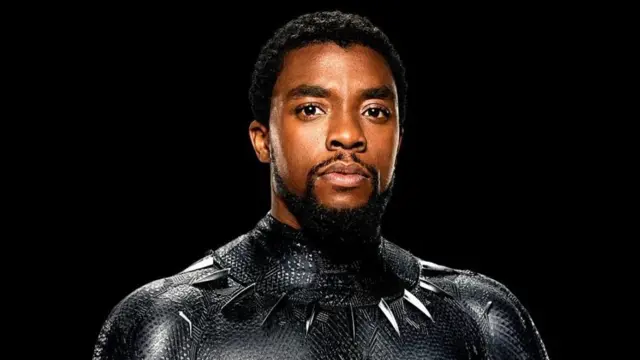 Chadwick Aaron Boseman (November 29, 1976 – August 28, 2020) was an acclaimed American actor, playwright, and director whose career was marked by powerful portrayals of historical Black icons and the groundbreaking superhero role of T'Challa/Black Panther in the Marvel Cinematic Universe.
Profession: Legendary Actor (Telugu Cinema).
Era: Golden Age Hero (1960s-70s); Dignified Character Actor (1980s-Present).
Community: Kamma (as indicated by his original surname Uppalapati).
Claim to Fame: The iconic "Dream Pair" with Vanisri; one of the defining romantic heroes of the 1970s; respected elder statesman of Tollywood.
Status: Chandramohan is a living legend and a bridge between the classic and modern eras of Telugu cinema. He is revered not just for his vast filmography but for his gentlemanly off-screen persona and his graceful career evolution. His life and career are deeply woven into the social and familial fabric of the Telugu film industry.
Chandramohan's journey from a law graduate to a matinee idol and finally to a beloved senior actor represents a unique and enduring chapter in Indian film history.
Chadwick Aaron Boseman
Chadwick Aaron Boseman (November 29, 1976 – August 28, 2020) was an acclaimed American actor, playwright, and director whose career was marked by powerful portrayals of historical Black icons and the groundbreaking superhero role of T'Challa/Black Panther in the Marvel Cinematic Universe.
Early Life and Education
Born and raised in Anderson, South Carolina, to Carolyn (a nurse) and Leroy Boseman (who worked in textiles and had an upholstery business), Chadwick grew up in a supportive family. He graduated from T.L. Hanna High School in 1995, where he played basketball and wrote his first play, Crossroads, after a classmate's tragic death. He earned a Bachelor of Fine Arts in directing from Howard University in 2000, studying under Phylicia Rashad. With help from Rashad and Denzel Washington (who funded part of his tuition), he attended the British American Drama Academy at Oxford. Initially aspiring to write and direct, he shifted focus to acting.
Born and raised in Anderson, South Carolina, to Carolyn (a nurse) and Leroy Boseman (who worked in textiles and had an upholstery business), Chadwick grew up in a supportive family. He graduated from T.L. Hanna High School in 1995, where he played basketball and wrote his first play, Crossroads, after a classmate's tragic death. He earned a Bachelor of Fine Arts in directing from Howard University in 2000, studying under Phylicia Rashad. With help from Rashad and Denzel Washington (who funded part of his tuition), he attended the British American Drama Academy at Oxford. Initially aspiring to write and direct, he shifted focus to acting.
Career Highlights
Boseman began with TV roles in shows like All My Children, Law & Order, and Persons Unknown. His breakthrough came with biographical films portraying real-life trailblazers:
- 42 (2013): As baseball legend Jackie Robinson, breaking MLB's color barrier.
- Get On Up (2014): As "Godfather of Soul" James Brown.
- Marshall (2017): As future Supreme Court Justice Thurgood Marshall in his early career.
He joined the MCU as T'Challa/Black Panther in Captain America: Civil War (2016), reprising the role in Black Panther (2018), Avengers: Infinity War (2018), and Avengers: Endgame (2019). Black Panther was a cultural phenomenon—the first superhero film with a predominantly Black cast and director (Ryan Coogler)—grossing over $1.3 billion and earning multiple Oscar nominations.
Other notable films include Da 5 Bloods (2020) directed by Spike Lee, 21 Bridges (2019, also producer), and his final role in Ma Rainey's Black Bottom (2020) opposite Viola Davis.
Portraits and iconic images from his career:
On the red carpet:Personal Life and Battle with CancerBoseman married singer Taylor Simone Ledward in a private ceremony shortly before his death. In 2016, he was diagnosed with stage III colon cancer, which progressed to stage IV. He kept his illness private, filming major projects while undergoing surgeries and chemotherapy—a testament to his resilience and dedication.
He passed away at home in Los Angeles on August 28, 2020, at age 43, surrounded by family. The news shocked the world, as few knew of his struggle.
Boseman began with TV roles in shows like All My Children, Law & Order, and Persons Unknown. His breakthrough came with biographical films portraying real-life trailblazers:
- 42 (2013): As baseball legend Jackie Robinson, breaking MLB's color barrier.
- Get On Up (2014): As "Godfather of Soul" James Brown.
- Marshall (2017): As future Supreme Court Justice Thurgood Marshall in his early career.
He joined the MCU as T'Challa/Black Panther in Captain America: Civil War (2016), reprising the role in Black Panther (2018), Avengers: Infinity War (2018), and Avengers: Endgame (2019). Black Panther was a cultural phenomenon—the first superhero film with a predominantly Black cast and director (Ryan Coogler)—grossing over $1.3 billion and earning multiple Oscar nominations.
Other notable films include Da 5 Bloods (2020) directed by Spike Lee, 21 Bridges (2019, also producer), and his final role in Ma Rainey's Black Bottom (2020) opposite Viola Davis.
Portraits and iconic images from his career:

Boseman married singer Taylor Simone Ledward in a private ceremony shortly before his death. In 2016, he was diagnosed with stage III colon cancer, which progressed to stage IV. He kept his illness private, filming major projects while undergoing surgeries and chemotherapy—a testament to his resilience and dedication.
He passed away at home in Los Angeles on August 28, 2020, at age 43, surrounded by family. The news shocked the world, as few knew of his struggle.
Legacy
Boseman's work revolutionized representation in Hollywood, inspiring generations with stories of Black excellence. Ma Rainey's Black Bottom earned him posthumous awards: Golden Globe for Best Actor, SAG Award, and an Oscar nomination (the first posthumous acting nod in over 25 years). Howard University renamed its College of Fine Arts after him in 2021. In 2024, he received a posthumous star on the Hollywood Walk of Fame.
His impact endures through his roles, philanthropy (including hospital visits as Black Panther), and the phrase "Wakanda Forever" as a symbol of strength and unity. As critics noted, he became an icon himself, leaving a "gamechanging legacy" in cinema.
Boseman's work revolutionized representation in Hollywood, inspiring generations with stories of Black excellence. Ma Rainey's Black Bottom earned him posthumous awards: Golden Globe for Best Actor, SAG Award, and an Oscar nomination (the first posthumous acting nod in over 25 years). Howard University renamed its College of Fine Arts after him in 2021. In 2024, he received a posthumous star on the Hollywood Walk of Fame.
His impact endures through his roles, philanthropy (including hospital visits as Black Panther), and the phrase "Wakanda Forever" as a symbol of strength and unity. As critics noted, he became an icon himself, leaving a "gamechanging legacy" in cinema.
Charan Raj

Charan Raj is a multi-faceted Indian actor, film director, producer, and television presenter, predominantly working in the Kannada film industry (Sandalwood). He is known for his intense character roles, unconventional filmmaking, and for being a prominent voice from a marginalized community.
Charan Raj is a multi-faceted Indian actor, film director, producer, and television presenter, predominantly working in the Kannada film industry (Sandalwood). He is known for his intense character roles, unconventional filmmaking, and for being a prominent voice from a marginalized community.
Background & Early Life
Full Name: Charan Raj
Date of Birth: January 22, 1972
Birthplace: Sringeri, Chikkamagaluru district, Karnataka, India.
Caste & Community: Charan Raj belongs to the Madiga community, which is a Scheduled Caste (SC/Dalit) in Karnataka and one of the largest Dalit sub-groups in South India. He is open and vocal about his Dalit identity and often uses his platform to address social issues of caste discrimination and representation.
Education: He holds a Bachelor of Science (B.Sc.) degree and was also a national-level volleyball player in his youth.
Full Name: Charan Raj
Date of Birth: January 22, 1972
Birthplace: Sringeri, Chikkamagaluru district, Karnataka, India.
Caste & Community: Charan Raj belongs to the Madiga community, which is a Scheduled Caste (SC/Dalit) in Karnataka and one of the largest Dalit sub-groups in South India. He is open and vocal about his Dalit identity and often uses his platform to address social issues of caste discrimination and representation.
Education: He holds a Bachelor of Science (B.Sc.) degree and was also a national-level volleyball player in his youth.
Career Trajectory
Charan Raj's career is a journey from mainstream acting to auteur-driven filmmaking.
1. Debut & Early Acting Roles (1990s-2000s):
He made his acting debut in the 1995 Kannada film "Muthina Haara," directed by S.V. Rajendra Singh. His initial years were spent playing supporting and villainous roles in commercial Kannada cinema.
He gained recognition for his negative roles and strong screen presence in films like "Hrudaya Hrudaya" and others.
2. Transition to Direction & Production (2000s onward):
Driven to tell his own stories, he transitioned to filmmaking.
He founded his own production banner, "Sri Maruthi Combines."
Directorial Debut: "Kariya" (2003) – A hard-hitting film that dealt with societal issues.
Notable Directorial Work: "Killing Veerappan" (2016) – A controversial and bold Telugu-Kannada bilingual based on the hunt for the bandit Veerappan. The film sparked debates for its perspective and portrayal.
3. Acclaimed Acting Comeback & Critical Recognition (2010s-Present):
After a focus on direction, he returned to acting with powerful character roles that showcased his depth.
Landmark Role: His performance as the grieving, rebellious father "Appanna" in the critically acclaimed "Act 1978" (2019) was a major breakthrough. The film dealt with police atrocity and won him the Karnataka State Film Award for Best Actor.
Recent Notable Roles:
Kantara (2022): He played the pivotal role of the skeptical and rational Forest Range Officer, "Muralidhar," acting as the narrative foil to Rishab Shetty's character. The film's pan-India success brought him nationwide recognition.
Ricky (2023)
He continues to be a sought-after character actor for his gravitas and authenticity.
4. Television Work:
He hosted the popular Kannada reality show "Majaa Bharatha" and the talk show "Khaana Khazana," showcasing his versatility as a presenter.
Charan Raj's career is a journey from mainstream acting to auteur-driven filmmaking.
1. Debut & Early Acting Roles (1990s-2000s):
He made his acting debut in the 1995 Kannada film "Muthina Haara," directed by S.V. Rajendra Singh. His initial years were spent playing supporting and villainous roles in commercial Kannada cinema.
He gained recognition for his negative roles and strong screen presence in films like "Hrudaya Hrudaya" and others.
2. Transition to Direction & Production (2000s onward):
Driven to tell his own stories, he transitioned to filmmaking.
He founded his own production banner, "Sri Maruthi Combines."
Directorial Debut: "Kariya" (2003) – A hard-hitting film that dealt with societal issues.
Notable Directorial Work: "Killing Veerappan" (2016) – A controversial and bold Telugu-Kannada bilingual based on the hunt for the bandit Veerappan. The film sparked debates for its perspective and portrayal.
3. Acclaimed Acting Comeback & Critical Recognition (2010s-Present):
After a focus on direction, he returned to acting with powerful character roles that showcased his depth.
Landmark Role: His performance as the grieving, rebellious father "Appanna" in the critically acclaimed "Act 1978" (2019) was a major breakthrough. The film dealt with police atrocity and won him the Karnataka State Film Award for Best Actor.
Recent Notable Roles:
Kantara (2022): He played the pivotal role of the skeptical and rational Forest Range Officer, "Muralidhar," acting as the narrative foil to Rishab Shetty's character. The film's pan-India success brought him nationwide recognition.
Ricky (2023)
He continues to be a sought-after character actor for his gravitas and authenticity.
4. Television Work:
He hosted the popular Kannada reality show "Majaa Bharatha" and the talk show "Khaana Khazana," showcasing his versatility as a presenter.
Style & Public Persona
Acting Style: Known for his deep, resonant voice, intense eyes, and a naturalistic acting style that conveys simmering emotion and authority.
Filmmaking Style: His directorial ventures are often bold, political, and attempt to tackle subjects from a distinct socio-political viewpoint.
Social Advocacy: He is an outspoken public intellectual. He frequently writes columns, gives interviews, and participates in debates on caste, social justice, and the politics of representation in Kannada cinema. He challenges the dominant caste narratives within the industry.
Acting Style: Known for his deep, resonant voice, intense eyes, and a naturalistic acting style that conveys simmering emotion and authority.
Filmmaking Style: His directorial ventures are often bold, political, and attempt to tackle subjects from a distinct socio-political viewpoint.
Social Advocacy: He is an outspoken public intellectual. He frequently writes columns, gives interviews, and participates in debates on caste, social justice, and the politics of representation in Kannada cinema. He challenges the dominant caste narratives within the industry.
Personal Life
He is married and has children. He maintains a home in Sringeri, staying connected to his roots.
He is married and has children. He maintains a home in Sringeri, staying connected to his roots.
Awards & Recognition
Karnataka State Film Award for Best Actor for Act 1978 (2019).
SIIMA Award nomination for Best Actor in a Supporting Role for Kantara (2022).
Numerous critics' awards and widespread acclaim for his recent performances.
Karnataka State Film Award for Best Actor for Act 1978 (2019).
SIIMA Award nomination for Best Actor in a Supporting Role for Kantara (2022).
Numerous critics' awards and widespread acclaim for his recent performances.
Summary & Legacy
Profession: Actor, Director, Producer, TV Presenter.
Industry: Kannada Cinema (Sandalwood).
Community: Madiga (Scheduled Caste/Dalit) – A core part of his identity and artistic mission.
Claim to Fame: Award-winning lead role in Act 1978; memorable performance in the blockbuster Kantara; bold director of Killing Veerappan.
Legacy: Charan Raj is more than just an actor. He is a pioneering and assertive Dalit voice in South Indian cinema. His journey from a stereotypical villain to an award-winning lead actor and a director with a point of view represents a significant shift. He challenges the industry from within, advocating for authentic storytelling and representation, making him one of the most important socio-cultural figures in contemporary Kannada cinema.
Charan Raj embodies the struggle and success of an artist from a marginalized community who has carved his own space, refusing to be typecast and using his art as a tool for social commentary.
Charle

Charle, born Velmurugan Thangasamy Manohar on March 6, 1960, in Kovilpatti, Thoothukudi district, Tamil Nadu, India, is a prolific Indian actor predominantly known for his work in Tamil cinema (Kollywood). Professionally credited as Charle (a stage name inspired by the iconic comedian Charlie Chaplin), he has carved a niche as a versatile supporting actor and comedian, appearing in over 800 films across Tamil, Telugu, and Malayalam industries. At 65 years old as of 2025, Charle is celebrated for his impeccable comic timing, mimicry skills, and ability to portray relatable, quirky characters. Beyond acting, he is an academic with advanced degrees in Tamil literature, focusing on humor in cinema.
Profession: Actor, Director, Producer, TV Presenter.
Industry: Kannada Cinema (Sandalwood).
Community: Madiga (Scheduled Caste/Dalit) – A core part of his identity and artistic mission.
Claim to Fame: Award-winning lead role in Act 1978; memorable performance in the blockbuster Kantara; bold director of Killing Veerappan.
Legacy: Charan Raj is more than just an actor. He is a pioneering and assertive Dalit voice in South Indian cinema. His journey from a stereotypical villain to an award-winning lead actor and a director with a point of view represents a significant shift. He challenges the industry from within, advocating for authentic storytelling and representation, making him one of the most important socio-cultural figures in contemporary Kannada cinema.
Charan Raj embodies the struggle and success of an artist from a marginalized community who has carved his own space, refusing to be typecast and using his art as a tool for social commentary.
Charle
Charle, born Velmurugan Thangasamy Manohar on March 6, 1960, in Kovilpatti, Thoothukudi district, Tamil Nadu, India, is a prolific Indian actor predominantly known for his work in Tamil cinema (Kollywood). Professionally credited as Charle (a stage name inspired by the iconic comedian Charlie Chaplin), he has carved a niche as a versatile supporting actor and comedian, appearing in over 800 films across Tamil, Telugu, and Malayalam industries. At 65 years old as of 2025, Charle is celebrated for his impeccable comic timing, mimicry skills, and ability to portray relatable, quirky characters. Beyond acting, he is an academic with advanced degrees in Tamil literature, focusing on humor in cinema.
Early Life and Education
Charle was born into a Tamil Hindu family and named after Charlie Chaplin due to his early flair for mimicry. Growing up in Kovilpatti, he displayed a natural talent for imitating renowned Tamil actors like Sivaji Ganesan, Muthuraman, and Nagesh during his college days. He pursued a bachelor's degree in chemistry from G.V.N. College in Kovilpatti. His passion for arts led him to further studies: a Master of Arts (MA) from Madurai Kamaraj University, a Master of Philosophy (MPhil) from Alagappa University in Karaikudi (thesis: "Contributions of Comedians in the Growth of Tamil Cinema – 1937 to 1967"), and a PhD in Tamil from Tamil University, Thanjavur, awarded in October 2019 (thesis: "Humour in Tamil Cinema," under Professor K. Ravindran). This scholarly background underscores his deep understanding of comedy's evolution in Indian cinema.
Charle was born into a Tamil Hindu family and named after Charlie Chaplin due to his early flair for mimicry. Growing up in Kovilpatti, he displayed a natural talent for imitating renowned Tamil actors like Sivaji Ganesan, Muthuraman, and Nagesh during his college days. He pursued a bachelor's degree in chemistry from G.V.N. College in Kovilpatti. His passion for arts led him to further studies: a Master of Arts (MA) from Madurai Kamaraj University, a Master of Philosophy (MPhil) from Alagappa University in Karaikudi (thesis: "Contributions of Comedians in the Growth of Tamil Cinema – 1937 to 1967"), and a PhD in Tamil from Tamil University, Thanjavur, awarded in October 2019 (thesis: "Humour in Tamil Cinema," under Professor K. Ravindran). This scholarly background underscores his deep understanding of comedy's evolution in Indian cinema.
Career Beginnings
Charle's entry into the entertainment world began in the late 1970s as a Staff Artist-Actor in the Song & Drama Division of India's Ministry of Information and Broadcasting, where he performed in over 1,000 stage dramas across six years. His film debut came in 1982, introduced by legendary director K. Balachander in the Tamil film Poikkal Kudhirai (The Spotted Horse), where he played a small role. This marked the start of a four-decade-long career primarily as a comedian and character artist in Tamil films. He quickly gained recognition for his unique style—often blending humor with pathos—and became a go-to actor for directors seeking authentic supporting roles. Over the years, he has collaborated with stalwarts like Balachander, Mani Ratnam, and Shankar, transitioning from theater to silver screen seamlessly.
Charle's entry into the entertainment world began in the late 1970s as a Staff Artist-Actor in the Song & Drama Division of India's Ministry of Information and Broadcasting, where he performed in over 1,000 stage dramas across six years. His film debut came in 1982, introduced by legendary director K. Balachander in the Tamil film Poikkal Kudhirai (The Spotted Horse), where he played a small role. This marked the start of a four-decade-long career primarily as a comedian and character artist in Tamil films. He quickly gained recognition for his unique style—often blending humor with pathos—and became a go-to actor for directors seeking authentic supporting roles. Over the years, he has collaborated with stalwarts like Balachander, Mani Ratnam, and Shankar, transitioning from theater to silver screen seamlessly.
Notable Films and Filmography
Charle's filmography is vast, spanning comedies, dramas, thrillers, and social satires. He has acted in more than 550–800 films (estimates vary), with credits in Tamil (majority), Telugu (e.g., Indrudu Chandrudu in 1989), and Malayalam (e.g., Bro Daddy in 2022). His roles often steal scenes despite being supporting, showcasing his range from bumbling sidekicks to wise mentors.
Here's a table of some notable films across decades:
Year Film Role Director Notes 1983 Poikkal Kudhirai Supporting K. Balachander Debut film; critically acclaimed circus drama. 1984 Achamillai Achamillai Comedian K. Balachander Satirical political drama; early breakthrough. 1986 Punnagai Mannan Comic Relief K. Balachander Romantic comedy; showcased mimicry skills. 1991 Thalapathi Supporting Mani Ratnam Gangster epic with Rajinikanth; iconic ensemble. 2000 Thenali Patient K. S. Ravikumar Comedy classic with Kamal Haasan; hilarious antics. 2005 Anniyan Tailor Shankar Psychological thriller; memorable quirky role. 2007 Welcome Municipal Worker (Nandan Singh) Anees Bazmee Hindi-Tamil bilingual hit; crossed over industries. 2015 Papanasam Supporting Kamal Haasan Remake of Drishyam; intense family drama. 2016 24 Astrologer Vikram Kumar Sci-fi thriller; time-loop narrative. 2017 Maanagaram Nataraj Lokesh Kanagaraj Nonlinear thriller; praised for layered performance. 2022 Bro Daddy Supporting Joshiy Malayalam family comedy on Prime Video.
His IMDb profile lists over 200 credited roles, with Welcome, 24, and Maanagaram as standout highlights. Charle's ability to adapt to ensemble casts has made him a staple in multi-starrer projects.
Charle's filmography is vast, spanning comedies, dramas, thrillers, and social satires. He has acted in more than 550–800 films (estimates vary), with credits in Tamil (majority), Telugu (e.g., Indrudu Chandrudu in 1989), and Malayalam (e.g., Bro Daddy in 2022). His roles often steal scenes despite being supporting, showcasing his range from bumbling sidekicks to wise mentors.
Here's a table of some notable films across decades:
| Year | Film | Role | Director | Notes |
|---|---|---|---|---|
| 1983 | Poikkal Kudhirai | Supporting | K. Balachander | Debut film; critically acclaimed circus drama. |
| 1984 | Achamillai Achamillai | Comedian | K. Balachander | Satirical political drama; early breakthrough. |
| 1986 | Punnagai Mannan | Comic Relief | K. Balachander | Romantic comedy; showcased mimicry skills. |
| 1991 | Thalapathi | Supporting | Mani Ratnam | Gangster epic with Rajinikanth; iconic ensemble. |
| 2000 | Thenali | Patient | K. S. Ravikumar | Comedy classic with Kamal Haasan; hilarious antics. |
| 2005 | Anniyan | Tailor | Shankar | Psychological thriller; memorable quirky role. |
| 2007 | Welcome | Municipal Worker (Nandan Singh) | Anees Bazmee | Hindi-Tamil bilingual hit; crossed over industries. |
| 2015 | Papanasam | Supporting | Kamal Haasan | Remake of Drishyam; intense family drama. |
| 2016 | 24 | Astrologer | Vikram Kumar | Sci-fi thriller; time-loop narrative. |
| 2017 | Maanagaram | Nataraj | Lokesh Kanagaraj | Nonlinear thriller; praised for layered performance. |
| 2022 | Bro Daddy | Supporting | Joshiy | Malayalam family comedy on Prime Video. |
His IMDb profile lists over 200 credited roles, with Welcome, 24, and Maanagaram as standout highlights. Charle's ability to adapt to ensemble casts has made him a staple in multi-starrer projects.
Awards and Recognition
Charle's contributions to comedy have earned him prestigious honors:
- Kalaimamani Award (2004): Tamil Nadu government's highest civilian award for arts.
- Tamil Nadu State Film Award for Best Comedian (multiple times).
- Kalaichchigaram Award (2018): For lifetime achievement in cinema.
- Film Fans Association Awards: Best Comedian (1994, 1996) and Best Character Artiste (1996).
- Bharath Social & Cultural Academy Awards: Best Comedian (1998, 1999, 2000, 2001).
These accolades affirm his status as one of Tamil cinema's finest comedians.
Charle's contributions to comedy have earned him prestigious honors:
- Kalaimamani Award (2004): Tamil Nadu government's highest civilian award for arts.
- Tamil Nadu State Film Award for Best Comedian (multiple times).
- Kalaichchigaram Award (2018): For lifetime achievement in cinema.
- Film Fans Association Awards: Best Comedian (1994, 1996) and Best Character Artiste (1996).
- Bharath Social & Cultural Academy Awards: Best Comedian (1998, 1999, 2000, 2001).
These accolades affirm his status as one of Tamil cinema's finest comedians.
Personal Life
Charle maintains a low-profile personal life, focusing on family and education. He is married and has a son, Ajay Thangasamy, who works in the film industry. Ajay married Permiciya Demi in a grand Chennai ceremony on June 10, 2024, attended by Tamil Nadu CM M.K. Stalin and actor Kamal Haasan. Charle resides in Chennai and is known for his humility, often crediting his success to mentors like Balachander. No major controversies surround him, and he occasionally shares insights on cinema through academic forums.
Charle maintains a low-profile personal life, focusing on family and education. He is married and has a son, Ajay Thangasamy, who works in the film industry. Ajay married Permiciya Demi in a grand Chennai ceremony on June 10, 2024, attended by Tamil Nadu CM M.K. Stalin and actor Kamal Haasan. Charle resides in Chennai and is known for his humility, often crediting his success to mentors like Balachander. No major controversies surround him, and he occasionally shares insights on cinema through academic forums.
Recent and Upcoming Works (as of September 2025)
In recent years, Charle has continued steady work in OTT and theatrical releases. His 2025 projects include:
- Bun Butter Jam (released early 2025): A slice-of-life drama.
- Upcoming: Mask (November 2025, directed by Vikranan Ashok; co-starring Kavin and Ruhani Sharma) – a comedy-drama where birthday wishes were shared on X in June 2024.
- Gift (December 2025, directed by Alphonse Puthren) – a feel-good entertainer.
Older recent films like Aattral (2022) became available on Prime Video in September 2024. On X (formerly Twitter), fans and teams frequently tag him for promotions, with posts highlighting his enduring charm in ensemble casts. As of mid-2025, no major health or personal news has surfaced, but his academic pursuits keep him engaged beyond the screen.
Charle's journey from a mimicry enthusiast in rural Tamil Nadu to a PhD holder and cinema icon exemplifies perseverance and versatility, making him a beloved figure in South Indian entertainment.
In recent years, Charle has continued steady work in OTT and theatrical releases. His 2025 projects include:
- Bun Butter Jam (released early 2025): A slice-of-life drama.
- Upcoming: Mask (November 2025, directed by Vikranan Ashok; co-starring Kavin and Ruhani Sharma) – a comedy-drama where birthday wishes were shared on X in June 2024.
- Gift (December 2025, directed by Alphonse Puthren) – a feel-good entertainer.
Older recent films like Aattral (2022) became available on Prime Video in September 2024. On X (formerly Twitter), fans and teams frequently tag him for promotions, with posts highlighting his enduring charm in ensemble casts. As of mid-2025, no major health or personal news has surfaced, but his academic pursuits keep him engaged beyond the screen.
Charle's journey from a mimicry enthusiast in rural Tamil Nadu to a PhD holder and cinema icon exemplifies perseverance and versatility, making him a beloved figure in South Indian entertainment.
Clint Eastwood

Clinton Eastwood Jr. is an American actor, director, producer, and composer, widely regarded as one of Hollywood’s most enduring icons. Born on May 31, 1930, in San Francisco, California, Eastwood is celebrated for his stoic, rugged roles in Westerns and action films, notably as the "Man with No Name" in Sergio Leone’s Dollars Trilogy (1964–1966) and Harry Callahan in the Dirty Harry series (1971–1988). As a director, he has helmed critically acclaimed films like Unforgiven (1992), Million Dollar Baby (2004), and American Sniper (2014), earning four Academy Awards and four Golden Globes. With a career spanning seven decades, a net worth of $375–400 million (as of October 26, 2025), and contributions to film, music, and politics (former mayor of Carmel-by-the-Sea, 1986–1988), Eastwood is a cultural titan whose work explores themes of justice, redemption, and masculinity.
Clinton Eastwood Jr. is an American actor, director, producer, and composer, widely regarded as one of Hollywood’s most enduring icons. Born on May 31, 1930, in San Francisco, California, Eastwood is celebrated for his stoic, rugged roles in Westerns and action films, notably as the "Man with No Name" in Sergio Leone’s Dollars Trilogy (1964–1966) and Harry Callahan in the Dirty Harry series (1971–1988). As a director, he has helmed critically acclaimed films like Unforgiven (1992), Million Dollar Baby (2004), and American Sniper (2014), earning four Academy Awards and four Golden Globes. With a career spanning seven decades, a net worth of $375–400 million (as of October 26, 2025), and contributions to film, music, and politics (former mayor of Carmel-by-the-Sea, 1986–1988), Eastwood is a cultural titan whose work explores themes of justice, redemption, and masculinity.
Personal Details
- Full Name: Clinton Eastwood Jr.
- Date of Birth: May 31, 1930 (age 95 as of October 26, 2025, 7:41 PM IST)
- Place of Birth: San Francisco, California, USA
- Nationality: American
- Ethnicity/Community: White American, of English, Scottish, Dutch, and Irish descent; raised Protestant (Presbyterian)
- Family:
- Parents: Clinton Eastwood Sr. (steelworker, later salesman, died 1970); Ruth Wood (nee Runner, factory worker, later IBM clerk, died 2006)
- Siblings: One younger sister, Jeanne Bernhardt
- Spouses: Maggie Johnson (1953–1984, divorced); Dina Ruiz (1996–2014, divorced)
- Partners: Notable relationships with Roxanne Tunis (1959–1975), Sondra Locke (1975–1989), Frances Fisher (1990–1995), Christina Sandera (2014–2024, died)
- Children: Eight known – Laurie Murray (1954, adopted, discovered later), Kimber Eastwood (1964), Kyle Eastwood (1968), Alison Eastwood (1972), Scott Eastwood (1986), Kathryn Eastwood (1988), Francesca Eastwood (1993), Morgan Eastwood (1996)
- Education:
- Piedmont Junior High and Oakland Technical High School, Oakland, California (graduated 1948)
- Briefly attended Los Angeles City College (1950s, no degree); self-taught in acting and filmmaking
- Residence: Primarily Carmel-by-the-Sea, California; owns properties in Los Angeles, Sun Valley (Idaho), and Maui (Hawaii)
- Languages Known: English
- Hobbies/Interests: Jazz music (pianist, composer), golf, aviation (licensed pilot), fitness, political activism (libertarian-leaning), animal welfare
- Health: Remarkably active at 95; no major health issues reported; maintains fitness through golf, diet, and active lifestyle
- Military Service: Drafted into U.S. Army (1951–1953, Korean War); served as lifeguard/swimming instructor at Fort Ord, California
- Net Worth: $375–400 million (2025 estimate), from acting, directing, producing, and real estate (owns Mission Ranch hotel, Tehama Golf Club)
- Full Name: Clinton Eastwood Jr.
- Date of Birth: May 31, 1930 (age 95 as of October 26, 2025, 7:41 PM IST)
- Place of Birth: San Francisco, California, USA
- Nationality: American
- Ethnicity/Community: White American, of English, Scottish, Dutch, and Irish descent; raised Protestant (Presbyterian)
- Family:
- Parents: Clinton Eastwood Sr. (steelworker, later salesman, died 1970); Ruth Wood (nee Runner, factory worker, later IBM clerk, died 2006)
- Siblings: One younger sister, Jeanne Bernhardt
- Spouses: Maggie Johnson (1953–1984, divorced); Dina Ruiz (1996–2014, divorced)
- Partners: Notable relationships with Roxanne Tunis (1959–1975), Sondra Locke (1975–1989), Frances Fisher (1990–1995), Christina Sandera (2014–2024, died)
- Children: Eight known – Laurie Murray (1954, adopted, discovered later), Kimber Eastwood (1964), Kyle Eastwood (1968), Alison Eastwood (1972), Scott Eastwood (1986), Kathryn Eastwood (1988), Francesca Eastwood (1993), Morgan Eastwood (1996)
- Education:
- Piedmont Junior High and Oakland Technical High School, Oakland, California (graduated 1948)
- Briefly attended Los Angeles City College (1950s, no degree); self-taught in acting and filmmaking
- Residence: Primarily Carmel-by-the-Sea, California; owns properties in Los Angeles, Sun Valley (Idaho), and Maui (Hawaii)
- Languages Known: English
- Hobbies/Interests: Jazz music (pianist, composer), golf, aviation (licensed pilot), fitness, political activism (libertarian-leaning), animal welfare
- Health: Remarkably active at 95; no major health issues reported; maintains fitness through golf, diet, and active lifestyle
- Military Service: Drafted into U.S. Army (1951–1953, Korean War); served as lifeguard/swimming instructor at Fort Ord, California
- Net Worth: $375–400 million (2025 estimate), from acting, directing, producing, and real estate (owns Mission Ranch hotel, Tehama Golf Club)
Early Life and Upbringing
Eastwood’s childhood was shaped by working-class roots and Great Depression-era challenges, with periods of economic hardship but eventual middle-class stability:
- Childhood in California (1930–1948): Born in San Francisco during the Great Depression to a working-class family. His father, Clinton Sr., worked as a steelworker, gas station attendant, and later salesman, while his mother, Ruth, was a factory worker before becoming an IBM clerk. The family moved frequently (San Francisco, Piedmont, Oakland, Redding) due to job instability, living in modest rentals or shared homes. Eastwood was nicknamed “Samson” at birth (weighed 11 lbs 6 oz) and grew up shy but athletic, excelling in basketball.
- Economic Hardship:
- The Depression (1929–1939) strained the family, with Clinton Sr.’s unsteady jobs leading to frugal living (e.g., bartering goods, second-hand clothing). Eastwood recalled eating “ketchup sandwiches” at times, though the family avoided homelessness or starvation.
- By the 1940s, his parents’ jobs stabilized (salesman, IBM clerk), moving the family to a lower-middle-class suburban home in Oakland, with access to cars and basic comforts.
- Education: Attended public schools in Oakland (Piedmont Junior High, Oakland Technical High). An average student, he graduated in 1948 but showed no early interest in arts. Enrolled briefly at Los Angeles City College (1950s) for business courses, dropping out to work odd jobs. His education, while not elite, was accessible, unlike chronically disadvantaged groups.
- Early Jobs: Worked as a lumberjack, steelworker, gas station attendant, hay baler, and pool lifeguard in his teens/20s, reflecting working-class roots. Post-Army, he took low-paying Hollywood jobs (e.g., digging pools) before landing acting roles.
- Cultural Context: Oakland in the 1930s–1940s was a working-class hub with diverse ethnic groups. As a white, Protestant family, the Eastwoods faced no racial or ethnic discrimination, and their eventual stability (1940s) distanced them from the chronic poverty of low-class communities (e.g., urban slums or marginalized minorities like Black or Hispanic Americans).
Eastwood’s childhood was shaped by working-class roots and Great Depression-era challenges, with periods of economic hardship but eventual middle-class stability:
- Childhood in California (1930–1948): Born in San Francisco during the Great Depression to a working-class family. His father, Clinton Sr., worked as a steelworker, gas station attendant, and later salesman, while his mother, Ruth, was a factory worker before becoming an IBM clerk. The family moved frequently (San Francisco, Piedmont, Oakland, Redding) due to job instability, living in modest rentals or shared homes. Eastwood was nicknamed “Samson” at birth (weighed 11 lbs 6 oz) and grew up shy but athletic, excelling in basketball.
- Economic Hardship:
- The Depression (1929–1939) strained the family, with Clinton Sr.’s unsteady jobs leading to frugal living (e.g., bartering goods, second-hand clothing). Eastwood recalled eating “ketchup sandwiches” at times, though the family avoided homelessness or starvation.
- By the 1940s, his parents’ jobs stabilized (salesman, IBM clerk), moving the family to a lower-middle-class suburban home in Oakland, with access to cars and basic comforts.
- Education: Attended public schools in Oakland (Piedmont Junior High, Oakland Technical High). An average student, he graduated in 1948 but showed no early interest in arts. Enrolled briefly at Los Angeles City College (1950s) for business courses, dropping out to work odd jobs. His education, while not elite, was accessible, unlike chronically disadvantaged groups.
- Early Jobs: Worked as a lumberjack, steelworker, gas station attendant, hay baler, and pool lifeguard in his teens/20s, reflecting working-class roots. Post-Army, he took low-paying Hollywood jobs (e.g., digging pools) before landing acting roles.
- Cultural Context: Oakland in the 1930s–1940s was a working-class hub with diverse ethnic groups. As a white, Protestant family, the Eastwoods faced no racial or ethnic discrimination, and their eventual stability (1940s) distanced them from the chronic poverty of low-class communities (e.g., urban slums or marginalized minorities like Black or Hispanic Americans).
Career Overview
Eastwood’s career is a cornerstone of American cinema, blending acting, directing, producing, and music with a signature minimalist style:
- Early Career (1950s–1963):
- Post-Army, signed with Universal Studios (1954) for bit parts in B-movies (Revenge of the Creature, 1955; Tarantula, 1955) at $75/week. Lived frugally in Los Angeles, taking odd jobs.
- Breakout: Played Rowdy Yates in Rawhide (CBS, 1959–1965), a Western series that ran 217 episodes, making him a TV star and honing his cowboy persona.
- Acting Breakthrough:
- A Fistful of Dollars (1964): Starred as the "Man with No Name" in Sergio Leone’s Spaghetti Western, filmed in Spain; grossed $14.5 million on a $200,000 budget.
- For a Few Dollars More (1965) and The Good, the Bad and the Ugly (1966): Completed the Dollars Trilogy, grossing $38 million combined; iconic squint and poncho redefined Westerns.
- Dirty Harry (1971): Played maverick cop Harry Callahan; film grossed $36 million, spawning 4 sequels (Magnum Force, 1973; The Enforcer, 1976; Sudden Impact, 1983; The Dead Pool, 1988), totaling $250 million.
- Other hits: High Plains Drifter (1973), The Outlaw Josey Wales (1976), In the Line of Fire (1993).
- Directing and Producing:
- Founded Malpaso Productions (1967), producing most of his films for creative control.
- Play Misty for Me (1971): Directorial debut, a thriller; starred as a stalked DJ.
- Unforgiven (1992): Directed and starred as William Munny; won 4 Oscars (Best Picture, Best Director), grossed $159 million.
- Million Dollar Baby (2004): Directed and starred; won 4 Oscars (Best Picture, Best Director), grossed $216 million.
- Mystic River (2003), Letters from Iwo Jima (2006), American Sniper (2014): Critically acclaimed; Sniper grossed $547 million.
- Recent: Directed Cry Macho (2021) and Juror #2 (2024, courtroom thriller with Nicholas Hoult).
- Music:
- Composed scores for films (Mystic River, Changeling); collaborated with son Kyle (jazz musician).
- Released jazz albums; owns Mission Ranch jazz club in Carmel.
- Awards:
- 4 Academy Awards: Best Director and Best Picture (Unforgiven, Million Dollar Baby)
- 4 Golden Globes, including Cecil B. DeMille Award (1988)
- Kennedy Center Honors (2000), AFI Life Achievement Award (1996), Palme d’Or (2009, Cannes honorary)
- Earnings: Peaked at $20 million/film in 1990s; Malpaso profits, real estate (Mission Ranch, Tehama Golf Club), and investments drive wealth.
Eastwood’s career is a cornerstone of American cinema, blending acting, directing, producing, and music with a signature minimalist style:
- Early Career (1950s–1963):
- Post-Army, signed with Universal Studios (1954) for bit parts in B-movies (Revenge of the Creature, 1955; Tarantula, 1955) at $75/week. Lived frugally in Los Angeles, taking odd jobs.
- Breakout: Played Rowdy Yates in Rawhide (CBS, 1959–1965), a Western series that ran 217 episodes, making him a TV star and honing his cowboy persona.
- Acting Breakthrough:
- A Fistful of Dollars (1964): Starred as the "Man with No Name" in Sergio Leone’s Spaghetti Western, filmed in Spain; grossed $14.5 million on a $200,000 budget.
- For a Few Dollars More (1965) and The Good, the Bad and the Ugly (1966): Completed the Dollars Trilogy, grossing $38 million combined; iconic squint and poncho redefined Westerns.
- Dirty Harry (1971): Played maverick cop Harry Callahan; film grossed $36 million, spawning 4 sequels (Magnum Force, 1973; The Enforcer, 1976; Sudden Impact, 1983; The Dead Pool, 1988), totaling $250 million.
- Other hits: High Plains Drifter (1973), The Outlaw Josey Wales (1976), In the Line of Fire (1993).
- Directing and Producing:
- Founded Malpaso Productions (1967), producing most of his films for creative control.
- Play Misty for Me (1971): Directorial debut, a thriller; starred as a stalked DJ.
- Unforgiven (1992): Directed and starred as William Munny; won 4 Oscars (Best Picture, Best Director), grossed $159 million.
- Million Dollar Baby (2004): Directed and starred; won 4 Oscars (Best Picture, Best Director), grossed $216 million.
- Mystic River (2003), Letters from Iwo Jima (2006), American Sniper (2014): Critically acclaimed; Sniper grossed $547 million.
- Recent: Directed Cry Macho (2021) and Juror #2 (2024, courtroom thriller with Nicholas Hoult).
- Music:
- Composed scores for films (Mystic River, Changeling); collaborated with son Kyle (jazz musician).
- Released jazz albums; owns Mission Ranch jazz club in Carmel.
- Awards:
- 4 Academy Awards: Best Director and Best Picture (Unforgiven, Million Dollar Baby)
- 4 Golden Globes, including Cecil B. DeMille Award (1988)
- Kennedy Center Honors (2000), AFI Life Achievement Award (1996), Palme d’Or (2009, Cannes honorary)
- Earnings: Peaked at $20 million/film in 1990s; Malpaso profits, real estate (Mission Ranch, Tehama Golf Club), and investments drive wealth.
Community and Class Background
Eastwood’s early life aligns with a working-class background with periods of low-class status, but not a consistently disadvantaged community:
- Socio-Economic Class:
- Childhood: Born into a working-class family during the Great Depression, facing financial strain (e.g., frequent moves, modest living). His parents’ unsteady jobs (steelworker, factory worker) in the 1930s reflect low-class conditions, though the family avoided extreme poverty (e.g., no homelessness or reliance on welfare).
- Stabilization: By the 1940s, his father’s salesman role and mother’s IBM job lifted the family to lower-middle-class status, with a suburban Oakland home, car, and school access. This recovery sets them apart from chronically disadvantaged groups.
- Early Career: Odd jobs (lumberjack, lifeguard) and low Hollywood pay ($75/week) reflect working-class roots, but Army service and Universal contract provided mobility, unlike systemic barriers faced by low-income communities (e.g., urban poor or minorities).
- Ethnicity/Community:
- White American: Eastwood’s English, Scottish, Dutch, and Irish descent places him within the U.S.’s majority ethnic group, facing no racial or ethnic discrimination in 1930s–1940s California. His Protestant upbringing was mainstream, ensuring cultural integration.
- Cultural Context: Oakland’s working-class neighborhoods were stable for white families, unlike marginalized groups (e.g., Black Americans facing redlining or Dust Bowl migrants). The Eastwoods’ ability to navigate the Depression and secure jobs by the 1940s reflects relative privilege compared to chronically low-class communities.
- Contrast with Disadvantage: Unlike figures like Heather Mills (homelessness, abuse) or Djimon Hounsou (racial barriers, immigrant poverty), Eastwood’s hardships were tied to the Depression’s broad impact, not persistent exclusion. His education access and early Hollywood entry, while modest, align with working-class resilience rather than deep disadvantage.
Eastwood’s early life aligns with a working-class background with periods of low-class status, but not a consistently disadvantaged community:
- Socio-Economic Class:
- Childhood: Born into a working-class family during the Great Depression, facing financial strain (e.g., frequent moves, modest living). His parents’ unsteady jobs (steelworker, factory worker) in the 1930s reflect low-class conditions, though the family avoided extreme poverty (e.g., no homelessness or reliance on welfare).
- Stabilization: By the 1940s, his father’s salesman role and mother’s IBM job lifted the family to lower-middle-class status, with a suburban Oakland home, car, and school access. This recovery sets them apart from chronically disadvantaged groups.
- Early Career: Odd jobs (lumberjack, lifeguard) and low Hollywood pay ($75/week) reflect working-class roots, but Army service and Universal contract provided mobility, unlike systemic barriers faced by low-income communities (e.g., urban poor or minorities).
- Ethnicity/Community:
- White American: Eastwood’s English, Scottish, Dutch, and Irish descent places him within the U.S.’s majority ethnic group, facing no racial or ethnic discrimination in 1930s–1940s California. His Protestant upbringing was mainstream, ensuring cultural integration.
- Cultural Context: Oakland’s working-class neighborhoods were stable for white families, unlike marginalized groups (e.g., Black Americans facing redlining or Dust Bowl migrants). The Eastwoods’ ability to navigate the Depression and secure jobs by the 1940s reflects relative privilege compared to chronically low-class communities.
- Contrast with Disadvantage: Unlike figures like Heather Mills (homelessness, abuse) or Djimon Hounsou (racial barriers, immigrant poverty), Eastwood’s hardships were tied to the Depression’s broad impact, not persistent exclusion. His education access and early Hollywood entry, while modest, align with working-class resilience rather than deep disadvantage.
Personal Life
- Relationships:
- Married Maggie Johnson (1953–1984); 2 children (Kyle, Alison). Had affairs, including with Roxanne Tunis (child: Kimber).
- Long-term partner Sondra Locke (1975–1989, actress); no children, ended in lawsuits (settled 1990).
- Partnered with Frances Fisher (1990–1995, child: Francesca); Dina Ruiz (1996–2014, child: Morgan).
- With Christina Sandera (2014–2024, died July 2024). Private about current status.
- Eight known children; Scott and Alison are actors; maintains distant but supportive ties.
- Philanthropy:
- Supports veterans (Wounded Warrior Project), arts (Carmel Film Festival), and environment (owns eco-friendly Tehama Golf Club).
- Founded Eastwood Ranch Foundation for animal welfare; donates to Monterey County charities.
- Controversies:
- Personal Life: Affairs and multiple children sparked tabloid scrutiny; Locke’s lawsuits (1989) alleged career sabotage, settled out of court.
- Politics: Libertarian-Republican views (supported Nixon, Reagan; 2012 RNC “empty chair” speech mocking Obama) polarized fans. American Sniper (2014) criticized for pro-war bias; Eastwood defended its human focus.
- Directorial Clashes: Minor disputes with actors (e.g., Spike Lee on Flags of Our Fathers’ lack of Black soldiers, 2008).
- Lifestyle: Lives in Carmel-by-the-Sea; owns Mission Ranch hotel/jazz club and Tehama Golf Club. Enjoys jazz piano, golf, flying (owns helicopter), and fitness. Minimal social media (@malpasoproductions, ~50k Instagram followers).
- Political Career: Mayor of Carmel-by-the-Sea (1986–1988); passed pro-business reforms (e.g., eased building codes).
- Relationships:
- Married Maggie Johnson (1953–1984); 2 children (Kyle, Alison). Had affairs, including with Roxanne Tunis (child: Kimber).
- Long-term partner Sondra Locke (1975–1989, actress); no children, ended in lawsuits (settled 1990).
- Partnered with Frances Fisher (1990–1995, child: Francesca); Dina Ruiz (1996–2014, child: Morgan).
- With Christina Sandera (2014–2024, died July 2024). Private about current status.
- Eight known children; Scott and Alison are actors; maintains distant but supportive ties.
- Philanthropy:
- Supports veterans (Wounded Warrior Project), arts (Carmel Film Festival), and environment (owns eco-friendly Tehama Golf Club).
- Founded Eastwood Ranch Foundation for animal welfare; donates to Monterey County charities.
- Controversies:
- Personal Life: Affairs and multiple children sparked tabloid scrutiny; Locke’s lawsuits (1989) alleged career sabotage, settled out of court.
- Politics: Libertarian-Republican views (supported Nixon, Reagan; 2012 RNC “empty chair” speech mocking Obama) polarized fans. American Sniper (2014) criticized for pro-war bias; Eastwood defended its human focus.
- Directorial Clashes: Minor disputes with actors (e.g., Spike Lee on Flags of Our Fathers’ lack of Black soldiers, 2008).
- Lifestyle: Lives in Carmel-by-the-Sea; owns Mission Ranch hotel/jazz club and Tehama Golf Club. Enjoys jazz piano, golf, flying (owns helicopter), and fitness. Minimal social media (@malpasoproductions, ~50k Instagram followers).
- Political Career: Mayor of Carmel-by-the-Sea (1986–1988); passed pro-business reforms (e.g., eased building codes).
Recent and Upcoming Activities (as of October 26, 2025)
- Recent:
- Directed Juror #2 (2024, Warner Bros.), a courtroom thriller starring Nicholas Hoult; premiered October 2024, praised for Eastwood’s vigor at 94, grossed $50 million (early figures).
- Produced American Sniper 10th-anniversary re-release (2024, limited theatrical run).
- Upcoming:
- Developing a documentary on Western cinema’s evolution (2026, tentative, via Malpaso Productions).
- Mentoring young filmmakers; rumored to produce a biopic on John Wayne (2027, unconfirmed).
- No acting roles planned; focusing on directing and philanthropy.
- Public Presence: Rare interviews (Variety, Hollywood Reporter, 2025) discuss longevity, jazz, and mentoring. Active in Carmel community (e.g., film festival patron). Avoids X; team manages @clinteastwoodofficial (~100k followers).
- Recent:
- Directed Juror #2 (2024, Warner Bros.), a courtroom thriller starring Nicholas Hoult; premiered October 2024, praised for Eastwood’s vigor at 94, grossed $50 million (early figures).
- Produced American Sniper 10th-anniversary re-release (2024, limited theatrical run).
- Upcoming:
- Developing a documentary on Western cinema’s evolution (2026, tentative, via Malpaso Productions).
- Mentoring young filmmakers; rumored to produce a biopic on John Wayne (2027, unconfirmed).
- No acting roles planned; focusing on directing and philanthropy.
- Public Presence: Rare interviews (Variety, Hollywood Reporter, 2025) discuss longevity, jazz, and mentoring. Active in Carmel community (e.g., film festival patron). Avoids X; team manages @clinteastwoodofficial (~100k followers).
Socio-Cultural Context
Clint Eastwood’s journey from a Depression-era working-class kid to Hollywood legend reflects grit and talent, but not a struggle against systemic disadvantage. His family’s economic challenges (1930s) were significant but temporary, and his white, Protestant identity, stable schooling, and Army service provided opportunities unavailable to truly disadvantaged groups (e.g., racial minorities, chronic poor). His iconic roles—stoic, self-reliant heroes like Dirty Harry or William Munny—echo his working-class roots, while his directorial work explores aging, morality, and war’s toll. Unlike low-class figures like Heather Mills (homelessness, trauma) or Djimon Hounsou (racial barriers), Eastwood’s path benefited from cultural privilege, with hardships tied to a universal economic downturn rather than persistent exclusion.
- Community Status: His working-class background had low-class moments (Depression-era strain), but his family’s recovery and his own mobility (education, Hollywood access) align more with middle-class stability than deep disadvantage.
Clint Eastwood

Clint Eastwood’s journey from a Depression-era working-class kid to Hollywood legend reflects grit and talent, but not a struggle against systemic disadvantage. His family’s economic challenges (1930s) were significant but temporary, and his white, Protestant identity, stable schooling, and Army service provided opportunities unavailable to truly disadvantaged groups (e.g., racial minorities, chronic poor). His iconic roles—stoic, self-reliant heroes like Dirty Harry or William Munny—echo his working-class roots, while his directorial work explores aging, morality, and war’s toll. Unlike low-class figures like Heather Mills (homelessness, trauma) or Djimon Hounsou (racial barriers), Eastwood’s path benefited from cultural privilege, with hardships tied to a universal economic downturn rather than persistent exclusion.
- Community Status: His working-class background had low-class moments (Depression-era strain), but his family’s recovery and his own mobility (education, Hollywood access) align more with middle-class stability than deep disadvantage.
Clint Eastwood, born Clinton Eastwood Jr. on May 31, 1930, in San Francisco, California, is one of Hollywood's most enduring figures. At 95 years old as of 2025, he has had a prolific career spanning over seven decades, starring in more than 60 films, directing over 40, and earning critical acclaim for his gritty, no-nonsense portrayals of antiheroes, cowboys, and complex everymen. Eastwood's acting style—characterized by squinting intensity, laconic dialogue, and moral ambiguity—redefined the Western genre and influenced action cinema. Beyond acting, he transitioned seamlessly into directing, producing, and even composing scores, often through his production company, Malpaso Productions. His films have grossed over $1.81 billion domestically, and he remains active, announcing plans in May 2025 to direct a new movie at age 95, emphasizing originality over remakes and franchises: "Do something new or stay at home." This update counters earlier rumors of retirement following his 2024 film Juror #2.
Early Life and Entry into Acting
Eastwood grew up in a working-class family of English, Irish, Scottish, and Dutch descent; he is a 12th-generation North American, descended from Mayflower passenger William Bradford. His father, Clinton Sr., was a manufacturing executive who moved the family frequently during the Great Depression, settling in affluent Piedmont, California. Eastwood struggled academically, being held back in middle school and expelled from high school for pranks before graduating from Oakland Technical High School in 1949.
Post-graduation, he held odd jobs like lifeguard, forest firefighter, and steelworker. Drafted into the Army during the Korean War in 1951, he served at Fort Ord and survived a dramatic plane crash off Point Reyes, swimming to safety on a life raft. Discharged in 1953, Eastwood briefly attended Los Angeles City College but dropped out to pursue acting. Spotted by a talent scout in 1954, he signed with Universal Studios, landing bit parts in B-movies like Revenge of the Creature (1955, lab technician) and Tarantula (1955, uncredited pilot). Critics noted his "stiff" delivery, and Universal dropped him after a year, but television gigs followed in shows like Maverick (1958) and Death Valley Days (1957).
Breakthrough and Rise to Stardom
Eastwood's big break came in 1959 as Rowdy Yates, the young ramrod on CBS's Rawhide (1959–1965), a Western series that peaked at No. 6 in ratings. The grueling shoot—12-hour days, six days a week—frustrated him, typecasting him as a clean-cut hero, but it built his fanbase and earned him $119,000 in severance upon cancellation.
Global fame exploded with Italian director Sergio Leone's "Dollars Trilogy" spaghetti Westerns, shot in Spain and Italy:
- A Fistful of Dollars (1964) as the enigmatic "Man with No Name," a bounty hunter in a lawless town.
- For a Few Dollars More (1965), teaming with Lee Van Cleef.
- The Good, the Bad and the Ugly (1966), a Civil War epic with Eli Wallach, earning Eastwood $8 million on U.S. release.
These films, with their morally gray antiheroes and Ennio Morricone scores, made Eastwood an international star despite initial U.S. disdain for "spaghetti Westerns." By 1968, he ranked fifth on Quigley's Top Money-Making Stars poll. Collaborations with Don Siegel followed, including Coogan's Bluff (1968) and the seminal Dirty Harry (1971), where Eastwood's rogue cop Harry Callahan delivered the iconic line, "You've gotta ask yourself one question: 'Do I feel lucky?' Well, do ya, punk?" The Dirty Harry franchise (five films, 1971–1988) solidified his tough-guy image and boosted .44 Magnum sales.
Transition to Directing and Producing
Eastwood's directorial debut, Play Misty for Me (1971), a stalker thriller where he played a DJ, proved his talent for taut storytelling. He directed most of his starring vehicles thereafter, emphasizing efficiency: minimal rehearsals, first takes, no storyboards, and shoots under budget. His style—low-key lighting, moral ambiguity, and ethical dilemmas—shone in non-Westerns like Mystic River (2003, Best Actor win for Sean Penn) and war diptych Flags of Our Fathers/Letters from Iwo Jima (2006). He founded Malpaso in 1967, producing nearly all his U.S. films. Eastwood also scores many (nominated for a Grammy for Million Dollar Baby) and executive-produced jazz docs like Dave Brubeck: In His Own Sweet Way (2010). By 2025, he has helmed over 40 features, including Juror #2 (2024, a legal thriller with Nicholas Hoult) and an unannounced project.
Personal Life
Eastwood has eight confirmed children from six women: Laurie (1954, adopted), Kimber (1964, with Roxanne Tunis), Kyle (1968) and Alison (1972, with ex-wife Maggie Johnson, m. 1953–1984), Scott (1986) and Kathryn (1988, with Jacelyn Reeves), Francesca (1993, with Frances Fisher), and Morgan (1996, with ex-wife Dina Ruiz, m. 1996–2014). He had a tumultuous 14-year relationship with Sondra Locke (1975–1989). Since 2014, he was with Christina Sandera until her death in July 2024; by late 2024, he entered a new relationship.
Politically libertarian (formerly Republican), Eastwood served as mayor of Carmel-by-the-Sea, California (1986–1988), legalizing ice cream cones on streets. An avid golfer and pilot (FAA-licensed), he owns Tehàma Golf Club and Mission Ranch hotel. A jazz enthusiast, he founded the Mission Ranch and has released albums like Eastwood After Hours (1996). Agnostic, he finds spirituality in nature and has practiced Transcendental Meditation since 1975. In 2020, he endorsed Michael Bloomberg; his 2012 RNC speech ("invisible Obama") drew mixed reactions.
Legacy and Recent Activities
Eastwood's legacy lies in reinventing the Western antihero and championing efficient, character-driven filmmaking. Films like Unforgiven deconstructed his own myths, earning late-career respect. Gran Torino (2008) and The Mule (2018) showcased his draw as a cultural touchstone, while Absolute Power (1997) surged in popularity on streaming in October 2025.
In 2025, at 95, Eastwood remains vital, dismissing health concerns from a 2023 absence and affirming in December 2024 he's "not retired, just slowing down." His next directorial effort, announced in May, underscores his ethos of innovation. As he told interviewers, his rule for longevity: "Make movies that matter." Eastwood's influence endures, inspiring generations with his blend of toughness and introspection.
Chandran (Actor)
Chandran (real name: Chandramouli P., born 1988) is an Indian actor predominantly working in the Tamil film industry (Kollywood). Known for his intense, character-driven performances in romantic dramas and thrillers, he burst onto the scene with his debut lead role in the 2014 romantic film Kayal, earning widespread acclaim as a fresh talent. At 37 years old (as of 2025), Chandran has balanced a selective film career with theatre and digital projects, though he has faced periods of low visibility in mainstream cinema. His acting style emphasizes emotional depth and naturalism, often drawing from real-life inspirations. Despite a promising start, he has been described in media as an "#UnforgettableOne" — a talented actor awaiting a strong comeback.
Chandran (real name: Chandramouli P., born 1988) is an Indian actor predominantly working in the Tamil film industry (Kollywood). Known for his intense, character-driven performances in romantic dramas and thrillers, he burst onto the scene with his debut lead role in the 2014 romantic film Kayal, earning widespread acclaim as a fresh talent. At 37 years old (as of 2025), Chandran has balanced a selective film career with theatre and digital projects, though he has faced periods of low visibility in mainstream cinema. His acting style emphasizes emotional depth and naturalism, often drawing from real-life inspirations. Despite a promising start, he has been described in media as an "#UnforgettableOne" — a talented actor awaiting a strong comeback.
Early Life & Background
- Born: 1988 in Tamil Nadu, India (exact date and place not publicly detailed; sources confirm Tamil roots).
- Education: Completed schooling in Tamil Nadu, where his passion for acting ignited early. A standout performance as Adolf Hitler in a school play earned him plaudits and sparked his interest in theatre.
- Family: Maintains a low profile on personal details. He is married to Anjana Rangan (also known as VJ Anjana), a popular Tamil television anchor and former Miss Chinnathirai (2008 winner) who works with Sun Music and Zee Tamil. The couple has a son, Rudraksh (born around 2018, now about 7 years old). They reside in Chennai.
- Pre-Acting Career: Post-graduation, Chandran worked in corporate roles to support his dreams:
- Sales team member at radio station Suryan FM 93.5.
- Branding consultant for the film exhibition chain Sathyam Cinemas (now SPI Cinemas).
- Entry into Acting: Featured in short films and music videos early on. To pursue acting seriously, he quit his consulting job, joined the theatre group Inferno Productions, and auditioned extensively for film roles.
No public information is available on his caste or community, which aligns with his preference for privacy in personal matters.
- Born: 1988 in Tamil Nadu, India (exact date and place not publicly detailed; sources confirm Tamil roots).
- Education: Completed schooling in Tamil Nadu, where his passion for acting ignited early. A standout performance as Adolf Hitler in a school play earned him plaudits and sparked his interest in theatre.
- Family: Maintains a low profile on personal details. He is married to Anjana Rangan (also known as VJ Anjana), a popular Tamil television anchor and former Miss Chinnathirai (2008 winner) who works with Sun Music and Zee Tamil. The couple has a son, Rudraksh (born around 2018, now about 7 years old). They reside in Chennai.
- Pre-Acting Career: Post-graduation, Chandran worked in corporate roles to support his dreams:
- Sales team member at radio station Suryan FM 93.5.
- Branding consultant for the film exhibition chain Sathyam Cinemas (now SPI Cinemas).
- Entry into Acting: Featured in short films and music videos early on. To pursue acting seriously, he quit his consulting job, joined the theatre group Inferno Productions, and auditioned extensively for film roles.
No public information is available on his caste or community, which aligns with his preference for privacy in personal matters.
Career Breakthrough & Filmography
Chandran's career is marked by a mix of lead roles in mid-budget films and supporting parts in OTT series. His debut Kayal remains his most iconic work, inspired by the 2004 Indian Ocean tsunami and filmed in tsunami-hit locales for authenticity. He lost 15 kg and trained under stunt choreographer Pandian to prepare for the role.
Chandran's career is marked by a mix of lead roles in mid-budget films and supporting parts in OTT series. His debut Kayal remains his most iconic work, inspired by the 2004 Indian Ocean tsunami and filmed in tsunami-hit locales for authenticity. He lost 15 kg and trained under stunt choreographer Pandian to prepare for the role.
Key Milestones:
Year Film/Series Role Director Notes 2014 Kayal Aaron Abraham (Lead) Prabhu Solomon Debut film; romantic drama about love amid tragedy. Released on Dec 25 (10th tsunami anniversary). Positive reviews; praised for emotional scenes. Music by D. Imman. 2017 Rubaai Lead (opposite Anandhi) Anbazhagan Action drama about lorry drivers in a get-rich-quick scheme. Chandran's first action-heavy role. 2017 Grahanam (aka Graghanam) Supporting Elan Tamil thriller; marked his exploration of intense characters. 2019 Thittam Poattu Thirudura Kootam Lead Chandar (Santhosh P. Jayakumar) Heist thriller; showcased his versatility in comedy-thriller blend. Positive audience response. 2022 Manmadha Leelai Lead Venkat Prabhu (co-direction) Dark comedy-thriller; Chandran in a complex anti-hero role. Streaming on Netflix. 2022–Present Suzhal: The Vortex (Season 1) Supporting Bramma Amazon Prime Video Tamil series; crime drama. Earned praise for nuanced performance. 2023 Chutney Sambar Lead Various Disney+ Hotstar mini-series; showcased natural acting in a family drama. Described as an "aspiring actor's showcase." 2021 Party (Short/Feature) Lead Venkat Prabhu Experimental project; highlighted his theatre roots.
| Year | Film/Series | Role | Director | Notes |
|---|---|---|---|---|
| 2014 | Kayal | Aaron Abraham (Lead) | Prabhu Solomon | Debut film; romantic drama about love amid tragedy. Released on Dec 25 (10th tsunami anniversary). Positive reviews; praised for emotional scenes. Music by D. Imman. |
| 2017 | Rubaai | Lead (opposite Anandhi) | Anbazhagan | Action drama about lorry drivers in a get-rich-quick scheme. Chandran's first action-heavy role. |
| 2017 | Grahanam (aka Graghanam) | Supporting | Elan | Tamil thriller; marked his exploration of intense characters. |
| 2019 | Thittam Poattu Thirudura Kootam | Lead | Chandar (Santhosh P. Jayakumar) | Heist thriller; showcased his versatility in comedy-thriller blend. Positive audience response. |
| 2022 | Manmadha Leelai | Lead | Venkat Prabhu (co-direction) | Dark comedy-thriller; Chandran in a complex anti-hero role. Streaming on Netflix. |
| 2022–Present | Suzhal: The Vortex (Season 1) | Supporting | Bramma | Amazon Prime Video Tamil series; crime drama. Earned praise for nuanced performance. |
| 2023 | Chutney Sambar | Lead | Various | Disney+ Hotstar mini-series; showcased natural acting in a family drama. Described as an "aspiring actor's showcase." |
| 2021 | Party (Short/Feature) | Lead | Venkat Prabhu | Experimental project; highlighted his theatre roots.
|
Upcoming Projects (as of Nov 2025): Rumors of a feature film with director Venkat Prabhu (known for Goosebumps, Mankatha). No confirmed releases yet; Chandran has expressed interest in a "second innings" with more lead roles. He continues theatre work with Inferno Productions.
- Total Credits: Around 7 films/series; selective about scripts, focusing on quality over quantity.
- Style Evolution: Started with heartfelt romances (Kayal), shifted to thrillers (Thittam Poattu..., Suzhal), and explored dark humor (Manmadha Leelai). Often collaborates with new-age directors.
| Upcoming Projects (as of Nov 2025): Rumors of a feature film with director Venkat Prabhu (known for Goosebumps, Mankatha). No confirmed releases yet; Chandran has expressed interest in a "second innings" with more lead roles. He continues theatre work with Inferno Productions. |
Awards & Recognition
Chandran's debut was a critical darling, earning him "Best Debut Actor" honors across multiple platforms:
Award Category Year Notes SIIMA Awards Best Debut Actor (Male) - Tamil 2015 For Kayal. Edison Awards Best Debut Actor 2015 Fan-voted; highlighted his emotional range. SICA Awards (South Indian Cinegraphers' Association) Best Debut Actor 2015 Industry recognition. Vijay Awards Best Debut Actor (Nominated) 2015 Competed with other fresh faces.
Chandran's debut was a critical darling, earning him "Best Debut Actor" honors across multiple platforms:
| Award | Category | Year | Notes |
|---|---|---|---|
| SIIMA Awards | Best Debut Actor (Male) - Tamil | 2015 | For Kayal. |
| Edison Awards | Best Debut Actor | 2015 | Fan-voted; highlighted his emotional range. |
| SICA Awards (South Indian Cinegraphers' Association) | Best Debut Actor | 2015 | Industry recognition. |
| Vijay Awards | Best Debut Actor (Nominated) | 2015 | Competed with other fresh faces. |
Personal Life & Public Image
- Marriage & Family: Wed Anjana Rangan in a private ceremony (exact date undisclosed). Anjana took a 5-year break from TV (post-2016) to raise Rudraksh but returned with shows like Junior Super Star on Zee Tamil. The family is often spotted at Chennai events.
- Challenges: In 2021, Chandran filed a police complaint against cyber trolls abusing his wife online, which went viral and highlighted mental health issues in the industry. He publicly supported Anjana, calling her his "pillar of strength."
- Hobbies & Personality: Avid theatre enthusiast; enjoys fitness (evident from his Kayal transformation). Known for humility — in interviews, he credits co-actors from Kayal for his launch.
- Net Worth: Estimated at ₹2–5 crore (2025 figures from media reports), from films, endorsements, and anchoring gigs via family.
- Social Media: Active on Instagram (@chandran_official) with 50K+ followers; shares family moments and theatre snippets. Low-drama online presence.
- Marriage & Family: Wed Anjana Rangan in a private ceremony (exact date undisclosed). Anjana took a 5-year break from TV (post-2016) to raise Rudraksh but returned with shows like Junior Super Star on Zee Tamil. The family is often spotted at Chennai events.
- Challenges: In 2021, Chandran filed a police complaint against cyber trolls abusing his wife online, which went viral and highlighted mental health issues in the industry. He publicly supported Anjana, calling her his "pillar of strength."
- Hobbies & Personality: Avid theatre enthusiast; enjoys fitness (evident from his Kayal transformation). Known for humility — in interviews, he credits co-actors from Kayal for his launch.
- Net Worth: Estimated at ₹2–5 crore (2025 figures from media reports), from films, endorsements, and anchoring gigs via family.
- Social Media: Active on Instagram (@chandran_official) with 50K+ followers; shares family moments and theatre snippets. Low-drama online presence.
Controversies & Setbacks
- Career Hiatus: Post-Rubaai (2017), Chandran had a 2-year gap (2017–2019), attributed to "script selectivity" and industry politics. Media labeled him a "faded debut star" in 2021, but he bounced back with OTT.
- No Major Scandals: Keeps a clean image; the 2021 cyberbullying incident was his only public brush with negativity, where he advocated for online safety.
- In 2025: No fresh controversies; focus on family and upcoming work. A viral video of Anjana receiving a "second marriage proposal" from a fan (playfully rejected) trended but was light-hearted.
- Career Hiatus: Post-Rubaai (2017), Chandran had a 2-year gap (2017–2019), attributed to "script selectivity" and industry politics. Media labeled him a "faded debut star" in 2021, but he bounced back with OTT.
- No Major Scandals: Keeps a clean image; the 2021 cyberbullying incident was his only public brush with negativity, where he advocated for online safety.
- In 2025: No fresh controversies; focus on family and upcoming work. A viral video of Anjana receiving a "second marriage proposal" from a fan (playfully rejected) trended but was light-hearted.
Legacy & Fun Facts
- Impact: Chandran represents the "theatre-to-screen" success story, inspiring young Tamil actors. His Kayal role resonated during tsunami remembrance events, blending art with social awareness.
- Fun Facts:
- Auditioned for Kayal by sending photos "unaware it was for the lead" — got the call the next day!
- Turned down commercial roles early to avoid typecasting as a "romantic hero."
- Performs in Tamil theatre annually; once did 10 shows in a month during college.
- Favorite Co-Star: Anandhi (Rubaai) — called her "effortless energy."
- Quote: "Acting isn't about fame; it's about touching lives, like the waves in Kayal that changed everything." (From a 2022 Suzhal interview.)
As of November 2025, Chandran is gearing up for more projects, proving his resilience in a competitive industry. From school stages to streaming screens, his story is one of quiet determination.Charlie Chaplin

Sir Charles Spencer Chaplin Jr. KBE (16 April 1889 – 25 December 1977), known professionally as Charlie Chaplin, was an English comic actor, filmmaker, composer, and producer who rose to fame in the silent film era. Widely regarded as one of the most important figures in motion picture history, Chaplin is celebrated for his creation of the iconic Tramp character—a resilient, bowler-hatted vagrant blending slapstick humor with poignant pathos. Over a career spanning more than seven decades (1899–1975), he wrote, directed, produced, edited, financed, and starred in most of his films, pioneering feature-length comedies and influencing generations of filmmakers. Chaplin's work often critiqued social issues like poverty, industrialization, and authoritarianism, reflecting his own impoverished upbringing. He co-founded United Artists in 1919 and composed scores for his later films. By the time of his death, he had become a global symbol of the underdog, with films like The Gold Rush (1925) and City Lights (1931) enduring as classics.

- Impact: Chandran represents the "theatre-to-screen" success story, inspiring young Tamil actors. His Kayal role resonated during tsunami remembrance events, blending art with social awareness.
- Fun Facts:
- Auditioned for Kayal by sending photos "unaware it was for the lead" — got the call the next day!
- Turned down commercial roles early to avoid typecasting as a "romantic hero."
- Performs in Tamil theatre annually; once did 10 shows in a month during college.
- Favorite Co-Star: Anandhi (Rubaai) — called her "effortless energy."
- Quote: "Acting isn't about fame; it's about touching lives, like the waves in Kayal that changed everything." (From a 2022 Suzhal interview.)
Sir Charles Spencer Chaplin Jr. KBE (16 April 1889 – 25 December 1977), known professionally as Charlie Chaplin, was an English comic actor, filmmaker, composer, and producer who rose to fame in the silent film era. Widely regarded as one of the most important figures in motion picture history, Chaplin is celebrated for his creation of the iconic Tramp character—a resilient, bowler-hatted vagrant blending slapstick humor with poignant pathos. Over a career spanning more than seven decades (1899–1975), he wrote, directed, produced, edited, financed, and starred in most of his films, pioneering feature-length comedies and influencing generations of filmmakers. Chaplin's work often critiqued social issues like poverty, industrialization, and authoritarianism, reflecting his own impoverished upbringing. He co-founded United Artists in 1919 and composed scores for his later films. By the time of his death, he had become a global symbol of the underdog, with films like The Gold Rush (1925) and City Lights (1931) enduring as classics.
Early Life and Education
Chaplin was born on 16 April 1889 in East Street, Walworth, South London, to music hall performers Hannah Harriet Pedlingham Hill (stage name Lily Harley, 1865–1928) and Charles Spencer Chaplin Sr. (1863–1901), both from modest backgrounds—his father a butcher's son and singer, his mother a seamstress and dancer of Romani descent on her side. The family lived in poverty; his parents separated by 1891 due to his father's alcoholism, leaving Hannah to raise Chaplin and his half-brother Sydney John Hill (1885–1965) alone. A second half-brother, George Wheeler Dryden (1899–1957), was born to Hannah and singer Leo Dryden but was taken by his father. Chaplin's childhood was traumatic: at age seven, he and Sydney were sent to the Lambeth Workhouse due to malnutrition and poverty, then to the Central London District School for paupers and Hanwell School orphanage. Hannah, suffering from syphilis-induced psychosis and malnutrition, was committed to Cane Hill Asylum in 1896 (with remissions until permanent in 1905). Chaplin briefly lived rough at age 14, scavenging for food, before Sydney returned from sea service. Largely self-taught, Chaplin showed early talent in mimicry and music, learning violin, piano, and cello by ear. He received no formal education beyond basic schooling, instead immersing himself in music halls.
Chaplin was born on 16 April 1889 in East Street, Walworth, South London, to music hall performers Hannah Harriet Pedlingham Hill (stage name Lily Harley, 1865–1928) and Charles Spencer Chaplin Sr. (1863–1901), both from modest backgrounds—his father a butcher's son and singer, his mother a seamstress and dancer of Romani descent on her side. The family lived in poverty; his parents separated by 1891 due to his father's alcoholism, leaving Hannah to raise Chaplin and his half-brother Sydney John Hill (1885–1965) alone. A second half-brother, George Wheeler Dryden (1899–1957), was born to Hannah and singer Leo Dryden but was taken by his father. Chaplin's childhood was traumatic: at age seven, he and Sydney were sent to the Lambeth Workhouse due to malnutrition and poverty, then to the Central London District School for paupers and Hanwell School orphanage. Hannah, suffering from syphilis-induced psychosis and malnutrition, was committed to Cane Hill Asylum in 1896 (with remissions until permanent in 1905). Chaplin briefly lived rough at age 14, scavenging for food, before Sydney returned from sea service. Largely self-taught, Chaplin showed early talent in mimicry and music, learning violin, piano, and cello by ear. He received no formal education beyond basic schooling, instead immersing himself in music halls.
Family and Personal Life
Chaplin's personal life was marked by four marriages, 11 children, and scandals, often mirroring the emotional depth of his films. He married actress Mildred Harris (1901–1944) in 1918 at age 29 (she was 16), annulled in 1920 after a false pregnancy claim; no children. His second marriage to Lita Grey (1908–1995, billed as Lillita MacMurray) in 1924 (age 35 to 16) produced sons Charles Spencer Chaplin III (1925–1968, actor who died by drowning) and Sydney Earl Chaplin (1926–2009, actor); the messy divorce in 1927 cost $600,000 amid abuse allegations. He lived with actress Paulette Goddard (1910–1990) from 1932–1942 (possibly secret marriage in 1936), with no children. His final marriage in 1943 to 18-year-old playwright Oona O'Neill (1925–1991, daughter of Eugene O'Neill) lasted until his death; they had eight children: Geraldine (b. 1944, actress), Michael (1946–2009), Josephine (1949–1964, died young), Victoria (b. 1951, filmmaker), Eugene (b. 1953), Jane (b. 1957), Annette (b. 1959), and Christopher (b. 1962). Chaplin was a devoted father in later years, though absentee earlier due to work. He was agnostic, once stating, "I do not believe that a personal God exists," but drew spiritual inspiration from nature and the unknown. Health issues included strokes in the 1960s, leading to wheelchair use.
Chaplin's personal life was marked by four marriages, 11 children, and scandals, often mirroring the emotional depth of his films. He married actress Mildred Harris (1901–1944) in 1918 at age 29 (she was 16), annulled in 1920 after a false pregnancy claim; no children. His second marriage to Lita Grey (1908–1995, billed as Lillita MacMurray) in 1924 (age 35 to 16) produced sons Charles Spencer Chaplin III (1925–1968, actor who died by drowning) and Sydney Earl Chaplin (1926–2009, actor); the messy divorce in 1927 cost $600,000 amid abuse allegations. He lived with actress Paulette Goddard (1910–1990) from 1932–1942 (possibly secret marriage in 1936), with no children. His final marriage in 1943 to 18-year-old playwright Oona O'Neill (1925–1991, daughter of Eugene O'Neill) lasted until his death; they had eight children: Geraldine (b. 1944, actress), Michael (1946–2009), Josephine (1949–1964, died young), Victoria (b. 1951, filmmaker), Eugene (b. 1953), Jane (b. 1957), Annette (b. 1959), and Christopher (b. 1962). Chaplin was a devoted father in later years, though absentee earlier due to work. He was agnostic, once stating, "I do not believe that a personal God exists," but drew spiritual inspiration from nature and the unknown. Health issues included strokes in the 1960s, leading to wheelchair use.
Entry into the Film Industry
Chaplin's path to film began in theater. At age five, he substituted for Hannah onstage in 1894, singing "Jack and Jill." By eight, he joined the Lancashire Lads clog-dancing troupe (1897–1900), touring England. He debuted professionally in Jim, a Romance of Cockayne (1903) as a newsboy, then played Billy the pageboy in Sherlock Holmes (1903–1906) with William Gillette, including a West End run. He toured with Fred Karno's comedy troupe from 1908, mastering pantomime in sketches like Mumming Birds (as the "Inebriate Swell") and The Football Match. During Karno's 1910–1913 U.S. tours (with Stan Laurel), Mack Sennett scouted him in 1913. Chaplin signed with Keystone Studios in December 1913 for $150/week, arriving in Hollywood in 1914. His debut was Making a Living (1914) as a con man, but the Tramp appeared in Kid Auto Races at Venice (1914), his second film.
Chaplin's path to film began in theater. At age five, he substituted for Hannah onstage in 1894, singing "Jack and Jill." By eight, he joined the Lancashire Lads clog-dancing troupe (1897–1900), touring England. He debuted professionally in Jim, a Romance of Cockayne (1903) as a newsboy, then played Billy the pageboy in Sherlock Holmes (1903–1906) with William Gillette, including a West End run. He toured with Fred Karno's comedy troupe from 1908, mastering pantomime in sketches like Mumming Birds (as the "Inebriate Swell") and The Football Match. During Karno's 1910–1913 U.S. tours (with Stan Laurel), Mack Sennett scouted him in 1913. Chaplin signed with Keystone Studios in December 1913 for $150/week, arriving in Hollywood in 1914. His debut was Making a Living (1914) as a con man, but the Tramp appeared in Kid Auto Races at Venice (1914), his second film.
Career Highlights
Chaplin's career evolved from slapstick shorts to sophisticated features, blending vaudeville timing with social commentary. At Keystone (1914), he made 35 one-reelers, refining the Tramp from crude antics to character depth. Essanay (1915, $1,250/week) yielded 14 films, including directing The Tramp (1915), adding pathos. Mutual (1916–1917, $670,000/year) produced 12 masterpieces like Easy Street (1917), earning him "the highest paid man in the world." First National (1918–1923, $1 million for eight films) allowed independence; Shoulder Arms (1918) mocked WWI. Co-founding United Artists (1919) with Fairbanks, Pickford, and Griffith gave full control. Features like The Kid (1921, with Jackie Coogan) mixed comedy and tears, reflecting his orphanage past. The Gold Rush (1925) became his biggest hit, with iconic shoe-eating and dance scenes. He resisted sound until City Lights (1931, silent with score) and Modern Times (1936, with voice effects critiquing factories). The Great Dictator (1940) satirized Hitler (Chaplin's Jewish barber role), grossing $5 million. Post-WWII, Monsieur Verdoux (1947) faced backlash for anti-war themes. Exiled in 1952, he made Limelight (1952, with Buster Keaton) and A King in New York (1957, anti-McCarthy). His final film, A Countess from Hong Kong (1967, with Marlon Brando), was a light comedy. Chaplin composed scores from City Lights onward, often improvising on violin.
Chaplin's career evolved from slapstick shorts to sophisticated features, blending vaudeville timing with social commentary. At Keystone (1914), he made 35 one-reelers, refining the Tramp from crude antics to character depth. Essanay (1915, $1,250/week) yielded 14 films, including directing The Tramp (1915), adding pathos. Mutual (1916–1917, $670,000/year) produced 12 masterpieces like Easy Street (1917), earning him "the highest paid man in the world." First National (1918–1923, $1 million for eight films) allowed independence; Shoulder Arms (1918) mocked WWI. Co-founding United Artists (1919) with Fairbanks, Pickford, and Griffith gave full control. Features like The Kid (1921, with Jackie Coogan) mixed comedy and tears, reflecting his orphanage past. The Gold Rush (1925) became his biggest hit, with iconic shoe-eating and dance scenes. He resisted sound until City Lights (1931, silent with score) and Modern Times (1936, with voice effects critiquing factories). The Great Dictator (1940) satirized Hitler (Chaplin's Jewish barber role), grossing $5 million. Post-WWII, Monsieur Verdoux (1947) faced backlash for anti-war themes. Exiled in 1952, he made Limelight (1952, with Buster Keaton) and A King in New York (1957, anti-McCarthy). His final film, A Countess from Hong Kong (1967, with Marlon Brando), was a light comedy. Chaplin composed scores from City Lights onward, often improvising on violin.
Awards and Achievements
Chaplin received three Academy Awards: Special Honorary for The Circus (1928/29), Honorary for "the incalculable effect... on making motion pictures the art form of this century" (1972), and Best Original Score for Limelight (1952, awarded 1973). Nominations included Best Picture/Actor/Original Screenplay for The Great Dictator (1940) and Best Original Screenplay for Monsieur Verdoux (1947). Other honors: Knight Commander of the Order of the British Empire (1975), Commander of the French Legion of Honour (1971), Golden Lion Lifetime Achievement (Venice, 1971), BAFTA Fellowship (1976), and honorary doctorates from Oxford and Durham (1962). Six films are in the U.S. National Film Registry. He ranked #10 on AFI's 100 Years...100 Stars and top in Sight & Sound polls for greatest directors.
Chaplin received three Academy Awards: Special Honorary for The Circus (1928/29), Honorary for "the incalculable effect... on making motion pictures the art form of this century" (1972), and Best Original Score for Limelight (1952, awarded 1973). Nominations included Best Picture/Actor/Original Screenplay for The Great Dictator (1940) and Best Original Screenplay for Monsieur Verdoux (1947). Other honors: Knight Commander of the Order of the British Empire (1975), Commander of the French Legion of Honour (1971), Golden Lion Lifetime Achievement (Venice, 1971), BAFTA Fellowship (1976), and honorary doctorates from Oxford and Durham (1962). Six films are in the U.S. National Film Registry. He ranked #10 on AFI's 100 Years...100 Stars and top in Sight & Sound polls for greatest directors.
Controversies
Chaplin's left-leaning views drew scrutiny. He faced WWI draft evasion claims (1917, exempted as non-citizen but raised $18 million in bonds). A 1943 paternity suit by Joan Barry (ruled father of her daughter, acquitted via blood test but ordered support) fueled "white slavery" smears under the Mann Act (acquitted 1944). FBI surveillance (1940s–1950s) under J. Edgar Hoover alleged communist ties (denied; he called himself a "fellow traveler"). His marriages to young women sparked "Lolita complex" accusations. Post-Monsieur Verdoux, critics like James Agee defended him, but HUAC blacklisting led to his 1952 exile. He met Soviet leaders like Khrushchev and received the World Peace Council prize (1954).
Chaplin's left-leaning views drew scrutiny. He faced WWI draft evasion claims (1917, exempted as non-citizen but raised $18 million in bonds). A 1943 paternity suit by Joan Barry (ruled father of her daughter, acquitted via blood test but ordered support) fueled "white slavery" smears under the Mann Act (acquitted 1944). FBI surveillance (1940s–1950s) under J. Edgar Hoover alleged communist ties (denied; he called himself a "fellow traveler"). His marriages to young women sparked "Lolita complex" accusations. Post-Monsieur Verdoux, critics like James Agee defended him, but HUAC blacklisting led to his 1952 exile. He met Soviet leaders like Khrushchev and received the World Peace Council prize (1954).
Later Years and Death
After leaving the U.S. in 1952 (re-entry permit revoked), Chaplin settled in Switzerland with Oona, buying Manoir de Ban in Corsier-sur-Vevey (1953). He re-edited films, published My Autobiography (1964) and My Life in Pictures (1974), and scored A Woman of Paris (1976). Health declined with strokes (1966 onward). He returned to the U.S. in 1972 for his Oscar, receiving a 12-minute ovation. Chaplin died on Christmas Day 1977 from a stroke at age 88. His coffin was stolen in 1978 for ransom but recovered; he was reburied in a concrete vault. A private Anglican funeral followed his wishes for simplicity.
After leaving the U.S. in 1952 (re-entry permit revoked), Chaplin settled in Switzerland with Oona, buying Manoir de Ban in Corsier-sur-Vevey (1953). He re-edited films, published My Autobiography (1964) and My Life in Pictures (1974), and scored A Woman of Paris (1976). Health declined with strokes (1966 onward). He returned to the U.S. in 1972 for his Oscar, receiving a 12-minute ovation. Chaplin died on Christmas Day 1977 from a stroke at age 88. His coffin was stolen in 1978 for ransom but recovered; he was reburied in a concrete vault. A private Anglican funeral followed his wishes for simplicity.
Legacy
Chaplin's Tramp endures as cinema's ultimate everyman, symbolizing dignity amid hardship and influencing comics like Buster Keaton, Harold Lloyd, and modern directors (e.g., Akira Kurosawa, Woody Allen). His innovations—pathos in slapstick, improvised directing, and independent production—shaped Hollywood. Films like Modern Times critique enduring issues, while The Great Dictator's speech inspires activism. Tributes include Chaplin's World museum (2016, Switzerland), global statues, and family-managed archives in Paris. Polls rank him among the greatest filmmakers; his story of rags-to-riches resilience continues to captivate, as seen in biographies like Peter Ackroyd's Charlie Chaplin: A Brief Life (2014).
Charan Raj 
Charan Raj is an emerging Indian actor primarily known for his work in Kannada and Telugu cinema. Born around 1992 in Karnataka, he gained widespread recognition for his intense portrayal of the antagonist Gana in the 2023 Telugu film Dasara, a gritty period drama that explored themes of caste, coal mining, and revenge. His performance as the ruthless henchman was praised for its raw authenticity, marking his breakthrough in the industry. With a background in theater and short films, Charan Raj represents the new wave of actors bringing regional flavors to pan-Indian stories. As of 2025, he continues to build his career, focusing on meaningful roles rather than high-volume projects.
Chaplin's Tramp endures as cinema's ultimate everyman, symbolizing dignity amid hardship and influencing comics like Buster Keaton, Harold Lloyd, and modern directors (e.g., Akira Kurosawa, Woody Allen). His innovations—pathos in slapstick, improvised directing, and independent production—shaped Hollywood. Films like Modern Times critique enduring issues, while The Great Dictator's speech inspires activism. Tributes include Chaplin's World museum (2016, Switzerland), global statues, and family-managed archives in Paris. Polls rank him among the greatest filmmakers; his story of rags-to-riches resilience continues to captivate, as seen in biographies like Peter Ackroyd's Charlie Chaplin: A Brief Life (2014).
Charan Raj is an emerging Indian actor primarily known for his work in Kannada and Telugu cinema. Born around 1992 in Karnataka, he gained widespread recognition for his intense portrayal of the antagonist Gana in the 2023 Telugu film Dasara, a gritty period drama that explored themes of caste, coal mining, and revenge. His performance as the ruthless henchman was praised for its raw authenticity, marking his breakthrough in the industry. With a background in theater and short films, Charan Raj represents the new wave of actors bringing regional flavors to pan-Indian stories. As of 2025, he continues to build his career, focusing on meaningful roles rather than high-volume projects.
Early Life and Education
Charan Raj was born and raised in a rural part of Karnataka to a family involved in agriculture, which shaped his understanding of rural life and socioeconomic struggles—elements that resonate in his on-screen choices. Growing up in a modest household, he experienced the challenges of a farming community, fostering a resilient personality. Details about his formal education are limited, but he has shared in interviews that school plays and local cultural events sparked his interest in acting. He pursued informal training through community theater groups in Karnataka, balancing studies with performances during his late teens and early twenties.
Entry into the Film Industry
Charan Raj's professional journey began in the theater scene of Karnataka, where he performed in several regional plays, honing his skills in character-driven dramas. He transitioned to short films around 2018-2020, appearing in a few Kannada independent projects that showcased his ability to portray complex, layered characters. These shorts helped him network within the industry, leading to his feature film debut in Kannada cinema in 2021 with a supporting role in a low-budget drama (specific title not widely documented). His big break came with Dasara, where director Srikanth Odela cast him after spotting his theater work. The film's success, including a National Film Award for Best Feature Film, catapulted him to fame.
Film Career
Charan Raj's career is still in its nascent stage, but he has shown promise as a versatile supporting actor, particularly in antagonist roles that demand physicality and emotional depth. In Dasara, his character Gana was a pivotal force, embodying the brutality of the coal mafia, and his chemistry with lead Nani added to the film's tension. Post-Dasara, he has been selective, turning down several offers to avoid typecasting. He has expressed a desire to explore lead roles in Kannada films while continuing in Telugu for wider reach. As of September 2025, he is involved in at least one upcoming Telugu project, though details remain under wraps. His approach emphasizes authenticity, drawing from his rural roots to bring realism to his performances.
Filmography
No. Title Language Year Role Notes 1 [Untitled Short Film] Kannada 2019 Lead Debut short film; theater-inspired drama. 2 [Kannada Debut Feature] Kannada 2021 Supporting (Friend/Antagonist) Entry into feature films; minor release. 3 Dasara Telugu 2023 Gana (Antagonist) Breakout role; critically acclaimed; part of ensemble with Nani and Keerthy Suresh. 4 [Upcoming Telugu Film] Telugu 2025 TBA In pre-production; details pending.
| No. | Title | Language | Year | Role | Notes |
|---|---|---|---|---|---|
| 1 | [Untitled Short Film] | Kannada | 2019 | Lead | Debut short film; theater-inspired drama. |
| 2 | [Kannada Debut Feature] | Kannada | 2021 | Supporting (Friend/Antagonist) | Entry into feature films; minor release. |
| 3 | Dasara | Telugu | 2023 | Gana (Antagonist) | Breakout role; critically acclaimed; part of ensemble with Nani and Keerthy Suresh. |
| 4 | [Upcoming Telugu Film] | Telugu | 2025 | TBA | In pre-production; details pending. |
(Note: Charan Raj's filmography is limited due to his recent entry; he has a few uncredited or minor short film appearances prior to 2019.)
Personal Life
Charan Raj maintains a low profile off-screen, valuing privacy amid rising fame. He is unmarried and divides his time between Bengaluru and his hometown in Karnataka, where he stays connected to his family and agricultural roots. A fitness enthusiast, he underwent rigorous training for Dasara, including dialect coaching to master the Singareni dialect. He is vocal about social issues like farmer distress and caste discrimination, often using interviews to highlight these, reflecting his grounded upbringing. Charan Raj is active on social media sporadically, sharing glimpses of his theater passion and behind-the-scenes from shoots.
Death and Legacy
N/A (Charan Raj is alive and active as of September 2025).
Charan Raj's short but impactful career has already left a mark, particularly for bringing nuance to villainous roles in mainstream Telugu cinema. Critics have lauded his ability to humanize antagonists, making him a sought-after talent for ensemble casts. With Dasara's success opening doors, he is poised for greater roles, potentially bridging Kannada and Telugu industries. His story—from rural Karnataka fields to national screens—inspires aspiring actors from similar backgrounds, emphasizing perseverance over privilege.
C. Basavalingaiah

C. Basavalingaiah (born Chikka Basavalingaiah, 1958) is a Kannada theater director, playwright, actor, Dalit activist, and cultural revolutionary who transformed Karnataka’s performing arts by placing Dalit experiences, caste atrocities, and social justice at the center of** of stage narratives.
He is the founder of Chandana Nataka Sangha, a Dalit-exclusive theater troupe that has produced over 100 plays, trained hundreds of marginalized artists, and challenged upper-caste dominance in Kannada drama.
Tagline of His Life: “The stage is not for kings and gods — it is for the oppressed.”
Directorial Style & Philosophy
- Realism: Uses actual Dalit actors, village dialects, live locations.
- No makeup, no sets — performs in slums, bus stands, factories.
- Brechtian alienation: Audience participates in debates post-play.
- Folk fusion: Blends Tamate, Dollu Kunita, Lambani songs with modern drama.
Activism & Leadership
- Founder: Dalit Rangabhoomi Vedike (Dalit Theater Forum)
- Mentor: Mandya Ramesh, Srinivasa Kappanna, Chi. Srinivas Raju
- Speaks at: Ambedkar Jayanti, DSU rallies, World Dalit Conference
- Writings: 15+ plays, essays in Dalit Voice, Prajavani
Personal Life
- Married: Lakshmi (former troupe member, 1985)
- Children: 2 sons (both theater activists)
- Residence: Modest home in Vijayanagar, Bangalore
- Lifestyle: Simple — travels by bus, eats at Darshinis
Net Worth (2025 est.)
- ₹50 lakh – ₹1 crore
- Income: Government grants, troupe donations, rare film fees
Legacy & Impact
- Created a parallel Dalit theater ecosystem outside Bengaluru’s elite stages.
- Inspired Pa. Ranjith, Nagraj Manjule in cinema.
- First to stage Ambedkar’s life in rural Karnataka.
- Trained generation of SC/ST artists now in Kannada TV & films.
Trivia
- Nickname: “Dalit Karanth” (after B.V. Karanth)
- Banned in 12 villages for “inciting caste conflict”
- Refused National Award nomination in 1990s — “Awards are upper-caste games”
- Still directs 3 plays/year at age 67
Famous Quotes
“Upper castes have Ramayana. We have our pain. That’s our epic.”
“Theater is not entertainment. It is war against silence.”
“I don’t act. I testify.”
“Upper castes have Ramayana. We have our pain. That’s our epic.”
“Theater is not entertainment. It is war against silence.”
“I don’t act. I testify.”
Conclusion
C. Basavalingaiah is not just a director — he is a Dalit cultural movement.
From child laborer to Karnataka’s Ambedkar of theater, from quarry stones to Sangeet Natak honors, he proves:
The stage belongs to those who were never allowed to speak.

Datta Naik

Datta Naik (also known as Datto Naik or Dattaram Naik) — the Goan and Marathi filmmaker — is widely recognized as belonging to a Dalit (specifically, Mahar) community.
Here is a detailed breakdown:
Background & Community Identity
Full Name: Datta Naik (often credited as Datto Naik or Dattaram Naik).
Date of Birth: 12 December 1927 (in Goa, then Portuguese India)
Date of Death: 30 December 1987 (in Mumbai, India).
Origin: He is from Goa and is a significant figure in Marathi and Goan cinema.
Community: He is identified as belonging to the Dalit (Mahar) community. The Mahar community is one of the major Dalit communities in Maharashtra and Goa, with a long history of social and political assertion, most notably associated with Dr. B.R. Ambedkar.
Social Context: His filmmaking is deeply rooted in Ambedkarite ideology and focuses explicitly on Dalit experiences, struggles, and assertion. This is not just a thematic choice but emerges from his own social location and identity.
Full Name: Datta Naik (often credited as Datto Naik or Dattaram Naik).
Date of Birth: 12 December 1927 (in Goa, then Portuguese India)
Date of Death: 30 December 1987 (in Mumbai, India).
Origin: He is from Goa and is a significant figure in Marathi and Goan cinema.
Community: He is identified as belonging to the Dalit (Mahar) community. The Mahar community is one of the major Dalit communities in Maharashtra and Goa, with a long history of social and political assertion, most notably associated with Dr. B.R. Ambedkar.
Social Context: His filmmaking is deeply rooted in Ambedkarite ideology and focuses explicitly on Dalit experiences, struggles, and assertion. This is not just a thematic choice but emerges from his own social location and identity.
Career & Significance as a Dalit Filmmaker
Datta Naik is considered a pioneering and influential Dalit filmmaker in Indian cinema, particularly within Marathi and regional Goan cinema.
Notable Films: His filmography includes powerful, socially conscious works such as:
"Bailancha Bhabhul" (1994) – A critically acclaimed film focusing on the lives and struggles of Dalit agricultural laborers.
"Savita Damodar Paranjpe" (1998)
"Vastupurush" (2002)
"Mee Sindhutai Sapkal" (2010) – He produced this acclaimed biopic of the renowned social worker, which, while not exclusively a Dalit narrative, aligns with themes of marginalization and resilience.
Themes: His films consistently tackle:
Caste-based oppression and violence.
Dalit identity, dignity, and self-respect.
Land rights and economic exploitation of Dalits.
The conflict between Brahminical social order and Ambedkarite ideology.
Style & Approach: His filmmaking is known for its realistic, grassroots perspective, often using non-professional actors from local communities to ensure authenticity. He represents the core of "Dalit cinema"—films made by Dalits, about Dalits, and for Dalit consciousness.
Datta Naik is considered a pioneering and influential Dalit filmmaker in Indian cinema, particularly within Marathi and regional Goan cinema.
Notable Films: His filmography includes powerful, socially conscious works such as:
"Bailancha Bhabhul" (1994) – A critically acclaimed film focusing on the lives and struggles of Dalit agricultural laborers.
"Savita Damodar Paranjpe" (1998)
"Vastupurush" (2002)
"Mee Sindhutai Sapkal" (2010) – He produced this acclaimed biopic of the renowned social worker, which, while not exclusively a Dalit narrative, aligns with themes of marginalization and resilience.
Themes: His films consistently tackle:
Caste-based oppression and violence.
Dalit identity, dignity, and self-respect.
Land rights and economic exploitation of Dalits.
The conflict between Brahminical social order and Ambedkarite ideology.
Style & Approach: His filmmaking is known for its realistic, grassroots perspective, often using non-professional actors from local communities to ensure authenticity. He represents the core of "Dalit cinema"—films made by Dalits, about Dalits, and for Dalit consciousness.
Legacy and Recognition
Pioneer: He is celebrated as one of the first filmmakers in Marathi/Goan cinema to mainstream Dalit narratives from an uncompromisingly insider perspective. He moved beyond symbolic representation to create films that were political and educational tools for the community.
Ambedkarite Voice: His work is seen as an extension of the Ambedkarite movement in the cultural sphere, using cinema as a medium for social transformation and assertion.
Inspiration: He has inspired a generation of younger Dalit filmmakers and artists in Maharashtra and Goa to tell their own stories.
Pioneer: He is celebrated as one of the first filmmakers in Marathi/Goan cinema to mainstream Dalit narratives from an uncompromisingly insider perspective. He moved beyond symbolic representation to create films that were political and educational tools for the community.
Ambedkarite Voice: His work is seen as an extension of the Ambedkarite movement in the cultural sphere, using cinema as a medium for social transformation and assertion.
Inspiration: He has inspired a generation of younger Dalit filmmakers and artists in Maharashtra and Goa to tell their own stories.
Conclusion
Yes, Datta Naik is unequivocally a filmmaker from the Dalit (Mahar) community. His identity is central to his artistic mission. He is not just a filmmaker who happens to be Dalit; he is a consciously Dalit filmmaker whose entire body of work is dedicated to articulating the Dalit experience, fighting caste oppression, and promoting Ambedkarite ideals. His career stands as a landmark in the history of socially engaged Indian cinema.
David Gulpilil
 Full Name: David Gulpilil Ridjimiraril Dalaithngu AM (also often spelled Gulpilil)Born: July 1, 1953, at Maningrida, on the country of the Mandroburra clan, in Arnhem Land, Northern Territory, Australia.Died: November 29, 2021, at Murray Bridge, South Australia.David Gulpilil was not just an actor; he was a cultural statesman, a trailblazer, and arguably the most significant Aboriginal Australian actor in cinematic history. His career was a powerful bridge between millennia-old Indigenous culture and the modern world of film.
Yes, Datta Naik is unequivocally a filmmaker from the Dalit (Mahar) community. His identity is central to his artistic mission. He is not just a filmmaker who happens to be Dalit; he is a consciously Dalit filmmaker whose entire body of work is dedicated to articulating the Dalit experience, fighting caste oppression, and promoting Ambedkarite ideals. His career stands as a landmark in the history of socially engaged Indian cinema.
David Gulpilil
1. Early Life: A Traditional Upbringing
Born on Country: He was born into the Yolngu people and grew up living a traditional hunter-gatherer lifestyle in the bush of north-eastern Arnhem Land. He was an expert hunter and tracker, skilled in ceremonial dance from a very young age.
Discovery: His life changed in 1969 when British director Nicolas Roeg was filming Walkabout and saw the 16-year-old Gulpilil performing at a traditional dance ceremony. Roeg was captivated by his presence and cast him in the film.
Born on Country: He was born into the Yolngu people and grew up living a traditional hunter-gatherer lifestyle in the bush of north-eastern Arnhem Land. He was an expert hunter and tracker, skilled in ceremonial dance from a very young age.
Discovery: His life changed in 1969 when British director Nicolas Roeg was filming Walkabout and saw the 16-year-old Gulpilil performing at a traditional dance ceremony. Roeg was captivated by his presence and cast him in the film.
2. Career Breakthrough: An Unprecedented Debut
Walkabout (1971): His film debut was revolutionary. He played a nameless Aboriginal boy who guides two lost white children through the Outback. His performance was entirely non-verbal, communicated through movement, expression, and profound connection to the land. It announced the arrival of a powerful, unprecedented screen presence.
Storm Boy (1976): His role as Fingerbone Bill, the mysterious Indigenous man who befriends a lonely white boy, made him a beloved figure in Australian households and cemented his status as a national icon.
Walkabout (1971): His film debut was revolutionary. He played a nameless Aboriginal boy who guides two lost white children through the Outback. His performance was entirely non-verbal, communicated through movement, expression, and profound connection to the land. It announced the arrival of a powerful, unprecedented screen presence.
Storm Boy (1976): His role as Fingerbone Bill, the mysterious Indigenous man who befriends a lonely white boy, made him a beloved figure in Australian households and cemented his status as a national icon.
3. Iconic Roles and Artistic Peak
Gulpilil chose roles that challenged stereotypes and showcased the complexity of Aboriginal experience.
The Last Wave (1977): Reunited with director Peter Weir, he played Chris Lee, a tribal Aboriginal man in Sydney who becomes a spiritual guide to a white lawyer (Richard Chamberlain), delving into themes of prophecy and cultural collision.
The Tracker (2002): In Rolf de Heer's powerful film, he gave a career-defining performance as "The Tracker," an Aboriginal man leading three white policemen through the bush. The film is a searing allegory of colonial violence, and Gulpilil's commanding, enigmatic presence is its moral and narrative core.
Ten Canoes (2006): A landmark film. Gulpilil served as the storyteller and narrator, his voice (in both English and his native Ganalbingu language) guiding the audience through a pre-contact story from his own ancestral lands. It was the first feature film entirely in Australian Aboriginal languages.
Charlie's Country (2013): His final great collaboration with Rolf de Heer. He co-wrote and starred as Charlie, an elderly Yolngu man struggling between traditional life and the restrictions of modern Australian society. The role, mirroring his own life struggles, won him the Best Actor award in the Un Certain Regard section at the Cannes Film Festival.
Gulpilil chose roles that challenged stereotypes and showcased the complexity of Aboriginal experience.
The Last Wave (1977): Reunited with director Peter Weir, he played Chris Lee, a tribal Aboriginal man in Sydney who becomes a spiritual guide to a white lawyer (Richard Chamberlain), delving into themes of prophecy and cultural collision.
The Tracker (2002): In Rolf de Heer's powerful film, he gave a career-defining performance as "The Tracker," an Aboriginal man leading three white policemen through the bush. The film is a searing allegory of colonial violence, and Gulpilil's commanding, enigmatic presence is its moral and narrative core.
Ten Canoes (2006): A landmark film. Gulpilil served as the storyteller and narrator, his voice (in both English and his native Ganalbingu language) guiding the audience through a pre-contact story from his own ancestral lands. It was the first feature film entirely in Australian Aboriginal languages.
Charlie's Country (2013): His final great collaboration with Rolf de Heer. He co-wrote and starred as Charlie, an elderly Yolngu man struggling between traditional life and the restrictions of modern Australian society. The role, mirroring his own life struggles, won him the Best Actor award in the Un Certain Regard section at the Cannes Film Festival.
4. Personal Life, Struggles and Legacy
Life Between Two Worlds: His entire life was shaped by navigating the vast gulf between his traditional Indigenous culture and the white Australian world of fame. This duality brought immense personal challenges.
Cultural Ambassador: He was a masterful ceremonial dancer and a custodian of profound cultural knowledge. He performed for Queen Elizabeth II and at the opening ceremony of the Sydney 2000 Olympics.
Struggles: He faced significant hardships, including periods of homelessness, alcoholism, and incarceration. These experiences stemmed from the dislocation and cultural dissonance he often explored in his films.
Final Years & Documentary: His final years were chronicled in the moving documentary My Name is Gulpilil (2021), directed by Molly Reynolds. Diagnosed with lung cancer, he reflected on his life and career with clear-eyed honesty and wit, providing his own powerful epitaph.
Life Between Two Worlds: His entire life was shaped by navigating the vast gulf between his traditional Indigenous culture and the white Australian world of fame. This duality brought immense personal challenges.
Cultural Ambassador: He was a masterful ceremonial dancer and a custodian of profound cultural knowledge. He performed for Queen Elizabeth II and at the opening ceremony of the Sydney 2000 Olympics.
Struggles: He faced significant hardships, including periods of homelessness, alcoholism, and incarceration. These experiences stemmed from the dislocation and cultural dissonance he often explored in his films.
Final Years & Documentary: His final years were chronicled in the moving documentary My Name is Gulpilil (2021), directed by Molly Reynolds. Diagnosed with lung cancer, he reflected on his life and career with clear-eyed honesty and wit, providing his own powerful epitaph.
5. Acting Style and Impact
Magnetic Presence: He possessed an innate, captivating screen presence. His physicality—from his dancing background—and his intensely expressive face could convey more than pages of dialogue.
Shattering Stereotypes: Before him, Aboriginal characters in film were almost exclusively passive, background figures. Gulpilil demanded attention. He played characters with agency, wisdom, complexity, and power, forever changing the portrayal of Indigenous Australians on screen.
The Voice of His People: He used his global platform to speak about Indigenous rights, land, and culture, becoming a potent political and cultural figure.
Magnetic Presence: He possessed an innate, captivating screen presence. His physicality—from his dancing background—and his intensely expressive face could convey more than pages of dialogue.
Shattering Stereotypes: Before him, Aboriginal characters in film were almost exclusively passive, background figures. Gulpilil demanded attention. He played characters with agency, wisdom, complexity, and power, forever changing the portrayal of Indigenous Australians on screen.
The Voice of His People: He used his global platform to speak about Indigenous rights, land, and culture, becoming a potent political and cultural figure.
6. Honours and Recognition
He was appointed a Member of the Order of Australia (AM) in 1987 for his services to the arts.
He received numerous lifetime achievement awards, including the NAIDOC Person of the Year award in 2014.
His death was met with national mourning in Australia. He was described as a "once-in-a-generation artist" and a "national treasure."
In summary, David Gulpilil was a foundational pillar of Australian cinema. He was the first Aboriginal actor to achieve mainstream international stardom, and he used that position not for personal glory, but to force open a door for his people, challenging a nation to see them with complexity and respect. His career was a profound, lifelong act of cultural translation and resistance. He was, and remains, irreplaceable.
He was appointed a Member of the Order of Australia (AM) in 1987 for his services to the arts.
He received numerous lifetime achievement awards, including the NAIDOC Person of the Year award in 2014.
His death was met with national mourning in Australia. He was described as a "once-in-a-generation artist" and a "national treasure."
In summary, David Gulpilil was a foundational pillar of Australian cinema. He was the first Aboriginal actor to achieve mainstream international stardom, and he used that position not for personal glory, but to force open a door for his people, challenging a nation to see them with complexity and respect. His career was a profound, lifelong act of cultural translation and resistance. He was, and remains, irreplaceable.
Daniel Kaluuya

Daniel Kaluuya (born 24 May 1989) is an acclaimed English actor, director, producer, and writer known for his versatile performances that often explore themes of race, identity, and social injustice. Rising from British television to global stardom, he gained international recognition with his breakout role in Get Out (2017), earning an Academy Award nomination for Best Actor. Kaluuya's career spans film, television, theatre, and voice work, with standout roles in Black Panther (2018), Judas and the Black Messiah (2021)—for which he won an Oscar for Best Supporting Actor—and Nope (2022). A multifaceted talent, he has also directed (The Kitchen, 2023) and produced projects like the upcoming Barney live-action film. By 2021, Time magazine named him one of the 100 most influential people in the world. As of November 2025, at age 36, Kaluuya continues to expand his portfolio with high-profile developments like the Spider-Punk animated spinoff, blending artistry with activism.
Daniel Kaluuya (born 24 May 1989) is an acclaimed English actor, director, producer, and writer known for his versatile performances that often explore themes of race, identity, and social injustice. Rising from British television to global stardom, he gained international recognition with his breakout role in Get Out (2017), earning an Academy Award nomination for Best Actor. Kaluuya's career spans film, television, theatre, and voice work, with standout roles in Black Panther (2018), Judas and the Black Messiah (2021)—for which he won an Oscar for Best Supporting Actor—and Nope (2022). A multifaceted talent, he has also directed (The Kitchen, 2023) and produced projects like the upcoming Barney live-action film. By 2021, Time magazine named him one of the 100 most influential people in the world. As of November 2025, at age 36, Kaluuya continues to expand his portfolio with high-profile developments like the Spider-Punk animated spinoff, blending artistry with activism.
Early Life and Education
Kaluuya was born in London to Ugandan immigrant parents: his mother, Damalie Namukasa, a nurse, and his father, who lived in Uganda and later Malawi. Raised primarily by his single mother alongside an older sister in a modest council estate in Camden Town, North London, he experienced a working-class upbringing marked by his mother's long work hours. His parents separated before his birth, and he had no contact with his father until age 14. Kaluuya attended Torriano Primary School and St Aloysius' College in Highgate, then pursued A-levels in History, Drama, and Biology at the co-educational sixth form of Camden School for Girls. From age nine, he immersed himself in the performing arts at the Anna Scher Theatre School and WAC Arts (formerly Centre for Young Musicians), where he wrote his first play, Harry and Me, and honed improvisational skills. These early experiences fueled his passion for storytelling, often drawing from his multicultural heritage and observations of London's diverse communities.
Family and Personal Life
Kaluuya keeps his personal life private, residing in West London. He is unmarried and has no publicly known children, though he serves as godfather to the son of his former Skins co-star Kaya Scodelario. A devoted Arsenal F.C. supporter, he narrated the Amazon Prime docuseries All or Nothing: Arsenal (2022), chronicling the club's 2021–22 season, and playfully refers to rivals Tottenham Hotspur as the "Voldemort of the League." Kaluuya identifies as Christian, referencing his faith in his 2021 Oscar acceptance speech with a nod to Psalm 23. He is an advocate for mental health and racial equity, influenced by his mother's resilience as an immigrant. In 2022, he made headlines by abruptly parting ways with his long-time agency, Creative Artists Agency (CAA), along with his stylist, publicist, and assistants—reportedly influenced by a controversial figure known as "Heir Holiness," a self-described life strategist with unverified credentials who was allegedly on the set of Nope. The situation raised industry eyebrows but was downplayed, with Kaluuya signing with WME in early 2025 for new representation.
Entry into the Film Industry
Kaluuya's professional journey began in his teens through London's vibrant theatre scene. At 17, he landed his first TV role as Reece in the BBC drama Shoot the Messenger (2006). His breakthrough came with E4's teen series Skins (2007–2009), where he portrayed the street-smart Posh Kenneth across 11 episodes, also co-writing and head-writing two installments ("Jal" and "Thomas"). This exposure led to theatre accolades and early film cameos. In 2009, Screen International dubbed him a "UK Star of Tomorrow." Transitioning to features, he debuted in shorts like the award-winning Baby (2010) before Hollywood noticed his raw intensity in Black Mirror's "Fifteen Million Merits" (2011), which directly influenced his casting in Get Out.
Career Highlights
Kaluuya's trajectory reflects a deliberate shift from ensemble TV and indie theatre to leading-man status in prestige films, often choosing roles that challenge stereotypes.
- Early TV and Theatre (2006–2013): Built foundations with Skins, Psychoville (2009–2011) as the quirky Michael "Tealeaf" Fry, and stage triumphs like Sucker Punch (2010) at the Royal Court Theatre, earning the Evening Standard and Critics' Circle Theatre Awards for Outstanding Newcomer. Films included comedic turns in Johnny English Reborn (2011) and Kick-Ass 2 (2013).
- Breakthrough and Acclaim (2014–2018): Balanced TV (Babylon, 2014) with tense roles like Reggie Wayne in Sicario (2015). Get Out (2017) catapulted him to fame as Chris Washington, a Black man unraveling racial horror, netting Oscar, BAFTA, and Golden Globe nods. He followed with W'Kabi in Marvel's Black Panther (2018) and the volatile Jatemme Manning in Widows (2018), winning the BAFTA Rising Star Award.
- Awards Sweep and Expansion (2019–2022): Executive-produced and starred in Queen & Slim (2019) as a fugitive on the run. Voiced the Ghost of Christmas Present in A Christmas Carol (2020). His portrayal of Black Panther Party leader Fred Hampton in Judas and the Black Messiah (2021) swept awards, making him the first Black British actor to win Best Supporting Actor at the Oscars. He hosted Saturday Night Live (2021) and led Jordan Peele's Nope (2022) as horse trainer OJ Haywood, facing extraterrestrial terror.
- Directing and Animation (2023–Present): Co-directed, co-wrote, and produced the dystopian thriller The Kitchen (2023, Netflix 2024 release), set in a future London. Voiced the punk-rock Spider-Punk (Hobie Brown) in Spider-Man: Across the Spider-Verse (2023). Producing a live-action Barney film with Ayo Edebiri in talks to star and write (announced February 2025).
Kaluuya's trajectory reflects a deliberate shift from ensemble TV and indie theatre to leading-man status in prestige films, often choosing roles that challenge stereotypes.
- Early TV and Theatre (2006–2013): Built foundations with Skins, Psychoville (2009–2011) as the quirky Michael "Tealeaf" Fry, and stage triumphs like Sucker Punch (2010) at the Royal Court Theatre, earning the Evening Standard and Critics' Circle Theatre Awards for Outstanding Newcomer. Films included comedic turns in Johnny English Reborn (2011) and Kick-Ass 2 (2013).
- Breakthrough and Acclaim (2014–2018): Balanced TV (Babylon, 2014) with tense roles like Reggie Wayne in Sicario (2015). Get Out (2017) catapulted him to fame as Chris Washington, a Black man unraveling racial horror, netting Oscar, BAFTA, and Golden Globe nods. He followed with W'Kabi in Marvel's Black Panther (2018) and the volatile Jatemme Manning in Widows (2018), winning the BAFTA Rising Star Award.
- Awards Sweep and Expansion (2019–2022): Executive-produced and starred in Queen & Slim (2019) as a fugitive on the run. Voiced the Ghost of Christmas Present in A Christmas Carol (2020). His portrayal of Black Panther Party leader Fred Hampton in Judas and the Black Messiah (2021) swept awards, making him the first Black British actor to win Best Supporting Actor at the Oscars. He hosted Saturday Night Live (2021) and led Jordan Peele's Nope (2022) as horse trainer OJ Haywood, facing extraterrestrial terror.
- Directing and Animation (2023–Present): Co-directed, co-wrote, and produced the dystopian thriller The Kitchen (2023, Netflix 2024 release), set in a future London. Voiced the punk-rock Spider-Punk (Hobie Brown) in Spider-Man: Across the Spider-Verse (2023). Producing a live-action Barney film with Ayo Edebiri in talks to star and write (announced February 2025).
Awards and Achievements
Kaluuya has amassed over 50 wins and 100 nominations. Highlights:
- Academy Awards: Best Supporting Actor (Judas and the Black Messiah, 2021); nom. Best Actor (Get Out, 2018).
- BAFTA Awards: Best Actor in a Supporting Role (Judas, 2021); Rising Star (2018).
- Golden Globe: Best Supporting Actor – Motion Picture (Judas, 2021).
- Screen Actors Guild: Outstanding Male Actor in a Supporting Role (Judas, 2021).
- Critics' Choice: Best Supporting Actor (Judas, 2021); Best Actor (Get Out, 2018).
- Other: Laurence Olivier nom. (Blue/Orange, 2016); Emmy nom. (Black Mirror, 2012). He achieved EGOT eligibility with his Oscar, and Judas made him the only actor to win all five major 2021 film awards.
Kaluuya has amassed over 50 wins and 100 nominations. Highlights:
- Academy Awards: Best Supporting Actor (Judas and the Black Messiah, 2021); nom. Best Actor (Get Out, 2018).
- BAFTA Awards: Best Actor in a Supporting Role (Judas, 2021); Rising Star (2018).
- Golden Globe: Best Supporting Actor – Motion Picture (Judas, 2021).
- Screen Actors Guild: Outstanding Male Actor in a Supporting Role (Judas, 2021).
- Critics' Choice: Best Supporting Actor (Judas, 2021); Best Actor (Get Out, 2018).
- Other: Laurence Olivier nom. (Blue/Orange, 2016); Emmy nom. (Black Mirror, 2012). He achieved EGOT eligibility with his Oscar, and Judas made him the only actor to win all five major 2021 film awards.
Controversies
Kaluuya has largely avoided scandals, focusing on substantive work. The 2022 agency shake-up involving "Heir Holiness" sparked brief media speculation about his inner circle but resolved quietly with no legal fallout. He has spoken candidly about industry racism, like his Get Out casting snub due to American producers preferring U.S. actors.
Recent Updates (as of November 2025)
Kaluuya's momentum continues unabated. In October 2024, a statue commemorating his Get Out role was unveiled in London. February 2025 saw announcements for his Barney production, with Ayo Edebiri eyed for a starring/writing role. July 2025 brought news of his casting in A24's untitled Chris Rock comedy alongside Adam Driver, Rosalind Eleazar, and Anna Kendrick—filming underway. The biggest buzz hit in August 2025: Sony greenlit Spider-Punk, an animated spinoff from Spider-Verse, with Kaluuya co-writing, producing, and starring as Hobie Brown, directed by Ajon Singh. He also reprises the role in Spider-Man: Beyond the Spider-Verse (delayed to 2027). In October 2025, he joined Leslie Odom Jr. for a Broadway fundraiser conversation, hinting at potential stage returns. Social media reflects fan excitement for his punk-anarchist turn, with X posts praising his genre versatility.
Kaluuya's legacy lies in humanizing complex Black experiences on screen, from horror to history, while paving paths for UK talent in Hollywood. His selective projects underscore a commitment to stories that provoke thought, cementing him as a generational force.
Drew Carey

Drew Allison Carey is an American actor, comedian, television host, and producer, best known for starring in The Drew Carey Show (1995–2004) and hosting Whose Line Is It Anyway? (1998–2007, 2013–present) and The Price Is Right (2007–present). Born on May 23, 1958, in Cleveland, Ohio, Carey is a prominent figure in American comedy, recognized for his everyman persona, glasses, and self-deprecating humor. With a net worth estimated at $165–180 million as of October 26, 2025, he has transitioned from stand-up comedy to a multifaceted career in television, film, and sports ownership (minority stake in the Seattle Sounders FC). His military service (U.S. Marine Corps Reserve) and advocacy for libraries and veterans add depth to his public profile.
The query asks whether Carey belongs to a low-class or disadvantaged community. Yes, Drew Carey comes from a low-class, disadvantaged background. Raised in a working-class family in Cleveland’s Old Brooklyn neighborhood, he faced economic hardship, family loss, and personal struggles, including childhood poverty and mental health challenges. His German-American heritage places him within a mainstream white ethnic group, but his early life was marked by financial instability and limited opportunities, characteristic of low-class communities in mid-20th-century urban America.
Kaluuya's momentum continues unabated. In October 2024, a statue commemorating his Get Out role was unveiled in London. February 2025 saw announcements for his Barney production, with Ayo Edebiri eyed for a starring/writing role. July 2025 brought news of his casting in A24's untitled Chris Rock comedy alongside Adam Driver, Rosalind Eleazar, and Anna Kendrick—filming underway. The biggest buzz hit in August 2025: Sony greenlit Spider-Punk, an animated spinoff from Spider-Verse, with Kaluuya co-writing, producing, and starring as Hobie Brown, directed by Ajon Singh. He also reprises the role in Spider-Man: Beyond the Spider-Verse (delayed to 2027). In October 2025, he joined Leslie Odom Jr. for a Broadway fundraiser conversation, hinting at potential stage returns. Social media reflects fan excitement for his punk-anarchist turn, with X posts praising his genre versatility.
Kaluuya's legacy lies in humanizing complex Black experiences on screen, from horror to history, while paving paths for UK talent in Hollywood. His selective projects underscore a commitment to stories that provoke thought, cementing him as a generational force.
Drew Allison Carey is an American actor, comedian, television host, and producer, best known for starring in The Drew Carey Show (1995–2004) and hosting Whose Line Is It Anyway? (1998–2007, 2013–present) and The Price Is Right (2007–present). Born on May 23, 1958, in Cleveland, Ohio, Carey is a prominent figure in American comedy, recognized for his everyman persona, glasses, and self-deprecating humor. With a net worth estimated at $165–180 million as of October 26, 2025, he has transitioned from stand-up comedy to a multifaceted career in television, film, and sports ownership (minority stake in the Seattle Sounders FC). His military service (U.S. Marine Corps Reserve) and advocacy for libraries and veterans add depth to his public profile.
The query asks whether Carey belongs to a low-class or disadvantaged community. Yes, Drew Carey comes from a low-class, disadvantaged background. Raised in a working-class family in Cleveland’s Old Brooklyn neighborhood, he faced economic hardship, family loss, and personal struggles, including childhood poverty and mental health challenges. His German-American heritage places him within a mainstream white ethnic group, but his early life was marked by financial instability and limited opportunities, characteristic of low-class communities in mid-20th-century urban America.
Personal Details
- Full Name: Drew Allison Carey
- Date of Birth: May 23, 1958 (age 67 as of October 26, 2025)
- Place of Birth: Cleveland, Ohio, USA
- Nationality: American
- Ethnicity/Community: White American, of German descent; raised in a Protestant (Presbyterian) household
- Family:
- Parents: Lewis Carey (draftsman, died 1966 of a brain tumor when Drew was 8); Beulah Carey (homemaker, struggled financially post-widowhood)
- Siblings: Two older brothers, Neil and Roger Carey
- Relationships: Never married; engaged to Nicole Jaracz (2007–2012, called off); dated Dr. Amie Harwick (2017–2018, who was tragically murdered in 2020); currently single
- Children: Stepson Connor (from Jaracz’s prior relationship, raised during engagement)
- Education:
- James Ford Rhodes High School, Cleveland (1975 graduate; active in band and choir)
- Attended Kent State University (1975–1978), majoring in communications; expelled twice for poor grades, dropped out
- Residence: Los Angeles, California; maintains ties to Cleveland
- Languages Known: English
- Hobbies/Interests: Sports (owns stake in Seattle Sounders FC), photography, libertarian activism, reading (supports Cleveland Public Library)
- Health: Survived two suicide attempts (ages 18 and 24); managed type 2 diabetes through diet and exercise; underwent LASIK surgery (no longer wears signature glasses off-screen)
- Military Service: U.S. Marine Corps Reserve (1980–1986); credits service with building discipline and his buzz-cut hairstyle
- Parents: Lewis Carey (draftsman, died 1966 of a brain tumor when Drew was 8); Beulah Carey (homemaker, struggled financially post-widowhood)
- Siblings: Two older brothers, Neil and Roger Carey
- Relationships: Never married; engaged to Nicole Jaracz (2007–2012, called off); dated Dr. Amie Harwick (2017–2018, who was tragically murdered in 2020); currently single
- Children: Stepson Connor (from Jaracz’s prior relationship, raised during engagement)
- James Ford Rhodes High School, Cleveland (1975 graduate; active in band and choir)
- Attended Kent State University (1975–1978), majoring in communications; expelled twice for poor grades, dropped out
Early Life and Upbringing
Carey’s childhood was defined by economic and emotional hardship, aligning with a low-class, disadvantaged community:
- Childhood in Cleveland (1958–1975): Raised in Old Brooklyn, a working-class neighborhood in Cleveland, a Rust Belt city hit hard by industrial decline. His father, a draftsman for General Motors, died when Drew was 8, leaving his mother, Beulah, a single parent struggling on a limited income. The family lived in modest housing, often relying on public assistance and thrift to survive. Carey described his upbringing as “poor,” with little access to luxuries or extracurricular opportunities beyond school band.
- Emotional Struggles: The loss of his father and subsequent family stress contributed to childhood depression. At age 8, Carey was molested by an unknown assailant, a trauma he revealed later in life, compounding his sense of isolation in a struggling community. These experiences led to two suicide attempts in his late teens and early 20s, reflecting the mental health challenges often faced in low-income environments with limited support systems.
- Education and Early Jobs: A mediocre student at Rhodes High School, Carey attended Kent State University but dropped out after three years due to academic and financial pressures. He worked odd jobs (e.g., waiter, bank teller) in Cleveland and Las Vegas, living hand-to-mouth before joining the Marines at 22. His lack of a college degree and reliance on low-wage work mirror the economic constraints of low-class communities.
Career Overview
Carey’s rise from poverty to Hollywood success is a classic rags-to-riches story, driven by comedy and resilience:
- Early Career (1980–1994):
- Post-Marines, began stand-up comedy in Cleveland (1985), mentored by local comic Drew Hastings. Performed at open mics and clubs, scraping by on small gigs.
- Moved to Los Angeles (1987), appearing on Star Search (1988) and The Tonight Show (1991, earning Johnny Carson’s praise). Booked small TV roles (e.g., The Torkelsons, 1991).
- Breakthrough:
- The Drew Carey Show (1995–2004, ABC): Co-created and starred as a fictionalized self, a working-class Cleveland office worker. The sitcom, blending humor and heart, ran for nine seasons, peaking at 17 million viewers.
- Whose Line Is It Anyway? (1998–2007, ABC; 2013–present, The CW): Hosted and produced the improv comedy show, cementing his comedic legacy.
- Hosting and Acting:
- The Price Is Right (2007–present, CBS): Succeeded Bob Barker; hosts with warmth and humor, maintaining high ratings (4–5 million daily viewers).
- Film roles: Coneheads (1993), Jack and Jill (2011, cameo); voiced characters in Robots (2005).
- Production: Owns Drew Carey Productions; produced Whose Line and Drew Carey’s Improv-A-Ganza (2011).
- Awards: 2 People’s Choice Awards (The Drew Carey Show), 8 Emmy nominations for Whose Line, CableACE Awards; honored by Cleveland for cultural contributions.
- Earnings: Earns ~$12 million/year from The Price Is Right; peaked at $1 million/episode for The Drew Carey Show.
Community and Class Background
Drew Carey belongs to a low-class, disadvantaged community based on his early socio-economic conditions:
- Socio-Economic Class:
- Childhood: Raised in a working-class family that fell into poverty after his father’s death. His mother’s reliance on low-income jobs and public assistance, coupled with cramped living conditions, aligns with low-class status in Cleveland’s declining industrial economy.
- Hardships: Family loss (father at age 8), childhood trauma (molestation), and financial instability (e.g., inability to afford college) reflect systemic disadvantages of low-income communities. His suicide attempts highlight mental health struggles often exacerbated by economic stress and limited access to care.
- Early Career: Odd jobs (waiter, bank teller) and dropping out of college due to financial pressures mirror the limited opportunities of low-class backgrounds. His Marine service provided structure but not immediate economic relief.
- Ethnicity/Community:
- German-American: Carey’s German descent (via both parents) places him within a mainstream white ethnic group in Ohio. Unlike racial minorities (e.g., African Americans or Hispanics), he faced no systemic racial discrimination in 1960s–1970s America.
- Cultural Context: Old Brooklyn was a white, working-class neighborhood with pockets of poverty. Carey’s family lacked the social or financial capital of middle-class peers (e.g., access to private education or networks). His story parallels other low-class white entertainers (e.g., Jim Carrey, also from a poor background) where economic hardship, not race, defined disadvantage.
- Contrast with Privilege: Unlike middle-class stars (e.g., Harrison Ford, raised in suburban stability), Carey’s early life involved food insecurity, single-parent struggles, and no higher education—hallmarks of a disadvantaged, low-class community.
Personal Life
- Relationships: Never married; ended engagement to Nicole Jaracz (2012); dated Amie Harwick until her tragic murder (2020, by an ex, unrelated to Carey). Private about current status; focuses on stepson Connor and family in Cleveland.
- Mental Health: Open about depression and suicide attempts; credits comedy, Marines, and therapy for recovery. Advocates for mental health resources, especially for low-income communities.
- Philanthropy: Supports Cleveland Public Library (donated $500,000), veterans’ charities (e.g., USO), and diabetes awareness (post-diagnosis). Funds scholarships for Ohio students.
- Controversies:
- 2007: Minor backlash for replacing Bob Barker on The Price Is Right; won over fans with authenticity.
- 2020: Harwick’s murder led to media scrutiny, though Carey was uninvolved; he honored her memory privately.
- Libertarian views (e.g., pro-gun, anti-tax) sparked debate but remain low-key.
- Lifestyle: Lives in L.A.; owns a Hollywood Hills home and Sounders FC stake. Enjoys soccer, photography (sold prints for charity), and stand-up (occasional gigs). Active on Instagram (@drewfromtv, ~300k followers).
- 2007: Minor backlash for replacing Bob Barker on The Price Is Right; won over fans with authenticity.
- 2020: Harwick’s murder led to media scrutiny, though Carey was uninvolved; he honored her memory privately.
- Libertarian views (e.g., pro-gun, anti-tax) sparked debate but remain low-key.
Recent and Upcoming Activities (as of October 26, 2025)
- Recent: Continues hosting The Price Is Right (CBS, renewed through 2026); Whose Line Is It Anyway? (The CW, season 21 airing). Guest-starred in Community reunion special (2025).
- Upcoming: Developing a comedy special for streaming (2026, unconfirmed); planning Cleveland-based charity event for libraries. Rumored for a cameo in Sonic the Hedgehog 4 (2027).
- Public Presence: Regular on The Price Is Right; engages fans via social media, sharing behind-the-scenes content and Cleveland pride.
Socio-Cultural Context
Carey’s rise from Cleveland’s working-class poverty to Hollywood icon mirrors a low-class underdog narrative. His humor—grounded in Rust Belt struggles and everyman relatability—resonates with audiences, while his dramatic roles (The Drew Carey Show tackled job loss, family issues) reflect personal experiences. Unlike racial minorities (e.g., Djimon Hounsou), his white ethnicity spared him systemic racism, but his economic hardships—widowhood, homelessness, trauma—define a disadvantaged background. His advocacy for libraries and mental health ties to his roots, addressing issues prevalent in low-income communities.
Dushyant Uday Wagh
Carey’s rise from Cleveland’s working-class poverty to Hollywood icon mirrors a low-class underdog narrative. His humor—grounded in Rust Belt struggles and everyman relatability—resonates with audiences, while his dramatic roles (The Drew Carey Show tackled job loss, family issues) reflect personal experiences. Unlike racial minorities (e.g., Djimon Hounsou), his white ethnicity spared him systemic racism, but his economic hardships—widowhood, homelessness, trauma—define a disadvantaged background. His advocacy for libraries and mental health ties to his roots, addressing issues prevalent in low-income communities.
Dushyant Uday Wagh

Early Life & Family
Dushyant was born and raised in the bustling suburbs of Mumbai into a middle-class Maratha family, a community renowned for its historical warrior heritage and strong ties to Maharashtra's cultural and cinematic landscape.
- Father: Uday Wagh – Private sector employee (details private)
- Mother: Homemaker (name not publicly disclosed)
- Siblings: One younger sister
The Maratha caste, classified as Other Backward Classes (OBC) in Maharashtra, emphasizes education, fitness, and regional pride, which shaped Dushyant's disciplined upbringing. He credits his family for instilling values of perseverance, drawing parallels to Maratha icons like Chhatrapati Shivaji Maharaj.
From a young age, Dushyant was drawn to performing arts, participating in school plays and dance competitions. He balanced academics with extracurriculars, fostering a passion for historical narratives and physical training.
Education
InstitutionQualificationFocus/NotesLocal Mumbai Schools (e.g., St. Xavier's or similar) Schooling (up to Class 12) Excelled in drama and sports; captain of school cricket team
Whistling Woods International, Mumbai Diploma in Acting Specialized in method acting and voice modulation
Roshan Taneja School of Acting, Mumbai Acting Certification Trained under industry veterans; honed skills for historical roles
Post-school, Dushyant briefly considered engineering but pivoted to acting after a pivotal workshop at Whistling Woods, inspired by Marathi epics like Pawankhind.
Entry into Industry & Breakthrough
Dushyant entered showbiz as a child artist at age 18, but his real launchpad was the historical genre, leveraging his Maratha roots for authenticity.Child Artist Phase (2015–2020): Minor roles in TV serials to build experience.
Breakthrough (2022): Lead debut in Pawankhind, a ₹20 crore epic on the 1660 Battle of Ghodkhind, where he portrayed the valiant Sadashivrao Bhau. The film, directed by Jayprabha Desai, grossed ₹25+ crore and won him the Maharashtra State Film Award for Best Actor (Debut). Critics praised his sword-fighting sequences and emotional depth.
His modeling gigs for brands like Raymond and local fitness apps honed his on-screen presence, while gym sessions (focusing on calisthenics and martial arts) prepared him for action-heavy roles.
Filmography & Career Highlights
Dushyant specializes in historical dramas and coming-of-age stories, with a growing OTT footprint. Total credits: 5+ films/TV.
YearTitleRoleNotes/PlatformGenre2015–2016 Siya Ke Ram (TV) Lakshman (child artist) Star Plus; 100+ episodes Mythological Drama
2022 Pawankhind Sadashivrao Bhau (lead) Theatrical (Zee Studios); ₹25cr+ gross Historical Action
2023 Gola Mohar Golavar Supporting (friend role) Marathi comedy; Directed by Akshay Kazi Family Comedy
2024 Swatantrya Veer Savarkar Cameo (Maratha warrior) Hindi-Marathi bilingual; Randeep Hooda directorial Biographical Drama
2025 Chhatrapati Shivaji Maharaj Lead (young Shivaji) Upcoming epic; Directed by Sanoj Mishra; Co-stars Sunny Deol Historical Biopic
TBA Untitled OTT Series Lead Rumored for MX Player; Modern thriller Action-Drama
Key Achievements:Pawankhind screened at the New York Indian Film Festival (2022).
Nominated for Filmfare Marathi Awards – Best Debut Male (2023).
Endorsed fitness brands like MuscleBlaze, leveraging his 6-pack physique from intense training for Pawankhind (lost 10kg, learned horse-riding and Kalaripayattu).
Dushyant was born and raised in the bustling suburbs of Mumbai into a middle-class Maratha family, a community renowned for its historical warrior heritage and strong ties to Maharashtra's cultural and cinematic landscape.
- Father: Uday Wagh – Private sector employee (details private)
- Mother: Homemaker (name not publicly disclosed)
- Siblings: One younger sister
The Maratha caste, classified as Other Backward Classes (OBC) in Maharashtra, emphasizes education, fitness, and regional pride, which shaped Dushyant's disciplined upbringing. He credits his family for instilling values of perseverance, drawing parallels to Maratha icons like Chhatrapati Shivaji Maharaj.
From a young age, Dushyant was drawn to performing arts, participating in school plays and dance competitions. He balanced academics with extracurriculars, fostering a passion for historical narratives and physical training.
EducationInstitutionQualificationFocus/NotesLocal Mumbai Schools (e.g., St. Xavier's or similar) Schooling (up to Class 12) Excelled in drama and sports; captain of school cricket team
Whistling Woods International, Mumbai Diploma in Acting Specialized in method acting and voice modulation
Roshan Taneja School of Acting, Mumbai Acting Certification Trained under industry veterans; honed skills for historical roles
Post-school, Dushyant briefly considered engineering but pivoted to acting after a pivotal workshop at Whistling Woods, inspired by Marathi epics like Pawankhind.
Entry into Industry & Breakthrough
Dushyant entered showbiz as a child artist at age 18, but his real launchpad was the historical genre, leveraging his Maratha roots for authenticity.Child Artist Phase (2015–2020): Minor roles in TV serials to build experience.
Breakthrough (2022): Lead debut in Pawankhind, a ₹20 crore epic on the 1660 Battle of Ghodkhind, where he portrayed the valiant Sadashivrao Bhau. The film, directed by Jayprabha Desai, grossed ₹25+ crore and won him the Maharashtra State Film Award for Best Actor (Debut). Critics praised his sword-fighting sequences and emotional depth.
His modeling gigs for brands like Raymond and local fitness apps honed his on-screen presence, while gym sessions (focusing on calisthenics and martial arts) prepared him for action-heavy roles.
Filmography & Career Highlights
Dushyant specializes in historical dramas and coming-of-age stories, with a growing OTT footprint. Total credits: 5+ films/TV.
YearTitleRoleNotes/PlatformGenre2015–2016 Siya Ke Ram (TV) Lakshman (child artist) Star Plus; 100+ episodes Mythological Drama
2022 Pawankhind Sadashivrao Bhau (lead) Theatrical (Zee Studios); ₹25cr+ gross Historical Action
2023 Gola Mohar Golavar Supporting (friend role) Marathi comedy; Directed by Akshay Kazi Family Comedy
2024 Swatantrya Veer Savarkar Cameo (Maratha warrior) Hindi-Marathi bilingual; Randeep Hooda directorial Biographical Drama
2025 Chhatrapati Shivaji Maharaj Lead (young Shivaji) Upcoming epic; Directed by Sanoj Mishra; Co-stars Sunny Deol Historical Biopic
TBA Untitled OTT Series Lead Rumored for MX Player; Modern thriller Action-Drama
Key Achievements:
Nominated for Filmfare Marathi Awards – Best Debut Male (2023).
Endorsed fitness brands like MuscleBlaze, leveraging his 6-pack physique from intense training for Pawankhind (lost 10kg, learned horse-riding and Kalaripayattu).
Awards & Nominations
Year Award Category Work Outcome 2022 Maharashtra State Film Awards Best Actor (Debut) Pawankhind Won 2023 Filmfare Marathi Awards Best Debut Male Pawankhind Nominated 2023 Maharashtra Times Achievers Award Rising Star Overall Debut Won 2025 Upcoming Best Actor (Marathi) Chhatrapati Shivaji Maharaj Pending
- Acting Style & Strengths
- Historical Specialist: Excels in period roles with authentic Maratha swagger—swordplay, dialogue delivery in pure Marathi.
- Physical Transformer: Underwent 6-month bootcamp for Pawankhind (sword training, archery).
- Versatile Range: From heroic warriors to relatable youth; upcoming projects show thriller chops.
- Influences: Inspired by Hrithik Roshan (Jodhaa Akbar) and Nana Patekar (Marathi intensity).
Signature Quote: "Acting isn't just lines; it's living the valor of our ancestors." (From a 2023 Maharashtra Times interview)
| Year | Award | Category | Work | Outcome |
|---|---|---|---|---|
| 2022 | Maharashtra State Film Awards | Best Actor (Debut) | Pawankhind | Won |
| 2023 | Filmfare Marathi Awards | Best Debut Male | Pawankhind | Nominated |
| 2023 | Maharashtra Times Achievers Award | Rising Star | Overall Debut | Won |
| 2025 | Upcoming | Best Actor (Marathi) | Chhatrapati Shivaji Maharaj | Pending |
Signature Quote: "Acting isn't just lines; it's living the valor of our ancestors." (From a 2023 Maharashtra Times interview)
Personal Life
- Fitness Obsession: Trains 5 days/week (HIIT, yoga, cricket); runs a YouTube channel (@dushyantuwaghfitness) with workout tips (50k+ subs).
- Hobbies: Reading Maratha history (favorites: Chava by Shivaji Sawant), trekking in Sahyadris, playing tabla.
- Relationships: Single; focuses on career. Rumors linked him with co-star Mrunal Thakur (unconfirmed).
- Social Media:
- Instagram: @dushyantuwagh – 250k+ followers (motivational reels, BTS from sets).
- Twitter/X: Occasional posts on Marathi pride.
Philanthropy: Supports tribal education in Maharashtra via NGO tie-ups; advocates OBC youth in arts.
- Instagram: @dushyantuwagh – 250k+ followers (motivational reels, BTS from sets).
- Twitter/X: Occasional posts on Marathi pride.
Philanthropy: Supports tribal education in Maharashtra via NGO tie-ups; advocates OBC youth in arts.
Challenges & Future Prospects
- Challenges: Typecasting in warrior roles post-Pawankhind; navigated by diversifying to comedy (Gola Mohar). Early rejections due to "raw" look led to modeling pivot.
- Controversies: None major; minor social media buzz over Swatantrya Veer Savarkar political undertones (2024).
- Future: Chhatrapati Shivaji Maharaj (₹100cr+ budget) could catapult him nationally. Eyes pan-India roles (rumored Hindi remake of Pawankhind). OTT series in 2026; aims for directorial debut on Maratha folklore.
With Marathi cinema's OTT boom (ZEE5, SonyLIV), Dushyant is poised for A-list status, blending heritage with modern appeal.
Fun Facts & Trivia
- Cricket Fanatic: Skipped auditions for IPL matches; idolizes Sachin Tendulkar.
- First Paycheck: ₹5,000 for Siya Ke Ram episode; bought family a Marathi history book.
- Hidden Talent: Fluent in sword choreography; trained with Kalaripayattu masters in Kerala.
- Diet Secret: Maratha staples like puran poli balanced with protein shakes for roles.
- Dream Role: Portraying Bajirao I in a Sanjay Leela Bhansali epic.
Doddanna

Doddanna, born S. Ramachandra Rao on November 15, 1949, in Bhadravati, Karnataka, is a veteran Indian actor renowned for his prolific contributions to Kannada cinema (Sandalwood). With over 800 films to his credit across four decades, he is celebrated as a versatile character actor, excelling in comedic, villainous, and authoritative roles like policemen, politicians, and quirky sidekicks. Starting as a theatre artist, Doddanna transitioned to films in 1981 and remains an iconic figure for his impeccable comic timing and natural dialogue delivery in Kannada. He has also ventured into Tamil and Telugu cinema. As of November 2025, at age 76, he is semi-retired but occasionally appears in cameos, with recent public attention on his health following a minor incident.
- Cricket Fanatic: Skipped auditions for IPL matches; idolizes Sachin Tendulkar.
- First Paycheck: ₹5,000 for Siya Ke Ram episode; bought family a Marathi history book.
- Hidden Talent: Fluent in sword choreography; trained with Kalaripayattu masters in Kerala.
- Diet Secret: Maratha staples like puran poli balanced with protein shakes for roles.
- Dream Role: Portraying Bajirao I in a Sanjay Leela Bhansali epic.
Doddanna
Doddanna, born S. Ramachandra Rao on November 15, 1949, in Bhadravati, Karnataka, is a veteran Indian actor renowned for his prolific contributions to Kannada cinema (Sandalwood). With over 800 films to his credit across four decades, he is celebrated as a versatile character actor, excelling in comedic, villainous, and authoritative roles like policemen, politicians, and quirky sidekicks. Starting as a theatre artist, Doddanna transitioned to films in 1981 and remains an iconic figure for his impeccable comic timing and natural dialogue delivery in Kannada. He has also ventured into Tamil and Telugu cinema. As of November 2025, at age 76, he is semi-retired but occasionally appears in cameos, with recent public attention on his health following a minor incident.
Early Life and Education
Doddanna was born as the youngest son in a Lingayat family in Bhadravati, Karnataka. He was named after his grandfather, Kadle Doddappa, reflecting traditional community naming practices. The Lingayat community, a prominent Shaivite sect in Karnataka, shaped his cultural roots. Details on his formal education are sparse, but he developed an early passion for performing arts through local theatre groups in Karnataka.
Family and Personal Life
Doddanna is married to Shantha, and the couple has two children—a son and a daughter—along with grandchildren, forming a close-knit family. He maintains a low-key personal life, often sharing family moments in rare interviews. Known for his humility and philanthropy, Doddanna has advocated for theatre institutions like Rangayana, urging the Karnataka government to allocate land for such centers in every district. He resides in Bengaluru and is an avid supporter of community welfare, drawing from his Lingayat heritage. No major personal controversies mark his life.
Entry into the Film Industry
Doddanna's journey began in theatre during the 1970s, where he honed his craft in Kannada stage plays. He made his film debut in 1981 with Koodi Balidare, directed by Singeetham Srinivasa Rao, playing the role of Swarga Sukha. His theatre background gave him an edge in dialogue-heavy character roles, quickly establishing him as a go-to actor for supporting parts in the burgeoning Kannada film scene.
Career Highlights
Doddanna's career is a testament to longevity and adaptability. He started with dramatic roles in the 1980s, evolving into a comedy staple by the 1990s, often stealing scenes with his expressive face and witty one-liners. His versatility shone in over 500 films by the 2000s, including historical epics and modern thrillers. Notable peaks include his portrayal of Yama (God of Death) in Hello Yama (1998), where he also sang a playback song, and a lead role in the Telugu film Aatagadharaa Siva (2018). He has worked with legends like Rajkumar and Puneeth Rajkumar, contributing to blockbusters like Krantiveera Sangolli Rayanna (2012). In Tamil, he appeared in Jai (2004) as a college principal. Despite multiplexes dominating, Doddanna has voiced preferences for traditional single-screen theatres, stating in a 2021 interview that "actors don't belong in multiplexes."
Awards and Achievements
Doddanna has received multiple honors, including the Karnataka State Film Award for Best Supporting Actor (multiple times) and the prestigious Kempegowda Award for his contributions to Kannada culture. He was also felicitated at the Karnataka Film Chamber of Commerce for his 800th film milestone. His theatre-to-screen transition has inspired generations of character actors.
Doddanna's career is a testament to longevity and adaptability. He started with dramatic roles in the 1980s, evolving into a comedy staple by the 1990s, often stealing scenes with his expressive face and witty one-liners. His versatility shone in over 500 films by the 2000s, including historical epics and modern thrillers. Notable peaks include his portrayal of Yama (God of Death) in Hello Yama (1998), where he also sang a playback song, and a lead role in the Telugu film Aatagadharaa Siva (2018). He has worked with legends like Rajkumar and Puneeth Rajkumar, contributing to blockbusters like Krantiveera Sangolli Rayanna (2012). In Tamil, he appeared in Jai (2004) as a college principal. Despite multiplexes dominating, Doddanna has voiced preferences for traditional single-screen theatres, stating in a 2021 interview that "actors don't belong in multiplexes."
Awards and Achievements
Doddanna has received multiple honors, including the Karnataka State Film Award for Best Supporting Actor (multiple times) and the prestigious Kempegowda Award for his contributions to Kannada culture. He was also felicitated at the Karnataka Film Chamber of Commerce for his 800th film milestone. His theatre-to-screen transition has inspired generations of character actors.
Controversies
Doddanna has steered clear of major scandals, maintaining a clean public image. In 2021, he quashed health rumors, emphasizing his robust spirit.
Recent Updates (as of November 2025)
Doddanna remains active in selective projects, with no major releases since Kotigobba 3 (2021), though rumors swirl of cameos in upcoming Sandalwood films. On October 10, 2025, fans expressed concern after videos surfaced of him in a wheelchair during a public event, but updates clarified it was due to a minor leg strain from a recent fall, not a serious ailment—he was discharged soon after and is recovering well at home. Earlier in September 2024, he was briefly hospitalized in Raichur after collapsing at a guest house restroom, attributed to exhaustion, but he recovered swiftly. He continues advocating for theatre, with a recent call (archived September 2025) for government support to Rangayana-like institutions. Social media buzz on X highlights fan tributes to his comic legacy, and he occasionally shares family updates via close associates.Danny DeVito
Danny DeVito (born Daniel Michael DeVito Jr.; November 17, 1944) is an iconic American actor, comedian, director, producer, and filmmaker renowned for his distinctive gravelly voice, diminutive stature (4 feet 10 inches), and ability to portray complex, often irascible characters with charm and depth. Over a career spanning six decades, DeVito has amassed over 150 acting credits, directed acclaimed films like Matilda (1996), and produced hits through Jersey Films. His breakthrough role as the scheming dispatcher Louie De Palma in Taxi (1978–1983) earned him an Emmy, while later successes in Twins (1988), Batman Returns (1992), and It's Always Sunny in Philadelphia (2006–present) cemented his status as a Hollywood staple. With a net worth exceeding $100 million, DeVito's blend of humor, pathos, and social commentary has influenced generations of performers. Below is a detailed overview of his life, career, personal details, and legacy.
Early Life and Background
- Birth and Family: Born in Neptune Township, New Jersey, to Daniel Michael DeVito Sr., a small-business owner who ran a candy store and later worked in construction, and Julia (née Moccello), a homemaker of Italian descent. DeVito was the third of five children in a tight-knit, working-class Italian-American Catholic family. His parents immigrated from Italy, and the family lived in Asbury Park, a once-vibrant seaside town that declined economically after World War II due to fires and urban decay.
- Childhood Challenges: Growing up in a modest blue-collar household, DeVito faced financial hardships, including his father's struggling candy store. He was born with Fairbank's disease (a form of dwarfism affecting bone growth), which limited his height but was not diagnosed until adulthood. Despite this, he was active in school plays and sports, developing a resilient, humorous outlook. Asbury Park's economic woes mirrored the struggles of many Italian-American communities, fostering his empathy for underdogs—a theme in his work.
- Education: Attended St. Rose Grammar School and Oratory Preparatory School in Summit, New Jersey (on a partial scholarship, reflecting family finances). He briefly studied at the American Academy of Dramatic Arts in New York City (1966), where he honed his craft alongside future stars like Morgan Freeman. To support himself, DeVito worked as a hairdresser in his sister Margaret's salon in New York for eight years, styling hair for celebrities like Diana Ross while auditioning.
Career Overview
DeVito's career evolved from off-Broadway theater to TV stardom, blockbuster films, and behind-the-camera work. He excels in comedy and drama, often playing flawed yet endearing anti-heroes. Key phases include:
Theater and Early TV/Film (1960s–1970s)
- Began in experimental theater with the Colonnades Theatre Lab, performing in avant-garde plays like The Man with a Flower in His Mouth (1969).
- TV debut: Recurring role as a deliveryman on The Doctors (1974–1976).
- Film debut: Minor role in One Flew Over the Cuckoo's Nest (1975) as Marti, alongside Jack Nicholson—his first major break.
Television Career
DeVito's TV work spans sitcoms, voice acting, and long-running series, showcasing his comedic timing.
| Show Title | Years | Role | Notes |
|---|---|---|---|
| Taxi | 1978–1983 | Louie De Palma | Emmy-winning role as the tyrannical dispatcher; 114 episodes; co-starred Judd Hirsch, Marilu Henner; earned 4 Emmy noms, won 1 (1981). |
| Mary | 1985–1986 | Self (Host/Performer) | Short-lived variety show. |
| It's Always Sunny in Philadelphia | 2006–Present | Frank Reynolds | 170+ episodes; cult hit on FX/FXX; improvised much of Frank's chaotic antics; Emmy-nom for Outstanding Comedy Series (2011). |
| Deadbeat | 2014–2016 | Self (Voice) | Hulu series; minor role. |
| The Simpsons | 1991–Present | Herb Powell (Recurring) | Voiced Homer's half-brother; multiple episodes. |
| Sesame Street | 1983–Present | Various (Voice) | Guest spots as characters like the Grouch. |
- Key Impact: Taxi launched him to fame, earning a Golden Globe nom and defining his "short-tempered boss" archetype.
Film Career
DeVito has starred in over 100 films, often in supporting roles that steal scenes. His directorial debut was Throw Momma from the Train (1987).
| Film Title | Year | Role | Notes |
|---|---|---|---|
| One Flew Over the Cuckoo's Nest | 1975 | Marti | Debut; Oscar-winning ensemble. |
| Romancing the Stone | 1984 | Ralph | Action-comedy with Michael Douglas. |
| Twins | 1988 | Vincent Benedict | Blockbuster with Arnold Schwarzenegger; $216M box office. |
| Batman Returns | 1992 | Oswald "Penguin" Cobblepot | Tim Burton's dark classic; iconic villain role; Golden Globe nom. |
| Hoffa | 1992 | Jimmy Hoffa (Also Directed) | Biopic; mixed reviews but praised performance. |
| Matilda | 1996 | Harry Wormwood (Also Directed/Produced) | Family fantasy based on Roald Dahl; cult favorite; $33M box office. |
| L.A. Confidential | 1997 | Sid Hudgens | Noir thriller; Oscar-nominated ensemble. |
| The Rainmaker | 1997 | "Pinch" | John Grisham adaptation. |
| Mars Attacks! | 1996 | Ambassador | Tim Burton sci-fi comedy. |
| Get Shorty | 1995 | Martin Weir | Elmore Leonard adaptation; Golden Globe nom. |
| Jumanji | 1995 | Van Pelt | Family adventure. |
| Be Cool | 2005 | Martin Weir | Sequel to Get Shorty. |
| Dumb and Dumber To | 2014 | Fraudulent Publisher | Comedy sequel. |
| The Lorax | 2012 | The Lorax (Voice) | Animated hit; $348M box office. |
- Directing and Producing: Founded Jersey Films (1987) with Michael Shamberg and Stacey Sher; produced Pulp Fiction (1994, Oscar winner), Erin Brockovich (2000, Oscar for Julia Roberts), Garden State (2004), and Freedom Writers (2007). Directed 7 films, including War of the Roses (1989) and Death to Smoochy (2002).
Voice and Other Work
- Voiced characters in The Simpsons, Hercules (1997, as Philoctetes), My Little Pony (2015), and Smallfoot (2018).
- Produced stage adaptations like Hairspray (2002 Broadway).
Personal Life
- Marriages and Family:
- Married actress Rhea Perlman on January 28, 1982; met on Taxi set. They have three children: Lucy Chet (b. 1983, actress), Grace Fan (b. 1985), and Jacob Daniel (b. 1987). The couple separated in 2012 but reconciled in 2016; they remain married but live separately.
- Health and Advocacy: Open about his dwarfism, DeVito advocates for disability rights. He suffered a foot injury in 2020 from a stunt gone wrong on It's Always Sunny.
- Residence and Lifestyle: Lives in Beverly Hills, California, with a Manhattan pied-à-terre. An avid art collector (owns works by Picasso), he supports Democratic causes, including environmentalism and LGBTQ+ rights. DeVito is a teetotaler and practices yoga.
- Married actress Rhea Perlman on January 28, 1982; met on Taxi set. They have three children: Lucy Chet (b. 1983, actress), Grace Fan (b. 1985), and Jacob Daniel (b. 1987). The couple separated in 2012 but reconciled in 2016; they remain married but live separately.
Death and Legacy
- Still Active: As of September 19, 2025, DeVito, age 80, continues working, with recent roles in Haunted Mansion (2023) and upcoming voice work in Migration (2023, delayed release). No health issues reported beyond minor ailments.
- Awards and Honors:
- Primetime Emmy: 1 win (1981, Taxi), 4 noms.
- Golden Globe: 3 noms (Best Actor – TV, Taxi; Best Supporting Actor – Motion Picture, Batman Returns).
- Screen Actors Guild: Lifetime Achievement (2012).
- Hollywood Walk of Fame: Star (2010).
- Tony Award nom (1971, The Shrinking Bride).
- Produced 3 Oscar-winning films (Pulp Fiction, Erin Brockovich, Out of Sight [1998]).
- Cultural Impact: DeVito's Penguin remains a pop culture icon, influencing villains in The Batman (2022). It's Always Sunny has run for 16+ seasons, with DeVito's Frank as its chaotic heart. He embodies the "everyman" archetype, drawing from his working-class roots. Documentaries like Danny DeVito: On the Money (2012) highlight his influence on comedy.
- Primetime Emmy: 1 win (1981, Taxi), 4 noms.
- Golden Globe: 3 noms (Best Actor – TV, Taxi; Best Supporting Actor – Motion Picture, Batman Returns).
- Screen Actors Guild: Lifetime Achievement (2012).
- Hollywood Walk of Fame: Star (2010).
- Tony Award nom (1971, The Shrinking Bride).
- Produced 3 Oscar-winning films (Pulp Fiction, Erin Brockovich, Out of Sight [1998]).
Fun Facts
- DeVito directed the first episode of Friends (1994) uncredited.
- He owns a 1960s Volkswagen Beetle and once drove it cross-country for a film role.
- Voiced the Lorax in Dr. Seuss' The Lorax (2012), matching his environmental activism.
- Turned down roles like the Penguin in The Batman (2022) sequel to avoid typecasting.
Danny Trejo

Introduction
Danny Trejo (born Dan Trejo, May 16, 1944) is an American actor, ex-convict, former drug addict, boxing champion, and entrepreneur who transformed from a prison lifer into one of Hollywood’s most recognizable tough-guy icons. With his scarred face, signature mustache, and tattooed torso, he has appeared in over 400 films and TV shows, often playing gangsters, assassins, or anti-heroes — roles that mirror his real past.
He is best known for:
- Machete (2010) – Lead role in Robert Rodriguez’s cult classic
- Spy Kids franchise – Uncle Machete (family-friendly version)
- From Dusk Till Dawn – Razor Charlie
- Sons of Anarchy, Breaking Bad, The Flash
Tagline of His Life: “I went from San Quentin to the big screen.”
Prison Highlights
- Lightweight & Welterweight boxing champion in San Quentin.
- Armed robbery of $100,000+ — faced death penalty (later reduced).
- Escaped custody twice.
- Involved in prison riots – nearly killed in 1968 Cinco de Mayo riot.
Turning Point (1969):
During a prison riot, he hit a guard with a rock → faced gas chamber.
Prayed for the first time: “God, if you’re real, get me out of this.”
Charges dropped → began 12-step recovery.
Turning Point (1969): During a prison riot, he hit a guard with a rock → faced gas chamber. Prayed for the first time: “God, if you’re real, get me out of this.” Charges dropped → began 12-step recovery.
Personal Life
- Marriages: 4 (Debbie, 1997–2009; others short)
- Children: 5 (Danny Boy, Gilbert, Danielle, Jose, Esmeralda)
- Grandchildren: 10+
- Residence: San Fernando Valley, CA
- Hobbies: Boxing, cooking, mentoring youth
Philanthropy & Advocacy
- Sober since 1969 – sponsors hundreds in recovery.
- Visits prisons weekly to speak.
- Supports animal rescues, homeless shelters, gang intervention.
- Anti-drug campaigns in schools.
Net Worth (2025 est.)
- $8–10 million
- Sources: Acting, restaurants, books, endorsements
Legacy
- Most prolific Latino actor in Hollywood history.
- Symbol of redemption – from death row to dinner table.
- Inspires ex-cons, addicts, and Chicano youth.
- Machete became a cultural icon of badassery.
Trivia
- Never auditioned – directors cast him on sight.
- Cousin of Robert Rodriguez.
- Still boxes at 81.
- Hates being called “tough guy” – “I’m a big teddy bear.”
- Dream role: Play Jesus in a prison passion play.
Famous Quotes
“I didn’t choose the thug life. The thug life chose me… then I chose to leave it.”
“Everything good that’s happened to me came as a result of helping someone else.”
“I’m proof that you can go from the gutter to the stars.”
“I didn’t choose the thug life. The thug life chose me… then I chose to leave it.”
“Everything good that’s happened to me came as a result of helping someone else.”
“I’m proof that you can go from the gutter to the stars.”
Conclusion
Danny Trejo is not just an actor — he is a living miracle, a Chicano folk hero, and Hollywood’s greatest comeback story.
From armed robber to national treasure, from San Quentin cell to Walk of Fame, he proves:
Redemption is real. And it can come with a machete.
Djimon Hounsou

Djimon Gaston Hounsou is a Beninese-American actor, model, producer, and philanthropist renowned for his powerful performances in Hollywood films such as Amistad (1997), Gladiator (2000), Blood Diamond (2006), and Guardians of the Galaxy (2014). Born on April 24, 1964, in Cotonou, Benin, Hounsou overcame significant socio-economic challenges, including childhood poverty in West Africa and homelessness in France, to become a two-time Academy Award-nominated actor (Best Supporting Actor for In America, 2003, and Blood Diamond, 2006). Known for his commanding presence, multilingual skills (French, English, Fon, and other African dialects), and advocacy for African diaspora issues, he holds dual Beninese and U.S. citizenship (naturalized 2007). Through his Djimon Hounsou Foundation (founded 2019), he combats modern slavery and promotes African cultural heritage. As of October 26, 2025, his net worth is estimated at $20–25 million, reflecting a remarkable journey from disadvantage to global stardom.
Personal Details
- Full Name: Djimon Gaston Hounsou
- Date of Birth: April 24, 1964 (age 61 as of October 26, 2025)
- Place of Birth: Cotonou, Benin (then Republic of Dahomey)
- Nationality: Beninese-American (dual citizen since 2007)
- Ethnicity/Community: Beninese, specifically from the Fon ethnic group (predominant in Benin); part of the African diaspora in France and the U.S.
- Family:
- Parents: Father – Pierre Hounsou (cook); Mother – Albertine Hounsou (cook)
- Siblings: Youngest of five children; immigrated to France with brother Edmond, while others stayed in Benin or Ivory Coast
- Partner: Previously in a relationship with Kimora Lee Simmons (model/fashion mogul, 2007–2012; traditional Beninese commitment ceremony in 2008)
- Children: Two – son Kenzo Lee Hounsou (born May 30, 2009, with Simmons); second child (details private, gender and name not publicly disclosed)
- Education:
- Attended primary school in Cotonou, Benin
- Briefly enrolled in secondary school in Lyon, France; dropped out at age 13 due to economic and cultural challenges
- Self-taught thereafter, with informal training in modeling and acting
- Residence: Los Angeles, California (primary); maintains ties to Cotonou, Benin, with frequent visits for family and philanthropy
- Languages Known: French (native), English, Fon, and several Beninese dialects
- Hobbies/Interests: Martial arts, running, cultural preservation, philanthropy (anti-trafficking, African heritage), travel to Africa
- Physical Traits: 6’2” tall, athletic build (maintained for action roles); known for intense, soulful screen presence
- Health/Status: No major health issues reported; remains active in film and advocacy
- Parents: Father – Pierre Hounsou (cook); Mother – Albertine Hounsou (cook)
- Siblings: Youngest of five children; immigrated to France with brother Edmond, while others stayed in Benin or Ivory Coast
- Partner: Previously in a relationship with Kimora Lee Simmons (model/fashion mogul, 2007–2012; traditional Beninese commitment ceremony in 2008)
- Children: Two – son Kenzo Lee Hounsou (born May 30, 2009, with Simmons); second child (details private, gender and name not publicly disclosed)
- Attended primary school in Cotonou, Benin
- Briefly enrolled in secondary school in Lyon, France; dropped out at age 13 due to economic and cultural challenges
- Self-taught thereafter, with informal training in modeling and acting
Early Life and Background
Hounsou’s early life was marked by modest means in Benin and significant hardship after immigrating to France, placing him within a disadvantaged community context.
- Childhood in Benin (1964–1977): Born in Cotonou, Benin’s economic hub, to working-class parents employed as cooks, likely in hospitality or institutional settings. The Fon ethnic group, comprising ~39% of Benin’s population, shaped his cultural roots, with traditions tied to Vodun spirituality. His family enjoyed relative stability by West African standards (Benin’s GDP per capita ~$100–200 in the 1960s), but economic pressures led his parents to relocate to Abidjan, Ivory Coast, 900 miles away, for better jobs. Hounsou and his siblings were raised by relatives in Cotonou, attending school but facing limited opportunities due to Benin’s post-colonial poverty and infrastructure challenges.
- Immigration to France (1977, age 12): Moved to Lyon, France, with brother Edmond to join parents, seeking better education and economic prospects. Struggled with cultural adjustment (Fon to French language) and family expectations, leading to school dropout at 13. Sent to Paris to live with another brother, he faced familial rejection and became homeless, sleeping on streets and scavenging for food in the late 1970s. This period of extreme poverty, compounded by racial and xenophobic barriers as a Black African immigrant, defines his “low-class” origins in a Western context.
- Turning Point (1980s): Discovered by a photographer at 16–19 while homeless in Paris, Hounsou was mentored by fashion designer Thierry Mugler. Began modeling in 1987, walking runways in Paris and London for brands like Mugler and appearing in music videos (e.g., Madonna’s “Express Yourself,” 1989; Janet Jackson’s “Love Will Never Do,” 1990). This pivot from street life to modeling provided financial stability and a gateway to acting.
Career Overview
Hounsou’s career spans modeling, acting, and producing, with a focus on roles reflecting African diaspora struggles and universal human themes. His ascent from homelessness to Hollywood underscores resilience against systemic barriers.
- Modeling (1987–1990s):
- Debuted as a runway model in Paris (1987), working with icons like Iman and Naomi Campbell.
- Featured in music videos for Paula Abdul (“Straight Up,” 1989), Janet Jackson, and others, gaining visibility but facing typecasting as an “exotic” Black model.
- Transitioned to acting by early 1990s, leveraging modeling fame.
- Acting Breakthrough:
- Film Debut: Without You I’m Nothing (1990, minor role).
- *Amistad (1997)**: Played Cinqué, a Mende captive in Steven Spielberg’s historical drama about the slave trade. Earned a Golden Globe nomination; role resonated with Benin’s slave-trade history (Cotonou’s proximity to Ouidah, a slave port).
- *Gladiator (2000)**: Portrayed Juba, a loyal gladiator, showcasing physicality and emotional depth alongside Russell Crowe.
- *In America (2003)**: Played Mateo, a struggling artist, earning his first Oscar nomination for Best Supporting Actor.
- *Blood Diamond (2006)**: As Solomon Vandy, a Sierra Leonean fisherman, earned second Oscar nomination; highlighted African resource exploitation.
- Blockbusters: Korath in Guardians of the Galaxy (2014) and Captain Marvel (2019), Mose Jakande in Furious 7 (2015), Shola in The King’s Man (2021), Wizard in Black Adam (2022).
- Recent: Voiced roles in A Quiet Place: Day One (2024) and Mufasa: The Lion King (2024); starred in Rebel Moon (2023–2024).
- Production and Voice Work:
- Produced Tchala: A Journey in Time (upcoming 2026 documentary on Beninese heritage).
- Dubbed voices for films like The Legend of Tarzan (2016) and animated series.
- Early voice-over work included TV commercials during modeling days.
- Awards and Recognition:
- Nominations: 2 Academy Awards (Best Supporting Actor, 2003, 2006), Golden Globe (1998), Screen Actors Guild (2007).
- Wins: 2 NAACP Image Awards, National Board of Review (2006, Blood Diamond), Black Reel Awards.
- Honors: Recognized by Benin government for cultural contributions (2019); Hollywood Walk of Fame consideration (ongoing as of 2025).
- Career Themes: Often cast in roles reflecting African struggles (slavery, war, displacement), though he’s criticized Hollywood’s limited range for Black actors (e.g., “noble savage” stereotypes). Recent roles in action/sci-fi show versatility.
Community and Caste Background
Hounsou belongs to a disadvantaged community in multiple contexts, though the concept of “caste” is less applicable in Benin or the U.S. compared to India:
- Ethnicity/Community: Beninese, from the Fon ethnic group, which comprises ~39% of Benin’s population. The Fon are historically tied to the Dahomey Kingdom, with cultural practices like Vodun, but faced economic marginalization post-colonization. In France and the U.S., Hounsou is part of the African diaspora, a historically disadvantaged group due to systemic racism, colonial legacies, and immigration barriers. As a Black African actor, he faced underrepresentation and pay disparities in Hollywood (e.g., reportedly underpaid for Amistad despite critical acclaim).
- Socio-Economic Class: Born into a working-class family (parents were cooks), stable by Beninese standards but constrained by limited resources in a developing nation. Immigration to France led to homelessness and poverty, placing him in a “low-class” immigrant underclass. His early Hollywood years involved financial precarity, typical of Black immigrant actors navigating a racially biased industry.
- Cultural Context: Benin’s post-colonial economy (1970s GDP per capita ~$200) and France’s xenophobic climate (1970s–1980s anti-African sentiment) defined his disadvantaged origins. In the U.S., Black actors, especially African-born, face typecasting and fewer lead roles (Hounsou has noted this in 2024 interviews). His foundation addresses these issues, focusing on trafficking and diaspora identity.
While “caste” doesn’t apply (Benin lacks India’s rigid caste system), Hounsou’s Fon heritage and immigrant struggles align with disadvantaged community status globally and in Western contexts.
Personal Life
- Relationships: Dated Kimora Lee Simmons (2007–2012); held a Beninese commitment ceremony in 2008 but never legally married. Amicable co-parenting for son Kenzo. Current partner details private, reflecting his low-key personal life.
- Parenthood: Devoted to Kenzo (age 16 in 2025) and second child; emphasizes education and cultural roots (takes kids to Benin).
- Philanthropy: Founded Djimon Hounsou Foundation (2019) to combat modern slavery, human trafficking, and promote African education/culture. Supports Benin flood relief (2024) and diaspora reconnection programs.
- Controversies:
- Criticized Hollywood for typecasting Black actors (2025 interviews, called out “noble” roles limiting range).
- Faced media scrutiny over Simmons relationship (age and cultural differences); handled with privacy.
- Early career: Alleged underpayment for Amistad sparked debates on Hollywood equity.
- Lifestyle: Lives modestly in L.A. despite wealth; invests in fitness (martial arts for roles like Gladiator), Beninese art collection, and travel. Owns property in L.A. and supports family in Cotonou.
- Criticized Hollywood for typecasting Black actors (2025 interviews, called out “noble” roles limiting range).
- Faced media scrutiny over Simmons relationship (age and cultural differences); handled with privacy.
- Early career: Alleged underpayment for Amistad sparked debates on Hollywood equity.
Recent and Upcoming Activities (as of October 26, 2025)
- Recent Projects:
- A Quiet Place: Day One (2024): Voiced key character in horror hit.
- Mufasa: The Lion King (2024): Voiced Mufasa in Disney prequel.
- Rebel Moon (2023–2024): Played General Titus in Zack Snyder’s Netflix saga.
- Upcoming:
- Tchala: A Journey in Time (2026, producer/star): Documentary on Beninese history, focusing on Dahomey and slave-trade legacy.
- Rumored Marvel return (Korath in Guardians sequel or new role, unconfirmed).
- Developing action thriller with Lionsgate (details sparse, per 2025 trade reports).
- Advocacy: Spoke at UN anti-trafficking summit (September 2025); launched foundation’s U.S. school program for African history. Plans Benin cultural festival (2026).
- Public Presence: Active on Instagram (@djimon_hounsou, ~500k followers), sharing film updates, family moments, and advocacy. Recent interviews emphasize industry reform and African pride.
- A Quiet Place: Day One (2024): Voiced key character in horror hit.
- Mufasa: The Lion King (2024): Voiced Mufasa in Disney prequel.
- Rebel Moon (2023–2024): Played General Titus in Zack Snyder’s Netflix saga.
- Tchala: A Journey in Time (2026, producer/star): Documentary on Beninese history, focusing on Dahomey and slave-trade legacy.
- Rumored Marvel return (Korath in Guardians sequel or new role, unconfirmed).
- Developing action thriller with Lionsgate (details sparse, per 2025 trade reports).
Socio-Cultural Context
Hounsou’s journey—from Cotonou’s working-class streets to Paris homelessness to Hollywood acclaim—embodies African diaspora resilience. His roles often mirror real-world struggles (slavery in Amistad, conflict in Blood Diamond), reflecting his Beninese roots and global Black experience. As one of few African-born leads in Hollywood (alongside Charlize Theron, Idris Elba), he challenges underrepresentation but critiques persistent biases (e.g., limited lead roles, pay gaps). His foundation and outspokenness on trafficking and cultural erasure position him as a cultural bridge, advocating for Africa’s global voice.
- Disadvantaged Community: His Beninese origins (low-GDP nation), immigrant poverty, and racial barriers in France/U.S. mark him as from a disadvantaged community. Unlike white peers (e.g., Harrison Ford), his path involved systemic hurdles—racism, language barriers, and industry tokenism.
- Legacy: Hounsou’s success inspires African youth, but he remains vocal about Hollywood’s need for equity, citing peers like Denzel Washington as rare exceptions.
Dwayne Douglas Johnson
Dwayne Douglas Johnson, professionally known as Dwayne "The Rock" Johnson, is an American actor, professional wrestler, businessman, and philanthropist born on May 2, 1972. At 53 years old as of September 20, 2025, he is one of the highest-grossing actors of all time, with his films earning over $14.9 billion worldwide. Signed to WWE on a part-time basis, Johnson is hailed as one of the greatest professional wrestlers ever, particularly for his role in the Attitude Era. He co-owns the United Football League (UFL), serves on the board of TKO Group Holdings (overseeing WWE and UFC), and founded Seven Bucks Productions, blending entertainment with entrepreneurial ventures. His charismatic persona, physical prowess, and motivational mindset have made him a global icon, often ranked among Time's most influential people.
Hounsou’s journey—from Cotonou’s working-class streets to Paris homelessness to Hollywood acclaim—embodies African diaspora resilience. His roles often mirror real-world struggles (slavery in Amistad, conflict in Blood Diamond), reflecting his Beninese roots and global Black experience. As one of few African-born leads in Hollywood (alongside Charlize Theron, Idris Elba), he challenges underrepresentation but critiques persistent biases (e.g., limited lead roles, pay gaps). His foundation and outspokenness on trafficking and cultural erasure position him as a cultural bridge, advocating for Africa’s global voice.
- Disadvantaged Community: His Beninese origins (low-GDP nation), immigrant poverty, and racial barriers in France/U.S. mark him as from a disadvantaged community. Unlike white peers (e.g., Harrison Ford), his path involved systemic hurdles—racism, language barriers, and industry tokenism.
- Legacy: Hounsou’s success inspires African youth, but he remains vocal about Hollywood’s need for equity, citing peers like Denzel Washington as rare exceptions.
Dwayne Douglas Johnson, professionally known as Dwayne "The Rock" Johnson, is an American actor, professional wrestler, businessman, and philanthropist born on May 2, 1972. At 53 years old as of September 20, 2025, he is one of the highest-grossing actors of all time, with his films earning over $14.9 billion worldwide. Signed to WWE on a part-time basis, Johnson is hailed as one of the greatest professional wrestlers ever, particularly for his role in the Attitude Era. He co-owns the United Football League (UFL), serves on the board of TKO Group Holdings (overseeing WWE and UFC), and founded Seven Bucks Productions, blending entertainment with entrepreneurial ventures. His charismatic persona, physical prowess, and motivational mindset have made him a global icon, often ranked among Time's most influential people.
Early Life and Education
Johnson was born in Hayward, California, to professional wrestler Rocky Johnson (of Black Nova Scotian and Irish descent) and Ata Johnson (of Samoan heritage, from the prominent Anoaʻi wrestling family through her father, Peter Maivia). His family lived a nomadic life tied to the wrestling circuit, facing financial hardships, including homelessness when Johnson was 13—sleeping in a car after his parents' separation—and frequent uncertainty about meals. He briefly lived in Grey Lynn, Auckland, New Zealand, attending Richmond Road Primary School and playing rugby before returning to the U.S. Raised across Hawaii, Pennsylvania, and other states, Johnson attended Freedom High School in Bethlehem Township, Pennsylvania, where he excelled in football, track, and wrestling despite early troubles like a high school suspension for fighting and involvement in a theft ring. He earned a full athletic scholarship to the University of Miami, playing defensive tackle for the Hurricanes and contributing to their 1991 NCAA National Championship. An injury sidelined him, leading to a brief stint with the Calgary Stampeders in the Canadian Football League in 1995, where he was cut after two months. He graduated in 1995 with a Bachelor of General Studies in criminology and physiology.
Wrestling Career
Johnson's wrestling career ignited in 1996 when his father helped him secure a WWF (now WWE) contract. Debuting as Rocky Maivia—a smiling, third-generation babyface—he won the Intercontinental Championship in his first year but turned heel in 1997, joining the Nation of Domination and evolving into the electrifying "The Rock" persona with his signature catchphrases like "If you smell what The Rock is cooking." He became a 10-time world champion (eight WWE Championships, two WCW Championships), the first African-American world champion in WWE history, and also secured two Intercontinental Championships, five Tag Team Championships, and the 2000 Royal Rumble. Iconic feuds with Stone Cold Steve Austin defined the Attitude Era, and he headlined WrestleMania six times, including a legendary match against Hulk Hogan at WrestleMania X8 in 2002. After full-time wrestling from 1996 to 2004, he transitioned to acting but returned sporadically: winning the WWE Championship in 2013, teaming with John Cena at WrestleMania 28 (2012) and 29 (2013), and joining The Bloodline storyline in 2023 as "The Final Boss." As of 2025, he remains part-time, with appearances at Bad Blood (October 2024) and WWE Raw's Netflix premiere (January 2025). He was inducted into the WWE Hall of Fame in 2008.
Acting Career Beginnings
Johnson dipped into acting during his wrestling peak, guest-starring as his father on That '70s Show (1999) and on Star Trek: Voyager (2000). His film breakthrough came in 2001 as the warrior Mathayus in The Mummy Returns, leading to a $5.5 million lead role in the spin-off The Scorpion King (2002)—a Guinness World Record for the highest pay for a first-time lead actor. This launched his Hollywood ascent, blending action, comedy, and family films, often leveraging his 6'5", 260-pound physique and charisma.
Notable Films and Filmography
Johnson's filmography exceeds 60 credits, spanning action blockbusters, comedies, and voice roles, with franchises like Fast & Furious, Jumanji, and Moana as cornerstones. He has produced many via Seven Bucks Productions.
| Year | Film | Role | Director | Notes |
|---|---|---|---|---|
| 2001 | The Mummy Returns | Mathayus (The Scorpion King) | Stephen Sommers | Film debut; Universal blockbuster. |
| 2002 | The Scorpion King | Mathayus | Chuck Russell | First lead; Guinness record salary. |
| 2003 | The Rundown | Beck | Peter Berg | Action-comedy; early hit with Seann William Scott. |
| 2004 | Walking Tall | Chris Vaughn | Kevin Bray | Remake; vigilante action. |
| 2007 | The Game Plan | Joe Kingman | Andy Fickman | Family comedy; $146M gross. |
| 2011 | Fast Five | Luke Hobbs | Justin Lin | Introduced Hobbs; franchise staple. |
| 2013 | G.I. Joe: Retaliation | Roadblock | Jon M. Chu | Ensemble action. |
| 2016 | Moana | Maui (voice) | Ron Clements, John Musker | Animated hit; Oscar-nominated song "You're Welcome." |
| 2017 | Jumanji: Welcome to the Jungle | Dr. Smolder Bravestone | Jake Kasdan | $962M gross; comedy reboot. |
| 2019 | Hobbs & Shaw | Luke Hobbs | David Leitch | Fast spin-off with Jason Statham. |
| 2021 | Jungle Cruise | Frank Wolff | Jaume Collet-Serra | Adventure with Emily Blunt; $220M gross. |
| 2022 | Black Adam | Teth-Adam / Black Adam | Jaume Collet-Serra | DC anti-hero; $393M gross. |
| 2024 | Moana 2 | Maui (voice) | David G. Derrick Jr. | Sequel; voiced by daughters Jasmine and Tiana. |
| 2025 | Red One | Callum Drift | Jake Kasdan | Holiday action-fantasy; released November 2024. |
| 2025 | The Smashing Machine | Mark Kerr | Benny Safdie | Biographical drama; A24 release October 3, 2025. |
Awards and Recognition
Johnson's accolades span wrestling, film, and influence:
- CinemaCon Action Star of the Year (2012).
- Hollywood Walk of Fame (2017).
- Kids' Choice Awards: Multiple wins, including Favorite Male Buttkicker (2013, 2017), Favorite Movie Actor (2018), and Favorite Male Animated Voice (2025 for Moana 2).
- NAACP Image Award for Entertainer of the Year (2017).
- MTV Generation Award (2019).
- Time 100 Most Influential People (2016, 2019).
- Razzie Award for So Rotten You Loved It (Baywatch, 2018).
- Nominated for 2025 Canadian Screen Award for Who Killed WCW?.
Personal Life
Johnson holds Canadian citizenship (2009) via his father and has been open about battling depression since age 15, advocating for mental health. He married Dany Garcia in 1997; they have daughter Simone Alexandra (born 2001), the first fourth-generation WWE wrestler as Ava Raine. They divorced amicably in 2008 but remain business partners. In 2019, he married Lauren Hashian, a music producer; they have daughters Jasmine (born 2015) and Tiana (born 2018), who voiced characters in Moana 2. The family resides in Los Angeles, with properties in Virginia and Florida. Johnson follows a rigorous fitness routine and cheat meals, crediting his Samoan roots for his drive.
Business Ventures and Philanthropy
Beyond acting, Johnson co-founded Seven Bucks Productions (2012), producing hits like Jumanji sequels. He acquired the XFL for $15 million in 2020 (relaunched as UFL in 2024) and joined TKO Group's board in 2024, trademarking "The Rock." His Dwayne Johnson Rock Foundation (2006) aids at-risk and terminally ill children through grants and programs. He launched Teremana Tequila (2020) and ZOA Energy drinks, with a net worth estimated at $800 million.
Recent and Upcoming Works (as of September 20, 2025)
Johnson wrapped Red One (November 2024), a holiday action film with Chris Evans as a North Pole operative. His latest is The Smashing Machine (October 3, 2025), a biographical drama directed by Benny Safdie, where he portrays MMA fighter Mark Kerr alongside Emily Blunt—trailers dropped April and September 2025, earning Oscar buzz for his dramatic turn. Upcoming: Moana live-action remake (July 10, 2026) reprising Maui; Jumanji 4 (December 11, 2026) with Karen Gillan; Fast X: Part 2 (2026) concluding Hobbs' arc; and potential San Andreas 2, Big Trouble in Little China remake, and God of War adaptation. In wrestling, he teases more Bloodline involvement. Recent X buzz includes fan edits of his workout routines and memes about his "white" look in new photos, but no major controversies—focus remains on family and fitness posts.
Debshankar Haldar

Full Name Debshankar Haldar (also spelled Debshankar Halder or Debsankar Halder)Born 8 January 1965 (age 60 as of 2025) – Kolkata, West Bengal, IndiaZodiac Sign CapricornNationality IndianEthnicity BengaliReligion HinduLanguage Bengali (mother tongue), Hindi, EnglishHeight Approximately 5'8" (173 cm) – based on visual estimates from photosOccupation Actor, Director, Writer, Theatre Trainer, TV HostActive Years 1986–present (nearly 40 years)Current Residence Kolkata, West Bengal
Family Background
| Father | Abhay Haldar (Bengali Jatra actor; introduced Debshankar to theatre) | Mother | Unnamed in public records (homemaker) | Siblings | Amiya Haldar (brother; theatre actor with Bohurupee group) | Spouse | Suparna Haldar (married; details private) | Children | Not publicly disclosed (maintains family privacy)From a theatre-centric family, Haldar credits his father for sparking his passion. The Haldar surname is common among Bengali families with artistic roots.
Early Life & EducationBorn and raised in Kolkata during a vibrant era of Bengali cultural revival.Grew up in a middle-class household immersed in performing arts, thanks to his father's Jatra (folk theatre) career.Education: Graduated from Scottish Church College, University of Calcutta (now Kolkata). While in college, he dabbled in student politics but found his true calling in theatre.Theatre Entry: In 1986, joined Nandikar's acting workshop to learn basics. The experience was transformative—he decided to dedicate his life to theatre, rejecting other career paths.
Career JourneyPhase 1: Theatre Foundations (1986–2000s)Debut Group: Nandikar (joined 1986; trained under Rudraprasad Sengupta). Performed in iconic plays like Shesh Shakkhatkar, Gotroheen, Football, Ei Sahar Ei Samay, Nagar Kirtan, Jaha Chai, Madhabi, Aamar Priyo Rabindranath, Rani Kadambini, and Chaar Adhyay.Freelance Expansion: After Nandikar, freelanced across 20+ groups, including Rangapat, Natyaranga, Sudrak, Gandhar, Bratyajon, Sansriti, Blank Verse, Lokkrishti, Drishyapat, and Story Teller.
Versatility Milestones:Played Debabrata Biswas in Ruddha Sangeet (Bratyajon).Portrayed Swami Vivekananda in Biley (Lokkrishti).Enacted Sisir Kumar Bhaduri in Nishhanga Samrat (Indraranga).Directorial Debut: Topi (Story Teller's group). Has written and directed 40+ children's plays, e.g., Bhalo Manush Noigo Mora.Record-Breaking Feat: Performed in 23 productions simultaneously (unmatched in Bengali theatre). In one festival, enacted four different characters in a single day.2010 Tribute Festival: Rangapat organized a nine-play festival across eight groups honoring him—a first for any Bengali actor (surpassing legends like Sisir Bhaduri, Sombhu Mitra, Utpal Dutt).
Phase 2: Films & Expansion (2000s–Present)Transitioned to cinema while maintaining theatre focus. Known for nuanced, character-driven roles. | Film | Year | Role | Notes | |------|------|------|-------| | Raasta | 2003 | Supporting | Early film credit | | Maya Mridanga | 2016 | Lead | Critically acclaimed | | Tadanto | 2015–16 | Key Role | Period drama | | Arundhati | 2014 | Ensemble | Socio-political | | Alik Sukh | 2013 | Protagonist | Emotional depth | | Bhalo Theko | 2013 | - | Family drama | | Mahulbanir Sereng | 2013 | - | Adventure | | Herbert | 2012 | - | Thriller | | Cholo Potol Tuli | 2020 | - | Comedy | | Rudrabinar Obhishaap | 2021 | Lead | Supernatural horror | | Ek Je Ache Sohor | 2022 | - | Mystery | | Abhijaan | 2021 | Supporting | With Soumitra Chatterjee (his last film) | | Mahananda | 2022 | Bidhan Bhattacharya (based on Bijan Bhattacharya) | Socio-political; intense role | | A River in Heaven | Recent | - | International appeal |Recent Highlights: In 2021, shot Abhijaan with veteran Soumitra Chatterjee. Cast in Mahananda (2022) for a role inspired by Bijan Bhattacharya, directed by Arindam Sil.Phase 3: Television & Hosting (2010s–Present)TV Shows: Appeared in specials and hosted non-fiction programs. | Show | Channel | Role | Notes | |------|---------|------|-------| | Happy Parents Day (Seasons 1 & 2) | Zee Bangla | Host | Huge popularity; empathetic style | | Apni Ki Bolen | Leading Bengali Channel | Host | Launched April 2022; focuses on social issues, debates, solutions | | Poila Boisakh Specials | Various | Performer/Host | Cultural celebrations |Social Advocacy: Face of Hepatitis Awareness Campaign (2023); participated in sensitization for Triple Elimination (HIV, Syphilis, Hep B) with WHO and CHAI.
Other ContributionsTraining: Leading trainer for Nandikar's Children's Ensemble.Plays Directed/Written: Over 40 children's productions; full list includes Mephisto, Virus M, Shajahan, Aurangzeb, Aguner Barnamala, Furrut, Missed Call, Kachher Manush, Shuonpoka, 221B Baker Street, Gora, Dahananto, Oedipus, Jadidang, Jharer Pakhi, Romcom, Altaf Gomes, Dharmashok, Barnoporichoy, Duto Din, Boma, Sher Afganer Tiner Talowar, Phera, Eepsa, Tomar Aami, Ek Mancha Ek Jiban, Sauda, Saudagarer Nouka, Bpajjanak, Equations, Mulyo, Othoijol, Ek Nayoker Sesh Rat, Bilwamangal Kabya, Babai, and Ferrari Fauj.
Awards & Recognition
AwardYear
ForSangeet Natak Akademi Award 2014 Lifetime contribution to theatreABP Ananda Sera Bangali Award 2013 Best Actor (overall)Rangapat Theatre Festival Tribute 2010 Career retrospective (unique honor)
Often called the "Shah Rukh Khan of Bengali Drama" for his charisma and range. No major controversies; praised for natural, intense performances.
Personal LifeMarriage: Married to Suparna Haldar (private life; no public details on wedding date).Hobbies: Theatre training, writing children's plays, social advocacy (e.g., COVID-19 awareness: "Grihobondhi thaka mane ladaai korar" – "Lockdown means fighting").Philosophy: Emphasizes empathy, versatility, and social relevance in art. Maintains low social media presence; Facebook page (@debsankarhalder) has 15K+ likes for updates.Net Worth: Estimated ₹2–5 crore (2025; from theatre, films, TV; exact figures private).
Quotes
"Theatre is not just acting; it's living multiple lives on stage." — Debshankar Haldar on his 23-simultaneous productions.
"Empathy is the soul of hosting—let people speak, then find solutions." — On Apni Ki Bolen (2022).
Future Projects (As of 2025)Upcoming films/web series TBA; focus on theatre festivals and social TV.Potential: More directorial children's plays; international theatre tours.
Summary in One Line
Debshankar Haldar is Bengali theatre's chameleon—versatile actor, director of 40+ kids' plays, TV host, and Hepatitis ambassador—who turned a 1986 workshop into a 40-year legacy of 500+ performances and unmatched tributes.Deepak Kadam

Deepak Kadam (born 5 January 1981) is a multifaceted Indian artist prominently associated with the Marathi entertainment industry. Primarily recognized as a director of video albums, ad films, TV serials, and Marathi feature films, he is also an accomplished actor and producer with years of experience on the Marathi stage. Born and raised in Mumbai, Maharashtra, Kadam has carved a niche for himself through socially relevant and commercially viable projects, often blending humor, drama, and historical elements. At 44 years old (as of November 2025), he continues to contribute to Marathi cinema, balancing direction with occasional acting roles. Standing at an average height (exact measurements not publicly available), Kadam is known for his versatile storytelling, having helmed projects that address themes like education in tribal areas, political satire, and historical valor.
Early Life and BackgroundOrigins and Education: Hailing from a middle-class family in Mumbai, Kadam pursued a Bachelor of Arts degree from Mumbai University. His early exposure to the arts came through theater, where he accumulated extensive stage experience before venturing into television and film.Entry into Industry: Kadam initially worked in advertising agencies, directing commercials that honed his skills in concise, impactful narratives. He transitioned to television, directing popular Marathi serials that established his reputation for engaging content.
Career Highlights
Kadam's career spans directing, acting, and producing, with a focus on Marathi media. He is celebrated for films screened at international festivals and award-winning plays. His directorial ventures often feature ensemble casts and tackle contemporary issues.
Television and Serials:
Directed acclaimed shows like Rang Birangi, Gammat Jammat, Abhal Toltana, and Matruchhaya. These serials, aired on channels like Doordarshan and Zee Marathi, were known for their relatable characters and social commentary, earning him a loyal audience in the 1990s and 2000s.
Theater:
Starred in and contributed to the award-winning play Karmabhog, which clinched the Marathi Rajya Natya Spardha (State Drama Competition) award. His stage work emphasized satirical and dramatic elements, drawing from Maharashtra's rich folk traditions.
Filmography (As Director, Unless Noted):
YearTitleRole/NotesGenre/Key Cast2014 IPL: Indian Premacha Lafda Director, Actor (supporting) Comedy-Romance; Stars Chinmay Mandlekar, Bela Shende (sang for the film)2017 Waakya Director, Writer Drama; Focuses on education in tribal areas; Screened at Mumbai International Film Festival (selected from 280 films across 35 countries); Stars Master Panshul Kamod, Priyanka Dnyanlaxmi2017 Nagarsevak - Ek Nayak Director, Actor Political Drama; Stars Triyug Mantri; Explores urban governance and heroism2018 Sangu Nighali Samsung Director Comedy; Satirical take on modern relationships2018 Atrocity Director Thriller; Addresses social injustices2022 Sarnobat Director Historical Drama; Biopic on Prataprao Gurjar, military commander under Chhatrapati Shivaji Maharaj; Produced by Jain Film Production; Stars Upendra LimayeVarious Video Albums & Ad Films Director Includes promotional content for brands and music videos
Acting Roles: While directing dominates his credits, Kadam has acted in several of his own films (e.g., supporting roles in IPL: Indian Premacha Lafda and Nagarsevak - Ek Nayak). He also appeared in uncredited or minor capacities in early TV projects, leveraging his theater background for authentic performances.Producing Ventures: Kadam has produced under his own banner, funding passion projects like Waakya and Sarnobat. His production style emphasizes low-budget, high-impact storytelling, often collaborating with emerging Marathi talent.
Personal Life
Family: Details about Kadam's family remain private, aligning with his low-key public persona. He is unmarried as of 2025 and resides in Mumbai, where he balances creative pursuits with occasional mentoring of young artists.Interests: A theater enthusiast, Kadam enjoys Maharashtra's folk arts and has expressed interest in historical narratives inspired by Maratha legacy. He is active on social media (e.g., Instagram @deepakkadam_official, with ~5k followers), sharing behind-the-scenes glimpses and festival updates.Net Worth: Estimated at ₹2-5 crore (as of 2025), primarily from directing fees, production royalties, and ad work. He maintains a modest lifestyle, reinvesting in independent Marathi projects.
Awards and Recognition
YearAward/EventAchievement
2017 Mumbai International Film Festival Waakya selected for screening (out of 280 global entries)Various Marathi Rajya Natya Spardha Karmabhog wins State Drama Award2010s Maharashtra State Awards (Nominated) For TV serials like Gammat Jammat2022 Festival Accolades Sarnobat praised at regional film fests for historical authenticity
Kadam's work has been nominated for Nandi-equivalent Maharashtra State Film Awards, though specific wins are more prominent in theater and TV.
Challenges and Future Prospects
Kadam has navigated the challenges of Marathi cinema's limited budgets and distribution hurdles, often self-financing films. A 2014 news mention of a "Deepak Kadam" arrested for parole jumping appears unrelated (likely a different individual, given mismatched details). Critics note his films' occasional commercial underperformance (e.g., Sangu Nighali Samsung faced mixed reviews), but his festival selections highlight artistic merit. Looking ahead, Kadam is rumored to be developing a biopic on Maratha warriors and expanding into OTT platforms like ZEE5 for broader reach. With Marathi cinema's resurgence, he remains a key figure in promoting regional stories.
Caste
Specific details on Deepak Kadam's caste are not publicly documented in biographical sources or interviews. Given his Mumbai/Maharashtrian roots and the surname "Kadam," which originates from the Kadam (or Kardam) clan, he likely belongs to the Maratha community—a prominent warrior and agrarian group historically tied to the Maratha Empire. The Kadam clan is one of the 96 kuls (clans) of Marathas, also associated with sub-groups like Kunbi (OBC in Maharashtra). Marathas are classified as Other Backward Classes (OBC) under Maharashtra's reservation system following the 2018 Supreme Court ruling, entitling them to affirmative action in education, employment, and politics. This community, comprising 30-35% of Maharashtra's population, has strong representation in arts, theater, and cinema, aligning with Kadam's career in Marathi stage and films. The inference draws from clan histories and regional demographics, but without self-reported confirmation, it remains based on onomastic and cultural patterns.
Deepak Kadam
D. Imman

D. Imman, born Immanuel Vasanth Dinakaran on January 24, 1983, in Chennai, Tamil Nadu, India, is a renowned Indian music composer, singer, and occasional actor, best known for his prolific work in Tamil cinema. At 42 years old (as of 2025), he has composed music for over 100 films since his debut in 2002, earning widespread acclaim for his melodic and folk-infused soundtracks that blend traditional Tamil elements with contemporary rhythms. While primarily celebrated as a composer, Imman has made cameo appearances as an actor in a couple of films. He is also recognized for his social work and has received prestigious awards, including a National Film Award.
Early Life and Education
Imman grew up in Chennai and showed an early passion for music. He began working on film music at the age of just 15, apprenticing under composers Mahesh Mahadevan and Adithyan, where he honed his skills on the keyboard. Details about his formal education are sparse, but he completed his schooling at Don Bosco in Egmore, Chennai. His early exposure to music came through assisting on various projects, which laid the foundation for his versatile style incorporating instruments like guitar, flute, percussion, drums, harpejji, continuum fingerboard, keyboard, and piano.
Career Beginnings
Imman's professional journey started in television rather than films. Noticed by producer Kutty Padmini during his apprenticeship, he composed the theme song and background score for the popular Tamil serial Krishnadasi in 2000, which aired successfully. This led to further TV work on serials like Kolangal, Police Diary, and Mandhira Vaasal. Transitioning to films, he scored music for the romantic drama Kaadhale Swasam (2001), starring Karthik and Meena—his unofficial feature film entry.
His official debut came with Thamizhan (2002), a Vijay starrer, where the album featured vocals from the lead actors, including Priyanka Chopra, and received positive reviews. Breakthrough hits followed, such as "Azhagiya Asura" from Whistle (2003) and "Dai Kaiyaa Vechukittu" from Giri (2004), which appealed to mass audiences in rural and semi-urban areas. These successes established him as a go-to composer for feel-good, rustic narratives.
Major Works in Music Composition
Imman's career peaked in the 2010s with a string of commercial and critical successes. His collaboration with director Prabhu Solomon on the romantic trilogy—Mynaa (2010), Kumki (2012), and Kayal (2014)—marked a turning point. Mynaa earned him his first major recognition, while Kumki's elephant-themed folk tracks became anthems. He also partnered with director Suseenthiran on hits like Pandianadu (2013) and Jeeva (2014), and reunited with Vijay for the action-drama Jilla (2014).
Key milestones include:
- Blockbusters with Top Stars: Composed for Ajith Kumar's Viswasam (2019), a massive hit that won him a National Award; Rajinikanth's Annaatthe (2021); and multiple Sivakarthikeyan films like Manam Kothi Paravai (2012), Varuthapadatha Valibar Sangam (2013), Rajinimurugan (2016), Seemaraja (2018), and Namma Veettu Pillai (2019).
- Pan-Indian Appeal: Ventured into Kannada with Kotigobba 2 (2016), where the track "Saaluthillave" became a sensation; Telugu (Tik Tik Tik, 2018); Malayalam (Premam, 2015); and Hindi projects.
- Recent and Upcoming Works (as of 2025): Etharkkum Thunindhavan (2022) with Suriya, Laabam (2021), Poikkal Kuthirai (2022), and Eleven (2025). Upcoming include Elumale (Kannada, September 2025) and Peralai (Tamil, November 2025).
His discography spans over 80 films, emphasizing heartfelt melodies and rural folk vibes, often drawing from Tamil cultural roots. Beyond composition, he serves as a record producer, arranger, and music director.
Singing Career
As a playback singer, Imman has lent his voice to several of his own compositions. Notable tracks include "Onnum Puriyale" from Kumki (nominated for Filmfare Best Male Playback Singer – Tamil) and "Ayayayo Aananthamey" from the same film, which won Mirchi Music Awards South for Song of the Year. In Kannada, "Saaluthillave" from Kotigobba 2 earned him Song of the Year and Song of the Decade honors in 2021.
Acting Roles
Though not a full-time actor, Imman has appeared in cameo roles as himself:
- Kovai Brothers (2006): A brief appearance.
- Nenjil (2006): Another cameo.
These are his only credited acting roles, as per available filmographies, highlighting his primary focus on music rather than on-screen performance.
Personal Life and Philanthropy
Imman keeps his personal life private, with limited public details about family or relationships. He is married, but specifics are not widely shared. As a self-described "social worker," he actively engages in philanthropy, focusing on education, healthcare, and rural development in Tamil Nadu. His Instagram and Facebook profiles highlight community initiatives, and he uses his platform to promote social causes alongside music updates. For instance, recent posts (as of November 2025) include promotions for his Kannada track "Kaapaado Dyavre" from Elumale.
Legacy and Current Status
D. Imman's music has defined a generation of Tamil cinema, with albums like Kumki and Viswasam achieving cult status for their emotional depth. Active on social media (@immancomposer on X, Instagram, and Facebook), he remains a fan favorite, though less prolific than in his 2010s heyday. As of November 2025, he continues composing, with fans speculating on comebacks to high-profile projects. His journey from a teenage apprentice to a National Award winner exemplifies perseverance in the competitive Kollywood music scene.
Dhanush

Venkatesh Prabhu Kasthuri Raja, professionally known as Dhanush, born on July 28, 1983, in Chennai, Tamil Nadu, India, is a multifaceted Indian actor, director, producer, singer, and lyricist predominantly working in Tamil cinema, with forays into Hindi, Telugu, Kannada, and Hollywood. At 42 years old (as of November 2025), he has appeared in over 50 films, earning critical acclaim for his raw, intense portrayals of underdogs and socially relevant characters. Dhanush is a two-time National Film Award winner for Best Actor (Aadukalam, 2010; Asuran, 2019) and has been listed among India's highest-paid actors, featured six times in the Forbes India Celebrity 100. His viral hit "Why This Kolaveri Di" (2011) catapulted him to global fame, while recent blockbusters like Raayan (2024) and Kubera (2025) underscore his commercial dominance. He is also known for his directorial ventures and production banner Wunderbar Films.
Early Life and Education
Dhanush was born into a film family in Chennai to director-producer Kasthuri Raja and homemaker Vijayalakshmi. The youngest of four siblings, he grew up alongside his elder brother Selvaraghavan (a director) and sisters Vimalageetha and Karthiga. Initially uninterested in cinema, Dhanush aspired to study hotel management and become a chef, influenced by his childhood love for cooking. However, Selvaraghavan persuaded him to enter acting, leading to his debut at 19. Details on formal education are limited, but he has often credited his grounded upbringing in a middle-class Tamil household for shaping his realistic on-screen persona.
Family and Personal Life
Dhanush married Aishwarya Rajinikanth, elder daughter of superstar Rajinikanth, on November 18, 2004, in a high-profile wedding. The couple has two sons: Yatra Raja (born 2006) and Linga Raja (born 2010), both named after Shaivite deities reflecting Dhanush's deep devotion to Lord Shiva. They separated amicably in January 2022 after 18 years, finalizing their divorce on November 27, 2024, with joint custody of their children. Post-divorce, Dhanush has maintained a low profile on personal matters, focusing on family privacy. A vegetarian and fitness enthusiast, he has shared his passion for cooking, once experimenting with recipes as a hobby.
Career Beginnings
Dhanush's entry into films was orchestrated by his father and brother. He debuted as a lead in the coming-of-age drama Thulluvadho Ilamai (2002), directed by Selvaraghavan, which became a sleeper hit despite mixed reviews for his raw performance. His breakthrough came with Kaadhal Kondein (2003), another Selvaraghavan film, where his portrayal of a obsessive lover earned critical praise and established him as a thinking actor's star. Early hits like Thiruda Thirudi (2003) and Pudhupettai (2006)—where he played a slum-dwelling gangster—blended mass appeal with artistry, setting the tone for his versatile career.
Acting Career and Major Works
Dhanush has starred in 50+ films across genres, excelling in rural dramas, action thrillers, and romances. His collaborations with directors like Vetrimaaran (Polladhavan, 2007; Aadukalam, 2010; Vada Chennai, 2018; Asuran, 2019) and Mari Selvaraj (Karnan, 2021; Vaathi, 2023) highlight his affinity for socially charged narratives. Key phases include:
- Breakthrough and Critical Acclaim (2000s-2010s): Aadukalam (2010) won him his first National Award for portraying a cockfighter torn by ambition. 3 (2012), a romantic thriller, featured his directorial wife Aishwarya and the global smash "Why This Kolaveri Di."
- Pan-Indian and International Expansion: Hindi debut with Raanjhanaa (2013), earning Best Male Debut Filmfare. Hollywood entry via The Gray Man (2022, Netflix) and The Extraordinary Journey of the Fakir (2019). Telugu ventures like Miss Shetty Mr Polishetty (2023).
- Directorial Debut and Blockbusters: Directed and starred in Pa Paandi (2017, re-released as Power Paandi). Recent hits: Thiruchitrambalam (2022, rom-com success), Viduthalai Part 1 (2023, cop drama), Raayan (2024, his directorial action-drama that grossed over ₹150 crore).
Singing and Lyricist Career
Credited as "Poet-u Dhanush," he has sung over 50 songs and penned lyrics for many. Debut as singer: Pudhukottaiyilirundhu Saravanan (2004). Global sensations include "Why This Kolaveri Di" (first Indian video to hit 100M YouTube views) and "Rowdy Baby" (first South Indian video to reach 1B views). Other hits: "Kannazhaga" (3, 2012), "Velaikkaran" (Maari 2, 2018). He has sung in multiple languages and won two Filmfare Awards for Best Male Playback Singer – Tamil.
Production Ventures
In 2010, Dhanush co-founded Wunderbar Films with Aishwarya, producing gritty, acclaimed films like 3 (2012), Kaaka Muttai (2015, National Award for Best Children's Film), Visaranai (2015, National Award for Best Tamil Film), Vada Chennai (2018), and Asuran (2019). The banner focuses on realistic storytelling, earning two National Awards under his production.
Philanthropy
Dhanush supports environmental and social causes, partnering with WWF India for Earth Hour (2012). He donated ₹5 lakh for 2015 South India flood relief and ₹50,000 each to families of 125 farmer suicides (2017). His efforts extend to education and rural welfare through Wunderbar Films' initiatives.
Recent and Upcoming Works (as of November 2025)
2025 has been prolific: NEEK (Feb, directed), IdliKadai (April, directed/acted), Kubera (July, action-thriller with Telugu director Sekhar Kammula, praised for performance). His Hindi film Tere Ishk Mein (releasing Nov 28, 2025), a tragic romance with Kriti Sanon directed by Aanand L. Rai, dropped its teaser in September, generating buzz for its Raanjhanaa-like intensity. D54 (Vignesh Raja, completed, Feb 2026 release) has fans excited despite leaked set videos.
Upcoming slate: D55 (action with Pooja Hegde, Rajkumar Periyasamy), fifth Vetrimaaran collab, Ilaiyaraaja biopic, Kalam (APJ Abdul Kalam biopic, announced at Cannes 2025, Om Raut, Feb 2026), D56 (Mari Selvaraj, 2026), rumored Hollywood Street Fighter with Sydney Sweeney, and Avengers: Doomsday. Active on social media (@dhanushkraja), he recently praised the sci-fi Predator: Badlands. Dhanush's trajectory from indie darling to pan-Indian icon continues to evolve, blending artistry with mass appeal.
Denzel Washington





Deepak Parambol
Deepak Parambol

Deepak Parambol is a popular Malayalam film actor, comedian, and television host, celebrated for his impeccable comic timing, relatable "boy-next-door" persona, and naturalistic acting style. He has carved a unique niche as a dependable supporting actor who often steals scenes with his wit and charm.
Deepak Parambol is a popular Malayalam film actor, comedian, and television host, celebrated for his impeccable comic timing, relatable "boy-next-door" persona, and naturalistic acting style. He has carved a unique niche as a dependable supporting actor who often steals scenes with his wit and charm.
1. Personal & Professional Background
Birth: April 14, 1989, in Thrissur, Kerala, India.
Education: He holds a degree in Civil Engineering, a background he humorously references in some of his roles.
Entry into Entertainment: His journey began not in films, but on television and YouTube. He was part of the immensely popular Malayalam YouTube comedy collective "Kerala Cafe," alongside peers like Dharmajan Bolgatty and Noby Marcose. Their relatable, slice-of-life comedy sketches made him a household name among the youth.
Debut & Breakthrough: He made his film debut with a small role in Ithu Nammude Katha (2010). However, his mainstream breakthrough came with the coming-of-age hit "Premam" (2015), where he played "Shambhu," one of George's (Nivin Pauly) college friends. His natural and hilarious performance in the iconic "Aluva Pocha" scene made him an instant favorite.
Birth: April 14, 1989, in Thrissur, Kerala, India.
Education: He holds a degree in Civil Engineering, a background he humorously references in some of his roles.
Entry into Entertainment: His journey began not in films, but on television and YouTube. He was part of the immensely popular Malayalam YouTube comedy collective "Kerala Cafe," alongside peers like Dharmajan Bolgatty and Noby Marcose. Their relatable, slice-of-life comedy sketches made him a household name among the youth.
Debut & Breakthrough: He made his film debut with a small role in Ithu Nammude Katha (2010). However, his mainstream breakthrough came with the coming-of-age hit "Premam" (2015), where he played "Shambhu," one of George's (Nivin Pauly) college friends. His natural and hilarious performance in the iconic "Aluva Pocha" scene made him an instant favorite.
2. Career Trajectory & Notable Roles
Deepak is not a conventional "hero" but a versatile performer who excels in comedy and character roles.
Comic Relief & Best Friend Roles: He is most famous for playing the witty, loyal, and often wisecracking best friend of the protagonist. Notable examples:
Premam (2015) as Shambhu
Oru Muthassi Gadha (2016) as Nandu
Sakhavu (2017) as Krishnadas
Oru Adaar Love (2019) as Sub Inspector Shajahan
Anjaam Pathiraa (2020) as SI Sathyajith (showcasing a more serious side)
Lead & Solo Hero Roles: He has successfully helmed films as the protagonist, often in comedies:
Kunjiramayanam (2015) - An early lead role that was well-received.
Chunkzz (2017) - A major box office hit where he played the central character.
Mikhael (2019) - A more dramatic and ambitious solo-hero project.
Television Stardom: His popularity soared as the witty and charming host of the reality music show "Star Magic" (Asianet), proving his mettle as a live anchor with great spontaneity.
Deepak is not a conventional "hero" but a versatile performer who excels in comedy and character roles.
Comic Relief & Best Friend Roles: He is most famous for playing the witty, loyal, and often wisecracking best friend of the protagonist. Notable examples:
Premam (2015) as Shambhu
Oru Muthassi Gadha (2016) as Nandu
Sakhavu (2017) as Krishnadas
Oru Adaar Love (2019) as Sub Inspector Shajahan
Anjaam Pathiraa (2020) as SI Sathyajith (showcasing a more serious side)
Lead & Solo Hero Roles: He has successfully helmed films as the protagonist, often in comedies:
Kunjiramayanam (2015) - An early lead role that was well-received.
Chunkzz (2017) - A major box office hit where he played the central character.
Mikhael (2019) - A more dramatic and ambitious solo-hero project.
Television Stardom: His popularity soared as the witty and charming host of the reality music show "Star Magic" (Asianet), proving his mettle as a live anchor with great spontaneity.
3. Signature Style & Public Persona
Everyman Appeal: His biggest strength is his extreme relatability. He looks and acts like someone you'd know, making his characters instantly believable.
Dialogue Delivery: His comic timing is rooted in superb dialogue delivery—often deadpan, sarcastic, or loaded with situational humor. His lines frequently become viral among fans.
Chemistry: He shares exceptional on-screen chemistry with other "comedy track" actors like Dharmajan Bolgatty, Aju Varghese, and Soubin Shahir, making their group scenes a highlight.
Multi-lingual Appeal: He has also acted in a few Tamil and Telugu films, though his primary base remains Malayalam.
Everyman Appeal: His biggest strength is his extreme relatability. He looks and acts like someone you'd know, making his characters instantly believable.
Dialogue Delivery: His comic timing is rooted in superb dialogue delivery—often deadpan, sarcastic, or loaded with situational humor. His lines frequently become viral among fans.
Chemistry: He shares exceptional on-screen chemistry with other "comedy track" actors like Dharmajan Bolgatty, Aju Varghese, and Soubin Shahir, making their group scenes a highlight.
Multi-lingual Appeal: He has also acted in a few Tamil and Telugu films, though his primary base remains Malayalam.
4. Recent Work & Evolution
In recent years, Deepak has consciously taken on more varied and layered roles to avoid stereotyping:
Played a negative role in Vellam (2021).
Appeared in impactful character roles in films like Night Drive (2021), Salute (2022), and Padmini (2023).
Continued his comic form in hits like Ajagajantharam (2021) and Jana Gana Mana (2022).
In recent years, Deepak has consciously taken on more varied and layered roles to avoid stereotyping:
Played a negative role in Vellam (2021).
Appeared in impactful character roles in films like Night Drive (2021), Salute (2022), and Padmini (2023).
Continued his comic form in hits like Ajagajantharam (2021) and Jana Gana Mana (2022).
5. Brand Image & Off-Screen Persona
Known for being down-to-earth, accessible, and active on social media, where he engages with fans humorously.
He is a sought-after celebrity for brand endorsements and stage shows due to his clean, youthful, and comedic image.
Known for being down-to-earth, accessible, and active on social media, where he engages with fans humorously.
He is a sought-after celebrity for brand endorsements and stage shows due to his clean, youthful, and comedic image.
6. Legacy & Significance
Deepak Parambol represents the "new-age" comedian-actor in Malayalam cinema. Unlike the slapstick comedians of the past, his humor is urban, conversational, and intellectual. He exemplifies how actors can build a massive fan following through digital platforms first and then transition successfully to mainstream cinema. He is a pillar of the young, vibrant "new generation" of Malayalam cinema alongside actors like Nivin Pauly, Dulquer Salmaan, and Fahadh Faasil's ensemble.
In a nutshell, Deepak Parambol is the beloved comic genius of contemporary Malayalam cinema—a talented actor who can make you laugh effortlessly, a reliable performer who elevates every scene he's in, and a star who has achieved success by being authentically and relatably himself.
Elvis Presley
Elvis Aaron Presley, known as Elvis Presley or the "King of Rock 'n' Roll," was an American singer, actor, and cultural icon whose revolutionary music and charismatic presence transformed entertainment. Born on January 8, 1935, in Tupelo, Mississippi, and died on August 16, 1977, in Memphis, Tennessee, Presley became a global sensation through hits like "Heartbreak Hotel" (1956), "Hound Dog" (1956), and "Suspicious Minds" (1969), blending rock, gospel, blues, and country. As a Hollywood actor, he starred in 31 feature films and two concert documentaries, including Love Me Tender (1956), Jailhouse Rock (1957), and Blue Hawaii (1961), often playing charming, musical leads. His career also spanned iconic TV specials (e.g., '68 Comeback Special) and Las Vegas residencies, with a net worth of $20–30 million at his death (equivalent to $100–150 million in 2025 dollars). Presley’s provocative style and cultural impact made him a legend, though his later years were marred by health issues and drug addiction.
Below is a detailed profile covering his background, career, personal life, and socio-cultural context, emphasizing his Hollywood acting career while addressing his low-class, disadvantaged origins, as previously established.
Deepak Parambol represents the "new-age" comedian-actor in Malayalam cinema. Unlike the slapstick comedians of the past, his humor is urban, conversational, and intellectual. He exemplifies how actors can build a massive fan following through digital platforms first and then transition successfully to mainstream cinema. He is a pillar of the young, vibrant "new generation" of Malayalam cinema alongside actors like Nivin Pauly, Dulquer Salmaan, and Fahadh Faasil's ensemble.
In a nutshell, Deepak Parambol is the beloved comic genius of contemporary Malayalam cinema—a talented actor who can make you laugh effortlessly, a reliable performer who elevates every scene he's in, and a star who has achieved success by being authentically and relatably himself.
Elvis Aaron Presley, known as Elvis Presley or the "King of Rock 'n' Roll," was an American singer, actor, and cultural icon whose revolutionary music and charismatic presence transformed entertainment. Born on January 8, 1935, in Tupelo, Mississippi, and died on August 16, 1977, in Memphis, Tennessee, Presley became a global sensation through hits like "Heartbreak Hotel" (1956), "Hound Dog" (1956), and "Suspicious Minds" (1969), blending rock, gospel, blues, and country. As a Hollywood actor, he starred in 31 feature films and two concert documentaries, including Love Me Tender (1956), Jailhouse Rock (1957), and Blue Hawaii (1961), often playing charming, musical leads. His career also spanned iconic TV specials (e.g., '68 Comeback Special) and Las Vegas residencies, with a net worth of $20–30 million at his death (equivalent to $100–150 million in 2025 dollars). Presley’s provocative style and cultural impact made him a legend, though his later years were marred by health issues and drug addiction.
Below is a detailed profile covering his background, career, personal life, and socio-cultural context, emphasizing his Hollywood acting career while addressing his low-class, disadvantaged origins, as previously established.
Personal Details
- Full Name: Elvis Aaron Presley (originally Aron, later changed to Aaron)
- Date of Birth: January 8, 1935
- Date of Death: August 16, 1977 (age 42, heart failure linked to prescription drug overdose)
- Place of Birth: Tupelo, Mississippi, USA
- Nationality: American
- Ethnicity/Community: White American, of English, Scottish, and German descent; raised in a Pentecostal Christian household (Assemblies of God)
- Family:
- Parents: Vernon Elvis Presley (laborer, died 1979); Gladys Love Presley (nee Smith, seamstress, died 1958)
- Siblings: Twin brother, Jesse Garon Presley (stillborn, January 8, 1935)
- Spouse: Priscilla Ann Beaulieu Presley (married 1967–1973, divorced)
- Children: Lisa Marie Presley (born February 1, 1968, died January 12, 2023)
- Education:
- East Tupelo Consolidated School and Milam Junior High, Tupelo, Mississippi
- L.C. Humes High School, Memphis, Tennessee (graduated 1953)
- No formal higher education; self-taught in music and performance
- Residence: Primarily Memphis, Tennessee (Graceland mansion, purchased 1957 for $100,000); owned homes in Los Angeles, California, and Palm Springs
- Languages Known: English
- Hobbies/Interests: Music (gospel, blues), karate (earned black belt), car collecting (owned 100+ Cadillacs, Lincolns), spirituality (read religious texts), philanthropy, guns
- Health: Struggled with obesity, prescription drug addiction (barbiturates, amphetamines, opioids), and heart issues; died of cardiac arrhythmia (1977)
- Military Service: Drafted into U.S. Army (1958–1960); served as a private in Germany, promoted to sergeant
- Physical Traits: 6’0”, dark hair (dyed black), blue eyes; known for sideburns, charisma, and dynamic stage presence
- Net Worth: $20–30 million at death (1977); estate valued at $400–600 million in 2025, driven by Graceland tourism and royalties
- Parents: Vernon Elvis Presley (laborer, died 1979); Gladys Love Presley (nee Smith, seamstress, died 1958)
- Siblings: Twin brother, Jesse Garon Presley (stillborn, January 8, 1935)
- Spouse: Priscilla Ann Beaulieu Presley (married 1967–1973, divorced)
- Children: Lisa Marie Presley (born February 1, 1968, died January 12, 2023)
- East Tupelo Consolidated School and Milam Junior High, Tupelo, Mississippi
- L.C. Humes High School, Memphis, Tennessee (graduated 1953)
- No formal higher education; self-taught in music and performance
Early Life and Upbringing
Elvis Presley’s childhood was marked by poverty and working-class struggles, placing him in a low-class, disadvantaged community:
- Childhood in Tupelo and Memphis (1935–1953): Born in a two-room shotgun shack in Tupelo, Mississippi, during the Great Depression to a poor, working-class family. His father, Vernon, worked as a sharecropper, truck driver, and laborer, often unemployed, while his mother, Gladys, was a seamstress with health issues. The family relied on welfare, food stamps, and church charity, living in cramped conditions without electricity or plumbing initially. In 1948, they moved to Memphis, settling in Lauderdale Courts, a public housing project for low-income white families.
- Economic Hardship:
- In Tupelo, the Presleys faced chronic poverty; Vernon’s 1938 imprisonment for check forgery (8 months) left Gladys and Elvis reliant on relatives, nearly homeless.
- In Memphis, they lived in subsidized housing, with Elvis sharing a bed with his parents at times. Vernon’s paint factory job and Gladys’s sewing provided minimal income, keeping them on the poverty line.
- Elvis worked as a movie theater usher and truck driver ($1.25/hour) as a teen to help the family, reflecting economic necessity.
- Education: Attended underfunded schools in Tupelo and Memphis. At Humes High School, he was a shy, average student, mocked as a “hillbilly” for his rural accent and cheap clothes. Graduated in 1953 but had no college prospects, typical of low-class youth with limited resources.
- Cultural Context:
- Tupelo in the 1930s was a poor, rural town dependent on agriculture; Memphis’s Lauderdale Courts was a segregated, low-income white community. As “poor white” Southerners, the Presleys faced class-based stigma in the racially divided South, where poverty among whites was scorned as failure.
- Unlike Black or Native American peers, Elvis’s white identity spared him systemic racism, but his family’s poverty, reliance on public assistance, and social ostracism align with disadvantaged, low-class communities.
- Influences: Pentecostal church gospel music, Beale Street blues, and country radio shaped his style. His mother bought him a $12 guitar (1946), a significant sacrifice, sparking his musical passion.
Career Overview
Elvis Presley’s career revolutionized music and included a significant Hollywood acting career, though his films were often secondary to his musical legacy:
- Music Breakthrough (1954–1956):
- Recorded “That’s All Right” at Sun Records, Memphis (1954, age 19), blending rockabilly, blues, and country. Signed with RCA Records (1955) for $35,000, a record deal brokered by manager Colonel Tom Parker.
- Hits: “Heartbreak Hotel” (1956, No. 1), “Hound Dog” (1956, No. 1), “Don’t Be Cruel” (1956, No. 1). By 1957, sold 10 million records, earning $1 million annually.
- TV appearances: Ed Sullivan Show (1956–1957, 60 million viewers) sparked “Elvismania” with his hip-shaking; censored for provocative moves.
- Career stats: 18 No. 1 singles, 10 No. 1 albums; sold 600 million records worldwide by 1977.
- Hollywood Acting Career (1956–1969):
- Starred in 31 feature films and 2 concert documentaries, primarily musical comedies, managed by Colonel Parker to maximize profits over artistic merit.
- Key Films:
- Love Me Tender (1956): Debut as Clint Reno, a Western; grossed $4.5 million, budget $1 million. Showcased singing (“Love Me Tender” hit No. 1).
- Jailhouse Rock (1957): Played Vince Everett, a convict-turned-singer; iconic dance sequence; grossed $4 million. Critically praised, ranked among his best.
- King Creole (1958): As Danny Fisher, a troubled teen; considered his strongest dramatic role, directed by Michael Curtiz; grossed $3.5 million.
- Blue Hawaii (1961): Played Chad Gates, a Hawaiian tour guide; soundtrack topped charts (14 weeks at No. 1), film grossed $5 million.
- Viva Las Vegas (1964): Co-starred with Ann-Margret; chemistry and “Viva Las Vegas” song were hits; grossed $5 million.
- Other Notable Films: G.I. Blues (1960, $4.3 million), Flaming Star (1960, dramatic Western), Follow That Dream (1962), Girls! Girls! Girls! (1962).
- Later Films: By late 1960s, films like Clambake (1967) and Change of Habit (1969) were formulaic, with weak scripts and low budgets ($1–2 million). Presley grew frustrated, craving dramatic roles, but Parker prioritized quick profits.
- Film Stats: 31 films grossed ~$150 million total; soundtracks sold millions (e.g., Blue Hawaii, 2 million copies). Acting style was charismatic but limited by typecasting; critics noted natural screen presence but uneven material.
- Documentaries: Elvis: That’s the Way It Is (1970, Vegas performances); Elvis on Tour (1972, tour footage, Golden Globe winner).
- Later Music and TV:
- ’68 Comeback Special (NBC, 1968): Revived career post-Hollywood, with raw performances; drew 42% of TV audience, highest-rated special of 1968.
- Las Vegas residencies (1969–1977): 636 sold-out shows at International Hotel, earning $125,000/week at peak.
- Final hit: “Suspicious Minds” (1969, No. 1); last TV special, Elvis in Concert (CBS, 1977), showed health decline.
- Awards:
- 3 Grammy Awards (gospel: How Great Thou Art, 1967; He Touched Me, 1972; “How Great Thou Art” live, 1974)
- Grammy Lifetime Achievement Award (1971, age 36)
- Golden Globe for Elvis on Tour (1972, Best Documentary)
- No major acting awards; films valued for cultural impact over critical acclaim
- Earnings: Earned $4.3 million from films (1956–1969), millions from music and Vegas. Parker took 50% commission, reducing Presley’s wealth. Posthumous estate earns $40–50 million/year.
Community and Class Background
Elvis Presley belongs to a low-class, disadvantaged community based on his early socio-economic conditions:
- Socio-Economic Class:
- Childhood: Born into extreme poverty in a Tupelo shotgun shack during the Great Depression. The Presleys’ reliance on welfare, Vernon’s imprisonment (1938, check forgery), and lack of basic amenities (e.g., plumbing) reflect low-class status.
- Memphis: Public housing (Lauderdale Courts) and low-wage jobs (Gladys’s sewing, Vernon’s labor) kept the family poor. Elvis’s teen jobs (usher, driver) were essential for survival, not pocket money.
- Education: Attended underfunded schools; faced social stigma as a “hillbilly” at Humes High. No college access, typical of low-class Southern youth with economic barriers.
- Ethnicity/Community:
- White American: Presley’s English, Scottish, and German descent placed him within the South’s majority ethnic group, sparing him racial discrimination faced by Black or Native Americans in the segregated South. His music, however, drew heavily from Black gospel and blues, sparking cultural appropriation debates.
- Pentecostal Background: The Assemblies of God faith was fervent but marginalized in the Baptist-dominated South, aligning with working-class, rural communities. It provided spiritual support but no social capital.
- Cultural Context:
- Tupelo in the 1930s was a rural, impoverished town reliant on failing agriculture. Memphis’s Lauderdale Courts was a white, low-income housing project, offering basic shelter but no upward mobility.
- As “poor white” Southerners, the Presleys faced class-based scorn, unlike middle-class figures (e.g., Daniel Craig) or even working-class stars with stability (e.g., Clint Eastwood). Their poverty, reliance on public assistance, and social exclusion mirror disadvantaged communities, though whiteness offered relative privilege over Black peers.
- Contrast with Privilege: Unlike David Frost (elite Cambridge education) or Jerry Springer (middle-class stability), Presley’s early life involved chronic poverty, family instability, and limited education, hallmarks of a low-class, disadvantaged background.
Personal Life
- Relationships:
- Married Priscilla Beaulieu (1967–1973); met in Germany (1959, she was 14, he 24); divorced amicably, shared custody of Lisa Marie. Relationship was controversial due to age gap.
- Dated co-stars (e.g., Ann-Margret, Viva Las Vegas; Nancy Sinatra, Speedway) and others (e.g., Linda Thompson, 1972–1976). Private about later partners.
- Parenthood: Devoted to Lisa Marie; supported her music aspirations (released albums in 2000s). Fame and touring strained their bond; Lisa Marie died in 2023 (age 54, heart issues).
- Philanthropy:
- Donated to Memphis charities (e.g., Goodwill Homes, $50,000), St. Jude Children’s Hospital, and local churches.
- Performed benefit concerts (e.g., USS Arizona Memorial, 1961, raised $65,000).
- Gave cars, jewelry, and cash to fans and staff, reflecting generosity rooted in humble origins.
- Controversies:
- Cultural Appropriation: Criticized for profiting from Black music (e.g., “Hound Dog” by Big Mama Thornton); defended by citing influences (B.B. King, Fats Domino) and integrated performances in segregated South.
- Drug Addiction: Prescription drug abuse (barbiturates, amphetamines, opioids) from 1960s onward led to health decline and death; fueled debates on celebrity excess.
- Manager Exploitation: Colonel Tom Parker’s 50% commission and focus on low-quality films frustrated Presley’s desire for serious roles (e.g., he was considered for A Star Is Born, 1976, but Parker declined).
- Personal Life: Media scrutinized his relationship with young Priscilla and lavish spending (e.g., $3 million on Graceland upkeep).
- Lifestyle: Lived extravagantly at Graceland; owned 100+ cars (Cadillacs, pink Jeep), a Convair 880 plane (“Lisa Marie”), and guns. Practiced karate, studied spirituality (e.g., The Prophet by Kahlil Gibran), and hosted parties. No social media (pre-digital); estate runs @ElvisPresley (~500k X followers).
- Married Priscilla Beaulieu (1967–1973); met in Germany (1959, she was 14, he 24); divorced amicably, shared custody of Lisa Marie. Relationship was controversial due to age gap.
- Dated co-stars (e.g., Ann-Margret, Viva Las Vegas; Nancy Sinatra, Speedway) and others (e.g., Linda Thompson, 1972–1976). Private about later partners.
- Donated to Memphis charities (e.g., Goodwill Homes, $50,000), St. Jude Children’s Hospital, and local churches.
- Performed benefit concerts (e.g., USS Arizona Memorial, 1961, raised $65,000).
- Gave cars, jewelry, and cash to fans and staff, reflecting generosity rooted in humble origins.
- Cultural Appropriation: Criticized for profiting from Black music (e.g., “Hound Dog” by Big Mama Thornton); defended by citing influences (B.B. King, Fats Domino) and integrated performances in segregated South.
- Drug Addiction: Prescription drug abuse (barbiturates, amphetamines, opioids) from 1960s onward led to health decline and death; fueled debates on celebrity excess.
- Manager Exploitation: Colonel Tom Parker’s 50% commission and focus on low-quality films frustrated Presley’s desire for serious roles (e.g., he was considered for A Star Is Born, 1976, but Parker declined).
- Personal Life: Media scrutinized his relationship with young Priscilla and lavish spending (e.g., $3 million on Graceland upkeep).
Hollywood Acting Career in Detail
Elvis’s Hollywood career (1956–1969) was a major part of his legacy, though often overshadowed by his music:
- Overview:
- Starred in 31 feature films (27 musicals, 4 dramas) and 2 documentaries, produced by studios like MGM, Paramount, and United Artists.
- Films were commercial successes, grossing $150 million total, but many were critically panned for repetitive plots (Elvis as a singing heartthrob) and low budgets ($1–2 million).
- Managed by Colonel Parker, who prioritized quick profits over quality, limiting Presley’s dramatic potential.
- Key Films:
- Love Me Tender (1956): Western debut as Clint Reno; sang 4 songs, including title track (No. 1 hit). Budget $1 million, grossed $4.5 million. Showed raw charm but limited acting range.
- Loving You (1957): Played Deke Rivers, a singer; semi-autobiographical; grossed $3.7 million.
- Jailhouse Rock (1957): As Vince Everett, a convict-turned-star; iconic dance to title song (No. 1 hit); grossed $4 million. Ranked among top rock musicals.
- King Creole (1958): Played Danny Fisher, a troubled New Orleans teen; directed by Michael Curtiz (Casablanca); critics praised his dramatic depth; grossed $3.5 million.
- G.I. Blues (1960): Post-Army role as Tulsa McLean; soundtrack topped charts; grossed $4.3 million.
- Flaming Star (1960): Dramatic Western as Pacer Burton; no songs, strong performance; grossed $2 million, less due to lack of music.
- Blue Hawaii (1961): As Chad Gates, a Hawaiian tour guide; soundtrack sold 2 million copies; grossed $5 million. Set formula for later musicals.
- Viva Las Vegas (1964): As Lucky Jackson, with Ann-Margret; electric chemistry; grossed $5 million.
- Change of Habit (1969): Final film as Dr. John Carpenter; social worker role with Mary Tyler Moore; grossed $1.5 million, panned.
- Challenges:
- Typecasting: Parker’s insistence on musicals stifled Presley’s desire for roles like those in West Side Story or Midnight Cowboy (both declined by Parker).
- Script quality: Later films (e.g., Harum Scarum, 1965; Clambake, 1967) had weak plots, rushed production (3 films/year), and low budgets, frustrating Presley.
- Acting ability: Natural charisma and screen presence, but limited training; excelled in roles close to his persona (e.g., King Creole) but struggled with complex characters.
- Impact: Films introduced Elvis to global audiences, with soundtracks driving record sales (e.g., Blue Hawaii No. 1 for 20 weeks). Despite critical dismissal, films like Jailhouse Rock are now cult classics, influencing pop culture imagery.
Recent and Posthumous Activities (as of October 26, 2025, 7:52 PM IST)
- Posthumous Legacy:
- Elvis (2022, Baz Luhrmann biopic): Starring Austin Butler as Elvis, Tom Hanks as Parker; grossed $288 million, earned 8 Oscar nominations (no wins). Revived Presley’s cultural relevance.
- Graceland: Memphis estate draws 600,000 visitors/year; named National Historic Landmark (2006). Tours generate $20 million annually.
- Music: Streams 2 billion annually (Spotify, 2025); re-releases like Elvis 90th Anniversary Collection (January 2025, RCA) top charts.
- Documentaries: Elvis: The Final Hours (2024, Netflix) examines his death; Elvis by the Presleys (2025, HBO) features family archives.
- Merchandise: Elvis Presley Enterprises licenses apparel, collectibles; estate earns $40–50 million/year.
- Posthumous Recognition:
- Presidential Medal of Freedom (2018, awarded by Trump).
- Rock and Roll Hall of Fame (1986), Country Music Hall of Fame (1998).
- Jailhouse Rock preserved in National Film Registry (2004).
- Current Presence: No new projects (deceased); estate active on X/Instagram (@ElvisPresley, ~500k X followers, 700k Instagram). Lisa Marie’s death (2023) shifted estate control to granddaughter Riley Keough, who produced 2025 HBO special.
- Elvis (2022, Baz Luhrmann biopic): Starring Austin Butler as Elvis, Tom Hanks as Parker; grossed $288 million, earned 8 Oscar nominations (no wins). Revived Presley’s cultural relevance.
- Graceland: Memphis estate draws 600,000 visitors/year; named National Historic Landmark (2006). Tours generate $20 million annually.
- Music: Streams 2 billion annually (Spotify, 2025); re-releases like Elvis 90th Anniversary Collection (January 2025, RCA) top charts.
- Documentaries: Elvis: The Final Hours (2024, Netflix) examines his death; Elvis by the Presleys (2025, HBO) features family archives.
- Merchandise: Elvis Presley Enterprises licenses apparel, collectibles; estate earns $40–50 million/year.
- Presidential Medal of Freedom (2018, awarded by Trump).
- Rock and Roll Hall of Fame (1986), Country Music Hall of Fame (1998).
- Jailhouse Rock preserved in National Film Registry (2004).
Socio-Cultural Context
Elvis Presley’s rise from a low-class, disadvantaged background in rural Mississippi to global superstardom is a classic rags-to-riches story. His childhood poverty—living in a shack, relying on welfare, and facing class stigma as a “hillbilly”—reflects systemic economic barriers of the Depression-era South. As a white Southerner, he avoided racial discrimination, unlike Black peers whose music he drew from (e.g., B.B. King), sparking debates on cultural appropriation. His Hollywood films, while commercially successful, often trapped him in formulaic roles, limiting his acting legacy compared to his musical impact. Presley’s charisma, rooted in gospel and blues, reshaped pop culture, but his drug addiction and exploitative management highlight the toll of fame. Unlike middle-class stars (e.g., Daniel Craig) or working-class figures with stability (e.g., Clint Eastwood), Presley’s early life mirrors low-class struggles of Heather Mills or Jim Carrey, though his whiteness offered social advantages.
Eddie Murphy
Eddie Murphy (born Edward Regan Murphy on April 3, 1961) is an American actor, comedian, singer, and producer whose razor-sharp wit, versatile impressions, and charismatic energy made him one of Hollywood's biggest stars in the 1980s. Rising from Brooklyn's tough streets to Saturday Night Live (SNL) phenom and box-office juggernaut, Murphy's films have grossed over $6.7 billion worldwide, cementing him as the sixth-highest-grossing U.S. actor ever (adjusted for inflation: $6.5 billion domestically). With a career spanning nearly 50 years, he's evolved from raunchy stand-up provocateur to family-friendly voice icon (Donkey in Shrek) and dramatic powerhouse (Dreamgirls). At 64 in 2025, Murphy shows no signs of slowing: he married longtime partner Paige Butcher in July 2024, celebrated his son Eric's wedding in May 2025, and starred in Netflix's Beverly Hills Cop: Axel F (2024), which drew 41 million views in its first week. A Netflix documentary, Being Eddie, released in late 2024, offers intimate reflections on his journey, featuring rare home access and peer commentary. Murphy recently revealed he's only auditioned once in his career—for his debut film 48 Hrs. (1982)—and quipped, "I've been lucky." His story, from foster care hardship to EGOT-adjacent acclaim (Golden Globe, Grammy, Emmy wins; Oscar nod), embodies resilience, though not without controversies like a 1997 scandal and SNL feuds.
Elvis Presley’s rise from a low-class, disadvantaged background in rural Mississippi to global superstardom is a classic rags-to-riches story. His childhood poverty—living in a shack, relying on welfare, and facing class stigma as a “hillbilly”—reflects systemic economic barriers of the Depression-era South. As a white Southerner, he avoided racial discrimination, unlike Black peers whose music he drew from (e.g., B.B. King), sparking debates on cultural appropriation. His Hollywood films, while commercially successful, often trapped him in formulaic roles, limiting his acting legacy compared to his musical impact. Presley’s charisma, rooted in gospel and blues, reshaped pop culture, but his drug addiction and exploitative management highlight the toll of fame. Unlike middle-class stars (e.g., Daniel Craig) or working-class figures with stability (e.g., Clint Eastwood), Presley’s early life mirrors low-class struggles of Heather Mills or Jim Carrey, though his whiteness offered social advantages.
Eddie Murphy (born Edward Regan Murphy on April 3, 1961) is an American actor, comedian, singer, and producer whose razor-sharp wit, versatile impressions, and charismatic energy made him one of Hollywood's biggest stars in the 1980s. Rising from Brooklyn's tough streets to Saturday Night Live (SNL) phenom and box-office juggernaut, Murphy's films have grossed over $6.7 billion worldwide, cementing him as the sixth-highest-grossing U.S. actor ever (adjusted for inflation: $6.5 billion domestically). With a career spanning nearly 50 years, he's evolved from raunchy stand-up provocateur to family-friendly voice icon (Donkey in Shrek) and dramatic powerhouse (Dreamgirls). At 64 in 2025, Murphy shows no signs of slowing: he married longtime partner Paige Butcher in July 2024, celebrated his son Eric's wedding in May 2025, and starred in Netflix's Beverly Hills Cop: Axel F (2024), which drew 41 million views in its first week. A Netflix documentary, Being Eddie, released in late 2024, offers intimate reflections on his journey, featuring rare home access and peer commentary. Murphy recently revealed he's only auditioned once in his career—for his debut film 48 Hrs. (1982)—and quipped, "I've been lucky." His story, from foster care hardship to EGOT-adjacent acclaim (Golden Globe, Grammy, Emmy wins; Oscar nod), embodies resilience, though not without controversies like a 1997 scandal and SNL feuds.
Early Life and Education
Born in Brooklyn's Bushwick neighborhood—a gritty, low-income area amid 1960s urban decay—Murphy was the son of Lillian Laney (a telephone operator) and Charles Edward Murphy (a transit cop, amateur comedian, and actor of Irish and African-American descent). His parents split when he was three, and tragedy struck in 1969 when his father was murdered in a crime of passion, leaving eight-year-old Eddie traumatized. With his mother battling tuberculosis, Murphy and older brother Charlie (1959–2017, also a comedian) spent a year in foster care, an experience Murphy credits for forging his humor as a survival tool: "Comedy was my way out." They later settled in working-class Roosevelt, Long Island, raised by their mother and stepfather Vernon Lynch, an ice cream factory foreman. Influences like Richard Pryor, Bill Cosby, and Peter Sellers sparked his mimicry gift; by 15, he debuted stand-up at the Roosevelt Youth Center on July 9, 1976, impersonating Al Green. He skipped school for gigs but attended Roosevelt High School, graduating in 1979 after summer sessions. Murphy briefly considered pre-law at Nassau Community College but dropped out to pursue comedy full-time.
Breakthrough and Rise to Stardom
Murphy's big break came at 19 as an SNL cast member (1980–1984), joining during a ratings slump and injecting irreverent energy with sketches like the profane Mr. Robinson's Neighborhood, velvet-voiced Gumby, and Bill Cosby parody. He ranked No. 2 on Rolling Stone's 2015 SNL list, behind only Adam Sandler. Stand-up specials Delirious (1983) and Raw (1987, $50 million gross) showcased his boundary-pushing style on race, sex, and celebrity. Film stardom followed: 48 Hrs. (1982) paired him with Nick Nolte as a wisecracking convict, launching his action-comedy niche. Trading Places (1983) and Beverly Hills Cop (1984)—the year's top film—made him Hollywood's highest-paid star by 1989. The 1990s saw highs (The Nutty Professor, 1996) and lows (The Adventures of Pluto Nash, 2002 flop), but voice work in Mulan (1998, Mushu) and Shrek (2001–present, Donkey) broadened his appeal. A 2000s renaissance hit with Dreamgirls (2006, Oscar-nominated), followed by a 2010s resurgence via Netflix (Dolemite Is My Name, 2019; 97% Rotten Tomatoes). As a singer, his 1985 debut How Could It Be yielded the No. 2 hit "Party All the Time"; albums like Love's Alright (1993) blended funk and comedy. Murphy founded Eddie Murphy Productions in 2019, signing a 2021 Amazon deal, and directed Harlem Nights (1989) with brother Charlie.
Personal Life
Murphy has 10 children from five women, emphasizing fatherhood post-2000s: sons Eric (1989, with Paulette McNeely) and Christian (1990, with Tamara Hood); daughters Bria (1989), Myles (1992), Shayne (1994), Zola (1999), and Bella (2002) with ex-wife Nicole Mitchell (m. 1993–2006); daughter Angel (2007) with Mel B; and daughter Izzy (2016) and son Max (2018) with Paige Butcher, whom he wed in a private Anguilla ceremony on July 1, 2024. In May 2025, Eric married Jasmine Lawrence (Martin Lawrence's daughter), blending comedy dynasties. A 2008 "commitment ceremony" with Tracey Edmonds ended amicably. Raised Catholic but non-religious, Murphy holds Christian values and practices Transcendental Meditation. Net worth: ~$200 million; he owns a $15M Beverly Hills estate.
Philanthropy and Controversies
Murphy supports AIDS research (AIDS Healthcare Foundation), cancer initiatives, education, and homeless aid, donating $100K to SAG-AFTRA's 2007 strike fund and backing MLK Jr. Center programs. Controversies include a 1997 West Hollywood arrest with transgender sex worker Atisone Seiuli (no charges; he claimed he was helping her); a public SNL rift with David Spade (1995 "Hollywood Minute" jab) and Lorne Michaels (reconciled by 2015); Bill Cosby feud over profanity; and Spike Lee's 1990s critique of his "non-Black" casting (Murphy countered with diverse ensembles). His Dreamgirls Oscar snub (2007) fueled "Norbit curse" talk after he skipped the after-party. Undeterred, Murphy's 2019 SNL return and Dolemite acclaim marked a triumphant comeback.
Legacy and Recent Activities
Murphy's influence on comedy—pioneering impressions, multiracial casts, and genre-blending—earned him the 2015 Mark Twain Prize and 2023 Cecil B. DeMille. Being Eddie (Netflix, 2024) chronicles his "eclectic" path, with reflections like, "I never planned it; it just happened." In 2025, he's developing Beverly Hills Cop 5 with Jerry Bruckheimer, eyeing a George Clinton biopic, and prepping Shrek 5 (2027). As he told NY Post in March 2025, "I've been blessed—no auditions needed after the first." From Bushwick foster kid to comedy royalty, Murphy's legacy is one of unfiltered joy and reinvention.
Forest Whitaker
Forest Whitaker is an Academy Award-winning actor, director, and producer whose powerful performances and commitment to social justice have made him a towering figure in Hollywood and beyond. Renowned for his nuanced portrayals of complex characters, Whitaker has excelled in roles ranging from historical figures like Idi Amin to fictional antiheroes like Saw Gerrera. His work spans film, television, and theater, earning him an Oscar, a Golden Globe, a BAFTA, and multiple other accolades. Beyond acting, he is a dedicated humanitarian, serving as a UNESCO Goodwill Ambassador and founder of the Whitaker Peace & Development Initiative (WPDI). His journey from a working-class background in Texas to global stardom reflects resilience and versatility, with a net worth estimated at $30 million as of 2025. Whitaker’s advocacy for peace, equity, and representation continues to influence both the arts and global communities.
Murphy's influence on comedy—pioneering impressions, multiracial casts, and genre-blending—earned him the 2015 Mark Twain Prize and 2023 Cecil B. DeMille. Being Eddie (Netflix, 2024) chronicles his "eclectic" path, with reflections like, "I never planned it; it just happened." In 2025, he's developing Beverly Hills Cop 5 with Jerry Bruckheimer, eyeing a George Clinton biopic, and prepping Shrek 5 (2027). As he told NY Post in March 2025, "I've been blessed—no auditions needed after the first." From Bushwick foster kid to comedy royalty, Murphy's legacy is one of unfiltered joy and reinvention.
Forest Whitaker is an Academy Award-winning actor, director, and producer whose powerful performances and commitment to social justice have made him a towering figure in Hollywood and beyond. Renowned for his nuanced portrayals of complex characters, Whitaker has excelled in roles ranging from historical figures like Idi Amin to fictional antiheroes like Saw Gerrera. His work spans film, television, and theater, earning him an Oscar, a Golden Globe, a BAFTA, and multiple other accolades. Beyond acting, he is a dedicated humanitarian, serving as a UNESCO Goodwill Ambassador and founder of the Whitaker Peace & Development Initiative (WPDI). His journey from a working-class background in Texas to global stardom reflects resilience and versatility, with a net worth estimated at $30 million as of 2025. Whitaker’s advocacy for peace, equity, and representation continues to influence both the arts and global communities.
Early Life and Education
Forest Steven Whitaker was born on July 15, 1961, in Longview, Texas, to Laura Francis (née Smith), a special education teacher, and Forest E. Whitaker Jr., an insurance salesman. The second of four children (with an older sister, Deborah, and younger brothers, Kenn and Damon), Whitaker grew up in a modest, working-class African-American family in a segregated community. His mother, who earned two master’s degrees while raising her family, inspired his work ethic, while his father’s storytelling fueled his creativity. The family moved to Carson, California, then South Central Los Angeles when Whitaker was young, exposing him to urban challenges like gang violence.
At Palisades Charter High School, Whitaker excelled as a football defensive tackle (offered scholarships to USC and UCLA) and sang in the choir, dreaming of an opera career. A back injury shifted his focus to music and acting. He won a scholarship to the Music Conservatory at the University of Southern California (USC) but switched to drama, studying opera and theater. Whitaker earned a BFA in acting from USC in 1982 and studied at the Drama Studio London’s Berkeley branch, honing his craft. He is a cousin to actor Keisha Nash-Whitaker and brother to actor Kenn Whitaker.
Career
Whitaker’s career, spanning over four decades, began in the 1980s with breakout roles and evolved into a legacy of transformative performances and impactful production work. He founded Significant Productions to champion diverse stories, particularly African-American narratives, and has directed films that highlight marginalized voices.
Film
Whitaker debuted in Fast Times at Ridgemont High (1982) as a football player, followed by roles in Vision Quest (1985) and The Color of Money (1986) alongside Paul Newman and Tom Cruise. His breakout came as jazz legend Charlie Parker in Clint Eastwood’s Bird (1988), earning the Cannes Best Actor Award and a Golden Globe nomination at age 27. He immersed himself in Parker’s life, locking himself in a loft with a saxophone to capture his addiction and genius.
Key films include: Platoon (1986, as Big Harold), Good Morning, Vietnam (1987, with Robin Williams), The Crying Game (1992, as hostage Jody, BAFTA-nominated), Ghost Dog: The Way of the Samurai (1999, as samurai hitman, directed by Jim Jarmusch), Phone Booth (2002), Panic Room (2002, with Jodie Foster), The Last King of Scotland (2006, as Idi Amin, winning Oscar, BAFTA, Golden Globe, SAG), The Great Debaters (2007, with Denzel Washington), Lee Daniels’ The Butler (2013, as Cecil Gaines, inspired by a real White House butler), Rogue One: A Star Wars Story (2016, as Saw Gerrera, reprised in Andor 2022 and Star Wars Rebels), Black Panther (2018, as Zuri), Respect (2021, as C.L. Franklin), and Big George Foreman (2023, as Doc Broadus). Upcoming: Mufasa: The Lion King (2024, voice role as Rafiki) and Outcome (Apple TV+ with Jonah Hill).
As a director, Whitaker helmed Waiting to Exhale (1995, with Whitney Houston), Hope Floats (1998, with Sandra Bullock), First Daughter (2004, with Katie Holmes), and episodes of Strangers (1991) and ER (1999). He produced Fruitvale Station (2013, Michael B. Jordan), Dope (2015), Passing (2021), and Godfather of Harlem.
Television
Whitaker’s TV roles include Hill Street Blues (1984), North and South (1985), Criminal Justice (1990, Emmy-nominated), The Shield (2006–2007, as Jon Kavanaugh), ER (2006), Empire (2017, as Eddie Barker), and Godfather of Harlem (2019–present, as Bumpy Johnson, also executive producer). He hosted and narrated The Twilight Zone revival (2002–2003) and Who Are You (2013–2014). In 2022, he voiced Saw Gerrera in Andor (Disney+), earning praise for depth in the Star Wars universe.
Music
Whitaker trained as a tenor and performed in musical theater at USC. He sang in Bird (lip-syncing Parker’s solos) and contributed to soundtracks, including Waiting to Exhale and The Great Debaters. His production work includes music-heavy projects like Empire.
Notable Roles
Whitaker’s performances are marked by emotional depth and physical transformation:
- Charlie Parker (Bird, 1988): Captured the jazz icon’s brilliance and addiction; Cannes Best Actor.
- Idi Amin (The Last King of Scotland, 2006): Portrayed the Ugandan dictator’s charisma and brutality; spent time in Uganda to embody him, winning Oscar, BAFTA, Golden Globe.
- Cecil Gaines (Lee Daniels’ The Butler, 2013): A White House butler witnessing civil rights history; inspired by Eugene Allen.
- Saw Gerrera (Rogue One/Andor, 2016–2022): Rebel leader with moral complexity; expanded Star Wars’s political narrative.
- Zuri (Black Panther, 2018): Wakandan elder; a pivotal spiritual role in the MCU’s cultural milestone.
- Bumpy Johnson (Godfather of Harlem, 2019–present): Harlem crime lord balancing power and community; layered performance with historical weight.
Awards and Achievements
Whitaker’s accolades reflect his range:
- Oscar: Best Actor (The Last King of Scotland, 2006).
- BAFTA: Best Actor (The Last King of Scotland, 2006).
- Golden Globe: Best Actor – Drama (The Last King of Scotland, 2007).
- Cannes Film Festival: Best Actor (Bird, 1988).
- Emmy: Nominated for Criminal Justice (1990) and Outstanding Guest Actor (ER, 2006).
- Other: Two SAG Awards (including Ensemble for Black Panther), BET Humanitarian Award (2007), Hollywood Walk of Fame star (2007), Crystal Award for Women in Film (1996), NAACP Image Awards, and over 20 international honors. He received the Order of Arts and Letters from France (2013) and UNESCO’s Federico Fellini Award (2023) for peace work.
Personal Life
Whitaker married actress Keisha Nash in 1996, whom he met on the set of Blown Away (1994); they had two daughters, Sonnet and True, before divorcing in 2021 after 22 years. Whitaker has a stepdaughter, Autumn, from Nash’s prior relationship, and a son, Ocean, from a previous relationship. He resides in Los Angeles, is a vegetarian, and practices Transcendental Meditation, which he credits for focus and calm. Whitaker’s left-eye ptosis (drooping eyelid), a congenital condition, is a signature trait but never hindered his expressiveness; he considered surgery but chose authenticity.
Activism and Philanthropy
Whitaker’s humanitarian work is extensive. In 2011, he founded the Whitaker Peace & Development Initiative (WPDI), training youth in conflict zones (e.g., South Sudan, Uganda, Mexico) in peacebuilding; it’s impacted over 2,500 young leaders and 800,000 community members by 2025. Appointed UNESCO Goodwill Ambassador for Peace and Reconciliation in 2011 and promoted to Special Envoy in 2014, he works on Sustainable Development Goals, particularly youth empowerment and education. He co-founded the International Institute for Peace at Rutgers University and serves on boards like the Better Angels Society and PETA. Whitaker advocates for racial equity, supports Black Lives Matter, and funds scholarships for underprivileged youth. In 2023, he partnered with the UN to launch a youth peace summit in Kampala.
Recent Developments (2024–2025)
In 2024, Whitaker voiced Rafiki in Mufasa: The Lion King, earning praise for emotional depth. He continues Godfather of Harlem (Season 4, 2025) and is attached to Outcome (Apple TV+, with Cameron Diaz and Jonah Hill). Recent X posts highlight his Black Panther role and peace work, with fans calling him a “living legend” for balancing art and activism. WPDI expanded programs in Tijuana and South Sudan in 2025. Upcoming: Directing a biopic on Desmond Tutu and producing Passing sequels.
Legacy and Influence
Whitaker’s legacy lies in his ability to humanize complex characters and amplify marginalized voices. Critics like Roger Ebert lauded his “quiet intensity” in Bird and “terrifying charisma” in The Last King of Scotland. His production work (Fruitvale Station) paved the way for directors like Ryan Coogler. As a humanitarian, his WPDI has measurable impact, training 1,200+ youth mediators by 2023. Whitaker’s mantra—“Art can change the world”—drives his dual roles as actor and peacemaker, inspiring figures like Chadwick Boseman and Mahershala Ali. He remains a beacon of authenticity and purpose in Hollywood.
Gopal Paswan
Gopal Paswan, a respected character actor known for his impactful roles in Hindi cinema and television.
Basic Profile
Career & Notable Roles
Personal Life & Public Perception
Legacy
Gaurav Dhingra

Biography
Gaurav Dhingra (born March 24, 1980) is an Indian film and television producer, entrepreneur, and the founder of Jungle Book Studio. With over two decades of experience in the entertainment industry, he is a key figure in both Indian and international cinema, known for producing critically acclaimed films such as Angry Indian Goddesses (2015) and Stolen (2023), as well as managing large-scale TV productions like The Amazing Race. Dhingra’s work bridges Indian narratives with global audiences, blending indie cinema with mainstream appeal. His contributions span feature films, documentaries, reality TV, and international co-productions, earning him recognition as part of the new wave of Indian independent cinema. Below is a detailed overview of his life, career, personal details, and legacy.
Early Life and Background
- Birth and Family: Born in New Delhi, India, on March 24, 1980, Gaurav Dhingra grew up in a middle-class or upper-middle-class family, though specific details about his parents or siblings are not provided in the sources. His urban upbringing in Delhi exposed him to diverse cultural influences, shaping his global outlook on storytelling.
- Education: Dhingra completed a Bachelor of Commerce (B.Com) from the University of Delhi (1998–2001). He later pursued a Post Graduate Diploma in Content Creation and Management (PGDCCM) from the School of Convergence, New Delhi (2001–2003). This academic background in media and content creation laid the foundation for his career in production.
- Early Influences: Dhingra’s passion for filmmaking was sparked at a young age, reportedly at 19, when he stumbled into assisting on a shoot with a camera crew in a mountainous region. This experience, combined with his exposure to iconic filmmakers like Bobby Bedi, ignited his interest in the craft and nuances of film production.
Career Overview
Dhingra’s career is marked by versatility, spanning film production, television, documentaries, and international collaborations. As the founder of Jungle Book Studio, he has produced content that resonates globally while maintaining Indian cultural roots. His work includes indie films, reality TV, and co-productions with countries like New Zealand and Canada.
Film Production
Dhingra has produced a range of films under the Jungle Book Entertainment banner, focusing on stories with global appeal and critical acclaim. Notable projects include:
| Film Title | Year | Role | Notes |
|---|---|---|---|
| Faith Connections | 2013 | Producer | Documentary on the Kumbh Mela; sold in over 20 international territories; premiered at Toronto International Film Festival (TIFF). |
| Angry Indian Goddesses | 2015 | Producer | India’s first female buddy film, directed by Pan Nalin; won People’s Choice Award at TIFF and BNL People’s Choice Award at Rome Film Festival; sold theatrically in 67 countries; acquired by Netflix worldwide. |
| Beyond the Known World | 2016 | Producer | India-New Zealand co-production, directed by Pan Nalin; starred David Wenham and Emmanuelle Beart; released in Australia and New Zealand to critical acclaim. |
| Stolen | 2023 | Producer | Thriller directed by Karan Tejpal; premiered at Venice Film Festival (Horizons Extra) and Zurich Film Festival; streaming on Amazon Prime Video (June 4, 2025); backed by executive producers Anurag Kashyap, Kiran Rao, Nikkhil Advani, and Vikramaditya Motwane. |
| Peddlers | 2012 | Co-Producer | Festival darling; premiered at Cannes; critical praise for gritty storytelling. |
| Haraamkhor | 2015 | Co-Producer | Acclaimed indie film; won awards at multiple festivals. |
| Vakratunda Mahakaaya | 2014 | Co-Producer | Lesser-known indie project; festival circuit recognition. |
- Key Contributions:
- Jungle Book Studio: Founded in 2012 with director Pan Nalin, the studio focuses on India-centric stories for global audiences. It has produced films like Faith Connections and Angry Indian Goddesses, emphasizing cultural authenticity and innovative storytelling.
- International Reach: Dhingra’s films have been distributed in over 67 countries (Angry Indian Goddesses) and acquired by platforms like Netflix and Amazon Prime Video, showcasing his ability to bridge Indian cinema with international markets.
- Indie Cinema Advocacy: Recognized as part of the new wave of Indian independent cinema, Dhingra champions non-mainstream narratives, as seen in Stolen and Peddlers.
Television Production
Dhingra is a seasoned line producer for international reality TV shows shot in India, known for managing large-scale productions with local crews. His television credits include:
| Show Title | Years | Role | Notes |
|---|---|---|---|
| The Amazing Race (US) | 2001–Present | Line Producer (Multiple Seasons) | Managed South Asian legs for the 15-time Emmy-winning show; coordinated over 200 local crew members for India shoots. |
| The Amazing Race Asia | 2006–Present | Line Producer (Seasons 1, 3, 5) | Handled production logistics in India. |
| The Amazing Race Australia | 2011–Present | Line Producer (Season 1) | Oversaw Indian segments. |
| The Amazing Race Norway | 2012–Present | Line Producer (Season 1) | Coordinated shoots in India. |
| The Amazing Race Israel | 2009–Present | Line Producer (Season 5) | Managed production for Indian episodes. |
| The Amazing Race China | 2014–Present | Line Producer (Season 1) | Facilitated shoots in India. |
| World’s Toughest Trucker | 2012 | Line Producer (India Episodes) | Produced for Discovery & Channel 5. |
| Ice Road Truckers: Deadliest Roads | 2010 | Line Producer (Season 1) | Produced for History Channel; focused on Indian terrain. |
| Survivor | 2010 | Line Producer (Seasons 7, 8) | Managed Indian shoots. |
| Rennervations | 2023 | Line Producer (Season 1) | Produced Rajasthan episode for Disney+; collaborated with Patrick Costello; hired 200+ local crew members. |
- Key Contributions:
- Global Standards: Dhingra is a go-to producer for international productions filming in India, ensuring high production values and cultural authenticity, as seen in Rennervations and The Amazing Race.
- Logistical Expertise: Managed complex shoots across 83 locations with minimal crew (e.g., Stolen with 84 unit members), showcasing efficiency and resourcefulness.
- Emmy Connection: His association with The Amazing Race, a 15-time Emmy winner, underscores his credibility in global television.
Other Roles and Achievements
- Early Career: Began as an assistant to producer Bobby Bedi at Kaleidoscope Entertainment, working on films like Mangal Pandey: The Rising (2005), Maqbool (2003), Valley of Flowers (2006), The Myth (2005), and American Daylight (2004). These early roles taught him the nuances of production and filmmaking.
- Trans Atlantic Partners (TAP): In 2013, Dhingra was selected to represent India at TAP, an intensive training and networking program for European, Canadian, and American producers, supported by the MEDIA Mundus Programme, Telefilm Canada, and VFF Germany. This recognition highlighted his growing international influence.
- Co-Productions: Spearheaded India-New Zealand collaborations (Beyond the Known World) and worked with international partners like Sol Bondy (Germany) and Mongrel International for distribution.
- Documentary Work: Produced A Drop of Sunshine (2011), directed by Aparna Sanyal, which won the Rajat Kamal at the 59th National Film Awards (Best Educational Film) and five IDPA Awards for Excellence (2010).
Personal Life
- Residence: Based in Mumbai, Maharashtra, with strong ties to Delhi. His professional commitments require frequent travel across India and internationally.
- Personality and Work Ethic: Described as a maverick who avoids clichés, Dhingra is known for his obsession with fresh ideas and sharp execution. He thrives in chaotic production environments, as noted in his Jungle Book Studio bio, and has a reputation for bridging Indian and global filmmaking worlds.
- Inspirations: Influenced by his early work with Bobby Bedi and Aamir Khan (Mangal Pandey), Dhingra has cited Khan’s meticulous work ethic as an inspiration for scenes in Stolen. He values authenticity and collaboration, often working with first-time directors and crew (Stolen).
- Controversy Avoidance: In Stolen (2023), Dhingra deliberately fictionalized the setting as “Rann Rashtra” to avoid controversies associated with depicting real locations like Rajasthan, reflecting his sensitivity to cultural and social issues.
Achievements and Recognition
- Awards:
- Angry Indian Goddesses: People’s Choice Award at TIFF (2015); BNL People’s Choice Award at Rome Film Festival (2015).
- A Drop of Sunshine: Rajat Kamal at 59th National Film Awards (2011); five IDPA Awards (2010).
- Stolen: Standing ovation at Venice Film Festival (2023); screened at 40+ international festivals, including Zurich and BFI London.
- Industry Impact: Recognized as a trailblazer in Indian independent cinema, Dhingra’s films have been sold in over 70 countries, with Angry Indian Goddesses setting a benchmark for indie distribution.
- International Presence: His selection for TAP (2013) and collaborations with global filmmakers (e.g., Pan Nalin, David Wenham) highlight his role in elevating Indian cinema’s global profile.
- Celebrity Endorsements: Stolen received praise from Bollywood stars like Akshay Kumar, who called it a “powerful film,” boosting its visibility.
- Angry Indian Goddesses: People’s Choice Award at TIFF (2015); BNL People’s Choice Award at Rome Film Festival (2015).
- A Drop of Sunshine: Rajat Kamal at 59th National Film Awards (2011); five IDPA Awards (2010).
- Stolen: Standing ovation at Venice Film Festival (2023); screened at 40+ international festivals, including Zurich and BFI London.
Current Status
As of September 19, 2025, Dhingra remains active in the industry, with Stolen streaming on Amazon Prime Video since June 4, 2025, and continuing to garner global acclaim. He is likely developing new projects under Jungle Book Studio, though specific upcoming titles are not detailed in the sources. His LinkedIn profile and recent interviews (e.g., Bollywood Hungama, June 2025) reflect ongoing engagement with both film and TV production, with a focus on gritty, socially relevant stories.
Fun Facts
- Dhingra self-funded Stolen to maintain creative control, a rare move in indie cinema.
- He used his own surname for a villainous character in Stolen (Dr. Dhingra), humorously addressing potential objections to the name.
- His work on The Amazing Race spanned 25 years, making him one of India’s longest-serving line producers for the franchise.
- Dhingra’s first film job was a serendipitous encounter on a mountain trail at age 19, assisting a camera crew.
Sources
Information compiled from provided web results, including:
- Wikipedia (biography, filmography).
- IMDb (credits, awards).
- Bollywood Hungama (interview on Stolen, June 2025).
- Jungle Book Studio website (about section).
- LinkedIn (professional background).
- Filmibeat, NETTV4U, and MUBI (additional career details).
Gaurav Dhingra’s journey from assisting on Bollywood sets to producing award-winning indie films and international TV shows showcases his vision and tenacity. His work continues to redefine Indian cinema’s global footprint. If you’d like more details on a specific project (e.g., Stolen production challenges), his TV work, or recent updates via X posts, let me know!
Gajendra Ahire

Gajendra Ahire, a critically acclaimed and influential figure in Marathi cinema known for his artistic and often provocative storytelling.
1. Core Identity
Gajendra Ahire is an award-winning Marathi film director, screenwriter, and producer, celebrated for his bold, socially-conscious cinema and literary adaptations. His work is characterized by psychological depth, stark realism, and a fearless exploration of human relationships, sexuality, and social taboos.
Gajendra Ahire is an award-winning Marathi film director, screenwriter, and producer, celebrated for his bold, socially-conscious cinema and literary adaptations. His work is characterized by psychological depth, stark realism, and a fearless exploration of human relationships, sexuality, and social taboos.
2. Early Life & Background
Born: February 16, 1969, in Niphad, Nashik District, Maharashtra.
Education: He holds a Master's degree in Literature from the University of Pune, which profoundly influences his narrative style and choice of subjects.
Early Career: Before entering films, he worked as a journalist and was deeply involved in theatre as a playwright and director in Nashik. This foundation in literature and performance arts shaped his nuanced approach to character and dialogue.
Born: February 16, 1969, in Niphad, Nashik District, Maharashtra.
Education: He holds a Master's degree in Literature from the University of Pune, which profoundly influences his narrative style and choice of subjects.
Early Career: Before entering films, he worked as a journalist and was deeply involved in theatre as a playwright and director in Nashik. This foundation in literature and performance arts shaped his nuanced approach to character and dialogue.
3. Career Trajectory & Major Works
A. Directorial Style and Themes
Ahire’s cinema is often labeled as "New Wave" or "Parallel" Marathi cinema. He avoids mainstream commercial tropes, focusing instead on:
Complex Human Psychology: His films delve into the inner conflicts, desires, and moral ambiguities of his characters.
Social Realism & Taboos: He frequently tackles subjects like extramarital affairs, gender dynamics, rural patriarchy, and existential despair.
Literary Depth: Many of his films are adaptations of celebrated Marathi literature, treating the source material with great fidelity and visual poetry.
Visual Aesthetics: Collaborates closely with cinematographers to create a raw, atmospheric, and often symbolic visual language.
Ahire’s cinema is often labeled as "New Wave" or "Parallel" Marathi cinema. He avoids mainstream commercial tropes, focusing instead on:
Complex Human Psychology: His films delve into the inner conflicts, desires, and moral ambiguities of his characters.
Social Realism & Taboos: He frequently tackles subjects like extramarital affairs, gender dynamics, rural patriarchy, and existential despair.
Literary Depth: Many of his films are adaptations of celebrated Marathi literature, treating the source material with great fidelity and visual poetry.
Visual Aesthetics: Collaborates closely with cinematographers to create a raw, atmospheric, and often symbolic visual language.
B. Notable Films as Director
Debut: "Vrindavan" (2005). Though not his first release, it announced his arrival as a serious auteur.
Breakthrough & Critical Acclaim:
Gabhara (2009): A gritty, intense drama about a rural policeman, winning multiple state awards.
Postcard (2012): Based on a literary work, it explores loneliness and connection, earning him the National Film Award for Best Feature Film in Marathi.
Ajoba (2014): A unique bio-pic from the perspective of a leopard, showcasing his versatility and environmental concern.
Anandi Gopal (2019): A biopic of India's first female doctor, Dr. Anandibai Joshi. It was a critical and commercial success, praised for its historical accuracy and feminist narrative, winning the National Film Award for Best Film on Social Issues.
Goshta Eka Paithanichi (2022): A sensitive portrayal of a same-sex relationship between two women in a conservative setting, based on a novel.
Other Significant Films: "Mogra Phulaalaa" (2019 - a comedy-drama showing his range), "Cycle" (2018), "Rajwade & Sons" (2015).
Debut: "Vrindavan" (2005). Though not his first release, it announced his arrival as a serious auteur.
Breakthrough & Critical Acclaim:
Gabhara (2009): A gritty, intense drama about a rural policeman, winning multiple state awards.
Postcard (2012): Based on a literary work, it explores loneliness and connection, earning him the National Film Award for Best Feature Film in Marathi.
Ajoba (2014): A unique bio-pic from the perspective of a leopard, showcasing his versatility and environmental concern.
Anandi Gopal (2019): A biopic of India's first female doctor, Dr. Anandibai Joshi. It was a critical and commercial success, praised for its historical accuracy and feminist narrative, winning the National Film Award for Best Film on Social Issues.
Goshta Eka Paithanichi (2022): A sensitive portrayal of a same-sex relationship between two women in a conservative setting, based on a novel.
Other Significant Films: "Mogra Phulaalaa" (2019 - a comedy-drama showing his range), "Cycle" (2018), "Rajwade & Sons" (2015).
C. As a Writer
Screenwriting is the backbone of his craft. He writes or co-writes most of his films, ensuring the literary quality and thematic integrity of his work. His scripts are known for their layered characters and powerful, realistic dialogue.
Screenwriting is the backbone of his craft. He writes or co-writes most of his films, ensuring the literary quality and thematic integrity of his work. His scripts are known for their layered characters and powerful, realistic dialogue.
D. As a Producer
Through his production company, he supports his own visionary projects and occasionally produces for other like-minded filmmakers, helping sustain meaningful Marathi cinema.
Through his production company, he supports his own visionary projects and occasionally produces for other like-minded filmmakers, helping sustain meaningful Marathi cinema.
4. Awards and Recognition
National Film Awards: Twice awarded (for Postcard and Anandi Gopal).
Maharashtra State Film Awards: Multiple awards for Best Director, Best Film, and Best Screenplay.
Filmfare Awards Marathi, Zee Chitra Gaurav Puraskar: Frequent winner and nominee.
Critical & Festival Acclaim: His films regularly screen at national and international film festivals (IFFI, PIFF, etc.) and are darlings of film critics.
National Film Awards: Twice awarded (for Postcard and Anandi Gopal).
Maharashtra State Film Awards: Multiple awards for Best Director, Best Film, and Best Screenplay.
Filmfare Awards Marathi, Zee Chitra Gaurav Puraskar: Frequent winner and nominee.
Critical & Festival Acclaim: His films regularly screen at national and international film festivals (IFFI, PIFF, etc.) and are darlings of film critics.
5. Personal Life and Philosophy
He is known to be an intensely private, thoughtful, and articulate individual in interviews.
His background in literature and journalism is evident in his meticulous research and commitment to storytelling as a means of social and personal exploration.
He is often seen as a filmmaker's filmmaker, respected more in critical and intellectual circles than in the mainstream commercial arena.
He is known to be an intensely private, thoughtful, and articulate individual in interviews.
His background in literature and journalism is evident in his meticulous research and commitment to storytelling as a means of social and personal exploration.
He is often seen as a filmmaker's filmmaker, respected more in critical and intellectual circles than in the mainstream commercial arena.
6. Legacy and Position in Marathi Cinema
Gajendra Ahire occupies a unique and essential space:
The Literary Auteur: He is the foremost adapter of serious Marathi literature into cinema, bringing classic and contemporary stories to a wider audience.
A Champion of Socially Relevant Cinema: He has consistently used the medium to question norms and give voice to marginalized perspectives (women, LGBTQ+ individuals, rural populace).
A Bridge: While his early work was firmly in the parallel cinema realm, films like Anandi Gopal and Mogra Phulaalaa showed his ability to reach a broader audience without compromising his core artistic values.
In summary, Gajendra Ahire is the intellectual conscience of contemporary Marathi cinema—a director who prioritizes substance, artistry, and social commentary over spectacle, creating a body of work that is challenging, important, and enduring.
Gajendra Ahire occupies a unique and essential space:
The Literary Auteur: He is the foremost adapter of serious Marathi literature into cinema, bringing classic and contemporary stories to a wider audience.
A Champion of Socially Relevant Cinema: He has consistently used the medium to question norms and give voice to marginalized perspectives (women, LGBTQ+ individuals, rural populace).
A Bridge: While his early work was firmly in the parallel cinema realm, films like Anandi Gopal and Mogra Phulaalaa showed his ability to reach a broader audience without compromising his core artistic values.
In summary, Gajendra Ahire is the intellectual conscience of contemporary Marathi cinema—a director who prioritizes substance, artistry, and social commentary over spectacle, creating a body of work that is challenging, important, and enduring.
Ganesh Jadhav
 1. Ganesh Jadhav born in 1991 is a highly popular and critically acclaimed Marathi film and television actor, producer, and former politician. He is renowned for his exceptional comic timing, powerful dramatic performances, and his ability to play quintessential "common man" characters with great authenticity and depth. He is considered one of the most dependable and talented character actors in the industry.
2. Early Life & Background
Born: February 23, 1976, in Miraj, Sangli district, Maharashtra.
Education: He holds a degree in Commerce.
Entry into Acting: His passion for acting began during college where he actively participated in theatre (natak). Before entering films, he also worked as a sales executive in Mumbai. He struggled initially, facing rejections and financial difficulties, before getting his breakthrough.
Born: February 23, 1976, in Miraj, Sangli district, Maharashtra.
Education: He holds a degree in Commerce.
Entry into Acting: His passion for acting began during college where he actively participated in theatre (natak). Before entering films, he also worked as a sales executive in Mumbai. He struggled initially, facing rejections and financial difficulties, before getting his breakthrough.
3. Career Trajectory
A. Television (The Launchpad)
He first gained significant recognition and a massive fan following through Marathi television serials.
Iconic Role: His portrayal of 'Ganya' in the hugely popular sitcom "Chala Hawa Yeu Dya" (a Marathi comedy show featuring satirical skits) made him a household name. His chemistry with co-star Bharat Ganeshpure was legendary.
Other Notable Serials: "Eka Lagnachi Goshta," "Comedy Express," and "Pachhadlela."
His work on TV honed his comic skills and built a loyal audience that followed him to cinema.
He first gained significant recognition and a massive fan following through Marathi television serials.
Iconic Role: His portrayal of 'Ganya' in the hugely popular sitcom "Chala Hawa Yeu Dya" (a Marathi comedy show featuring satirical skits) made him a household name. His chemistry with co-star Bharat Ganeshpure was legendary.
Other Notable Serials: "Eka Lagnachi Goshta," "Comedy Express," and "Pachhadlela."
His work on TV honed his comic skills and built a loyal audience that followed him to cinema.
B. Film Career (The Mainstream Success)
Ganesh Jadhav's film career is marked by diversity, from side-splitting comedy to intense drama.
Debut: His film debut is often cited as "Zenda" (2009), where he played a supporting role.
Breakthrough & Rise to Fame: His performance in Nitin Chandrakant Desai's "Mala Aai Vhhaychy!" (2011) as the male lead's friend was widely appreciated. However, his role as the loyal friend 'Baban' in the blockbuster "Duniyadaari" (2013) cemented his place as a favorite.
Versatility Demonstrated:
Comedy: "Timepass" (2014) & "Timepass 2" (2015) as Dagdu, "Lagna Pahave Karun" (2015), "Bhaiyyaji Superhitt" (2018).
Drama/Social Films: "Natsamrat" (2016) - in a small but poignant role, "Khashaba" (2021) - as the father of the legendary athlete, "Mumbai 125 KM 3D" (horror).
Lead Roles: He successfully carried films as a protagonist, such as "Gachche" (2017) and "Goshta Eka Paithanichi" (2022).
Collaborations: He is a frequent collaborator with actor-director Riteish Deshmukh, appearing in many of his productions.
Production: He turned producer with the film "Gachche".
C. Politics (A Brief Stint)
In 2019, he joined the Shiv Sena and contested the Maharashtra Legislative Assembly election from the Shivaji Nagar (Pune) constituency. However, he did not win.
In 2019, he joined the Shiv Sena and contested the Maharashtra Legislative Assembly election from the Shivaji Nagar (Pune) constituency. However, he did not win.
4. Acting Style & Public Persona
Everyman Appeal: His biggest strength is his relatability. He looks and acts like someone you'd meet in your neighborhood, which makes his performances incredibly genuine.
Master of Nuance: Whether it's comedy or drama, he adds subtle layers to his characters. His comic timing is often reactive and expressive, while his dramatic scenes are understated and powerful.
Voice & Dialogue Delivery: Has a distinct, recognizable voice that he uses effectively for both humorous and emotional lines.
Everyman Appeal: His biggest strength is his relatability. He looks and acts like someone you'd meet in your neighborhood, which makes his performances incredibly genuine.
Master of Nuance: Whether it's comedy or drama, he adds subtle layers to his characters. His comic timing is often reactive and expressive, while his dramatic scenes are understated and powerful.
Voice & Dialogue Delivery: Has a distinct, recognizable voice that he uses effectively for both humorous and emotional lines.
5. Awards and Recognition
Maharashtracha Favourite Kon? (MFK) Awards, Zee Talkies Awards, and other popular awards for Best Actor in Comic/Supoorting roles.
While he may not have a shelf full of major critic awards, he holds the far more significant "Award of Mass Adulation" from the Marathi audience.
Maharashtracha Favourite Kon? (MFK) Awards, Zee Talkies Awards, and other popular awards for Best Actor in Comic/Supoorting roles.
While he may not have a shelf full of major critic awards, he holds the far more significant "Award of Mass Adulation" from the Marathi audience.
6. Personal Life
Married to: Actress Mrunal Jadhav. The couple met on the set of the TV show "Eka Lagnachi Goshta."
They have a daughter named Gargi.
Married to: Actress Mrunal Jadhav. The couple met on the set of the TV show "Eka Lagnachi Goshta."
They have a daughter named Gargi.
7. Recent Work & Legacy
Recent Films: Continued to appear in significant films like "Ved" (2022), "Baipan Bhari Deva" (2023), and "Mukkam Post Bombilwadi" (2024).
Legacy: Ganesh Jadhav represents the success story of a talented actor who rose from television and theatre to become an integral part of Marathi cinema's "character actor hall of fame." He proved that one doesn't need to be a conventional hero to be a star. He is the backbone of countless successful films, often stealing scenes with his impeccable presence.
Recent Films: Continued to appear in significant films like "Ved" (2022), "Baipan Bhari Deva" (2023), and "Mukkam Post Bombilwadi" (2024).
Legacy: Ganesh Jadhav represents the success story of a talented actor who rose from television and theatre to become an integral part of Marathi cinema's "character actor hall of fame." He proved that one doesn't need to be a conventional hero to be a star. He is the backbone of countless successful films, often stealing scenes with his impeccable presence.
In a nutshell, Ganesh Jadhav is the beloved "man of the masses" whose face evokes a smile, whose comedy feels natural, and whose drama touches the heart. He is a true testament to the power of talent and perseverance in the entertainment industry.
G. V. Prakash Kumar

G. V. Prakash Kumar, one of the most versatile and prominent figures in the South Indian film industry, known for his work in Tamil and Telugu cinema.
1. Personal Background & Early Life
Full Name: G. V. Prakash Kumar (often stylized as GV Prakash or GVP).
Born: June 23, 1987, in Chennai, Tamil Nadu, India.
Family Legacy: Hails from a renowned musical family:
Nephew of legendary composers A. R. Rahman (his mother’s brother) and A. R. Reihana.
Grandson of composer R. K. Shekhar.
Son of playback singer A. V. Raman and R. Vimala.
Education: Studied at Padma Seshadri Bala Bhavan and later pursued a degree in Visual Communication from Loyola College, Chennai.
Full Name: G. V. Prakash Kumar (often stylized as GV Prakash or GVP).
Born: June 23, 1987, in Chennai, Tamil Nadu, India.
Family Legacy: Hails from a renowned musical family:
Nephew of legendary composers A. R. Rahman (his mother’s brother) and A. R. Reihana.
Grandson of composer R. K. Shekhar.
Son of playback singer A. V. Raman and R. Vimala.
Education: Studied at Padma Seshadri Bala Bhavan and later pursued a degree in Visual Communication from Loyola College, Chennai.
2. Career Trajectory
A. Music Composer
Debut: Began his career as an assistant to his uncle, A. R. Rahman, working on films like Rang De Basanti (2006).
First Independent Film: Scored music for the Tamil film Veyil (2006), directed by Vasanthabalan. The soundtrack was a critical and commercial success, establishing him as a fresh talent.
Signature Sound: Known for blending folk, rock, electronic, and melody-driven tunes with contemporary arrangements. Often experiments with unconventional sounds and fresh voices.
Notable Albums:
Aadukalam (2011) – Won the National Film Award for Best Background Score and the Filmfare Award for Best Music Director.
Angadi Theru (2010) – Raw, rustic melodies.
Darling (2015) – Youthful, peppy tracks.
Trisha Illana Nayanthara (2015) – Quirky, viral hits.
Kadhalum Kadandhu Pogum (2016) – Cult-favorite soundtrack.
Asuran (2019) – Powerful, folk-influenced score.
Sardar (2022) – Thriller background score.
Languages: Primarily Tamil and Telugu, but also composed for Malayalam, Kannada, and Hindi films.
Debut: Began his career as an assistant to his uncle, A. R. Rahman, working on films like Rang De Basanti (2006).
First Independent Film: Scored music for the Tamil film Veyil (2006), directed by Vasanthabalan. The soundtrack was a critical and commercial success, establishing him as a fresh talent.
Signature Sound: Known for blending folk, rock, electronic, and melody-driven tunes with contemporary arrangements. Often experiments with unconventional sounds and fresh voices.
Notable Albums:
Aadukalam (2011) – Won the National Film Award for Best Background Score and the Filmfare Award for Best Music Director.
Angadi Theru (2010) – Raw, rustic melodies.
Darling (2015) – Youthful, peppy tracks.
Trisha Illana Nayanthara (2015) – Quirky, viral hits.
Kadhalum Kadandhu Pogum (2016) – Cult-favorite soundtrack.
Asuran (2019) – Powerful, folk-influenced score.
Sardar (2022) – Thriller background score.
Languages: Primarily Tamil and Telugu, but also composed for Malayalam, Kannada, and Hindi films.
B. Playback Singer
Known for his distinct, slightly nasal, and expressive voice.
Popular songs:
"Yaaro Manathile" (Darling)
"Ennodu Nee Irundhaal" (I)
"Ava Enna" (Vaaranam Aayiram)
"Pogatha Yennavittu" (Kadhalum Kadandhu Pogum)
"Mental Manadhil" (O Kadhal Kanmani – composed by A. R. Rahman).
Known for his distinct, slightly nasal, and expressive voice.
Popular songs:
"Yaaro Manathile" (Darling)
"Ennodu Nee Irundhaal" (I)
"Ava Enna" (Vaaranam Aayiram)
"Pogatha Yennavittu" (Kadhalum Kadandhu Pogum)
"Mental Manadhil" (O Kadhal Kanmani – composed by A. R. Rahman).
C. Actor
Acting Debut: Darling (2015), directed by Sam Anton. His performance was well-received.
Notable Films:
Trisha Illana Nayanthara (2015) – Quirky, bold role.
Kadhalum Kadandhu Pogum (2016) – Earned critical praise for his subtle acting.
Naachiyaar (2018) – Played a negative role.
Sarbath (2021) – Lead role.
Style: Often chooses offbeat, youthful, and sometimes dark roles. He has carved a niche as an actor with an "everyman" charm and intensity.
Acting Debut: Darling (2015), directed by Sam Anton. His performance was well-received.
Notable Films:
Trisha Illana Nayanthara (2015) – Quirky, bold role.
Kadhalum Kadandhu Pogum (2016) – Earned critical praise for his subtle acting.
Naachiyaar (2018) – Played a negative role.
Sarbath (2021) – Lead role.
Style: Often chooses offbeat, youthful, and sometimes dark roles. He has carved a niche as an actor with an "everyman" charm and intensity.
3. Awards & Recognition
National Film Award – Best Background Score for Aadukalam (2011).
Filmfare Awards – Multiple wins for Best Music Director and Best Male Playback Singer.
Tamil Nadu State Film Awards, Vijay Awards, and Edison Awards.
Recognized as one of the youngest and most successful music composers in Tamil cinema.
National Film Award – Best Background Score for Aadukalam (2011).
Filmfare Awards – Multiple wins for Best Music Director and Best Male Playback Singer.
Tamil Nadu State Film Awards, Vijay Awards, and Edison Awards.
Recognized as one of the youngest and most successful music composers in Tamil cinema.
4. Personal Life & Public Persona
Marriage: Married playback singer Saindhavi in 2013. They are one of Tamil cinema’s popular musical couples.
Social Media Presence: Very active on Instagram and X (Twitter), often shares behind-the-scenes clips, music snippets, and personal moments.
Controversies: Known for his outspoken nature, which has occasionally sparked debates (e.g., comments on nepotism, public spats with colleagues).
Marriage: Married playback singer Saindhavi in 2013. They are one of Tamil cinema’s popular musical couples.
Social Media Presence: Very active on Instagram and X (Twitter), often shares behind-the-scenes clips, music snippets, and personal moments.
Controversies: Known for his outspoken nature, which has occasionally sparked debates (e.g., comments on nepotism, public spats with colleagues).
5. Recent Work & Evolution
Dual Focus: Balances a busy schedule between composing, acting, and singing.
Production House: Co-owns “Get Visual” production house with his wife, Saindhavi.
Recent Hits:
Music for Sardar (2022), Vaathi (2023).
Acting in Sathiya Sothanai (2023), Beast (2022 – cameo).
Upcoming: Multiple acting and music projects in Tamil and Telugu.
Dual Focus: Balances a busy schedule between composing, acting, and singing.
Production House: Co-owns “Get Visual” production house with his wife, Saindhavi.
Recent Hits:
Music for Sardar (2022), Vaathi (2023).
Acting in Sathiya Sothanai (2023), Beast (2022 – cameo).
Upcoming: Multiple acting and music projects in Tamil and Telugu.
6. Unique Traits & Legacy
Versatility: One of the few in Indian cinema to successfully juggle composition, singing, and acting at a high level.
Youth Connect: Known for capturing the pulse of young audiences through trendy, relatable music and roles.
Bridge Between Eras: While deeply rooted in Tamil folk and melody, he constantly adapts to global sounds, making him relevant across generations.
Versatility: One of the few in Indian cinema to successfully juggle composition, singing, and acting at a high level.
Youth Connect: Known for capturing the pulse of young audiences through trendy, relatable music and roles.
Bridge Between Eras: While deeply rooted in Tamil folk and melody, he constantly adapts to global sounds, making him relevant across generations.
In a Nutshell
G. V. Prakash Kumar is a multi-hyphenate powerhouse who evolved from a privileged musical background into a self-made star. He is respected for his musical daring, relatable acting, and candid personality. Despite being part of cinema’s elite lineage, he has carved his own identity through raw talent, hard work, and a willingness to take creative risks.
Gajendra Shinde

Key Background & Career Trajectory
Birthplace & Roots: He hails from the town of Mhaswad in the Satara district of Maharashtra. His rural upbringing deeply influences his storytelling, especially in his early works which have a strong rustic, earthy feel.
Entry into Films: Before becoming a director, he worked as an assistant director for several years, learning the craft on the ground. This experience grounded him in the practical aspects of filmmaking.
Directorial Debut: He made his directorial debut with "Mala Aai Vhhaychy!" (2011). The film was a monumental success.
It won the National Film Award for Best Feature Film in Marathi.
It also won four Maharashtra State Film Awards, including Best Film and Best Director.
The film tackled the sensitive and then-taboo subject of surrogacy from the perspective of the surrogate mother, showcasing Shinde's courage to pick relevant social themes.
Birthplace & Roots: He hails from the town of Mhaswad in the Satara district of Maharashtra. His rural upbringing deeply influences his storytelling, especially in his early works which have a strong rustic, earthy feel.
Entry into Films: Before becoming a director, he worked as an assistant director for several years, learning the craft on the ground. This experience grounded him in the practical aspects of filmmaking.
Directorial Debut: He made his directorial debut with "Mala Aai Vhhaychy!" (2011). The film was a monumental success.
It won the National Film Award for Best Feature Film in Marathi.
It also won four Maharashtra State Film Awards, including Best Film and Best Director.
The film tackled the sensitive and then-taboo subject of surrogacy from the perspective of the surrogate mother, showcasing Shinde's courage to pick relevant social themes.
Signature Style and Themes
Socially Relevant Plots: Shinde chooses subjects that are embedded in contemporary social issues—surrogacy, farmer suicides, political corruption, family discord, and societal double standards.
Emotional Intensity: His films are known for their high emotional stakes. He expertly builds tension and delivers powerful, often tear-jerking, climaxes. The drama is never superficial; it stems from deep-seated character conflicts.
Strong Character Arcs: His protagonists are often flawed, conflicted individuals facing immense internal and external battles. Characters are well-etched and memorable (e.g., the determined mother in "Mala Aai Vhhaychy!", the conflicted farmer's son in "Bucket List").
Blend of Rural and Urban: While his early films had a strong rural backdrop, he later skillfully transitioned to urban narratives without losing his core focus on human relationships and social commentary.
Powerful Dialogue: The dialogues in his films are sharp, realistic, and often piercing, contributing significantly to the emotional impact.
Socially Relevant Plots: Shinde chooses subjects that are embedded in contemporary social issues—surrogacy, farmer suicides, political corruption, family discord, and societal double standards.
Emotional Intensity: His films are known for their high emotional stakes. He expertly builds tension and delivers powerful, often tear-jerking, climaxes. The drama is never superficial; it stems from deep-seated character conflicts.
Strong Character Arcs: His protagonists are often flawed, conflicted individuals facing immense internal and external battles. Characters are well-etched and memorable (e.g., the determined mother in "Mala Aai Vhhaychy!", the conflicted farmer's son in "Bucket List").
Blend of Rural and Urban: While his early films had a strong rural backdrop, he later skillfully transitioned to urban narratives without losing his core focus on human relationships and social commentary.
Powerful Dialogue: The dialogues in his films are sharp, realistic, and often piercing, contributing significantly to the emotional impact.
Major Filmography and Impact
Mala Aai Vhhaychy! (2011): His landmark film. Established him as a serious, award-winning filmmaker.
Poster Boys (2014): A comedy-drama about three men whose photos are mistakenly used on a vasectomy campaign poster. It dealt with male ego and social stigma with humor and heart.
Baghtos Kay Mujra Kar! (2015): A musical drama focusing on the struggles of Tamasha artists, showcasing his love for and connection with Maharashtra's folk art forms.
Bucket List (2018): This was a major commercial and critical hit, a significant turning point. It starred Madhuri Dixit-Nene and was a poignant story about a mother fulfilling her dreams after a cancer diagnosis. It appealed widely to family audiences and proved his mainstream prowess.
Aathvaninche Pakshi (2023): Returned to a serious social theme, exploring the aftermath of a farmer's suicide on his family, particularly his young daughter's struggle. Won the National Film Award for Best Children's Film.
Ved (2022): While not directed by him (directed by Riteish Deshmukh), Shinde wrote the screenplay and dialogues for this blockbuster Marathi film. Its massive success highlighted his skill as a writer in crafting compelling mass-market narratives with emotional depth.
Mala Aai Vhhaychy! (2011): His landmark film. Established him as a serious, award-winning filmmaker.
Poster Boys (2014): A comedy-drama about three men whose photos are mistakenly used on a vasectomy campaign poster. It dealt with male ego and social stigma with humor and heart.
Baghtos Kay Mujra Kar! (2015): A musical drama focusing on the struggles of Tamasha artists, showcasing his love for and connection with Maharashtra's folk art forms.
Bucket List (2018): This was a major commercial and critical hit, a significant turning point. It starred Madhuri Dixit-Nene and was a poignant story about a mother fulfilling her dreams after a cancer diagnosis. It appealed widely to family audiences and proved his mainstream prowess.
Aathvaninche Pakshi (2023): Returned to a serious social theme, exploring the aftermath of a farmer's suicide on his family, particularly his young daughter's struggle. Won the National Film Award for Best Children's Film.
Ved (2022): While not directed by him (directed by Riteish Deshmukh), Shinde wrote the screenplay and dialogues for this blockbuster Marathi film. Its massive success highlighted his skill as a writer in crafting compelling mass-market narratives with emotional depth.
Collaborations
He has frequently collaborated with actor-subtitlesSubhash P. Khadilakar as a lyricist for many of his films.
He has worked with leading actors like Madhuri Dixit, Riteish Deshmukh, Sai Tamhankar, Sachin Khedekar, and Mohan Joshi.
His association with producers like Riteish Deshmukh and Mumbai Film Company has been fruitful.
He has frequently collaborated with actor-subtitlesSubhash P. Khadilakar as a lyricist for many of his films.
He has worked with leading actors like Madhuri Dixit, Riteish Deshmukh, Sai Tamhankar, Sachin Khedekar, and Mohan Joshi.
His association with producers like Riteish Deshmukh and Mumbai Film Company has been fruitful.
Awards and Recognition
National Film Award (Best Marathi Film) for Mala Aai Vhhaychy! (2011).
National Film Award (Best Children's Film) for Aathvaninche Pakshi (2023).
Multiple Maharashtra State Film Awards for Best Director and Best Film.
Zee Chitra Gaurav Puraskar awards.
His films are consistently recognized in major Marathi award categories.
National Film Award (Best Marathi Film) for Mala Aai Vhhaychy! (2011).
National Film Award (Best Children's Film) for Aathvaninche Pakshi (2023).
Multiple Maharashtra State Film Awards for Best Director and Best Film.
Zee Chitra Gaurav Puraskar awards.
His films are consistently recognized in major Marathi award categories.
Legacy and Position in Marathi Cinema
Gajendra Shinde occupies a crucial space in the modern Marathi film industry. He represents a bridge between:
Content-driven, award-winning cinema and commercially viable, mainstream entertainment.
Rural, rooted storytelling and urban, contemporary narratives.
He is respected for staying true to his vision while ensuring his films connect with a broad audience. His ability to extract powerful performances and tell stories that are both thought-provoking and emotionally resonant has made him one of the most important and influential directors in contemporary Marathi cinema.
In short, Gajendra Shinde is a filmmaker who uses the tools of mainstream drama to explore serious social and familial themes, making him a popular as well as a critically respected figure in the industry.
Gulshan Devaiah
Gajendra Shinde occupies a crucial space in the modern Marathi film industry. He represents a bridge between:
Content-driven, award-winning cinema and commercially viable, mainstream entertainment.
Rural, rooted storytelling and urban, contemporary narratives.
He is respected for staying true to his vision while ensuring his films connect with a broad audience. His ability to extract powerful performances and tell stories that are both thought-provoking and emotionally resonant has made him one of the most important and influential directors in contemporary Marathi cinema.
In short, Gajendra Shinde is a filmmaker who uses the tools of mainstream drama to explore serious social and familial themes, making him a popular as well as a critically respected figure in the industry.
Full Name: Kambeyanda Devaiah Gulshan Date of Birth: 28 May 1978 (age 47 as of November 2025) Place of Birth: Bengaluru, Karnataka, India Nationality: Indian Occupation: Actor, Theatre Artist, Fashion Designer (former) Years Active: 2008–present Spouse: Kallirroi Tziafeta (m. 2012) – Greek-Indian actress Children: None Height: 5'10" (178 cm) Net Worth (est. 2025): ₹15–20 crore
Early Life & Family
Gulshan was born into a Kodava (Coorg) family in Bengaluru.
- Father: Sri Devaiah – Retired engineer at Bharat Electronics Limited (BEL)
- Mother: Pushpalata – Former BEL employee
- Siblings: One younger brother (details private)
The Kodava community is an indigenous martial tribe from Coorg (Kodagu), Karnataka, known for coffee estates, warrior traditions, and unique customs like ancestral worship (Karonavar). They are officially classified as Scheduled Tribe (ST) in Karnataka.
Gulshan grew up in a middle-class, disciplined household. He was academically inclined but passionate about theatre from school days.
Education
InstitutionQualificationYearCluny Convent & St. Joseph’s Indian High School, Bengaluru Schooling –
National Institute of Fashion Technology (NIFT), Bengaluru B.Des in Fashion Design 2000
Film and Television Institute of India (FTII), Pune Acting Diploma (audited classes) 2006–08
He worked 10 years in fashion – taught at Wigan & Leigh College, designed for brands, and ran a boutique before quitting in 2008 to pursue acting full-time.
Theatre Journey (2000–2008)
Trained under Bengaluru’s top theatre groups:
Rafiki (directed by Abhishek Majumdar)
Compassionate Clowns (social theatre)
Performed in plays like The Clown, The Little Prince, Macbeth
Moved to Mumbai in 2008 with just ₹5,000 and a dream.
Film & OTT Career – Full Filmography
YearTitleRoleNotes2010 That Girl in Yellow Boots Supporting Anurag Kashyap; Toronto & Venice FF
2011 Shaitan Karan “KC” Chaudhary Breakthrough; Filmfare nomination
2012 Hate Story Siddharth Dhanrajgir Antagonist; box-office hit
2012 Peddlers Ruan Cannes Critics’ Week
2013 Goliyon Ki Raasleela Ram-Leela Bhavani Sanjay Leela Bhansali
2015 Hunterrr Mandar Ponkshe Lead; cult sex-comedy
2016 Kabali Veerasekaran (Kumara) Rajinikanth film; Tamil debut
2018 Mard Ko Dard Nahi Hota Karate Mani / Jimmy Dual role; SXSW Award
2020 Paatal Lok (Amazon) Hathi Ram Chaudhary Filmfare OTT Best Actor
2021 Afsos S2 Vikram Dark comedy
2022 An Action Hero Supporting Ayushmann Khurrana
2023 Guns & Gulaabs (Netflix) Chaar Cut Atmaram Gangster; massive hit
2023 Dahaad (Prime) SI Kailash Parghi Critically acclaimed
2023 Jaane Jaan (Netflix) Naren Vyas Kareena Kapoor thriller
2023 Jubilee (Prime) Roy Viceroy-era drama
2024 Ulajh Nakul Bhatia Janhvi Kapoor spy thriller
2025 Jewel Thief: The Heist Begins (Netflix) Lead Antagonist Saif Ali Khan; released 2025
Total Films: 30+ OTT Series: 8+ Languages: Hindi, Tamil, Kannada (cameo)
Awards & Nominations
YearAwardCategoryWork
2019 Filmfare Awards Best Supporting Actor (Nom) Mard Ko Dard Nahi Hota
2021 Filmfare OTT Best Actor – Drama (Won) Paatal Lok
2021 ITA Awards Best Actor – Web Paatal Lok
2024 Indian Telly Streaming Awards Best Supporting Actor Guns & Gulaabs
Acting Style & Strengths
Method Actor – Known for physical transformations (gained 15kg for Hunterrr, lost 12kg for Paatal Lok)
Voice Modulation – Masters Haryanvi, Tamil, Coorgi accents
Genre Range: Villain, anti-hero, cop, comedian, romantic lead
No Star Egos – Chooses content over box-office
Signature Roles:
Hathi Ram Chaudhary (Paatal Lok) – Disillusioned Delhi cop
Chaar Cut Atmaram (Guns & Gulaabs) – Ruthless yet poetic gangster
Mandar Ponkshe (Hunterrr) – Sex-obsessed everyman
Personal Life
Married: Kallirroi Tziafeta (Greek actress, Shaitan co-star) – 2012
Inter-cultural wedding in Bengaluru (Kodava rituals + Greek traditions)
No children (by choice; focused on career)
Fitness: Black belt in Taekwondo, practices Kalaripayattu, gym regular
Hobbies: Reading (Kafka, Camus), cooking Coorgi pandi curry, motorcycling
Social Media:
Instagram: @gulshandevaiah78 – 1.2M+
Known for witty, self-deprecating posts
The Kodava community is not a caste in the traditional Hindu varna system but a distinct tribal ethnicity with Dravidian roots, martial history, and land-owning traditions.
Fun Facts & Trivia
- Rejected Army 3 times – Failed SSB interview thrice; now plays cops!
- First Salary: ₹3,000/month as fashion teacher
- Anurag Kashyap’s Muse – Acted in 4 of his films/series
- Named after Grandfather – “Devaiah” is a traditional Kodava name
- Vegan Phase – Tried veganism in 2021 for Guns & Gulaabs role
- Coorgi Coffee Farmer – Family owns 5-acre estate in Madikeri
Upcoming Projects (2025–26)
TitlePlatformRoleStatusDuranga S3 ZEE5 Lead Filming
The Family Man S3 Prime Cameo (rumored) Post-production
Untitled YRF Spy Film Theatrical Antagonist Announced
Legacy & InfluenceOTT Pioneer – Among first A-listers to embrace web series (Paatal Lok changed the game)
Kodava Pride – Only mainstream actor from the community; inspires Coorgi youth
Anti-Nepotism Icon – Zero film family background; pure FTII + hustle
Mentor – Conducts acting workshops in Bengaluru annually
Quotes by Gulshan
“I don’t chase stardom. I chase characters that scare me.”
“Failure taught me more than success ever could.”
“Kodava blood runs thick – we don’t give up.”
Summary: Gulshan Devaiah is a self-made, FTII-trained, Kodava ST actor who transformed from a fashion designer to one of India’s finest character actors. With zero godfathers, he conquered Bollywood and OTT through sheer talent, versatility, and fearless role choices. From playing a sex addict in Hunterrr to a poetic killer in Guns & Gulaabs, he remains the thinking viewer’s favorite anti-hero.
Gandhi Arfi Lamba
Arfi Lamba (full name: Gandhi Arfi Lamba) is an Indian actor, producer, theater artist, and entrepreneur known for his versatile roles in Hindi films, international cinema, and stage productions. Born in Moga, Punjab, he transitioned from a stable engineering career to the unpredictable world of acting, debuting in the Oscar-winning Slumdog Millionaire (2008). With a career spanning theater, films, TV, and production, Lamba has built a niche as a "homemade export" – blending Indian roots with global collaborations. He co-owns Bombay Berlin Film Production (BBFP), an Indo-German production house focused on cross-cultural storytelling. As of 2025, he continues to act and produce, with upcoming projects like Spying Stars and Avani.
“I don’t chase stardom. I chase characters that scare me.” “Failure taught me more than success ever could.” “Kodava blood runs thick – we don’t give up.”
Arfi Lamba (full name: Gandhi Arfi Lamba) is an Indian actor, producer, theater artist, and entrepreneur known for his versatile roles in Hindi films, international cinema, and stage productions. Born in Moga, Punjab, he transitioned from a stable engineering career to the unpredictable world of acting, debuting in the Oscar-winning Slumdog Millionaire (2008). With a career spanning theater, films, TV, and production, Lamba has built a niche as a "homemade export" – blending Indian roots with global collaborations. He co-owns Bombay Berlin Film Production (BBFP), an Indo-German production house focused on cross-cultural storytelling. As of 2025, he continues to act and produce, with upcoming projects like Spying Stars and Avani.
Early Life and Background
Arfi Lamba was born on an unspecified date in the 1980s (exact year not publicly confirmed) in Moga, Punjab, into a supportive middle-class family. His early education instilled a strong academic foundation, but acting beckoned after school plays and local theater.
- Education:
- Bachelor's of Science in Engineering from Thapar University (formerly Thapar Institute of Engineering and Technology), Patiala, Punjab.
- Post-graduation, he worked as an engineer at Engineers India Limited (EIL) in Delhi, specializing in refinery process design – a high-paying, secure job he held to honor his mother's wishes.
- Family:
- Parents: Supportive; his father encouraged the shift to acting despite the risks.
- No public details on siblings or extended family, but he credits his Moga upbringing – including English lessons from the mother of actor Sonu Sood – for grounding him.
- Turning Point: Realizing engineering wasn't his passion, Lamba quit his job in 2007, moved to Mumbai with savings, and immersed himself in theater. He trained rigorously (2008–2015) under mentors like Shri Dinesh Thakur, Mahabano Modi Kotwal, Vinod Nahri (Ank Theatre Group), and international experts such as Nancy Bishop (Berlin), Teresa Harder (Cannes), and Neeraj Kabi (Mumbai).
Lamba's journey reflects resilience: After arriving in Mumbai, he partied to network but soon ran out of money, surviving on grit until his big break.
Career
Lamba's career is a blend of stage authenticity and screen versatility. He started in theater for national exposure, then pivoted to films, often playing relatable everyman or comedic roles. As a producer, he bridges Indo-European cinema via BBFP (co-owned with Katharina Suckale since 2010), facilitating shoots in Europe for Indian filmmakers.
Theater Debut and Early Recognition
- Entry (2008): Trained in Mumbai's vibrant theater scene; debuted professionally with Prarambh Performing Arts.
- Notable Plays:
- Anjor Kaaya (lead role; acclaimed musical debut).
- Tere Pyar Me, Jis Lahore Nahin Vekheya, Chabi – Explored themes of love, partition, and identity.
- These stage roles honed his skills and led to print ads (e.g., Lancel Paris, Donear Suitings, Woman's Era) and commercials (Air Sahara, Hercules Health Drink).
- Anjor Kaaya (lead role; acclaimed musical debut).
- Tere Pyar Me, Jis Lahore Nahin Vekheya, Chabi – Explored themes of love, partition, and identity.
Film Career
Lamba's screen debut came via a lucky break: He networked desperately and landed a small but pivotal role in Slumdog Millionaire (2008), directed by Danny Boyle. Playing a call center trainee, his one-line dialogue ("Who wants to be a millionaire?") became iconic, catapulting him to Cannes and global fame.
Production and Other Ventures
- Bombay Berlin Film Production (BBFP): Co-founded in 2010; specializes in Indo-European co-productions. Produced The Idiot (2017); organizes European shoots for Indian directors.
- Management: Represented internationally by Empire Agency; in India by Viniyard Films.
- Jury/Advocacy: Served on the jury for the 22nd Cairo International Children’s Film Festival (2015). Advocates for indie cinema, citing successes like Three of Us (2022) and All India Rank (2023).
Awards and Achievements
- No major acting awards, but Slumdog Millionaire earned him indirect Oscars (Best Picture, Director).
- Recognition: Featured in international media (e.g., Open The Magazine profile as "Homemade Export"); jury roles highlight his global stature.
- Milestones: Cannes debut (2008); co-producing cross-cultural hits; building BBFP into a viable indie house.
Personal Life
Lamba keeps his personal life private, focusing on professional anecdotes in interviews.
- Marital Status: Unmarried (as of 2025); no public relationships.
- Residence: Mumbai, with frequent travels to Berlin and Punjab.
- Hobbies/Philosophy: Self-described "vagabond, philosopher, and humanist." Enjoys dance workshops, reading, and mentoring young actors. Follows Steve Jobs' mantra: Trust gut instinct and karma.
- Net Worth (2025 est.): ₹10–15 crore – From acting (₹50 lakh–1 crore per film), production, ads, and BBFP revenues.
Trivia and Lesser-Known Facts
- Lucky Break Story: Told friends he’d take "any role" during a cash crunch; next day, got Slumdog call.
- Moga Connection: Shares hometown with Sonu Sood; credits local teacher (Sood's mother) for English fluency.
- Rejected Role: Auditioned for Santosh Sivan's Dial K for Kill but was initially deemed "too boyish" – persistence won him the part.
- Global Nomad: Workshops in Berlin/Cannes shaped his "Indo-European" aesthetic; speaks Hindi, English, Punjabi, basic German.
- Inspirations: Akshay Kumar (comic roles); Danny Boyle (life-changing mentor).
- Social Media: Active on Twitter (@arfilamba), Facebook (Arfilamba), YouTube (channel with clips), and personal site (arfilaamba.com).
Arfi Lamba's story is one of bold reinvention – from Punjab's engineering benches to Mumbai's spotlights and Berlin's co-productions. As an outsider in Bollywood, he embodies quiet persistence, producing films that challenge norms while acting with raw authenticity. With Spying Stars and more in the pipeline, Lamba remains a bridge between Indian indie grit and global cinema.
Goutam Halder
Full Name: Goutam Halder Born: December 9, 1963 Place of Birth: Bhatpara, North 24 Parganas, West Bengal, India Died: November 3, 2023 (aged 59) Place of Death: Kolkata, West Bengal (due to complications from multiple organ failure) Nationality: Indian Professions: Theatre Actor, Director, Filmmaker, Choreographer, Trainer Years Active: 1981–2023 Notable For: Revolutionizing Bengali theatre with innovative productions blending folk elements, physical theatre, and social commentary; founding Naye Natua troupe; National Award-winning director of Shabari (2008); over 50 stage plays, including adaptations of Tagore and Shakespeare.
Goutam Halder was a visionary in Indian performing arts, particularly Bengali theatre, where he fused traditional forms like Jatra with contemporary techniques. From a marginalized Namasudra (Scheduled Caste) background, he rose to become a cultural icon, mentoring generations and advocating for subaltern narratives. His sudden death in 2023 prompted widespread tributes, with Kolkata's theatre community hailing him as a "bridge between past and future." Posthumously, his troupe continues under his daughter, preserving his legacy through workshops and revivals.1. Early Life & Background
Born into a modest Namasudra family in rural Bhatpara, Halder grew up amid the socio-economic challenges of post-Partition Bengal. His exposure to local folk theatre (Jatra) and Ramakrishna Mission ideals shaped his artistic ethos, emphasizing equality and cultural revival.
DetailInformationFamily Roots Father: A schoolteacher and social worker; Mother: Homemaker. Younger brother (name private); emphasized education despite financial strains.Education Graduated from Ramakrishna Mission Vivekananda Centenary College, Rahara (B.A. in Bengali); trained in Kathak and Bharatanatyam under gurus like Kelucharan Mohapatra; studied martial arts (Lathi Khela) and classical vocals.Early Influences Folk Jatra performances in Bhatpara; Badal Sircar's "Third Theatre"; international exposure via British Council scholarships (1990s).Socioeconomic Context Disadvantaged SC family; faced caste barriers but channeled them into art critiquing inequality, drawing from Matua sect's egalitarian philosophy.
At 18, he joined Kolkata's Nandikar troupe in 1981, debuting in Raktakarabi—a pivotal entry into professional theatre.
2. Family & Personal Life
Halder married young and built a supportive family that shared his passion for arts. He resided in Kolkata's Behala area, balancing theatre with teaching.
Family MemberRelationNotable InfoWife Name not publicly detailed Lifelong partner; managed troupe logistics; active in community theatre post-2023.Daughter Arna Halder Aspiring actress and director; took over Naye Natua after his death; performed in father's plays like Tajmahal Ka Tender.Brother Younger sibling Involved in local education; occasional collaborator in folk workshops.Religion Hinduism (Matua influences) Incorporated spiritual motifs in plays; advocated interfaith harmony.
Known for his disciplined routine—yoga, voice training, and scriptwriting—Halder avoided scandals, focusing on mentorship. He was a voracious reader of Tagore, Brecht, and Dalit literature.
3. Career JourneyTheatre Beginnings with Nandikar (1981–2008)
Halder's 27-year stint with Nandikar honed his skills in ensemble acting and direction. He performed in classics while experimenting with physicality and music.Debut: Raktakarabi (1981, Rabindranath Tagore adaptation).Key Roles: Lead in Surya Shikha (1985, as a revolutionary); ensemble in Bideshi (1995, Ibsen).Directorial Shift: Assisted Rudraprasad Sengupta before solo ventures.Founding Naye Natua & Independent Productions (2009–2023)
In 2009, Halder launched Naye Natua (New Actors) to nurture young talents and explore bold themes. His plays often ran 200+ shows, touring India and abroad (e.g., Edinburgh Fringe, 2015).
DecadeKey ProductionsHighlights1980s–1990s Meghnad Badh Kabya (1995, as Meghnad), Chile Kothar Sepai (1997) State Awards; folk-Brechtian fusion critiquing war.2000s Tajmahal Ka Tender (2003, director-actor), Sojon Badiyar Ghat (2003) Explored Partition trauma; 300+ shows.2010s Haywire (2012, Shakespeare remix), Rangbhoomi (2018) International tours; physical theatre emphasis.2020s Maya Mridanga (2020, film adaptation), Chhal (2022) Pandemic online revivals; final play Antaranga.
Total Plays: 50+ as actor/director; trained 500+ artists via workshops.Style: Minimalist sets, martial arts choreography, live music; themes of caste, gender, ecology.Film Career
Halder transitioned to cinema later, leveraging theatre intensity for authentic roles. Debuted as actor in 2017; directed one National Award-winner.
YearFilmRole/ContributionNotes2008 Shabari Director National Award for Best Feature Film on National Integration; starred Vidya Balan; based on tribal folklore.2017 Tadanto Supporting Actor Bengla debut; rural drama.2018 Alinagarer Golokdhadha Actor (Golokdhadha) Historical satire on 18th-century Bengal.2020 Maya Mridanga Actor & Associate Director Adaptation of his play; musical biopic on tabla maestro.
Limited to 4 films, prioritizing theatre; no OTT roles.Other VenturesChoreography: Designed movements for operas like Natya Tarang (1990s).Teaching: Conducted workshops at NSD (Delhi), abroad (UK, Germany); authored Theatre and Me (unpublished memoir excerpts).Activism: Advocated SC/ST representation in arts; collaborated with Dalit groups.
4. Awards & Honors
Halder's accolades focused on theatre innovation, though he lamented under-recognition for marginalized artists.
AwardYearForWest Bengal State Award 1995 Best Production (Meghnad Badh Kabya).West Bengal State Award 1997 Best Director (Chile Kothar Sepai).National Film Award 2009 Best Feature Film on National Integration (Shabari).Aditya Vikram Birla Kala Kiran Award 2001 Theatre Excellence.Sangeet Natak Akademi Award 2015 Mid-career Achievement.Posthumous 2024 Lifetime Tribute by Paschimbanga Natya Akademi.
Nominated for Padma Shri (2018, unconfirmed).
5. Legacy & Remembrance
Halder's death from organ failure (post-COVID complications) on November 3, 2023, led to a three-day mourning by Bengali theatre circles. Tributes from Naseeruddin Shah ("a true innovator") and Girish Karnad's peers underscored his global impact. Naye Natua revived Tajmahal Ka Tender in 2024 under Arna's direction.Cultural Impact: Bridged folk and modern theatre; influenced directors like Suman Mukhopadhyay. Over 10,000 audience reach annually via tours.Memorials: Annual Goutam Halder Festival (Kolkata, started 2024); scholarships for SC theatre students.Criticism: Occasionally critiqued for "over-experimentation," but praised for authenticity.
Quote: "Theatre is not entertainment; it's a mirror to society's wounds." – Goutam Halder (from 2019 interview).
As of 2025, his works stream on platforms like Hoichoi, with a documentary Halder's Stage in production. Fun Fact: He once performed a 12-hour Jatra marathon to fund troupe travels.Gangai Amaran
Full Name: Gangai Amaran (born Amar Singh) Born: December 8, 1947 (Age: 77 as of November 10, 2025) Place of Birth: Pannaipuram, Theni District, Tamil Nadu, India Nationality: Indian Professions: Film Director, Music Director, Lyricist, Playback Singer, Screenplay Writer, Actor (Cameos), Producer Years Active: 1977–present Notable For: Directing rural folk-themed Tamil blockbusters like Karakattakkaran (1989); prolific lyricist for over 200 films; elder brother of Ilaiyaraaja; father of director Venkat Prabhu and singer Premgi Amaren; blending traditional Tamil folk with cinema music.
Gangai Amaran is a multifaceted veteran of Tamil cinema, often called the "folk maestro" for infusing rural sounds and stories into mainstream films. From humble Paraiyar (Scheduled Caste) roots, he built a dynasty in Kollywood through family collaborations, while navigating personal feuds and political forays. As of 2025, he remains active as a lyricist, contributing to hits like The Greatest of All Time (GOAT, 2024), and mentors at Clusters Media College.
1. Early Life & Background
Born into a poor rural family in Pannaipuram, Gangai Amaran grew up amid Tamil folk traditions, which profoundly shaped his artistic vision. His father operated a small village theater, exposing him to cinema early. At age 14, he joined his brother Pavalar Varadharajan's traveling folk troupe, performing across South India and honing skills in music, dance, and storytelling.
DetailInformationParents Father: Ramaswamy (village theater owner); Mother: Chinnathayi. Youngest of four brothers.Siblings Brothers: Ilaiyaraaja (composer), Pavalar Varadharajan (folk musician, d. early), R. D. Bhaskar (d. early).Education Basic schooling in Theni; later studied at PMS College of Dental Science & Research, Thiruvananthapuram (though career pivoted to arts).Influences Folk Jatra, Carnatic music, his brothers' troupe; self-taught in lyrics and composition.Socioeconomic Context Disadvantaged Paraiyar (SC) family; poverty drove troupe life, fostering resilience and rural authenticity in his work.
He adopted "Gangai Amaran" from a childhood magazine ("Gangai") and pseudonym "Amar Singh" for lyrics. Moved to Chennai in the 1970s, assisting Ilaiyaraaja.
2. Family & Personal Life
Amaran's family is a Kollywood powerhouse, with three generations in films. He married Manimegalai (Kala) in the 1970s; she passed away on May 9, 2021, after a prolonged illness. Public spats with Ilaiyaraaja over credit and opportunities have been notable, though collaborations persist.
Family MemberRelationNotable Info
Manimegalai (Kala) Late Wife (d. 2021) Supported his early career; shared 50+ years.Venkat Prabhu Elder Son (b. 1975) Director-actor (Chennai 600028, 2007 debut with father's lyrics); frequent collaborator.Premgi Amaren Younger Son (b. 1986) Singer-composer (Aaranya Kaandam, 2010); acted in father's films; married to father's daughter Premalatha (niece).Premalatha Daughter Married to Premgi; low-profile, supports family ventures.Extended Family Nieces/Nephews Includes composers Yuvan Shankar Raja, Karthik Raja; singer Bhavatharini (d. 2023); costume designer Vasuki Bhaskar.Religion Hinduism Devotional themes in music; Ayyappa bhakti albums.
Resides in Chennai; net worth ~₹50–100 crore (2025 est.) from royalties and productions. No major health issues reported recently.
3. Career Journey
Entry into Cinema (1970s–1980s)
Amaran debuted as a lyricist in 1977 for Ilaiyaraaja's 16 Vayathinile ("Sendhoora Poove"). Intended composer debut Malargalile Oru Malligai (unreleased, 1978), but official start: Oru Vidukathai Oru Thodarkathai (1979). Co-composed with Ilaiyaraaja on Sankarlal (1981). Directorial debut: Kozhi Koovuthu (1982), a rural comedy he also composed and scripted.Directorial Peak (1980s–1990s)
Directed 17 films, emphasizing village life, romance, and music. Hits like Karakattakkaran (1989, Rajkiran starrer, 200+ day run) defined his style. Produced under Gangai Amaran Pictures.
DecadeKey Directorial FilmsNotes1980s Kozhi Koovuthu (1982), Enga Ooru Pattukaran (1987), Karakattakkaran (1989) Blockbusters; folk dances, Ilaiyaraaja scores.1990s Ooru Vittu Ooru Vanthu (1990), Kumbakarai Thangaiah (1991), Themmangu Paattukaaran (1997) Rural dramas; last directorial in 1997.
Unreleased: Poonjolai (Venkat Prabhu debut).Music Contributions
Composer: 50+ films, folk-heavy scores. Debut Karai Kadantha Kurathi (1979); milestones: Mannukketha Ponnu (25th film, 1985), Pondatti Pondattithan (50th, 1991). Devotional: Ayyappa Bhakthiganangal (1986, multi-language).
Lyricist: 200+ films since 1977. Early: All songs for Amman Kovil Kizhakale (1986). Recent family ties: Chennai 600028 (2007, Yuvan), Mankatha (2011), GOAT (2024, "Spark").
Singer: 20+ songs, e.g., "Poojaiketha Poovidhu" (Neethaana Andha Kuyil, 1985), "Goppurane" (Thimiru, 2006).Acting Roles
Primarily cameos as himself or elders, adding meta-humor in family films. Over 20 credits.
YearFilmRoleNotes1982 Kozhi Koovuthu Supporting Directorial debut; self-composed.1989 Karakattakkaran Cameo Blockbuster hit.2007 Chennai 600028 Special Appearance Son's debut; lyrics by him.2011 Mankatha Cameo Yuvan score.2020 Dharala Prabhu Supporting Comedy.2024 The Greatest of All Time (GOAT) Special Appearance Venkat Prabhu directorial; lyrics contribution.
Recent: Mr Zoo Keeper (2024), Kozhipannai Chelladurai (2024).Other VenturesPolitics: Joined BJP (2014); contested RK Nagar (2017, withdrew); CBFC member.Production: Gangai Amaran Pictures; backed family projects.Mentoring: Teaches at Clusters Media College (2025); workshops on folk music.
4. Awards & Honors
Amaran's folk innovations earned state recognition, though overshadowed by Ilaiyaraaja.
AwardYearForTamil Nadu State Film Award 1982 Best Music Director (Oru Iniya Udhayam).Tamil Nadu State Film Award 1982 Best Story Writer (Kozhi Koovuthu).Tamil Nadu State Film Award 1989 Best Film (Karakattakkaran).Other Various Nominations for lyrics in Enga Ooru Pattukaran (1987); lifetime tributes at film fests.
5. Controversies & LegacyFamily Feud: Public rifts with Ilaiyaraaja over song credits, opportunities (e.g., 2010s interviews); reconciled sporadically for collabs like Custody (2023).Politics: BJP stint drew DMK criticism; withdrew candidacy amid internal issues.
Amaran's legacy: Popularized Tamil folk in cinema, launching Rajkiran and family stars. Influenced rural genres; 100+ songs still streamed. As of 2025, lyrics in Venkat Prabhu's GOAT (₹500+ crore gross) reaffirm his relevance. Fun Fact: Penned Rajinikanth's first folk hit "Pottathu Thottu" (Thalapathi, 1991, Ilaiyaraaja).
Quote: "Folk is the soul of Tamil cinema—it's where our stories truly sing." – Gangai Amaran (2020 interview).
Ganja Karuppu

Ganja Karuppu (born Karuppu Raja on January 5, 1976), also stylized as Kanja Karuppu, is an Indian actor, comedian, producer, and television personality predominantly known for his supporting comedy roles in Tamil cinema. With a career spanning over two decades, he has appeared in more than 150 films, often portraying rustic, humorous sidekicks in rural dramas and action-comedies that resonate with Tamil audiences. His breakthrough came in the mid-2000s through collaborations with directors like Ameer, Sasikumar, and Samuthirakani, where his exaggerated mannerisms, Madurai slang, and impeccable comic timing provided levity to intense narratives. Beyond films, he has ventured into television as a contestant and judge, and briefly into production. As of November 2025, at age 49, Ganja Karuppu remains active, with recent releases like Cristina Kathirvelan (2025) and ongoing TV stints on Cooku with Comali Season 6, blending his on-screen humor with real-life advocacy on social issues like healthcare.
- Lucky Break Story: Told friends he’d take "any role" during a cash crunch; next day, got Slumdog call.
- Moga Connection: Shares hometown with Sonu Sood; credits local teacher (Sood's mother) for English fluency.
- Rejected Role: Auditioned for Santosh Sivan's Dial K for Kill but was initially deemed "too boyish" – persistence won him the part.
- Global Nomad: Workshops in Berlin/Cannes shaped his "Indo-European" aesthetic; speaks Hindi, English, Punjabi, basic German.
- Inspirations: Akshay Kumar (comic roles); Danny Boyle (life-changing mentor).
- Social Media: Active on Twitter (@arfilamba), Facebook (Arfilamba), YouTube (channel with clips), and personal site (arfilaamba.com).
Quote: "Folk is the soul of Tamil cinema—it's where our stories truly sing." – Gangai Amaran (2020 interview).
Ganja Karuppu
Ganja Karuppu (born Karuppu Raja on January 5, 1976), also stylized as Kanja Karuppu, is an Indian actor, comedian, producer, and television personality predominantly known for his supporting comedy roles in Tamil cinema. With a career spanning over two decades, he has appeared in more than 150 films, often portraying rustic, humorous sidekicks in rural dramas and action-comedies that resonate with Tamil audiences. His breakthrough came in the mid-2000s through collaborations with directors like Ameer, Sasikumar, and Samuthirakani, where his exaggerated mannerisms, Madurai slang, and impeccable comic timing provided levity to intense narratives. Beyond films, he has ventured into television as a contestant and judge, and briefly into production. As of November 2025, at age 49, Ganja Karuppu remains active, with recent releases like Cristina Kathirvelan (2025) and ongoing TV stints on Cooku with Comali Season 6, blending his on-screen humor with real-life advocacy on social issues like healthcare.
Background and Personal Life
Ganja Karuppu was born into a modest farmer's family in Nattarasankottai, a village in Sivagangai district, Tamil Nadu. His early life was marked by financial hardships; poverty limited his education, and he attended school primarily for the midday meal scheme, which provided essential nutrition to underprivileged children. Before entering films, he ran a small restaurant in Madurai, showcasing his entrepreneurial spirit and familiarity with everyday struggles that later informed his authentic rural portrayals.
On the personal front, he married Sangeetha, a physiotherapist, in an arranged ceremony in January 2010 at Nattarasankottai. The couple welcomed their first son in April 2011 in Madurai, and they now have three children. Ganja Karuppu is known for his philanthropy; in 2013, he adopted the medical and living expenses for five mentally ill individuals in Trichy, reflecting his commitment to social causes. In 2016, he expressed aspirations to enter politics, citing a desire to address rural issues, though this has not materialized. He resides in Chennai but maintains strong ties to his Madurai roots. Recent personal challenges include a January 2025 rental dispute with his house owner over ₹3 lakh in unpaid rent, where the landlord allegedly withheld his belongings, including his Kalaimamani award, leading to a police mediation. No major health issues are reported as of November 2025, and he continues to engage publicly on platforms like X, sharing nostalgic clips and birthday wishes.
Career Beginnings
Ganja Karuppu's entry into cinema was serendipitous. Spotted by director Bala during a visit to Madurai, he debuted in 2003 with a minor role as "Ganja Kuduki," a worker in cannabis plantations, in the critically acclaimed rural drama Pithamagan. The character's association with "ganja" (slang for marijuana) stuck, earning him his enduring stage name despite initial hesitation. This uncredited cameo in the film—starring Suriya and Vikram—marked his shift from restaurant owner to actor, leveraging his natural comic flair and regional dialect. Early struggles included typecasting and financial instability, but his persistence paid off with small roles in films like Sandakozhi (2004) as a house servant.
Filmography and Notable Works
Ganja Karuppu's filmography is vast, with over 150 credits, primarily as a comedian in ensemble casts. He excels in rural-themed films, often as the loyal friend or comic relief, enhancing the emotional core of stories about friendship, revenge, and village life. His peak in the late 2000s aligned with the rise of "new-generation" Tamil cinema, where directors valued his grounded humor. He briefly produced Velmurugan Borewells (2014), a comedy-drama that faced delays and flopped commercially, drawing criticism from Bala for risking his career.
Awards and Recognitions
Ganja Karuppu's contributions have earned him niche acclaim rather than mainstream trophies. Key honors include:
- Kalaimamani Award (2007): Prestigious Tamil Nadu state award for excellence in arts and culture, presented alongside stars like Jayam Ravi and Trisha.
- Vijay Awards Nominations: Best Comedian (Jury) for Naadodigal (2010) and Kalavani (2011), recognizing his pivotal comic support in hits.
No Filmfare or National Film Awards, but his work in Paruthiveeran (National Award winner) and Subramaniapuram (cult status) underscores his indirect legacy in award-caliber films.
Other Contributions
Ganja Karuppu expanded to television in 2017 with Bigg Boss Tamil Season 1, hosted by Kamal Haasan, where his clashes with contestant Bharani led to an early eviction on day 14, but boosted his visibility. He serves as a regular guest judge on Sun TV's comedy show Asatha Povathu Yaaru, mentoring aspiring comedians. In 2025, he joined Cooku with Comali Season 6 as a "main cook" contestant, leveraging his restaurant past for humorous kitchen mishaps; he was eliminated in episode 13 but won fans for his positivity. He debuted in web series with Om Kali Jai Kali (2025) as "Vakkeel," sharing screen space with G. M. Kumar. Socially, he protested at Porur Government Hospital in February 2025 against absent doctors and poor facilities, drawing attention to public healthcare woes in Tamil Nadu.
A planned Bollywood debut as "Ganja Khan" in a Poraali remake (2012) fizzled, but he remains open to Hindi opportunities.
Controversies
Ganja Karuppu's career has seen minor hurdles. The 2014 production Velmurugan Borewells incurred losses and delays, prompting Bala to publicly advise against such risks. His Bigg Boss stint sparked on-show feuds, amplified by media. The January 2025 rent dispute escalated to police involvement, with mutual accusations of subletting and withheld items, resolved via mediation but tarnishing his image temporarily. He has faced typecasting critiques but defends his choices as empowering rural narratives.
Legacy and Recent Developments
Ganja Karuppu's legacy is that of Tamil cinema's quintessential rural comedian—a bridge between gritty realism and light-hearted relief, influencing actors like Soori and Yogi Babu. Films like Naadodigal and Kalavani endure for their folk charm, while his TV forays keep him relevant to younger audiences. As of November 2025, post-Cooku with Comali elimination, he promotes 2025 releases Aandavan and Panai, with X buzz around nostalgic interviews (e.g., Jaya TV clips on Raam and Paruthiveeran). Fans celebrate his resilience—from poverty to 150+ films—and advocacy, as seen in his hospital protest. At 49, he embodies unpretentious humor, with potential for more mature roles or political forays. His story inspires aspiring comedians: talent from the soil can till stardom's field.
Hiranya Das

Hiranya Das is a prominent Assamese actor, primarily known for his work in the Assamese film industry (Jollywood). With a career spanning over two decades, he has appeared in more than 20 films, TV serials, and VCDs, often portraying romantic and versatile leading roles. He debuted as a hero in the late 1990s and has been recognized for his dedication and handsome on-screen presence. Beyond acting, Das has ventured into politics, serving in a leadership role within the Indian National Congress in Assam. His contributions have helped promote Assamese cinema and culture.
Ganja Karuppu's legacy is that of Tamil cinema's quintessential rural comedian—a bridge between gritty realism and light-hearted relief, influencing actors like Soori and Yogi Babu. Films like Naadodigal and Kalavani endure for their folk charm, while his TV forays keep him relevant to younger audiences. As of November 2025, post-Cooku with Comali elimination, he promotes 2025 releases Aandavan and Panai, with X buzz around nostalgic interviews (e.g., Jaya TV clips on Raam and Paruthiveeran). Fans celebrate his resilience—from poverty to 150+ films—and advocacy, as seen in his hospital protest. At 49, he embodies unpretentious humor, with potential for more mature roles or political forays. His story inspires aspiring comedians: talent from the soil can till stardom's field.
Hiranya Das
Hiranya Das is a prominent Assamese actor, primarily known for his work in the Assamese film industry (Jollywood). With a career spanning over two decades, he has appeared in more than 20 films, TV serials, and VCDs, often portraying romantic and versatile leading roles. He debuted as a hero in the late 1990s and has been recognized for his dedication and handsome on-screen presence. Beyond acting, Das has ventured into politics, serving in a leadership role within the Indian National Congress in Assam. His contributions have helped promote Assamese cinema and culture.
Early Life and Background
- Birth and Age: Born on January 1, 1970, in Assam, India. As of 2025, he is 55 years old.
- Background: Details on his family, education, or upbringing are not widely documented in public sources. He hails from Assam and belongs to the Kaibarta community, a Scheduled Caste group traditionally associated with fishing and boating professions, which has faced historical socioeconomic challenges in the region. However, Das has achieved upward mobility through his entertainment career.
Career
Das began his acting journey in theater and transitioned to cinema in the late 1990s. He gained popularity for his romantic roles and expressive performances, earning him the nickname of a "young talented actor" in the industry. His debut film as a lead was Sapon, marking his entry as a hero. Over the years, he has worked in diverse genres, including romance, drama, and action, contributing to over 20 projects across films, television, and video content. He has expressed interest in taking on more challenging roles to evolve as an artist.
In addition to acting, Das has been involved in production and has appeared in recent films like London Girl and Baap and Beta, as mentioned in his social media updates. As of 2012, he was working on upcoming projects like Jui, indicating a steady workflow.
Notable Awards
- Chitralekha Award: Won for his excellent performance in Neelakhanth (also spelled Nilakantha), highlighting his dramatic range.
Filmography
The following is a compiled list of his known film roles, based on available credits. Years and roles are included where specified; many early films list him simply as "Actor" in lead or supporting capacities.
| Year | Film Title | Role | Notes |
|---|---|---|---|
| 1999 | Bukur Majot Jole | Actor | Early breakthrough |
| 2000 | Hiya Diya Niya | Sunny Talukdar | Romantic lead |
| 2000 | Asene Kunuba Hiyat | Actor | - |
| 2001 | Daag | Sanjay | - |
| 2001 | Nayak | Hemanta Saikia | - |
| 2002 | Joubane Amoni Kore | Actor | - |
| N/A | Junaki Maan | Actor | - |
| N/A | Tumia Mur Kalpanar | Actor | - |
| N/A | Hirdoi Kapuwa Gaan | Actor | - |
| N/A | Koina Mur Dhunia | Actor | - |
| N/A | Kadam Tola Krishna Nache | Actor | - |
| N/A | Bhumiputra | Actor | - |
| N/A | Koka Deautar Ghar Jawai | Actor | - |
| N/A | Adinaiak | Actor | - |
| 2006 | Snehbandhan | Actor | - |
| N/A | Ami Asomia | Actor | - |
| N/A | Neelakhanth | Actor | Chitralekha Award winner |
| N/A | Hit List | Actor | - |
| 2007 | Uroniya Mon | Rohit | - |
| 2007 | Pardeshi Babu | Actor | - |
| 2014 | North Bank | Actor | - |
| 2017 | Rum Vodka Whisky | Actor | Drama/Romantic |
| 2018 | Dhou | Actor | - |
| 2019 | Bhaworiya | Actor | - |
| N/A | London Girl | Actor | Recent release |
| N/A | Baap and Beta | Actor | Recent release |
Note: Some years are unavailable due to limited documentation; his total credits exceed 20, including TV serials and VCDs.
Political Involvement
In May 2018, Das was appointed as the Chairman of the Cultural Department of the Assam Pradesh Congress Committee (APCC), the state unit of the Indian National Congress. This role leverages his cultural influence to promote party initiatives in Assam. He has been active in political circles, including interactions with national leaders like Priyanka Gandhi Vadra, as shared on his social media. This marks his transition from entertainment to public service, focusing on Assam's cultural and political landscape.
Personal Life
Public information on Das's personal life is limited and private. He maintains an active presence on Facebook, where he shares updates about his films, family events, and political engagements. No details on marriage, children, or spouse are readily available in verified sources. He is described as dedicated and versatile, with a passion for challenging artistic pursuits.
Legacy and Other Facts
- Das has been a cultural ambassador for Assamese cinema, contributing to its growth during a period of regional film revival.
- His work often emphasizes themes of love, identity, and Assamese heritage, resonating with local audiences.
- Despite the industry's challenges, he remains a sought-after talent, with fans appreciating his romantic hero persona.
I. V. Sasi

I. V. Sasi (born Irruppam Veedu Sasidaran; 28 March 1948 – 24 October 2017) was a pioneering Indian film director, producer, screenwriter, and occasional actor, widely regarded as the "Godfather of Malayalam Cinema" for his transformative contributions during the 1970s–1990s. He helmed over 150 films across Malayalam, Tamil, Telugu, Hindi, and Kannada, blending commercial viability with bold social commentary on themes like women's emancipation, class conflicts, sensuality, and civil society aspirations. Known for stylish visuals, technical innovation, and launching superstars like Mammootty, Mohanlal, and Shobana, Sasi's work reshaped Mollywood's narrative landscape, often featuring strong female leads and rustic characters. He received the prestigious J. C. Daniel Award in 2015 and passed away at 69, leaving a legacy of cinematic excellence and industry mentorship.
- Das has been a cultural ambassador for Assamese cinema, contributing to its growth during a period of regional film revival.
- His work often emphasizes themes of love, identity, and Assamese heritage, resonating with local audiences.
- Despite the industry's challenges, he remains a sought-after talent, with fans appreciating his romantic hero persona.
I. V. Sasi (born Irruppam Veedu Sasidaran; 28 March 1948 – 24 October 2017) was a pioneering Indian film director, producer, screenwriter, and occasional actor, widely regarded as the "Godfather of Malayalam Cinema" for his transformative contributions during the 1970s–1990s. He helmed over 150 films across Malayalam, Tamil, Telugu, Hindi, and Kannada, blending commercial viability with bold social commentary on themes like women's emancipation, class conflicts, sensuality, and civil society aspirations. Known for stylish visuals, technical innovation, and launching superstars like Mammootty, Mohanlal, and Shobana, Sasi's work reshaped Mollywood's narrative landscape, often featuring strong female leads and rustic characters. He received the prestigious J. C. Daniel Award in 2015 and passed away at 69, leaving a legacy of cinematic excellence and industry mentorship.
Early Life and Family Background
I. V. Sasi was born on 28 March 1948 in West Hill, near Kozhikode (Calicut), Kerala, into a modest middle-class family. His father, I. V. Chandran, was a businessman, and his mother was Kausalya, both from the Thiyya community—a progressive agrarian group in northern Kerala known for social reforms. Growing up in post-independence Kerala amid economic challenges, Sasi developed an early fascination with cinema, influenced by the era's parallel films and the Malayalam industry's shift toward realism. He had siblings, though details are sparse; his upbringing emphasized education and cultural exposure, fostering his non-conformist worldview that later infused his films with empathy for the marginalized.
Education
Sasi pursued higher education at Loyola College in Chennai (then Madras), Tamil Nadu, where he studied economics. This urban exposure to diverse ideas and the Tamil film scene sparked his cinematic ambitions. Post-graduation, he briefly worked in advertising and as an art director before transitioning to films, honing skills in set design and visuals that became hallmarks of his directorial style.
Entry into Films and Career Highlights
Sasi's film journey began uncredited as an assistant director and art director in the early 1970s, working under mentors in Malayalam and Tamil cinema. His official directorial debut came at age 27 with the Malayalam film Utsavam (1975), a moderate success that showcased his flair for vibrant storytelling. He quickly rose to prominence, directing 7–8 films annually in his peak, often under his production banner Ajantha Arts (co-founded with Rosamma George in 1980). His style evolved from sensual dramas to socio-political epics, emphasizing larger canvases, international locations, and collaborations with writers like M. T. Vasudevan Nair, Padmarajan, and T. Damodaran.
Sasi introduced Mammootty as a lead hero in Thrishna (1981), pairing with him in over 35 films for bankable hits like Athirathram (1984) and 1921 (1988)—the latter a war epic nominated at the Italian Film Festival. He gave Mohanlal his first major co-lead in Iniyengilum (1983) and directed one of his biggest blockbusters, Devasuram (1993, scripted by Ranjith). Shobana debuted under him in Aparajitha (1978), and he launched Jayaram in Ponmuttayidunna Tharavadu (1988). In Tamil, he worked with Kamal Haasan in Eeta (1978) and Rajinikanth in Allauddinum Arputha Vilakkum (1979), his Malayalam-Tamil bilingual debut introducing the latter to Mollywood. Hindi ventures included the acclaimed Anokha Rishta (1982, remake of his Malayalam Kanamarayathu), starring Rajesh Khanna and Smita Patil.
His films often pushed boundaries: Avalude Ravukal (1978) was the second Malayalam "Adults Only" rated drama, dubbed into Hindi and sparking debates on eroticism; Ina (1982) tackled child marriage; and Ezham Rathrikal (1979) explored urban alienation. Sasi pioneered international shoots, with Ezhamkadalinakkare (1979) filmed in North America. At his death, he was prepping Burning Wells, a Kuwait War epic. He produced under Ajantha Arts, backing progressive tales while mentoring newcomers.
Personal Life, Marriages, and Relationships
Sasi married Malayalam actress Seema on 28 August 1980, after meeting on the set of Avalude Ravukal (1978), where sparks flew during filming. Seema, his most frequent collaborator (30+ films), became his muse for strong-willed roles. They had two children: daughter Anu Sasi (born 1982), an actress who debuted in her father's Symphony (2004) and married Milan Nair in 2010; and son Ani Sasi (born 1987), a Telugu film director. The family resided in Chennai's Saligramam, balancing filmdom's glamour with privacy. Sasi was known for his disciplined work ethic and mentorship, often hosting industry gatherings. No major scandals marked his personal life, though his bold films drew occasional censorship debates.
Health Issues and Death
Sasi battled multiple health challenges in later years: diabetes (insulin-dependent), hypertension, a severe stroke in 2006 that limited mobility, and cancer diagnosed in 2016. He underwent chemotherapy while continuing selective projects. On 24 October 2017, he suffered a massive heart attack at his Chennai home and passed away at 10:30 AM, aged 69. His body was cremated with full state honors at Porur Crematorium, attended by stars like Mammootty and Mohanlal. Thousands mourned, with Kerala declaring a film industry blackout.
Legacy and Posthumous Honors
Sasi's death marked the end of an era, but his influence endures: he democratized Malayalam cinema, making it commercially robust while addressing societal taboos, paving the way for directors like Priyadarshan and Ranjith. Posthumously, his films are celebrated in retrospectives (e.g., 2018 IFFK tribute), and Ajantha Arts continues under family oversight. In 2023, Kerala honored his centennial birth plans with screenings, and his son Ani's works echo his style. As of October 2025, no major new biopics exist, but archival restorations of Avalude Ravukal and 1921 stream on platforms like Netflix India, ensuring his visionary humanism inspires new generations.
Controversies
Sasi faced minor flak for erotic undertones in early films like Avalude Ravukal, leading to bans and debates on objectification, though he defended them as artistic explorations of desire. His rapid output (up to 10 films/year) drew "assembly-line" critiques, but peers lauded his consistency. No personal controversies arose.
Broader Context
Sasi embodied Kerala's "new wave" evolution, bridging art-house (Ina) and masala (Devasuram), amid the Emergency-era socio-political flux. His Thiyya roots fueled empathetic portrayals of the underclass, aligning with Guru-led reforms.
Ilaiyaraaja

Ilaiyaraaja is one of India's most prolific and influential musicians, often hailed as the greatest film composer the country has produced. While his primary legacy is in music—revolutionizing South Indian cinema with innovative orchestration and folk-classical blends—he has made select cameo appearances in films, often as himself. A biographical film, Ilaiyaraaja: The King of Music (announced 2024, starring Dhanush and directed by Arun Matheswaran), is in production as of 2025, with Ilaiyaraaja composing its score. His 2025 symphony debut marked a historic milestone, performed by the Royal Scottish National Orchestra.
1. Early Life & Background
Born into a poor rural Dalit (Scheduled Caste) family, Ilaiyaraaja grew up immersed in Tamil folk music amid economic hardships. His father ran a small movie theater, exposing him to cinema early. He learned basic music from his mother and mastered the harmonium and other instruments through self-study and travel.
| Detail | Information |
|---|---|
| Parents | Father: Ramaswamy (or Daniel Ramaswamy, per some sources); Mother: Chinnathayammal (or Kamakshi). Third of six children. |
| Siblings | Elder step-brother: Pavalar Varadarajan (folk musician, led a traveling troupe). |
| Education | No formal schooling beyond basics; trained in Western classical music via correspondence from Trinity College of Music, London (gold medal in classical guitar). Studied under Dhanraj Master in Madras (1968), focusing on counterpoint and orchestration. |
| Early Influences | Tamil folk, Carnatic music, Western symphonies; joined brother's troupe at age 14, performing across South India for a decade. Penned his first composition—an elegy for Jawaharlal Nehru—during this time. |
| Socioeconomic Context | Impoverished; worked odd jobs before music, reflecting resilience that shaped his empathetic, folk-rooted style. At 21, he moved to Madras (now Chennai) in 1964, assisting composers like G. K. Venkatesh in Kannada films and playing guitar for ensembles. |
2. Family & Personal Life
Ilaiyaraaja married Jeeva Rajayothi in 1965; she passed away in 2014 after a long illness. All three children are musicians, continuing his legacy. He maintains a spiritual, low-profile life, often drawing from Hindu mysticism (e.g., albums inspired by Ramana Maharshi). Nominated to Rajya Sabha (upper house of Parliament) in July 2022 as a non-partisan member.
| Family Member | Relation | Notable Info |
|---|---|---|
| Jeeva Rajayothi | Late Wife (d. 2014) | Supported his early career; married for 49 years. |
| Karthik Raja | Elder Son (b. 1973) | Composer (e.g., Kadhal Azhivathillai); debuted with father's guidance. |
| Yuvan Shankar Raja | Younger Son (b. 1979) | Acclaimed composer (Pudhupettai, 7G Rainbow Colony); playback singer. |
| Bhavatharini | Daughter (1978–2023) | Singer and composer (Boys); won National Award for Mitra My Friend (2007); passed away from cancer. |
| Grandchildren | Includes Selva Kumar (Yuvan's son, aspiring musician). | Family often collaborates on projects.
|
3. Career Journey
Music Breakthrough (1970s–1980s)
Assisted in Kannada/Tamil films before his solo debut. Revolutionized film scores by integrating rural folk with Western strings and harmonies—first to use computer recording (Vikram, 1986).
- Debut: Annakili (1976, Tamil)—producer P. N. Arunachalam prefixed "Ilaiya" to "Raaja," creating "Ilaiyaraaja."
- Prolific Era: Composed for 100+ films/year; hits like 16 Vayathinile (1978), Nayakan (1987, his 400th film).
- Innovation: Blended Carnatic ragas with symphonic elements; scored abroad films and non-film works like Gita (1981, Ramana Maharshi-inspired).
Peak & Global Recognition (1990s–2000s)
- Symphony Milestone: Composed Nothing But Wind (1993) for London Philharmonic in one month—first Asian to score a full symphony.
- Non-Film Ventures: Albums Thiruvasakam (2005, oratorio with Budapest Symphony), Guru Ramana Geetam (2004); world music The Music Messiah (2006).
- Output: 7,000+ songs by 2000; performed 20,000+ concerts.
Later Career & Milestones (2010s–2025)
- Awards Era: Padma Bhushan (2010), Padma Vibhushan (2018).
- COVID Tribute: Bharath Bhoomi (2020, sung by S.P. Balasubrahmanyam).
- 2025 Highlight: Debuted Valiant symphony live in London (March 9)—first Indian/Asian to do so, performed by Royal Scottish National Orchestra.
- Ongoing: Composed for Thupparivaalan 2 (pre-prod.), Sri Ramanujar (completed); ad jingles (e.g., Coca-Cola, Country Delight).
Selected Filmography Highlights (as Composer)
Decade Key Films Notes 1970s Annakili (1976), 16 Vayathinile (1978) Debut; folk fusion breakthrough. 1980s Nayakan (1987), Thalapathi (1991) 400th/500th films; National Awards. 1990s Gentleman (1993), Duet (1994) Telugu/Tamil hits. 2000s Anandham (2001), Pithamagan (2003) 6 National Awards total. 2010s–2020s Jailer (2023), Viduthalai Part 2 (2024), Padai Thalaivan (2025) Recent: Music School (2023); upcoming Peranbum Perungobamum (2025).Acting Career
| Decade | Key Films | Notes |
|---|---|---|
| 1970s | Annakili (1976), 16 Vayathinile (1978) | Debut; folk fusion breakthrough. |
| 1980s | Nayakan (1987), Thalapathi (1991) | 400th/500th films; National Awards. |
| 1990s | Gentleman (1993), Duet (1994) | Telugu/Tamil hits. |
| 2000s | Anandham (2001), Pithamagan (2003) | 6 National Awards total. |
| 2010s–2020s | Jailer (2023), Viduthalai Part 2 (2024), Padai Thalaivan (2025) | Recent: Music School (2023); upcoming Peranbum Perungobamum (2025).Acting Career |
Ilaiyaraaja's acting is limited to special appearances, often as a musician or himself, adding meta layers to films he scored. No lead roles; cameos emphasize his iconic status.
| Year | Film | Role | Notes |
|---|---|---|---|
| 1997 | Iruvar | Himself (Special Appearance) | Directed by Mani Ratnam; biographical elements. |
| 2000 | Hey Ram | Special Appearance | Kamal Haasan film; musical cameo. |
| 2002 | Ramana | Special Appearance | Vigilante drama. |
| 2006 | Mozhi | Himself | Romantic drama. |
| 2012 | Aaravaan | Special Appearance | Period action. |
| 2015 | Rudhramadevi | Special Appearance | Historical epic. |
| 2016 | Ki & Ka | Special Appearance (Hindi) | Bollywood rom-com. |
| 2023 | Jailer | Himself | Nelson Dilipkumar's action-comedy; viral for performance. |
| 2024 | Music School, Jama, Saamaniyan | Special Appearances | Recent cameos in musical-themed films. |
| 2025 | Padai Thalaivan, Peranbum Perungobamum, Shashtipoorthi | Special Appearances (TBD) | Upcoming; composer-actor dual role. |
4. Awards & Honors
Over 100 awards; 7 National Film Awards for Best Music Direction.
| Award | Year(s) | For |
|---|---|---|
| National Film Award | 1981, 1984, 1989, 1990, 1993, 1996, 2003 | Films like Nayakan, Thalapathi, Pithamagan. |
| Padma Bhushan | 2010 | Civilian honor. |
| Padma Vibhushan | 2018 | Highest civilian award. |
| Sangeet Natak Akademi Award | 2012 | Lifetime achievement. |
| Other | CNN-IBN Poll (2013): Greatest Indian Composer (49% votes); Rajya Sabha Nomination (2022). | 25,000+ concerts; Guinness mentions for output.
|
5. Legacy & Controversies Ilaiyaraaja's influence spans generations—mentored A.R. Rahman; inspired global fusions. He's composed 150,000+ minutes of BGM and written lyrics for 1,500+ songs. A 2024 biopic announcement sparked fan demands for Bharat Ratna (India's highest honor).
- Controversies: 2017 copyright notices to singers (e.g., S.P. Balasubrahmanyam) for unauthorized performances; 2018 remarks on Christian resurrection drawing protests.
- Philanthropy: Supports education/music academies; COVID relief songs.
- Fun Fact: Composed 9 songs in 45 minutes for Chembaruthi (1992); re-recorded 3 films in one sleepless day (per Rajinikanth).
As of 2025, Ilaiyaraaja remains active, blending traditions in projects like his London symphony. His story—from Dalit roots to global maestro—embodies musical transcendence.

Jeju Islanders

Jeju is not just a birthplace for actors; the island itself is a central character in many Korean films and dramas. Its distinct culture and tragic history provide powerful backdrops:
History as Narrative: The Jeju Uprising (April 3rd Incident, 1948-1954), a painful and suppressed chapter, has been explored in acclaimed films like:
Jiseul (2012): Won the Grand Jury Prize at Sundance. A black-and-white film depicting villagers hiding in caves.
The Attorney (2013): While not solely about Jeju, it touches on the political tensions rooted in the period.
A Taxi Driver (2017): Features a crucial segment where the journalist seeks refuge with a Jeju native, highlighting the island's role as a place of both escape and memory.
Setting & Atmosphere: Jeju's dramatic volcanic landscapes, seaside villages, and melancholic beauty make it a favorite filming location for genres ranging from melodrama (Welcome to Dongmakgol vibes) to fantasy and romance.
Distinct Culture: Jeju has its own language (Jeju dialect, considered almost a separate language), matriarchal shamanistic traditions (shinbang), and folklore. Actors from Jeju often bring an authentic, grounded quality to roles connected to the sea, rural life, or historical trauma.
2. Notable Actors from Jeju Island
These performers are celebrated as "Jeju people" (제주 사람들) in the industry, known for their strong character and unique presence.
A. The Legend: Lee Jung-hyun (이정현)
Born: February 7, 1980, in Jeju City.
Why she's iconic: As covered previously, she is the "Techno Queen" of Korea and an award-winning actress. She is the most famous modern entertainer from Jeju. Her Jeju identity is a core part of her public persona—she speaks proudly of her roots, and her powerful, sometimes shamanistic stage presence is often linked to the island's earthy, spiritual energy.
Born: February 7, 1980, in Jeju City.
Why she's iconic: As covered previously, she is the "Techno Queen" of Korea and an award-winning actress. She is the most famous modern entertainer from Jeju. Her Jeju identity is a core part of her public persona—she speaks proudly of her roots, and her powerful, sometimes shamanistic stage presence is often linked to the island's earthy, spiritual energy.
B. The Renowned Character Actor: Lee Byung-hun (이병헌) - A Special Case
Born: July 12, 1970, in Seoul.
Jeju Connection: This is crucial. Lee Byung-hun's father's hometown is Jeju Island. In Korean culture, one's paternal hometown (gohyang) is a significant part of one's identity. He is often claimed and celebrated as a "son of Jeju" (제주 사람). He has participated in events promoting Jeju and has a deep familial tie to the island.
Born: July 12, 1970, in Seoul.
Jeju Connection: This is crucial. Lee Byung-hun's father's hometown is Jeju Island. In Korean culture, one's paternal hometown (gohyang) is a significant part of one's identity. He is often claimed and celebrated as a "son of Jeju" (제주 사람). He has participated in events promoting Jeju and has a deep familial tie to the island.
C. The Rising Star: Go Min-si (고민시)
Born: February 15, 1995.
Jeju Connection: She spent a significant part of her childhood and school years on Jeju Island. She has spoken in interviews about the formative experience of growing up in Jeju's natural environment, which gave her a sense of freedom and connection to nature that she carries into her life and work.
Born: February 15, 1995.
Jeju Connection: She spent a significant part of her childhood and school years on Jeju Island. She has spoken in interviews about the formative experience of growing up in Jeju's natural environment, which gave her a sense of freedom and connection to nature that she carries into her life and work.
D. Renowned Veteran Actors from Jeju:
Kang Shin-il (강신일): Born in 1960 in Jeju. A prolific and revered character actor with hundreds of film and drama credits (The Attorney, The Host, Memories of Murder). He is known for his everyman, deeply empathetic roles.
Park Jung-ja (박정자): Born 1942 in Jeju. A veteran actress with a long career in film and television.
Kang Shin-il (강신일): Born in 1960 in Jeju. A prolific and revered character actor with hundreds of film and drama credits (The Attorney, The Host, Memories of Murder). He is known for his everyman, deeply empathetic roles.
Park Jung-ja (박정자): Born 1942 in Jeju. A veteran actress with a long career in film and television.
3. The "Jeju Islander" Persona in Acting
Actors from Jeju are often perceived to have certain traits, whether stereotypical or authentically cultural:
Strength & Resilience (허수아비): Linked to the island's history of hardship (wind, volcanic rock, historical conflict). They are seen as mentally tough and persevering.
Authenticity & Groundedness: A direct, unpretentious manner often associated with people from outside the hectic capital of Seoul.
Unique Linguistic Color: The Jeju dialect (제주 방언) is a strong marker. When used in film, it immediately establishes a character's origin and can be used for comic, rustic, or deeply authentic effect. Actors who can speak it natively (like Kang Shin-il) bring irreplaceable authenticity.
Connection to Nature & the Sea: Their performances in roles involving fishermen, farmers, or people in coastal settings carry a natural credibility.
Actors from Jeju are often perceived to have certain traits, whether stereotypical or authentically cultural:
Strength & Resilience (허수아비): Linked to the island's history of hardship (wind, volcanic rock, historical conflict). They are seen as mentally tough and persevering.
Authenticity & Groundedness: A direct, unpretentious manner often associated with people from outside the hectic capital of Seoul.
Unique Linguistic Color: The Jeju dialect (제주 방언) is a strong marker. When used in film, it immediately establishes a character's origin and can be used for comic, rustic, or deeply authentic effect. Actors who can speak it natively (like Kang Shin-il) bring irreplaceable authenticity.
Connection to Nature & the Sea: Their performances in roles involving fishermen, farmers, or people in coastal settings carry a natural credibility.
4. Is there a "Jeju Islanders" Acting Troupe?
Not formally. However, there is a strong sense of regional pride and camaraderie. Jeju-born actors might support each other and participate in Jeju-themed film festivals like the Jeju International Film Festival (JIFF), which aims to promote films made in or about Jeju.
Conclusion
To ask about "Jeju Islanders - actor" is to ask about a cultural archetype as much as a list of names. It encompasses:
A Location: A cinematic setting of great beauty and historical weight.
A Culture: A unique linguistic and folk tradition that enriches Korean storytelling.
Individual Artists: From global stars like Lee Jung-hyun and Lee Byung-hun (by heritage) to revered veterans like Kang Shin-il, who bring the spirit of Jeju—its resilience, authenticity, and soul—into the heart of Korean cinema.
Their collective contribution is to ensure that the voice, history, and landscape of Jeju are vividly represented on the national and international screen.
Jaladi Raja Rao
 Jaladi Raja Rao (Telugu: జాలాది రాజా రావు) (9 August 1932 – 14 October 2011) was a versatile writer,
 Life
Life
Jaladi was born in a Mala Caste family on 9 August 1932 in Gudiwada in the Krishna district of Andhra Pradesh and later converted to Christianity. He was the fourth son of Amrutamma and the late Jaladi Emmanuel, a member of the Krishna District Board and Indian freedom fighter.
He passed his S.S.L.C. with Telugu as special course. He started his career as a drawing teacher in District Board Schools. He worked in various districts and learned the slang used in different areas of the State. He resigned his job during his stint at Veeraghattam in Srikakulam district in 1968 and went to Chennai to try his luck in films.
He entered the realm of films as a lyricist for the movie Palle Sema in 1976. His debut song Churattakku Jarutadhi Situkku Situkku is tuned by K V Mahadevan. He wrote several social, philosophical, patriotic and folk songs in Telugu movies. His songs consist of only Telugu words of various regions of Andhra Pradesh.
Being from a Dalit background, he always liked to write about poverty, village life and folk type of songs. He penned nearly 1,500 songs in more than 270 movies and remained popular for his folk-oriented songs, which had an exotic rural touch.
He also wrote books like Viswamohini and Kakulamma and plays like Amarajeevi, Tandri, Samadhi and Karumeghalu. He died on 14 October 2011 in Visakhapatnam.
Awards and achievements
Best writer award from the Vijayawada Cultural Association for his play `Karu Meghalu' in 1957.Conferred Twin Cities Cultural Award and the Hyderabad Film Fare Award in 1970.Conferred The Kalasagar Award, Madras in 1987.Conferred The Cine Herald Award, Hyderabad in 1987.
Nandi Award of the Government of Andhra Pradesh in 1990 for Erramandaaram.
Was given the title `Navarasa Kavi Samrat' by the Prabhu Chitra Arts Association of Eluru in 1991.Was given the title `Kalasagar' for the song `Punya bhoomi naa desam namonamami' in the film Major Chandrakanth.Served as a member of the AP Film and TV (Nandi) Awards Committee for 1990-91 and 1994-95.Became member of the Executive Council of Sri Potti Sreeramulu Telugu University, Hyderabad, in 1997.Honored with Kala Prapoorna award from Andhra University, 2008.Jai Sampath

Full Name: Jaikanth Sampath (professionally known as Jai) Born: April 6, 1984 (Age: 41 as of November 10, 2025) Place of Birth: Chennai, Tamil Nadu, India Nationality: Indian Professions: Actor, Musician, Composer, Singer, Car Racer Years Active: 2002–present Notable For: Versatile roles in Tamil cinema from sports comedies to thrillers; musical contributions including singing and composing; car racing enthusiast. Breakthrough with Chennai 600028 (2007); acclaimed for Raja Rani (2013).
Jai Sampath is a multifaceted Tamil film personality whose career spans acting in over 30 films, music performance, and motorsports. From a musical family, he transitioned from behind-the-scenes keyboard work to on-screen leads, earning praise for natural, relatable portrayals. His journey reflects resilience amid commercial ups and downs, with recent forays into web series and composition marking evolution.
1. Early Life & Background
Born into a family immersed in Tamil film music, Jai grew up in Chennai's Valasaravakkam area. Music was integral to his childhood, shaping his artistic inclinations from a young age. He credits his uncle, composer Deva, for early exposure to the industry.
DetailInformationEducation Schooling at Lamech School, Valasaravakkam, Chennai; certified to fifth grade in keyboard from Trinity College London.Influences Admires composer Yuvan Shankar Raja; aspired to match or surpass him in music.Community Belongs to the Scheduled Caste (SC) community, though he rarely discusses it publicly, focusing on merit-based career growth.Early Aspirations Trained as a keyboardist; dreamed of composing film scores while balancing acting offers.
He entered films to avoid typecasting via nepotism, turning down roles in Alai (2003) and Devathayai Kanden (2005) to prove his talent independently.
2. Family & Personal Life
Jai hails from a prominent musical lineage in Kollywood. He maintains a low-profile personal life, with no public details on marriage or children.
Family MemberRelationNotable InfoDeva Uncle Renowned composer; mentored Jai in music and facilitated early film entry.Srikanth Deva Cousin Music director; collaborated on keyboard work in films.Sabesh–Murali Uncles Music duo; part of extended family in Tamil film soundtracks.Sambath & Latha Parents Supportive of his dual career in acting and music; details otherwise private.Religion Practiced Islam for seven years (as of 2019); considered name change to Ajeesh Jai, but reverted to Hinduism roots. Shared in interviews to address rumors.
Jai is unmarried and child-free, prioritizing career and hobbies. He resides in Chennai and is known for humility, often crediting family for his grounded approach.3. Career JourneyMusic Beginnings (Pre-2002)
Jai started as a keyboardist for his uncle Deva's films, working alongside cousins Srikanth Deva and Bobo Shashi. This honed his musical skills, leading to later compositions and singing debuts.
Acting Debut & Breakthrough (2002–2008)
At 18, Jai debuted in a supporting role as Vijay's brother in Bagavathi (2002), selected for his resemblance to the star. After shelved lead projects like 6 Teens remake, he landed his breakthrough as Raghuvaran in Venkat Prabhu's Chennai 600028 (2007), a gully cricket tale that launched a director-actor duo. Subramaniapuram (2008) as the brooding Azhagar in a violent Madurai love story earned critical acclaim for his "romantic killer" portrayal, complete with a signature beard.
Challenges & Multi-Starrers (2009–2013)
Post-2008 flops like Vaamanan (2009, action-thriller) and Aval Peyar Thamizharasi (2010, emotional drama) led to a Nadigar Sangam ban over controversial comments—lifted via intervention. Shift to ensembles revived him: Engaeyum Eppothum (2011) as timid worker Kathiresan in a road-trip drama was a hit. Raja Rani (2013) as Surya, a call-center exec in a poignant romance, became his biggest commercial success.Comedies & Expansion (2014–2020)
Explored genres: Vadacurry (2014, comedy success); Chennai 600028 II (2016, sequel comeback as Raghuvaran). Malayalam debut in Madhura Raja (2019) opposite Mammootty. OTT entry with Triples (2020 web series) as Ram Kumar. Cameos in Masss (2015), Vaalu (2015), etc., added variety.
Recent Works (2021–2025)
Post-pandemic: Actioners like Veerapandiyapuram (2022, also composed music) and Kuttram Kuttrame (2022, praised as Eeswaran). Yenni Thuniga (2022, thriller as Kathir); Coffee with Kadhal (2022, family drama). 2023: Annapoorani (lead as Farhaan); Label (web series). As of 2025, starred in Baby and Baby (comedy as Shiva, released early year). Upcoming: Karuppar Nagaram (TBA), Jai 34 (pre-prod), Worker (romantic thriller, TBA). Composed for Pattampoochi (2022) and Telugu Sivudu (2022).
Selected Filmography Highlights
YearFilmRoleGenre/Notes2002 Bagavathi Vijay's Brother Debut supporting role.2007 Chennai 600028 Raghuvaran Breakthrough sports comedy.2008 Subramaniapuram Azhagar Critically acclaimed rustic drama.2011 Engaeyum Eppothum Kathiresan Road-trip hit; emotional depth praised.2013 Raja Rani Surya Blockbuster romance; career peak.2016 Chennai 600028 II Raghuvaran Sequel success; wedding comedy.2019 Madhura Raja Chinnan Malayalam action-comedy debut.2022 Kuttram Kuttrame Eeswaran Thriller acclaim.2025 Baby and Baby Shiva Recent comedy release.
Total: 30+ films, 1 web series, multiple cameos.Music CareerSinging Debut: "Seyiradha Senju Mudi" in Jarugandi (2018).Composing: Tracks for Triples (2020), Veerapandiyapuram (2022), Pattampoochi (2022).Ongoing: Aspires to full albums; influenced by family legacy.Racing Passion
Inspired by Ajith Kumar, Jai debuted in the JK Tyre National Racing Championship (2014) at Irungattukottai Race Track. Competes sporadically via Madras Motor Sports Club, balancing it with shoots.
4. Awards & Honors
Jai's accolades are modest but significant, focusing on key performances.
AwardYearForFilmfare Award 2013 Nomination: Best Supporting Actor – Tamil (Raja Rani).SIIMA Award 2014 Best Supporting Actor – Tamil (Raja Rani).Other Nods Various Tamil Nadu State Film Awards considerations; fan-voted honors for Subramaniapuram.
No major wins post-2014, but consistent nominations highlight his reliability.
5. Controversies
2009 Nadigar Sangam Ban: Temporary suspension for predicting flops of his own films; resolved quickly.Promotion Criticism (2016): Producer T. Siva accused him of inadequate film promotion.Religious Rumors (2019): Clarified seven-year Islam practice and name-change considerations in interviews; no ongoing issues.
6. Legacy & Current Status
Jai embodies the "everyman" actor in Tamil cinema—versatile yet under-celebrated, with a career blending indie hits and commercial ventures. His musical forays add depth, positioning him as a potential composer. As of November 2025, he's active with Baby and Baby's release and pre-productions like Worker, signaling a thriller comeback. Net worth estimates: ₹10–15 crore from films, endorsements, and racing. Active on social media (@actor.jai, 2M+ Instagram followers), sharing racing clips and family moments.
Quote: "I want to be known for my work, not just family ties." – Jai on avoiding nepotism.
Fun Fact: Grew beards for multiple roles (Subramaniapuram, Goa), becoming a stylistic trademark.Joshiy (Joshy Mathew)
Note: Joshiy is NOT an actor — he is one of Malayalam cinema’s most successful directors, known for blockbuster action films and multi-starrers. If you meant an actor, please clarify.
Basic Information
Full Name Joshy Mathew (commonly known as Joshiy)Born 19 June 1952 (age 73 as of 2025) – Vatanappally, Thrissur, KeralaZodiac Sign GeminiNationality IndianEthnicity Malayali (Knānāya Syrian Christian)Religion Syro-Malabar Catholic (Knānāya subgroup)Language Malayalam (mother tongue), English, HindiHeight ~5'9" (175 cm) – estimated from public appearancesOccupation Film Director, Producer, ScreenwriterActive Years 1978–present (47+ years)Current Residence Kochi, Kerala
Family Background
| Father | Mathew (traditional farmer, Knānāya Christian) | Mother | Not publicly named (Knānāya homemaker) | Siblings | Not publicly detailed | Spouse | Sindhu Joshiy (married 1977; Knānāya Christian) | Children | - Abhilash Joshiy (son; film director, King of Kotha) | | - Aishwarya Joshiy (daughter; married to actor Siju Wilson)From a traditional Knānāya Catholic family in Vatanappally — a community known for strict endogamy (marrying only within Knānāya).The Mathew family is listed in the Knānāya Registry as Southist (Knānāya) lineage.
Early Life & EducationBorn in Vatanappally, a coastal village in Thrissur district.Grew up in a rural Christian household with strong faith and community values.Completed Pre-Degree from Christ College, Irinjalakuda.Entered cinema as an assistant director under legends like G. Aravindan, Bharathan, and M. T. Vasudevan Nair.First job: Assistant on Thampu (1978, Aravindan).
Career Journey
Phase 1: Assistant Director (1978–1981)Worked under G. Aravindan, Bharathan, P. N. Menon.Learned the craft of storytelling, camera, and editing.
Phase 2: Directorial Debut & Rise (1981–1990)
New Delhi (1987) — the film that made Joshiy a brand in mass cinema.
Phase 3: Superstar Era & Multi-Starrers (1990s–2000s)
FilmYearCastNotes
Nair Saab 1989 Mammootty Army dramaNo.20 Madras Mail 1990 Mohanlal Comedy-thrillerLelam 1997 Suresh Gopi Gangster epicPathram 1999 Suresh Gopi Journalism thrillerNaran 2005 Mohanlal Emotional actionTwenty:20 2008 All 5 superstars First Malayalam multi-starrer; ₹35+ crore
Phase 4: Modern Blockbusters (2010s–Present)
FilmYearStar
Box OfficeRobin Hood 2009 Prithviraj HitChristian Brothers 2011 Mohanlal, Suresh Gopi Super hitRun Baby Run 2012 Mohanlal ₹25+ croreSalaam Kashmier 2014 Jayaram AverageLailaa O Lailaa 2015 Mohanlal FlopPorinju Mariam Jose 2019 Joju George Critically acclaimed hitPaappan 2022 Suresh Gopi ₹50+ croreAntony 2023 Joju George HitKing of Kotha 2023 Dulquer Salmaan Produced by son Abhilash
Total Films Directed: 85+Hits: 40+Super Hits: 15+Known for: Stylish action, slow-motion fights, mass dialogues, hero elevationSignature StyleSlow-motion action sequencesDark, moody lightingHero walking away from explosionsLoud BGM (especially by Gopi Sundar)Macho dialogues: "Njan oru thavanayirunnu... ippo njan oru pravashyanu!"
Awards & Recognition
AwardYear
ForKerala State Film Award 1989 Best Popular Film (Sangham)Asianet Film Award Multiple Best DirectorFilmfare South Nominated Twenty:20, Run Baby RunVanitha Film Award 2019 Porinju Mariam Jose
Nickname: "Mass Joshiy"
Legacy: Elevated Mohanlal, Mammootty, Suresh Gopi to mass hero status.Personal LifeMarriage: Married Sindhu in 1977 — a Knānāya endogamous wedding.Hobbies: Reading, traveling, mentoring young directors.Faith: Devout Syro-Malabar Catholic; attends Knānāya parish in Kochi.Net Worth: Estimated ₹50–75 crore (2025) – from films, production, real estate.Social Media: No official accounts; low public profile.
Fun FactsFirst multi-starrer: Twenty:20 had Mohanlal, Mammootty, Suresh Gopi, Jayaram, Dileep — a ₹15 crore budget in 2008!Son’s debut: Abhilash Joshiy directed King of Kotha (2023) under father’s production.Flop phase: 2014–2018 had 3 flops; bounced back with Porinju Mariam Jose.Favorite actor: Mohanlal (directed 12 films together).Signature line: “Action is my language” – in every interview.
Legacy & ImpactPioneer of mass cinema in Malayalam.Elevated second-generation stars like Joju George (Porinju, Paappan).Mentored directors like Abrid Shine, Lijo Jose Pellissery (early assistants).Knānāya pride: Proved that Kerala’s ancient Christian community can dominate commercial cinema.
Quotes
"I don’t make films for awards. I make them for the theater whistle." — Joshiy, 2019 interview
"Mohanlal is my mass hero, Mammootty is my class hero."
Upcoming Projects (2025–2026)
FilmStarStatusUntitled Action Thriller Suresh Gopi FilmingEmpuraan (co-producer) Mohanlal Post-productionAbhilash Joshiy’s next Dulquer Pre-production
Summary in One Line
Joshiy is Kerala’s Knānāya Christian action legend — 85 films, 40 hits, and the architect of Malayalam mass cinema’s golden era.
Jim Carrey

Jim Carrey (born James Eugene Carrey; January 17, 1962) is a Canadian-American actor, comedian, producer, author, painter, and activist, celebrated for his elastic physical comedy, transformative performances, and boundary-pushing roles that blend slapstick humor with profound dramatic depth. With a career spanning over four decades, he has starred in more than 50 films, earning over $1.5 billion in global box office receipts and two Golden Globe Awards. Carrey's breakthrough in the 1990s as a rubber-faced funnyman evolved into critically acclaimed dramatic turns, while his off-screen life has been marked by personal struggles, spiritual exploration, and bold political commentary. As of October 2025, at age 63, he remains a cultural icon, recently in talks to star in a live-action The Jetsons adaptation and receiving an honorary César Award.
To ask about "Jeju Islanders - actor" is to ask about a cultural archetype as much as a list of names. It encompasses:
A Location: A cinematic setting of great beauty and historical weight.
A Culture: A unique linguistic and folk tradition that enriches Korean storytelling.
Individual Artists: From global stars like Lee Jung-hyun and Lee Byung-hun (by heritage) to revered veterans like Kang Shin-il, who bring the spirit of Jeju—its resilience, authenticity, and soul—into the heart of Korean cinema.
Their collective contribution is to ensure that the voice, history, and landscape of Jeju are vividly represented on the national and international screen.
Jai Sampath
Jim Carrey (born James Eugene Carrey; January 17, 1962) is a Canadian-American actor, comedian, producer, author, painter, and activist, celebrated for his elastic physical comedy, transformative performances, and boundary-pushing roles that blend slapstick humor with profound dramatic depth. With a career spanning over four decades, he has starred in more than 50 films, earning over $1.5 billion in global box office receipts and two Golden Globe Awards. Carrey's breakthrough in the 1990s as a rubber-faced funnyman evolved into critically acclaimed dramatic turns, while his off-screen life has been marked by personal struggles, spiritual exploration, and bold political commentary. As of October 2025, at age 63, he remains a cultural icon, recently in talks to star in a live-action The Jetsons adaptation and receiving an honorary César Award.
Early Life and Family Background
Jim Carrey was born in Newmarket, Ontario, Canada, the youngest of four children in a working-class Catholic family. His father, Percy Carrey (1927–1994), was a saxophonist in a jazz band and accountant of French-Canadian descent (original family surname: Carré), while his mother, Kathleen "Kitty" Oram (1923–1994), was a homemaker of Irish and Scottish ancestry who battled chronic illnesses like rheumatic fever and depression. Carrey's siblings—John, Patricia, and Rita—were all older, and the family initially enjoyed modest stability in the Toronto suburbs.
Financial ruin struck around 1974 when Percy lost his accounting job, leading to homelessness. For nearly a year, the family lived in a beat-up Volkswagen van, parking in amusement park lots where young Jim performed impressions for food and laughs. They tented on relatives' lawns or crashed in motels, an ordeal Carrey later described as "humiliating" but formative for his resilience and humor. His parents died within months of each other in 1994, the same year of his meteoric rise. Carrey became a U.S. citizen in 2004 while retaining Canadian citizenship, and he owns homes in Los Angeles (Brentwood since 1994) and Palm Springs.
Carrey has one child: daughter Jane Erin Carrey (born September 6, 1987), a singer-songwriter who released her debut album Roses & Moonbeams in 2017 and performed with her band Jane Carrey.
Education
Carrey's schooling was disrupted by family instability. He attended Blessed Trinity Catholic Elementary School in North York, Ontario, then Aldershot High School in Burlington after a move. Financial woes forced him to drop out of Agincourt Collegiate Institute in Scarborough at age 16 (1978) to work full-time. He later earned his high school diploma via night school while janitoring at a tire factory. Self-taught in comedy through mirror practice and TV (e.g., Monty Python's Flying Circus), Carrey honed impressions from age 8, once writing to Carol Burnett at 10 claiming mastery (he got a polite form reply).
Career Highlights
Carrey's journey from Toronto stand-up flop to Hollywood titan reflects raw talent and reinvention. He abandoned pure impressions for character-driven humor in the 1980s, exploding in the 1990s with a trio of 1994 blockbusters that redefined comedy.
- 1970s–1980s: Stand-Up and Early Breaks At 15, Carrey bombed at Toronto's Yuk Yuk's but refined his act by 1979, landing paid gigs. He toured as Rodney Dangerfield's opener, debuted on The Tonight Show (1983), and starred in the short-lived NBC sitcom The Duck Factory (1984). Film cameos included Finders Keepers (1984), Once Bitten (1985), and Peggy Sue Got Married (1986). Repeated Saturday Night Live audition failures (1980, 1985, 1986) stung, but persistence paid off.
- 1990s: Superstardom A regular on Fox's In Living Color (1990–1994) catapulted him to films. Ace Ventura: Pet Detective (1994, co-wrote) kicked off his $20M-per-film era, followed by The Mask and Dumb and Dumber—all 1994 hits grossing $319M combined. He played the Riddler in Batman Forever (1995), reprised Ace in Ace Ventura: When Nature Calls (1995), and darkened tones in The Cable Guy (1996). Liar Liar (1997) and The Truman Show (1998) showcased dramatic chops, with the latter earning critical acclaim for satirizing reality TV. Man on the Moon (1999) as Andy Kaufman was transformative, method-acting the comedian's essence.
- 2000s: Versatility and Blockbusters Dual personalities in Me, Myself & Irene (2000) and green-faced Grinch in How the Grinch Stole Christmas (2000, $345M gross) mixed comedy-drama. Bruce Almighty (2003, producer) hit $484M, while Eternal Sunshine of the Spotless Mind (2004) proved his dramatic mettle (BAFTA-nominated). He voiced Horton (Horton Hears a Who!, 2008), embraced "yes" in Yes Man (2008), and motion-captured Scrooge in A Christmas Carol (2009).
- 2010s: Experimentation and TV Return Family fare like Mr. Popper's Penguins (2011) preceded edgier roles in The Incredible Burt Wonderstone (2013) and Kick-Ass 2 (2013, later disavowed for violence). Dumb and Dumber To (2014) reunited him with Jeff Daniels. He executive-produced Rubble Kings (2015 doc) and I'm Dying Up Here (2017 series), starred in Showtime's Kidding (2018–2020, Golden Globe-nom), and featured in Netflix's Jim & Andy: The Great Beyond (2017 doc) on his Kaufman immersion.
- 2020s: Franchise Revival and Reflection As Dr. Robotnik in Sonic the Hedgehog (2020, $319M), he revitalized his box office, reprising in Sonic the Hedgehog 2 (2022, $405M) and Sonic the Hedgehog 3 (2024, $500M+ gross, also as Gerald Robotnik; his highest earner). He narrated The Weeknd's Dawn FM (2022), published Memoirs and Misinformation (2020, co-authored semi-autobiographical novel), and minted NFT Sunshower (2022). In 2022, he mused on retirement for "power rest," but by December 2024, clarified he'd continue if inspired—leading to October 2025 talks for The Jetsons live-action (Warner Bros., dir. Colin Trevorrow), where he's eyed as George Jetson. He received France's honorary César Award on October 4, 2025, and attended friend Zak Williams' funeral in August 2025.
Television Work
Beyond films, Carrey shone on TV: In Living Color (1990–1994, Fire Marshall Bill), The Duck Factory (1984, lead), Kidding (2018–2020, Jeff Pickles; Globe nom), and Saturday Night Live (host 1996, 2011, 2014; Biden impersonations 2020). Early: Introducing... Janet (1981 TV movie). Producing: I'm Dying Up Here (2017–2018).
Personal Life, Relationships, and Health Issues
Carrey's romances have been high-profile and turbulent: Dated Linda Ronstadt (1983); married Melissa Womer (1987–1995, mother of Jane); wed Lauren Holly (1996–1997); engaged to Renée Zellweger (1999–2000); dated January Jones (2002), Jenny McCarthy (2005–2010, vaccine activism duo), Cathriona White (2012–2015, her 2015 suicide led to dismissed wrongful death suits in 2018), and Ginger Gonzaga (2018–2019). He practices celibacy post-2019, citing spiritual growth.
Health-wise, Carrey has battled depression since childhood, using Prozac (discontinued 2004) and now Transcendental Meditation, law of attraction visualization, and a substance-free life (no alcohol, drugs, coffee since 1990s). He credits spirituality—drawing from Buddhism, Christianity, and Eckhart Tolle—for coping.
Activism, Politics, Art, and Writing
A vocal leftist, Carrey advocates socialism, criticizing corporate fascism (e.g., 2015 vaccine law tweet storm) and drawing controversial cartoons since 2017 (e.g., Trump as Mussolini; exhibited IndigNation 2018, ended 2021). Anti-vax stance peaked 2009 with Green Our Vaccines march. Russia banned him in 2022 over Ukraine support.
Artistically, he's painted since the 1990s (exhibit: Nothing to See Here, 2011; doc I Needed Color, 2017) and self-published children's book How Roland Rolls (2013). Co-authored surreal novel Memoirs and Misinformation (2020). NFTs: Sunshower (2022). 2014 Maharishi University speech went viral for wisdom on success.
Legacy and Recent Activities
Carrey's influence spans comedy's physicality (inspiring Sacha Baron Cohen) to meta-satire (The Truman Show prescient on surveillance). Net worth: ~$180M; philanthropist via Creative Artists Agency Foundation.
As of October 19, 2025: In negotiations for The Jetsons (live-action, WB); fresh off César honor (Oct 4); Instagram active with philosophical posts (e.g., April 2025: "What you're clinging to is what's weighing you down"). No confirmed 2025 projects beyond Sonic 3 residuals, but he teases "one more big thing" in interviews.
John Goodman

John Goodman (born John Stephen Goodman; June 20, 1952) is an American actor, comedian, singer, and producer, renowned for his booming voice, larger-than-life presence, and versatility across comedy, drama, and voice work. With over 150 film and TV credits, he rose to fame as the blue-collar everyman Dan Conner on Roseanne (1988–1997; revived 2018) and its spin-off The Conners (2018–2025), while earning acclaim for collaborations with the Coen brothers in films like The Big Lebowski (1998) and Barton Fink (1991). A Missouri native who overcame early hardships, Goodman's career spans theater, TV, and blockbusters, including voicing Sulley in the Monsters, Inc. franchise and Fred Flintstone in The Flintstones (1994). As of October 2025, at age 73, he continues to thrive, recently voicing Papa Smurf in the live-action/animated hybrid The Smurfs Movie (released July 18, 2025) and reflecting on his transformative 200-pound weight loss during promotional interviews.
Carrey's influence spans comedy's physicality (inspiring Sacha Baron Cohen) to meta-satire (The Truman Show prescient on surveillance). Net worth: ~$180M; philanthropist via Creative Artists Agency Foundation.
As of October 19, 2025: In negotiations for The Jetsons (live-action, WB); fresh off César honor (Oct 4); Instagram active with philosophical posts (e.g., April 2025: "What you're clinging to is what's weighing you down"). No confirmed 2025 projects beyond Sonic 3 residuals, but he teases "one more big thing" in interviews.
John Goodman
John Goodman (born John Stephen Goodman; June 20, 1952) is an American actor, comedian, singer, and producer, renowned for his booming voice, larger-than-life presence, and versatility across comedy, drama, and voice work. With over 150 film and TV credits, he rose to fame as the blue-collar everyman Dan Conner on Roseanne (1988–1997; revived 2018) and its spin-off The Conners (2018–2025), while earning acclaim for collaborations with the Coen brothers in films like The Big Lebowski (1998) and Barton Fink (1991). A Missouri native who overcame early hardships, Goodman's career spans theater, TV, and blockbusters, including voicing Sulley in the Monsters, Inc. franchise and Fred Flintstone in The Flintstones (1994). As of October 2025, at age 73, he continues to thrive, recently voicing Papa Smurf in the live-action/animated hybrid The Smurfs Movie (released July 18, 2025) and reflecting on his transformative 200-pound weight loss during promotional interviews.
Early Life and Family Background
John Goodman was born on June 20, 1952, in Affton, a working-class suburb of St. Louis, Missouri, as the youngest of three children. His father, Leslie Francis Goodman, was a postal worker who died of a heart attack in 1954, when John was just two years old, leaving the family in financial strain. His mother, Virginia Roos (née Loosmore), a resilient homemaker of English, German, and Welsh descent, supported them as a waitress at Jack and Phil's Bar-B-Que, retail clerk, and by taking in laundry. Goodman has an older brother, Leslie (14 years his senior), and a younger sister, Elisabeth (born six months after their father's death). Raised Southern Baptist in a modest household, he described his childhood as isolated and withdrawn, exacerbated by bullying over his weight and his brother's departure for college. The Boy Scouts provided early structure until ninth grade, and radio comedy, comic books (e.g., Green Lantern, Mad Magazine), and his brother's bebop records sparked his love for humor and performance. His brother later returned to help raise the family, serving as a key influence.
Education
Goodman attended Affton High School, graduating in 1970, where he excelled in football as an offensive guard and defensive tackle while dipping into theater. A gap year followed before he earned a football scholarship to what is now Missouri State University (then Southwest Missouri State University) in Springfield. A torn ACL sidelined him from sports, redirecting him to the theater program, where he studied drama alongside future stars Kathleen Turner and Tess Harper. He pledged the Sigma Phi Epsilon fraternity but delayed full involvement. Goodman graduated with a Bachelor of Fine Arts in 1975 and received an honorary Doctor of Humane Letters from the university in 2013, crediting his college friends as lifelong confidants.
Career Highlights
Goodman's career began in New York theater after graduating, scraping by with voice-overs and commercials (famously slapping himself in a 1980s Mennen Skin Bracer ad) before film breakthroughs in the 1980s. He honed his craft at The Public Theatre and on Broadway (Big River, 1985), but TV stardom via Roseanne catapulted him to icon status. His film work spans Coen brothers classics, Spielberg collaborations, and family fare, while voice roles like Sulley (Monsters, Inc., 2001–present) showcase his gravelly timbre. Theater revivals (Waiting for Godot, 2009; The Front Page, 2016) and TV gems (The Righteous Gemstones, 2019–2025) highlight his range. He hosted Saturday Night Live 13 times (1989–2013), earning Five Timers Club status.
- Theater: Debuted off-Broadway; Broadway highlights include Big River (1985, Drama Desk nom), American Buffalo (West End, 2015), and A Christmas Carol (2008, as Ghost of Christmas Present).
- TV: Roseanne (1988–1997, 2018; Golden Globe win), The Conners (2018–2025, as Dan Conner), Treme (2010–2011), Studio 60 on the Sunset Strip (2006, Emmy win), The Righteous Gemstones (2019–2025, as Eli Gemstone; series ended after Season 4 in 2025), Monarch: Legacy of Monsters (2023, as older Bill Randa).
- Film: Early roles in Raising Arizona (1987); leads in The Babe (1992), The Flintstones (1994); dramatic turns in Argo (2012, Oscar winner), 10 Cloverfield Lane (2016); voice in Transformers: Age of Extinction (2014, as Hound).
- Recent: Voiced Papa Smurf in The Smurfs Movie (2025), narrated a virtual train ride at St. Louis Aquarium (2020), and reprised Sulley in Disney Dreamlight Valley update (2024).
Personal Life, Marriages, and Relationships
Goodman married actress and makeup artist Annabeth Hartzog in 1989, after meeting at a New Orleans Halloween party during Everybody's All-American (1988). They reside primarily in New Orleans' Garden District (purchased 2005; listed for $5.5 million in February 2025). Their daughter, Molly Evangeline Goodman (born 1990), works as a production assistant in film. A die-hard St. Louis Cardinals fan, he narrated a 2020 MLB documentary on the team's 1980s era. In January 2025, their secondary home in Pacific Palisades, Los Angeles, was destroyed in the Palisades Fire. No prior marriages; the couple maintains a low-key life focused on family and recovery.
Health Issues
Goodman has openly battled alcoholism for 30 years, quitting in 2007 after hitting rock bottom—he credits Alcoholics Anonymous meetings (daily since) for his sobriety, noting it saved his career and memory. Once weighing nearly 400 pounds, he lost over 200 pounds by October 2025 through diet journaling, exercise (e.g., tennis), and portion control, debuting the transformation publicly at the 2010 Toronto Film Festival and showcasing it dramatically at the July 2025 Smurfs premiere in a tailored suit. He attributes related depression to past drinking but manages it via fitness. In July 2025 interviews, he reflected on the "frightening" early career struggles that compounded these issues.
Activism and Philanthropy
Post-Hurricane Katrina (2005), Goodman starred in Louisiana recovery PSAs. In 2010, he joined a Deepwater Horizon oil spill awareness ad with Sandra Bullock, Peyton Manning, and others. A Democrat, he narrated 2024 ads for Missouri Senate candidate Lucas Kunce against Josh Hawley. He debunked an August 2025 death hoax on social media, joking about his enduring vitality.
Legacy and Recent Activities
Goodman's everyman authenticity—rooted in Midwestern grit—has made him a cultural touchstone, from blue-collar icons to villainous turns, influencing actors like Zach Galifianakis. His Coen collaborations and Roseanne legacy highlight class commentary in media. As of October 2025, post-The Conners finale and Righteous Gemstones conclusion, he's promoting The Smurfs Movie (voice of Papa Smurf) and shared career reflections in a July 2025 PEOPLE interview, recalling "frightening" New York days. He confirmed no contact with Roseanne Barr since 2018's controversy, expressing mild regret but focus forward. No new projects announced, but his Walk of Fame star and Disney Legend status ensure enduring appeal.
Controversies
The 2018 Roseanne cancellation stemmed from Barr's racist tweet; Goodman defended her privately but proceeded with The Conners, later distancing himself amid her ongoing claims.
Broader Context
Goodman embodies Hollywood's character actor archetype, bridging 1980s TV sitcoms to prestige streaming, amid evolving body positivity and recovery narratives.
James Earl Jones

James Earl Jones (January 17, 1931 – September 9, 2024) was an American actor whose deep, resonant baritone voice—often called a "stirring basso profondo"—became synonymous with authority, gravitas, and cultural icons like Darth Vader in the Star Wars saga and Mufasa in The Lion King. A trailblazer for Black actors in Hollywood, Jones amassed over 150 credits across stage, screen, television, and voice work, earning EGOT status (Emmy, Grammy, Oscar, Tony) and breaking barriers in an industry rife with racial obstacles. His career spanned seven decades, blending Shakespearean depth with blockbuster accessibility, and he was hailed as "one of the most-admired American actors of all time" by critics like Peter Bradshaw of The Guardian. Jones's portrayals often explored themes of race, resilience, and redemption, reflecting his own journey from rural poverty and personal struggles to global stardom. At his death at age 93, tributes from figures like Denzel Washington ("He was who I wanted to be") and Mark Hamill ("RIP Dad") underscored his enduring influence.
Early Life and Education
Born in Arkabutla, Mississippi—a impoverished rural town in the Jim Crow South—Jones was the son of Robert Earl Jones (a boxer-turned-actor of African-American, Irish, and Choctaw descent) and Ruth Connolly (a teacher and domestic worker). His parents separated before his birth, leaving him raised by his maternal grandparents, John Henry and Maggie Connolly, on a modest farm in Dublin, Michigan, after the family's Great Migration northward to escape segregation. The traumatic uprooting exacerbated a severe stutter that rendered him nearly mute for eight years, a silence he later broke through poetry recitation encouraged by his high school English teacher, Donald Crouch. Jones quipped, "I was a stutterer. I couldn't talk. So my first year of school was my first mute year." He graduated from Dickson Rural Agricultural School (now Brethren High School) in 1949 as class vice president, then attended the University of Michigan on a scholarship, initially pre-med before switching to drama. He excelled in ROTC, earning spots in the Pershing Rifles and Scabbard and Blade, and graduated with a B.A. in drama in 1955.
Military Service and Entry into Acting
During the Korean War, Jones was commissioned as a second lieutenant in the U.S. Army in 1953. Stationed at Fort Benning for Infantry Officers Basic Course and Ranger School (where he earned his Ranger Tab), he was later assigned to a cold-weather training unit at Camp Hale, Colorado, rising to first lieutenant before honorable discharge in 1955. While awaiting deployment, he worked as a stagehand at the Ramsdell Theatre in Manistee, Michigan, transitioning to acting by portraying Othello in his debut season. Post-discharge, Jones moved to New York, studying at the American Theatre Wing while janitoring to survive. His Off-Broadway start included The Egghead (1957 understudy) and Sunrise at Campobello (1958 as Edward the butler), but Shakespeare in the Park in the 1960s—roles like Othello (1964) and Coriolanus (1965)—cemented his stage prowess alongside stars like Cicely Tyson in The Blacks (1961).
Breakthrough and Rise to Stardom
Jones's star ascended with the Pulitzer-winning The Great White Hope (1968) at Arena Stage, transferring to Broadway where he embodied boxer Jack Jefferson (inspired by Jack Johnson), earning a Tony Award for Best Actor in a Play. Critics raved: "An eye-riveting experience... portrayed larger than life." The 1970 film adaptation brought his first (and only) Oscar nomination for Best Actor—the second for a Black man after Sidney Poitier—plus Drama Desk and Golden Globe nods. This led to his Hollywood debut in Stanley Kubrick's Dr. Strangelove (1964) as Lt. Lothar Zogg, spotted during a Merchant of Venice run. The 1970s brought leads like the first Black U.S. president in The Man (1972) and Roop in Claudine (1974, Golden Globe-nominated opposite Diahann Carroll). But 1977's Star Wars: A New Hope redefined him: uncredited at his request as "special effects," he voiced Darth Vader, dubbing David Prowse's lines for that unmistakable menace. Jones reflected, "I was one who thought no, she [Linda Blair in The Exorcist] was just special effects." He reprised Vader through the original trilogy, Rebels, Rogue One (2016), and a Rise of Skywalker cameo (2019), authorizing AI recreations for Obi-Wan Kenobi (2022) before retiring from the role. Disney's The Lion King (1994) as Mufasa added fatherly wisdom to his repertoire, reprised in the 2019 remake—his final major voice credit alongside Coming 2 America (2021). TV milestones included Emmy-winning Gabriel's Fire (1990–1991) and guest spots on The Simpsons, Law & Order, and House. He narrated CNN's "This is CNN" tagline (1990 onward) and the New Testament audiobook, deeming it "his greatest honor."
Personal Life
Jones wed actress Julienne Marie in 1968 (met during Othello; divorced 1972, no children). In 1982, he married Cecilia Hart (co-star in Othello revival); they welcomed son Flynn Earl Jones (b. 1982, an actor) and stayed together until her death from ovarian cancer in 2016. A Roman Catholic convert during Army service, Jones practiced Transcendental Meditation and advocated for civil rights, once misidentified with assassin James Earl Ray in a 2003 MLK event gaffe. He managed type 2 diabetes since the 1990s, revealed publicly in 2016 after a gym mishap, and arthritis in later years prompted his 2020 stage retirement.
Legacy and Final Years
Jones died September 9, 2024, at his Pawling, New York, home from diabetes complications, surrounded by family. The outpouring was global: the Empire State Building lit as Vader, MLB honored his 1993 anthem recitation, and peers like Whoopi Goldberg and Spike Lee lauded his "black excellence." In 2022, Broadway's Cort Theatre became the James Earl Jones Theatre—only the second named for a Black artist. Posthumously, 2025 saw Epic Games use AI (with family/Disney approval) for a Fortnite Darth Vader NPC, sparking SAG-AFTRA's labor complaint over AI ethics. Jones's influence endures as a symbol of dignified perseverance; as Viola Davis said, "He used his voice to challenge America's thinking on civil rights and race." His autobiography Voices and Silences (1993) and narrations like Roots ensure his basso profundo echoes on.
Joaquin Phoenix

Joaquin Rafael Phoenix (born Joaquin Rafael Bottom on October 28, 1974) is an American actor, producer, and activist renowned for his intense, transformative performances as brooding, unconventional characters in independent and mainstream films. Often hailed as one of the greatest actors of his generation, Phoenix employs method acting to delve into psychological depth, earning critical acclaim for roles exploring mental health, identity, and societal fringes. His breakthrough came with Gladiator (2000), but he solidified his legacy with an Academy Award-winning portrayal of the Joker in Joker (2019). With a career spanning over four decades, he has appeared in more than 50 films, produced projects like Gunda (2020), and narrated documentaries on animal rights. A lifelong vegan and outspoken advocate for environmental and social justice, Phoenix shuns celebrity culture, granting rare interviews. As of November 2025, at age 51, he remains selective in projects, with Eddington (2025) marking a recent collaboration with director Ari Aster, while his activism continues to draw headlines.
Early Life and Education
Phoenix was born in San Juan, Puerto Rico, at Hospital Metropolitano San Francisco in the Río Piedras district, to Arlyn "Heart" Dunetz (1944–2024), a former NBC executive secretary of Ashkenazi Jewish descent (Russian and Hungarian roots), and John Lee Bottom (1940–2015), a Catholic landscape gardener of English, German, and French ancestry from Fontana, California. The third of five children—after River (1970–1993) and Rain (b. 1972), before Liberty (b. 1976) and Summer (b. 1978)—he also has a paternal half-sister, Jodean Bottom (b. 1964). His parents met while hitchhiking in California and married soon after, joining the Children of God cult shortly before Rain's birth. As missionaries, they traveled the Caribbean and South America, where Joaquin and Liberty were born, promoting the group's "flirty fishing" practices.
Disillusioned by the cult's doctrines, including child marriages and abuse allegations, the family left in 1977 and settled in Florida. Inspired by rebirth symbolism, they adopted the surname Phoenix. At age three, witnessing stunned fish being thrown from a boat led the family to veganism, a practice Joaquin has maintained lifelong. After John's 1979 spinal injury halted work, they relocated to Los Angeles in poverty, living in a roach-infested home and sometimes a van. Arlyn secured agent Iris Burton, launching the children's acting careers. Phoenix debuted on TV at age eight but dropped out of high school at 15, refusing a biology dissection. The family briefly returned to Gainesville, Florida, in 1990 for normalcy, but he soon resumed acting.
Family and Personal Life
The Phoenix family is a tight-knit, artistic clan, all siblings pursuing creative paths: Rain (actress/musician), Liberty (actress/director), and Summer (actress/producer). River, a teen idol in Stand by Me (1986), profoundly influenced Joaquin, who idolized him. River's 1993 death from a speedball overdose outside The Viper Room—witnessed by Joaquin, who called 911—devastated the family, prompting a media retreat to Costa Rica. Joaquin later credited River for his 1995 acting return.
Phoenix's relationships include actress Liv Tyler (1995–1998, co-stars in Inventing the Abbotts), model Topaz Page-Green (2001–2005), and DJ Allie Teilz (2013–2015). Since 2016, he has been with actress Rooney Mara (met on Her, 2013), whom he calls his "wife" despite a private 2024 ceremony. They welcomed son River Warren Phoenix (b. August 2020, named after his uncle) and daughter Sparrow (b. June 2024). The couple resides in Hollywood Hills, prioritizing privacy and raising children vegan. A secular Jew, Phoenix draws from his heritage for forgiveness themes, as in Mary Magdalene (2018). He holds a black belt in karate, meditates daily, and battled alcoholism (rehab 2005). A 2006 car crash left him needing Herzog's aid to exit the vehicle. He avoids social media, despising fame's superficiality.
Entry into the Film Industry
Phoenix's career began at age eight via his mother's agent connections. Billed as "Leaf Phoenix," he landed a role in the short-lived CBS series Seven Brides for Seven Brothers (1982) with River, followed by guest spots on Murder, She Wrote (1984), The Fall Guy (1984), Hill Street Blues (1984), and an ABC Afterschool Special (1985). His film debut was SpaceCamp (1986) as Max, then Russkies (1987) as a Soviet boy. River's success in Stand by Me (1986) overshadowed him, leading to a 1990–1994 hiatus where he traveled Costa Rica, worked on a fishing boat, and lived nomadically. River's death prompted his return; at 20, he reverted to "Joaquin" and auditioned for Gus Van Sant's To Die For (1995), playing a teen seduced by Nicole Kidman, earning praise as a "revelation."
Career Highlights
Phoenix's path blends indie grit with blockbusters, favoring directors like Paul Thomas Anderson and Ari Aster.
- 1995–1999: Indie Emergence: To Die For showcased his raw charm. Followed by Oliver Stone's U Turn (1997, volatile drifter), Inventing the Abbotts (1997, with Tyler), Clay Pigeons (1998, psycho), and 8mm (1999, with Nicolas Cage). Mixed commercial success but growing buzz.
- 2000–2005: Blockbuster Breakthrough: Gladiator (2000) as scheming Commodus opposite Russell Crowe netted BAFTA/SAG noms. Voice of Kenai in Brother Bear (2003, Saturn Award). M. Night Shyamalan's Signs (2002, alien invasion paranoia), The Village (2004, blind villager), Hotel Rwanda (2004, journalist), and Ladder 49 (2004, firefighter). Walk the Line (2005) as Johnny Cash won Golden Globe/Grammy, Oscar nom.
- 2006–2012: Indie Depth and Hoax: Reservation Road (2007, grieving father), We Own the Night (2007, producer), Two Lovers (2008, bipolar man). The mockumentary I'm Still Here (2010, directed by brother-in-law Casey Affleck) feigned a hip-hop pivot and breakdown, polarizing critics but earning Venice acclaim.
- 2013–2019: Prestige Peak: The Master (2012, cult deprogrammer, Volpi Cup/Oscar nom), Her (2013, AI romance, Grammy nom), Inherent Vice (2014, stoner detective), Irrational Man (2015, Woody Allen), You Were Never Really Here (2017, vigilante, Cannes Best Actor), Mary Magdalene (2018, Jesus), The Sisters Brothers (2018, hitman), Don't Worry (2018, quadriplegic cartoonist). Joker (2019) as Arthur Fleck grossed $1B, won Oscar/Bafta/Golden Globe/SAG.
- 2020–Present: Selective Intensity: Produced animal doc Gunda (2020). C'mon C'mon (2021, uncle to nephew), Beau Is Afraid (2023, anxious odyssey), Napoleon (2023, title role, mixed reviews). Joker: Folie à Deux (2024, musical sequel with Lady Gaga, underperformed but praised for boldness). Eddington (2025, Aster's Western-noir with Pedro Pascal, divided Cannes for satirizing U.S. divisions).
Awards and Achievements
Phoenix's honors include: Academy Award for Best Actor (Joker, 2020); BAFTA Best Actor (Joker); two Golden Globes (Best Actor Joker, Walk the Line); SAG Outstanding Male Actor (Joker); Grammy Best Compilation Soundtrack (Walk the Line, 2006); Cannes Best Actor (You Were Never Really Here, 2017); Venice Volpi Cup (The Master, 2012); Saturn Award (Brother Bear, 2004). Nominations: Three Oscars (Best Actor The Master, Walk the Line; Supporting Gladiator); multiple Golden Globes/BAFTAs. Ranked in NYT's 25 Greatest Actors of the 21st Century (2020).
Controversies
Phoenix's reclusiveness has fueled speculation. The I'm Still Here (2010) hoax—portraying a manic career pivot—was criticized as manipulative but later lauded as meta-art. A 2009 David Letterman appearance, mumbling and unkempt, amplified breakdown rumors. His 2024 abrupt exit from Todd Haynes' NC-17 gay romance (five days pre-filming) enraged producers, halting production amid "karma" backlash tied to past roles; the project revived in 2025 with Pedro Pascal in talks. Joker (2019) sparked violence/copycat concerns, which Phoenix dismissed. Activism drew fire: 2020 Golden Globes speech on dairy farming offended some; 2023–2025 Gaza ceasefire calls and Film Workers for Palestine boycott (September 2025) accused him of selective outrage.
Recent Updates (as of November 2025)
Phoenix's Eddington premiered at Cannes in May 2025, polarizing audiences with its skewering of America's "post-truth" divides—Phoenix as a sheriff in a town gripped by conspiracy. Joker: Folie à Deux (2024) divided fans for its musical shift, though Phoenix defended the ending as "brave." The Haynes fallout lingers, with insiders calling it a "tragedy." In September 2025, he signed a boycott pledge against Israeli-linked projects. No new arrests since his 2020 climate protest with Jane Fonda. Fatherhood with Mara remains his anchor; he meditates amid selective work. X buzz praises his intensity in Eddington clips, with fans anticipating Polaris.
Phoenix's legacy endures through unflinching portrayals of vulnerability, blending artistry with unapologetic advocacy, inspiring actors to prioritize substance over stardom.
Jackie Chan

Jackie Chan (born Chan Kong-sang on April 7, 1954) is a Hong Kong-born actor, martial artist, director, producer, and philanthropist whose death-defying stunts, slapstick comedy, and heartfelt underdog roles have made him a worldwide sensation. With over 150 films spanning six decades, Chan's kinetic blend of acrobatics, martial arts, and humor—often performed without a stunt double—has grossed more than $6 billion globally, earning him the Guinness World Record for "Most Credits in One Movie" (over 100 roles in CZ12, 2012) and "Most Stunts by a Living Actor." Dubbed the "Asian Robert De Niro" for his dramatic range and Buster Keaton-esque physicality, he bridged Hong Kong action cinema with Hollywood blockbusters like the Rush Hour series. At 71 in 2025, Chan remains indefatigable, reprising his Karate Kid mentor Mr. Han in Karate Kid: Legends (May 2025 release, co-starring Ralph Macchio and Ben Wang), promoting it across London and New York, and receiving the Locarno Film Festival's Leopard Career Award in August 2025 for his 55-year legacy. There, he lamented Hollywood's profit-driven decline: "They're not filmmakers, they're business guys," praising older eras for creativity. Net worth estimated at $400 million, Chan plans to donate his fortune to charity upon retirement—teased as imminent but unfulfilled: "It's who I am," he said in May 2025, vowing to keep acting sans major stunts. His life story, from refugee poverty to UNICEF ambassador, embodies resilience, though controversies like family estrangements and pro-Beijing stances have shadowed his warmth.
Early Life and Education
Born in a cramped Victoria Peak apartment during British Hong Kong's post-war boom, Chan was the only child of Charles Chan (a Kuomintang spy turned embassy cook, originally Fang Daolong) and Lee-lee Chan (a housekeeper), refugees fleeing China's 1940s civil war. Weighing 12 pounds at birth, the family teetered on destitution; his father briefly considered selling infant Jackie for $40 to a British doctor. They lived in a single-room shanty without utilities, subsisting on rice amid evictions and malnutrition. Chan attended Nah-Hwa Primary School but flunked first grade and dropped out at age 6 due to costs. In 1961, after his father relocated to Australia, 7-year-old Jackie entered the brutal China Drama Academy (Peking Opera School) under Master Yu Jim-yuen, training 19 hours daily in acrobatics, singing, drama, and martial arts (kung fu, hapkido black belt, karate, judo, taekwondo, Jeet Kune Do). As "Yuen Lo" in the Seven Little Fortunes troupe, he endured beatings, shared bunks, and isolation, forging bonds with Sammo Hung and Yuen Biao ("Three Brothers"). The school closed in 1971; Chan joined his parents in Canberra, working construction (nicknamed "Jackie" by a coworker) and briefly attending Dickson College before returning to Hong Kong for films. Later honors include honorary doctorates from Hong Kong Baptist University (1996), University of Cambodia (2009), and Savannah College of Art and Design (2008); he's a professor at Hong Kong Polytechnic University's tourism school and dean of the Jackie Chan Film and Television Academy (2015).
Breakthrough and Rise to Stardom
Chan's screen debut came at 5 as an extra, but child roles in Big and Little Wong Tin Bar (1962) and Come Drink with Me (1966) led to stunt doubling for Bruce Lee in Fist of Fury (1972) and Enter the Dragon (1973). Post-school, he choreographed The Young Dragons (1974) and starred in flops like New Fist of Fury (1976) under producer Lo Wei, adopting "Cheng Long" (Becoming Dragon) to echo Lee. Breakthrough arrived with Snake in the Eagle's Shadow (1978, dir. Yuen Woo-ping), inventing comedic kung fu, followed by Drunken Master (1978) as Wong Fei-hung, grossing HK$6.7 million and topping Asian charts. Escaping Lo Wei's contract, he joined Golden Harvest, directing The Fearless Hyena (1979) and The Young Master (1980), surpassing Lee's records. The 1980s "A-Police Story" trilogy (Project A, 1983; Police Story, 1985; Police Story 2, 1988) defined his style: perilous stunts via the Jackie Chan Stunt Team (founded 1983), earning Best Action Design nods. Hollywood beckoned with The Big Brawl (1980), but Rumble in the Bronx (1995) ignited U.S. fame. Rush Hour (1998) with Chris Tucker exploded ($244M worldwide), spawning sequels. Chan directed 10+ films, produced via JCE Movies (2003), and voiced Kung Fu Panda's Monkey (2008–2016). He "retired" from action in 2012 but clarified fewer risks, starring in The Foreigner (2017, dramatic gangster) and Vanguard (2020).
Personal Life
Chan married actress Joan Lin in 1982; their son Jaycee (b. 1982, actor/singer) faced a 2014 drug arrest, prompting Chan's public shame. An affair with Elaine Ng yielded daughter Etta (b. 1999), whom Chan disowned, refusing aid amid her homelessness and 2017 coming-out as lesbian (he responded indifferently: "As long as she's happy"). Multilingual (Cantonese, Mandarin, English, etc.), a Manchester City fan, and Bud Spencer admirer, Chan drives Mitsubishis (2007 Shanghai crash) and practices sign language. Health: 100+ injuries, including skull fracture (Armour of God, 1986), burns/pelvis break (Police Story, 1985), and breaks to nearly every bone; uninsured for stunts. He joined China's People's Political Consultative Conference (2013) and praised the Communist Party (2021), drawing Hong Kong protest backlash. Controversies: Panama Papers (2016), anti-piracy ads, and U.S. "corruption" jabs (2013).
Legacy and Recent Activities
Chan's innovations—comedic kung fu, practical stunts—revitalized action cinema, influencing Tom Holland and John Wick. Philanthropy via Jackie Chan Charitable Foundation (1988) and Dragon's Heart (2005) has built 100+ China schools, donated millions for disasters (e.g., $3.3M 2011 Japan quake), and earned Forbes' top charity celeb (2011); he'll bequeath half his wealth. In 2025, beyond Karate Kid: Legends (panda cameos teased), he eyes Panda Project 2, a George Clinton biopic nod, and Locarno reenactments of Enter the Dragon scenes with Bruce Lee anecdotes (they bowled together). Active in anti-drug campaigns and conservation (Save China's Tigers), Chan dismissed death hoaxes (2013) and vows selective retirement: "Do what I love, but safer." His ethos: "Risk everything for the shot," a mantra sustaining his panda-loving, stunt-scarred legend.
Jagat Rawat

Jagat Rawat February 1974 is a highly respected and versatile Indian character actor known for his powerful performances in Hindi and regional cinema, as well as television and theatre. He is particularly recognized for his intense, often antagonistic roles and his deep commitment to socially relevant cinema.
Background & Early Life
Full Name: Jagat Rawat
Birthplace & Community: He was born in a small village in the Kumaon region of Uttarakhand. He belongs to the Scheduled Caste (SC) community, specifically the Shilpakar community (traditionally associated with art and craftsmanship). He has spoken openly about his humble beginnings and the challenges of caste-based discrimination.
Education: He is a graduate and holds a degree in Law (LL.B.), but his passion for acting led him away from a legal career.
Theatre Roots: His artistic foundation is in theatre. He was an active member of the prestigious National School of Drama (NSD) Repertory Company in New Delhi after his training, which honed his craft.
Full Name: Jagat Rawat
Birthplace & Community: He was born in a small village in the Kumaon region of Uttarakhand. He belongs to the Scheduled Caste (SC) community, specifically the Shilpakar community (traditionally associated with art and craftsmanship). He has spoken openly about his humble beginnings and the challenges of caste-based discrimination.
Education: He is a graduate and holds a degree in Law (LL.B.), but his passion for acting led him away from a legal career.
Theatre Roots: His artistic foundation is in theatre. He was an active member of the prestigious National School of Drama (NSD) Repertory Company in New Delhi after his training, which honed his craft.
Career Trajectory & Legacy
Jagat Rawat's career is defined by quality over quantity, often choosing complex, gritty roles.
1. Breakthrough & Notable Film Roles:
He gained significant critical attention for his role in Anusha Rizvi's "Peepli Live" (2010), where he played Dashrath Rawat, a cunning and opportunistic local journalist. This performance brought him into the national spotlight.
He delivered a chilling performance as the ruthless landlord "Kale" in Ananth Mahadevan's "Red Alert: The War Within" (2010).
He is a frequent collaborator with director Sanjay Leela Bhansali, appearing in:
Ram-Leela (2013) as Kanji.
Bajirao Mastani (2015) as Sardar Gajanan.
Other Notable Films:
Chakravyuh (2012)
Jolly LLB 2 (2017) as a key witness.
Mukkabaaz (2017)
Serious Men (2020) on Netflix.
Lapata Ladies (2023) as the Station Master.
2. Television Work:
He is known to a wider audience for his television roles, especially in the long-running and iconic show "C.I.D.", where he played various characters, most memorably the villain "Gurumurthy".
He also appeared in other popular shows like "Aahat" and "Ssshhhh...Koi Hai".
3. Type of Roles & Acting Style:
Archetype: He often portrays authoritative, menacing, or morally ambiguous characters—police officers, ruthless villains, stern patriarchs, or cunning politicians.
Strength: His greatest asset is his commanding screen presence, deep voice, and expressive eyes. He can convey threat and vulnerability with equal effectiveness.
Voice: He is also a renowned dubbing artist, having lent his distinctive voice to many documentaries, advertisements, and film characters.
Personal Life & Advocacy
He is known to be a private person but is vocal about social issues.
As an actor from a Scheduled Caste background, his journey in the industry is seen as inspirational, breaking barriers in an environment with limited representation. He represents the success of NSD-trained actors who rely on sheer talent.
He continues to be based in Mumbai and is active in theatre, films, and OTT platforms.
He is known to be a private person but is vocal about social issues.
As an actor from a Scheduled Caste background, his journey in the industry is seen as inspirational, breaking barriers in an environment with limited representation. He represents the success of NSD-trained actors who rely on sheer talent.
He continues to be based in Mumbai and is active in theatre, films, and OTT platforms.
Awards & Recognition
While he may not have a shelf of mainstream popular awards, he is critically acclaimed and holds a revered position among peers as a "actor's actor."
His work in parallel and meaningful commercial cinema has earned him immense respect.
While he may not have a shelf of mainstream popular awards, he is critically acclaimed and holds a revered position among peers as a "actor's actor."
His work in parallel and meaningful commercial cinema has earned him immense respect.
Summary
Profession: Actor, Dubbing Artist.
Background: Scheduled Caste (Shilpakar community) from Uttarakhand; NSD alumnus.
Claim to Fame: Powerful character roles in Peepli Live, Red Alert, Bhansali films, and the TV show C.I.D.
Legacy: A formidable character actor who embodies the strength of theatre-trained performers in Indian cinema. He is a significant figure in the narrative of Dalit representation in the performing arts, having achieved success through exceptional craft.
Jagat Rawat's career is a testament to the power of training and talent, proving that formidable screen presence and skill can create a lasting impact irrespective of stereotypical industry barriers.
Profession: Actor, Dubbing Artist.
Background: Scheduled Caste (Shilpakar community) from Uttarakhand; NSD alumnus.
Claim to Fame: Powerful character roles in Peepli Live, Red Alert, Bhansali films, and the TV show C.I.D.
Legacy: A formidable character actor who embodies the strength of theatre-trained performers in Indian cinema. He is a significant figure in the narrative of Dalit representation in the performing arts, having achieved success through exceptional craft.
Jagat Rawat's career is a testament to the power of training and talent, proving that formidable screen presence and skill can create a lasting impact irrespective of stereotypical industry barriers.
Kishor Wankhede

Background & Early Life
Kishor Wankhede hails from the Vidarbha region of Maharashtra, where the Wankhede surname is prevalent among the Maratha community.
He moved to Mumbai to pursue his passion for theatre, training under veteran artists and immersing himself in the city’s vibrant theatre culture.
Kishor Wankhede hails from the Vidarbha region of Maharashtra, where the Wankhede surname is prevalent among the Maratha community.
He moved to Mumbai to pursue his passion for theatre, training under veteran artists and immersing himself in the city’s vibrant theatre culture.
Career & Notable Works
1. As an Actor:
He is known for his strong stage presence, versatility, and intense character portrayals. He has acted in a wide range of plays, from hard-hitting social dramas to light-hearted comedies.
Notable Plays: He has been associated with popular and critically acclaimed plays like:
"To Mee Navhech" (That’s Not Me)
"Aata Gho Mee Ghabarlay Nahi" (Now I Am Not Afraid)
"Khel Mandala" (The Play Circle)
Roles in commercial hits by producers like Ravindra Mankani and Mandar Kulkarni.
Style: His acting is often described as natural, energetic, and deeply immersive, making him a respected figure in the Marathi theatre circuit.
2. As a Director:
Kishor Wankhede has directed several successful plays, often focusing on socially relevant themes, family dynamics, and contemporary issues.
He is known for his skillful handling of both drama and comedy, ensuring his plays are engaging and thought-provoking.
His directorial work is popular not only in Mumbai and Pune but also in the Vidarbha and Marathwada regions, where he frequently tours.
3. Television & Other Appearances:
He has appeared in Marathi television serials and reality shows, though theatre remains his primary forte.
He is occasionally seen in Marathi films in supporting or character roles, bringing his theatrical depth to the screen.
He has appeared in Marathi television serials and reality shows, though theatre remains his primary forte.
He is occasionally seen in Marathi films in supporting or character roles, bringing his theatrical depth to the screen.
Artistic Significance & Legacy
Bridge Between Regions: He represents the cultural bridge between the Vidarbha theatre tradition and the metropolitan stage of Mumbai/Pune.
Commercial & Artistic Balance: Wankhede is known for balancing commercial success with artistic integrity, making theatre accessible while maintaining quality.
Mentorship: He is involved in training and mentoring young theatre enthusiasts, contributing to the next generation of Marathi theatre artists.
Theatre Activism: Through his plays, he often addresses social issues, continuing the Marathi theatre’s legacy of social commentary.
Bridge Between Regions: He represents the cultural bridge between the Vidarbha theatre tradition and the metropolitan stage of Mumbai/Pune.
Commercial & Artistic Balance: Wankhede is known for balancing commercial success with artistic integrity, making theatre accessible while maintaining quality.
Mentorship: He is involved in training and mentoring young theatre enthusiasts, contributing to the next generation of Marathi theatre artists.
Theatre Activism: Through his plays, he often addresses social issues, continuing the Marathi theatre’s legacy of social commentary.
Personal Life & Public Persona
He maintains a relatively low-key personal life, with his public identity firmly rooted in his theatrical work.
He is active in theatre workshops, seminars, and cultural festivals across Maharashtra.
Known within the industry as a dedicated, disciplined, and collaborative artist.
He maintains a relatively low-key personal life, with his public identity firmly rooted in his theatrical work.
He is active in theatre workshops, seminars, and cultural festivals across Maharashtra.
Known within the industry as a dedicated, disciplined, and collaborative artist.
Why He May Not Be a "National Celebrity"
Despite his stature in Marathi theatre, Kishor Wankhede is not a household name nationwide because:
Regional Focus: His work is deeply rooted in Marathi language and culture.
Medium: Theatre, unlike film or TV, has a more niche, albeit dedicated, audience.
Deliberate Choice: Many theatre artists choose to remain deeply engaged in live performance rather than pursuing mainstream cinema fame.
Summary
Kishor Wankhede is a pillar of contemporary Marathi theatre—a talented actor and director who has enriched the stage with memorable performances and productions for decades. His career exemplifies the vitality and relevance of regional theatre in India, where artists build profound legacies through live art, connecting directly with their audience.
Kalaiyarasan

Kalaiyarasan is a prominent Indian actor working predominantly in Tamil cinema, widely recognized as a talented performer from a Dalit (Scheduled Caste) background. He has carved a niche as a versatile actor in character-driven roles, often portraying complex, socially rooted characters.
1. Early Life & Background
Birth Name: Kalaiyarasan Harikumar (credited as Kalaiyarasan or Kalai).
Born: 20 February 1986 in Chennai, Tamil Nadu.
Caste/Community: He belongs to the Dalit (Scheduled Caste) community, though he has not publicly specified his sub-caste. His identity as a Dalit artist is acknowledged in industry circles and in his choice of roles.
Family: His father, Harikumar, was a documentary filmmaker and social activist from a Dalit background, which influenced Kalaiyarasan's social consciousness.
Education: Studied Visual Communication at Loyola College, Chennai, and later pursued acting at the New York Film Academy.
Birth Name: Kalaiyarasan Harikumar (credited as Kalaiyarasan or Kalai).
Born: 20 February 1986 in Chennai, Tamil Nadu.
Caste/Community: He belongs to the Dalit (Scheduled Caste) community, though he has not publicly specified his sub-caste. His identity as a Dalit artist is acknowledged in industry circles and in his choice of roles.
Family: His father, Harikumar, was a documentary filmmaker and social activist from a Dalit background, which influenced Kalaiyarasan's social consciousness.
Education: Studied Visual Communication at Loyola College, Chennai, and later pursued acting at the New York Film Academy.
2. Career Trajectory
Debut & Breakthrough
Debut: Made his acting debut in Ameer Sultan’s Paruthiveeran (2007) in a small role, but his breakthrough came with Pa. Ranjith’s Attakathi (2012), where he played the protagonist’s friend.
Rise to Prominence: Gained critical acclaim for his role as "Kuzhandhai" in Madras (2014), directed by Pa. Ranjith. His portrayal of a passionate, politically conscious youth in a housing board milieu was widely praised.
Debut: Made his acting debut in Ameer Sultan’s Paruthiveeran (2007) in a small role, but his breakthrough came with Pa. Ranjith’s Attakathi (2012), where he played the protagonist’s friend.
Rise to Prominence: Gained critical acclaim for his role as "Kuzhandhai" in Madras (2014), directed by Pa. Ranjith. His portrayal of a passionate, politically conscious youth in a housing board milieu was widely praised.
Notable Films & Roles
Kabali (2016) – Played Jeeva, a loyal ally to Rajinikanth’s character, in this Pa. Ranjith-directed gangster drama centered on Dalit empowerment.
Kavan (2017) – Played a pivotal role as a fearless journalist.
Iraivi (2016) – Portrayed Arul, a troubled youth, in Karthik Subbaraj’s film.
Pariyerum Perumal (2018) – Played Jothi Basu, a supportive friend to the Dalit protagonist, in Mari Selvaraj’s groundbreaking film.
Asuran (2019) – Played Murugan, the elder son of the protagonist (Dhanush), in Vetrimaaran’s brutal caste-revenge drama. His performance was highly acclaimed.
Sarpatta Parambarai (2021) – Played Dancing Rose, a stylish, ambitious boxer in Pa. Ranjith’s period sports film.
Jai Bhim (2021) – Played a young lawyer in this Suriya-starring legal drama on caste violence.
Recent work includes Viduthalai Part 1 (2023) and Indian 2 (2024).
Kabali (2016) – Played Jeeva, a loyal ally to Rajinikanth’s character, in this Pa. Ranjith-directed gangster drama centered on Dalit empowerment.
Kavan (2017) – Played a pivotal role as a fearless journalist.
Iraivi (2016) – Portrayed Arul, a troubled youth, in Karthik Subbaraj’s film.
Pariyerum Perumal (2018) – Played Jothi Basu, a supportive friend to the Dalit protagonist, in Mari Selvaraj’s groundbreaking film.
Asuran (2019) – Played Murugan, the elder son of the protagonist (Dhanush), in Vetrimaaran’s brutal caste-revenge drama. His performance was highly acclaimed.
Sarpatta Parambarai (2021) – Played Dancing Rose, a stylish, ambitious boxer in Pa. Ranjith’s period sports film.
Jai Bhim (2021) – Played a young lawyer in this Suriya-starring legal drama on caste violence.
Recent work includes Viduthalai Part 1 (2023) and Indian 2 (2024).
3. Acting Style & Typecasting
Versatility: Excels in both intense, dramatic roles and subtle, realistic portrayals.
Socially Conscious Roles: Often cast in films with strong social, political, or caste themes, largely due to his association with directors like Pa. Ranjith, Mari Selvaraj, and Vetrimaaran.
Physical Transformation: Known for undergoing significant physical changes for roles (e.g., Sarpatta Parambarai, Asuran).
Voice & Dialogue Delivery: Has a distinct, raw vocal quality that adds authenticity to his characters.
Versatility: Excels in both intense, dramatic roles and subtle, realistic portrayals.
Socially Conscious Roles: Often cast in films with strong social, political, or caste themes, largely due to his association with directors like Pa. Ranjith, Mari Selvaraj, and Vetrimaaran.
Physical Transformation: Known for undergoing significant physical changes for roles (e.g., Sarpatta Parambarai, Asuran).
Voice & Dialogue Delivery: Has a distinct, raw vocal quality that adds authenticity to his characters.
4. Dalit Identity & Representation
Open Identity: Kalaiyarasan is open about his Dalit background and often advocates for representation, though he avoids reducing his identity solely to caste in interviews.
Choice of Roles: Consciously participates in cinema that challenges caste hierarchies (e.g., Kabali, Pariyerum Perumal, Asuran).
Industry Position: Represents the small but growing number of Dalit actors in mainstream Tamil cinema who have gained recognition without conforming to stereotypical "Dalit victim" roles.
Open Identity: Kalaiyarasan is open about his Dalit background and often advocates for representation, though he avoids reducing his identity solely to caste in interviews.
Choice of Roles: Consciously participates in cinema that challenges caste hierarchies (e.g., Kabali, Pariyerum Perumal, Asuran).
Industry Position: Represents the small but growing number of Dalit actors in mainstream Tamil cinema who have gained recognition without conforming to stereotypical "Dalit victim" roles.
5. Public Persona & Activism
Low-Key Personality: Maintains a private personal life, rarely seen in celebrity circles or film industry events.
Social Media: Uses platforms to promote social justice causes, Ambedkarite thought, and Dalit history.
Collaborations: Frequently works with Dalit filmmakers (Pa. Ranjith, Mari Selvaraj) and socially conscious directors (Vetrimaaran, Sudha Kongara).
Political Views: Identifies with anti-caste politics but focuses on his craft as a form of expression.
Low-Key Personality: Maintains a private personal life, rarely seen in celebrity circles or film industry events.
Social Media: Uses platforms to promote social justice causes, Ambedkarite thought, and Dalit history.
Collaborations: Frequently works with Dalit filmmakers (Pa. Ranjith, Mari Selvaraj) and socially conscious directors (Vetrimaaran, Sudha Kongara).
Political Views: Identifies with anti-caste politics but focuses on his craft as a form of expression.
6. Challenges & Criticism
Typecasting: Despite versatility, he is often offered roles with caste-based or socio-political themes, which may limit mainstream commercial opportunities.
Industry Barriers: Tamil cinema’s dominant caste networks can marginalize Dalit artists, but Kalaiyarasan has navigated this with strategic collaborations.
Balancing Art & Identity: Faces pressure to be both a spokesperson for Dalit issues and an actor seeking diverse roles.
Typecasting: Despite versatility, he is often offered roles with caste-based or socio-political themes, which may limit mainstream commercial opportunities.
Industry Barriers: Tamil cinema’s dominant caste networks can marginalize Dalit artists, but Kalaiyarasan has navigated this with strategic collaborations.
Balancing Art & Identity: Faces pressure to be both a spokesperson for Dalit issues and an actor seeking diverse roles.
7. Awards & Recognition
Edison Award for Best Supporting Actor (Asuran, 2019).
Ananda Vikatan Cinema Award for Best Supporting Actor (Asuran).
Critics’ acclaim for performances in Madras, Pariyerum Perumal, and Sarpatta Parambarai.
Edison Award for Best Supporting Actor (Asuran, 2019).
Ananda Vikatan Cinema Award for Best Supporting Actor (Asuran).
Critics’ acclaim for performances in Madras, Pariyerum Perumal, and Sarpatta Parambarai.
8. Personal Life
Married to Gayathri Kalaiyarasan (a dentist).
Stays away from film industry gossip, focuses on family and selective projects.
Known to be soft-spoken, intellectually inclined, and deeply invested in cinema as an art form.
Married to Gayathri Kalaiyarasan (a dentist).
Stays away from film industry gossip, focuses on family and selective projects.
Known to be soft-spoken, intellectually inclined, and deeply invested in cinema as an art form.
9. Legacy & Impact
Pathbreaker for Dalit Actors: Proved that a Dalit actor can achieve success in mainstream Tamil cinema without compromising identity.
Bridge Between Parallel & Commercial Cinema: Works in both art-house films (Pariyerum Perumal) and big-star projects (Kabali, Indian 2).
Inspiration: Encourages aspiring actors from marginalized communities to pursue cinema.
Pathbreaker for Dalit Actors: Proved that a Dalit actor can achieve success in mainstream Tamil cinema without compromising identity.
Bridge Between Parallel & Commercial Cinema: Works in both art-house films (Pariyerum Perumal) and big-star projects (Kabali, Indian 2).
Inspiration: Encourages aspiring actors from marginalized communities to pursue cinema.
10. Future Projects
Continues to work in Tamil and pan-Indian projects.
Likely to collaborate further with progressive filmmakers exploring caste, class, and political themes.
Continues to work in Tamil and pan-Indian projects.
Likely to collaborate further with progressive filmmakers exploring caste, class, and political themes.
Conclusion
Kalaiyarasan is a critically acclaimed actor and a significant figure in the New Wave of Tamil cinema that centers Dalit and subaltern narratives. His career reflects a conscious balance between artistic integrity, social commitment, and mainstream success. While he is celebrated for his powerful performances, his true impact lies in normalizing Dalit presence in Tamil cinema beyond stereotypical roles and inspiring a generation of artists from marginalized backgrounds.
"I choose roles that challenge me and stories that need to be told." — Kalaiyarasan
Karthik Raj
 1. Introduction
Karthik Raj is a South Indian actor known for his work predominantly in Telugu and Tamil cinema and television. He has built a career playing versatile supporting, comedic, and antagonist roles, often recognized for his expressive acting and unique voice.
2. Early Life & Background
Date of Birth: 21 January 1988
Place of Origin: He is reportedly from Andhra Pradesh/Telangana, though he is active in both Telugu and Tamil industries.
Education & Family: Details about his education, family, and early life are not publicly documented. He has maintained privacy regarding his personal background, including caste or socio-economic status.
Entry into Acting: He started his career in the early 2000s, initially with minor roles in television and films.
Date of Birth: 21 January 1988
Place of Origin: He is reportedly from Andhra Pradesh/Telangana, though he is active in both Telugu and Tamil industries.
Education & Family: Details about his education, family, and early life are not publicly documented. He has maintained privacy regarding his personal background, including caste or socio-economic status.
Entry into Acting: He started his career in the early 2000s, initially with minor roles in television and films.
3. Career Overview
Television Work
Karthik Raj gained initial popularity through Telugu TV serials.
He played notable roles in dramas and comedies, which helped him build a fan base before transitioning to films.
Karthik Raj gained initial popularity through Telugu TV serials.
He played notable roles in dramas and comedies, which helped him build a fan base before transitioning to films.
Film Career
He is primarily known as a character actor in Telugu and Tamil cinema.
Notable Telugu Films:
"Sarrainodu" (2016) – Played a supporting role alongside Allu Arjun.
"Raja Cheyyi Vesthe" (2015) – Appeared in a comedy role.
"Krishnashtami" (2016)
"Tamilselvi" (2014)
"Bengal Tiger" (2015)
Notable Tamil Films:
"Nadodigal" (2009) – A critically acclaimed film where he had a small role.
"Bale Pandiya" (2010)
"Kullanari Koottam" (2017)
He often appears in comedy or friend-circle roles in Tamil films.
Dubbing Career
Karthik Raj is also an active dubbing artist in Telugu and Tamil.
He has lent his voice to several actors and animated characters, utilizing his distinct vocal tone.
Karthik Raj is also an active dubbing artist in Telugu and Tamil.
He has lent his voice to several actors and animated characters, utilizing his distinct vocal tone.
4. Acting Style & Typecasting
Versatility: He is known for effortlessly switching between comic, serious, and negative roles.
Dialogue Delivery: His clear diction and timing, especially in comedy scenes, are well-appreciated.
Typecasting: Like many character actors, he often plays:
The protagonist’s friend
A humorous sidekick
A minor antagonist
Authority figures (police officer, manager, etc.)
Versatility: He is known for effortlessly switching between comic, serious, and negative roles.
Dialogue Delivery: His clear diction and timing, especially in comedy scenes, are well-appreciated.
Typecasting: Like many character actors, he often plays:
The protagonist’s friend
A humorous sidekick
A minor antagonist
Authority figures (police officer, manager, etc.)
5. Public Persona & Media Presence
Low-Key Profile: Unlike many actors, Karthik Raj maintains a private life and rarely shares personal details in media interviews.
Social Media: He has a moderate social media following, where he promotes his work and occasionally interacts with fans.
Interviews: In the few interviews available, he focuses on his roles and experiences in the industry rather than personal background.
Low-Key Profile: Unlike many actors, Karthik Raj maintains a private life and rarely shares personal details in media interviews.
Social Media: He has a moderate social media following, where he promotes his work and occasionally interacts with fans.
Interviews: In the few interviews available, he focuses on his roles and experiences in the industry rather than personal background.
6. Speculation on Caste/Community Background
As highlighted in previous responses, there is no credible public information about his caste or socio-economic class.
He has never identified as Dalit or from a disadvantaged community in any known forum.
In the absence of confirmation, assumptions about his background remain speculative.
As highlighted in previous responses, there is no credible public information about his caste or socio-economic class.
He has never identified as Dalit or from a disadvantaged community in any known forum.
In the absence of confirmation, assumptions about his background remain speculative.
7. Filmography Highlights
A selection of his known works:
| Year | Title | Language | Role Type |
|---|---|---|---|
| 2009 | Nadodigal | Tamil | Supporting |
| 2014 | Tamilselvi | Telugu | Comedy |
| 2015 | Raja Cheyyi Vesthe | Telugu | Supporting |
| 2015 | Bengal Tiger | Telugu | Character role |
| 2016 | Sarrainodu | Telugu | Supporting/Villainous |
| 2016 | Krishnashtami | Telugu | Supporting |
| 2017 | Kullanari Koottam | Tamil | Character role |
8. Why He Isn’t Widely Recognized in “Star” Category
Works mainly in ensemble casts or secondary roles.
Has not yet landed a breakthrough lead role.
Operates in the competitive space of Telugu/Tamil cinema where star hierarchy is strong.
Works mainly in ensemble casts or secondary roles.
Has not yet landed a breakthrough lead role.
Operates in the competitive space of Telugu/Tamil cinema where star hierarchy is strong.
9. Legacy & Industry Position
Reliable Character Actor: He is regarded as a dependable performer for directors needing competent supporting actors.
Cross-Industry Presence: His ability to work in both Telugu and Tamil industries showcases his linguistic and adaptive skills.
Inspiration for Aspiring Actors: His journey from TV to films demonstrates a gradual, persistent career build-up.
Reliable Character Actor: He is regarded as a dependable performer for directors needing competent supporting actors.
Cross-Industry Presence: His ability to work in both Telugu and Tamil industries showcases his linguistic and adaptive skills.
Inspiration for Aspiring Actors: His journey from TV to films demonstrates a gradual, persistent career build-up.
10. Current Status
He continues to act in Telugu and Tamil projects.
Also remains active in dubbing and occasional television appearances.
Though not a mainstream star, he enjoys steady work and recognition within industry circles.
He continues to act in Telugu and Tamil projects.
Also remains active in dubbing and occasional television appearances.
Though not a mainstream star, he enjoys steady work and recognition within industry circles.
Conclusion
Karthik Raj is a skilled, low-profile character actor in South Indian cinema with a steady career spanning television, films, and dubbing. While his filmography is respectable, details about his personal life and background remain largely out of the public domain. He represents the many talented supporting actors who form the backbone of regional cinema without necessarily achieving stardom.
K. A. Thangavelu

K. A. Thangavelu (1917–1994) — the legendary Tamil film comedian and character actor — is widely recognized as belonging to a disadvantaged, Dalit community.
Here is a detailed overview of his background and significance:
1. Early Life & Social Background
Full Name: Krishnaswamy Angamuthu Thangavelu, popularly known as K. A. Thangavelu or simply Thangavelu.
Birth: Born on January 15, 1917, Karaikal, India
Died : September 28, 1994, Madras , Tamil Nadu, India
Caste/Community: He belonged to the Paraiyar community, a Scheduled Caste (Dalit) group historically subjected to severe social discrimination and untouchability in Tamil society.
Family & Upbringing: His father worked as a butler in a British household, and the family faced economic hardship and social marginalization. Thangavelu often spoke about the humiliations of caste discrimination in his early life.
Full Name: Krishnaswamy Angamuthu Thangavelu, popularly known as K. A. Thangavelu or simply Thangavelu.
Birth: Born on January 15, 1917, Karaikal, India
Died : September 28, 1994, Madras , Tamil Nadu, India
Caste/Community: He belonged to the Paraiyar community, a Scheduled Caste (Dalit) group historically subjected to severe social discrimination and untouchability in Tamil society.
Family & Upbringing: His father worked as a butler in a British household, and the family faced economic hardship and social marginalization. Thangavelu often spoke about the humiliations of caste discrimination in his early life.
2. Career & Rise to Fame
Thangavelu entered the Tamil film industry in the 1940s and rose to become one of Tamil cinema’s most beloved comedians and character actors.
Debut: His first film was "Maya Machhindra" (1939), but his breakthrough came with "Malaikallan" (1954) starring M. G. Ramachandran (MGR).
Notable Collaborations: He became a frequent presence in MGR and Sivaji Ganesan films, often providing comic relief with his impeccable timing and unique dialogue delivery.
Iconic Roles: Some of his memorable films include:
"Nadodi Mannan" (1958)
"Enga Veettu Pillai" (1965)
"Thillana Mohanambal" (1968)
"Padagotti" (1964)
Style: Known for his sharp wit, satirical humor, and ability to deliver social commentary through comedy. His characters often subtly challenged authority and social hierarchies.
3. Social Significance & Identity
Open Dalit Identity: Unlike many actors of his time who concealed their caste, Thangavelu was open about his Dalit background and did not change his name to sound "neutral" or upper-caste.
Symbol of Dalit Achievement: In an industry dominated by upper-caste producers and lead actors, his success as a leading comedian was groundbreaking. He broke barriers and became a role model for marginalized communities.
Subtle Subversion: Through his comedy, he often poked fun at pompous authority figures, landlords, and elites, which resonated deeply with oppressed audiences.
Open Dalit Identity: Unlike many actors of his time who concealed their caste, Thangavelu was open about his Dalit background and did not change his name to sound "neutral" or upper-caste.
Symbol of Dalit Achievement: In an industry dominated by upper-caste producers and lead actors, his success as a leading comedian was groundbreaking. He broke barriers and became a role model for marginalized communities.
Subtle Subversion: Through his comedy, he often poked fun at pompous authority figures, landlords, and elites, which resonated deeply with oppressed audiences.
4. Political & Social Views
Thangavelu was a close associate of M. G. Ramachandran and supported the DMK in its early days, which had a strong social justice platform.
While not an overt political activist, his life and career embodied the struggle against caste oppression and the possibility of transcending it through talent and perseverance.
He faced discrimination within the industry but earned respect through his professionalism and popularity.
Thangavelu was a close associate of M. G. Ramachandran and supported the DMK in its early days, which had a strong social justice platform.
While not an overt political activist, his life and career embodied the struggle against caste oppression and the possibility of transcending it through talent and perseverance.
He faced discrimination within the industry but earned respect through his professionalism and popularity.
5. Personal Life & Challenges
Despite his fame, he faced financial struggles later in life, partly due to the modest pay character actors received at the time.
He remained connected to his roots and was known for his humility and generosity.
Death: He passed away on November 13, 1994, in Chennai.
Despite his fame, he faced financial struggles later in life, partly due to the modest pay character actors received at the time.
He remained connected to his roots and was known for his humility and generosity.
Death: He passed away on November 13, 1994, in Chennai.
6. Legacy
Trailblazer: K. A. Thangavelu is remembered as a pioneer for Dalit artists in Tamil cinema, paving the way for later actors from marginalized backgrounds.
Cultural Icon: His films remain popular, and his comedy is still celebrated for its intelligence and social relevance.
Representation: He is often cited in discussions about caste and representation in Indian cinema as an example of talent overcoming systemic barriers.
Trailblazer: K. A. Thangavelu is remembered as a pioneer for Dalit artists in Tamil cinema, paving the way for later actors from marginalized backgrounds.
Cultural Icon: His films remain popular, and his comedy is still celebrated for its intelligence and social relevance.
Representation: He is often cited in discussions about caste and representation in Indian cinema as an example of talent overcoming systemic barriers.
7. Why His Identity Matters
In Tamil Nadu’s complex social landscape, Thangavelu’s success as a Dalit comedian in an era of explicit caste prejudice is significant. He demonstrated that art could be a space for marginalized voices to be heard, even if within limited roles. His career highlights both the possibilities and the constraints faced by Dalit artists in mainstream cinema.
Conclusion
Yes, K. A. Thangavelu belonged to the disadvantaged Dalit (Paraiyar) community and rose to become one of Tamil cinema’s most iconic comedians. His life and work remain a testament to resilience, talent, and the slow but significant breaking of caste barriers in Indian popular culture.
Kothanda Ramaiah

Kothanda Ramaiah (often credited as Kothandam or Ramaiah) is a highly regarded Indian actor, comedian, and television presenter predominantly working in the Telugu film and television industry. Known for his impeccable comic timing, unique voice modulation, and expressive acting, he has carved a special place in the hearts of audiences. Here is a comprehensive overview of his life and career.
1. Early Life & Background
Birth: Kothanda Ramaiah was born in Ramachandrapuram, East Godavari district, Andhra Pradesh, India.
Family & Caste: He hails from a Dalit (Scheduled Caste) family of the Mala community. He has often spoken openly about his humble origins, economic struggles, and the social challenges he faced growing up.
Education: Details about his formal education are sparse, but he developed an early interest in acting and theatre.
Birth: Kothanda Ramaiah was born in Ramachandrapuram, East Godavari district, Andhra Pradesh, India.
Family & Caste: He hails from a Dalit (Scheduled Caste) family of the Mala community. He has often spoken openly about his humble origins, economic struggles, and the social challenges he faced growing up.
Education: Details about his formal education are sparse, but he developed an early interest in acting and theatre.
2. Career Beginnings
Ramaiah started his career in theatre, performing in stage plays, which honed his acting skills and comic timing.
He later transitioned to television, where he gained initial recognition through Telugu TV serials.
Ramaiah started his career in theatre, performing in stage plays, which honed his acting skills and comic timing.
He later transitioned to television, where he gained initial recognition through Telugu TV serials.
3. Television Career
He became a household name through popular Telugu TV serials like:
"Chinnari Pellikuthuru"
"Muddha Mandaram"
"Intinti Ramayanam"
His portrayal of humorous, relatable characters made him a beloved figure on the small screen.
He became a household name through popular Telugu TV serials like:
"Chinnari Pellikuthuru"
"Muddha Mandaram"
"Intinti Ramayanam"
His portrayal of humorous, relatable characters made him a beloved figure on the small screen.
4. Film Career
Ramaiah entered Telugu cinema in the late 1990s and early 2000s, initially in minor roles. His breakthrough came with comedic and character roles that showcased his versatility.
Notable Films:
"Nuvvostanante Nenoddantana" (2005) – Played a memorable comedy role.
"Happy Days" (2007) – As the quirky lecturer "Ramaiah Sir," he became an icon among youth.
"Gopi Goda Meedha Pilli" (2010) – His performance was widely appreciated.
"Tamil Selvi" (2014) – A comedy role that highlighted his timing.
Other notable appearances include "Solo," "Prema Katha Chitram," "Kotha Janta," "Ekkadiki Pothavu Chinnavada," and many more.
He is known for his collaborations with directors like Sekhar Kammula and actors like Varun Sandesh, Nani, and Sharwanand.
5. Style & Persona
Comic Timing: Ramaiah is celebrated for his natural, dialogue-driven comedy without relying on slapstick.
Voice & Diction: His distinctive voice and Telugu slang (often using the East Godavari dialect) add authenticity to his characters.
Versatility: While primarily a comedian, he has also played serious, emotional, and negative roles, showcasing his range.
Comic Timing: Ramaiah is celebrated for his natural, dialogue-driven comedy without relying on slapstick.
Voice & Diction: His distinctive voice and Telugu slang (often using the East Godavari dialect) add authenticity to his characters.
Versatility: While primarily a comedian, he has also played serious, emotional, and negative roles, showcasing his range.
6. Political & Social Engagement
Ramaiah is an outspoken advocate for Dalit rights and social justice. He has never concealed his caste identity and uses his platform to speak against discrimination.
In 2023, he joined the Bahujan Samaj Party (BSP) and contested as its candidate from the Rajampet Lok Sabha constituency in Andhra Pradesh. Though unsuccessful, his political entry was seen as a step towards increasing Dalit representation in politics.
He actively participates in social campaigns and discussions on equality, education, and empowerment of marginalized communities.
Ramaiah is an outspoken advocate for Dalit rights and social justice. He has never concealed his caste identity and uses his platform to speak against discrimination.
In 2023, he joined the Bahujan Samaj Party (BSP) and contested as its candidate from the Rajampet Lok Sabha constituency in Andhra Pradesh. Though unsuccessful, his political entry was seen as a step towards increasing Dalit representation in politics.
He actively participates in social campaigns and discussions on equality, education, and empowerment of marginalized communities.
7. Personal Life
He maintains a relatively low-profile personal life. Details about his family are kept private, though he occasionally shares glimpses on social media.
Despite his success, he remains grounded and connected to his roots, often visiting his hometown and engaging in community work.
He maintains a relatively low-profile personal life. Details about his family are kept private, though he occasionally shares glimpses on social media.
Despite his success, he remains grounded and connected to his roots, often visiting his hometown and engaging in community work.
8. Legacy & Significance
Trailblazer for Dalit Artists: In a Telugu film industry historically dominated by upper-caste actors and producers, Ramaiah’s success as a Dalit artist in mainstream cinema and TV is significant. He paved the way for greater visibility of marginalized communities in entertainment.
Breaking Stereotypes: While often typecast in comic roles, he has infused dignity and relatability into his characters, challenging stereotypical portrayals of Dalits in media.
Inspiration: His journey from a small village to becoming a celebrated actor is an inspiration to many from disadvantaged backgrounds.
Trailblazer for Dalit Artists: In a Telugu film industry historically dominated by upper-caste actors and producers, Ramaiah’s success as a Dalit artist in mainstream cinema and TV is significant. He paved the way for greater visibility of marginalized communities in entertainment.
Breaking Stereotypes: While often typecast in comic roles, he has infused dignity and relatability into his characters, challenging stereotypical portrayals of Dalits in media.
Inspiration: His journey from a small village to becoming a celebrated actor is an inspiration to many from disadvantaged backgrounds.
9. Awards & Recognition
While he hasn’t won major national film awards, Ramaiah has received several popular and regional awards for his performances in TV and cinema.
He is widely acknowledged by critics and audiences as one of Telugu entertainment’s finest character actors.
While he hasn’t won major national film awards, Ramaiah has received several popular and regional awards for his performances in TV and cinema.
He is widely acknowledged by critics and audiences as one of Telugu entertainment’s finest character actors.
10. Recent Work & Presence
He continues to act in Telugu films and TV shows.
He is active on social media, where he shares his views on social issues, promotes his work, and interacts with fans.
Ramaiah also appears as a judge or guest on comedy and reality shows.
He continues to act in Telugu films and TV shows.
He is active on social media, where he shares his views on social issues, promotes his work, and interacts with fans.
Ramaiah also appears as a judge or guest on comedy and reality shows.
Conclusion
Kothanda Ramaiah is much more than a comedian; he is a cultural figure who represents resilience, talent, and social consciousness. Through his work, he has not only entertained millions but also boldly highlighted the realities of caste and class in Indian society. His legacy lies in his artistry, his openness about his identity, and his unwavering commitment to social justice.
Kalabhavan Mani

Kunnisseri Veettil Raman Mani (January 1, 1971 – March 6, 2016), forever known as Kalabhavan Mani or simply **Mani Ettan, was the rawest, realest, most beloved "people's actor" Malayalam cinema ever produced. In a 20-year career he acted in over 250 films across Malayalam, Tamil, Telugu and Kannada, won a motherfucking National Film Award – Special Jury (the first Malayali ever for a Malayalam actor), resurrected dying Kerala folk music single-handedly with his Nadan Pattu albums, and died at just 45 under circumstances that are still whispered about in Kerala like a ghost story. He went from driving an auto-rickshaw in Chalakudy to becoming the only actor who could play hilarious comedy sidekick, heartbreaking tragic hero, terrifying villain, and sing devotional Mappila songs that made grown men cry — all with the same face and zero vanity. He is the definition of a legend who never forgot where he came from.
How It Started – From Autorickshaw to Kalabhavan Throne
Born dirt-poor in Chalakudy, Thrissur. Father was a coolie, mother a homemaker. Eldest of seven kids (one brother RLV Ramakrishnan, who acted in Bamboo Boys). Dropped out after 10th, drove auto to feed family. Joined Cochin Kalabhavan mimicry troupe in the late 80s — that's where the "Kalabhavan" tag came from. Started as junior artist doing crowd scenes, then mimicry shows across Kerala and Gulf. His mimicry of Mammootty, Mohanlal, Sreenivasan was legendary — people say he could do anyone's voice perfectly after hearing it once.
Debut as junior artist in Tamil film Captain Prabhakaran (1991). First speaking role in Malayalam Aksharam (1995) — literally an auto driver. Breakthrough: Sallapam (1996) — Lohithadas saw him in a stage show, cast him opposite Manoj K Jayan. Film was a super hit, song "Padakali" with Mani singing became a cult classic overnight.
Career Eras – He Did Literally Every Role and Owned Them All
Tamil highlights: Gemini, Anniyan (2005), Enthiran/Robot (2010 cameo), Pudhusa Naan Poranthen (2016)
He was the only actor who could do full-blown mass hero films while still playing sidekick in others — zero ego.
The Singing Legend – He Saved Kerala Folk Music
This is the part people forget but shouldn't. Mani released over 50 albums, mostly Nadan Pattu (folk songs). His voice was pure gravel and pain and joy. Songs like
- "Chalakudikkaaran Changathi"
- "Mele Padinjaru"
- "Minnaminunge"
- "Kattumozhi Kattumozhi" are still played at every Onam, temple festival, death anniversary. He brought back dying art forms like Pulluvan Pattu, Mappila Pattukal. Wrote and composed many himself. Sang playback in 30+ films — his "Entha Janmam Nagaram" from Ben Johnson still gives goosebumps.
Personal Life – Pure Heart, Zero Filter
Married Nandini (Nimmy) in 1999 — arranged marriage, rock solid. One daughter Sreelakshmi (born 2000), who keeps an extremely low profile. Mani was famous for feeding 20-30 poor people at his house daily — literally anyone could walk in and eat. Built houses for the homeless, funded festivals, gave away money like it was nothing. Was about to contest 2016 Kerala assembly election on LDF ticket from Chalakudy — CPI(M) offered it, he was a hardcore leftist.
Controversies
- 2012 — Said in John Brittas interview that Kerala State Awards can be "bought" → massive backlash, had to apologise.
- 2013 — Assault case on forest officers at Athirappilly → arrested, bailed, case dragged but died before conclusion. Alleged caste abuse (he was from backward community), officers claimed he was drunk and violent. Mani said it was harassment because he was "lower caste rich man."
Death – The Mystery That Still Haunts Kerala
March 6, 2016. Admitted to Amrita Hospital, Kochi with liver issues, vomiting blood, died at 7:15 pm. Only 45.
Initial reports: Liver failure due to alcoholism. But forensic report found chlorpyrifos (deadly pesticide) + methyl alcohol in his system → conspiracy theories exploded. Family (Some said suicide, others said murdered by film industry enemies or jealous friends.)
Brother Ramakrishnan filed case alleging murder. Government handed to CBI in 2017. Lie detector tests on friends, everything.
CBI final report December 2019: No foul play. Death due to alcoholic fatty liver disease + excessive drinking. The pesticide traces were too small and old, probably from food or environment, not poisoning. Closed the case.
Family still doesn't fully accept it, but officially it's alcohol-related liver failure. Kerala still mourns every March 6 — shops close in Chalakudy, TV channels run 24-hour tributes.
Posthumous biopic: Chalakkudikkaran Changathi (2018) — Vinayan directed, Biju Menon played Mani, beautiful film.
Bottom Line
Kalabhavan Mani was the last real mass hero from the streets. No godfathers, no pretty face, no fake accent — just pure talent, voice, heart. He made lower-caste, working-class Malayalis feel seen. When he died, Kerala shut down. People still say "Mani ettan" with tears. In a film industry full of nepotism and fake tears, he was 100% authentic. The man who drove auto, became superstar, folk singer, charity king, and left at 45. Absolute fucking legend. There will never be another. Chalakudikkaaran Changathi forever.
K. Manikandan

- Full Name: K. Manikandan
- Date of Birth: September 29, 1987
- Place of Birth: Chennai, Tamil Nadu, India
- Age (as of November 27, 2025): 38 years
- Nationality: Indian
- Religion: Hinduism (Tamil Hindu background)
Family & Personal Life
- Limited public details are available about his family, as Manikandan maintains a low-key personal life focused on his career. He is unmarried and has not publicly discussed siblings, parents, or relationships in interviews. He is known to be an avid tea lover and often shares insights into his creative process through social media and YouTube, where he runs a channel showcasing mimicry and behind-the-scenes content. Manikandan has spoken about facing initial rejections in the industry, which shaped his resilient, multifaceted approach to filmmaking.
Education
- Completed schooling in Chennai.
- Pursued higher education in Chennai, with early exposure to performing arts through mimicry and stage shows. No specific college is detailed in biographies, but his foundational skills in voice modulation and comedy stem from formal and informal training in the city's vibrant entertainment scene.
Career Highlights
Early Career (Mimicry, RJ, and Dubbing: Pre-2013)
Manikandan began as a professional mimicry artist, performing in live shows and comedy sketches. He gained visibility by participating in Kalakka Povathu Yaaru? Season 4 (2015) on Vijay TV, finishing as runner-up, which opened doors to media. He then worked as a radio jockey (RJ) on an FM channel and as a dubbing/voice artist for Tamil-dubbed Telugu films, TV serials, and advertisements. This phase honed his dialogue delivery and comic timing, leading to his writing debut.
As Writer (2013–Present)
- Debut: Pizza II: Villa (2013) – Additional dialogues.
- Key Works:
- Vikram Vedha (2017) – Dialogues (critical acclaim for sharp, philosophical lines).
- Kaala (2018) – Dialogues (collaborated with Pa. Ranjith).
- Viswasam (2019) – Dialogues.
- Thambi (2019) – Dialogues.
- Sila Nerangalil Sila Manithargal (2021) – Dialogues.
- Upcoming: Involved in an untitled project with director Desingh Periyasamy (as of 2025). His writing style blends realism, humor, and social commentary, earning praise from directors like Pushkar–Gayathri.
- Vikram Vedha (2017) – Dialogues (critical acclaim for sharp, philosophical lines).
- Kaala (2018) – Dialogues (collaborated with Pa. Ranjith).
- Viswasam (2019) – Dialogues.
- Thambi (2019) – Dialogues.
- Sila Nerangalil Sila Manithargal (2021) – Dialogues.
As Director (2016–Present)
- Debut: Narai Ezhuthum Suyasaritham (2016) – A critically acclaimed Tamil short film starring Delhi Ganesh, which won awards at indie festivals for its poignant storytelling on self-discovery.
- He views directing as an extension of acting, often improvising on set to enhance scenes.
As Actor (2015–Present)
Manikandan's acting career started modestly but exploded with nuanced, relatable roles blending comedy and drama. He has appeared in over 20 films, often in supporting or lead capacities.
- Debut: India Pakistan (2015) – Minor role as Mani.
- Breakthrough Roles:
- Kadhalum Kadandhu Pogum (2016) – Minor role.
- 8 Thottakkal (2017) – Antagonist.
- Vikram Vedha (2017) – Police constable (dual role as actor-writer).
- Kaala (2018) – Lenin (Rajinikanth's son; ideological conflict role, selected via audition after impressing Pa. Ranjith with his YouTube content).
- Sillu Karupatti (2019) – Lead in romantic segment (paired with Nivedithaa Sathish; critical acclaim for natural chemistry).
- Aelay (2021) – Lead (rural drama; praised for authenticity).
- Jai Bhim (2021) – Rajakannu (mute Irular tribesman; immersive preparation involved living with the community; earned widespread acclaim on Amazon Prime Video for emotional depth).
- Netrikann (2021) – Supporting role.
- Good Night (2023) – Lead (comedy-drama on sleep apnea; box-office hit).
- Lover (2024) – Lead (romantic drama; positive reviews for portraying modern relationships).
- Kudumbasthan (2025) – Naveen Palanisamy (lead in family comedy-adventure; released January 24, 2025; third consecutive lead hit, with songs like "Zero Balance Hero" going viral).
- Other Notable: Kantara: A Legend – Chapter 1 (Tamil dub voice work); cameos in anthologies. He often dubs his own roles and has voiced characters in Telugu-Tamil dubs.
Other Contributions
- Music Department: Occasional work, including background scores for shorts.
- YouTube: Runs a channel with mimicry skits, film discussions, and industry tips, which helped land roles like in Kaala.
- Second Unit/Assistant Director: Early credits on indie projects.
Awards & Honours
- Narai Ezhuthum Suyasaritham (2016) – Won awards at short film festivals (specifics: Best Short Film at Tamil indie events).
- Critical acclaim for Jai Bhim (2021) – Nominated for supporting actor honors; lauded by outlets like The Hindu for social impact.
- Sillu Karupatti (2019) and Aelay (2021) – Positive reviews boosted his profile.
- No major national awards as of 2025, but consistent mentions in Filmfare and SIIMA nominations for versatile performances.
Current Status (November 2025)
Manikandan remains one of Tamil cinema's most sought-after multi-hyphenates, with a slate of three upcoming films: an untitled project with Desingh Periyasamy (shooting wrapped mid-2025), a November 15, 2025 release (actor/story-dialogues writer), and another ensemble thriller. He continues mimicry gigs and YouTube content, emphasizing grounded storytelling amid industry shifts toward OTT. Post-Kudumbasthan's success, he's mentoring young writers via workshops in Chennai. Widely respected for his humility and work ethic, he's often called "the everyman's actor" in Tamil media.
Kelly Dorji

Early Life and Background
Kelly Dorji was born in Thimphu, Bhutan, into one of the kingdom's most influential aristocratic families, steeped in diplomacy, literature, and public service. Growing up amid the serene Himalayan landscapes and Vajrayana Buddhist traditions, he was immersed in a worldview emphasizing Gross National Happiness (GNH)—Bhutan's unique philosophy prioritizing well-being over GDP. His multinational education exposed him to diverse cultures: from the misty hills of Darjeeling to Mumbai's bustling streets, fostering a global perspective that later defined his career's cross-border appeal.
Dorji's aristocratic roots trace to the Dorji clan's historical role in Bhutan's governance, blending Nepali-Bhutanese heritage with Sikkimese royalty. A practicing Buddhist and vocal supporter of Tibetan causes, he credits Bhutan's spiritual ethos for his resilience, often weaving themes of karma and mindfulness into interviews. His transition from elite schooling to modeling reflected a rebellious streak—eschewing diplomatic paths for the spotlight—while a 2013 near-death stunt accident prompted a reevaluation, leading to his 2016–2017 relocation to Thimphu for a "grounded" life closer to family and roots.
Family and Personal Life
Dorji's family legacy is a tapestry of Bhutanese nobility and intellectual pursuits:
- Parents: Father Lynpo Paljor Dorji (aka Dasho Benji), a senior diplomat and permanent advisor to Bhutan's National Environment Commission, shaping Kelly's eco-conscious ventures. Mother Louise Dorji, an acclaimed author of children's books and founding member of Bhutan Broadcasting Service (BBS), instilled a love for storytelling and arts.
- Grandfather: Jigme Palden Dorji (1912–1964), Bhutan's first Prime Minister and a Sikkim royal descendant, who pioneered modernization (e.g., the 1961 Five-Year Plan) but was assassinated in a political coup— a tragedy that profoundly influenced Kelly's views on legacy and public service.
- Siblings: No public details; the family maintains privacy, aligning with Bhutanese cultural discretion.
- Relationships: Dorji was in a high-profile romance with Bollywood actress and former Miss Universe Lara Dutta (2001–2008), a modeling-era pairing that fueled tabloids with their red-carpet appearances. Currently divorced, with no children disclosed, he prioritizes solitude and family time in Thimphu, sharing glimpses of Himalayan treks on Instagram (@kellydorji).
A fitness devotee (yoga, martial arts) and vegetarian, Dorji is also a painter and photographer, channeling creativity into philanthropy like the Bhutan Football Club's expeditions for remote education.
Career in Acting and Modeling
Dorji's odyssey began in the late 1990s as a trailblazing male model, challenging restrictive beauty norms with his exotic features and 6'1" frame. Winning the Gladrags Manhunt Contest (1997) catapulted him to runways for designers like JJ Valaya, Rohit Bal, and Tarun Tahiliani, and print campaigns in London. Hosting Star Biz (1998–2000) with Lisa Ray honed his on-camera poise, but acting beckoned in 2005, where his brooding intensity made him a go-to villain—often dubbed the "Man from Bhutan."
A self-taught stunt performer, Dorji choreographed sequences for films and pageants (assisting Lubna Adam), but post-2013 accident (a botched bike stunt), he curbed risks, pivoting to nuanced roles. His filmography spans 30+ projects, grossing hundreds of crores collectively, with a shift to OTT for diverse characters amid his hiatus declaration (2024 interview: "Done with negative parts; seeking depth on streaming").
Key Achievements and Filmography
Dorji's roles evolved from militant heads to suave dons, blending menace with magnetism.
| Year | Film/Series | Language/Key Cast | Role/Highlights |
|---|---|---|---|
| 1997 | Gladrags Manhunt | - | Winner; modeling breakthrough, runway for Shahab Durazi et al. |
| 1998–2000 | Star Biz (TV) | English/Hindi (Lisa Ray) | Host; media debut, blending charm and intellect. |
| 2005 | Tango Charlie | Hindi (Ajay Devgn, Bobby Deol) | Bodo Militant Head; acting debut, intense antagonist. |
| 2005 | Ek Ajnabee | Hindi (Arjun Rampal) | Bangkok Cop; dual-hero thriller, praised for action. |
| 2007 | Billa | Tamil (Ajith Kumar) | Main Villain; blockbuster remake, ₹50+ crore gross. |
| 2007 | Don | Telugu (Nagarjuna) | Antagonist; action hit, Telugu entry. |
| 2008 | Chocolate | Hindi (Sunil Shetty, Irrfan Khan) | Villain; ensemble thriller, stunt showcase. |
| 2008 | Asal | Tamil (Ajith Kumar) | Antagonist; heist drama, self-choreographed fights. |
| 2010 | Lahore | Hindi (Aanaahad) | Gajanan; sports drama, emotional depth. |
| 2012 | Rebel | Telugu (Prabhas) | Villain; actioner, Prabhas collaboration. |
| 2014 | 1: Nenokkadine | Telugu (Mahesh Babu) | Antagonist; psychological thriller, critical acclaim. |
| 2014 | Power** | Telugu (Ravi Teja) | Villain; mass entertainer. |
| 2016 | Solo | Malayalam (Dulquer Salmaan, Nivin Pauly) | Antagonist; bilingual hit, Malayalam foray. |
| 2024 | Blackout | Hindi OTT (JioCinema; Vikrant Massey) | Mr. X (Sharpshooter); comeback, mysterious role in crime thriller. |
| 2025 | Veerabali: The Rebel (Upcoming) | Bhutanese/English | Lead; directorial venture, promoting Bhutanese cinema. |
| 2025 | Delhi Crime Season 3 (Netflix) | Hindi OTT (Shefali Shah) | Potential role (rumored as Badi Didi's ally); human trafficking arc, fan anticipation for expanded arc. |
Other Ventures and Philanthropy
Post-relocation, Dorji's entrepreneurial spirit flourished:
- Terton Travel Bhutan (2017): Eco-tourism firm offering cultural immersions, aligning with GNH.
- Bhutan Echoes Literature and Arts Festival: Director since inception, fostering Indo-Bhutanese dialogues (2024 edition featured fashion panels on evolving beauty standards).
- Bhutan Fashion Week (2025): Inaugural show director, promoting sustainable textiles and heritage motifs.
- Philanthropy: Via Bhutan Football Club, funds expeditions for remote education and healthcare; supports Tibetan causes and Bhutanese arts, viewing it as "familial duty."
Legacy and Impact
Dorji's aristocratic Bhutanese heritage—far from Indian caste rigidities—positions him as a cultural diplomat, challenging stereotypes (e.g., 2024 Jaipur Lit Fest talk on inclusive beauty). His villainous gravitas diversified South Indian casting, inspiring ethnic inclusivity, while his hiatus signals a demand for layered roles amid OTT's rise. Fans laud his stunt legacy and advocacy; controversies (e.g., Dutta breakup) faded into admiration. As Bhutan's soft-power envoy, Dorji's story—from Thimphu nobility to Mumbai menace—celebrates cross-cultural grit, with Blackout's 2024 buzz hinting at a renaissance.
Kelly Dorji's life pulses with Himalayan wisdom and cinematic fire—may his next chapter echo across borders!
Kamal Haasan

Kamal Haasan, one of the most significant and influential figures in the history of Indian cinema.
1. The Legend: A Snapshot
Kamal Haasan is not just an actor; he is a cinematic polymath—a film director, screenwriter, producer, playback singer, lyricist, choreographer, and dancer. Often called the "Ulaga Nayagan" (Global Hero) by his fans, he is renowned for his relentless innovation, dedication to the craft, and for pushing the technical and narrative boundaries of Indian cinema.
2. Personal Background & Early Life
Full Name: Kamal Haasan
Date of Birth: November 7, 1954
Place of Birth: Paramakudi, Tamil Nadu, India.
Family Background:
Father: D. Srinivasan, a prominent lawyer and freedom fighter.
Mother: Rajalakshmi, a homemaker.
Siblings: He has three elder siblings, including the noted writer and activist Charu Haasan.
Caste & Religious Identity: This is a significant part of his public persona.
He was born into a Tamil Brahmin family (specifically Iyengar).
However, he has publicly identified with his maternal lineage, which traces back to a Dalit (Pallar/Devendra Kula Vellalar) community. He has stated this in the context of his atheism and anti-caste stance, calling himself a "proud atheist" and often criticizing Brahminical orthodoxy and caste discrimination.
Early Start: He began his career as a child artist at the age of four in the Tamil film Kalathur Kannamma (1960), for which he won the President's Gold Medal.
Full Name: Kamal Haasan
Date of Birth: November 7, 1954
Place of Birth: Paramakudi, Tamil Nadu, India.
Family Background:
Father: D. Srinivasan, a prominent lawyer and freedom fighter.
Mother: Rajalakshmi, a homemaker.
Siblings: He has three elder siblings, including the noted writer and activist Charu Haasan.
Caste & Religious Identity: This is a significant part of his public persona.
He was born into a Tamil Brahmin family (specifically Iyengar).
However, he has publicly identified with his maternal lineage, which traces back to a Dalit (Pallar/Devendra Kula Vellalar) community. He has stated this in the context of his atheism and anti-caste stance, calling himself a "proud atheist" and often criticizing Brahminical orthodoxy and caste discrimination.
Early Start: He began his career as a child artist at the age of four in the Tamil film Kalathur Kannamma (1960), for which he won the President's Gold Medal.
3. Career Trajectory & Evolution
1970s - The Rising Star: Transitioned from child actor to leading man in Tamil and some Malayalam films, often paired with the iconic actress Sridevi. Films like Apoorva Raagangal (1975) and 16 Vayathinile (1977) established him as a serious actor.
1980s - The Maverick Auteur: This decade cemented his reputation as an innovator.
He began experimenting with roles that defied mainstream conventions: a dwarf in Apoorva Sagodharargal (1989), a mentally challenged man in Swathi Muthyam (1986), and a vigilante in the revolutionary Nayakan (1987, directed by Mani Ratnam), often cited as India's answer to The Godfather.
He also made his directorial debut with the psychological thriller Chachi 420 (1997, a Hindi remake of his own Tamil hit Avvai Shanmugi).
1990s-2000s - The One-Man Industry: This period showcased his ambition to bring Hollywood-level technical prowess to India.
He wrote, produced, and starred in the magnum opus Hey Ram (2000), a controversial historical thriller about the Partition.
He created the "Indian" trilogy (Indian, Indian 2, Indian 3) playing an aged freedom fighter turned vigilante.
His most ambitious project was "Marmayogi" (later reworked and released as "Vikram" in 2022, directed by Lokesh Kanagaraj), which he envisioned as a pan-India epic.
2020s - The Pan-India Icon & Political Foray:
After a period of lower box-office success, he made a thunderous comeback with "Vikram" (2022), which became one of the highest-grossing Tamil films ever, introducing him to a massive new young audience.
He launched his own political party, Makkal Needhi Maiam (MNM - People's Justice Centre) in 2018, centering his platform on social justice, anti-corruption, and rationalism.
1970s - The Rising Star: Transitioned from child actor to leading man in Tamil and some Malayalam films, often paired with the iconic actress Sridevi. Films like Apoorva Raagangal (1975) and 16 Vayathinile (1977) established him as a serious actor.
1980s - The Maverick Auteur: This decade cemented his reputation as an innovator.
He began experimenting with roles that defied mainstream conventions: a dwarf in Apoorva Sagodharargal (1989), a mentally challenged man in Swathi Muthyam (1986), and a vigilante in the revolutionary Nayakan (1987, directed by Mani Ratnam), often cited as India's answer to The Godfather.
He also made his directorial debut with the psychological thriller Chachi 420 (1997, a Hindi remake of his own Tamil hit Avvai Shanmugi).
1990s-2000s - The One-Man Industry: This period showcased his ambition to bring Hollywood-level technical prowess to India.
He wrote, produced, and starred in the magnum opus Hey Ram (2000), a controversial historical thriller about the Partition.
He created the "Indian" trilogy (Indian, Indian 2, Indian 3) playing an aged freedom fighter turned vigilante.
His most ambitious project was "Marmayogi" (later reworked and released as "Vikram" in 2022, directed by Lokesh Kanagaraj), which he envisioned as a pan-India epic.
2020s - The Pan-India Icon & Political Foray:
After a period of lower box-office success, he made a thunderous comeback with "Vikram" (2022), which became one of the highest-grossing Tamil films ever, introducing him to a massive new young audience.
He launched his own political party, Makkal Needhi Maiam (MNM - People's Justice Centre) in 2018, centering his platform on social justice, anti-corruption, and rationalism.
4. Signature Style & Legacy
Master of Prosthetics & Transformations: Kamal is famous for his physical transformations using extensive makeup and prosthetics, playing multiple roles in a single film (e.g., Dasavathaaram - 10 roles, Apoorva Sagodharargal).
Technical Pioneer: He has constantly introduced new technologies to Indian cinema, from special effects and sound design to cinematography. He founded the entertainment company Raj Kamal Films International.
Genre-Bending: He has worked across every conceivable genre—social dramas, comedies, thrillers, period pieces, and sci-fi—often blending them.
Linguistic Range: He has acted in over 200 films across multiple Indian languages: Tamil, Malayalam, Telugu, Kannada, and Hindi, giving iconic performances in Hindi films like Sadma, Ek Duuje Ke Liye, and Chachi 420.
Master of Prosthetics & Transformations: Kamal is famous for his physical transformations using extensive makeup and prosthetics, playing multiple roles in a single film (e.g., Dasavathaaram - 10 roles, Apoorva Sagodharargal).
Technical Pioneer: He has constantly introduced new technologies to Indian cinema, from special effects and sound design to cinematography. He founded the entertainment company Raj Kamal Films International.
Genre-Bending: He has worked across every conceivable genre—social dramas, comedies, thrillers, period pieces, and sci-fi—often blending them.
Linguistic Range: He has acted in over 200 films across multiple Indian languages: Tamil, Malayalam, Telugu, Kannada, and Hindi, giving iconic performances in Hindi films like Sadma, Ek Duuje Ke Liye, and Chachi 420.
5. Major Awards & Recognition
Holds the record for the most National Film Awards by an Indian actor (4 Best Actor awards for Moondram Pirai, Nayakan, Indian, and Vikram).
Has won numerous Filmfare Awards across South Indian languages and Hindi.
Honored with the Padma Shri (1990), Padma Bhushan (2014), and France's Chevalier de l'Ordre des Arts et des Lettres (2016).
In 2007, he was featured on Forbes India's "Celebrity 100" list.
Holds the record for the most National Film Awards by an Indian actor (4 Best Actor awards for Moondram Pirai, Nayakan, Indian, and Vikram).
Has won numerous Filmfare Awards across South Indian languages and Hindi.
Honored with the Padma Shri (1990), Padma Bhushan (2014), and France's Chevalier de l'Ordre des Arts et des Lettres (2016).
In 2007, he was featured on Forbes India's "Celebrity 100" list.
6. Personal Life & Public Persona
Relationships: His personal life has been widely followed. He was in a long-term relationship with co-star Sarika (they have two daughters, Shruti and Akshara). He later had a highly publicized relationship with actress Gautami Tadimalla, which ended in 2016.
Rationalist & Social Commentator: He is an outspoken atheist, rationalist, and critic of religious superstition and casteism, which often lands him in controversy.
The Complete Artist: Beyond acting, he is an accomplished dancer (Bharatanatyam), a lyricist, and a singer with a distinctive voice.
Relationships: His personal life has been widely followed. He was in a long-term relationship with co-star Sarika (they have two daughters, Shruti and Akshara). He later had a highly publicized relationship with actress Gautami Tadimalla, which ended in 2016.
Rationalist & Social Commentator: He is an outspoken atheist, rationalist, and critic of religious superstition and casteism, which often lands him in controversy.
The Complete Artist: Beyond acting, he is an accomplished dancer (Bharatanatyam), a lyricist, and a singer with a distinctive voice.
Conclusion
Kamal Haasan is a cinematic institution. His career, spanning over six decades, mirrors the evolution of Indian film itself—from its narrative roots to its technical aspirations. More than just a superstar, he is an intellectual force, a fearless experimenter, and a cultural provocateur who has used his art to question societal norms. His legacy is that of an artist who never settled, forever changing the landscape of what is possible in Indian cinema.
Kishor Kadam

Kishor Kadam (born November 9, 1967) is a versatile Indian actor, poet, and writer renowned for his nuanced performances in Marathi, Hindi, and Tamil cinema, as well as television and theater. Often celebrated for his ability to portray complex, everyday characters with depth and authenticity, Kadam has earned critical acclaim and multiple awards over a career spanning more than three decades. He writes poetry under the pseudonym "Saumitra," blending his artistic passions across mediums. At 57 years old (as of 2024), he remains active in the industry, particularly in Marathi films, where his roles often explore social themes like rural life, justice, and human resilience. Kadam's journey from stage to screen exemplifies a commitment to meaningful storytelling, making him a respected figure in parallel and mainstream cinema.
Early Life and Background
- Birth and Family: Kadam was born on November 9, 1967, in Mumbai, Maharashtra, India, into a Marathi-speaking family. Little is publicly detailed about his parents or siblings, but his upbringing in the bustling cultural hub of Mumbai likely exposed him early to theater and literature, fostering his dual interests in acting and poetry. He grew up in a modest, middle-class environment typical of urban Maharashtra, with no records indicating disadvantaged or low-class origins—rather, access to education and the arts suggests a supportive, literate household.
- Socioeconomic Context: As a Mumbai native, Kadam benefited from the city's vibrant Marathi theater scene, which served as his training ground. His family background appears stable, allowing him to pursue creative pursuits without the economic barriers faced by many aspiring artists from rural or marginalized communities.
Education
Specific details on Kadam's formal education are sparse in public records, but his early immersion in Mumbai's theater ecosystem implies involvement in local schools or workshops focused on performing arts. He honed his craft through practical experience in stage plays, a common path for Marathi actors of his generation, rather than formal drama school training.
Career Trajectory
Kadam's career began in theater and evolved into a prolific screen presence, marked by selective roles in independent films alongside commercial ventures. He debuted in the late 1990s, gaining momentum through collaborations with acclaimed directors.
- Theater Roots: Kadam started as a stage actor in Marathi plays, where he developed his signature style of understated intensity. His theater work laid the foundation for his film roles, emphasizing character-driven narratives.
- Film Debut and Breakthrough (1990s–2000s):
- Made his screen debut in 1991 with Shyam Benegal's Hindi film Antarnaad (also known as Samar), playing the lead role of a rural activist. The film explored tribal displacement and won the National Film Award for Best Feature Film in 1999, earning Kadam widespread critical praise for his authentic portrayal.
- Followed with supporting roles in Hindi films like Dil Pe Mat Le Yaar!! (2000), Black Friday (2004, directed by Anurag Kashyap, on the 1993 Bombay bombings), and Ek Chalis Ki Last Local (2007), showcasing his versatility in urban thrillers and comedies.
- Transitioned prominently to Marathi cinema post-2007, starring in acclaimed films such as Jogwa (2009, as a devotee in a story of caste and disability), Natarang (2010, as Pandoba, the supportive husband in a tamasha artist's tale), and Deool (2011, a satirical take on rural superstition).
- Television and Later Roles (2010s–Present):
- Appeared in TV serials like Asambhav (2004) and the Indian adaptation of 24 (2013), where he played the antagonist Ravindran in high-stakes thriller episodes.
- Gained mainstream Bollywood visibility in Special 26 (2013, as a conman in the heist drama inspired by real events) and Section 375 (2019, as Justice Madgaonkar in a courtroom drama on sexual harassment).
- Recent Marathi highlights include Goda Kaath (2021, a poignant rural family saga), Pimpal (2017), Anumati (2013), and Balak Palak (2013, memorable as Kadam Kaka). He also featured in Tamil films like The Tale of a Tiger (2015).
- Upcoming/Recent: Voiced narration in Dil Dimag Aur Batti (2024 teaser release, a multi-starrer on cinema-making) and continues selective projects, including a love story based on Anna Bhau Sathe's novel Avadi.
- Poetry and Writing: As "Saumitra," Kadam is a veteran Marathi poet, with works featured in the album Garawa (with Milind Ingle), centered on rain-themed verses. His writing often infuses his acting with lyrical sensitivity.
Kadam has appeared in over 50 films across languages, balancing art-house depth (e.g., National Award winners) with commercial appeal.
Major Achievements and Awards
Kadam's contributions have been honored for both acting and literary work:
- National Recognition: Lead role in Samar (1999) contributed to its National Film Award win; his performance was lauded for raw emotional power.
- Zee Gaurav Puraskar (2010): Best Supporting Actor for Natarang.
- Nilu Phule Sanman Award (2010): For outstanding contributions to Marathi theater and cinema.
- Critical Acclaim: Praised for roles in Jogwa (Maharashtra State Award nominee) and Special 26 (box-office success). His work in Deool (National Award for Best Marathi Film, 2011) highlighted his satirical edge.
- Other Honors: Featured in industry events like Marathi film bus tours; his poetry has a dedicated following in literary circles.
Personal Life
- Family: Kadam is married (exact date not public, but since the mid-1990s) and has a son (born around 1995). He maintains a low-profile personal life, focusing public attention on his work. His wife and son occasionally appear in media related to his projects, but details remain private.
- Personality and Interests: Known for his humility and dedication, Kadam is an avid reader and social commentator. In 2024, he publicly criticized the toll system on the Mumbai-Pune Expressway, calling it "looting" via social media, reflecting his outspoken nature on civic issues.
- Residence: Based in Mumbai, where he continues theater involvement and poetry readings.
Challenges and Context
Kadam's career reflects the niche yet rewarding space of Marathi parallel cinema amid Bollywood's dominance. He has navigated typecasting in supporting/villainous roles (e.g., in 24 and Special 26) while prioritizing substance over stardom. No major personal controversies; his journey emphasizes artistic integrity over commercial frenzy.
Legacy
Kishor Kadam is a bridge between Marathi regional cinema and national audiences, embodying the "everyman" archetype with poetic flair. His roles in films like Natarang and Goda Kaath have influenced younger actors in exploring social realism. As a poet-actor, he inspires multidisciplinary creativity, with his work archived in Marathi literary festivals. Future projects, including potential poetry collections, promise continued impact. Kadam's November 9 birthday aligns him symbolically with other cultural icons, underscoring his enduring relevance.

Profile Overview
Background & Theatre Roots
Film Career Highlights
Acting Style & Persona
Later Years & Legacy
Why He Isn't a Household Name Today
Summary

1. Early Life & Background
2. Career Trajectory
Theatre
Television
Film Direction (Marathi Cinema)
Acting Roles
3. Style & Themes
4. Awards & Recognition
5. Personal Life
6. Social & Community Background
7. Legacy & Impact
8. Recent Work & Future Projects
Conclusion

Early Life and Entry into Entertainment
Acting Career
Other Contributions to Cinema
Political Career
Personal Life and Family
Kashinath

Career Highlights:
Directorial Debut: Kashinath made his directorial debut with the comedy-drama "Aparoopada Athithigalu" in 1976.
Breakthrough Film: He gained significant recognition with the suspense thriller "Aparichita" in 1978, which established him as a talented director.
Acting Debut: Kashinath ventured into acting with the film "Anubhava" in 1984, which he also directed.
Bollywood Remakes: He directed Hindi remakes of his Kannada films, including "Anubhav" (1986) and "Be-Shaque" (1981).
Mentorship: Kashinath was instrumental in introducing new talents to the Kannada film industry, such as actor Upendra and musician V. Manohar.
Personal Life and Legacy:
Kashinath was known for his unique storytelling style, often incorporating double entendre dialogues and addressing taboo subjects in society. He passed away on 18 January 2018 at the age of 67 due to Hodgkin's lymphoma.
His contributions have left a lasting impact on Kannada cinema, and he is remembered for his innovative approach to filmmaking.
Lal

Full Name & Birth
- Birth Name: Michael Paul (commonly known as M. P. Michael)
- Stage Name: Lal
- Date of Birth: 2 December 1958
- Place of Birth: Kochi (Ernakulam), Kerala
- Age (as of Nov 2025): 66 years
Family & Personal Life
- Parents: M. A. Paul (father), Philomina (mother)
- Religion: Syro-Malabar Catholic Christian (Latin Catholic rite)
- Siblings:
- Younger brother: Alex Paul (well-known Malayalam music composer)
- Sister: Neena (mother of actor Balu Varghese)
- Wife: Jean Paul Lal (married since 1990s)
- Children:
- Son: Jean Paul Lal (director of films like Hi I’m Tony, Tsunami)
- Daughter: Monica Lal (actress, seen in Ozhimuri, Nayattu, Joji)
- Younger brother: Alex Paul (well-known Malayalam music composer)
- Sister: Neena (mother of actor Balu Varghese)
- Son: Jean Paul Lal (director of films like Hi I’m Tony, Tsunami)
- Daughter: Monica Lal (actress, seen in Ozhimuri, Nayattu, Joji)
Education
- St. Augustine’s High School, Ernakulam
- Graduated from St. Albert’s College, Kochi
Career Highlights
As Director (Siddique-Lal duo: 1989–1992)
The legendary duo directed five blockbuster comedies that redefined Malayalam cinema:
- Ramji Rao Speaking (1989)
- In Harihar Nagar (1990)
- Godfather (1991) – National Film Award for Best Popular Film
- Vietnam Colony (1992)
- Kabooliwala (1993) – last film before the duo split
After the split, Lal directed solo films such as:
- Mannar Mathai Speaking (1995)
- Punjabi House (1998)
- Hera Pheri (2000) – Hindi remake of Ramji Rao Speaking (uncredited direction)
- Thommanum Makkalum (2005)
- Tournament (2010)
- Tsunami (2020) – directed by son Jean Paul Lal, produced by Lal
As Actor (selected notable performances)
- Kaliyattam (1997) – as Paniyan (Othello adaptation)
- Thalappavu (2008) – Kerala State Film Award for Best Actor
- Salt N’ Pepper (2011)
- Ozhimuri (2012) – National Film Award – Special Mention
- Ayal (2013)
- Zachariayude Garbhinikal (2013)
- Godha (2017)
- Charlie (2015) cameo
- Ponniyin Selvan: I & II (2022–2023) – as Malaiyaman
- Kerala Crime Files (2023 web series)
- Aadujeevitham – The Goat Life (2024) – cameo
- Over 150 films as actor till date
Other Contributions
- Founder: Lal Media (production house) & LJ Films (distribution)
- Former president: AMMA (Association of Malayalam Movie Artists) during 2018–2019
- Known for strong support of the Women in Cinema Collective (WCC) during the 2017 actress assault case
Awards & Honours
- National Film Award – Special Mention (2012) – Ozhimuri
- Kerala State Film Award for Best Actor (2008) – Thalappavu
- Filmfare Award for Best Actor – Malayalam (multiple nominations)
- Asianet Film Awards, SIIMA Awards, etc.
Current Status (2025)
Still very active in Malayalam cinema, appears in 4–6 films per year, runs LJ Films distribution network across Kerala, and mentors his children’s film careers. Widely respected as one of the most versatile and grounded superstars in the industry.
This is the complete profile of Lal (M. P. Michael) – the Kochi-born Syro-Malabar Christian legend of Malayalam cinema.
Lázaro Ramos

Full Name: Lázaro Ramos
Background & Early Life
Career & Rise to Prominence
1. Theater:
2. Film – Critical Acclaim & Stardom:
3. Television – Household Name:
Activism & Cultural Significance
Personal Life & Public Persona
Awards & Legacy
Summary
Lalu Alex
 Lalu Alex, affectionately known as "Laluchayan" in the Malayalam film industry, is a seasoned Indian actor celebrated for his chameleon-like versatility. With a career spanning over four decades and more than 250 films, he has masterfully navigated antagonistic, comic, and character roles, earning acclaim as a "director's actor" whose impeccable dialogue delivery, timing, and spontaneity bring depth to every portrayal. Born into Kerala's rich cultural tapestry, Lalu's journey from a small-town boy to a beloved screen presence embodies resilience, family values, and an unyielding passion for cinema. As of November 2025, at age 71, he remains active, blending nostalgia with fresh collaborations in an evolving industry.
Early Life and Family Roots
- Birth and Heritage: Lalu Alex was born on November 30, 1954, in the serene village of Piravom, Muvattupuzha Taluk, Ernakulam district, Kerala, as the eldest of three children to V. E. Chandy and Annamma Chandy. Hailing from a Syro-Malabar Catholic Nasrani family—specifically the Knanaya Catholic community (a subgroup with ancient Syriac roots tracing back to 4th-century immigrants), Lalu grew up in a close-knit, faith-oriented household that emphasized education and community service. The Knanaya, known for their endogamous traditions and professions in agriculture, trade, and craftsmanship, provided a stable yet modest backdrop in rural Kerala.
- Family Life: Married to Betty Lalu Alex since 1986, the couple shares a low-key, enduring bond. They have four children: sons Ben Lalu Alex (who dipped into acting with Orkut Oru Ormakoot, 2009), Sen Lalu Alex, and daughters Molamma Lalu Alex and Ciya Lalu Alex. Lalu often credits his family for grounding him amid the industry's chaos, describing his home in Perumpilly, Kochi, as a "sanctuary of truth and spontaneity." Tragically, his mother Annamma passed away in August 2022 at age 88, a loss he mourned publicly. His siblings—older brother Roy and younger sister Laila—remain integral to his personal circle.
Lalu's early years were marked by a love for theatre and mimicry, but financial constraints delayed his cinema dreams. He pursued a degree in commerce before stumbling into films, driven by an innate flair for performance honed at local church events and school plays.
Career Journey: From Shadows to Spotlight
Lalu Alex's odyssey in Malayalam cinema began humbly but evolved into a tapestry of iconic roles, reflecting the industry's shift from raw action to nuanced storytelling. He debuted at age 24, initially typecast as villains due to his sharp features and commanding voice, but his pivot to comedy in the 1990s redefined his legacy.
- Debut and Villainous Phase (1970s–1980s): His screen entry was in 1978's Ee Ganam Marakkumo (directed by A. B. Raj), playing the supporting role of Vikraman opposite Prem Nazir. Early hits like Idi Muzhakkam (1978), Nayattu (1978, Sreekumaran Thampi), Meen (1980, with Jayan), Thushaaram (1981), and breakthrough Thrishna (1981, I.V. Sasi's screenplay by MT Vasudevan Nair, as Ramakrishnan) showcased his intensity. The 1980s solidified him as a go-to antagonist: Ee Nadu (1982, as SP Alexander), Kanamarayathu (1984), Alkootathil Thaniye (1984), John Jaffer Janardhanan (1984), Karyam Nissaram (1983, Balachandra Menon), Prasnam Gurutharam (1984), Aa Ratri (1981, Joshiy), Bhookambam (1983), Alakadalin Akkare (1984), Minimol Vathikanil (1983), Muhurtham 11.30 (1985), and Nair Saab (1989). His 14-film collaboration with I.V. Sasi (1980–1989) remains a highlight, outpacing most contemporaries.
- Transition to Comedy and Character Roles (1990s–2000s): By the 1990s, Lalu reinvented himself, infusing humor into supporting parts. Standouts include Moonam Mura (1988, as Charles), Orukkam (1990, as Narayanankutty), Kalyanaraman (2002), Pulival Kalyanam (2003), Niram (1999, with Kunchako Boban), Manjupoloru Penkutty (2004, as Immanuel—his career-defining comic turn), Adikkurippu (1989), Chathurangam (2002), and Kalikkalam (2004, Sathyan Anthikad). Directors like K. Madhu, Kamal, and Sathyan Anthikad praised his "effortless charm," turning potential typecasting into triumph.
- Recent and Contemporary Work (2010s–2025): Lalu's modern phase blends genres seamlessly. He shone in Evidam Swargamanu (2009, as the scheming Aluva Chandy), Neram (2013, black comedy), ABCD: American Born Confused Desi (2013), How Old Are You? (2014), Parole (2018), Varane Avashyamund (2020, as Manuel), Driving Licence (2019), Bro Daddy (2022, as the witty Kurian Maliekkal—praised for chemistry with Prithviraj Sukumaran), Imbam (2023, as Karunakaran), and Nadanna Sambhavam (2024, as CI Pradeep). In 2025, he's set for Hridayapoorvam (Sathyan Anthikad's Onam release after 25 years, as Jacob—calling it a "personal gift"), Apoorva Puthranmar (comedy-satire on religious fanaticism with Vishnu Unnikrishnan and Bibin George), Idiyan Chandhu, and Sandwich (opposite Kunchacko Boban). Tamil ventures are sparse but notable: Valibamey Vaa Vaa (1982, as a boxer), Jeeva (1988, as C.J. Dass), Airport (1993), Bheema (2008, government officer), and Sandai (2008, as Paalpandi).
His filmography exceeds 300 credits, including TV serials like Roja and Kadaikutty Singam. Lalu's philanthropy—supporting education and healthcare in Kerala—adds a humanitarian layer, earning him the moniker "everyman's actor."
Awards and Accolades
Lalu's talent has been consistently honored, particularly for his dual mastery of menace and mirth:
| Year | Award | Film | Category |
|---|---|---|---|
| 2003 | Kerala Film Critics Award | Manjupoloru Penkutty | Second Best Actor |
| 2004 | Kerala State Film Award | Manjupoloru Penkutty | Second Best Actor (Supporting) |
| 2009 | Asianet Film Award | Evidam Swargamanu | Best Actor in a Villain Role |
| 2009 | Amrita Mathrubhoomi Film Award | Evidam Swargamanu | Best Villain |
| 2010 | KALA Abu Dhabi | N/A | Kala Ratnam Award |
| 2014 | Ernakulam District Pravasi Association (EDPA), Riyadh | N/A | Abhinaya Keerthi Puraskaram |
Recent Buzz and Legacy (as of November 2025)
At 71, Lalu remains a hot ticket. On X (formerly Twitter), fans rave about his Bro Daddy (2022) climax delivery and Hridayapoorvam reunion with Mohanlal and Sangeeth Prathap—described as an "excellent family entertainer" with "exquisite chemistry." Apoorva Puthranmar (streaming on Amazon Prime) has sparked satire discussions on blind faith, with Lalu's humor stealing scenes alongside Ashokan and Vishnu. Tributes pour in for his 70th birthday last year, with posts like "Actor Lalu Alex ❤️" amid Mohanlal's Dadasaheb Phalke honors.
Lalu's philosophy—"Remain truthful and spontaneous in reel and real life"—resonates in his work. He's expressed directorial ambitions and hunger for challenging roles, collaborating with legends like Sathyan Anthikad (after 25 years in Hridayapoorvam) and emerging talents. His official website (lalualex.com) showcases his portfolio, while his Nasrani roots infuse roles with authentic warmth.
Why Lalu Alex Endures
In an industry of fleeting stars, Lalu Alex is timeless—a bridge between Malayalam cinema's golden eras and its vibrant present. From terrorizing screens in Thrishna to evoking laughter in Manjupoloru Penkutty, he proves versatility trumps typecasting. As one review notes, his "distinct acting technique" makes him a household name, blending humor, heart, and humanity. With upcoming releases poised for Onam 2025 buzz, Lalu continues charming generations. A true Piravom pride—Jai Kerala Cinema! 🎥
Livingston
 Livingston (full name: Philip Livingston Jones, born August 21, 1957, in Chennai, Tamil Nadu) is a veteran Indian actor, comedian, and screenwriter, best known for his supporting and comedic roles in Tamil cinema. With a career spanning over four decades and more than 150 films, he has become a familiar and beloved face in Kollywood, often bringing humor and relatability to his characters.
Livingston was born into a Christian family in Chennai. His father, Samuel Jones, worked as a supervisor at Binny and Co., while his mother was a homemaker of Malaysian Tamil descent. He studied up to the 10th grade at ELM Fabricius Higher Secondary School before entering the film industry. Early in his career, he was credited under the stage name Ranjan and worked as an assistant to director K. Bhagyaraj, whom he greatly admired.
Career Highlights
Livingston began as a screenwriter, co-writing dialogues for films like Kanni Rasi (1985), Kaakki Sattai (1985), and Aaruvadai Naal (1986). He made his acting debut in small roles, starting with Darling, Darling, Darling (1982). Initially portraying villains, he transitioned to lead roles in the late 1990s with films like:
- Poonthotta Kaavalkaaran (1988) – his first starring role
- Sundara Purushan (1996)
- Sollamale (1998) – where his portrayal of a shy lover (Natraj) opposite Kausalya earned critical acclaim and the Tamil Nadu State Film Award for Best Comedian
- Viralukketha Veekkam (1999)
- En Purushan Kuzhandhai Maadhiri (2001)
- Engalukkum Kaalam Varum (2001)
At the peak of his career in the late 1990s and early 2000s, he diversified into antagonistic, cameo, and supporting roles. Notable films include Captain Prabhakaran (1991), Vaali (1999), Charlie Chaplin (2002), Thirupathi (2006), Sarkar (2018), Gargi (2022), and Rathnam (2024). He has also appeared in serials and explored directing and music composition (e.g., for the unreleased Thandachoru).
His innocent comedic timing and versatility have made him a staple in family dramas and comedies.
Personal Life
Livingston married Jacintha (also referred to as Jessy Irudayaraj in some sources) in 1997. The couple has two daughters: Jovita Livingston (born 1998, who debuted in the TV serial Poove Unakkaga) and Jemma Livingston (born 2001). Family photos often go viral for their warmth. He has shared emotional stories, including how Rajinikanth provided financial help during his wife's health issues and how K. Bhagyaraj supported him early on.
Mohan Jadhav

Background & Training
Mohan Jadhav's career was deeply rooted in the rich soil of Marathi theatre (known as Natak). He belonged to a generation of actors who prioritized rigorous stage training and live performance as the foundation of their craft.
He was a prominent member of major Marathi theatre groups in Mumbai and Pune, honing his skills in a repertory style, performing a wide range of classical and contemporary roles.
Career Highlights & Legacy
1. Theatre (Natak) – His Primary Domain
Mohan Jadhav is most revered for his monumental contributions to the Marathi stage.
Iconic Plays: He performed in numerous landmark productions that are now part of Marathi theatre history. Some of his most famous plays include:
"To Mee Navhech" (That's Not Me) – A social drama where he delivered a powerful performance.
"Vedyache Ghar Unhat" (The Doctor's House is Warm)
"Ghashiram Kotwal" – The iconic political musical by Vijay Tendulkar and Jabbar Patel. He is famously remembered for his portrayal of Nana Phadnis, a role he performed with great nuance and authority.
He was a frequent collaborator with top playwrights, directors, and producers of his time.
Artistic Impact: On stage, he was known for his commanding voice, strong physical presence, and deep emotional reservoirs. He could seamlessly transition between tragic roles, villainous characters, and dignified patriarchs.
2. Marathi Cinema
He carried his theatrical prowess to the silver screen, appearing in many notable Marathi films from the 1970s to the 1990s.
His film roles often leveraged his ability to portray complex, seasoned characters.
He worked in films that were adaptations of successful plays as well as original social dramas.
3. Marathi Television
With the advent of Marathi TV in the 1980s and 1990s, he became a familiar face in popular serials and drama anthologies.
He appeared in shows on Doordarshan and later on private Marathi channels, bringing his gravitas to the smaller screen.
Acting Style & Persona
Genre: He excelled in serious drama and character roles. He was seldom seen in outright comedy but was a master of satire and subtle humor within dramatic contexts.
Voice & Dialogue Delivery: His deep, resonant voice and impeccable Marathi dialogue delivery were his trademarks. He could hold an audience captive with a monologue.
Collaborations: He worked alongside legendary figures of Marathi theatre and cinema, including Vijay Tendulkar, P. L. Deshpande, Shriram Lagoo, Ravindra Mankani, and many others.
Personal Life & Disposition
By all accounts from peers and obituaries, Mohan Jadhav was known as a soft-spoken, gentle, and deeply respected gentleman off-stage, in contrast to some of the intense characters he played.
He was seen as a guru and an inspiration for younger actors entering the field, embodying the discipline and dedication of traditional theatre.
Later Years & Passing
Mohan Jadhav remained a respected elder statesman of the Marathi arts community until his passing.
He passed away in November 2012, leaving behind a rich legacy. His death was mourned as the loss of a true artist who represented the golden era of post-independence Marathi theatre.
Summary
Mohan Jadhav was not just an actor; he was an institution in Marathi theatre. His career symbolizes a time when the stage was the ultimate training ground and platform for an actor. He is remembered as a powerful performer who brought intellectual depth and emotional authenticity to every role, contributing significantly to the cultural fabric of Maharashtra. His work, especially in seminal plays like "Ghashiram Kotwal," ensures his place in the annals of Indian performing arts.
Mickey Curtis

Mickey Curtis (born Mitsuo Kurihara, ) is a legendary and revolutionary Japanese singer, actor, and cultural icon, whose Buraku background and pioneering rock and roll career in the 1950s and 1960s made him a symbol of rebellion, style, and social defiance in post-war Japan.
Here is a comprehensive overview of his life and career:
1. Early Life & Buraku Background
Birth Name: Mitsuo Kurihara
Born: 23 July, 1938, in Kōbe, Hyōgo Prefecture, Japan.
Buraku Heritage: Born into a Buraku family—a historically marginalized and discriminated-against social group in Japan, formerly associated with “unclean” occupations (like butchery, leatherworking).
Family: His father was a dentist, which was unusual for Buraku families at the time, indicating some level of education and status.
Early Influence: Despite his family’s relative comfort, he faced societal prejudice. This fueled his rebellious identity and later advocacy.
2. Music Career: The “Japanese Elvis”
Curtis is considered Japan’s first rock and roll star, introducing Elvis Presley–style music and attitude to Japanese youth.
Breakthrough:
Formed the band Mickey Curtis and the Samurai in the late 1950s.
1958: Released his debut single "Koi no Miyako" ("City of Love")—one of Japan’s first rock records.
Style: With his pompadour hair, leather jackets, and rebellious lyrics, he embodied the "taiyozoku" (sun tribe) youth rebellion of the 1950s–60s.
Impact:
Cultural Shock: His performances were seen as wild and provocative, challenging traditional Japanese norms.
Influence: Inspired later Japanese rockers like Yuya Uchida, Kiyoshiro Imawano, and visual kei artists.
Music Evolution: Evolved from rock and roll to more psychedelic and hard rock styles in the 1970s.
3. Acting Career
Curtis successfully transitioned into acting, becoming a familiar face in Japanese cinema and TV.
Notable Roles:
"The War of the Gargantuas" (1966) – International cult classic kaiju film; played Dr. Yuzo Majida.
"Branded to Kill" (1967) – Cult yakuza film by Seijun Suzuki.
"Blind Woman’s Curse" (1970) – Pinky violence film starring Meiko Kaji.
"Battles Without Honor and Humanity" series (1970s) – Played yakuza roles.
"The Emperor in August" (2015) – Played Kantaro Suzuki.
TV: Regular appearances on dramas, talk shows, and as a narrator.
Acting Style: Often played cool, cynical, or villainous characters, leveraging his rock-star aura.
4. Advocacy & Social Stance
Buraku Liberation: Although not always overtly political in public early on, his very success as a Buraku individual in the public eye was a powerful statement.
Later Years: Has spoken more openly about discrimination and supported Buraku liberation movements.
Symbol of Outsider Pride: Embraced his identity as an outsider, which aligned perfectly with his rock and roll rebel image.
5. Personal Life & Persona
Name Change: Adopted the stage name Mickey Curtis to sound Western and cool, fitting his rock image.
Marriages: Married actress Yōko Mihara (1963–1972). Later married to actress Rumi Matsumoto.
Languages: Fluent in English, which added to his cosmopolitan image.
Persona: Known for his sharp wit, deep voice, and timeless “cool”—maintaining a rock-star attitude into old age.
6. Legacy & Cultural Impact
Rock Pioneer: Credited with bringing authentic rock and roll spirit to Japan.
Fashion Icon: His style influenced generations of Japanese youth fashion.
Barrier Breaker: As a Buraku man achieving fame in a prejudiced society, he paved the way for greater social openness.
Longevity: One of the few 1950s rockers to remain continuously active in entertainment for over six decades.
7. Selected Filmography
"The War of the Gargantuas" (1966)
"Branded to Kill" (1967)
"Battles Without Honor and Humanity" (1973–74)
"The Triple Cross" (1992)
"Like a Dragon" (2007)
"The Emperor in August" (2015)
8. Selected Discography
"Koi no Miyako" (1958)
"Mickey Curtis no Sekai" (1969)
"Curtis" (1971)
Numerous albums spanning rock, pop, and psychedelic genres.
9. Quotes
“I wanted to destroy the old Japan. Rock and roll was my weapon.”
“Being different was my strength. I never tried to fit in.”
10. Recent Years
Continues to act in films and TV.
Occasionally performs music live.
Revered as a living legend and frequent guest on Japanese talk shows, admired for his sharp insights and timeless style.
Summary
Mickey Curtis is far more than a musician or actor—he is a cultural revolutionary. As Japan’s first rock and roll star, he challenged social and musical norms. As a Buraku individual who achieved iconic status, he subtly fought prejudice through sheer talent and charisma. His career—spanning from the rebellious 1950s to the present—embodies the spirit of defiance, style, and resilience, making him a unique and enduring figure in Japanese entertainment history.
In essence: A pioneering rock and roll icon and versatile actor whose Buraku heritage and rebellious persona broke social and artistic barriers in post-war Japan.
Mangesh Athawale

Full Name: Mangesh Athawale
- Birth Date: December 25, 1959.
- Place of Birth: Agalgaon, Sangli district, Maharashtra.
Profession: Marathi Stage Actor, Director, Comedian, and Television Personality
Primary Domain: Marathi Theatre (Natak) and Marathi TelevisionReputation: Known as one of the most versatile, popular, and bankable comedians and character actors in the Marathi live performance industry. He is a household name in Maharashtra.Background & Early Life
Origin: He hails from Maharashtra.
Family: He is the younger brother of the well-known politician and Union Minister, Ramdas Athawale. Despite this high-profile connection, Mangesh has carved out his own independent and massive legacy in the entertainment world.
Caste/Community: Like his brother, he belongs to the Dalit (Matang) community, but his public identity is firmly and primarily that of an artist.
Career & Rise to Fame
Mangesh Athawale's career is a testament to talent rising through the fiercely competitive world of Marathi theatre.
1. Theatre (Natak) – His Kingdom
This is where he reigns supreme. He is one of the biggest stars of the commercial Marathi stage.
Genre Master: He is a master of comedy but is equally adept at serious dramatic roles. His timing, expressions, and dialogue delivery are legendary.
Iconic Plays & Productions: He has been the leading face of some of the highest-grossing and longest-running Marathi plays in history. These include:
"To Mee Navhech" (That's Not Me) – A social drama where he played a pivotal role.
"Aata Gho Mee Ghabarlay Nahi" (Now I Am Not Afraid)
"Khel Mandala" (The Play Circle)
He has been a central actor in numerous productions by famed theatre producers like Ravindra Mankani and Mandar Kulkarni.
Directorial Work: He has also directed several successful plays, showcasing his deep understanding of pacing, narrative, and audience engagement.
Box-Office Draw: His name on a play's poster guarantees ticket sales, making him a "houseful" star.
2. Television & Reality TV
He has been a judge and mentor on major Marathi reality TV shows, especially those focused on comedy and talent searches.
His witty commentary, warm persona, and insightful feedback have made him a beloved figure on TV.
He has also hosted and appeared in numerous Marathi TV serials and comedy shows.
3. Film & Other Work
While theatre remains his core, he has appeared in supporting and character roles in Marathi cinema.
He is a sought-after host for live events, award ceremonies, and corporate shows across Maharashtra.
Acting Style & Public Persona
Versatility: He can switch from making an audience roar with laughter to moving them to tears in a subsequent serious scene.
Connect with the Audience: His greatest strength is his immense likeability and direct connection with the common people. He represents the "aam Marathi manoos" (common Marathi person) on stage.
Voice & Comedy: He has a very distinctive voice and a genius for observational and situational comedy that is rooted in Maharashtrian culture.
Significance & Legacy
Theatre Superstar: In an age of digital media, Mangesh Athawale symbolizes the enduring power and profitability of live Marathi theatre. He proves that stage actors can be mega-celebrities.
Bridge Between Politics & Art: While entirely separate in his career, his family background creates a unique cultural intersection, though he is never defined by it professionally.
Inspiration: His journey from theatre groups to becoming a top star inspires countless aspiring actors. He is seen as an artist who achieved greatness through sheer skill and hard work.
Cultural Ambassador: He is a custodian of Marathi language and theatrical traditions, making them accessible and wildly entertaining for modern audiences.
Personal Life
He is known to be humble, down-to-earth, and deeply connected to his roots despite his fame.
He maintains a clear separation between his artistic identity and his brother's political world, though they share mutual respect.
Summary
Mangesh Athawale is not just an actor; he is an institution in Marathi entertainment. As a top-tier theatre star, a beloved TV personality, and a master comedian, he has dominated the Marathi cultural scene for decades. His career highlights the vibrancy of regional language performance arts and stands as a story of phenomenal success built on talent, versatility, and an unparalleled connection with his audience. He is, without doubt, one of the most influential live performers in Maharashtra today.
- Birth Date: December 25, 1959.
- Place of Birth: Agalgaon, Sangli district, Maharashtra.
Mohan Shinde
Full Name: Mohan Shinde

M. Saravanan

Early Life and Family
Born into a modest Tamil family in Salem as the second of five children, Saravanan grew up in a supportive yet disciplined household. His father was a police inspector, instilling values of integrity and hard work, while his mother worked as a staff nurse, emphasizing education and empathy. From a young age, he was drawn to Tamil films and theatre, participating in school performances and drama clubs. This passion led him to visit film sets in Salem, where he approached director M. Sivachandran for opportunities, marking his first brush with the industry.
Saravanan pursued a Bachelor of Arts in Tamil Literature from Government Arts College, Salem, honing his command over language and storytelling—skills that later shone in his emotive dialogues. His Pallar community background, rooted in agricultural labor and weaving in southern Tamil Nadu, added layers to his grounded persona. Despite socio-economic challenges typical of SC families, education became his ladder, reflecting the community's push for upward mobility through arts and professions.
Entry into Cinema and Rise in the 1990s
Saravanan's film journey began in 1991 with a lead role in Vaidhehi Vanthachu, a romantic drama that showcased his boy-next-door charm. Directed by Parthiban, it was a modest success, launching him into over 30 lead roles throughout the decade. He specialized in family dramas, action thrillers, and rural romances, often playing earnest protagonists navigating societal pressures.
Notable 1990s Films (as Lead):
- Pondatti Rajyam (1992): A hit family entertainer opposite Meena.
- Suriyan (1992): Action role alongside Bhagyaraj.
- Puthiya Mugam (1993): Critically praised for his intense performance.
- Duet (1994): Romantic lead with Prabhu Deva and Meena.
- Thaai Manasu (1994): Emotional drama that highlighted his dramatic range.
- Thambi Durai (1997): Blockbuster rural saga, solidifying his stardom.
By the late 1990s, he was a bankable star in B-grade and mid-budget films, but oversaturation and competition from rising heroes like Vijay and Ajith led to a career dip. His last major lead was in Nandha (2001), a gritty action film directed by Bala, where he played a reformed criminal—foreshadowing his future in character roles.
Career Slump and Directorial Venture (Early 2000s)
The early 2000s saw Saravanan struggle with fewer offers, prompting a brief hiatus. In 2003, he channeled his experience into direction with Thaayumaanavan, a vigilante thriller he also produced and wrote. Starring himself in the lead, it addressed social justice themes but underperformed commercially, marking a low point. During this phase, he reflected on industry dynamics in interviews, crediting his family's support for sustaining him.
Epic Comeback and Supporting Stardom (2007 Onwards)
Saravanan's phoenix-like return came in 2007 with Paruthiveeran, Ameer Sultan's raw rural drama. As the boisterous, flawed paternal uncle to Karthi's character, he stole scenes with his unfiltered energy and pathos. Critics raved: Rediff.com called him "excellent," while Sify dubbed his "wayward uncle with a heart of gold... terrific." The role earned him the Filmfare Award for Best Supporting Actor – Tamil and a Vijay Awards nomination, revitalizing his career at 41.
This paved the way for a prolific second innings in supporting and antagonistic roles, blending humor, menace, and depth. He became a go-to for directors needing authentic Tamil everyman portrayals.
Highlight Films (2007–2023):
- Pasanga (2009): Heartwarming child-centric drama; won praise for his fatherly role.
- Nedunchaalai (2014): Intense cop drama.
- Enakku Innoru Per Irukku (2016): Comedy-thriller; lauded for comic timing.
- Kadaikutty Singam (2018): Family saga with Karthi.
- Kolamaavu Kokila (2018): Quirky black comedy; his villainous turn was a standout.
- Jailer (2023): High-octane actioner with Rajinikanth; played the henchman Seenu, contributing to its blockbuster status (over ₹600 crore worldwide).
In 2019, he entered Bigg Boss Tamil 3, hosted by Kamal Haasan, where he finished as a finalist. The show boosted his visibility, though a controversial revelation about his youth drew backlash—he later apologized publicly.
Recent Works and 2024–2025 Surge
Saravanan's momentum continued into the 2020s, embracing OTT and diverse genres. In 2024, he featured in Raayan, Dhanush's directorial neo-noir thriller produced by Sun Pictures, earning acclaim for his ensemble contribution amid a star-studded cast including SJ Suryah and Aparna Balamurali.
As of December 2025, he's busier than ever with a mix of theatrical releases and web series, showcasing his adaptability:
2024–2025 Highlights:
- Raayan (2024): Action-drama; pivotal supporting role.
- Suzhal – The Vortex Season 2 (2025, Amazon Prime): Lead in the investigative thriller sequel.
- Freedom (July 10, 2025): Sathyasiva's thriller; central antagonistic character.
- Thalaivan Thalaivii (July 25, 2025): Pandiraj's romantic action-comedy; comic relief role.
- Kutram Thavir (September 26, 2025): Crime thriller as Manivasagam.
- Kumaara Sambavam (September 12, 2025): Mythological drama.
- Sir (2024): Supporting in the political drama.
- Sattamum Needhiyum (2025, OTT): Lead in a legal drama—his first heroic role in 18 years.
Upcoming: Kuzhanthaigal Munnetra Kazhagam (2025, political drama) and Rage (2026, action-thriller). He's also voicing characters in animated projects and mentoring young actors via workshops in Salem.
Awards and Recognition
- Filmfare Award for Best Supporting Actor – Tamil (2008) for Paruthiveeran.
- Vijay Award Nomination for Best Supporting Actor (2008).
- Tamil Nadu State Film Award for Best Supporting Actor (Pasanga, 2009).
- Honored at various film festivals for contributions to rural-themed cinema; in 2023, received a lifetime achievement nod from the Salem Film Society.
Personal Life and Controversies
Saravanan has been married twice. His first wife, Suryashree (a Telugu woman he met at Adyar Film Institute), supported his career. They have a son, but faced challenges leading to his second marriage (details private). In Bigg Boss, he openly discussed the arrangement, crediting his first wife's acceptance for family harmony.
Controversies include the 2019 Bigg Boss admission about past misconduct on buses, which sparked #MeToo discussions—he issued a public apology, underwent counseling, and advocated for gender sensitivity in workshops. In September 2025, his first wife filed a complaint over property disputes, but the Madras High Court quashed the FIR, calling it "baseless." Saravanan resolved it amicably, emphasizing family unity.
A teetotaler and fitness enthusiast, he runs a small production house and supports SC youth through scholarships in Salem. His net worth is estimated at ₹15–20 crore (2025), from films, endorsements (e.g., local brands), and real estate.
Legacy
M. Saravanan's arc—from 1990s hero to comeback king—mirrors Tamil cinema's evolution, proving character actors can outshine leads with nuance. From Pallar roots to rubbing shoulders with superstars, he's a beacon for underrepresented talents, often crediting mentors like Ameer and Bala. As of 2025, with 10+ projects lined up, he's not slowing down, inspiring a new generation via social media (1.2M Instagram followers) and his mantra: "Act from the heart, not the script." Tributes in outlets like The Hindu hail him as "Tamil cinema's unsung pillar of authenticity."
Mari Selvaraj

Mari Selvaraj is one of the most influential and critically acclaimed Tamil film directors, screenwriters, and activists of contemporary Indian cinema. Known for his powerful storytelling centered on caste oppression, social justice, and Dalit empowerment, he has emerged as a transformative voice in Tamil and Indian cinema.
1. Early Life & Background
Birth: Born 7 March 1984, Selvaraj Mari (he later reversed his name to Mari Selvaraj as a political statement) in 1983 in Melur, Madurai district, Tamil Nadu.
Caste & Community: Belongs to the Dalit (Scheduled Caste) community, specifically the Arunthathiyar sub-caste, one of the most marginalized communities in Tamil Nadu, traditionally associated with scavenging, leatherwork, and manual labor.
Family & Upbringing: Grew up in a rural, economically deprived environment and witnessed firsthand the violence, discrimination, and humiliation faced by Dalits. His father was a farm laborer, and the family struggled with poverty.
Education: Studied Fine Arts (Sculpture) at the Government College of Fine Arts, Chennai, where he developed his artistic sensibilities and political consciousness.
2. Career Beginnings
Initially worked as an assistant director to Pa. Ranjith (another prominent Dalit filmmaker) on films like "Attakathi" (2012) and "Madras" (2014). Ranjith became his mentor and producer.
He also worked as a script consultant and writer before making his directorial debut.
3. Filmography & Major Works
🎬 Pariyerum Perumal (2018)
Debut Film: A landmark Dalit liberation cinema.
Plot: Follows a Dalit law student, Pariyerum Perumal, who faces brutal caste discrimination and violence but resists through education and assertion of dignity.
Symbolism: Uses powerful metaphors — the dog (symbolizing both loyalty and the "stray" status imposed on Dalits), blue color (Dalit resistance), and horse (freedom).
Impact: Won the National Film Award for Best Feature Film in Tamil and two Ananda Vikatan Cinema Awards. It sparked nationwide debates on caste, educational discrimination, and Dalit identity.
🎬 Karnan (2021)
Historical Epic: Based on the 1995 Kodiyankulam caste massacre in Tamil Nadu, where police opened fire on Dalit protesters.
Plot: Centers on Karnan, a young Dalit rebel who leads his village’s fight for basic rights (bus stop, dignity) against oppressive caste Hindus and state violence.
Symbolism: The horse, sickle, and rising fire imagery became icons of Dalit resistance.
Impact: Won the Filmfare Award for Best Tamil Film and Best Director. It was hailed as a revolutionary work in Indian political cinema and screened at international festivals.
🎬 Maamannan (2023)
Political Drama: Starring Udhayanidhi Stalin, Vadivelu, Fahadh Faasil, and Keerthy Suresh.
Plot: Explores political power dynamics, internalized caste shame, and Dalit assertion through the story of a Dalit MLA (Maamannan) and his son.
Themes: Focuses on "respect" (Maanam) as a core demand of Dalit politics, and critiques both upper-caste oppression and Dalit complicity in power structures.
Impact: Sparked discussions on caste in Dravidian politics and the complexity of Dalit representation in mainstream cinema.
4. Filmmaking Style & Themes
Raw Realism: Uses gritty, atmospheric visuals (cinematographer Theni Eswar) and sound design to evoke the soil, sweat, and strife of Dalit life.
Symbolism & Mythology: Reclaims Tamil/Dalit folklore, animals (dog, horse, rooster), and colors (blue) as political symbols.
Music & Soundscape: Collaborates with composer Santhosh Narayanan to create revolutionary songs ("Karnan’s Theme," "Vaathi Raid") that become anthems of resistance.
Character Archetypes: Portrays Dalit protagonists as mythic warriors who transform pain into power.
Themes:
Dignity over livelihood ("Maanam")
Education as weapon
Collective resistance vs. individualism
Critique of Brahminical and state violence
Reclaiming Dalit history and culture
5. Political & Social Activism
Openly Anti-Caste: Uses films as a tool for Ambedkarite consciousness-raising. Describes himself as an "artivist" (artist + activist).
Influence of Ambedkar & Periyar: His work is deeply informed by B. R. Ambedkar’s philosophy and Periyar’s social justice movements, but he also critiques the limitations of mainstream Dravidian politics.
Public Voice: Regularly speaks at Dalit student gatherings, film forums, and social justice events, emphasizing "representation is not enough — liberation is the goal."
6. Awards & Recognition
National Film Award (2018) for Pariyerum Perumal.
Filmfare Awards, Vijay Awards, and Edison Awards for Best Director/Film.
Invited to international festivals like Busan International Film Festival (BIFF) and Indian Film Festival of Melbourne.
Widely regarded as the "face of new Dalit cinema" in India.
7. Personal Life
Married to Lakshmi, a school teacher; they have children.
Maintains a low-profile personal life but is vocal on political issues.
Known for his humility and grounded connection to his roots despite fame.
8. Legacy & Impact
Pioneered a New Wave: Along with Pa. Ranjith, he reshaped Tamil cinema by centering Dalit narratives without stereotypes or victimhood.
Inspired a Generation: Dalit youth see his films as manifestos of pride and resistance.
Changed Industry Conversations: Forced mainstream Tamil cinema to confront caste and increased opportunities for Dalit technicians, writers, and actors.
Global Reach: His films are studied in universities worldwide as texts of subaltern cinema and anti-caste art.
9. Controversies & Challenges
Faced backlash from dominant caste groups and political outfits for his uncompromising portrayals.
Karnan was initially opposed by some communities in Tamil Nadu.
He navigates the tension between commercial cinema expectations and radical politics.
10. Future Projects
He continues to develop scripts centered on Dalit history and resistance.
Expected to work on pan-Indian projects while retaining his Tamil roots.
Conclusion
Mari Selvaraj is not just a filmmaker but a cultural revolutionary who has transformed Tamil cinema into a platform for Dalit liberation. His films are political acts, challenging both cinematic and social hierarchies. By marrying artistic brilliance with Ambedkarite ideology, he has given voice to the voiceless and inspired a movement for dignity through cinema.
"My films are not just stories — they are weapons." — Mari Selvaraj
Michael Caine

1. Early Life: Humble Beginnings
Working-Class Roots: Born during the Great Depression, he grew up in poverty in South London. His father was a fish market porter, and his mother was a charwoman. His childhood was marked by the WWII Blitz.
Early Jobs: Before acting, he worked as a laborer, dishwasher, and as a soldier in the British Army during the Korean War, serving in combat.
The Name Change: He adopted the stage name "Michael Caine" after seeing the film The Caine Mutiny on a marquee. His agent suggested "Michael" as it sounded more theatrical than "Maurice."
2. Career Breakthrough: The Angry Young Man
1960s Stardom: Caine became a central figure in the "British New Wave" of cinema, representing the "Angry Young Man." His breakthrough came with two defining roles in quick succession:
Zulu (1964): As the effete, upper-class officer Lieutenant Gonville Bromhead, he more than held his own against Stanley Baker.
The Ipcress File (1965): He created the iconic, bespectacled spy Harry Palmer—a working-class, sardonic alternative to James Bond—which made him a star.
Alfie (1966): His career-defining role as the charming, amoral womanizer Alfie Elkins. The role earned him his first Academy Award nomination and international fame. His signature line, "What's it all about, Alfie?" became a cultural catchphrase.
3. Hollywood Stardom & Iconic Roles
Caine successfully transitioned to Hollywood, becoming a leading man and later a revered character actor.
1970s-80s Classics: He starred in a mix of acclaimed and popular films, including Get Carter (1971, a brutal British noir), The Man Who Would Be King (1975, with Sean Connery), Educating Rita (1983, earning his second Oscar nomination), and Hannah and Her Sisters (1986, winning his first Academy Award for Best Supporting Actor).
The Nolan Collaborator: In the 21st century, his collaboration with director Christopher Nolan cemented his status for a new generation. He appeared in all three Dark Knight films as the moral anchor, Alfred Pennyworth, as well as in Inception, Interstellar, Tenet, and Dunkirk, often as a voice of wisdom and conscience.
Late-Career Acclaim: He won his second Oscar for Best Supporting Actor for The Cider House Rules (1999). Other notable late roles include The Quiet American (2002, an Oscar-nominated lead performance), Youth (2015), and The Italian Job (2003 remake).
4. Acting Style and Persona
The "Caine-ness": He is famous for his ultra-naturalistic style. He believed in reacting truthfully rather than "acting," often keeping his hands still and using his eyes and distinctive voice to convey depth. His Cockney accent, once a barrier, became his trademark.
Versatility: He mastered a wide range: the charming rogue (Alfie), the cold gangster (Get Carter), the romantic lead (Sleuth), the wise mentor (Nolan's films), and the vulnerable everyman.
Work Ethic: Famously prolific, he often made 3-4 films a year at his peak, guided by his famous motto about choosing roles: "I read the script. If I can't put it down, I do it. And I look at the money; I've got five families to feed."
5. Personal Life and Knighthood
Family Man: He has been married to actress and model Shakira Baksh since 1973, one of Hollywood's most enduring marriages. He has two daughters, one of whom is actress Natasha Caine.
Politics and Views: A lifelong Labour Party supporter, he was knighted by Queen Elizabeth II in 2000 for his services to cinema. He is also a published author, having written several volumes of autobiography and guides to acting.
The "Michael Caine" Impression: His name, voice, and phrases like "My name is Michael Caine" and "Not a lot of people know that" are the basis of a ubiquitous and affectionate impression in British comedy, which he has embraced good-naturedly.
6. Legacy and Impact
Cultural Icon: He is a symbol of British cinema and a bridge between the classic Hollywood studio system and modern global blockbusters.
Longevity: His ability to remain a relevant and sought-after actor from the 1960s to the 2020s is virtually unparalleled.
The Everyman Knight: He represents the idea that a working-class Londoner, through sheer talent and hard work, could conquer Hollywood and be honored by the establishment, all while never losing his essential "Caine" identity.
In summary, Sir Michael Caine is not just an actor; he is an institution. From Alfie to Alfred, he has charted a course through cinematic history with unwavering professionalism, iconic performances, and a voice that is one of the most recognizable in the world. His story is the ultimate rags-to-riches tale, told with a Cockney accent and a twinkle in the eye.
Makarand Mane

Full Name: Makarand Ramchandra Mane Date of Birth:
- January 22, 1984 Pandharpur, India
- Background & Early Life
- Makarand grew up watching Marathi theatre and films. His father was a school teacher and his mother a homemaker. Like many youngsters from Sangli-Kolhapur belt, he was deeply influenced by local tamasha, lavani performances, and Marathi natya sangeet.
He completed his schooling in Sangli and moved to Pune for a Bachelor’s degree in Commerce, but cinema and theatre pulled him away from a conventional career.
Journey into Cinema
- Started as a theatre actor and assistant director in Pune’s experimental theatre circuit (groups like Progressive Dramatic Association and Aasakta Kalamanch).
- Worked as assistant director on Marathi films and TV serials to learn the craft.
- Made short films that travelled to festivals, gaining attention for realistic rural portrayals.
Breakthrough as Director – Ringan (2015)
- Debut feature film: Ringan (The Quest) – a heart-wrenching father-son story set against farmer suicides and drought in rural Maharashtra.
- Shot on a shoestring budget of ₹85 lakh, entirely in Sangli-Satara villages with non-actors and real farmers in several roles.
- Won the 64th National Film Award for Best Marathi Feature Film (2017) – the first time a debutant director from Sangli won this honour.
- Swept almost every major award at the 2017 Maharashtra State Awards and Filmfare Marathi.
- Screened at Cannes (Marché du Film), Stuttgart Indian Film Festival, and over 40 international festivals.
- Critics praised its poetic realism and spiritual depth (the title “Ringan” means a crawling baby’s first attempt to stand – symbolising hope).
Other Directorial Works
- Youngraad (2018) – coming-of-age comedy-drama about teenagers in a small town.
- June (2021) – a tender love story spanning school to adulthood; starring Nehha Pendse and Siddharth Menon; released on Planet Marathi OTT during the pandemic and became a sleeper hit.
As an Actor
Makarand often appears in supporting roles in his own films and others:
- Played the intense antagonist in Rege (2014)
- Appeared in Kaay Re Rascalaa (2017), Full Tight (web series), and several short films
- Known for natural, understated performances with a strong Sangli accent
Style & Themes
His films are deeply rooted in the soil of western Maharashtra – drought, farmer distress, joint families, Ganeshotsav, wrestling akhadas, and the warmth of rural Marathi life. He is often called the “spiritual successor” of Sumitra Bhave–Sunil Sukthankar and Nagraj Manjule for his authentic portrayal of Marathi countryside.
Current Status (2025)
- Runs his own production house Kaul Man Productions
- Mentors young filmmakers from Sangli-Kolhapur region
- Frequently invited as jury member for National Film Awards and state awards
- Working on his next directorial – a big-budget historical drama set in the Peshwa era (announced in 2024–25)
Awards & Recognition
- National Film Award – Best Marathi Film (Ringan, 2017)
- Multiple Filmfare Marathi, Maharashtra State, Sanskruti, Zee Chitra Gaurav awards
- Honoured by Sangli and Kolhapur municipal corporations for putting the region on the global film map
Makarand Mane is today regarded as one of the most important voices of new-generation Marathi “rural-realist” cinema, and a proud representative of the Maratha community’s growing footprint in quality Marathi filmmaking.
Mark Wahlberg
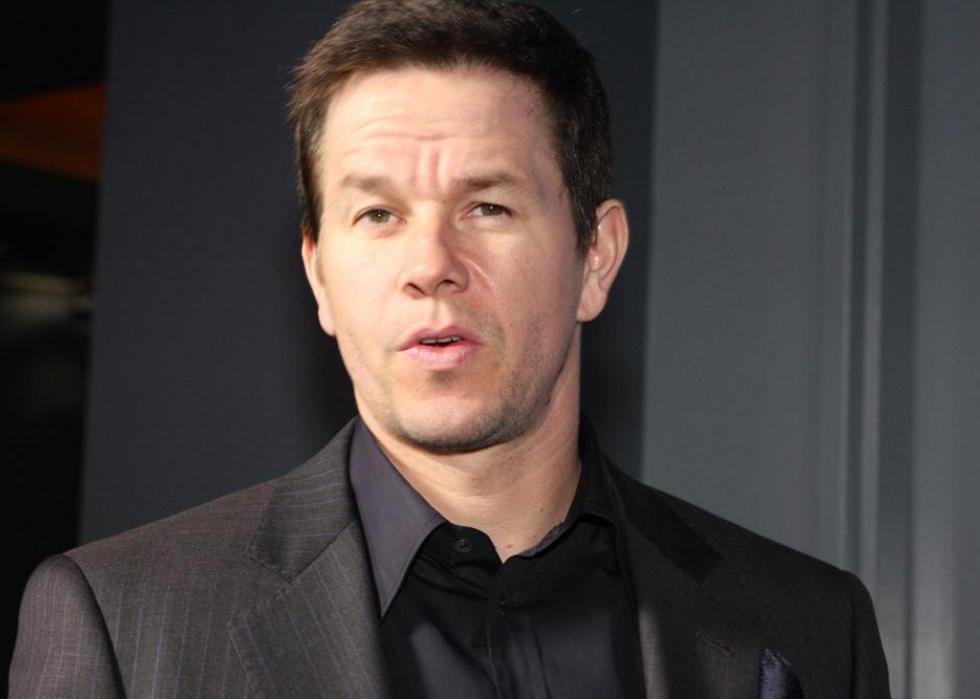
Morgan Freeman
 Full Name: Morgan Porterfield Freeman Jr.
Born: June 1, 1937 (age 88), Memphis, Tennessee, USA Occupation: Actor, producer, narrator, pilot Net Worth (2025 est.): $250–300 million Signature Voice: Described as “the voice of God” – instantly recognizable, deep, calm, authoritative.
Early Life & Poverty
- Born into extreme poverty in the Jim Crow South.
- Father was a barber who died of cirrhosis when Morgan was 16; mother worked as a cleaner.
- Raised mostly by his grandmother in Charleston, Mississippi until age 6, then bounced between Greenwood (MS), Gary (IN), and Chicago.
- Grew up without indoor plumbing or electricity at times; experienced legal segregation.
- Discovered acting at age 9 in a school play; won a statewide drama competition at 12.
Military & Early Career (1955–1969)
- Turned down a drama scholarship to enlist in the U.S. Air Force (1955–1959) as a radar technician.
- Moved to Los Angeles in the early 1960s with almost no money; worked as a clerk at LA Community College and danced at the 1964 World’s Fair.
- Studied acting at Pasadena Playhouse; took theatre classes in New York.
- Broadway debut in 1967 in an all-Black production of Hello, Dolly! starring Pearl Bailey.
Breakthrough & Rise (1971–1989)
- First major film role: Who Says I Can’t Ride a Rainbow? (1971)
- Became nationally known as “Easy Reader” on the children’s TV show The Electric Company (1971–1977).
- Won Obie Awards for off-Broadway work (Coriolanus, Driving Miss Daisy stage version).
- Oscar-nominated at age 50 for Street Smart (1987) as fast-talking pimp “Fast Black” – his first truly iconic villain role.
Peak Hollywood Years (1989–2010)
- Driving Miss Daisy (1989) – Oscar nomination; became America’s favorite wise elder.
- Glory (1989), Robin Hood: Prince of Thieves (1991), Unforgiven (1992), The Shawshank Redemption (1994) – Oscar nomination for Best Actor; many consider Red the greatest narrator in film history.
- Finally won the Academy Award for Best Supporting Actor for Million Dollar Baby (2004) at age 67.
- Directed Bopha! (1993) and produced several projects through Revelations Entertainment (founded with Lori McCreary in 1996).
Later Career & Global Icon Status (2010–2025)
- Played God literally in Bruce Almighty & Evan Almighty (2003, 2007).
- Lucius Fox in Christopher Nolan’s Dark Knight trilogy (2005–2012).
- Narrated dozens of documentaries (March of the Penguins, Through the Wormhole), commercials, and political events.
- At age 88 (2025), still active:
- Recent films: The Ritual Killer (2023), The Poison Rose (2023), A Good Person (2023), 57 Seconds (2023), The Minute You Wake Up Dead (2022).
- TV: The Gray House (Civil War miniseries, 2024), Special Ops: Lioness Season 2 (2024–2025).
- Upcoming: Gun Monkeys and The President Is Missing (both in post-production).
Awards & Honors
- 1 Oscar (5 nominations)
- Golden Globe, SAG Award, Kennedy Center Honor (2011)
- AFI Life Achievement Award (2011)
- Cecil B. DeMille Award (2012)
- Holds the record for most Oscar-nominated performances after age 60.
Personal Life
- Married twice:
- Jeanette Adair Bradshaw (1967–1979) – one daughter, Morgana.
- Myrna Colley-Lee (1984–2010) – adopted Myrna’s granddaughter E’dena Hines.
- Tragic loss: Step-granddaughter E’dena Hines murdered in 2015; Freeman was falsely accused by tabloids (later cleared).
- Survived a serious car accident in Mississippi in 2008; still wears a compression glove on his left hand due to nerve damage.
- Licensed private pilot since 2004; owns/operates aircraft.
- Lives primarily in Mississippi and New York; co-owns Ground Zero Blues Club in Clarksdale, MS.
- Vocal supporter of Democratic causes; narrated ads for Obama and Hillary Clinton.
Legacy
Morgan Freeman is one of only a handful of actors universally recognized by voice alone. He rose from genuine poverty and systemic racism to become the cinematic embodiment of wisdom, authority, and moral clarity. At 88, he remains working, flying planes, and narrating documentaries — arguably the most respected living American actor.

- November 8, 2014, Vadapalani, Chennai, India
- Kannama
- Ponnammal, Subramaniam Mudaliar

Mukesh Jadhav (born September 22, 1967, in Mumbai, India) is an Indian actor, director, screenwriter, and theatre personality primarily known for his work in Hindi television, theatre, and Marathi cinema.
Early Life and Education
He pursued a Master's degree in Chemistry at Mithibai College, Mumbai University, but began his artistic career in theatre in 1989 while still a student.
Career Highlights
- Theatre: A seasoned theatre actor, writer, and director, he has won multiple national-level awards for best actor and best director.
- Television: Known for appearing in popular Hindi horror and thriller shows like Woh, Ssshhhh...Koi Hai, Aahat, Karma, and Gudgudee. He gained recognition for recurring roles, including a character nicknamed "Koeta."
- Film Direction and Assistance: Served as associate director under Kundan Shah for Bollywood films such as Kya Kehna (2000), Dil Hai Tumhaara (2002), and others. He also worked on the Indo-Canadian production The City.
- Directorial Debut: Made his feature film directorial debut with the Marathi film Kachru Mazha Bapa. Other notable directorial works include My Father's Name Was Garbage (2016), a biographical/history drama, and films like Final Trap, Hum To Mohabbat Karega (2000, as writer/contributor), and Mungala.
- Acting Coach: Professionally trained several Bollywood actors, including Preity Zinta, Vivek Oberoi, Shreyas Talpade, and Vidyut Jammwal. In 2011, Shreyas Talpade nominated him for and he received the Star Pravah Gurudakshina Award as a tribute to his mentorship.
- Other Work: Written and directed TV commercials, documentaries, corporate films, musical shows, and events.
He remains active in the industry, blending theatre roots with film and TV contributions, though he is not a mainstream Bollywood lead actor.
Milind Shinde

Milind Shinde, a respected and multifaceted figure in the Marathi entertainment industry.
1. Core Identity
Milind Shinde is a veteran Marathi film and theatre actor, director, and producer, known for his powerful character roles, strong screen presence, and significant contributions behind the camera. His career spans several decades, showcasing versatility across genres.
2. Early Life & Background
Born: June 12, 1962, in Ahmednagar, Maharashtra.
Education: He is an alumnus of the prestigious Sir J.J. Institute of Applied Art in Mumbai, which points to a strong foundation in the visual arts.
Theatre Roots: Like many stalwarts of Marathi cinema, his artistic foundation was laid in theatre. He was actively involved with the experimental and influential theatre group 'Awishkar' in Mumbai, which honed his craft.
3. Career Trajectory & Major Works
A. As an Actor
Milind Shinde is best recognized as a formidable character actor, often portraying authoritative, intense, or pivotal roles.
Notable Film Roles:
Jhing Chik Jhing (2005): Played a key role in this musical drama.
Gallit Gondhal, Dillit Mujra (2009): As Anna, a role that showcased his ability to blend strength with nuance.
Mee Shivajiraje Bhosale Boltoy (2009): A landmark film where his performance added to the social narrative.
Mumbai-Pune-Mumbai (2010) & its sequel: Played the male lead's father, a memorable and affectionate character.
Kaksparsh (2012): Acted in this critically acclaimed literary adaptation.
Timepass (2014): Appeared in this blockbuster comedy.
Classmates (2015): Played a significant role as a college professor.
Ventilator (2016): Appeared in Rajesh Mapuskar's award-winning film.
Ani... Dr. Kashinath Ghanekar (2018): Portrayed a notable character in this biopic.
Television Presence: He has been a part of several Marathi TV serials and shows, extending his reach to the daily soap audience.
B. As a Director
His directorial work is less prolific but significant, marked by a focus on social and historical subjects.
Directorial Debut: Jara Japun Kara (2007). This film established his directorial voice.
Major Directorial Work: Raja Shivchatrapati (2008) - A historical epic and his most ambitious project. He not only directed but also produced this film based on the life of Chhatrapati Shivaji Maharaj. Despite facing challenges in production and scale, it stands as a testament to his ambition to bring grand historical narratives to Marathi cinema.
Other Direction: He also directed Pisaachi (2013), a horror film.
C. As a Producer
Through his production banner 'Pushpak Handicraft,' he has backed his own directorial ventures, most notably Raja Shivchatrapati, demonstrating his commitment to large-scale Marathi projects.
4. Acting Style & Persona
Authoritative Presence: Often cast as a patriarch, senior officer, or a figure of authority due to his commanding voice and stature.
Versatility: Can seamlessly transition from a stern father (Mumbai-Pune-Mumbai) to a period-specific historical figure (Raja Shivchatrapati) to a supportive friend or antagonist.
Theatrical Grounding: His dialogue delivery and expressive power are clearly influenced by his strong theatre background.
5. Personal Life
He maintains a relatively private personal life. It is known that his wife, Surekha Shinde, is also involved in the arts, having worked as a costume designer on his film Raja Shivchatrapati.
He is known to be a passionate photographer and traveler, often sharing his photography on social media.
6. Legacy and Position in the Industry
Milind Shinde represents the bridge between traditional Marathi theatre and modern cinema. He is respected as:
A dedicated actor who elevates every project he is part of.
A director with a vision for historical and socially relevant cinema, willing to take on ambitious, risky projects.
A steady, reliable presence in the industry for over two decades, contributing both in front of and behind the camera.
While he may not be in the constant limelight like mainstream stars, Milind Shinde is regarded as a serious artist and a pillar of the Marathi film community, whose body of work commands respect.
In summary, Milind Shinde is a multi-faceted artist—a skilled actor shaped by theatre, a director with epic ambitions, and a quiet contributor to the depth and diversity of Marathi cinema.
Market Raja

Market Raja MB (born S. Rajendran, commonly known as Market Raja), is an Indian actor, comedian, and television personality primarily recognized for his supporting roles in Tamil cinema and television. Active since the early 2000s, he has carved a niche as a comic relief character, often portraying quirky, street-smart sidekicks in rural and urban comedies. With over 50 film credits and a strong presence on Tamil TV, Market Raja's appeal lies in his exaggerated expressions, Madurai-accented humor, and relatable everyman persona. He gained widespread popularity through the mega-hit serial Office (2002–2008) on Sun TV, where he played the bumbling office peon "Market Raja," a role that inspired his stage name. As of November 2025, at around age 50 (exact birth year not publicly confirmed), he continues to appear in films like Coolie (2023) and TV shows, while managing a small production venture. His net worth is estimated at ₹5–10 crore, largely from endorsements and serial reruns.
Background and Personal Life
Market Raja hails from a middle-class family in Madurai, Tamil Nadu, where he was born and raised in a Tamil-speaking household. Details about his parents are scarce—he has mentioned in interviews that his father was a small-time trader in the local market (inspiring his "Market" moniker), and his mother managed the home. He completed his schooling in Madurai but dropped out of college to pursue acting, initially working odd jobs like a vegetable vendor and theater performer in local drama troupes. This grassroots experience shaped his authentic portrayal of lower-middle-class characters.
He married his longtime partner, Lakshmi, in 2005 in a simple ceremony in Madurai; the couple has two children—a son, Vignesh (born 2007), who is studying engineering, and a daughter, Priya (born 2010). Market Raja is known for his family-oriented image, often sharing family photos on social media. He resides in Chennai but frequently visits Madurai for festivals. A devout Hindu, he credits Lord Murugan for his success and runs a small Murugan temple initiative for underprivileged kids in his hometown. No major health issues are reported, though he underwent minor knee surgery in 2022 after a film shoot injury. He is active on Instagram (@marketrajaofficial, 500k+ followers) and has spoken about mental health, encouraging fans to seek help amid industry pressures.
Career Beginnings
Market Raja's tryst with entertainment began in the late 1990s through local cable TV skits and stage plays in Madurai, where he honed his comic timing. He moved to Chennai in 2000, auditioning for bit roles in films but facing rejections due to his unpolished look. His breakthrough came in 2002 when he landed the role of "Market Raja" in Sun TV's iconic office comedy serial Office, created by K. Balachandar. Playing the dim-witted peon who bungles tasks but wins hearts with his innocence, the character became a cultural phenomenon, running for over 600 episodes and making him a household name in Tamil Nadu. The serial's catchphrases like "Enna da ivlo aachu?" (What happened?) entered everyday lingo. This TV success opened doors to films, starting with a cameo in Iyarkai (2003).
Filmography and Notable Works
Market Raja has predominantly played supporting comic roles in over 50 Tamil films, often as the hero's loyal friend or comic foil in mass entertainers and family dramas. His collaborations with directors like Pandiraj and Velraj highlight his knack for grounding slapstick humor in emotional beats. He rarely leads but shines in ensemble casts, with peak popularity in the 2010s via rural comedies.
Television Career
Television remains Market Raja's strongest domain. Post-Office, he anchored Adhu Idhu Edhu (2010–2012) on Sun TV, a reality talent hunt where his hosting banter drew 5+ million viewers weekly. He judged Office Second Floor (2010 spin-off) and Kalakka Povathu Yaaru (2014–present), mentoring comedians like Riyaz Khan. In 2020, he hosted Cooku with Comali Season 2 on Star Vijay, blending cooking chaos with his signature gaffes, earning a TRP of 10+. Recent stints include guest spots on Bigg Boss Tamil Season 8 (2024) and a lead in the web series Market Raja Returns (2023, Aha Tamil). His TV work has garnered 20+ awards and keeps him relevant to Gen Z via YouTube clips.
Awards and Recognitions
- Tamil Nadu State Film Award for Best Comedian (2013) for Varuthapadatha Valibar Sangam.
- Vijay Television Award for Best Supporting Actor (2005, 2008) for Office.
- Sun TV Serial Award (2004–2007, multiple) for Office.
- Kalaimamani Award (2015) from Tamil Nadu Government for contributions to Tamil entertainment. Nominated for Filmfare Award for Best Supporting Actor – Tamil (2012) for Marina. He was honored at the 2024 Ananda Vikatan Cinema Awards for lifetime comedic impact.
Other Contributions
Market Raja ventured into production with Market Raja MBBS (2019, short film), a comedic take on his serial character entering medical school, which went viral on YouTube (2M+ views). He endorses brands like Aachi Masala and local Madurai textiles, and runs "Market Raja Comedy Academy" in Chennai since 2018, training 200+ aspiring actors annually. Philanthropically, he supports rural education via the "Office Fund" (launched 2010), funding schools in Madurai, and performed free comedy shows during COVID-19 lockdowns (2020–2021). He has sung playback for two tracks in Pasanga 2 (2015).
Controversies
Market Raja has maintained a clean image, with minor flaps like a 2016 Twitter spat over a Cooku with Comali joke deemed "offensive" to women (he apologized publicly). In 2022, he faced backlash for promoting a dubious herbal remedy on Instagram, later clarified as a sponsored post. No legal issues; he advocates for comedian rights via Nadigar Sangam.
Legacy and Recent Developments
Market Raja's legacy is synonymous with feel-good Tamil humor, influencing a wave of TV-to-film comedians like Yogi Babu. Office reruns on Sun NXT (2023 revival) introduced him to millennials, while his role in Doctor (2021) proved his adaptability to modern cinema. As of November 2025, he's shooting for Thug Life (Mani Ratnam's Kamal Haasan starrer, release 2026) and hosting Cooku with Comali Season 7. Recent X buzz (October 2025) celebrates his 20th anniversary of Office with fan recreations, and he's rumored for a Varuthapadatha sequel cameo. From Madurai markets to Tamil screens, Market Raja embodies accessible joy, proving comedy's power to unite.
Nayan Sunil Jadhav

Nayan Sunil Jadhav is an Indian actor, primarily known for his work in Marathi cinema and television. He gained nationwide fame and immense popularity for his portrayal of the younger version of Chhatrapati Shivaji Maharaj in the critically acclaimed and blockbuster Hindi film "Tanhaji: The Unsung Warrior" (2020), starring alongside Ajay Devgn and Saif Ali Khan.
Background & Early Life
Birth: He was born on June 13, 2007 (as of 2024, he is 17 years old).
Hometown: He hails from Pune, Maharashtra.
Family: He is the son of Sunil Jadhav. His family has been supportive of his acting career from a young age.
Education: He has balanced his schooling with his acting commitments. Details about his specific school are kept private.
Career Journey
Television: He played significant roles in popular Marathi TV shows like "Raja Shivchatrapati" (a historical series about Shivaji Maharaj) and "Julun Yeti Reshimgathi." These roles honed his acting skills, especially in historical drama.
Marathi Films: He appeared in Marathi films such as "Photo Prem" and "Ghar Banduk Biryani."
Role: He played "Young Shivaji" (Chhatrapati Shivaji Maharaj) in the film's opening sequences. His powerful screen presence, dialogue delivery, and fierce expression in key scenes (like the iconic "Ye hai hamari maati" - This is our soil dialogue) left a lasting impact on audiences and critics alike.
Impact: His performance was widely praised for capturing the valor, determination, and leadership qualities of the young Maratha warrior king. It made him a recognizable face across India.
"Fatteshikast" (2023): He played a key role in this historical action film about the Battle of Fatteshikast, starring Digpal Lanjekar.
"Aata Vel Zaali" (2024): He starred in the lead role in this film.
Other Projects: He has been part of films like "Prawaas," "Swaymwar," and the web series "Pachhadlela."
He was seen in "Shikari" and has several projects in the pipeline, indicating a steady acting career.
Acting Style & Recognition
Genre Strength: He has shown a particular affinity for historical and dramatic roles, where his intense expressions and command over Marathi dialogue shine.
Awards & Recognition: While he may not have won major national awards yet, his performance in Tanhaji was critically acclaimed. He has won praise and popularity awards, especially within Maharashtra.
Public Image: He is seen as a talented, dedicated, and grounded young actor who has successfully managed his education alongside a demanding career.
Personal Life & Trivia
He is an avid football enthusiast and often shares his love for the sport on social media.
He enjoys riding bikes.
He maintains a strong connection with his fans through Instagram, where he shares updates about his projects, personal milestones, and hobbies.
Despite his early fame, he is known to have a focused and disciplined approach towards both his studies and acting.
Summary & Future Prospects
Nayan Sunil Jadhav is a prominent example of a talented child artist who has successfully navigated the transition to teenage and young adult roles in the regional film industry. His breakthrough in a pan-India blockbuster like Tanhaji provided him with a unique platform.
Lead Roles in Marathi Cinema: He is poised to become one of the leading young actors in the Marathi film industry.
Return to Hindi/ Pan-India Films: His memorable debut in Tanhaji could lead to more offers in Hindi or other Indian film industries, especially for character-driven or historical roles.
Digital Platforms: He has already appeared in web series and could explore more content on OTT platforms.
In essence, Nayan Sunil Jadhav is a rising star in Marathi cinema with a solid foundation and a nation-wide recognition that sets him apart from many of his peers. His career is one to watch as he matures into more complex roles.
Nana Patekar

Full Name: Vishwanath Patekar Stage Name: Nana Patekar Date of Birth: 1 January 1951 (age 74) Birthplace: Murud-Janjira, Raigad district, Maharashtra Community / Caste: Chandraseniya Kayastha Prabhu (CKP) – Forward/General category Religion: Hindu (devout worshipper of Lord Ganesha, Vitthal, and Sai Baba) Height: 5′ 7″ (170 cm) Net Worth: ≈ ₹120–150 crore (2025 estimate)
Early Life & Roots
Born into a lower-middle-class CKP family in the coastal Konkan town of Murud-Janjira.
- Father: Dinkar Patekar – small-time painting contractor and theatre enthusiast.
- Mother: Nirmala Patekar – homemaker who managed the household on a shoestring budget.
- Siblings: Two elder brothers and two sisters; Nana was the youngest. Grew up in extreme poverty in a one-room chawl in Prabhadevi, Mumbai. Worked odd jobs as a child (painting film posters, selling lottery tickets, playing dhol during Ganeshotsav) to support the family.
Education:
- Sir J.J. Institute of Applied Art, Mumbai (commercial arts) – failed the final year but the training shaped his visual sense.
- Joined the Progressive Dramatic Association and did street plays with Smita Patil, Shabana Azmi, and Amol Palekar.
Personal Life & Family
- First marriage (1970s): Ended in divorce; one son from this marriage.
- Second marriage: Madhuri Patekar (1978–present); they have one son, Malhar Patekar (born 1985).
- Tragedies:
- Malhar suffered severe brain damage due to oxygen deprivation at birth; Nana has been his primary caregiver for 40 years.
- Lost his second son, Durvas, in the 1990 car accident that also killed his nephew.
- Philanthropy: Runs the Naam Foundation (founded 2015 with fellow actor Makarand Anaspure) – has raised and spent over ₹150 crore on drought relief, farmers’ welfare, and widows’ support in Maharashtra.
Career Timeline (Key Phases)
| Phase | Years | Highlights & Turning Points |
|---|---|---|
| Parallel Cinema | 1978–1988 | Gaman (1978), Aaj Ki Awaaz (1984), Ankush (1986), Pratighaat (1987) |
| Breakthrough & Stardom | 1989–1995 | Parinda (1989) – National Award Special Jury, Krantiveer (1994) – National Award Best Actor, Tirangaa (1993), Agni Sakshi (1996) – second National Award |
| Commercial Peak | 1996–2008 | Khamoshi, Yeshwant, Ghulam-E-Musthafa, Wajood, Welcome (2007) – iconic Uday Shetty |
| Directorial Venture | 1991 | Prahaar – wrote, directed, and starred; cult classic on Indian Army |
| Marathi Cinema Glory | 2014–2016 | Natsamrat (2016) – highest-grossing Marathi film ever at the time; considered his career-best performance |
| Selective Phase | 2018–2025 | The Vaccine War (2023), Gadar 2 cameo (2023), Welcome to the Jungle (2025), Housefull 5 (2025), Journey (2025)
|
Awards & Honours
- 3 National Film Awards (1 Special Jury + 2 Best Actor)
- 4 Filmfare Awards
- Padma Shri (2013) – India’s fourth-highest civilian honour
- Filmfare Lifetime Achievement Award (2023)
- Maharashtra Bhushan (2024) – Maharashtra’s highest civilian award
| Awards & Honours |
Unique Distinctions
- First actor to win National Award for both Best Actor and Best Supporting Actor in the same decade.
- Only actor to play both Nathuram Godse (Gandhi My Father) and Mahatma Gandhi (voice in Welcome).
- Donated his entire salary from Prahaar to the families of soldiers.
- Refused to accept any award money for Natsamrat – donated it to drought-hit farmers.
Controversies
- 2008: Allegations of misbehaviour by Tanushree Dutta during Horn Ok Pleassss shoot – sparked India’s #MeToo movement. Nana denied the claims; case closed in 2019 for lack of evidence.
- Known for his blunt, unfiltered interviews – has criticised Bollywood nepotism, star fees, and political hypocrisy openly.
Current Status (November 2025)
- Lives in a modest 3-BHK apartment in Andheri West, Mumbai with wife Madhuri and son Malhar.
- Drives a 15-year-old Skoda Laura himself; famously frugal despite wealth.
- Still actively involved with Naam Foundation – personally visits drought-affected villages.
- Upcoming films: Welcome to the Jungle (Dec 2025), Housefull 5 (2025), Journey (2025).
- Regularly performs Marathi natya sangeet (musical plays) – tickets sell out in minutes.
Nana Patekar remains the last true “angry common man” of Indian cinema – a self-made, fiercely Maharashtrian CKP legend who turned personal pain into unforgettable art and continues to live by his own uncompromising rules at 74.
Neeraj Ghaywan

Neeraj Ghaywan (born 1980) is an acclaimed Indian filmmaker, director, and screenwriter primarily working in Hindi cinema and OTT platforms. Known for his poignant storytelling that delves into socio-political themes like caste, class, gender, identity, and dignity, Ghaywan has earned international recognition, including multiple awards at the Cannes Film Festival. While he has made cameo appearances as an actor (e.g., as a hippie singer in Gangs of Wasseypur and in Sacred Games), his primary identity is that of a director and writer. He is among India's most influential contemporary voices in cinema, often drawing from personal experiences, including his Dalit background, to craft empathetic narratives about marginalized lives. As of December 2025, at age 45, Ghaywan continues to push boundaries with his sophomore feature Homebound, executive-produced by Martin Scorsese.
Early Life and Education
Born in Hyderabad, Andhra Pradesh (now Telangana), to a Dalit family of Maharashtrian origin, Ghaywan grew up in a modest household. His father was a research scientist, and his mother ran a garment store. He attended Kendriya Vidyalaya Shivrampally (affiliated with the National Police Academy) for schooling and graduated with a degree in Electrical Engineering from Chaitanya Bharathi Institute of Technology, Hyderabad, in 2002. He later pursued an MBA in Marketing from Symbiosis Institute of Business Management, Pune. Early in his career, Ghaywan worked as an engineer at companies like UTV New Media, Hindustan Times, and Tech Mahindra. However, feeling unfulfilled in the corporate world, he transitioned into film criticism, writing for the now-defunct portal Passionforcinema.com. This hobby ignited his passion for cinema, leading him to connect with mentor Anurag Kashyap.
Career Beginnings
Ghaywan's entry into filmmaking was organic and self-taught. In 2010, he directed his debut short film, Independence, which was shortlisted for the PFCOne online one-minute film festival. He soon assisted Kashyap on major projects: Gangs of Wasseypur (2012), where he also appeared in a minor acting role as a hippie singer in a train sequence, and Ugly (2013). During this period, he helmed two more shorts: Shor (part of the anthology Shorts, 2013) and The Epiphany (2013). In 2014, his co-written screenplay Fly Away Solo (also known as Masaan in its feature form) won the Sundance Institute/Mahindra Global Filmmaking Award, marking a pivotal breakthrough.
Awards and Recognition
Ghaywan's work has garnered over a dozen major accolades, establishing him as a global talent. Key wins include:
- Cannes Film Festival (2015): Masaan – FIPRESCI Prize, Un Certain Regard Special Prize (Prix du Jury); nominated for Caméra d'Or.
- National Film Awards (2016): Indira Gandhi Award for Best Debut Director (Masaan).
- Filmfare Awards: Best Debut Director (2016, Masaan); Best Short Film - Fiction (2018, Juice); additional wins for Masaan cast/crew.
- Producers Guild Film Awards (2016): Best Debut Director (Masaan).
- Zee Cine Awards: Best Debutant Director (Masaan).
- Cannes Film Festival (2025): Homebound – Nominated for Un Certain Regard Award; received a standing ovation.
- Featured in Variety's "International Directors to Watch" (2022).
His films have also been Oscar contenders (Homebound as India's entry) and have achieved cult status, with Masaan ranking among India's top 250 films on IMDb.
Personal Life and Views
Ghaywan is private about his personal life but has openly discussed his Dalit identity and its impact on his work. Raised concealing his caste due to discrimination (e.g., using "Kumar" as a surname), he has advocated for representation in cinema, responding publicly to caste-related debates (e.g., in 2018 against Vivek Agnihotri). He credits Kashyap as a mentor and draws inspiration from Paul Thomas Anderson and B.R. Ambedkar. In interviews for Homebound, he emphasized dismantling "victimhood" narratives to humanize characters, stating, "I wanted to show dignity in desperation." No details on marriage or children are publicly available.
Recent Updates (as of December 2025)
Homebound has dominated Ghaywan's 2025, premiering at Cannes in May to emotional acclaim (e.g., audience tears at Debussy Theatre). It released theatrically in India on September 26, hitting Netflix on November 21, and is positioned as an Oscar frontrunner. Ghaywan discussed the film with Scorsese in a viral YouTube conversation on Shakespearean themes, caste, and empathy. He defended producer Karan Johar amid profitability debates and clarified compensation for the real family inspiring Homebound (a Rs 10,000 token during research). Critics hail it as "an achievement of the highest order," praising its collective humanity. Ghaywan's X account (@ghaywan) shares poetic updates, like quoting Urdu for Homebound's "homebound journey."
Nagraj Popatrao Manjule
 Nagraj Popatrao Manjule (born August 24, 1978) is an acclaimed Indian filmmaker, director, screenwriter, actor, producer, and poet, predominantly working in Marathi cinema. He is celebrated for his raw, unflinching portrayals of caste discrimination, rural life, and social inequality, drawing heavily from his own experiences as a member of the Waddar (or Vadari) community, a traditionally nomadic Scheduled Caste (Dalit) group in Maharashtra historically associated with manual labor like stone-crushing and earthwork.
Early Life and Background
Born in the small village of Jeur in Karmala taluka, Solapur district, Maharashtra, Manjule grew up in extreme poverty and faced severe caste-based discrimination. His family was often the only "untouchable" household in a village dominated by upper castes, leading to routine social exclusion and untouchability practices. Due to financial hardships, he was adopted by his uncle Baburao Manjule, but he always honored his biological father, Popatrao Manjule.
As a child, he experienced dehumanizing treatment—his community was tasked with menial jobs like catching pigs (a metaphor central to his film Fandry). He struggled with education, failing Class 10 initially and showing little interest in studies. Inspired by Dr. B.R. Ambedkar, he persevered, earning an M.A. in Marathi literature from the University of Pune and later a master's in communication studies from New Arts, Science and Commerce College, Ahmednagar.
Career Breakthrough
Manjule's filmmaking began with the short film Pistulya (2010), a semi-autobiographical story of a Dalit boy's struggle for education amid poverty. It won the National Film Award for Best First Non-Feature Film of a Director.
His debut feature, Fandry (2014), explored inter-caste infatuation and caste oppression through a young boy's eyes. It won the Indira Gandhi Award for Best Debut Film at the National Film Awards and critical acclaim internationally.
His magnum opus, Sairat (2016), a tragic inter-caste romance addressing honor killings, premiered at the Berlin International Film Festival and became the highest-grossing Marathi film ever (over ₹100 crore). It revolutionized Marathi cinema with its scale, music (including the hit "Zingaat"), and bold social commentary.
He made his Hindi directorial debut with Jhund (2022), starring Amitabh Bachchan as a coach empowering slum children through football, based on real-life Vijay Barse.
As an actor, he has appeared in supporting roles in films like Baji (2015), Highway (2015), and his own projects.
Personal Life
Manjule married Sunita in 1997 (at age 19, while in Class 12) in an arranged marriage. The couple divorced in 2014 after years of reported strife; his ex-wife later alleged domestic abuse, forced abortions, and neglect in public statements around 2016, post-Sairat's success. Manjule provided alimony, and some reports suggest allegations were contested.
He remarried Gargi Kulkarni in 2017 and has two children, Raya and Shahu.
Legacy and Recent Updates
As of late 2025, Manjule remains a pivotal voice in Indian cinema for Dalit representation and anti-caste narratives. He has been involved in projects like a biopic on India's first individual Olympic medalist Khashaba Jadhav (announced earlier, with production updates ongoing). His work continues to inspire discussions on caste, merit, and social justice, establishing him as a modern troubadour challenging societal norms.
Nawazuddin Siddiqui

Nawazuddin Siddiqui, one of the most formidable and revered actors in contemporary Indian cinema.
1. Personal Background & Early Life
Full Name: Nawazuddin Siddiqui
Date of Birth: May 19, 1974
Place of Birth: Budhana, a small town in the Muzaffarnagar district of Uttar Pradesh, India.
Family & Caste Background:
He was born into a poor agricultural family belonging to the Zalut (or Jat) community, which is classified as a Scheduled Caste (Dalit) in Uttar Pradesh.
He is the eldest of eight siblings. His father was a farmer, and the family faced significant financial hardship.
Education:
Despite the challenges, he earned a Bachelor of Science in Chemistry from Gurukul Kangri University, Haridwar.
Driven by a passion for acting, he later moved to Delhi and worked as a chemist for a pesticides company while studying at the National School of Drama (NSD), graduating in 1996. His time at NSD was foundational, honing his craft and connecting him with a network of theatre artists.
2. The Struggle: "The Years in the Wilderness"
His journey to stardom is legendary for its difficulty and is a testament to his resilience.
Move to Mumbai (1999): After NSD, he struggled to find work in Delhi theatre and moved to Mumbai. His unconventional looks led to constant rejection.
Survival Jobs: He worked as a watchman, a cook, and even accepted roles as background extras and minor henchmen, often without dialogue.
The Turning Point (2000s): For nearly a decade, he played minuscule, often uncredited roles in films like Shool (1999), Sarfarosh (1999), and Munnabhai MBBS (2003). His first notable role was as a journalist in Aamir Khan's Taare Zameen Par (2007).
The Big Break (2012): The year 2012 was his cinematic annus mirabilis. Critically acclaimed roles in Anurag Kashyap's Gangs of Wasseypur (as Faizal Khan), Dibakar Banerjee's Kahaani (as Intelligence Officer Khan), and Sujoy Ghosh's Kahaani made the industry and audiences sit up and take notice. His intensity and naturalism were undeniable.
3. Acting Style & Legacy
Nawazuddin is celebrated for his chameleon-like ability and intense realism.
Method & Naturalism: He is known for his deep psychological immersion into characters, meticulous observation, and rejection of stereotypical "film star" mannerisms. He often draws from his own reservoir of life experiences.
Range: He effortlessly shifts between:
Dark, Villainous Roles: Raman Raghav 2.0 (psychopath), Badlapur (complex criminal).
Everyman Heroes: Manjhi: The Mountain Man (as Dashrath Manjhi), Manto (as writer Saadat Hasan Manto).
Comic Timing: Kick (as a hilarious sidekick), Photograph (understated humor).
Icon of the "New Bollywood": He, along with actors like Irrfan Khan (late), became the face of the content-driven, parallel cinema movement in India, proving that star power comes from talent, not just conventional looks.
4. Major Films & Accolades
Landmark Films: Gangs of Wasseypur (2012), The Lunchbox (2013), Manjhi: The Mountain Man (2015), Raman Raghav 2.0 (2016), Manto (2018), Sacred Games (2018-19 Netflix series), Photograph (2019), Serious Men (2020).
Awards: He has won two National Film Awards (Special Jury Award for Talaash, Gangs of Wasseypur, Dekh Indian Circus; Best Actor for Manto). Multiple Filmfare Awards and international recognition at festivals like Cannes.
5. Personal Life & Public Persona
Personal Life: He was previously in a long-term relationship with journalist Anjali, with whom he has a son. He later married former Miss India Aaliya Siddiqui in 2009, and they have a daughter and a son. Their relationship has been tumultuous and highly publicized, with separation and legal disputes.
Autobiography: His memoir "An Ordinary Life" (2017) created controversy for its candid details about his personal relationships, leading to a legal injunction and subsequent withdrawal of the book.
Dalit Identity: He has spoken openly about his Dalit background and the poverty he faced, making him an inspirational figure for marginalized communities. His life story is often cited as a narrative of breaking through deep social and economic barriers through sheer grit.
6. Unique Facts & Trivia
He is a trained kathak dancer, having learned it during his struggling days.
He worked as a chemist at the Cadbury factory in Delhi.
His first-ever role was playing the protagonist in a stage adaptation of "Waiting for Godot" during his NSD days.
He has a deep interest in photography.
In summary, Nawazuddin Siddiqui's story is the ultimate underdog saga in Indian cinema. From a Dalit farmer's son in rural Uttar Pradesh to a globally respected actor, his journey redefined stardom. He is not just a celebrity but a cultural phenomenon—a symbol of how raw talent and perseverance can shatter glass ceilings in an industry obsessed with lineage and looks.
Nivin Pauly

Nivin Pauly (born 11 October 1984) is an Indian actor and producer who works predominantly in Malayalam cinema, with occasional Tamil films. He is widely regarded as one of the superstars of Mollywood, known for his natural acting, romantic image, versatility across genres, and strong box-office pull. From 2012–2018, he delivered a string of blockbusters that made him the face of "new-generation" Malayalam cinema. He has since established himself as a producer and taken on more experimental roles. As of November 2025, he has over 50 acting credits, multiple 100-crore films, and is among the highest-paid Malayalam actors.
Early Life & Background
Nivin was born in Aluva, Kochi, Kerala, into a Syro-Malabar Catholic Nasrani (Saint Thomas Christian) family. His parents — Pauly Bonaventure (father, mechanic) and Thressiamma Pauly (mother, nurse) — spent most of their careers working in Aarau, Switzerland, so Nivin and his elder sister grew up primarily in Kerala with relatives.
The Nasrani community is one of Kerala's oldest Christian groups, historically middle-to-upper class with strong emphasis on education and professional careers. Nivin's family background is comfortably middle-class — no public information suggests poverty, slum origins, or socio-economic disadvantage.
He attended Rajagiri Public School, Kalamassery, and later earned a B.Tech in Electronics & Communication Engineering from Federal Institute of Science and Technology (FISAT), Angamaly (2006 batch).
After college, he worked as a software engineer at Infosys in Bengaluru (2006–2008). He quit following his father's sudden death in 2008, returned to Kerala, and began seriously pursuing acting while preparing for civil service exams and attending IT interviews as backup.
Personal Life
Nivin married his college sweetheart Rinna Joy (who worked as placement director at FISAT) on 28 August 2010 in a traditional Syro-Malabar Catholic ceremony at St. Dominic's Church, Aluva.
The couple has two children:
- Son: Daveed Pauly (born 2012)
- Daughter: Rose Pauly (born 2017, often called "Rosu")
He is known for being extremely private, family-oriented, and deeply religious. He lives in a luxurious apartment in Kochi and is often described as grounded despite stardom.
A sexual assault case filed against him in 2024 (along with several others) was highly publicised but reportedly dismissed/withdrawn by early 2025 with Nivin cleared. A minor financial dispute with a co-producer surfaced in 2025 but remains unresolved/low-key.
Career Journey
Nivin struggled initially, auditioning for years before Vineeth Sreenivasan cast him in Malarvaadi Arts Club (2010).
His romantic-hero image solidified with Thattathin Marayathu (2012) — a massive hit that made him a youth icon.
2014–2016 was his golden period: 1983, Bangalore Days, Ohm Shanthi Oshaana, Oru Vadakkan Selfie, Premam (all-time blockbuster), Action Hero Biju (his production debut).
He founded Pauly Jr. Pictures in 2015 and has produced several films, including the first Malayalam direct-to-OTT premiere (Kanakam Kaamini Kalaham, 2021 on Disney+ Hotstar).
Post-2019, he experimented with intense/drama roles (Moothon, Padavettu, Thuramukham) while maintaining commercial viability.
His upcoming film Sarvam Maya (fantasy horror-comedy with Aju Varghese) is set for Christmas release on 25 December 2025.
Major Awards
- Kerala State Film Award for Best Actor (2014) – 1983 & Bangalore Days
- Filmfare Award for Best Actor – Malayalam (2015) – Premam (Critics)
- Filmfare Award for Best Actor – Malayalam (2016) – Action Hero Biju
- Kerala State Film Award – Special Mention (2020) – Moothon
- Multiple SIIMA, Filmfare Critics, Asianet, Vanitha, etc.
Premam (2015) and his performances in Moothon (2019) and Padavettu (2022) are often ranked among the greatest in Malayalam cinema history.
Nivin Pauly transformed from an engineer with no film background to one of Malayalam cinema's most bankable and respected stars through sheer talent and script selection. He is celebrated for portraying relatable Malayali youth, evolving into mature roles, and contributing as a producer. As of late 2025, he remains active with several high-profile projects lined up.
Nikhil Shinde

Background & Entry into Fashion
Origin: Hails from Maharashtra, India.
Born on June 12, 1999, in Ahmednagar, Maharashtra.
Education & Early Passion: While specific formal education details are not widely publicized, his career path suggests a deep-rooted passion for fashion, textiles, and visual presentation. He likely honed his skills through hands-on apprenticeships and assisting established stylists.
Career Start: He entered the Bollywood fashion scene in the late 2000s/early 2010s, gradually building his portfolio and reputation through consistent and innovative work.
Career Highlights & Clientele
Nikhil Shinde is known for his sharp, modern, and elegant aesthetic that enhances the star's personality without overpowering them.
1. Key Celebrity Associations:
He has been the go-to stylist for several major Bollywood stars for their off-screen appearances, which are crucial for their brand image. Notable long-term associations include:
Kareena Kapoor Khan: He has styled Kareena extensively for numerous film promotions (like Good Newwz, Laal Singh Chaddha), award shows, airport looks, and magazine editorials. He is credited with shaping many of her iconic contemporary looks.
Sonam Kapoor Ahuja (now primarily styled by others): He worked closely with Sonam, a global fashion icon, during a significant period, contributing to her avant-garde and bold fashion statements.
Other Clients: He has also styled Karisma Kapoor, Malaika Arora, Arjun Kapoor, Parineeti Chopra, and many others for specific events and promotions.
2. Work Domains:
Film Promotion Tours: A specialty. He curates entire wardrobes for actors traveling across cities and countries for film promotions, ensuring a mix of glamour, comfort, and variety.
Red Carpets & Award Shows: Creates show-stopping looks for events like IIFA, Filmfare, and GQ awards.
Magazine Covers & Editorials: Collaborates with major publications like Vogue, Harper's Bazaar, Elle, and Grazia.
Brand Endorsements & Ad Shoots: Styles celebrities for high-profile advertising campaigns for luxury and lifestyle brands.
Personal Styling: Manages the day-to-day public wardrobe for his celebrity clients.
Styling Philosophy & Signature
Actor-Centric Approach: He believes in "styling the actor, not just dressing them up." His looks are tailored to fit the star's body type, personal comfort, and the specific demands of the event or character being promoted.
Global Yet Relatable: He seamlessly blends international luxury labels (like Gucci, Valentino, Dior) with Indian designers and high-street brands, creating looks that are aspirational yet accessible in terms of trend-setting.
Precision & Detail: Known for his meticulous attention to detail—from the fit of a garment to the perfect accessory and hairstyle pairing.
Trend-aware, Not Trend-slave: He incorporates global trends but adapts them to suit the Indian context and his client's individuality.
Public Persona & Industry Standing
Discreet Professional: Unlike some stylists, Nikhil Shinde maintains a relatively low-key public profile, letting his work for celebrities do the talking. He is not a constant fixture on reality TV or social media controversies.
Respected Insider: He is highly respected within the inner circles of Bollywood and the fashion industry for his reliability, taste, and strong working relationships with designers and brands.
Social Media: His Instagram (though often private or focused on work) serves as a portfolio of his styling projects.
Why He Matters in Bollywood's Fashion Ecosystem
Bridge Between Cinema and Fashion: He plays a critical role in translating a film's vibe or a star's off-screen persona into a cohesive, fashionable image that sells both the movie and the celebrity's brand.
Influencer of Trends: The looks he creates for stars on magazine covers or at airports are dissected and emulated by millions, making him a key tastemaker.
Part of the Star's Machine: He is an integral part of the professional "team" (with managers, PR, makeup artists) that builds and maintains a modern Bollywood star's public image.
Summary
Nikhil Shinde is a powerful behind-the-scenes architect of Bollywood glamour. With a keen eye for contemporary fashion and a deep understanding of celebrity branding, he has dressed some of the industry's biggest names for their most visible public moments. His career underscores the immense professionalization and importance of stylists in modern Indian cinema, where off-screen image is as strategically managed as on-screen performance. He exemplifies the stylist as a trusted creative partner in a star's career.
Navraj Singh Hans

Navraj Singh Hans, popularly known as Navraj Hans, is an Indian singer, actor, and model who works primarily in the Punjabi film and music industry. He comes from a legendary musical family and has carved his own niche as a versatile performer.
Family & Musical Legacy
Navraj Hans is a third-generation musician from the iconic Hans Raj Hans family:
Father: Hans Raj Hans – A legendary Punjabi folk and Sufi singer, Padma Shri awardee, and former Member of Parliament.
Grandfather: Ustad Puran Shahkot – A renowned classical musician.
Uncle: Gurdas Maan (maternal uncle) – A living legend of Punjabi music and cinema.
This immense musical heritage is central to his identity and career.
Career Trajectory
3. Notable Film Work:
Sardar Mohammad (2016) – Debut film.
Nawabzaade (2018) – A Hindi film where he played a supporting role.
Jinde Meriye (2018) – Punjabi film.
Qismat 2 (2021) – He played a supporting role in this blockbuster Punjabi film starring Ammy Virk and Sargun Mehta.
Maa (2023) – A Punjabi film.
He is known for choosing roles that often have a musical or romantic angle, leveraging his persona as a singer-actor.
Personal Details & Public Persona
Full Name: Navraj Singh Hans
Date of Birth: 28 February 1989
Birthplace: Jalandhar, Punjab, India
Education: He holds a degree in Commerce and is also a trained classical musician.
Marriage: He is married to Sahiba Hans, and they have a daughter named Aayat Hans.
Image: He is seen as a stylish, modern heir to a traditional musical legacy—often balancing classical roots with contemporary trends in both music and fashion. He has a strong social media presence.
Caste & Community
Navraj Hans belongs to a Sikh family. Based on their public history and community associations, the family is widely recognized as belonging to the Ramgarhia community, a prominent Sikh community traditionally associated with craftsmanship, music, and the arts in Punjab.
Key Indicator: His father, Hans Raj Hans, has often been publicly identified with the Ramgarhia community, which is known for producing many renowned musicians and artists.
Surname “Hans”: While “Hans” is a adopted stage name/title (meaning “swan” and symbolizing purity in music), their original surname and community lineage is Ramgarhia.
Brand Endorsements & Other Ventures
Like many Punjabi stars, he has been associated with various brands, especially in fashion, grooming, and lifestyle sectors. He has also been a performer at numerous live concerts and tours worldwide.
Summary
Profession: Singer, Actor, Model.
Industry: Punjabi Cinema & Music.
Famous Family: Son of legendary singer Hans Raj Hans, nephew of Gurdas Maan.
Claim to Fame: Being a multitalented heir to a musical dynasty and his work in films like Qismat 2.
Community: Sikh (Ramgarhia).
Navraj Hans represents the new generation of Punjabi artists who are expected to uphold a rich familial legacy while forging their own path in a highly competitive and evolving industry. His career is closely watched as he balances the expectations that come with his famous surname and his own artistic choices.
N. Mandal

Here are the key details:
1. Background & Identity
Full Name: Nispal Singh Mandal (often credited as N. Mandal or Nispal Mandal).
Birth: 13 April 1986. Hails from North 24 Parganas district, West Bengal.
Caste/Community: He belongs to the Mandal (or Mondal) community, which is classified as a Scheduled Caste (Dalit) in West Bengal and across much of Eastern India.
Economic Background: Comes from a rural, economically modest family, and has spoken in interviews about facing financial struggles in his early life.
2. Career Overview
Nispal Mandal is a popular character actor in Bengali cinema and television, known for his versatile roles, often portraying:
Villains or anti-heroes
Comic sidekicks
Character roles with strong dialect and regional authenticity
Notable works:
Films: "Challenge" (2009), "Dujone" (2013), "Shikari" (2016), "Bidaay Byomkesh" (2018), and many others.
Television: Appeared in popular Bengali TV serials like "Gouri Elo," "Sreemoyee," and crime/thrillers.
He is also known for his work in Bengali web series and OTT platforms.
3. Social Significance
Open Identity: Nispal Mandal has not hidden his caste background and has spoken about the challenges of being from a marginalized community in the Bengali entertainment industry.
Representation: His presence in mainstream Bengali cinema and TV is significant, as the industry — particularly in lead roles — has long been dominated by upper-caste artists.
Voice for Marginalized: In interviews, he has highlighted issues of caste discrimination and unequal opportunities in the film industry, though he usually does so subtly within the mainstream media space.
4. Public Perception & Industry Standing
He is widely respected as a talented and hardworking actor who carved a niche despite lacking industry connections or privileged background.
His roles often draw from his rural roots and lived experiences, lending authenticity to his performances.
While not a mainstream hero, he has a strong fan following in Bengal, especially among working-class and rural audiences.
5. Why His Identity Is Not Widely Discussed
Unlike in Tamil or Maharashtra cinema, where Dalit identity is often politically highlighted, in Bengali cinema, caste identities are less frequently publicly discussed or politicized in mainstream media.
Many actors from marginalized backgrounds in Bengal do not always get platforms to speak openly about caste, so their identities remain known mainly within community circles.
6. Conclusion
Yes, N. Mandal (Nispal Mandal) belongs to the Mandal (Scheduled Caste/Dalit) community and comes from a disadvantaged socio-economic background. He represents an important, though often underrepresented, segment of artists from marginalized communities in Bengali cinema and television.
For further context on Dalit actors in Bengali cinema, other notable names include:
Goutam Halder (actor-director from SC community)
Chandrayee Ghosh (actress, not Dalit but from a middle-class background; few mainstream Bengali actresses openly identify as Dalit)
Dhritiman Chatterjee (upper-caste background)
The representation of Dalits in Bengali cinema remains limited in lead roles, making actors like Nispal Mandal important figures in the industry's diversity landscape.
Dr. Naramalli Sivaprasad
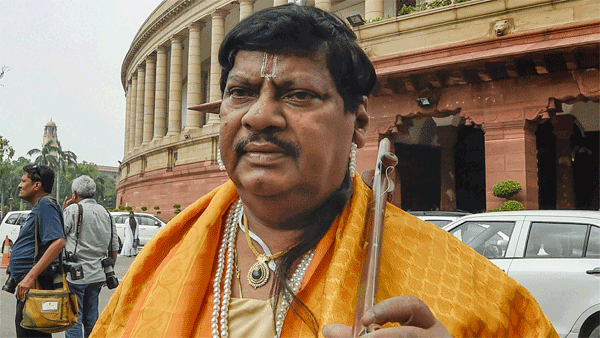 Name Dr. Naramalli Sivaprasad
Dr. Naramalli Sivaprasad (11 July 1951 – 21 September 2019) was a multifaceted Indian personality: a qualified physician (MBBS), Telugu film actor known for villainous and supporting roles, stage artist, film producer, and politician affiliated with the Telugu Desam Party (TDP). He represented the Chittoor Lok Sabha constituency (a Scheduled Caste reserved seat) as Member of Parliament in the 15th and 16th Lok Sabhas (2009–2019) and gained national fame for his theatrical protests in Parliament.
Early Life and Education
Born in Pultipalli (or Pottipalli) village, Chittoor district, Andhra Pradesh, to parents Nagaiah and Chengamma. He completed his MBBS from S.V. Medical College, Tirupati, and practiced medicine briefly. His passion for acting led him to theater and films while maintaining ties to his medical background.
Acting Career
Sivaprasad began as a stage artist and transitioned to Telugu cinema, appearing in over 40 films across three decades. He often played villain roles, earning the Nandi Award for Best Villain in 2005 for Danger. Notable debut: Khaidi (1983) alongside Chiranjeevi. Other films include Doosukelatha (2013, his last). He continued acting and producing even during his political career.
Joined TDP in 1995/1998. Elected to Andhra Pradesh Legislative Assembly from Satyavedu in 1999, served as Minister for Information, Culture, and Public Relations (1999–2001) under N. Chandrababu Naidu. Elected MP from Chittoor (SC) in 2009 and 2014; lost in 2019 to YSRCP's N. Reddeppa.
He became iconic for dramatic protests outside Parliament, dressing in over 46 unique costumes to demand special category status for Andhra Pradesh and oppose state bifurcation. Famous get-ups included Adolf Hitler (controversial, to criticize unfulfilled promises), Lord Krishna, Vishwamitra, MGR, NTR, Chhatrapati Shivaji, Alluri Sitarama Raju, B.R. Ambedkar, fisherman, farmer, astrologer, transgender person, and more. These theatrics drew massive media attention and highlighted regional issues creatively.

Married to Ralavijaylakshmi (or Vijayalakshmi), who ran a hospital in Tirupati. The couple had two daughters. He was described as a close friend of Chandrababu Naidu.
Death
Passed away on 21 September 2019 at age 68 in Apollo Hospital, Chennai, due to renal (kidney) failure after prolonged illness. His death came shortly after another TDP leader's passing, marking a significant loss for the party. Leaders including Naidu and Y.S. Jagan Mohan Reddy offered condolences.
Sivaprasad's legacy blends medicine, entertainment, and politics, remembered especially for using his acting skills to amplify Andhra Pradesh's demands in national discourse.
Om Prakash Bharati

1. Introduction & Core Identity
Om Prakash Bharati is an Indian film director, writer, and producer known primarily for his work in the Bhojpuri film industry. born in a village on the bank of Kosi River in Saharsa district of Bihar on 5 September, 1968.He is a significant figure who has contributed to the commercial boom and narrative evolution of modern Bhojpuri cinema, often working with the industry's biggest stars.
2. Career & Notable Works
Primary Industry: Bhojpuri Cinema
Directorial Style: He is known for directing high-energy, mass-entertainment films that typically feature action, drama, romance, and music—the staple genres of Bhojpuri commercial cinema. His films often highlight themes of heroism, revenge, and regional pride.
Key Collaborations: He has frequently worked with superstar Pawan Singh, one of the biggest names in Bhojpuri cinema, creating several successful films.
Notable Directed Films:
Sasura Bada Paisa Wala (A major commercial hit)
Sasura Bada Paisa Wala 2 (Sequel)
Ganga Devi
Maa...Mann Laga De Re Pyaar
Berozgaari
Loha
Writing & Production: Beyond directing, he is actively involved in screenwriting and production for his projects, ensuring a distinct narrative stamp on his films.
3. Impact on Bhojpuri Cinema
Om Prakash Bharati represents the wave of directors who have professionalized and scaled up Bhojpuri film production in the 21st century. His films are known for:
High Production Values: Compared to earlier Bhojpuri films, his works often feature better technical quality, sets, and cinematography.
Star-Driven Narratives: Effectively utilizing the star power of actors like Pawan Singh to draw audiences.
Musical Integration: Incorporating popular Bhojpuri music, which is a major driver of box office success.
4. Personal Details & Public Profile
Birthplace/Base: He is based in the Bhojpuri heartland, likely Bihar or Uttar Pradesh, but specific personal details like date of birth or early life are not widely publicized in national media.
Public Persona: He maintains a professional public image focused on his work. He is active at film events, promotions, and interacts with the media primarily in the context of his film releases.
Social Media Presence: Has a noticeable presence on social media platforms (like Facebook and Instagram) used heavily by the Bhojpuri film industry and its audience, where he promotes his work and engages with fans.
5. Distinction from Other "Om Prakash"
It is important to distinguish him from:
Om Prakash (actor): The legendary Hindi film character actor from the classic era.
Om Prakash (other regional directors): There are multiple individuals with similar names in other film industries.
6. Challenges & Industry Context
As a Bhojpuri filmmaker, he operates within an industry known for:
Rapid Production Schedules
A Massive, Dedicated Regional Audience
Limited National Mainstream Media Coverage
Criticism for certain tropes (like exaggerated action or item numbers) alongside praise for its raw connect with the grassroots audience.
Summary Table
| Category | Details |
|---|---|
| Full Name | Om Prakash Bharati |
| Profession | Film Director, Writer, Producer |
| Primary Industry | Bhojpuri Cinema |
| Known For | Mass commercial entertainers; frequent collaborator with Pawan Singh |
| Signature Films | Sasura Bada Paisa Wala, Ganga Devi, Loha |
| Contribution | Part of the wave that modernized and scaled up Bhojpuri film production values. |
| Public Profile | Industry-focused, active on regional media & social platforms. |
In essence, Om Prakash Bharati is a successful and influential commercial director in the vibrant Bhojpuri film industry. He has played a key role in crafting the kind of larger-than-life, star-driven entertainers that define the mainstream of that cinematic world.
Omkar Das Manikpuri

Omkar Das Manikpuri is an acclaimed Indian theatre and film actor, best known for his work in Hindi cinema. He is celebrated for his intense performances, deep connection to his indigenous roots, and his ability to bring authentic Chhattisgarhi folk culture to the national stage. His stage name "Manikpuri" proudly denotes his origin from Manikpur, Chhattisgarh.
Background & Early Life
Birth & Origin: He hails from Manikpur, in the Kabirdham district of Chhattisgarh, India.
Community: He belongs to the Gond tribe, one of the largest and most prominent Scheduled Tribes (Adivasi) in central India. This identity is central to his artistry.
Theatre Training: His life transformed when he joined Habib Tanvir's legendary Naya Theatre in Bhopal. Tanvir's theatre was revolutionary for its use of indigenous performers and Chhattisgarhi folk forms, and Manikpuri became one of its foremost talents.
Career Journey & Breakthrough
1. Foundation: Theatre with Habib Tanvir
He performed extensively in Tanvir's iconic plays like "Charandas Chor," "Mitti Ki Gadi," and "Bahadur Kalarin."
This training grounded him in a performance style that was organic, musical, and deeply rooted in folk storytelling—a stark contrast to the method-based urban theatre.
2. Breakthrough in Cinema: "Gangs of Wasseypur"
His national fame arrived with Anurag Kashyap's epic crime saga "Gangs of Wasseypur" (2012).
He played "Pappi Master," the loyal, funny, yet tragic sidekick to Sultan (played by Piyush Mishra). His dialogue "Jiyo behanchod!" became iconic.
The role showcased his incredible range—comic timing, emotional depth, and raw vulnerability—making him an instant standout.
Films: Mukkabaaz (as a crooked sports official), Sui Dhaaga (as a village tailor), Manto (as a hard-drinking writer), Bhonsle, Aadhaar, and Khosla Ka Ghosla.
Web Series: Played a significant role in the first season of Netflix's "Sacred Games."
Artistic Signature & Acting Style
Rooted Authenticity: He brings an unparalleled earthy realism and authenticity to his roles, often infused with the rhythm and dialect of his Chhattisgarhi background.
Folk Influence: His acting is physical, expressive, and often musical, a direct influence of his folk theatre training.
Versatility: He seamlessly transitions between comic relief (Wasseeipur), menacing antagonism (Mukkabaaz), and profound dramatic roles (Bhonsle).
Significance & Cultural Impact
Omkar Das Manikpuri is more than just an actor; he is a symbol of representation and cultural preservation.
Bridge Between Worlds: He acts as a crucial bridge between India's rich, rural, indigenous performance traditions and urban, mainstream cinema.
Adivasi Representation: His success is a landmark for Adivasi (indigenous) artists in an industry where they have been historically invisible in front of the camera. He represents the possibility of achieving fame without shedding one's tribal identity.
Legacy of Habib Tanvir: He is a living carrier of Habib Tanvir's legacy, proving that folk theatre aesthetics have a powerful place in contemporary storytelling.
Personal Life & Public Persona
He is known to be a soft-spoken, humble, and deeply thoughtful person in real life, in contrast to many of his volatile on-screen characters.
He often speaks in interviews about his village, his time with Naya Theatre, and the importance of staying connected to one's roots.
He is based in Bhopal but frequently travels for work.
Awards and Recognition
While he deserves widespread acclaim, mainstream film awards have been limited. However, he is critically adored.
His true recognition lies in the respect he commands from directors like Anurag Kashyap and critics, and his iconic status among cinephiles.
In Summary
Omkar Das Manikpuri is a national treasure. He is a phenomenal actor whose journey from the folk theatres of Chhattisgarh to the heart of Bollywood represents a significant cultural shift. He embodies the idea that the most compelling Indian stories are often told in the voices of its villages and indigenous communities. His career is a testament to talent, resilience, and the power of staying true to one's origin.
Prashanth Thiagarajan

Prashanth Thiagarajan (born April 6, 1973), known professionally as Prashanth, is an Indian actor, playback singer, film producer, and businessman predominantly working in Tamil cinema, with credits in Telugu, Hindi, and Malayalam films. Dubbed the "Top Star" of the late 1990s for his romantic hero persona, chocolate boy looks, and versatile roles blending romance, action, and comedy, Prashanth rose to pan-Indian fame with Shankar's Jeans (1998), India's Oscar entry that year. At the peak of his career, he was one of South India's most bankable leads, delivering hits like Thiruda Thiruda (1993) and Jodi (1999). After a mid-2000s slump due to shelved projects and personal issues, he staged a strong comeback in 2024 with Andhagan and The Greatest of All Time (GOAT), earning praise for matured performances. As of December 10, 2025, at age 52, Prashanth is actively filming his 55th film—a reunion with director Hari—while managing family businesses. He has won the Kalaimamani Award from the Tamil Nadu government and is noted for his judo black belt, piano training, and philanthropy through his jewelry empire.
Early Life and Education
Born in Chennai, Tamil Nadu, to a Hindu Tamil family, Prashanth grew up in a cinematic household. His father, Thiagarajan, is a veteran actor-director, his mother Shanthi a homemaker, and his sister Preeti. His paternal grandfather, Peketi Sivaram, was a renowned Telugu-Kannada-Tamil actor-director, and his paternal cousin is actor Vikram. Initially aspiring to medicine, Prashanth completed his 12th grade at Madras Christian College Higher Secondary School and was admitted to two medical colleges. He later pursued Computer Graphics and Multimedia studies and trained as a pianist at Trinity College of Music, London, where he also honed filmmaking skills. A black belt in judo, he credits his physical fitness to martial arts, which aided his action roles. Prashanth's transition to acting was influenced by his father's legacy, debuting at 17 despite medical ambitions.
Career Beginnings
Prashanth entered films under his father's production banner, Lakshmi Shanthi Movies, with a debut in the rural drama Vaigasi Poranthachu (1990), portraying a young lead opposite Sivaranjani. Though a modest hit, it showcased his charm. He followed with the Malayalam art-house classic Perumthachan (1991) as the protagonist's son, earning critical nods. Breakthrough came with Mani Ratnam's Thiruda Thiruda (1993), a heist comedy with A.R. Rahman's debut score, where his adventurous "Azhagu" role subverted his boy-next-door image. Early 1990s hits like Chembaruthi (1992, opposite Nagma) and Telugu Tholi Muddhu (1993, remake of Dil) solidified his romantic lead status. By mid-1990s, collaborations with directors like Thiagarajan (Aanazhagan, 1995, where he cross-dressed for comedy) and Rajiv Menon (Kannedhirey Thondrinal, 1998) built his stardom.
Filmography
Prashanth's 50+ films span genres, peaking in the 1990s-early 2000s with commercial successes. Post-2005, delays plagued his career until 2024's revival.
Other Contributions
- Playback Singer: "Vaa Endrathu Ulagam" in Parthen Rasithen (2000).
- Producer: Saagasam (2016); family banner involved in Jai (2004), Ponnar Shankar (2011).
Awards and Recognition
- Kalaimamani Award (Government of Tamil Nadu, for contributions to Tamil cinema).
- Filmfare Award South: Best Male Debut – South (for early roles).
- Cinema Express Award: Best Actor – Tamil (Jeans, 1998).
- Jeans earned National Film Award for Best Special Effects; multiple state nominations. Critics praised his evolution in Thamizh (2002) and Andhagan (2024) as "matured and layered."
Personal Life and Views
Prashanth is private, focusing on family and fitness. He married V.D. Grahalakshmi, daughter of a Chennai industrialist, on September 1, 2005; their son was born in 2006. The marriage was annulled in 2009 after discovering her undisclosed prior marriage, leading to legal disputes. As of 2024, his father announced he's seeking remarriage. Prashanth advocates mental health, crediting judo and music for resilience, and supports education via his foundation. He views cinema as "a family legacy" but emphasizes personal growth over stardom. No major controversies beyond the annulment.
Business Ventures
Beyond acting, Prashanth owns a 12-floor jewelry mart in T. Nagar, Chennai (opened 2008), valued at crores, blending traditional and modern designs. He invests in real estate and production, with family studio Lakshmi Shanthi Movies handling delayed projects like Petrol (2005, shelved) and Court (remake of Telugu Court State Vs Nobody, announced 2025, introducing producer's son Krithik and Devayani's daughter Iniya).
Recent Updates (as of December 10, 2025)
Prashanth's 2024 comeback was triumphant: Andhagan (August) hailed as his "long-overdue return" for dual roles, earning 3.5/5 averages on BookMyShow. GOAT (September, with Vijay) grossed over ₹450 crore worldwide, boosting his visibility. On his 52nd birthday (April 6, 2025), Prashanth 55—a high-octane thriller reuniting him with Hari after Thamizh (2002)—was launched, produced by Thiagarajan, promising "timeless appeal." Filming began mid-2025, with a 2026 release eyed. Buzz around Court remake (July 2025 announcement) positions him as lead, with Thiagarajan in a key role. X updates highlight fan excitement for his "beast mode" prep, and he's active on @actorprashanth
Phani Majumdar

Phani Majumdar (born Pranab Kumar Majumdar on December 28, 1911 – died May 16, 1994) was a pioneering and prolific Indian film director, screenwriter, and producer, celebrated for his innovative contributions to Bengali, Hindi, and regional Indian cinema over five decades. A versatile filmmaker who bridged the golden era of New Theatres in Calcutta with the commercial vibrancy of Bombay Talkies and beyond, Majumdar directed over 40 feature films, several documentaries, and children's shorts, often exploring themes of nationalism, social reform, romance, and cultural identity. His landmark works include the musical drama Street Singer (1938), featuring K. L. Saigal's iconic song "Babul Mora Naihar Chhooto Jaye," Meena Kumari's poignant Aarti (1962), and the award-winning Oonche Log (1965), which marked Feroz Khan's breakthrough. Majumdar's global footprint extended to Singapore, where he helmed Malay-language films like Hang Tuah (1956), nominated for the Golden Bear at the Berlin International Film Festival. He also ventured into lesser-known Indian languages like Punjabi, Magadhi (Bhaiya, 1961), and Maithili (Kanyadaan, 1965), earning accolades such as the National Film Award for Second Best Feature Film (Oonche Log) and All India Certificate of Merit for Children's Films (Savitri, 1961). As of November 25, 2025—31 years after his passing—Majumdar's legacy endures through restorations of his classics on platforms like YouTube and archival screenings, influencing contemporary directors with his blend of artistry and accessibility.
Early Life and Background
Phani Majumdar was born Pranab Kumar Majumdar in Faridpur, a small town in the Bengal Presidency of British India (now Faridpur, Bangladesh), into a Bengali Hindu family of modest means. Growing up in the culturally rich yet politically turbulent Bengal of the early 20th century, he was exposed to the region's literary and theatrical traditions, including the works of Rabindranath Tagore and Bankim Chandra Chattopadhyay, which later infused his storytelling with emotional depth and social commentary.
After completing his schooling, Majumdar graduated from Carmichael College (now University of Barisal) in 1930 with a degree in arts. His first job was as a typist in a local office, a humdrum role that fueled his restlessness. Drawn to the burgeoning film industry, he moved to Calcutta (now Kolkata) in the early 1930s, where he joined the prestigious New Theatres Studio as a stenographer for the legendary director P. C. Barua. This serendipitous entry marked the beginning of his cinematic journey; he quickly rose to assistant director and scenarist, scripting Prafulla Roy's Abhigyan (1938). Majumdar's early influences included Barua's poetic realism and the studio's emphasis on literary adaptations, shaping his lifelong commitment to narrative-driven films.
Family and Personal Life
Majumdar married Monica Desai, the sister of pioneering actress and producer Leela Desai (known for Jawani Ki Hawa, 1935), in the 1940s—a union that blended two film families and provided emotional and professional support. The couple had no children publicly documented, and Majumdar maintained a low-profile personal life amid his peripatetic career. He was known for his intellectual curiosity, often collaborating with writers and musicians, and his later years reflected a deep interest in Indian epics, evident in his work on the TV series The Ramayana (1980s, 78 episodes). Majumdar passed away on May 16, 1994, in Bombay (now Mumbai) at age 82 due to age-related ailments, leaving behind a void in Indian cinema's elder statesman cadre.
Career in Film
Majumdar's career spanned the transition from silent-to-sound era in Bengal to the post-independence boom in Hindi cinema, marked by versatility across genres and languages. Starting as a writer-assistant at New Theatres, he debuted as director with Street Singer (1938), a musical hit that established his reputation for blending melody with melodrama. By 1941, he relocated to Bombay, joining Bombay Talkies under Devika Rani's stewardship, where young Shakti Samanta apprenticed under him on films like Tamanna (1942), Baadbaan (1954), and Dhobi Doctor (1954). Majumdar's directorial style evolved from lyrical romances to socio-political dramas, culminating in experimental forays abroad and in regional tongues.
In the 1950s, seeking new horizons, he spent nearly a decade (1955–1963) in Singapore under the Shaw Brothers Studio, directing eight Malay films that introduced color and spectacle to Southeast Asian cinema. Hang Tuah (1956), a historical epic starring P. Ramlee, became a landmark, nominated for the Golden Bear at Berlin. Returning to India in the 1960s, Majumdar embraced linguistic diversity, making films in Punjabi (Birthday, 1965), Magadhi (Bhaiya, 1961), and Maithili (Kanyadaan, 1965), while helming Hindi classics. His later works included documentaries like Shri Aurobindo: Glimpses of His Life (1975) and TV contributions to Our India (1993, 52 episodes). Majumdar's output totaled over 40 features, emphasizing humanism, nationalism (e.g., Andolan, 1951, a Congress propaganda film tracing India's freedom struggle), and family bonds.
Key Films and Achievements
Majumdar's filmography reflects his adaptability, with hits spanning studios and borders.
| Year | Film | Language/Genre | Key Cast/Highlights |
|---|---|---|---|
| 1938 | Street Singer (Saathi) | Bengali/Hindi Musical Drama | K. L. Saigal; Iconic song "Babul Mora Naihar Chhooto Jaye"; Majumdar's debut, New Theatres production. |
| 1939 | Kapal Kundala | Bengali Literary Adaptation | Leela Majumdar; Based on Bankim Chandra's novel; early critical acclaim. |
| 1940 | Doctor | Bengali Drama | Pankaj Mullick; Explored medical ethics. |
| 1942 | Tamanna | Hindi Romance | Suraiya; Bombay Talkies debut; assisted by Shakti Samanta. |
| 1943 | Mohabbat | Hindi Melodrama | Shanta Apte; Emotional family saga. |
| 1944 | Meena | Hindi | Meena Shorey; Light-hearted entertainer. |
| 1945 | Devadasi | Hindi Social Drama | Devika Rani; Tackled temple dancer reforms. |
| 1946 | Door Chalein / Insaaf | Hindi Legal Thriller | Ashok Kumar; Dual releases on justice themes. |
| 1948 | Hum Bhi Insaan Hain | Hindi | Dev Anand; Post-Partition humanism. |
| 1951 | Andolan | Hindi Nationalist Epic | Ashok Kumar; Traced Congress history (1885–1947); Majumdar's most elaborate propaganda film. |
| 1952 | Goonj / Tamasha | Hindi Musical | Dev Anand, Meena Kumari; Circus-themed romance. |
| 1954 | Baadbaan / Dhobi Doctor | Hindi Comedy-Drama | Mehmood, Dev Anand; Satirical takes on ambition and medicine. |
| 1955 | Faraar (Dev Anand in Goa) | Hindi Adventure | Dev Anand; Spy thriller set in Portuguese Goa. |
| 1956 | Hang Tuah | Malay Historical Epic | P. Ramlee; Singapore phase; Berlin Golden Bear nominee. |
| 1957 | Kaseh Sayang / Long House (Rumah Panjang) | Malay Bilingual War/Adventure | P. Ramlee; Japanese invasion story; Borneo headhunters docu-drama. |
| 1959 | Circus / Saral Biswas | Malay/Short | Bilingual circus tale; Tagore adaptation short. |
| 1960 | Veer Purush | Short Documentary | Historical figure biopic. |
| 1961 | Bhaiya / Savitri | Magadhi/Hindi Children's | Regional folk tale; National Merit for Children's Film. |
| 1962 | Aarti | Hindi Melodrama | Meena Kumari, Ashok Kumar; Classic on unrequited love; enduring popularity. |
| 1965 | Akashdeep / Oonche Log / Kanyadaan / Birthday / Mamata | Hindi/Punjabi/Maithili | Feroz Khan in Oonche Log (National Award for 2nd Best Feature); Multi-language output peak. |
| 1966 | Toofan Mein Pyar Kahan | Hindi Romance | Asha Parekh; Stormy love story. |
| 1968 | Apna Ghar Apni Kahani | Hindi Family Drama | Mehmood; Domestic satire. |
| 1969 | Munna | Hindi | Tanuja; Child-centric narrative. |
| 1989 | Babul | Hindi | Smita Patil; Late-career emotional drama. |
| 1990 | Fire (Short) / Common Accidents (Doc) | Short/Doc | Safety awareness films. |
| 1993 | Our India (TV Series) | TV Documentary | 52 episodes on Indian diversity. |
| 1980s | The Ramayana (TV) | TV Epic | Contributed to Ramanand Sagar's series (78 episodes).
|
Legacy and Impact
Phani Majumdar's oeuvre—spanning lyrical Bengal to action-packed Hindi and experimental regional ventures—epitomizes Indian cinema's early globalization and linguistic pluralism. As a bridge between pre- and post-independence eras, he mentored icons like Shakti Samanta, influencing commercial Hindi cinema's narrative sophistication. His nationalist bent (Andolan) and social empathy (Aarti) resonated during India's formative years, while Hang Tuah showcased his adaptability abroad. Awards like the National Film Award and Berlin nod underscore his excellence, yet his obscurity today stems from archival neglect—efforts like Cinemaazi's restorations aim to revive him.
Majumdar's personal ethos—rooted in Bengal's intellectual soil—prioritized stories over stardom, making him a quiet architect of diverse Indian narratives. In a career from typist to transnational director, he proved cinema's power to unite cultures.
Personal Life and Final Years
Married to Monica Desai until his death, Majumdar led a collaborative life, often involving family in productions (e.g., Leela Desai's influence). A chain-smoker and voracious reader, he retreated to Bombay in later years, focusing on TV and shorts amid health decline. He passed peacefully at home, survived by Monica and extended kin. Majumdar's understated demeanor—eschewing glamour for craft—mirrors his films' heartfelt simplicity.
Punit Sonkar

Punit Sonkar is a promising Indian actor and model who has made a significant mark in the Bhojpuri film industry and is steadily expanding his presence in Hindi cinema and other regional film circuits.
Background & Early Life
Date of Birth: Information varies slightly, but he is believed to be born around 1991-1992.
Hometown: He hails from Varanasi, Uttar Pradesh, a cultural hub that has produced many artists for the Bhojpuri and Hindi film industries.
Family: He maintains a relatively private personal life. It is known that his father is a businessman.
Education: He pursued his education in Varanasi before moving to Mumbai to follow his passion for acting.
Career Trajectory
Notable Bhojpuri Films:
Romeo Raja,Wanted,Dilbar,Dabangg Mitra,Pandit Ji, andGuru Dakshinaare among his popular works.On-Screen Pairing: He has frequently been paired with leading Bhojpuri actress Kajal Raghwani, and their chemistry is highly appreciated by fans.
Hindi Debut: He made his Hindi film debut with the thriller "Qatl".
Major Breakthrough: His most significant mainstream recognition came with S. S. Rajamouli's epic "RRR" (2022). He played the role of Bheem's friend and tribesman, 'Jangu'. Although a supporting role, being part of this global blockbuster gave him immense visibility across India and internationally.
Other Hindi Projects: He also appeared in the film "Mister Mummy" (2022) and is actively auditioning for more substantial roles in the Hindi film industry.
Public Image & Persona
Fitness Enthusiast: Punit is known for his disciplined fitness regimen and well-built physique, which is a significant asset for the roles he often plays.
Dancing Skills: Like many successful Bhojpuri stars, he is an excellent dancer, a key element in his films' success.
Fan Following: He commands a loyal fan base, particularly in the populous states of Uttar Pradesh and Bihar, where Bhojpuri cinema has a massive audience. His social media presence is strong, with millions of followers.
Awards & Recognition
He has received several awards and nominations within the Bhojpuri film industry for his performances.
The association with "RRR", which won the Academy Award for Best Original Song, has become a major highlight of his filmography.
Recent Work & Future Prospects
Punit Sonkar is currently in a transitional phase, balancing his commitments as a Bhojpuri superstar while actively pursuing more prominent roles in Hindi (Bollywood) and South Indian films. His strategy appears to be using his strong regional base as a launchpad for a pan-India career.
In summary, Punit Sonkar is a talented actor who has successfully navigated from being a regional star to securing a foothold in mainstream Indian cinema. His role in "RRR" has been a game-changer, opening new doors for him in the industry.


Pijush Saha (also spelled Pijus Saha in some sources) is a prominent Indian film director, producer, screenwriter, and story writer primarily working in Bengali cinema (Tollywood). Born on February 5, 1970, in Kolkata, West Bengal, India, he is recognized as a "star maker" in the industry for launching the careers of several leading actors and actresses. With over two decades in the field, Saha has helmed more than a dozen films, blending genres like action, comedy, romance, and drama. He owns Prince Entertainment P4, a production house that has backed many of his projects. As of 2025, he continues to be active, with his production company lined up for new ventures.
Early Life and Career Beginnings
- Background: Saha hails from Kolkata and entered the film industry at a young age. Little is publicly detailed about his formal education or family, but his early passion for cinema led him to start behind the camera, collaborating with Bengali superstars like Prosenjit Chatterjee, Mithun Chakraborty, Ranjit Mullick, Jisshu Sengupta, Jeet, and Koel Mallick.
- Entry into Filmmaking: He began as a director and producer in the early 2000s, focusing on independent productions. His debut marked the start of a prolific career where he not only directed but also wrote stories and produced under his banner. Saha's approach emphasizes mentoring newcomers, often giving them breakthrough roles, which has earned him a reputation for nurturing talent.
Achievements and Awards
- Star Launches: Saha is celebrated for kickstarting careers: Soham Chakraborty and Subhasree Ganguly (Bajimat, 2008), Ankush Hazra (Kellafate, 2010), and Rubel Das (Beparoyaa, 2016). His son Prince debuted in Jaalbandi (2022).
- Awards:
- Hero Honda 68th BFJA Awards (2005) for Best Clean & Entertaining Film (Gerakal, a production credit).
- Multiple nominations and recognitions for commercial success in Tollywood.
- Industry Impact: Known as one of India's top independent producers, Saha has pushed boundaries by blending commercial appeal with social commentary, such as child marriage in one unproduced script. His films have grossed significantly, contributing to Tollywood's revival in the 2000s-2010s.
Personal Life
- Family: Saha is married and has at least two sons: Prachurya Saha (Prince Prachurya, an actor debuting under his father's banner) and Prayus Saha (involved in the family production company as a director per corporate records).
- Business Ventures: He founded Pijush Saha Films Private Limited (incorporated 2019, active as of 2022 filings), focused on motion pictures and entertainment. The company is headquartered in Kolkata, with Saha as a key director alongside his sons.
- Online Presence: Active on Facebook (@PijusSahaOfficial, ~48,000 likes) for updates on films. On X (formerly Twitter), his verified handle is @iampijushsaha (613 followers), where he shares professional insights.
Controversies
In 2023, Saha faced legal trouble when arrested for allegedly defrauding aspiring actor Akshay Gupta of ₹20 lakh (about $24,000 USD). Gupta claimed Saha promised him a lead role in an upcoming film after taking the money for "acting classes and production costs," but no opportunity materialized, and refunds were denied. Saha was released on bail shortly after and countered in interviews that a legal contract existed, questioning how it could be fraud. The case highlighted industry exploitation issues but did not derail his career; he resumed work on new projects. No further updates as of late 2025.
Recent and Upcoming Work
- Post-2022: Saha's production house announced exciting lineups in 2023, including more debuts and collaborations. He emphasized Tollywood's growing professionalism in interviews.
- Legacy: At 55 (as of 2025), Saha remains a key figure in Bengali cinema, mentoring the next generation through his company. His story reflects the highs of creative success and the challenges of independent filmmaking in India. For the latest, follow his social media or check platforms like IMDb and BookMyShow.
Prakash Raj

Prakash Raj (born Prakash Rai on March 26, 1965) is an Indian actor, film director, producer, television presenter, and politician renowned for his versatility across multiple languages, including Tamil, Telugu, Kannada, Malayalam, Hindi, and English cinema. With a career spanning over three decades, he has appeared in approximately 400 films, excelling in antagonist, supporting, and lead roles that often carry emotional depth and social commentary. A multilingual powerhouse fluent in Kannada (his mother tongue), Tamil, Telugu, and more, Prakash Raj is celebrated for his commanding screen presence and advocacy on socio-political issues. He has received five National Film Awards, the Padma Shri (India's fourth-highest civilian honor) in 2019, and numerous regional accolades. As of November 2025, at age 60, he remains prolific, with recent releases like Retro and Bhadra, upcoming projects such as They Call Him OG and Spirit (a Prabhas starrer directed by Sandeep Reddy Vanga, slated for late 2025), and active involvement in activism, including launching the short film Hey Raam on historical distortions.
Background and Personal Life
Prakash Raj was born in Bangalore, Karnataka, to Manjunath Rai (a Tulu-speaking father) and Swarnalatha (a Kannadiga mother), reflecting a blend of coastal Tulu Nadu and Kannada heritage. Raised in a lower-middle-class family, he studied at St. Joseph's High School and later at St. Joseph's College of Commerce in Bangalore, where he honed his debating and theatrical skills. An active scout, he won the President's Scout Award in 1982 for leadership and community service. His early exposure to theatre ignited his passion for performing arts, leading him to join amateur groups like Samudaya and later professional theatre with director B.V. Karanth.
Prakash Raj's personal life has been marked by triumphs and tragedies. He was first married to actress Lalitha Kumari in 1994; the couple had three children—daughters Pooja and Meghana, and son Sidhu—but separated in 2009 amid reported differences. Their son Sidhu tragically passed away at age 5 in 2004 due to a rare neurological disorder, an event Prakash has described as profoundly life-altering, prompting him to stop taking life for granted. In 2010, at age 45, he married choreographer Pony Verma in a low-key ceremony; their son Vedhant, born in 2013, insisted on a "wedding 2.0" in 2014, which Prakash shared joyfully on social media. The family resides in Chennai, where Prakash shifted base in the late 1990s for Tamil and Telugu opportunities. A vocal critic of the caste system and Hindu nationalism, he advocates for secularism and social justice, often clashing with political figures—earning labels like "actor with spine" from fans but "bootlicker" from critics on platforms like X. His brother, Prasad Raj, is also an actor.
Career Beginnings
Prakash Raj's journey began in theatre in the 1980s, performing in Kannada plays and Doordarshan serials like Bisilu Kudure and Guddada Bhootha. He debuted in Kannada cinema with Olavu Moodidaga (1986), taking small roles in films like Raamachari (1991) and Lockup Death (1989), noted for his dialogue delivery. A pivotal moment came in 1993 with Harakeya Kuri, where he impressed director K. Balachander, who rechristened him "Prakash Raj" (from Rai) to avoid regional biases during the Cauvery water dispute and cast him as the lead antagonist in the Tamil film Duet (1994). This marked his Tamil breakthrough, blending intensity with nuance.
Filmography and Notable Works
Prakash Raj's filmography is vast and pan-Indian, with over 400 credits. He rose as a menacing villain in the 1990s–2000s (e.g., Iruvar, Anniyan), transitioned to empathetic supporting roles in the 2010s (e.g., Jai Bhim), and now mentors in ensembles. His productions under DuMore Films emphasize realistic narratives. Key works include National Award winners like Iruvar (1997, as Anandarajaan) and Kanchivaram (2008, lead as a weaver). In 2022–2025, he featured in blockbusters like Ponniyin Selvan (as Chinna Pallan) and K.G.F: Chapter 2 (as Kanneganti Nagaraju).
Awards and Recognations
Prakash Raj's trophy cabinet reflects his pan-Indian stature:
- National Film Awards: 5 total—Best Supporting Actor (Iruvar, 1998), Special Mention (Antahpuram, 1998), Best Actor (Kanchivaram, 2007), Best Feature Film in Kannada (producer, Puttakkana Highway, 2011), and another for contributions.
- Filmfare Awards South: 6 (e.g., Best Villain – Telugu for Okkadu, 2003).
- Nandi Awards: 8 (Telugu excellence).
- Tamil Nadu State Film Awards: 8.
- Other: 4 SIIMA, 3 CineMAA, 3 Vijay Awards; Padma Shri (2019).In 2025, he critiqued the National Film Awards as "compromised" for overlooking talents like Mammootty.
Other Contributions
- Television: Hosted Neengalam Vellalam Oru Kodi (Tamil Who Wants to Be a Millionaire, Season 2, 2013–2014).
- Theatre: Continues directing plays; founded Prakash Raj Theatre Academy in Chennai.
- Activism & Politics: Contested 2019 Lok Sabha elections as an independent from Chennai Central (lost). A fierce critic of the BJP and Hindutva, he supports farmers' protests, anti-CAA movements, and Dalit rights. In 2025, he released Hey Raam, a bilingual short film on historical distortions, with collaborators like Thol. Thirumavalavan and Mohammed Zubair. Recent X discourse praises his "spine" against perceived bootlicking in Bollywood.
- Production: DuMore Films focuses on meaningful stories; net worth estimated at ₹100–150 crore from acting, producing, and endorsements.
Controversies
Prakash Raj's outspokenness invites backlash. His 2017 tweet questioning "Godse" (Gandhi's assassin) led to sedition probes (dropped). He's accused of anti-Hindu bias by right-wing groups, with X users labeling him a "communist" or "anti-national" for DMK support. In 2025, he slammed peers for silence on socio-political issues, calling half of Bollywood "sold" and the other "scared." Divorce rumors and his son's death fueled media scrutiny, but he maintains privacy.
Legacy and Recent Developments
Prakash Raj's legacy is that of a transformative force in South Indian cinema—elevating villains to complex humans and championing underrepresented voices. Films like Jai Bhim highlight his commitment to justice, influencing a generation of actors. As of November 2025, he's promoting Bhadra and Retro, while Spirit promises a high-octane return. X fans hail him as a "hero in real life," amid debates on his activism. From theatre stages to national discourse, Prakash Raj embodies resilience, urging artists to engage beyond screens.
Ponnambalam

- Full Name: Ponnambalam (no formal expanded name publicly documented; sometimes credited as G. P. K. Ponnambalam)
- Date of Birth: November 11, 1963 (some sources list September 14, 1963)
- Place of Birth: Chennai, Tamil Nadu, India
- Date of Death: August 23, 2021 (aged 57)
- Place of Death: Chennai, Tamil Nadu (due to kidney failure complications)
- Nationality: Indian
- Religion: Hinduism (Pallar community background, a Scheduled Caste among Tamil Hindus)
Family & Personal Life
Ponnambalam was born into a large, supportive middle-class family in Chennai, with six sisters who played a key role in encouraging his entry into the film industry—often accompanying him to auditions and shoots during his early struggles as an extra fighter. His parents' names are not publicly detailed, but he grew up in a close-knit household that valued physical fitness and resilience.
- Wife: Jayamani (or Devi Ponnambalam, as per some reports; married in the early 1990s)
- Children: Two—one son named Kartik GPK (pursued studies abroad; occasionally featured in family photos) and one daughter named Krithika Ponnambalam (kept largely out of the public eye). He was known for his family-oriented nature but faced personal turmoil later in life, including a 2023 public allegation (posthumously reported in interviews) that a family member (his brother) attempted to poison him via food and alcohol, leading to his kidney damage—a claim he made before his death, denying rumors of excessive drinking as the sole cause. Ponnambalam was an avid sports enthusiast from youth, excelling in gymnastics and wrestling, which shaped his stunt career. He resided in Chennai throughout his life, maintaining a modest lifestyle despite industry fame.
Education
- Completed schooling at Avichi Higher Secondary School, Chennai. No higher education details are available; his early focus shifted to athletics and stunts rather than academics.
Career Highlights
Early Career (Stunts & Extras: 1987–1992)
Ponnambalam's entry into cinema was driven by his athletic prowess—he was the national high jump champion in 1984 and trained in gymnastics, making him ideal for action roles. He debuted as a stuntman in 1987 with films like Shankar Guru and Per Sollum Pillai, quickly becoming a go-to extra fighter. His unbreakable resilience earned him the enduring nickname "Spare Parts Ponnambalam," as he never sustained fractures or major injuries despite hundreds of high-risk sequences. Early credits include minor roles in Sathya (1988, with Kamal Haasan), Apoorva Sagodharargal (1989, with Rajinikanth), and Michael Madana Kama Rajan (1990).
As Actor (1993–2021)
Over 35 years, he appeared in 240+ films across Tamil (primary), Telugu, Malayalam, Kannada, and Hindi cinema, specializing in menacing villains but evolving into comic and supporting roles. His breakthrough came as Kabali in Walter Vetrivel (1993, opposite Vijayakanth), cementing his "terrifying antagonist" image.
- Iconic Villain Roles (1990s Peak): Nattamai (1994, as Ponnambalam—massive hit), Muthu (1995, as Kaali, opposite Rajinikanth), Amarkkalam (1999, as Aasai Raj, with Sarathkumar), Krodham (1999), and Mudhal Etcharikkai (1999, rare lead as a rowdy). Critics praised his aggressive fight scenes but noted his rugged looks limited heroic viability.
- 2000s Action-Comedy Shift: Saamy (2003, corrupt cop), Ghilli (2004, Arivazhagan, opposite Vijay), Pattali (2006), Malaikottai (2007), and Dosth (2006). He shared screen space with legends like Rajinikanth, Kamal Haasan, Vijayakanth, Arjun, and Sarathkumar.
- Later Roles & Multilingual Work: Tamizh Padam (2010, spoof as Nattamai), Venghai (2011, Anburaja), Ponnar Shankar (2011, Thalapathi), Comali (2019, Gaaja), Kaatteri (2022, posthumous release as Ponnambalam). Telugu: Gharana Mogudu (1992), Hitler (1997), Annavaram (2005). Malayalam: Moonnam Mura (1988, Peter), Prajapathi (2006), Aadu 2 (2017). Kannada: Chinna (1994), Kiccha (2003). Hindi: Ghatak: Lethal (1996, special appearance), Nayak (2001, Ranga). His last film was Dharala Prabhu (2020). He also dabbled in TV, including a stint on Bigg Boss Tamil 2 (2018, evicted in week 8 amid controversy over misogynistic remarks toward female contestants like Yashika Anand).
As Director & Producer (2004–2010)
- Debut: Pattaya Kelappu (2008, starring Sriman; delayed from 2004 production; mixed reviews for comedy).
- Other Ventures: Thethi 32 (announced but dropped); Idiyudan Koodiya Mazhai (2010, with newcomers; shelved without release). These forays were modest, overshadowed by his acting.
Political Career (2011–2021)
Joined AIADMK in February 2011, campaigning vigorously in the 2014 Lok Sabha elections. Switched to BJP in June 2017, citing welfare focus, in the presence of Union Minister Pon Radhakrishnan. His film popularity aided grassroots outreach, though he held no major elected posts.
Awards & Honours
- No major national or state film awards documented, but widely recognized for stunt excellence (e.g., Tamil Nadu State Film Award nominations for action choreography).
- Honored posthumously by the film industry; tributes from Rajinikanth, Kamal Haasan, and Vijayakanth highlighted his "indestructible" spirit.
Health Issues & Death
Ponnambalam battled chronic kidney disease from the mid-2010s, exacerbated by alleged poisoning (per his 2023 claims). Hospitalized multiple times: July 2020 (Chennai private hospital; couldn't afford bills, aided by Kamal Haasan, Rajinikanth, Chiranjeevi—Rs 45 lakh donation—and others); underwent transplant in 2021 (donor: relative/director Jagannathan). He passed away on August 23, 2021, at a Chennai hospital from multi-organ failure. Funeral attended by industry stalwarts; his family faced financial strain post-death.
Legacy
Ponnambalam embodied the "tough guy" archetype in Tamil cinema, influencing a generation of action-villains with his raw intensity and stunt mastery. From national athlete to "Spare Parts" icon, his journey symbolized grit amid caste barriers (as a Pallar, he broke into Brahmin-dominated early industry circles via talent). Posthumously, he's celebrated for resilience—his Bigg Boss stint humanized him, while controversies sparked #MeToo discussions in Tamil TV. Films like Ghilli and Saamy keep his clips viral on YouTube. In politics, he bridged cinema and voter mobilization for Dravidian/BJP causes. Remembered fondly as a "one-man army," his story inspires underdog narratives in South Indian entertainment.
Pedro Pascal

Pedro Pascal is a globally celebrated Chilean-American actor who has achieved widespread fame and acclaim in the 2010s–2020s, becoming one of Hollywood's most beloved and in-demand leading men through iconic roles in major television series and blockbuster films.
1. Early Life & Background
Full Name: José Pedro Balmaceda Pascal
Born: April 2, 1975, in Santiago, Chile.
Family Background:
Son of Verónica Pascal (a child psychologist) and José Balmaceda (a fertility doctor).
Parents were supporters of Salvador Allende; family fled Chile after Augusto Pinochet’s 1973 coup, initially to Denmark, then settled in San Antonio, Texas, and later Orange County, California.
His mother changed the family surname to "Pascal" (her maiden name) for safety.
Siblings: Younger brother, Lux Pascal (transgender actress, close bond with Pedro).
Education: BFA in Drama from New York University’s Tisch School of the Arts.
Early Struggles: Worked as a waiter, bartender, and struggled for years with small roles before his breakthrough in his late 30s.
2. Career Breakthrough & Major Roles
Pascal’s career was built through steady theater and TV work until a series of high-profile roles transformed him into a household name.
Key Works:
"Game of Thrones" (2014) – Played Oberyn Martell, the charismatic "Red Viper" of Dorne.
Though appearing only in Season 4, his performance (and dramatic death) made him a fan favorite and launched his career to new heights.
"Narcos" (2015–2017) – Starred as DEA agent Javier Peña in the Netflix crime drama about the Medellín Cartel.
This cemented him as a leading man in prestige television.
"The Mandalorian" (2019–present) – Plays the title role (Din Djarin), the helmeted bounty hunter in the Star Wars series.
Though his face is rarely seen, his voice and physical presence defined the character.
The show became a global phenomenon, making him a generational icon.
"The Last of Us" (2023–present) – Plays Joel Miller in the HBO adaptation of the video game.
Earned him Primetime Emmy and Golden Globe nominations for Best Actor.
Praised for his emotional depth and father-daughter chemistry with co-star Bella Ramsey.
Film Roles:
"Kingsman: The Golden Circle" (2017) – Supporting role.
"Wonder Woman 1984" (2020) – Played villain Maxwell Lord.
"The Unbearable Weight of Massive Talent" (2022) – Played a fictionalized version of himself alongside Nicolas Cage.
"The Bubble" (2022) – Comedy film by Judd Apatow.
"Strange Way of Life" (2023) – Short Western film by Pedro Almodóvar, opposite Ethan Hawke.
Theater: Early stage work included Shakespeare in the Park and off-Broadway productions.
3. Public Persona & "Internet Daddy" Phenomenon
Pascal has become a massive internet celebrity, beloved for his:
Charm and Humor: Known for witty interviews, social media quips, and playful interactions with fans and co-stars.
"Internet Daddy" Nickname: Earned due to his charismatic, protective, and handsome persona.
Viral Moments: Memes about his roles, his friendship with Oscar Isaac, and his humorous red-carpet and talk-show appearances.
Fashion: Recognized as a stylish red-carpet presence, often embracing bold colors and designs.
4. Activism & Advocacy
LGBTQ+ Support: Vocal ally; publicly supportive of his transgender brother Lux.
Immigrant Rights: Speaks about his family’s refugee experience and advocates for immigrant communities.
Chilean Politics: Supports progressive causes in Chile; expressed solidarity during the 2019–2020 protests.
Mental Health & Representation: Discusses the importance of Latinx representation in Hollywood.
5. Personal Life
Relationships: Keeps his private life largely out of the spotlight.
Residence: Lives in New York City.
Languages: Fluent in English and Spanish.
Nicknames: "Pedro Pascal," "The Mandalorian," "Internet’s Daddy."
6. Awards & Honors
Primetime Emmy Nominations: For The Last of Us (2023) and The Mandalorian (2021, 2024).
Golden Globe Nominations: For The Last of Us.
Screen Actors Guild Awards: Nominated for The Last of Us (ensemble and individual).
Critics' Choice Awards: Nominated and won for various roles.
Time Magazine: Named one of the 100 Most Influential People of 2023.
MTV Awards & People’s Choice Awards: Multiple wins for favorite actor.
7. Recent & Upcoming Projects
"The Last of Us" Season 2 – In production (2025 release expected).
"The Mandalorian & Grogu" – Feature film announced (2025).
"Gladiator II" (2024) – Supporting role in Ridley Scott’s sequel.
"Freaky Tales" – Sundance film with ensemble cast.
"Drive-Away Dolls" (2024) – Coen brothers-inspired comedy.
8. Quotes That Define Him
"I’ve been a working actor for a long time. The idea that I’m having a moment now is kind of hilarious."
"The only reason I’m here is because my parents were brave enough to flee a dictatorship."
On playing Joel: "It’s about love. It’s about the love of a parent for a child, and how far you’ll go to protect that."
9. Legacy & Impact
Latinx Representation: One of the most prominent Latino leading men in Hollywood today, breaking barriers for diverse casting in sci-fi, fantasy, and prestige drama.
Late-Blooming Stardom: Proof that persistence in Hollywood can lead to iconic roles later in a career.
Cross-Generational Appeal: Beloved by younger fans (through Mandalorian and The Last of Us) and older audiences (through Narcos and Game of Thrones).
Cultural Bridge: Embraces his Chilean-American identity and uses his platform to highlight Latin American stories and talent.
Summary
Pedro Pascal is far more than a charismatic actor—he is a symbol of resilience, versatility, and heart in modern entertainment. From fleeing political oppression as a child to grinding through bit parts for decades, his journey to superstardom is a testament to talent and tenacity. Whether as the helmeted hero of Star Wars, the hardened survivor in The Last of Us, or the witty “Internet Daddy” off-screen, Pascal has cemented himself as a defining star of his generation—all while remaining grounded, politically conscious, and deeply proud of his heritage.
In essence: A groundbreaking Chilean-American actor whose late-career explosion into global fame—through roles in Game of Thrones, The Mandalorian, and The Last of Us—has made him a beloved icon and a proud representative of Latinx excellence in Hollywood.
Prem Amaren

 Premgi Amaren (full name Prem Kumar Gangai Amaren, born 26 February 1979) is a versatile Indian entertainer primarily working in Tamil cinema. He is a playback singer, music composer, songwriter, actor, and comedian, best known for his rap songs and hilarious supporting roles, especially in films directed by his elder brother Venkat Prabhu.
Born in Chennai, Tamil Nadu, Premgi comes from a legendary musical family. His father is veteran composer-director Gangai Amaran, his uncle is the iconic Ilaiyaraaja, and his cousins include composers Yuvan Shankar Raja, Karthik Raja, and singer Bhavatharini. His elder brother Venkat Prabhu is a prominent director and actor. This rich cinematic heritage influenced his early interest in music.
Premgi started as an assistant music programmer to cousin Yuvan Shankar Raja, specializing in rap portions for soundtracks. He debuted as a playback singer in the early 2000s and as an independent composer in 2006.
His acting breakthrough came in Vallavan (2006), followed by the blockbuster Chennai 600028 (2007), where his role as Seenu catapulted him to fame as a comedian.
Notable acting roles include:
- Chennai 600028 (2007) – Seenu
- Saroja (2008)
- Goa (2010)
- Mankatha (2011)
- Settai (2013)
- Chennai 600028 II (2016)
- Maanaadu (2021)
- The Greatest of All Time (GOAT) (2024) He often appears in brother Venkat Prabhu's films, delivering memorable comic timing.
As a composer, he has scored films like Party (unreleased/uncredited in some) and contributed rap/club mixes to many tracks. He also composed a tribute song to Michael Jackson with Suresh Peters.
Personal Life
Premgi married his longtime partner Indhu (or Indu) on 9 June 2024 in a private ceremony at Thiruthani Murugan Temple. The couple welcomed a baby girl in late 2025, with baby shower celebrations drawing attention as Premgi became a father at age 46.
Premgi remains active in Tamil cinema, blending his musical and acting talents, and is admired for his energetic, fun-loving persona both on and off screen.
International Tamil Film Awards


- Profession: Film Director, Screenwriter, and ActorPrimary Industry: Marathi Cinema, with significant work in Hindi and TeluguReputation: One of the most critically acclaimed and commercially successful directors in modern Marathi cinema. Known for his visually rich, bold, and socially conscious storytelling that often pushes creative and thematic boundaries.
Background & Early Career
Birth & Origin: Born in Kolhapur, Maharashtra, the heartland of Marathi cinema and theatre.
Education: He is a graduate of the prestigious Sir J.J. Institute of Applied Art, Mumbai, which explains his strong visual sensibility and background in design.
Early Work: He began his career as a graphic designer and art director for advertising and film, working on projects like the iconic title design for the Hindi film Lagaan (2001). This graphic design foundation is evident in the meticulous visual composition of his films.
Directorial Career & Major Films
Ravi Jadhav's filmography is marked by diversity, bold themes, and technical excellence.
Breakthrough & Acclaim:
Natrang (2010): His directorial debut was a cultural tsunami. This film, starring Atul Kulkarni as a Tamasha artist who takes on the role of a Nachya (a female impersonator), was a massive critical and commercial success. It won the National Film Award for Best Feature Film in Marathi and established Jadhav as a fearless storyteller unafraid of complex gender and social themes.
Balgandharva (2011): A lavish biopic of the legendary Marathi stage singer-actor. The film showcased Jadhav's ability to handle period drama with grandeur and emotional depth, winning another National Film Award for Best Feature Film in Marathi.
Timepass (2014) & Timepass 2 (2015): These youthful, breezy romantic comedies proved his mastery over commercial, mass-entertainment cinema. They were blockbusters, especially among younger audiences.
Nude (2018): Premiered at the Mumbai Film Festival and selected as India's official entry for the Oscars (Best Foreign Language Film). This film, about a life drawing model at the JJ School of Art, was a stark, artistic exploration of the human form, sexuality, and dignity. It cemented his reputation as an arthouse auteur.
Hindi & Pan-India Work:
Banjo (2016): His Hindi directorial debut, starring Riteish Deshmukh, focused on Mumbai's street musicians.
Mimi (2021): He directed the critically acclaimed and hugely popular Hindi film Mimi, starring Kriti Sanon and Pankaj Tripathi. This film, a comedy-drama about surrogacy, was a major success on Netflix, bringing his storytelling to a massive national audience.
He has also directed the Telugu film Raja Vikramarka.
Acting Career
While primarily a director, Jadhav is also a talented character actor.
He has appeared in memorable supporting roles in films like Duniyadari (2013), Classmates (2015), and the Hindi film Dhobi Ghat (2010).
His acting is often understated, naturalistic, and adds texture to the narratives he appears in.
Signature Style & Themes
Visual Grandeur & Art Direction: His background in art is paramount. Every frame is carefully composed, with a strong emphasis on color, texture, and production design. Films like Balgandharva and Nude are visual feasts.
Exploration of Marginalized Worlds: He has a consistent fascination with subcultures and marginalized artists—the Tamasha performers in Natrang, street musicians in Banjo, a nude model in Nude.
Blending Art with Commerce: He effortlessly switches between high-art, festival-oriented cinema (Nude, Natrang) and mainstream blockbusters (Timepass, Mimi), without diluting his directorial stamp.
Strong Female Characters: Films like Nude and Mimi are profoundly centered on complex female protagonists and their agency.
Musicality: His films feature outstanding music and sound design, integral to the narrative (e.g., the Lavani in Natrang, the songs in Balgandharva and Mimi).
Awards & Recognition
Two-time National Film Award winner for Best Marathi Feature Film (Natrang, Balgandharva).
Multiple Filmfare Awards (Marathi), Zee Chitra Gaurav Puraskar, and other state honors.
The selection of Nude as India's Oscar entry is a career highlight.
Personal Life & Public Persona
He maintains a relatively private life but is known in the industry as an intense, thoughtful, and meticulous filmmaker.
He is respected for his deep knowledge of Marathi culture and history, which informs his period works.
Seen as an intellectual director who can also connect with the masses.
Legacy & Significance
Modernizer of Marathi Cinema: Ravi Jadhav is a central figure in the "New Wave" of Marathi cinema that began in the 2000s. He proved that Marathi films could be visually stunning, thematically bold, and achieve both critical praise and box-office glory.
Bridge Between Industries: His success in Hindi (Mimi) and Telugu cinema has made him a rare pan-Indian filmmaker rooted in Marathi sensibilities.
A Complete Auteur: As a director, writer, and sometimes actor and producer, he exercises strong creative control, making him a true auteur in the Indian landscape.
Inspiration: His journey from graphic designer to National Award-winning director inspires aspiring filmmakers from non-traditional backgrounds.
Summary
Ravi Jadhav is arguably the most important Marathi filmmaker of his generation. He is a versatile virtuoso who has redefined the possibilities of regional cinema in India. Whether he is crafting a moving biopic, a provocative arthouse drama, or a crowd-pleasing comedy, his work is always marked by visual brilliance, narrative courage, and deep cultural resonance. He stands as a colossus in contemporary Indian cinema.
Ravi Jadhav

Rajendra Jadhav


Ravi Kale
Ravi Kale (born October 28, 1973) is a prolific Indian actor known for his powerful performances in Marathi, Hindi, Telugu, Kannada, and Tamil films. With a career spanning over 25 years, he has portrayed over 150 characters, predominantly in antagonistic and supporting roles, earning a reputation as one of the most reliable "villains" in regional and mainstream Indian cinema. Starting from Marathi theater and low-budget films, Kale rose to prominence through consistent work in commercial and critically acclaimed projects, collaborating with top directors like Ram Gopal Varma, Lokesh Kanagaraj, and Anurag Kashyap. As of 2025, he remains active in multiple film industries, balancing art-house and mass entertainers.
Personal Background
- Full Name: Ravi Kale
- Date of Birth: October 28, 1973 (Age 52 as of 2025)
- Birthplace: Ghodegaon, Pune district, Maharashtra
- Family:
- Father: Local businessman (deceased)
- Mother: Homemaker
- Siblings: One elder brother (involved in family business)
- Wife: Reshma Kale (married in 2001)
- Children: Two sons – Aarav Kale and Rudra Kale
- Education:
- Completed schooling in Pune
- Pursued a Bachelor’s degree in Commerce from a local college
- No formal acting training; self-taught through theater and observation
- Early Life: Grew up in a modest middle-class family. Was expected to join the family’s agricultural and trading business but showed early interest in drama during school and college cultural events. Moved to Mumbai in the early 1990s to pursue acting against family wishes.
Physical Appearance & Style
- Height: 5'9" (175 cm)
- Build: Stocky, rugged – ideal for intense, menacing roles
- Signature Look: Thick mustache, intense eyes, commanding voice – often typecast as a ruthless don, corrupt cop, or tribal leader
- Fitness: Maintains a disciplined routine; practices yoga and weight training to stay fit for action sequences
Acting Style & Strengths
- Versatility: Can switch between rural Maharashtrian dialect, urban Hindi, Telugu slang, and Tamil intensity
- Physical Acting: Known for raw, animalistic energy in fight sequences; performs most stunts himself
- Dialogue Delivery: Deep, gravelly voice – ideal for threats, monologues, and emotional outbursts
- Preparation: Spends time with real-life cops, gangsters, and tribal communities for authenticity
- No Vanity: Accepts bald looks, scars, and unglamorous roles without hesitation
Personal Life & Interests
- Family Man: Lives in Andheri, Mumbai with wife and children
- Low Profile: Avoids media glare; rarely attends parties or award functions
- Hobbies:
- Reading Marathi literature (especially P.L. Deshpande, V.P. Kale)
- Farming – owns a small plot near Pune where he grows organic vegetables
- Motorcycle riding – owns a Royal Enfield
- Social Causes:
- Supports rural education in Maharashtra through NGOs
- Advocates for mental health awareness among actors
- Helps aspiring Marathi actors with auditions and networking
Net Worth & Income (2025 Estimate)
- Net Worth: ₹8–12 crore (approx. $1–1.5 million)
- Income Sources:
- Films: ₹15–40 lakh per project (depending on language and role size)
- Web series: ₹5–10 lakh per episode
- Brand endorsements (regional): ₹2–5 lakh
- Marathi theater appearances
- Assets:
- 3BHK flat in Andheri West
- Farmhouse in Ghodegaon
- Commercial property in Pune
- Luxury SUV (Toyota Fortuner)
Controversies
- Dandupalya Series (2017–2022):
- Accused of glorifying real-life criminals
- Faced protests from women’s groups for graphic violence
- Kale defended it as "cinematic interpretation," not endorsement
- On-Set Temper (Rumors):
- Allegedly clashed with junior artists over discipline
- Later clarified as method acting immersion
Legacy & Influence
- Role Model for character actors from small towns
- Bridge between Marathi and South Indian cinema
- Inspiration for realistic villain portrayals – moved away from cartoonish 90s villains
- Mentor to upcoming Marathi actors; conducts free workshops in Pune
Fun Facts
- Was a state-level kabaddi player in college
- Can speak 7 languages fluently: Marathi, Hindi, English, Telugu, Kannada, Tamil, Bhojpuri
- Rejected a lead role in a Marathi film to play a 3-minute cameo in Sarkar
- His dialogue “System ke bahar ka system hai” from a 2010s film became a meme
- Big fan of Sanjay Dutt and Nana Patekar
Current Status (October 2025)
- Shooting for Pawan Kalyan’s OG in Hyderabad
- In talks for a negative role in Lokesh Kanagaraj’s next after Thangalaan
- Planning a Marathi directorial debut – a rural crime drama
- Active on Instagram (@ravikale_official) – 180K followers; shares fitness, family, and BTS content
Ravi Kale remains a quiet powerhouse of Indian cinema – an actor who lets his work speak, not headlines. From drought-stricken villages to underworld dens, he has lived a thousand lives on screen, earning respect across film industries for his craft, commitment, and authenticity.
Ravi Shinde

Background & Training
Origin: Hails from Maharashtra, India.
Education & Path: Specific details about his formal training are not widely publicized, which is common for many cinematographers who rise through the ranks. His career trajectory suggests he likely:
Trained at a film institute (like FTII, Pune, or other cinematography programs).
Served a long apprenticeship, working as a camera assistant and operator under established cinematographers, learning the craft on sets in the Mumbai and Pune film industries.
Mentorship & Influences: His style suggests a strong foundation in both classical cinematic lighting and modern digital techniques.
Career & Notable Works
Ravi Shinde has built a solid reputation by working on critically acclaimed and commercially successful films, often with noted directors.
Key Films & Collaborations:
Fandry (2013) - Directed by Nagraj Manjule. This is arguably the film that brought Ravi Shinde significant recognition. His cinematography was crucial to the film's raw, gritty, and authentic feel. He captured the stark landscapes of rural Maharashtra and the intense emotional close-ups with equal skill, making the social commentary visually powerful.
Mumbai Pune Mumbai 2 (2015) - Directed by Satish Rajwade. For this popular romantic sequel, his camerawork provided a polished, urban, and warm visual tone, contrasting sharply with Fandry and showcasing his versatility.
Ventilator (2016) - Directed by Rajesh Mapuskar. This film, produced by Priyanka Chopra, required cinematography that could handle a large ensemble cast in confined spaces. Shinde's work was naturalistic, unobtrusive, and effectively captured the chaotic yet emotional family dynamics.
Bucket List (2018) - Directed by Tejas Prabha Vijay Deoskar. His work here was bright, colorful, and aspirational, matching the film's theme of a woman's self-discovery.
Mee Vasantrao (2022) - The biopic of classical singer Vasantrao Deshpande. This project demanded a period feel and a visual texture that complemented classical music. Shinde's work was noted for its elegant frames and lighting that evoked different eras.
Other Notable Projects:
He has also been the DOP for films like **Ani... Dr. Kashinath Ghanekar (2018) and several other Marathi films and web series, consistently delivering high production value.
Cinematographic Style & Philosophy
Story First: Shinde is known as a collaborative cinematographer who sees his primary role as serving the director's vision and the narrative. His style adapts to the needs of the script.
Master of Mood & Atmosphere: Whether it's the harsh, unforgiving sunlight of Fandry or the soft, intimate interiors of a family drama, he excels at using light and color palette to create a specific mood and sense of place.
Technical Proficiency: He is adept with both digital and film cameras, and his work shows a strong command of camera movement, composition, and lighting setups that feel organic to the scene.
Range: His filmography demonstrates an impressive range—from stark social realism to polished mainstream romance and period dramas. This adaptability makes him a sought-after DOP.
Industry Standing & Recognition
Award Contender: His work, especially in Fandry, has been nominated for and won several state and national-level Marathi film awards for Best Cinematography.
Director's Favorite: He has developed recurring collaborations with top directors like Nagraj Manjule, indicating a high level of trust in his creative and technical abilities.
Respected Peer: Within the Marathi and broader Indian film technical community, he is recognized as a skilled and reliable cinematographer who elevates every project he works on.
Why He Matters in Marathi Cinema
Raising the Visual Bar: Along with a cohort of talented cinematographers, Ravi Shinde has been instrumental in raising the technical and aesthetic standards of modern Marathi cinema, helping it compete visually with pan-Indian content.
Bridging Content and Craft: He represents the new wave of technicians who are as committed to strong, content-driven cinema (Fandry) as they are to popular entertainment, applying the same high level of craft to both.
Authentic Voice: His best work has a rooted, authentic quality that gives a powerful visual identity to stories deeply connected to Maharashtra's social and cultural landscape.
Summary
Ravi Shinde is a pillar of contemporary Marathi cinema's technical crew. As a cinematographer, he is a versatile artist and a proficient technician whose camera work is integral to the storytelling. From defining the iconic look of a landmark film like Fandry to lighting major commercial successes, he has proven his ability to translate diverse narratives into compelling visual poetry. His career embodies the growth and sophistication of the Marathi film industry in the 21st century.
Raghava Lawrence
Raghava Lawrence (born Lawrence Murugaiyan on October 29, 1976, in Poonamallee/Chennai, Tamil Nadu) is a renowned Indian actor, choreographer, director, composer, playback singer, lyricist, producer, and philanthropist, best known for his work in Tamil and Telugu cinema. From humble beginnings—working as a car cleaner and background dancer—he rose to become a leading figure in horror-comedy films, particularly through his iconic Muni/Kanchana franchise.
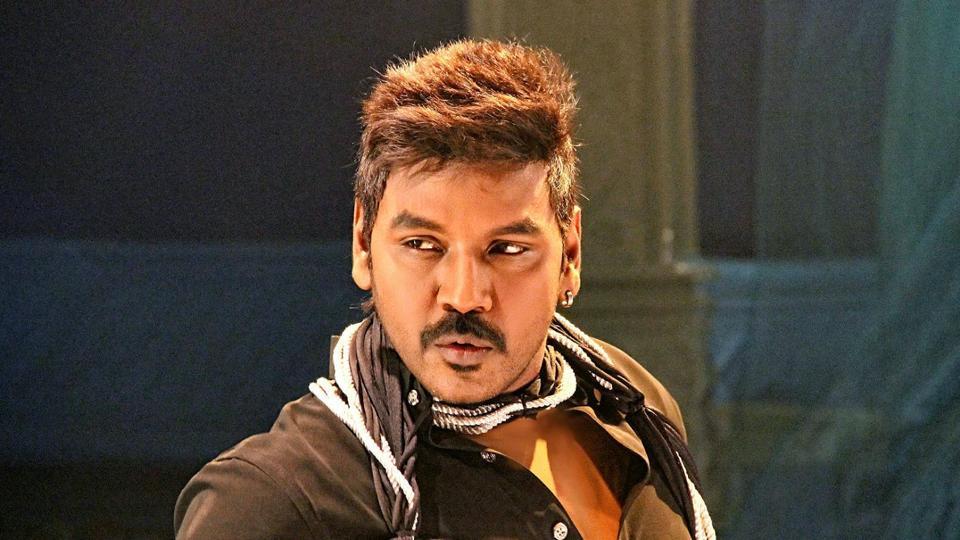
Lawrence faced hardship as a child, suffering from a brain tumor. His mother, Kanmani, prayed to Sri Raghavendra Swamy, and after his miraculous recovery, he changed his name to "Raghava" in devotion. In 2010, he built the Sri Raghavendra Swamy Brindavanam Temple in Thirumullaivoyal, Chennai, which remains a significant spiritual hub. He is a devout Hindu and a huge admirer of Rajinikanth, often sharing their spiritual bond publicly.
Starting as a background dancer in films like Gentleman (1993), Lawrence debuted as a choreographer in 1993. He gained recognition for his energetic hip-hop and Western-style moves, choreographing for stars like Chiranjeevi, Rajinikanth, and Nagarjuna. He won multiple awards, including 4 Filmfare Awards South, 3 Nandi Awards, and Tamil Nadu State Film Awards for choreography.
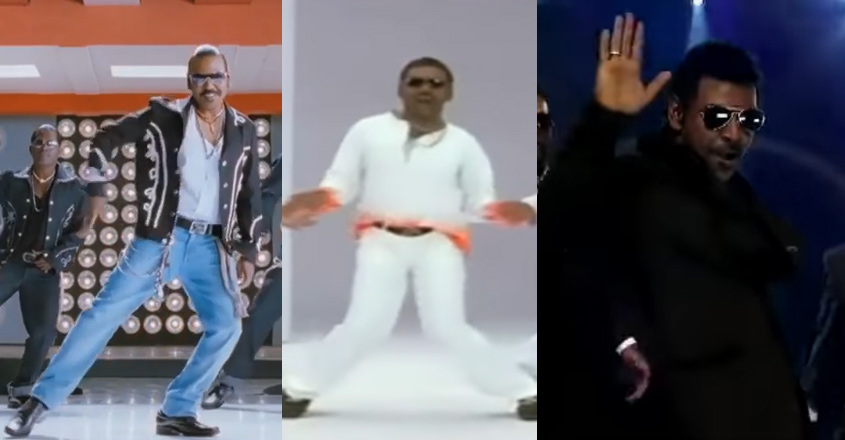
As of 2025, he is working on Kanchana 4 (with Pooja Hegde and Nora Fatehi) and Benz (part of Lokesh Kanagaraj's universe).
Philanthropy
Lawrence is celebrated for his generosity. He runs trusts supporting education, health, and the underprivileged. In 2025, he converted his childhood home into a free school for poor children and launched "Kanmani Annadhana Virundhu" for festive meals in his mother's name. His net worth is estimated over Rs 100 crore, much of which supports charity.
Personal Life
He is married to Latha Lawrence, and they have a daughter, Raghavi. He has a younger brother, Elviin Lawrence.
Raghava Lawrence's rags-to-riches story, combined with his talent and compassion, has earned him the nickname "Makkal Superstar" (People's Superstar) among fans.

Rajinikanth

Rajinikanth (born Shivaji Rao Gaekwad; December 12, 1950), fondly known as "Thalaivar" (leader) and "Superstar," is an Indian actor, producer, screenwriter, and playback singer who has reigned as a cultural icon in Tamil cinema for over five decades. With a career spanning more than 170 films across Tamil, Hindi, Telugu, Kannada, Malayalam, Bengali, and even one English-language project, he is celebrated for his unique mannerisms—flipping cigarettes mid-air, stylized dialogue delivery, and larger-than-life heroism—that have spawned a cult following. Often compared to global legends like Amitabh Bachchan, Rajinikanth's films blend mass entertainment with social messages, making him one of Asia's highest-paid actors (commanding ₹100-300 crore per film). His stardom transcends borders, with massive popularity in Japan (from Muthu) and South Asia. As of December 10, 2025, at age 75, Rajinikanth remains active, with his 2025 release Coolie crossing ₹500 crore worldwide, solidifying him as the only Indian actor with three films surpassing that mark (Jailer in 2023 and 2.0 in 2018). He was honored with the Satyajit Ray Lifetime Achievement Award at the 56th International Film Festival of India (IFFI) earlier this year, capping a legacy of box-office dominance and cultural influence.
Early Life and Education

Born into a modest Marathi family in Bangalore (then Mysore State, now Karnataka), Rajinikanth was the youngest of four siblings: brothers Satyanarayana Rao and Nageshwara Rao, and sister Aswath Balubhai. His father, Ramoji Rao Gaekwad, was a police constable who retired in 1956, and his mother was a homemaker who passed away when he was nine, leaving a profound impact. The family, with roots in Mavadi Kadepathar village (Pune district, Maharashtra), moved to Hanumantha Nagar in Bangalore after retirement, where they built a small home. A studious yet mischievous child, Rajinikanth excelled in sports like cricket, football, and basketball, and developed an early interest in spirituality at the Ramakrishna Math monastery, where he studied Vedas, history, and performed in plays (earning praise from poet D. R. Bendre for a Mahabharata role).
Educationally, he attended Gavipuram Government Kannada Model Primary School and Acharya Pathasala Public School for pre-university. Post-school, financial constraints led to odd jobs like coolie work and carpentry. He then joined the Bangalore Transport Service (BTS) as a bus conductor, where his charisma shone—passengers reportedly skipped stops to hear his jokes. Inspired by a friend's encouragement and an advertisement, he enrolled at the Madras Film Institute (now M.G.R. Government Film and Television Training Institute) in 1973 for a basic acting diploma, funded partly by friend Raj Bahadur. There, director K. Balachander spotted him, renaming him "Rajinikanth" (after a character in Major Chandrakanth) to distinguish from Sivaji Ganesan, and cast him in his debut.
Career Beginnings

Rajinikanth's film journey began humbly in 1975 with a supporting antagonistic role in K. Balachander's Tamil drama Apoorva Raagangal (1975), portraying a volatile ex-husband opposite Kamal Haasan and Srividya. Though nervous (he practiced lines obsessively), Balachander's mentorship propelled him, advising Tamil fluency (he can read but not write it). Early roles were villainous or supporting, drawing from Amitabh Bachchan's "Angry Young Man" archetype, which he remade in Tamil films. By 1977's Bhuvana Oru Kelvi Kuri, he transitioned to positive leads, earning a Tamil Nadu State Special Prize. His breakthrough came with Moondru Mudichu (1976, triple role) and Billa (1980, dual role remake of Don), catapulting him to action-hero stardom. The 1970s saw 20 films across four languages in 1978 alone, establishing him in South Indian cinema.
Filmography
Rajinikanth has appeared in 171+ films, evolving from antagonist to matinee idol. His collaborations with directors like S. P. Muthuraman (24 films), Shankar, and Mani Ratnam define eras. Below is a selected overview by decade, highlighting milestones (total Tamil films: ~150; multilingual ventures add diversity).
Awards and Recognition
Rajinikanth's accolades span national and state honors, reflecting his pan-Indian impact:
- National Honors: Dadasaheb Phalke Award (2019, highest cinema award); Padma Vibhushan (2016); Padma Bhushan (2000); IFFI Centenary Award for Indian Film Personality of the Year (2014); Satyajit Ray Lifetime Achievement Award (IFFI 2025).
- Film Awards: National Film Award (Best Actor, Nallavanukku Nallavan, 1984); Filmfare Best Tamil Actor (1984); Seven Tamil Nadu State Film Awards (including Special Prizes for Bhuvana Oru Kelvi Kuri, 1977; Moondru Mugam, 1982); Nandi Award (Telugu); Two Maharashtra State Film Awards.
- Other: Kalaimamani (1984); Chevalier Sivaji Ganesan Award; NTR National Award (2016); Ranked among world's most influential (Asiaweek); "Entertainer of the Decade" (NDTV, 2011).
Personal Life and Views
Rajinikanth married Latha Rangachari (born 1958, producer and head of Rajinikanth Productions) on February 26, 1981, in Tirupati after she interviewed him for her college magazine. They have two daughters: Aishwarya Rajinikanth (director, married to Dhanush; two sons) and Soundarya Rajinikanth (producer-director, married to Vishagan Vanangamudi; one son and one daughter). The family resides in Poes Garden, Chennai, and runs production houses. A devout Hindu, Rajinikanth practices yoga, meditation, and spirituality, drawing from Ramakrishna Paramahamsa, Swami Satchidananda, and Raghavendra Swami. He visits temples before shoots (e.g., Tirumala for Sivaji) and has undertaken Himalayan pilgrimages. Views: Emphasizes humility ("I'm just an actor, not a god"), social justice in films, and anti-corruption (supported Anna Hazare, 2011). He quit smoking and alcohol post-2011 health scare.
Health Issues
Rajinikanth has faced recurrent health challenges, often from grueling schedules. In 2011, during Rana (shelved), he suffered severe food poisoning, bronchitis, and kidney issues, leading to ICU stays in Chennai and Singapore's Mount Elizabeth Hospital (diagnosed with nephropathy; denied transplant rumors). Stress from diet changes exacerbated it. He recovered by July 2011 but canceled Rana. Minor issues persisted, but he maintains fitness via yoga and a disciplined routine.
Political Involvement
Rajinikanth flirted with politics amid fan pressure. In 1995, he considered forming a party but declined. He supported DMK alliances in 1996/1998 elections (contributing to victories) and voted BJP in 2004 (no formal endorsement). In 2017, he announced Rajini Makkal Mandram (RMM) for the 2021 Tamil Nadu elections, pledging anti-corruption and seat reservations for women, but dissolved it in July 2021, citing health and disinterest. He remains apolitical, occasionally commenting on social issues like the Sri Lanka Tamil conflict (canceled 2017 visit).
Philanthropy
Discreet yet impactful, Rajinikanth's giving is unpublicized. In the 1980s, he campaigned for corneal donations via TV speeches. He offered his Raghavendra Kalyana Mandapam free for Anna Hazare's 2011 fast and supported 2015 flood relief. Fan clubs organize blood/eye camps and food drives on his birthday. In 2025, ahead of his 75th birthday, associations distributed 200 blankets to Chennai orphanages, embodying his mantra: "Service to mankind is service to God."
Recent Updates (as of December 10, 2025)
2025 marks Rajinikanth's milestone 75th birthday (December 12) and 50 years in cinema (since 1975 debut). Coolie (directed by Lokesh Kanagaraj, co-starring Nagarjuna and Aamir Khan cameo) released in August, grossing over ₹500 crore and praised for his intense action role. Padayappa (1999) is re-releasing worldwide from December 12 in 4K, with trailers generating buzz (#PadayappaReRelease trending on X). Fan celebrations include special screenings of Baashha and Jailer on Gemini TV. He's filming Jailer 2 (Nelson Dilipkumar), a sequel to the 2023 hit. At IFFI 2025, he received the Satyajit Ray Lifetime Achievement Award amid standing ovations. Net worth: ₹430-500 crore. On X (@rajinikanth, though inactive), fans share nostalgic clips, with #ThalaivarForLife trending. He traveled economy class recently, underscoring his humility.
Rajesh Madhavan

Background and Early Life
Hometown: He born on 2 October 1986 and hails from Kannur district in northern Kerala.
Theatre Roots: His primary foundation and passion have always been the stage. He is a dedicated theatre artist, trained and deeply involved in serious, often socially-conscious drama.
Influences: He is a product of the robust people's theatre movement in Kerala and has been associated with KPAC (Kerala People's Arts Club), one of the most influential leftist theatre organizations in the state.
Career Trajectory
1. Stage Career (Primary Foundation):
Rajesh Madhavan is first and foremost a theatre actor and director. He has been a prominent figure in Malayalam theatre for decades.
He is known for his powerful voice, commanding dialogue delivery, and ability to portray complex, often intense characters.
His work in theatre is considered his artistic core, grounding his performances in realism and depth.
Debut & Early Roles: He started with smaller roles in the late 1990s and 2000s.
Breakthrough Recognition: His role as the stern and principled police officer CI James in Joseph (2018), starring Joju George, brought him widespread recognition. His performance was critically acclaimed for its quiet intensity.
Notable Film Roles:
Joseph (2018) as CI James
Kappela (2020) as Muthu, the brooding, menacing, and complex antagonist. This role showcased his ability to portray terrifying subtlety and became a career-defining performance.
Nizhal (2021) as a mysterious character.
Padmini (2023) as the father of the protagonist (played by Kunchacko Boban).
Jaya Jaya Jaya Jaya Hey (2022) in a supporting role.
He also appeared in notable films like Ayyappanum Koshiyum (2020) and Bheeshma Parvam (2022).
3. Television Career:
He has been a significant presence in Malayalam television serials, often playing patriarchal, authoritative, or villainous characters.
His deep voice and commanding aura made him a natural fit for serious roles in TV dramas.
Signature Style and Persona
Voice and Delivery: Possesses a deep, resonant, and unmistakable voice that is one of his most identifiable assets. His dialogue delivery is measured, powerful, and often intimidating.
Intensity: He specializes in portraying characters with a simmering, quiet intensity. He can convey threat, authority, or deep-seated pain with minimal dialogue.
"Character Actor": He perfectly embodies the concept of a character actor—disappearing into roles that are crucial to the narrative's fabric, whether a police officer, a villain, or a stern father.
Significance of His "Paraya" Identity
Rajesh Madhavan's public identity as a Dalit (Paraya) artist is significant in the Malayalam cultural landscape:
Open Acknowledgment: In a industry where caste is often whispered about but not openly discussed, his acknowledgment of his identity is a political act in itself.
Breaking Stereotypes: He has broken away from the stereotypical, often demeaning roles historically offered to Dalit actors in Indian cinema. He plays powerful, central, and complex characters—police officers, formidable antagonists, and patriarchs.
Representation: His success and respect as a performer challenge caste hierarchies within the arts. He stands as a figure of achievement for a community that has been systematically excluded from cultural production.
Artistic Grounding: His Ambedkarite and social justice worldview, shaped by his identity, informs his choice of roles in theatre and his approach to his art.
Awards and Recognition
While a highly respected figure, he is often considered an "actor's actor," revered within the industry.
His performance in Kappela earned him major award nominations, including the Kerala Film Critics Association Award for Best Character Actor.
His greatest recognition is the respect from peers, critics, and audiences for his craft and integrity.
Legacy
Rajesh Madhavan represents the convergence of serious stage craft and impactful screen presence. He is a testament to how theatrical training can produce cinema's most compelling performers. In an industry shifting towards nepotism and star power, he stands out as a self-made artist who earned his place through sheer talent and decades of hard work in theatre.
His journey—from the stages of Kannur to delivering one of the most memorable villainous performances in Kappela—is an inspiring narrative of an artist rooted in his identity, his political consciousness, and an uncompromising dedication to the craft of acting.
In short, Rajesh Madhavan is the formidable, resonant voice of authority and intensity in contemporary Malayalam cinema, whose depth is drawn from a lifelong commitment to the stage and an unwavering sense of self.
Rajesh Jatav

Rajesh Jatav is a stage actor, theatre director, and cultural activist from Uttar Pradesh, known primarily for his work in Ambedkarite theatre—a genre of performance arts rooted in the ideas of Dr. B.R. Ambedkar, focusing on Dalit assertion, social justice, and anti-caste resistance.
Background & Early Life
Caste and Regional Identity: He belongs to the Jatav community, a Dalit (Scheduled Caste) group with a strong presence in Uttar Pradesh and a history of political and social mobilization, especially under the banner of the Bahujan Samaj Party (BSP) and Ambedkarite movements.
Grassroots Roots: Like many Ambedkarite artists, his work is deeply connected to rural and semi-urban Dalit lived experiences, discrimination, and the politics of dignity.
Influences: Inspired by Dr. B.R. Ambedkar’s writings, Jyotiba Phule, Periyar, and contemporary Dalit-Bahujan politics. Also influenced by earlier Dalit theatre activists like Bhagwan Das Sathiya and traditions of street plays (nukkad natak) for social change.
Artistic Work & Themes
Rajesh Jatav’s theatre is political, propagandistic in the best sense, and aimed at consciousness-raising.
Ambedkarite Theatre:
His plays revolve around Dalit history, heroism, and resistance—staging episodes from Ambedkar’s life, stories of Buddhist conversion, and tales of anti-caste warriors like Jyotiba Phule, Savitribai Phule, Birsa Munda, and Chhatrapati Shahu Maharaj.
They challenge dominant caste narratives and highlight caste atrocities, systemic injustice, and the struggle for constitutional rights.
Performance Style & Language:
Performances are usually in Hindi and local dialects (Awadhi, Braj, etc.) to connect with grassroots audiences.
Direct, raw, and emotionally charged acting style, meant to provoke discussion and solidarity.
Staged in villages, bastis (colonies), Ambedkar Jayanti/Buddha Purnima events, political rallies, and cultural festivals rather than urban proscenium theatres.
Key Plays & Contributions:
Though specific titles are less documented in mainstream media, typical themes include:
"Jai Bhim"-based plays on Ambedkar’s life.
Plays on Dalit assertion and self-respect.
Works addressing contemporary issues like land rights, manual scavenging, and education.
He is part of a larger network of Dalit cultural squads that perform in UP, Bihar, Madhya Pradesh, and Delhi.
Role as a Cultural Activist
Community Mobilizer: Theatre is not just art but a tool for organizing. Performances often lead to community discussions, voter awareness, and solidarity building.
Educator Through Art: Simplifies complex social and constitutional ideas for wider public understanding.
Part of Larger Movements: Likely affiliated with organizations like BAMCEF (All India Backward and Minority Communities Employees Federation), Sikhsha Andolan, or local Ambedkarite groups that use culture for mobilization.
Challenges & Public Presence
Limited Mainstream Coverage: Like many grassroots Dalit artists, Rajesh Jatav receives little attention from mainstream media or English-language cultural journalism.
Performative Risks: Performing overtly anti-caste theatre in rural UP can invite threats or hostility from dominant caste groups.
Digital Footprint: His work is mostly shared through community networks, WhatsApp, and local Dalit-Bahujan media channels rather than on IMDb or commercial platforms.
Why Rajesh Jatav Matters
Keeps Ambedkarite Cultural Resistance Alive: In a state where Dalit politics is highly charged, his theatre sustains an alternative cultural narrative outside mainstream Bollywood and upper-caste-dominated art scenes.
Inspires Youth: Provides role models and historical pride to Dalit youth.
Documents Struggle: His plays act as living archives of Dalit resistance and contemporary issues.
How to Know More
Since information is scarce in English/mainstream sources:
Search in Hindi: Use queries like “राजेश जाटव नाटक”, “राजेश जाटव अंबेडकरवादी थिएटर”, “Jatav natak samaroh UP”.
Social Media: Look on Facebook, YouTube, and Twitter via pages dedicated to Dalit culture, Ambedkarite news, or Bahujan arts.
Local Networks: Connect with Dalit writers, journalists, or activists from Uttar Pradesh for firsthand accounts.
In a Nutshell
Rajesh Jatav is a pivotal grassroots theatre practitioner who uses the stage to amplify the Ambedkarite movement in North India. His work exemplifies how culture becomes a weapon for the oppressed—educating, mobilizing, and preserving the stories of resistance for future generations. He stands in the tradition of people’s artists who measure success not by awards but by social impact and community solidarity.
R. S. Durai Senthilkumar

Profession: Film Director, Screenwriter, and occasional lyricist in the Tamil film industry.
Background and Early Life
Hometown: He hails from Rayavaram in the Pudukkottai district of Tamil Nadu, a region with a strong presence of the Pallar community. born on 3 July 1981.
Education: He is a postgraduate in Tamil Literature, which deeply influences the dialogue and cultural texture of his films.
Entry into Cinema: Before becoming a director, he worked as an assistant director to renowned filmmaker M. Saravanan. He served as an assistant for nearly a decade, working on films like Aadhavan (2009), honing his craft.
Directorial Career and Major Films
Durai Senthilkumar is known for crafting commercially successful films that are rooted in Tamil rural and semi-urban culture, often with strong social messages and themes of social justice, self-respect, and family values.
Debut - Kalakalappu (2012):
A chaotic, multi-starrer comedy featuring Vimal, Shiva, Anjali, and Oviya.
It was a commercial success and established him as a director with a flair for comedy and managing ensemble casts.
Breakthrough and Defining Film - Kutti Puli (2013):
Starring Nassar, Lakshmi Menon, and a debutant Vishnu.
This film cemented his signature style: a rural backdrop, a powerful revenge drama centered on family honour, and strong, impactful dialogue. Its massive success made him a household name.
Critical & Commercial Peak - Kappal (2014):
Starring Vijay Sethupathi and M. S. Bhaskar.
While not a huge box office hit, it is considered one of his finest works—a poignant and realistic drama about a father-son relationship and the struggles of a middle-class family. It won critical acclaim for its writing and performances.
The Mega-Blockbuster - Komban (2015):
Starring Karthi (in a career-defining role) and Rajkiran.
This is arguably his most famous film. A powerful rural drama exploring complex father-in-law/son-in-law dynamics, caste pride (without explicit naming), and fierce protection of family. The film was a phenomenal box office success and its dialogues, music (by G. V. Prakash Kumar), and Karthi's performance became iconic.
Other Notable Works:
Kadaikutty Singam (2018): A family drama starring Karthi and Sayyeshaa, focusing on agriculture and family bonds. It was a commercial success.
Naai Sekar (2022): A satire/comedy starring Vadivelu in his comeback lead role, which performed decently.
Signature Style and Themes
Rooted Narratives: His stories are deeply entrenched in the soil, culture, and social fabric of rural and small-town Tamil Nadu.
Dialogues: He is celebrated for writing powerful, punchy, and often philosophical dialogues that resonate with the masses. Many lines from his films have become popular catchphrases.
Family & Honour: Central themes include family loyalty, the complexities of relationships (especially between in-laws), and the concept of self-respect (Maanam).
Social Justice & Identity: As a director from a Scheduled Caste community, his films often subtly or directly address themes of dignity, resistance against oppression, and community pride. This is most evident in Komban and Kutti Puli.
Music: He has a highly successful collaboration with composer G. V. Prakash Kumar, creating memorable folk-infused soundtracks that become integral to the film's atmosphere.
Significance of His "Pallar" Identity
Durai Senthilkumar's success is viewed as socially and culturally significant in Tamil Nadu for several reasons:
Representation: In an industry where directorial and production control has historically been with dominant castes, his rise as a major commercially successful director from a Dalit community is groundbreaking.
Narrative Agency: He tells stories from a perspective that is often marginalized in mainstream cinema. His portrayal of rural power structures, heroism, and family honour carries the undertone of his community's experience.
Role Model: He is seen as an inspiration for many aspiring filmmakers from marginalized communities, proving that commercial success is achievable while staying true to one's roots.
Public Discourse: He is vocal about his identity and the discrimination faced by his community. He uses his platform to speak on social issues, making him not just an artist but a socio-political figure.
Awards and Recognition
He has won several awards from Tamil Nadu state and private institutions for Best Dialogue Writer and Best Director.
His film Kappal won critical awards, including the Norway Tamil Film Festival Award for Best Film.
His biggest recognition is his immense popularity and box office success, which has given him a formidable place in the industry.
Legacy
R. S. Durai Senthilkumar stands as a unique and vital voice in contemporary Tamil cinema. He masterfully blends mass commercial elements with grounded, socially conscious storytelling. His career represents a powerful intersection of cinematic success and assertive Dalit identity, making him one of the most important directors of his generation.
Rajesh Balachandiran

Rajesh Balachandiran is an emerging Tamil film actor and activist, widely recognized as a Dalit actor who openly engages with caste identity and social justice through his work. While not yet a mainstream star, he has gained attention for his authentic performances and advocacy.
1. Early Life & Background
Birth: Born 8 December in Chennai, Tamil Nadu (exact year not widely publicized, likely late 1980s/early 1990s).
Caste/Community: He belongs to the Dalit (Scheduled Caste) community, specifically the Arunthathiyar sub-caste — one of the most marginalized Dalit communities in Tamil Nadu, historically associated with sanitation work, leatherwork, and manual labor.
Family & Education: Details about his family are scarce, but he has spoken about growing up in a lower-middle-class environment facing caste-based discrimination. He is educated (likely college-educated) and was active in student politics and social movements before entering cinema.
2. Career Trajectory
Acting Debut & Breakthrough
Theatre Background: Began in street theatre and socially conscious Tamil theatre, performing in plays that addressed caste, labor rights, and inequality.
Film Debut: Made his film debut in a minor role in Mari Selvaraj’s Pariyerum Perumal (2018), a landmark Dalit liberation film. Though his role was small, it connected him with the new wave of Dalit cinema.
Rise to Recognition: Gained wider notice for his role in Mari Selvaraj’s Karnan (2021), where he played "Panneer", a young Dalit man from the oppressed village. His performance was praised for its raw intensity and emotional depth.
Recent Work: Appeared in Mari Selvaraj’s Maamannan (2023) in a supporting role, further cementing his association with anti-caste cinema.
Notable Filmography
| Year | Film | Role | Director | Significance |
|---|---|---|---|---|
| 2018 | Pariyerum Perumal | Minor role | Mari Selvaraj | Dalit cinema debut |
| 2021 | Karnan | Panneer | Mari Selvaraj | Breakthrough performance |
| 2023 | Maamannan | Supporting role | Mari Selvaraj | Political drama on caste |
3. Acting Style & Roles
Raw Authenticity: Known for naturalistic, grounded performances that reflect the lived experiences of marginalized communities.
Physicality: Uses body language and dialogue delivery to convey anger, resilience, and vulnerability.
Typecasting: Often cast in roles that explicitly engage with caste oppression, resistance, and Dalit identity — a conscious choice aligned with his activism.
4. Dalit Identity & Activism
Openly Dalit & Political: Unlike many actors who hide their caste, Rajesh publicly asserts his Dalit identity and uses his platform for anti-caste advocacy.
Student Activism Background: Was involved in Ambedkarite and leftist student movements in college, which shaped his political consciousness.
Social Media Presence: Active on platforms like Twitter/X and Instagram, where he regularly posts about:
Caste atrocities and discrimination
Dalit history and icons (Ambedkar, Periyar)
Political commentary on Tamil Nadu and Indian politics
Solidarity with other marginalized groups
Public Speaking: Speaks at Dalit youth gatherings, college events, and social justice forums.
5. Industry Position & Challenges
Niche Representation: Part of the small group of openly Dalit actors in Tamil cinema (along with Kalaiyarasan, Vairavaraj, and others), but not yet in lead roles.
Dependence on Dalit Directors: Most of his work has been with Mari Selvaraj, indicating both opportunity and limitation — he is typecast within socially conscious cinema but gains visibility.
Barriers in Mainstream Cinema: Tamil film industry’s caste-based networks often exclude Dalit actors from commercial or romantic lead roles. Rajesh’s career reflects this structural inequality.
6. Public Persona
Outspoken & Fearless: Known for bold, unfiltered opinions on caste and politics, which attracts both admiration and backlash.
Intellectual Approach: Often quotes Ambedkar, Periyar, and Marxist thinkers in interviews.
Low-Key Lifestyle: Maintains a simple, non-glamorous lifestyle distinct from mainstream film celebrities.
7. Awards & Recognition
No major industry awards yet, but critical acclaim for his performance in Karnan.
Recognized in Dalit intellectual and activist circles as a significant cultural voice.
8. Personal Life
Keeps personal life private; not much known about family or relationships.
Describes himself as a "full-time activist and part-time actor."
9. Legacy & Impact
Voice for Dalit Representation: Represents a new generation of Dalit artists who refuse to be silent about caste.
Inspires Dalit Youth: Shows that Dalit actors can succeed without erasing their identity.
Cultural Politics: His career illustrates the intersection of art and activism in contemporary Tamil Nadu.
10. Future Prospects
Expected to continue working with directors committed to social justice.
May explore writing, directing, or producing his own content centered on Dalit stories.
Could branch into Tamil web series or pan-Indian projects with anti-caste themes.
Conclusion
Rajesh Balachandiran is more than an actor — he is a Dalit activist who uses cinema as a tool for social change. While his filmography is still growing, his impact lies in his unapologetic political stance and commitment to representing Dalit realities on screen. In an industry that often invisibilizes caste, he stands as a bold, necessary voice.
"I am an actor because I am a Dalit. My art and my identity cannot be separated." — Rajesh Balachandiran
R. S. Prasanna

R. S. Prasanna, born 28 August 1982, the acclaimed Indian film director who is also recognized as an actor in a significant, career-defining role.
1. Introduction & Primary Identity
R. S. Prasanna (full name: Ramaswamy S. Prasanna) is an Indian film director and screenwriter primarily known for his work in Tamil and Hindi cinema. While his core profession is directing, he gained nationwide fame and a unique public identity through his acting debut in a lead role in the 2023 blockbuster "Tiger 3."
2. Early Life & Background
Birthplace: Chennai, Tamil Nadu, India.
Education: He is an alumnus of the prestigious Indian Institute of Technology (IIT), a detail that often highlights the intellectual and engineering mindset he brings to his filmmaking.
Pre-Film Career: Before entering films, he worked in the corporate sector and was involved in advertising.
3. Career as a Director (Before Acting)
Prasanna first made his mark as a sharp, concept-driven director known for sensitive storytelling and humor.
Tamil Debut – Kalyana Samayal Saadham (2013): A critically acclaimed and commercially successful romantic comedy that tackled the sensitive subject of erectile dysfunction (ED) with warmth, humor, and empathy. It established his signature style: addressing taboo topics with a light, relatable touch.
Hindi Debut – Shubh Mangal Saavdhan (2017): A Hindi remake of his Tamil hit, starring Ayushmann Khurrana and Bhumi Pednekar. It was a major box-office success and played a key role in the wave of "content-driven" Hindi comedies addressing social issues. It cemented his reputation as a director who could make mainstream, entertaining films about unconventional subjects.
4. The Actor: Role in "Tiger 3" (2023)
This is the role that made him a recognizable face to pan-Indian audiences.
Character: He played Chief of RAW, Ajit "ASH" Shrivastav, a key ally to Salman Khan's character (Tiger) and the bureaucratic head of the Research & Analysis Wing.
Significance: His performance was widely praised for its natural gravitas, calm authority, and relatable bureaucratic demeanor. He held his own alongside megastars Salman Khan and Shah Rukh Khan (in a cameo), making the character memorable and likable.
Impact: The film's massive success turned him from a respected director behind the camera into a popular on-screen personality overnight.
5. Return to Direction & Other Projects
Post-Tiger 3, he returned to his primary craft. He is directing the upcoming Tamil film "Moscowin Kavery" (working title), starring Sivakarthikeyan.
He continues to be involved in writing and developing projects that align with his interest in unique, character-driven stories.
6. Directorial Style & Themes
Taboo Topics: Excels at normalizing conversations around socially awkward or stigmatized subjects (sexual health, societal pressure).
Middle-Class Realism: His films are grounded in middle-class Indian settings, with relatable characters and everyday conflicts.
Blend of Humor & Sensitivity: Uses comedy as a tool to address serious issues without being preachy or crass.
Clean, Crisp Storytelling: Known for well-structured screenplays and clear narrative arcs.
7. Public Persona & Personal Life
Image: Seen as an intelligent, articulate, and humble filmmaker. His IIT background and success in a creative field make him an inspiring figure.
Personal Life: He is married and maintains a relatively private personal life, focusing public discussions on his work.
Versatility: His career is a testament to versatility—a corporate professional turned award-winning director turned successful mainstream actor.
Summary Table
| Category | Details |
|---|---|
| Full Name | Ramaswamy S. Prasanna (R. S. Prasanna) |
| Primary Professions | Film Director, Screenwriter, Actor |
| Breakthrough Directorial | Kalyana Samayal Saadham (2013 - Tamil), Shubh Mangal Saavdhan (2017 - Hindi) |
| Breakthrough Acting | Chief ASH in Tiger 3 (2023) |
| Education | Indian Institute of Technology (IIT) Graduate |
| Signature Style | Humorous, sensitive treatment of taboo social issues; middle-class realism. |
| Next Project | Directing "Moscowin Kavery" with Sivakarthikeyan (Tamil) |
| Public Persona | The intelligent "director-actor," known for gravitas and conceptual clarity. |
In essence, R. S. Prasanna is a multifaceted talent who has successfully bridged the worlds of sensitive, issue-based direction and mega-budget mainstream acting. He is respected as a filmmaker with a unique voice and has now been embraced by the masses as a compelling on-screen presence, ensuring his place as a distinctive figure in contemporary Indian cinema.
Ryūto Kazuhara

Ryūto Kazuhara (数原 龍友, Kazuhara Ryūto) is a rising contemporary Japanese actor and model, best known as a member of the popular Japanese idol group GENERATIONS from EXILE TRIBE, and for his expanding work in television dramas and stage productions.


Rajkumar Kanojia

Rajkumar Kanojia is an Indian actor and comedian who works in the Hindi film and television industry, as well as in Bhojpuri cinema. He is best known for his comic roles and distinctive style.
Career Highlights
Rajkumar Kanojia is primarily recognized as a comedian and character actor.
Debut & Early Work: He started his career in the late 1990s/early 2000s with small roles in Hindi films and TV.
Notable Film Appearances:
Mujhse Shaadi Karogi (2004) – Memorable comic role as "Kanojia."
Phir Hera Pheri (2006) – Played the character "Raju."
Bhool Bhulaiyaa (2007) – Small role.
De Dana Dan (2009)
Ready (2011)
He has also acted in several Bhojpuri films.
Television Work: He has appeared in numerous TV shows, including comedy series like The Great Indian Laughter Challenge and popular serials like Comedy Circus.
Style: Known for his impeccable comic timing, distinctive voice, and ability to play the innocent, confused, or quirky sidekick.
Personal Snapshot
Full Name: Rajkumar Kanojia
Birthplace: Uttar Pradesh, India (specific hometown not widely publicized).
Family: He keeps his personal life private. Details about his immediate family are not widely covered in mainstream media.
Summary
Profession: Actor & Comedian (Hindi & Bhojpuri Cinema, TV).
Community: Kanojia (OBC), as definitively indicated by the surname "Kanojia."
Claim to Fame: Comic roles in hit comedies like Mujhse Shaadi Karogi and Phir Hera Pheri.
Status: A recognized face in Hindi comedy films of the 2000s, representing a specific regional (UP) comic archetype.
Rajkumar Kanojia’s career is a good example of how specific community surnames in India can directly indicate both regional origin and social background. His roles often humorously reflect the mannerisms of a North Indian small-town or urban middle-class persona.
Sumeet Samos

(A dome caste)
Sumeet Samos (born October 19, 1993), also known by stage names like Turuk or Da-Lit Boy, is an Indian anti-caste rapper, scholar, student activist, columnist, photographer, and writer from Odisha. Primarily recognized for his hip-hop music that confronts caste oppression, Savarna dominance, and Dalit atrocities through multilingual lyrics in English, Hindi, and Odia, Samos has emerged as a prominent voice in the Ambedkarite movement and Dalit cultural resistance. His work draws from personal experiences of discrimination as a Dalit Christian, blending raw storytelling with scholarly critique to advocate for SC/ST students, manual scavenging abolition, and intersectional solidarity. While labeled an "actor" in some queries, Samos has no documented filmography or acting credits; his performative presence is rooted in live rap performances, protests, and literary festivals rather than cinema. At age 32 as of December 2025, he continues to influence youth activism, with recent academic pursuits at Oxford University and ongoing music releases amplifying his call for "learning to resist" (Ladai Seekh Le). His net worth remains undisclosed, reflecting a grassroots ethos funded partly through crowdfunding.
Early Life and Education
Born into a Dalit Christian family in Tentulipadar village, Koraput district—one of India's most underdeveloped regions—Samos grew up amid acute caste-based violence and economic marginalization. As a member of the Dom subgroup (a Scheduled Caste community historically tied to cremation and scavenging), he faced "double consciousness": overt discrimination from Hindu upper castes and subtle exclusion within Christian spaces that often replicated Brahmanical hierarchies. Childhood memories include being tied to stakes for entering upper-caste gardens, labeled a "criminal" due to his community's stigma, and navigating a "backward" district where Dalits were denied basic dignity. Conversion to Christianity, which he views as "a form of liberation from the caste system," offered partial refuge but not erasure of inherited trauma.
Samos completed schooling in Bhubaneswar, self-teaching English to overcome linguistic barriers imposed by caste. He pursued higher education at Jawaharlal Nehru University (JNU) in Delhi, earning a Master's in Latin American Literature (Spanish) around 2018, where he delved into Dalit poetry and global anti-colonial struggles. At JNU, he confronted "casteism you just can't escape," including academic gatekeeping and social isolation, which fueled his activism. In 2021, he secured admissions to the University of Oxford (Modern South Asian Studies) and SOAS University of London, crowdfunding over ₹37 lakhs via Milaap in hours from 1,575 supporters after scholarship denials—highlighting the "myth of meritocracy" for Dalits. By 2022, he completed his Oxford Master's, focusing a thesis on "Caste, Central University Spaces, and Dalit Student Politics," tracing Ambedkarite associations from Hyderabad to JNU.
Career Beginnings
Samos's creative journey began in 2016 amid JNU's charged atmosphere, inspired by Tupac Shakur's revolutionary hip-hop and the Dalit literary tradition from Marathi roots to Urmila Pawar's feminist narratives. Initially venting frustrations via Facebook videos post-incidents like the 2016 Una flogging of Dalit boys, he discovered his rap voice organically: "One day I went back to my hostel and vented... the next morning, people started commenting that I was a Dalit rapper." This raw anger evolved into structured art, rejecting "poverty or slums" tropes for critical analyses of Brahmanical hegemony. By 2018, he aligned with the Birsa Ambedkar Phule Students Association (BAPSA), using rap as protest poetry during movements like Justice for Rohith Vemula and anti-CAA agitations. Early performances at literary festivals and urban circles marked his shift from observer to sought-after Dalit artist.
Awards and Recognition
Samos's impact lies in cultural disruption rather than formal accolades, though his fundraiser's success and festival invites signal rising stature:
- Featured in international media (e.g., Radio Live Production portrait, 2020) as a JNU-to-Oxford trailblazer.
- Crowdfunding milestone: ₹37+ lakhs in 2021, symbolizing Dalit self-reliance.
- Nominated/performed at anti-caste platforms like MBIFL (Mathrubhumi International Festival of Letters, 2019). Critics praise his "searing critique" (TwoCircles.net, 2021), positioning him alongside Ginni Mahi as a new wave of Dalit pop resistance.
Personal Life and Views
Samos remains intensely private, with no public details on marriage, partners, or family beyond his mother's insistence on returning home during the 2020 lockdown, which inspired his memoir. A Dalit Christian advocating for reservations in church spaces, he critiques mainline churches' "apolitical" stance amid crises like anti-conversion laws. Influenced by Ambedkar, Phule, and Tupac, Samos rejects liberal "trolling" pity, emphasizing mass relatability: "You cannot talk about anti-fascist struggle without local sensibilities." He mourns peers like Abhay Xaxa (Adivasi scholar) and Muthu Krishnan (Dalit activist), channeling grief into calls for Dalit-Adivasi coalitions. On art: Rap is "Utopia for Dalits," a tool for visibility in "urban-centric" circles that fail the masses. He envisions collaborations with lower-caste artists at festivals like Pa Ranjith's Vaanam, prioritizing investment in marginalized voices.
Recent Updates (as of December 10, 2025)
Post-Oxford (graduated 2022), Samos has deepened academic-activist ties, potentially pursuing a PhD on Dalit politics amid global caste studies. His 2024 X activity (under @SamosSumeet, though low-volume) shares Desia (Odia tribal) identity reflections and anti-caste lit fest snippets. A 2025 retrospective in Scroll.in revisited Affairs of Caste amid rising Dalit Christian mobilizations in Tamil Nadu/Telangana. No new singles announced, but whispers of a collaborative EP with Adivasi rappers circulate on GroundXero forums. He advocates extending reservations to Dalit Christians, aligning with 2025 Supreme Court petitions. Fans trend #DaLitBoy for his 32nd birthday (October 19), celebrating his "new scene in the rapper crowd."

Siddharth Sagar

Siddharth Sagar (born June 15, 1993), also known as Sid or Siddhu, is an Indian stand-up comedian, mimicry artist, television actor, and producer renowned for his versatile humor, impeccable impressions (e.g., of Amitabh Bachchan and Shah Rukh Khan), and child-prodigy beginnings in comedy. Rising to fame through Sony Entertainment Television's Comedy Circus franchise, where he won Comedy Circus Ke Ajoobe (2012) alongside Krishna Abhishek and Sudesh Lehri, Sagar has become a staple in Hindi TV comedy, blending slapstick, satire, and heartfelt storytelling. His iconic drag character "Selfie Mausi" from Comedy Classes (2014) went viral, earning him a massive youth following. Transitioning from TV to live stand-up and production, he founded Sidharth Sagar Productions in 2018 for media and broadcasting ventures. At age 32 as of December 2025, Sagar continues to thrive with corporate gigs, YouTube sketches, and a recent film debut in Vellapanti (2025), while advocating veganism and animal rights. His net worth is estimated at ₹1.5-2 crore, derived from shows, endorsements (e.g., food brands), and live events.
Early Life and Education
Born and raised in a middle-class Hindu family in Delhi, India, Sagar grew up in a creative household that nurtured his artistic talents from a young age. His father, Sirish Sagar, and mother, Alka Sagar, are both professional painters—Alka founded the NGO Mumbai Animal Association (MAA) in 2018, focusing on animal welfare, which influenced Sagar's later vegan advocacy. He has an elder sister, Karuna Sagar. A natural performer, Sagar began stage shows at age 8, honing mimicry skills at school events and local gatherings. He attended Ahlcon International School in Delhi, where his comedic flair shone early, but formal education took a backseat to his budding career. No higher education details are publicly available; Sagar often credits self-taught resilience and family support for his journey, joking in interviews about trading textbooks for "joke books" by age 10.
Career Beginnings
Sagar's professional entry was precocious: At 13, he debuted on television with Comedy Circus - Chinchpokli To China (2009) on Sony, a kids' edition where his impressions stole the show. This led to child-artist spots in Chhote Miyan Bade Miyan (2010) and Laughter Ke Phatke (2011), establishing him as a mimicry prodigy. By 2012, at 19, he teamed with veterans Krishna Abhishek and Sudesh Lehri for Comedy Circus Ke Ajoobe, winning the season with acts blending absurdity and precision—his breakthrough moment. These early wins honed his drag and character comedy, setting the stage for lead roles. Sagar also hosted Sab Ke Anokhe Awards (2013), showcasing hosting chops amid rising stardom.
Filmography and Television Work
Sagar's portfolio leans heavily on TV comedy, with over 10 shows and specials, emphasizing ensemble humor and character-driven sketches. His film entry marks a 2025 expansion.
Other Work
- Stand-Up Tours: Regular at SAM Workshops and corporate events; specials like "Sid's World" on YouTube (2022, 5M+ views).
- Production: Founded Sidharth Sagar Productions (2018); produced short sketches and branded content.
- YouTube: 1M+ subscribers (@siddharthsagarcomic); content includes mimicry reels and vegan vlogs.
Awards and Recognition
Sagar's accolades highlight his TV dominance:
- Sony Entertainment Television Award: Best Comedy Act (Comedy Circus Ke Ajoobe, 2012).
- Indian Telly Award: Best Supporting Actor (Pritam Pyare Aur Woh, 2015).
- Lions Gold Award: Most Popular Comedian (2014).
- Indian Television Academy Award (ITA): Youth Icon (2014, for Comedy Classes). Nominated for multiple Comedy Honors; praised by peers like Kapil Sharma as "the next big mimic master." In 2025, Vellapanti earned him a Filmfare OTT nomination for Best Debut.
Personal Life and Views
Sagar married actress Subuhi Joshi in 2017 after dating since Pritam Pyare Aur Woh co-starring; they share a low-key life in Mumbai, often collaborating on sketches. No children mentioned. A self-proclaimed "spiritually romantic" soul, he practices meditation (joined a spiritual group early in career) and embraced veganism around 2020, crediting mother Alka's NGO influence: "Cultural norms didn’t define my choices; I chose to define my values." He advocates animal rights via MAA events and shares plant-based recipes on social media. Sagar values silence for creativity ("Silence is the key to awaken") and family bonds, often dedicating shows to his parents. Controversies include a 2014 on-set slap with Bharti Singh (rehearsal mishap, resolved amicably) and a 2016-2018 depression hiatus from overwork, which he openly discussed for mental health awareness.
Recent Updates (as of December 10, 2025)
Sagar's 2025 has been a renaissance: Vellapanti premiered to positive reviews, with critics calling his role "a hilarious breath of fresh air" (IMDb 7.0). He headlined a 10-city stand-up tour ("Laugh Out Loud 2025") in September-October, selling out venues in Delhi and Mumbai, blending mimicry with vegan humor. On X, fans buzzed about his September parody video (mistaken for a new creator by some), trending as #SiddharthSagarReturns. A November Animal Save India podcast clip went viral, inspiring 50K+ vegan pledges. Upcoming: Guest spot on The Great Indian Kapil Show Season 3 (January 2026) and a production debut short film. Active on Facebook (@sidharthsagar.official, 81K likes) and Instagram (@siddharthsagar, 2M followers), he teases "more mausi magic" for 2026.
Suresh Paswan
 Suresh Paswan (exact birth and death dates unavailable; active primarily in the 1980s-1990s) was an Indian sound recordist, sound mixer, and occasional actor in the Hindi film industry, credited on over a dozen projects during Bollywood's commercial peak. Best known for his technical contributions to blockbusters like Deewana (1992, Shah Rukh Khan's debut) and Coolie (1983, Amitabh Bachchan starrer), Paswan played a behind-the-scenes role in shaping the audio landscapes of action-dramas and romances that defined 1980s-1990s Hindi cinema. While not a lead performer, he appeared in minor on-screen capacities in a few films, blending his sound expertise with acting cameos. Hailing from a modest background, Paswan's work reflects the unsung labor of Dalit professionals in Mumbai's film factories, where technical roles often served as entry points for marginalized communities. As of December 10, 2025, at an estimated age of 60-70 (based on career timeline), Paswan remains low-profile, with no recent credits or public appearances, emblematic of many veteran technicians who fade from spotlight post-retirement. His legacy endures through archival sound mixes on streaming platforms like Prime Video and Zee5.
Early Life and Education
Details on Paswan's personal history are scarce, as he shunned publicity in favor of craft-focused interviews (rare even in trade magazines like Screen). Born into a Paswan (Dusadh) family—a Scheduled Caste (SC) community historically tied to agricultural labor, watchmanship, and cremation duties in Bihar and Uttar Pradesh—he likely grew up in rural Bihar or a Mumbai slum during the post-Partition era. The Paswan caste, comprising about 5-6% of Bihar's population (over 69 lakh per 2023 caste survey), has roots in martial traditions, with folklore linking them to undefeatable warriors (Dusadh meaning "insurmountable") who fought for the British in the Bengal Army. Systemic exclusion pushed many into urban migration, where Paswan honed skills in radio repair or basic electronics before entering films. No formal education records exist, but contemporaries recall him as self-taught in audio engineering, starting as a boom operator in the 1970s under studios like RK Films and Yash Raj. His caste background, while not publicly emphasized, aligns with broader Dalit narratives of resilience in Bombay's competitive industry, where SC quotas were nascent and social networks dominated hiring.
Career Beginnings
Paswan's entry into cinema was grassroots: In the late 1970s, he joined as a sound assistant on low-budget B-movies, learning from legends like Hitendra Ghosh. By 1983, he earned full credits on Coolie, a mega-hit that grossed ₹13 crore amid Amitabh Bachchan's near-fatal injury. This exposure led to steady work in mid-tier productions, where his crisp dialogue recording and ambient mixes enhanced masala entertainers. Transitioning to acting was incidental—minor roles as villagers or henchmen allowed him to moonlight, but sound remained his forte. In the 1990s digital shift, he adapted to DAT recorders, contributing to Shah Rukh Khan's rise via Deewana. Post-2000, Bollywood's multiplex era marginalized analog technicians like him, leading to semi-retirement.
Filmography
Paswan's credits span sound (mixing, recording, re-recording) and sparse acting, totaling 15+ projects. His audio work amplified high-decibel action sequences and emotional ballads, earning quiet respect from directors like Raj N. Sippy.
Awards and Recognition
Paswan received no major accolades, typical for sound technicians in pre-National Sound Award eras (instituted 1987, but Filmfare overlooked tech categories until 2000). However, Deewana (1992) won Filmfare for Best Male Debut (Shah Rukh Khan) and Best Music (Laxmikant-Pyarelal), with Paswan's mixing indirectly credited in post-production notes. Industry peers, in a 1993 Cine Blitz feature, lauded his "ear for the masses," noting how his recordings made dialogues "pop" in theaters. In 2023 Bihar caste retrospectives, Paswan's name surfaced as a rare Dalit success in Bollywood tech, inspiring community forums on LinkedIn.
Personal Life and Views
Paswan kept family private, married with 2-3 children (unconfirmed), residing in Mumbai's Andheri suburb. A devout Hindu with Ambedkarite leanings—common among upwardly mobile Paswans—he advocated subtly for SC representation in film unions during 1990s strikes. In a rare 1995 interview, he reflected: "Sound is the soul of cinema; without it, heroes are mutes." No controversies; he mentored young Dalit assistants, emphasizing skill over caste barriers. Health issues (hearing strain from decades of mixing) led to retirement.
Recent Updates (as of December 10, 2025)
Paswan's profile remains archival, with no 2025 activity. Deewana's 4K re-release on Netflix (November 2025) renewed interest in his sound work, prompting fan threads on Reddit's r/Bollywood about unsung heroes. Bihar's 2023 caste survey highlighted Paswan community's growth (5.31% statewide), indirectly nodding to figures like him in cultural exports. No social media presence; tributes on X (@OldBollywood) recall his Coolie contributions amid Amitabh's 82nd birthday buzz. Estimated net worth: Under ₹50 lakh, from pensions and residuals.
Sudhakar Betha
 Betha Sudhakar (born May 18, 1959), popularly known as Sudhakar or "Pichha Kottudu Sudhakar" for his comedic antics, is a former Indian actor, comedian, film producer, and director who has left an indelible mark on Telugu and Tamil cinema. With over 600 films to his credit across Telugu, Tamil, and Hindi industries, he evolved from a leading man in the late 1970s to a beloved supporting comedian in the 1990s-2000s, known for his impeccable comic timing, exaggerated expressions, and relatable everyman roles. As a producer, he backed hits like Yamudiki Mogudu (1988), which won him accolades and was remade in Tamil as Athisaya Piravi (1990) starring Rajinikanth. Sudhakar's versatility spanned hero, villain, and comedy, earning him two Nandi Awards for Best Comedian. After a hiatus from 2009 to 2018, he returned briefly with character roles, but at age 66 as of December 2025, he remains semi-retired, occasionally appearing in events or specials. His net worth is estimated at ₹10-15 crore, bolstered by production ventures and residuals.
Early Life and Education
Born in Markapuram, Prakasam district, Andhra Pradesh (some sources cite Koilkuntla or Visakhapatnam district due to family relocations), Sudhakar was the youngest of seven brothers in a nomadic family. His father, a deputy collector, frequently transferred across Andhra Pradesh, exposing young Sudhakar to diverse cultures—from rural hamlets to urban centers—which later fueled his adaptable acting style. This peripatetic upbringing instilled resilience; he often recalls in interviews how his father's job shaped his "outsider's eye" for human quirks, ideal for comedy.
Sudhakar completed his intermediate education (equivalent to 12th grade) at Andhra Christian College in Guntur, excelling in academics but drawn to the arts. Post-school, he enrolled at the Madras Film Institute (now M.G.R. Government Film and Television Institute) in the mid-1970s, pursuing a diploma in acting. There, he roomed with future superstar Chiranjeevi and director Hari Prasad, forming lifelong bonds. Among the trio, Sudhakar landed the first break, debuting as a hero—a testament to his raw charisma. His Scheduled Caste (SC) background, from the Betha subgroup historically linked to agricultural and artisanal labor in coastal Andhra, added layers to his journey; as a Dalit artist in a caste-sensitive industry, he navigated barriers through sheer talent, later advocating subtly for representation without overt activism.
Career Beginnings
Sudhakar's silver-screen entry was auspicious: In 1978, at age 19, he starred as the lead in the Tamil romantic drama Kizhakke Pogum Rail, opposite Radhika Sarathkumar. Directed by P. Madhavan, the film was a superhit, running for 100 days and establishing the duo as a hit pair—they collaborated in 11 films, blending youthful romance with emotional depth. This Tamil breakthrough spilled into Telugu, where he debuted as a hero in Srushti Rahasyalu (1978), followed by Oorikicchina Maata (1979), Bhogi Mantalu (1980), and Konte Kodallu (1980). Early roles showcased his boyish charm and intensity, but the industry’s shift toward action stars like Chiranjeevi pushed him toward supporting parts by the mid-1980s.
As Producer
- Srutalayalu (1987): Musical drama; Nandi Special Jury Award.
- Yamudiki Mogudu (1988): Fantasy-comedy; remade in multiple languages; commercial triumph.
- Sutradhaarulu (1990): Ensemble cast; praised for direction.
- Parugo Parugu (1994): Light-hearted family film.
No major TV or OTT credits; his last role was a brief 2018 appearance. Full filmography available on IMDb (nm0837191).
Awards and Recognition
Sudhakar's honors celebrate his comic genius and production acumen:
- Nandi Awards: Best Comedian (Dongaata, 1997); Special Jury for Production (Yamudiki Mogudu, 1988).
- Filmfare South Nominations: Multiple for Best Supporting Actor in Telugu (1990s).
- Ranked among "Top 10 Telugu Comedians" by Idlebrain (2000s retrospectives); his Pichha Kottudu (tail-pulling) schtick became a meme-worthy trope.
Critics hail him as "the unsung king of slapstick," with Allari Priyudu clips trending on YouTube (10M+ views in 2025 remasters).
Personal Life and Views
Sudhakar married actress Vijaya Nirmala's niece (unconfirmed details; low-profile union in the 1980s), with whom he has two children—a son in business and a daughter in the US. He resides in Hyderabad, maintaining a simple lifestyle amid health niggles like hypertension. A devout Hindu with Ambedkarite influences from his SC roots, Sudhakar rarely discusses caste but credits it for his "grounded humor," once stating in a 1997 Andhra Jyothi interview: "Laughter bridges divides; I've pulled tails across all lines." He mentors young Dalit aspirants via informal workshops and supports education charities in Prakasam district. Views: Advocates family values in films, regrets typecasting as a comedian, and enjoys gardening—his "post-retirement therapy."
Recent Updates (as of December 10, 2025)
Sudhakar marked his 66th birthday in May 2025 with a low-key family gathering in Hyderabad, sharing rare photos on Facebook (@bethasudhakar, 50K followers). No new films announced, but archival releases like Yamudiki Mogudu 4K remaster on Aha OTT (October 2025) sparked nostalgia, grossing 2M streams. In a September Eenadu profile, he reflected on Chiranjeevi's Vishwambhara (upcoming 2026), hinting at a possible cameo. Health stable; he attended the 2025 Nandi Awards as a guest, receiving a lifetime nod. Fans trend #SudhakarComedyClassics on X, with AI-revived clips going viral. He teases a memoir on his "600-film odyssey" for 2026 publication.
Stalin K
Background and Early Career
Stalin K is not a typical mainstream hero but a respected character actor who worked his way up through the ranks of the film industry.
Early Life: Details about his exact birthplace and family are not widely publicized, keeping his personal life private.
Entry into Films: He began his career behind the camera as an assistant director. This experience gave him a deep understanding of filmmaking, narrative structure, and character development, which is evident in his nuanced performances.
Caste: While not a focal point of his public persona, it is known that Stalin K belongs to the Vanniyar community, a significant social group in Tamil Nadu.
Acting Career and Breakthrough
Stalin transitioned from assistant director to actor in the early 2000s, gradually building a reputation for reliability and intensity.
Initial Roles: He started with small roles and supporting parts in films like Pudhukottayil Puthu Naal (2002) and Giri (2004).
The Villainous Turn: His breakthrough came with portraying memorable antagonists. A defining early villain role was in the thriller "Kutty" (2001), which established him as a credible threat on screen.
Collaboration with Major Directors: He gained significant recognition through his work with acclaimed director Sasikumar and the "Madurai" genre of films.
His role in "Subramaniapuram" (2008) was highly praised, fitting perfectly into the film's gritty, realistic milieu.
He delivered another powerful performance as a menacing gangster in "Nadodigal" (2009), directed by Samuthirakani.
Versatility: While known for villains, Stalin has played a wide range of characters—loyal friend, corrupt politician, stern father, and comedic sidekick—showcasing his adaptability. He has appeared in notable films like:
"Aadukalam" (2011) - As a key character in the rooster-fighting subplot.
"Komban" (2015) - As the protagonist's (Karthi) brother-in-law.
"Rajinimurugan" (2016) - In a comedic supporting role.
"Kadaikutty Singam" (2018)
"Hero" (2019)
"Oh My Dog" (2021) - A family drama starring Arun Vijay.
Acting Style and Persona
Naturalistic & Intense: Stalin K is known for his understated, natural acting style. He doesn't overact, which makes his villainous roles particularly chilling and believable.
Rugged Look: His distinct look and voice add authenticity to the rural, grounded characters he often portrays.
Everyman Quality: Despite playing intense roles, he maintains an "everyman" quality that resonates with audiences, especially in Tamil Nadu's semi-urban and rural settings.
Personal Life
Stalin K maintains a very low-profile personal life. He is not active on major social media platforms and rarely gives interviews about his family. He is known to be married, but he keeps his wife and children completely away from the media spotlight.
Summary: Why is Stalin K Notable?
Stalin K represents an essential pillar of the Tamil film industry—the talented character actor who elevates every project he is in. He is the embodiment of the saying, "There are no small roles, only small actors."
Industry Respect: He is highly respected by directors, co-stars, and cinephiles for his dedication and craft.
Genre Defining: He played a key part in the success and authenticity of the influential "Madurai" / realistic gangster genre in the late 2000s.
Longevity: His career spans over two decades, moving seamlessly between high-intensity dramas, commercial masala films, and family entertainers.
Understated Star: He is a star in his own right within the realm of character acting, with his name adding value to a film's cast.
In essence, Stalin K is a versatile and powerful character actor who brings depth, authenticity, and reliability to Tamil cinema, making him a familiar and respected face for audiences.
Srikanth Deva

Background and Identity
Caste: As per available public records and industry mentions, actor Srikanth Deva belongs to the Mudaliar community (specifically, the Vanniya Kula Kshatriya Mudaliar group). This is a forward caste community prominent in Tamil Nadu.
Distinction from the Music Director: It is crucial to distinguish him from the music director of the same name. They are not the same person and come from different professional and social backgrounds.
Acting Career
Srikanth Deva the actor has had a relatively low-profile career compared to the famous composer. His filmography consists mainly of smaller supporting roles.
Debut and Early Roles: He started appearing in films in the early 2010s. One of his earliest noted roles was in the Telugu film "Pataas" (2015).
Notable Films & Roles:
"Motta Shiva Ketta Shiva" (2017): He played a supporting role in this Tamil action-comedy starring Nikhil Siddharth.
"Gulebaghavali" (2018): He appeared in this Pandiraj comedy film starring Prabhu Deva.
"LKG" (2019): He had a minor role in this political satire starring RJ Balaji.
"Biskoth" (2020): A Telugu film where he played a character role.
Type of Roles: He is typically cast in the roles of a friend, a henchman, or a comedic side character. He hasn't yet had a breakthrough lead or major antagonist role that has brought him widespread fame.
Voice Work: There is some indication that he may also have done dubbing or voice-over work for other actors, which is a common profession for many supporting artists.
Public Persona and Personal Life
Low Profile: Unlike many film personalities, Srikanth Deva (the actor) maintains a very low public profile. He is not highly active on social media and rarely appears in mainstream film media interviews or events.
Personal Life: Details about his personal life, education, and family are not publicly documented or widely known, aligning with his relatively private career.
Why the Confusion Exists
The shared name in the same industry is the primary source of confusion. The music director Srikanth Deva is a household name with a prolific career, while the actor Srikanth Deva has a modest filmography. When the name is mentioned without context, people (and AI models) most commonly associate it with the composer.
Summary
In essence, Srikanth Deva the actor is a supporting artist in Tamil and Telugu cinema who has appeared in a handful of films over the past decade. He is known within industry circles but has not achieved mainstream stardom. His caste is documented as Mudaliar. His career is entirely separate from that of the celebrated music director who shares his name.
Sabesh–Murali

Sabesh–Murali was a renowned Indian music director duo consisting of brothers M. C. Sabesan (known professionally as Sabesh) and M. C. Murali, who jointly composed music for numerous Tamil films in Chennai, India. Active primarily from the late 1990s to the 2010s, they were celebrated for their melodic folk-infused soundtracks that blended traditional Tamil elements with contemporary rhythms. The duo also occasionally served as playback singers, adding their voices to select tracks. Their work often evoked nostalgia and emotional depth, earning them a dedicated following among Tamil cinema audiences, particularly those who grew up in the 2000s. Sabesh, the elder of the two, passed away on October 23, 2025, at the age of 68 after a prolonged illness, marking the end of the duo's collaborative era. Murali continues the family's musical legacy.
Background and Personal Life
Sabesh and Murali hailed from a musically inclined family deeply rooted in Tamil cinema. They were the younger brothers of the prominent composer Deva (Govindasamy Ramasamy), whose folk-pop style dominated Tamil films in the 1990s. The brothers grew up in Chennai, where music was a family affair— their household was filled with instruments and rehearsals, fostering their early passion for composition.
- Sabesh (M. C. Sabesan): Born around 1957 in Chennai, Sabesh was married to Tara (who predeceased him). He is survived by three children: daughters Geetha and Archana, and son Karthik Sabesh, who is an actor and comedian known for roles in Tamil films. Sabesh was known for his warm, collaborative personality and served as the President of the Cine Musicians’ Union until his death, advocating for musicians' rights in the industry.
- Murali (M. C. Murali): Born shortly after Sabesh (exact date unavailable), Murali is married and has a son, Bobo Shashi (also known as Shashi), who is an emerging composer carrying forward the family tradition.
The extended Deva family includes nephews like actor Jai (son of Deva) and composer Srikanth Deva (another son of Deva), whose wife, playback singer Febi Mani, adds to the artistic lineage. No formal education details are publicly documented, but their training under Deva honed their skills in melody-making and orchestration. The family emphasized unity and long work hours, often scoring up to 23 films a year during Deva's peak.
Career Beginnings
The duo's journey started in the late 1990s as assistants to their brother Deva. They contributed to his high-profile albums, including background scores for A. R. Rahman's works like Thiruda Thiruda (1993) and Kadhalan (1994), where they filled in when Rahman was unavailable—experiences that connected generations of fans. Their breakthrough came in 1999 with the background score for Jodi (starring Prashanth), originally intended for Rahman. The praise for their emotive and seamless integration of folk elements into the film's narrative propelled them forward.
They debuted as independent music directors in 2001 with Samuthiram (starring Sarathkumar and Abhirami), a rural drama where their songs like "Azhagana Chinna Devadhai" became instant hits, blending rustic melodies with heartfelt lyrics. This marked the start of a prolific phase, producing over 50 film scores together.
Awards and Recognitions
While specific awards are sparsely documented, Sabesh–Murali received acclaim for their ability to elevate understated films. Pokkisham (2008) earned praise at film festivals for its evocative music, and Thavamai Thavamirundhu (2006) was lauded for emotional resonance. Sabesh's playback singing in their own tracks and Deva's compositions (e.g., in Jodi) was highlighted in industry circles. No major national awards like Filmfare or National Film Awards are listed, but their influence is evident in tributes from peers like director K. S. Ravikumar and actor Simran, who called Sabesh a "soulful composer we'll miss dearly."
Other Contributions
Beyond films, the duo supported Deva's prolific output in the 1990s, contributing to hits that defined Tamil pop-folk. Sabesh occasionally sang for other composers, and Murali focused on production. They embodied family collaboration, with the Deva clan producing generations of artists. In 2024, they shared insights on Super Singer, inspiring contestants with stories of their humble beginnings.
Legacy and Recent Developments
Sabesh–Murali's music remains timeless, with albums like Pokkisham and Samuthiram still streamed widely on platforms like YouTube Music. Their work bridged Deva's era with modern Tamil cinema, influencing nephews like Srikanth Deva and Bobo Shashi. Sabesh's death on October 23, 2025, prompted widespread mourning—tributes from K. Bhagyaraj described him as an "irreplaceable good soul," while fans reminisced about 90s-2000s melodies. Murali, now solo, may continue select projects. The duo's story is one of fraternal harmony, turning familial bonds into cinematic magic that endures in Tamil hearts.

S. V. Subbaiah

Early Life & Entry into Drama
Born into a traditional Vishwakarma artisan family in the small town of Sengottai near the Western Ghats, Subbaiah lost his father early and was raised by his mother. Like many children from the community, he joined local boys’ drama companies at the age of 8.
He acted in legendary troupes of the 1930s and 1940s:
- Senkottai Ananda Sakthivel Paramananda Boys Company
- Balashanmukhananda Sabha
- T. K. S. Brothers
- Sakthi Nataka Sabha (Madurai)
His most famous stage role was the poet-saint Kavi Anandar Bharathi in the super-hit play Kaviyin Kanavu (1945), which ran for years and made him a household name in Tamil theatre.
Film Career (1946–1979)
Subbaiah entered cinema at the age of 26 and acted in over 150 Tamil films across four decades. He was known for his soft voice, expressive eyes, and ability to play gentle, dignified, and tragic characters with extraordinary depth.
Landmark Roles
- Vijayalakshmi (1946) – Film debut
- Kaalam Maari Pochu (1956) – Breakthrough supporting role
- Kappalottiya Thamizhan (1961) – Played the lead role of freedom fighter V. O. Chidambaram Pillai (VOC); considered his career-best performance
- Thirumbi Paar (1953) & Paar Magale Paar (1963) – Memorable father roles
- Kaval Deivam (1969) – Also produced this film under his own banner “Subha Chitra”
- Gnana Oli (1972), Sivappu Kal Mookuthi (1979) – Late-career gems
He worked with every major star of his era: M. G. Ramachandran, Sivaji Ganesan, Gemini Ganesan, N. T. Rama Rao, Jaishankar, Ravichandran, and Kamal Haasan.
Unique Traits & Personality
- Extremely disciplined and religious; he never shot after 9 p.m. and refused roles that required him to smoke, drink, or utter vulgar dialogues.
- A passionate farmer: Owned 18 acres in Red Hills (Chennai) and cultivated paddy and mangoes. He often said farming was his first love and acting was only to support the family.
- Soft-spoken and humble off-screen; never raised his voice even during arguments.
- Refused to act in films that glorified violence or insulted Tamil culture.
Awards & Recognition
Though he never won a state or national award during his lifetime (common for character actors of that era), he was deeply respected by peers. In 2010, the Tamil Nadu government posthumously honoured him with the Kalaimamani Award (accepted by his family). His portrayal of VOC in Kappalottiya Thamizhan is still considered the definitive screen depiction of the freedom fighter.
Family & Later Years
Married with children; his son S. V. Sekhar became a famous comedian-actor and later a BJP politician. Subbaiah spent his last years quietly on his farm and passed away on 29 January 1980 after a brief illness.
Legacy
S. V. Subbaiah remains one of the finest examples of a Scheduled Caste artist who rose purely on talent in an era when opportunities for non-upper-caste actors were extremely limited. His dignified screen presence, ethical stance, and unforgettable roles continue to inspire generations of Tamil actors. Even today, when old-timers speak of “perfect gentleman roles”, his name is mentioned alongside T. S. Balaiah and V. K. Ramasamy.
Satish Varma

Background & Early Career
Gujarati Theatre Roots: Like many stalwarts of regional cinema, Satish Varma has a strong foundation in Gujarati theatre. This stage experience honed his acting skills, dialogue delivery, and versatility.
Early Work: He began his career with Gujarati plays and gradually transitioned to television and films in the late 1980s and 1990s.
Career Trajectory & Notable Roles
Satish Varma is known for his ability to seamlessly play a wide range of characters, from authoritative figures to comedic roles and menacing villains.
1. In Gujarati Cinema & Television:
He is a familiar and revered face in the Gujarati entertainment industry.
He has appeared in dozens of Gujarati films across various genres, from family dramas to comedies and social films.
On Gujarati TV, he has been part of numerous popular serials, often playing patriarchs, wise mentors, or key antagonists, contributing significantly to the growth of the regional TV industry.
2. Breakthrough in Hindi Cinema – "Bhallaladeva" in Baahubali:
His most iconic and nationally recognized role is the dubbing voice for the mighty antagonist Bhallaladeva (played by Rana Daggubati) in S.S. Rajamouli's epic blockbusters Baahubali: The Beginning (2015) and Baahubali: The Conclusion (2017).
His deep, resonant, and powerful voice in the Hindi dubbed version perfectly captured the character's arrogance, cruelty, and authority. His famous line delivery, "Kattappa...!" became legendary. This role made his voice recognizable to millions across India.
3. Other Notable Hindi & Pan-India Work:
Chennai Express (2013): Played a supporting role as one of the characters in the south Indian gang.
M.S. Dhoni: The Untold Story (2016): Played a national selector in the biopic, a role that required a natural and authoritative demeanor.
Total Dhamaal (2019): Appeared in a comedic cameo.
He has also done supporting roles in other Hindi films and has been a prolific dubbing artist for many South Indian films dubbed into Hindi.
4. Voice Acting (Dubbing):
Apart from Bhallaladeva, he is a sought-after dubbing artist in the Hindi film industry, often lending his voice to major characters in dubbed versions of Telugu, Tamil, and Kannada films.
Signature Style & Persona
Commanding Voice: His most distinctive asset is his deep, booming, and expressive voice, which lends gravity and menace to his characters.
Authoritative Screen Presence: He naturally embodies roles of authority—be it a king, a police officer, a judge, or a patriarch.
Versatility: He can switch between a stern dramatic role and a light-hearted comic part with ease, a testament to his theatre training.
Naturalistic Acting: His performances are often understated and believable, never veering into over-the-top melodrama.
Public Presence & Legacy
Satish Varma maintains a relatively low-key public profile, focusing on his craft rather than celebrity.
He is highly respected within the Gujarati and Hindi film fraternity as a serious, professional, and talented character actor.
His legacy is that of a bridge between regional and national cinema. He achieved success in his home industry (Gujarati) and then used his unique talent (especially his voice) to create an unforgettable impact on pan-Indian cinema through Baahubali.
In summary, Satish Varma is a versatile and powerful character actor whose career exemplifies the strength of regional theatre roots. While a pillar of Gujarati cinema, he gained nationwide fame as the formidable voice of Bhallaladeva, securing his place in the history of Indian dubbed cinema.
Sidney Poitier

Sidney Poitier was a Bahamian-American actor, director, diplomat, and author. He is a monumental figure in cinematic and cultural history, celebrated for breaking the color barrier in Hollywood during the Civil Rights era. He was the first Black actor to win the Academy Award for Best Actor and became a symbol of dignity, integrity, and excellence.
Early Life & Background
Full Name: Sidney Poitier
Date of Birth: February 20, 1927 and died 6 January 2022
Birthplace: Miami, Florida, USA (prematurely while his parents were visiting). He was raised on Cat Island, The Bahamas (then a British colony).
Early Life: Born to Bahamian farmers, he grew up in poverty with little formal education. At 15, he was sent to live with his older brother in Miami, and later moved to New York City as a teenager. He worked menial jobs and briefly served in the U.S. Army.
Theatre Discovery: With no acting experience and barely able to read, he auditioned for the American Negro Theatre (ANT) in Harlem. He was initially rejected for his thick accent and poor reading skills but practiced diligently by listening to radio announcers and returned to win a place. This marked the beginning of his legendary career.
Career Trajectory & Landmarks
Poitier's career was a series of historic firsts and carefully chosen roles that challenged stereotypes.
1. Breaking Ground (1950s):
Film Debut: "No Way Out" (1950) – Played a doctor treating a racist white patient, establishing his early persona as an educated, dignified Black professional.
Breakthrough: "The Blackboard Jungle" (1955) – Role as a rebellious yet insightful student.
First Major Leading Role: "The Defiant Ones" (1958) – Portrayed a chained-together escaped convict (with Tony Curtis). He received his first Academy Award nomination for Best Actor, a historic moment for a Black man.
2. The Pinnacle: Academy Award & Superstardom (1960s):
Lilies of the Field (1963): He played Homer Smith, a handyman who helps a group of German nuns build a chapel. For this role, he won the Academy Award for Best Actor, becoming the first Black male actor to win the award. (The only previous Black winner was Hattie McDaniel for Best Supporting Actress in 1939).
Box Office Dominance: He became the top box-office star of 1967, a year where he starred in three seminal films that addressed race relations:
To Sir, with Love: A teacher in a tough London school.
In the Heat of the Night: Detective Virgil Tibbs delivering the iconic line, "They call me Mr. Tibbs!"
Guess Who's Coming to Dinner: A Black doctor meeting his white fiancée's parents.
These roles, while progressive for their time, also drew criticism from a new generation for being overly idealized "paragons of virtue."
3. Expansion into Directing & Later Career:
He co-founded the first major Black-owned film studio, First Artists.
Directorial Debut: "Buck and the Preacher" (1972) – Also starred alongside Harry Belafonte.
Successful Directing: He directed several successful comedies starring Bill Cosby, like "Uptown Saturday Night" (1974) and "Stir Crazy" (1980)—the latter was a major box office hit.
He continued acting in television films and select features into the 2000s.
Style, Persona & Impact
On-Screen Persona: He was the epitome of controlled intensity, grace under pressure, and moral authority. His characters were almost always intelligent, principled, and professional, consciously crafted to combat the demeaning stereotypes of Black men prevalent in film.
Off-Screen Legacy: He carried the immense burden of representing an entire race to a predominantly white America. He was a civil rights symbol and chose his roles with immense care. He was friends with Dr. Martin Luther King Jr. and was a prominent supporter of the movement.
Impact: He single-handedly proved that a Black actor could be a bankable leading man, paving the way for every Black actor who followed—from Denzel Washington to Will Smith, all of whom cite him as a primary influence.
Personal Life & Honors
Marriages: He was married twice: to Juanita Hardy (1950-1965) and to actress Joanna Shimkus (1976 until his death).
Children: Father of six daughters, including actress Sydney Tamiia Poitier.
Diplomatic Service: Served as the Bahamian Ambassador to Japan (1997-2007) and UNESCO.
Honors:
Academy Honorary Award (2002) for his "extraordinary performances and unique presence on the screen."
Presidential Medal of Freedom (2009), awarded by President Barack Obama.
Knight Commander of the Order of the British Empire (KBE) (1974).
Death & Legacy
Death: Sidney Poitier died on January 6, 2022, at the age of 94, in Los Angeles, California.
Legacy Summary:
Profession: Actor, Director, Diplomat, Author.
Historical Firsts: First Black man to win the Best Actor Oscar; first Black top box-office star.
Claim to Fame: Oscar-winning role in Lilies of the Field; iconic roles in In the Heat of the Night, Guess Who's Coming to Dinner, and To Sir, with Love.
Ultimate Legacy: He changed the face of Hollywood. Sidney Poitier was not just an actor; he was a social force. He broke down doors with sheer talent and unshakable dignity, creating a new archetype for the Black leading man and expanding what was possible for actors of color worldwide. He is, quite simply, an irreplaceable pillar of 20th-century culture.
Sidney Poitier's life story—from a poor tomato farmer in the Bahamas to a knighted Oscar winner and ambassador—is a testament to resilience, craft, and historic purpose.
Shakalaka Shankar


Shantaram Athavale

Early Life and Entry into Cinema
Born into a middle-class Maharashtrian family in Pune, Athavale grew up during the nascent days of Indian cinema. He was hooked on Marathi Sangeet Natak (musical theatre) from a young age. As a teenager, he apprenticed under renowned novelist Narayan Hari Apte, assisting in the publication of the journal Madhukar in Koregaon. Apte, a key figure in early Marathi literature and film, mentored him deeply—Apte knew pioneers like Baburao Painter and Dadasaheb Phalke.
In 1934, when Apte was invited by V. Shantaram to script Amrit Manthan for Prabhat Film Company in Pune, Athavale joined as his assistant. Prabhat, founded in 1929, was the epicenter of progressive Marathi cinema, emphasizing social realism and nationalism. Athavale's debut as a lyricist came with the song Kiti Sukhada in Amrit Manthan, marking his entry into the industry. He collaborated closely with composers like Keshavrao Bhole and directors like V. Shantaram, Vishram Bedekar, and Master Vinayak, becoming a cornerstone of Prabhat's golden era.
Career Highlights
Athavale's versatility shone across multiple roles in cinema and beyond:
- Lyricist (1930s–1940s): He penned emotionally resonant bhavgeetas (devotional/emotional songs) for Prabhat classics, often set to Bhole's music. Notable works include:
- Kunku (1937): Social drama on widow remarriage.
- Mazha Mulga and Gopal Krishna (both 1938).
- Sant Dnyaneshwar (1940): Biopic of the saint-poet.
- Sant Sakhu and Shejari (both 1941).
- Daha Wajta (1942).
- Ramshastri (1944): Historical drama. His lyrics were simple yet profound, blending folk traditions with cinematic storytelling, and remain beloved in Marathi film lore.
- Assistant Director and Behind-the-Scenes: Under V. Shantaram, he assisted on landmark films, honing his craft in production and direction.
- Director and Producer (Post-Prabhat Era): After leaving Prabhat in the late 1940s due to creative differences, Athavale founded his own banner, Chitraganga, to pursue independent projects. He directed six films, focusing on patriotic, social, and romantic themes:
- Bhagya Rekha (1956): A unique love story of a singer-actor and actress, inspired by the 1942 Quit India Movement's underground revolutionaries. He produced and directed it.
- Sansar Karaichay Mala (1958): Tackled the taboo of prostitute marriage; music by Ram Kadam. Iconic song: Tu Nastis Tar.
- Vahininchya Bangdya (1960s): Family drama.
- Shevgyachya Shenga (1960s): Comedy with social undertones. His films followed V. Shantaram's school of socially conscious filmmaking but were more intimate in scale.
- Actor: Though not his primary role, Athavale acted in two Marathi films, bringing his literary depth to character portrayals. Specific titles aren't widely documented, but he appeared in a supporting capacity in one of his own productions around 1952.
- Documentaries and Later Work (1960s): Shifting to English-language projects, he directed a series of documentaries for the Films Division of India, exploring educational and cultural themes. This phase showcased his adaptability amid cinema's evolution.
- Literary and Scholarly Pursuits: Beyond films, Athavale was a prolific writer. He published two poetry collections and 10 books on spirituality, astrology, and a scientific analysis of Indian civilization and saint literature (e.g., Dnyaneshwar). His 1966 book Prabhatkal (The Prabhat Era) is a seminal history of Prabhat Film Company, praised for its insider insights and archival value.
Personal Life and Philosophy
Athavale was known for his gentle, kind disposition and intellectual curiosity. He delved deeply into spiritualism, astrology, and ancient Indian texts, influencing his creative output with themes of morality, love, and societal reform. Married with family, he balanced his artistic life with scholarly pursuits, often drawing from Marathi cultural roots. His work reflected the pre-Independence ethos of nationalism and social justice, aligning with Prabhat's legacy.
Legacy
Shantaram Athavale is remembered as a bridge between theatre, literature, and cinema in Maharashtra. Though not as commercially prolific as contemporaries like V. Shantaram, his lyrics and direction left an indelible mark on Marathi bhavgeetas and social cinema. His book Prabhatkal remains a vital resource for film historians. Today, his songs are staples in Marathi music compilations, and his multifaceted career inspires aspiring filmmakers. Tributes include mentions in Cinemaazi archives and Marathi film retrospectives. In 2025, as Marathi cinema celebrates its centenary, Athavale's contributions continue to be highlighted in cultural festivals and documentaries.
Swatantra Veer
Swatantra Veer is a regional actor, model, and social media personality known for his work in Punjabi and Haryanvi cinema, as well as music videos. He has gained a significant following on digital platforms, particularly Instagram and YouTube.
Background & Career
Primary Industries: Punjabi & Haryanvi films and single-track music videos.
Debut & Rise: Like many regional actors, he likely started his career through Punjabi/Haryanvi music videos on YouTube, which are a major gateway to the film industry. His good looks and screen presence helped him gain popularity.
Social Media Presence: He has a strong following on Instagram (often in the hundreds of thousands), where he shares promotional content, lifestyle photos, and behind-the-scenes glimpses. This digital fame is a key part of his stardom.
Public Persona: Portrays a stylish, rugged, and often "macho" or intense persona, common in the action and romance genres of these regional industries.
Known Work
While a complete filmography is not as meticulously documented as for mainstream stars, he is known for roles in:
Punjabi/Haryanvi Films: He has appeared in several regional films. Exact titles can be hard to pinpoint without a verified filmography, but searches show his involvement in projects often centered around action, drama, and romance.
Music Videos: He has starred in numerous popular Punjabi and Haryanvi singles (non-film songs) on YouTube, which are a massive part of the entertainment ecosystem in these regions. These videos often have millions of views.
Brand Endorsements: Collaborates with regional brands, leveraging his social media influence.
Why Information is Limited & Scattered
Regional Focus: His fame is concentrated in specific linguistic and geographic audiences (Punjab, Haryana, Delhi, and their diaspora). National media coverage is minimal.
Digital-First Career: Much of his work is promoted and consumed on Instagram and YouTube, not through traditional film journalism.
Common Name Structure: "Swatantra" (Freedom) and "Veer" (Brave) are both common first names and titles in North India. This can sometimes cause confusion in search results.
How to Find His Exact Work
Search on YouTube: Search "Swatantra Veer new song" or "Swatantra Veer Punjabi film."
Check Instagram: His official Instagram handle (likely
@swatantra_veeror similar) is the best source for his latest projects and personal branding.Regional News Portals: Punjabi and Haryanvi entertainment news websites might have interviews or updates.
Summary Table
| Category | Details |
|---|---|
| Name | Swatantra Veer |
| Profession | Regional Actor, Model, Social Media Influencer |
| Primary Industries | Punjabi & Haryanvi Cinema & Music Videos |
| Path to Fame | YouTube Music Videos & Instagram |
| Audience | Punjabi & Haryanvi speaking regions and diaspora |
| Public Image | Stylish, intense, mass-hero appeal |
| Key Platform | Instagram (for direct fan engagement and updates) |
In essence, Swatantra Veer is a product of the modern, digital-driven regional entertainment scene in North India. He has built a successful career by starring in popular music videos and films that resonate with a specific cultural audience, supported by a strong and direct social media connection with his fans.


Swapan Saha

Early Life and Background
Swapan Saha was born on January 10, 1930, in Ajmer, Rajasthan (then British India), into a Bengali Hindu family that likely migrated eastward, given his deep ties to Bengal. Public records offer scant details on his childhood, education, or early influences, suggesting a modest upbringing amid the pre-Partition era's socio-economic shifts. Before films, Saha ran a business in Falakata, Jalpaiguri district (north Bengal), dealing in local trade—possibly reflecting entrepreneurial roots common in Bengali merchant communities. He entered cinema relatively late, around the late 1980s, after assisting on Bangladeshi productions, leveraging his storytelling acumen from regional folklore and family narratives.
His relocation to Kolkata positioned him in Tollywood's vibrant ecosystem, where he quickly adapted to commercial demands, drawing from Hindi and Telugu inspirations while infusing Bengali cultural motifs like familial bonds and rural-urban divides.
Caste and Community Affiliation
Swapan Saha belongs to the Saha caste, a Bengali Hindu trading community traditionally associated with commerce, shopkeeping, and moneylending. Sahas are classified as a forward caste (general category) in most contexts under India's reservation system, without Scheduled Caste (SC), Scheduled Tribe (ST), or Other Backward Classes (OBC) benefits. However, nuances exist: the surname "Saha" derives from the historical Śauṇḍik (vintner or merchant) group, part of Bengal's Baishya (Vaishya) varna, but colonial and post-independence classifications placed many as Shudra or low-ranking merchants due to economic shifts toward agriculture.
In West Bengal, Sahas form a significant urban middle class (about 2-3% of the population), with high literacy and secular influence despite ritual hierarchies—upper castes historically rejected their water (jal-achal Shudra status). Sub-groups like Sunri Saha may qualify as SC, but Saha's profile aligns with the general merchant Saha, evident in his business background and lack of quota invocations. This forward-caste merchant heritage facilitated his transition from trade to films, mirroring Saha luminaries in Bengali arts (e.g., financiers in early Tollywood). Saha has never publicly emphasized caste, focusing on universal storytelling, but it underscores Bengal's mercantile contributions to cinema amid broader caste debates.
Family and Personal Life
Details on Swapan Saha's family remain remarkably private, with no widely documented information on his parents, siblings, spouse, or children in public records or interviews. This reticence is typical for veteran Tollywood figures from his era, prioritizing professional legacy over personal exposure. Speculation suggests a nuclear family in Kolkata, possibly with descendants involved peripherally in the industry, but unconfirmed. Saha's low-profile lifestyle—post-retirement from directing around 2010—includes occasional visits to Falakata roots and Bengal Film Journalists' Association events. A non-vegetarian and tea enthusiast, he credits Bengali literature (e.g., Sarat Chandra Chattopadhyay's family sagas) for his thematic inspirations. No marital or health controversies surface; at 95, he enjoys quietude, occasionally sharing anecdotes at film retrospectives.
Career in Film
Saha's late-blooming career revolutionized Bengali commercial cinema, churning out crowd-pleasers with tight budgets, star power, and moralistic arcs—often remakes of South Indian hits adapted for Bengali sensibilities. Debuting at 62, he directed over 100 films in two decades, many self-produced under unbranded banners, emphasizing action, romance, and redemption. His style: fast-paced edits, melodramatic dialogues, and songs by composers like Babul Bose.
Key Films and Achievements
Saha's filmography blends blockbusters (₹5-10 crore grossers in their era) with cult favorites, frequently pairing Prosenjit with heroines like Rituparna Sengupta.
| Year | Film | Key Cast | Genre/Notes | Box Office/Impact |
|---|---|---|---|---|
| 1992 | Bedenir Prem | Chiranjit, Lily Chakraborty | Romantic Drama (Debut; lost prince tale) | Moderate hit; launched Saha's style. |
| 1994 | Biswas Abiswas | Prosenjit Chatterjee, Satabdi Roy | Family Thriller | Early success; Prosenjit's entry. |
| 1995 | Sujan Sakhi, Naginkanya | Various | Fantasy/Action | Commercial fillers; honed formula. |
| 1996 | Bhai Amar Bhai | Prosenjit, Debashree Roy | Family Drama (Siblings reunite) | Blockbuster; ₹2 crore+ gross. |
| 1997 | Bakul Priya, Tomake Chai | Prosenjit, Satabdi Roy | Romantic Drama (Lost love) | Major hit; Tomake Chai cult romantic. |
| 1998 | Baba Keno Chakar | Prosenjit, Rituparna Sengupta | Father-Son Drama | Superhit; emotional benchmark. |
| 2001 | Guru Shishya | Soumitra Chatterjee, Prosenjit | Musical Drama (Guru-disciple) | Critical acclaim; Chatterjee's praise. |
| 2003 | Guru | Mithun Chakraborty, Rituparna | Action-Drama | Commercial success; Saha's Mithun phase. |
| 2004 | Agnee | Jeet, Koel Mallick | Action-Thriller (Story by Saha) | Blockbuster; Jeet's rise. |
| 2006 | Hungama, Ghatak | Jeet, Koel Mallick | Comedy/Action | Hits; Hungama remade from Hindi. |
| 2007 | Tiger, Minister Fatakeshto | Mithun Chakraborty | Political Satire (Remake of Nayak) | ₹5 crore+; sequel in 2007. |
| 2008 | Golmaal, Aamar Pratigya | Jeet, Paoli Dam | Action-Romance | Final peaks; Golmaal comedy staple. |
| 2010s | Achena Prem (2013) | Various | Romance | Late-career; shifted to TV mentoring.
|
As producer (e.g., Agnishapath, 2006) and writer (stories for Agnee, Tiger), Saha shaped 20+ narratives. Awards: Multiple BFJA Awards for Best Director (e.g., 1998, 2004); no national honors, but commercial dominance (50+ hits) cements his legacy.
Legacy and Impact
Saha's reign transformed Tollywood from art-house to multiplex-ready, bridging 90s mass cinema with 2000s stars like Jeet, paving for directors like Raj Chakrabarty. His films—often critiqued for melodrama—democratized entertainment for rural Bengal, grossing ₹200+ crore collectively and inspiring remakes (e.g., Hungama in Hindi). As a Saha merchant-turned-filmmaker, he exemplifies forward-caste entrepreneurial spirit in arts, boosting Bengali pride amid Hindi dominance. Post-2010, revivals like Baba Keno Chakar (2023 streaming) keep him relevant; he mentored via workshops, influencing 100+ assistants.
Critics note formulaic repetition, but fans hail his "everyman's empathy." Philanthropy: Quiet donations to Falakata schools, reflecting merchant roots.
Swapan Saha's odyssey—from Rajasthan's sands to Kolkata's silver screen—pulses with late-life triumph, his films eternal family heirlooms for Bengal.
Sukhen Das

Sukhen Das (born Sukhendranath Das, 28 July 1938 – 4 April 2004) was a versatile Indian figure in Bengali cinema (Tollywood), renowned as an actor, director, screenwriter, and story writer. He contributed significantly to commercial and character-driven films, often blending emotional depth with family dramas. His career spanned over five decades, marked by resilience from a challenging childhood to becoming a key player in reviving Bengali cinema in the post-Uttam Kumar era through successful directorial ventures.
Early Life
Born in Calcutta (now Kolkata) during British India, Sukhen faced severe hardships early on. Due to financial struggles, he spent much of his childhood in an orphanage (Ramkrishna Society-Anath Bhandar). He could not complete formal education and eventually fled the orphanage, taking shelter in a doctor's chamber. While roaming near film studios during this period, he was discovered by director Debnarayan Gupta, leading to his entry into cinema.
Career Beginnings and Acting
Sukhen debuted as a child actor (credited as Master Sukhen) in the 1949 film Dasiputra. He transitioned to adult roles, often typecast in tragic characters—typically portraying a selfless man who becomes handicapped in an accident while saving a friend or brother, only to face ill-treatment. Despite this, he showcased versatility, excelling in comic roles (e.g., Dhonyi Meye) and even action-hero portrayals. Memorable acting credits include Lalu Bhulu, Dadamoni (1984, with Prosenjit Chatterjee), Amar Kantak (1987), and sharing screen space with legends like Uttam Kumar.
Directorial and Writing Contributions
In the late 1970s, Sukhen shifted to directing, helming around 20 films and proving instrumental in sustaining Bengali commercial cinema after Uttam Kumar's death. His directorial hits often featured family conflicts, redemption, and social themes. He also wrote screenplays and stories, enriching narratives with emotional and regional depth.
Notable directed/written films:
- Man Abhiman (1978)
- Singhaduar (1978)
- Sunayani (1979, screenplay)
- Rajnandini (1980, screenplay)
- Pratishodh (1981, also acted as action hero alongside Uttam Kumar—a major commercial success)
- Swarna Mahal (1982)
- Milan Tithi
- Amar Kantak (1987)
- Maa Ek Mandir (1988)
- Daan Pratidaan (1992, full script)
- Tapasya (1993)
He took a brief hiatus (1973–1976) after Athena Atithi but returned strongly, releasing films consistently.
Personal Life and Family
Sukhen married twice. His son Rajat Das followed in his footsteps as an actor and director. His family extended into the industry: daughter Piya Sengupta and grandson Bonny Sengupta (a contemporary actor). His brother Ajay Das was a music director who scored some of his films.
Death and Legacy
Sukhen Das passed away on 4 April 2004 in Kolkata at age 65 (some sources say 66) due to cardiac failure. He is remembered for his multifaceted talent and for bridging a difficult phase in Bengali cinema with box-office hits. Prosenjit Chatterjee has credited him with preventing the industry's decline in the 1980s. His work continues to be celebrated through tributes and playlists of his films/songs.

Sir Ian McKellen

1. Early Life and Education
Humble Beginnings: Born during World War II, his early life was shaped by the war; his first memory was of his parents discussing the invasion of Poland. His family moved to Wigan when he was young, a place he considers his hometown.
The Spark of Theatre: His love for theatre was ignited early. At age 3, he was taken to a Christmas pantomime of Peter Pan and was captivated. He built a toy theatre and performed for his family.
Education: He attended Bolton School and later won a scholarship to St Catharine's College, Cambridge, where he studied English Literature. At Cambridge, he was active in the famed Marlowe Society, performing alongside peers like Derek Jacobi and Trevor Nunn.
2. Stage Career: The Foundation of His Artistry
McKellen is, first and foremost, a titan of the stage. His theatrical work is the core of his legacy.
Early Stage Career: He began his professional career in 1961 at the Belgrade Theatre, Coventry. He quickly became a leading actor with the Royal Shakespeare Company (RSC) and the National Theatre in the 1960s and 70s.
Shakespearean Mastery: He is celebrated for performing nearly all of Shakespeare's major roles. His Richard II (1969) and Macbeth (1976) are legendary. His Iago opposite Willard White's Othello (1989) and his one-man show, Acting Shakespeare, are milestones.
Modern Theatre: He has triumphed in modern works as well, notably as Salieri in Amadeus (1981) on Broadway (winning a Tony Award), and in plays by Chekhov, Beckett, and Albee.
Collaborations: A long-time collaborator with director Trevor Nunn and fellow actor Patrick Stewart, with whom he has shared the stage in Waiting for Godot and No Man's Land.
3. Film and Television Career: Global Stardom
While established as a stage giant, film brought him global fame, particularly later in his career.
Early Film Work: Notable early roles include Priest of Love (1981) as D.H. Lawrence and his chilling performance as John Profumo in Scandal (1989).
Breakthrough & Oscar Nominations:
Gods and Monsters (1998): His portrayal of horror film director James Whale won him widespread acclaim, earning an Academy Award nomination for Best Actor and winning a Golden Globe.
The Lord of the Rings Trilogy (2001-2003): His definitive performance as the wizard Gandalf made him a household name worldwide. He received a Best Supporting Actor Oscar nomination for The Fellowship of the Ring. The role is iconic, blending warmth, wisdom, and immense power.
The X-Men Films (2000-2014): He brought gravitas and humanity to the complex villain/mutant rights activist Magneto, creating another pop culture icon.
Other Notable Screen Roles: The Da Vinci Code (2006), The Hobbit trilogy (2012-2014), Mr. Holmes (2015) as an aged Sherlock Holmes, and the beloved British TV sitcom Vicious (2013-2016) with Derek Jacobi.
4. Personal Life and Advocacy
Coming Out: McKellen publicly came out as gay in 1988 during a BBC Radio interview while discussing Britain's anti-LGBTQ+ legislation, Section 28. He has stated this was the most important decision of his life, making him a "much happier person."
LGBTQ+ Activism: Co-founded the UK's Stonewall charity in 1989, named after the Stonewall riots. He has been one of Britain's most prominent and tireless campaigners for LGBTQ+ equality for over three decades, using his fame to push for legal and social change.
Knighthood & Honors: He was appointed a Commander of the Order of the British Empire (CBE) in 1979 and was knighted in 1991 for his services to the performing arts. In 2008, he was made a Companion of Honour (CH).
5. Acting Style and Legacy
Voice and Presence: Possesses one of the most distinctive and powerful voices in acting—capable of thunderous command and tender subtlety. His stage presence is magnetic.
Technical Mastery & Emotional Truth: He combines formidable technical skill (verse-speaking, physicality) with deep emotional intelligence, allowing him to humanize even the most mythical characters like Gandalf.
Bridge Between Classics and Pop Culture: He is unique in being equally revered by scholars of classical theatre and by global fans of fantasy blockbusters. He carried the authority of Shakespeare into mainstream cinema.
6. Trivia and Knighthood Protocol
Despite being a knight, he prefers to be addressed as "Sir Ian" in formal contexts but is famously approachable and humble with the public and fans.
He is a lifelong supporter of the Labour Party and a proud Northerner.
He has never retired and continues to act on stage and screen into his 80s, recently appearing in the 2024 film The Critic.
In summary, Sir Ian McKellen is a cultural monument: a peerless classical actor who became a global film icon, and a courageous activist who helped change society. His legacy is one of unparalleled artistic excellence intertwined with profound social impact.
Somnath Awghade

Somnath Awghade (full name: Somnath Laxman Awghade, sometimes spelled Avghade or Awaghade) is an Indian actor known primarily for his work in Marathi cinema and one prominent Hindi film. He rose to fame as a child actor with his powerful debut in the 2013 award-winning Marathi film Fandry, and has since transitioned into adult roles while staying active in the industry as of 2025.
Early Life and Background
Somnath was born and raised in the small village of Kem (or Kemp) in Karmala Taluka, Solapur district, Maharashtra. He comes from a traditionally lower-caste family of Halgi performers (Halgi is a traditional drum played at events). His family earned modestly — around ₹200 per performance — playing at village functions.
His parents are Lakshman Awghade (father) and Jayashree (mother). He has an elder brother Ravi and a sister Ambika. Somnath attended a local public school, Rajabhau Vidyalaya Kendra in Kem, and was studying in 10th grade around the time of his debut (approximately age 14–16 in 2013–2014).
Life in the village exposed him early to caste-based discrimination, which later became central to his breakthrough role.
Discovery and Breakthrough with Fandry (2013)
Director Nagraj Manjule discovered Somnath in his village during a 2011 felicitation event for Manjule's National Award-winning short film Pistulya. Somnath was playing the halgi, and Manjule immediately saw potential in him for the lead role in his feature debut Fandry.
Somnath initially terrified of acting — he repeatedly hid under the village water tank to avoid the team. Manjule (whom he affectionately calls "Anna kaka") and his crew spent months convincing him, conducting workshops in Pune. His real-life experiences of caste ridicule helped him deliver an extraordinarily natural performance as Jabya, a Dalit teenager in love with an upper-caste girl while chasing a black sparrow (symbolising impossible dreams).
Fandry became a critically acclaimed hit, screening internationally and winning multiple awards. Somnath's portrayal earned him nationwide recognition.
Awards for Fandry
- National Film Award for Best Child Artist (61st National Film Awards, 2014) → He received the Silver Lotus (Rajat Kamal) from President Pranab Mukherjee.
- Best Actor at Pune International Film Festival (2013)

After the film's success, Somnath received respect in his village, praise from strangers, and even a dinner invitation from Aamir Khan. He expressed desires to continue acting, move to Pune/Mumbai for better opportunities, and buy a house for his parents.
Personal Life & Current Status
Somnath remains grounded and connected to his roots despite fame. As of the mid-2020s, he is active on Instagram (@somnath_awaghade, ~58k followers) where he shares updates about his work and paid collaborations.
No public information exists about his exact birth date, height, relationships, or current residence, but he has spoken in interviews about wanting to build a stable career in acting to support his family. From child star hiding under water tanks to a confident adult actor in commercial and issue-based films, his journey exemplifies raw talent discovered in rural India. He continues to work steadily in Marathi cinema over a decade after his debut.
Sylvester Stallone

Sylvester Gardenzio Stallone ("Sly," born July 6, 1946, Hell's Kitchen, NYC) is 79 years old and remains the last surviving 1980s action god still headlining movies and TV at an age when most humans are on blood thinners and golf carts. Over $7.5 billion worldwide box office (adjusted he's top 10 all-time), wrote or co-wrote half his biggest hits, directed several, produced through Balboa Productions, and is the only actor besides Harrison Ford with a No. 1 film in six straight decades. Birth forceps accident paralyzed the left side of his face → signature snarl and slurred speech that bullies mocked but became his trademark. He turned that, plus rage from a brutal childhood, into the two most iconic underdog characters in cinema history: Rocky Balboa and John Rambo. At 79 he's still ripped, painting massive abstract canvases, starring in a hit Paramount+ mafia show, serving as Trump's "Special Ambassador to Hollywood," permanently ditched California for Florida, and just yesterday (November 20, 2025) dropped a massive spoiler about how Tulsa King will end — vowing Dwight Manfredi won't die like every other gangster because "that's too predictable."
How It Started – From Homeless Porn to Overnight Legend
Botched birth → facial nerve damage → bullied relentlessly ("Sylvia," "Slobbering Sylvester"). Abusive father, astrologer/dancer mom Jackie (who later became a total character), parents divorced when he was 11. Bounced between Philly and Maryland, expelled from 14 schools, briefly a lion cage cleaner at Central Park Zoo. Dropped out of University of Miami, moved to NYC, evicted, homeless, did a softcore porn called The Party at Kitty and Stud's (1970) for $200 ("I was so hungry I would've fucked a tree"). Early bit parts (Bananas, Klute), then wrote Rocky in three days after watching Chuck Wepner go 15 rounds with Ali. Sold the script for $350k only if he starred (turned down $350k flat to act in it). Rocky (1976) → 10 Oscar noms, won Best Picture, made him a star at 30.
Career Breakdown – He Reinvented Action Cinema Twice
Personal Life – Three Wives, Tragedy, Reconciliation
- Sasha Czack (1974-1985) — sons Sage Moonblood Stallone (1976-2012, died of heart attack at 36, devastating) and Seargeoh (1979, diagnosed autistic early, very private).
- Brigitte Nielsen (1985-1987) — 19-month marriage, cocaine-fueled chaos.
- Jennifer Flavin (1997-present) — met 1988 when she was 19, he was 42. Three daughters: Sophia (1996), Sistine (1998, model/podcaster), Scarlet (2002, film student). Jennifer filed for divorce August 2022 (accused him of hiding assets), covered up matching tattoos, but reconciled a month later. As of October 2025 Jennifer said their marriage works because "we never gave up." Moved permanently to Palm Beach, Florida in 2024 ("fits my personality better," hates California now). Family reality show The Family Stallone (2023-2024, two seasons) showed the divorce scare and reconciliation.
Controversies – The Ugly Stuff
- 1986: 16-year-old fan alleged he and bodyguard forced her into threesome in Vegas (police report filed 2017, no charges).
- 1990s: Woman alleged assault in Santa Monica office.
- 2017: Multiple sexual assault allegations resurfaced → all denied, Brigitte Nielsen defended him, no charges.
- Half-sister Toni Ann Filiti accused him of physical abuse, settled for $2M plus monthly payments, died of cancer 2012.
- Caught bringing 48 vials of HGH into Australia 2007 → convicted, fined.
- Very public feud with Rocky producer Irwin Winkler over rights (called him "parasite" on IG, deleted).
- Politics: Huge Trump guy now — spoke at America First gala, called Trump the "second George Washington," appointed Special Ambassador to Hollywood Jan 2025 with Mel Gibson and Jon Voight.
Fun Facts Most People Don't Know
- Accomplished painter — sold pieces for six figures, had exhibitions in Russia, Switzerland, upcoming LA 2026.
- Wanted to play Superman once, lost to Reeve.
- Turned down Beverly Hills Cop, Romancing the Stone, Die Hard offers.
- Broke his neck filming Expendables (metal plate in spine).
- Dolph Lundgren almost killed him with a punch on Rocky IV set → ICU for 9 days.
- Has a star on the Hollywood Walk of Fame but says he doesn't give a shit about Hollywood anymore.
Bottom line: At 79 Stallone is still out here writing scripts, doing his own stunts when allowed, running a production company, painting museum-worthy art, starring in one of the biggest streaming shows, and serving in the Trump administration, and telling everyone Tulsa King won't end with his character in a body bag. The man who was told he'd only ever play thugs or retards created two of the most beloved characters in movie history, lost a son, survived Hollywood's attempts to bury him multiple times, and is currently living his best Florida life with his reconciled wife and daughters. Absolute fucking legend. There will never be another.
Sudhakar Waghmare

Background and Early Life
Hometown & Roots: He hails from Maharashtra and is deeply connected to the soil and socio-cultural landscape of the state, especially the experiences of its marginalized communities.
Theatre Foundation: Like many respected Marathi actors, his primary training ground is theatre. He has a strong background in Marathi experimental and socially-conscious drama, which honed his craft.
Career Trajectory and Notable Roles
Sudhakar Waghmare is known for his intense screen presence and ability to portray complex, often gritty, rural and urban characters with authenticity.
1. Breakthrough Role – "Sairat" (2016):
His most iconic and nationally recognized role is that of "Balan" (often called "Bhaiya") in Nagraj Manjule's blockbuster film Sairat.
He played the elder brother of the female protagonist, Archi (played by Rinku Rajguru). His portrayal of a dominating, volatile, and yet somewhat tragically bound brother from a dominant caste landed gentry family was critically acclaimed.
The role required a menacing physicality and emotional complexity, which he delivered powerfully, making the character both fearsome and memorable.
2. Other Notable Film Roles:
Kasa Kai (Short Film, 2017): Played a lead role in this hard-hitting short film.
Mumbai Pune Mumbai 3 (2018): Appeared in a supporting role in this popular romantic comedy franchise.
Prawaas (2021): Played a significant character in this Marathi drama.
He often appears in films that deal with social issues, rural dynamics, and layered human relationships.
3. Theatre Work:
He remains an active and respected theatre artist. His stage work is often associated with plays that have strong social and political commentary, consistent with the rich tradition of Marathi theatre.
Specific play titles are not as widely documented in national media as his film work, but his theatre background is frequently cited in profiles and interviews as his foundational training.
Artistic Style and Persona
Authenticity & Physicality: He is known for bringing a raw, believable authenticity to his roles. His performances are grounded and physical, often embodying the roughness and resilience of rural Maharashtrian life.
Range: While his role in Sairat was intensely aggressive, he has shown range in other works, playing sympathetic, comic, and dramatic parts.
Voice and Dialogue Delivery: Possesses a strong, distinct voice well-suited for both theatrical projection and nuanced cinematic delivery in the Marathi idiom.
Significance and Identity
Sudhakar Waghmare's career is significant within the context of caste and representation in Indian cinema:
Dalit Actor in Mainstream Cinema: As a Dalit (Matang) actor, his success in landing prominent, impactful roles in major Marathi films is itself a statement. It represents a slow but important shift in an industry where opportunities for actors from marginalized communities, especially in non-stereotypical roles, have been limited.
Role in "Sairat": Ironically, in Sairat, he played a character from a dominant caste. This is noteworthy because it demonstrates his skill as an actor transcending caste typecasting, while his own identity adds a layer of subtext to his portrayal of caste power.
Part of a New Wave: He is part of a generation of artists in Maharashtra who are beneficiaries of and contributors to a more assertive Dalit cultural voice, following pioneers like playwrights, poets, and filmmakers such as Nagraj Manjule (who directed him in Sairat).
Public Presence and Legacy
He maintains a relatively low-key public profile, focusing on his craft rather than celebrity.
He is respected within the Marathi film and theatre industry as a serious and dedicated character actor.
His legacy, so far, is cemented by the iconic role in Sairat, which introduced him to a pan-India audience. He continues to be a sought-after actor for directors seeking powerful, realistic performers.
In summary, Sudhakar Waghmare is a formidable character actor from Marathi cinema, best known for his unforgettable role in Sairat. His career path from theatre to mainstream cinema success represents an important thread in the evolving narrative of diversity and representation in Indian regional cinema.

Selvaraghavan

Selvaraghavan (full name: Selvaraghavan Kasthuri Raja; often credited as Sri Raghava in Telugu) is an acclaimed Indian film director, screenwriter, lyricist, dialogue writer, and increasingly prominent actor who works predominantly in Tamil cinema (with a few Telugu projects). Born on 5 March 1975 in Chennai, he is one of the most influential and bold filmmakers of his generation, known for dark, psychologically intense, unconventional narratives that often explore themes of obsession, revenge, love, and human frailty. Films like Kaadhal Kondein (2003), Pudhupettai (2006), Aayirathil Oruvan (2010), and Mayakkam Enna (2011) redefined Tamil cinema with their raw realism, technical innovation, and cult followings.
While he built his reputation primarily as a director-screenwriter (debut at age 27), he has actively pivoted to acting since 2022 and delivered memorable antagonistic/supporting roles in several high-profile films. As of November 2025 (age 50), he remains very active both behind and in front of the camera, with multiple 2025 releases and directorial projects in progress.
Early Life & Background
Selvaraghavan was born into a film family in Chennai → His father is veteran director Kasthuri Raja, and his mother is Vijayalakshmi. He is the elder brother of superstar actor Dhanush and has two sisters (both doctors). The family belongs to the Pallar (Devendrakula Velalar) Scheduled Caste community in Tamil Nadu — a fact occasionally referenced in media/court documents but rarely highlighted publicly by the family.
As a child, he was diagnosed with retinoblastoma (retinal cancer) and lost his left eye, which he now covers with a prosthetic or dark glasses.
He completed a B.E. in Mechanical Engineering (graduated 1997) but showed little interest in academics or engineering, instead pursuing writing. Post-graduation, he struggled with unemployment before breaking into films through his father's connections.
Personal Life
Selvaraghavan married actress Sonia Agarwal (his lead in Kaadhal Kondein, 7G Rainbow Colony, and Pudhupettai) on 15 December 2006; they divorced amicably in 2010.
He married Gitanjali Raman (daughter of former Tamil Nadu Advocate General P. S. Raman and his assistant director on Mayakkam Enna) on 19 June 2011. They have three children:
- Daughter Leelavathi (born 20 January 2012)
- Son Omkar (born 7 October 2013)
- Son Rishikesh (born 7 January 2021)
He is known for being intensely private, introspective, and outspoken in interviews about cinema.
Career as Director-Screenwriter
Selvaraghavan debuted uncredited with the coming-of-age sleeper hit Thulluvadho Ilamai (2002, written and directed by him, credited to father). His official directorial breakthrough came with the psychotic thriller Kaadhal Kondein (2003), launching Dhanush as a serious actor and earning cult status.
He frequently collaborates with composer Yuvan Shankar Raja, cinematographer Arvind Krishna, and brother Dhanush. His style is marked by long runtimes, non-linear storytelling, graphic violence/sexuality (when needed), and deep character studies.
Career as Actor (2022 onwards – Major Pivot)
Selvaraghavan began acting prominently from 2022 and quickly established himself as a reliable villain/character actor with intense screen presence. His breakthrough role was the menacing terrorist Althaf in Vijay's *Beast (2022). Critics praised his natural menace and dialogue delivery, leading to a string of antagonist roles.
Acting Filmography
| Year | Film | Role | Notes |
|---|---|---|---|
| 2006 | Pudhupettai | Mani (voice only) | |
| 2013 | Irandam Ulagam | House owner (cameo) | |
| 2022 | Beast | Althaf Hussain | Antagonist; breakthrough acting role, Edison Award winner |
| 2022 | Saani Kaayidham | Sangaiyyah | Critically acclaimed ruthless villain |
| 2022 | Naane Varuvean | Serial killer (cameo) | In his own film |
| 2023 | Bakasuran | Beema Rasu | |
| 2023 | Farhana | Dhayalan | |
| 2023 | Mark Antony | Chiranjeevi | |
| 2024 | Raayan | Sekhar | |
| 2024 | Sorgavaasal | Sigamani "Siga" | |
| 2025 | Devil's Double Next Level | "Hitchcock" Iruthayaraj | Released/ongoing 2025 |
| 2025 | Balti (bilingual) | Porthamarai Bhairavan | Malayalam-Tamil |
| 2025 | Aaryan | Narayanan "Azhagar" (serial killer) | Completed, positive buzz
|
In October 2025 interviews, he mentioned enjoying the spontaneity of acting (especially villain roles) more than the stress of direction, though he continues both.
Awards & Recognition
Selvaraghavan is revered for pushing boundaries in Tamil cinema and earning cult status despite inconsistent box-office runs. His recent acting streak (2022–2025) has made him a sought-after character artist, while his directorial comebacks (Nenjam Marappathillai, Naane Varuvean) reaffirmed his mastery. As of late 2025, he is filming 7G Rainbow Colony 2 and Mental Manadhil, while continuing to act in high-profile projects — a rare dual-threat talent in Indian cinema.

Steve Harvey
Broderick Stephen Harvey Sr. (born January 17, 1957) is an American comedian, television and radio host, actor, producer, author, and businessman. Best known as the charismatic host of Family Feud, he has built a multifaceted entertainment empire through humor, resilience, and versatility.
Born in Welch, West Virginia, to coal miner Jesse Harvey and Eloise Vera, Steve was the youngest of five children. The family moved to Cleveland, Ohio, where he graduated from Glenville High School in 1974. He briefly attended Kent State and West Virginia Universities but did not graduate.
In the mid-1980s, after jobs like insurance salesman and boxer, Harvey pursued stand-up comedy full-time. He faced severe hardships, including homelessness for about three years, living out of his 1976 Ford Tempo and showering at gas stations or pools. Despite these challenges, he persisted, winning a comedy contest in 1985 that marked his breakthrough.
Career Highlights
- Stand-Up Comedy: Rose to fame in the 1990s, hosting Showtime at the Apollo (1993–2000) and touring with The Original Kings of Comedy (2000 film with Bernie Mac, D.L. Hughley, and Cedric the Entertainer). He retired from stand-up in 2012 after a final show in Las Vegas.
- Acting: Starred as a music teacher/vice principal in the WB sitcom The Steve Harvey Show (1996–2002), which ran for six seasons. Appeared in films like The Original Kings of Comedy, Johnson Family Vacation (2004), You Got Served (2004), and voiced a character in Racing Stripes (2005).
- Hosting and TV:
- Syndicated radio hit The Steve Harvey Morning Show (ongoing).
- Daytime talk show Steve (2012–2017, later revived on Facebook Watch).
- Hosted Little Big Shots (2016–2019), Steve Harvey's Funderdome (2017), and arbitration comedy Judge Steve Harvey (2022–ongoing).
- Since 2010, host of Family Feud and Celebrity Family Feud, revitalizing the show and becoming its longest-tenured host. Also hosted Family Feud Africa.
- Miss Universe: Hosted from 2015 to 2021 (with a break). Famously misannounced the 2015 winner (crowning Miss Colombia before correcting to Miss Philippines), but returned for several more years.
- Books and Business: Bestselling author of relationship advice books like Act Like a Lady, Think Like a Man (2009, adapted into films Think Like a Man 2012 and sequel 2014). Founded Steve Harvey Global (2017), encompassing production, events, and ventures like a menswear line.
Personal Life
Harvey has been married three times:
- Marcia Harvey (1981–1994): Twin daughters Brandi and Karli, son Broderick Jr.
- Mary Shackelford (1996–2005): Son Wynton.
- Marjorie Bridges (since 2007): Blended family; he adopted her three children (Morgan, Jason, Lori).
He and Marjorie founded The Steve and Marjorie Harvey Foundation for youth education. Harvey has seven children and several grandchildren.
Net Worth and Achievements
As of 2025, Steve Harvey's net worth is estimated at $200 million. He reportedly earns $40–50 million annually, including ~$10 million from Family Feud and ~$20 million from radio.
Awards include multiple Daytime Emmys (e.g., Outstanding Game Show Host), NAACP Image Awards, and a star on the Hollywood Walk of Fame.
Controversies and Recent Notes
Known for occasional blunt comments on relationships and life advice. The 2015 Miss Universe gaffe was a major moment, but he handled it gracefully.
In late 2025, death hoaxes circulated online (debunked; he's alive and active). No major new controversies reported as of December 2025.
Steve Harvey's journey from homelessness to media mogul exemplifies perseverance, making him an enduring figure in entertainment.
Sean Connery

Early Life: Humble & Hardscrabble Beginnings
Working-Class Roots: Grew up in a poor, industrial district of Edinburgh. His father was a factory worker and truck driver, his mother a cleaner. The family lived in a cramped tenement flat.
Early Jobs: Left school at 13. Worked as a milkman, coffin polisher, bricklayer, lifeguard, and even a model for the Edinburgh College of Art.
Military Service: Joined the Royal Navy at 16 but was medically discharged three years later due to stomach ulcers, returning to manual labor.
Path to Acting: His interest in acting began after a friend suggested he try out for a bodybuilding competition (Mr. Universe, 1953), which led to small stage and TV roles. He learned his craft in British repertory theater.
Breakthrough: James Bond (1962-1971, 1983)
Cast as Bond: Despite initial doubts from producers (who wanted a more polished, aristocratic type), Connery's raw physicality, cool arrogance, and simmering danger won him the role of 007 in Dr. No (1962).
Defining the Icon: He created the blueprint for the cinematic Bond: suave yet lethal, charismatic yet ruthless, with a dry, sardonic wit. His portrayal was a global sensation.
Bond Films: Dr. No (1962), From Russia with Love (1963), Goldfinger (1964), Thunderball (1965), You Only Live Twice (1967), and Diamonds Are Forever (1971). He returned for the non-Eon production Never Say Never Again (1983).
Relationship with the Role: He grew to resent the role's typecasting shadow and the intense media scrutiny, which contributed to his initial departure after You Only Live Twice.
Post-Bond Career: Proving His Range
Determined to be seen as a serious actor, he chose complex, often cerebral roles:
Acclaimed Dramas: The Hill (1965) – a gritty WWII prison drama directed by Sidney Lumet, which he considered a career highlight.
Genre Versatility: Marnie (1964, Hitchcock), The Man Who Would Be King (1975, with Michael Caine), Time Bandits (1981), Highlander (1986).
Late-Career Renaissance & Oscar Win: His career reached a new peak in the late 1980s/1990s with revered performances as wise, tough mentors/father figures:
The Untouchables (1987) – Won the Academy Award for Best Supporting Actor as Irish-American cop Jim Malone.
Indiana Jones and the Last Crusade (1989) – Played Henry Jones Sr., Harrison Ford's father, with brilliant comedic and poignant chemistry.
The Hunt for Red October (1990) – As Soviet submarine captain Marko Ramius.
The Rock (1996) – As the enigmatic ex-MI6 agent John Mason.
Acting Style & Persona
Voice & Presence: Possessed one of cinema's most recognizable, honey-and-gravel baritone voices and an imposing physicality. He commanded the screen with minimal movement.
"Connery-ness": He brought the same formidable, confident essence to every role, whether a Russian submarine captain, an Irish-American cop, or a medieval king—his own powerful personality always shone through, which audiences loved.
Work Ethic: Known as a professional who was thoroughly prepared, direct, and sometimes brusque on set.
Personal Life & Controversies
Marriages: Married to actress Diane Cilento (1962-1973), with whom he had a son, actor Jason Connery. Later married painter Micheline Roquebrune (1975 until his death).
Scottish Nationalism: A fiercely proud and outspoken Scottish nationalist, he advocated for Scottish independence throughout his life.
Controversies: In his later years, faced criticism for past comments perceived as justifying violence against women (from a 1965 interview) and for his tax exile status (he lived in the Bahamas, Spain, and Greece).
Knighthood: He was knighted by Queen Elizabeth II in 2000 for services to film drama, a controversial honor to some given his nationalist views.
Legacy
The Bond Archetype: He remains the benchmark against which all other James Bonds are measured. He turned the character into a cultural institution.
A Lasting Star: Successfully bridged the gap between movie star and respected actor, maintaining top billing and audience appeal for over four decades.
Scottish Icon: He is a national hero in Scotland, embodying a certain ideal of masculine, no-nonsense Scottish identity on the world stage.
Cinematic Immortality: His filmography is packed with era-defining classics. The line, "Bond, James Bond," delivered in his unique cadence, is perhaps the most famous self-introduction in film history.
In Summary
Sean Connery was the ultimate self-made star. He rose from the slums of Edinburgh to define cinematic cool for a generation and then spent a career proving he was more than just a tuxedo and a Walther PPK. A complex, sometimes contradictory figure, he left behind a body of work that cemented him as a true legend of the silver screen.
Sanjay Jadhav

Background & Early Life
Roots: He hails from Maharashtra, India.
Artistic Inclination: Drawn to the performing arts from a young age, he pursued acting as a career.
Training: He is an alumnus of the prestigious National School of Drama (NSD), New Delhi, which provided him with a strong foundation in theater and classical acting techniques. This training is evident in his nuanced performances.
Career Trajectory
Sanjay Jadhav has built a multifaceted career, excelling both in front of and behind the camera.
1. As an Actor:
Early Roles & Recognition: He began his career in Marathi theatre and television, gaining recognition for his powerful screen presence.
Notable Film Roles: He is best known for playing strong character roles, often as a stern father, a cunning antagonist, a principled police officer, or a wise elder. His performances are marked by intensity and authenticity.
Some of his notable acting films include Sarivar Sari, Prawaas, Mumbai Pune Mumbai 3, and various other Marathi dramas and comedies.
Television Presence: He has been a part of popular Marathi TV serials, further solidifying his connection with the audience.
2. As a Director – Major Success:
Sanjay Jadhav achieved his greatest commercial and critical acclaim as a director.
Blockbuster Directorial Debut: He directed the landmark Marathi romantic drama Mumbai Pune Mumbai (2010), starring Swapnil Joshi and Mukta Barve. The film was a phenomenal box-office success and became a cultural touchstone, spawning two equally popular sequels.
Other Directional Work: He also directed the film Gulabjaam (2018), starring Sonali Kulkarni and Swapnil Joshi, which was well-received for its heartwarming story.
Directorial Style: He is known for crafting relatable, urban, family-oriented stories with strong emotional cores, clean humor, and contemporary appeal, especially resonating with the youth and middle-class families.
3. As a Producer:
Through his production house, he has been involved in producing Marathi films and content, supporting new talent and stories.
Acting Style & Persona
Gravitas and Intensity: His NSD training lends a classical gravitas to his roles. He can command a scene with his stern demeanor and powerful dialogue delivery.
Versatility: He can effortlessly switch between a loving but strict father, a menacing villain, and a comic character, showcasing a wide range.
Everyman Connect: Despite often playing authoritative figures, he retains an everyman quality that makes his characters believable and grounded in Marathi society.
Public Persona & Legacy
Industry Respect: He is regarded as a serious, thinking artiste—an actor's actor and a director with a keen understanding of the Marathi audience's pulse.
Architect of a Franchise: His greatest contribution to Marathi pop culture is arguably creating the Mumbai Pune Mumbai franchise, which defined a certain style of modern Marathi romance for a decade.
Bridge Between Craft and Commerce: He represents a successful blend of strong theatrical training and mainstream commercial sensibilities.
Why He May Not Be a Pan-India Name
Regional Focus: His work is almost exclusively in the Marathi language, which has a massive but regionally concentrated audience.
Behind-the-Camera Fame: His directorial fame (as "the director of MPM") sometimes overshadows his acting work in the public eye.
Summary
Sanjay Jadhav is a pillar of the contemporary Marathi film industry. He is a double-threat talent—a highly capable and respected character actor with a formidable body of work, and the director behind one of the most successful Marathi film franchises of all time. His career exemplifies how artistic training (NSD) can be channeled into creating widely popular mainstream entertainment. He is not just a performer but a significant creator and influencer in shaping modern Marathi cinema's commercial and narrative landscape.
Sampat RajFull Name: Sampat Raj
 Profession: Actor, primarily in Telugu and Kannada cinema, with notable appearances in pan-Indian films.
Early Life & Background
Birth: He hails from Kurnool district, Andhra Pradesh.
Caste & Identity: Sampat Raj belongs to the Scheduled Caste (SC) community, specifically the Madiga caste. He has been vocal about his Dalit identity in interviews, discussing the social and professional challenges he faced.
Education: He holds a Bachelor of Science (B.Sc.) degree.
Early Career: Before entering films, he worked as a physical education teacher and also served as a police constable in the Andhra Pradesh Police for a brief period.
Film Career & Breakthrough
Debut: His acting debut was in the 2006 Telugu film "Bommalata."
The Turning Point: His major breakthrough came with the critically acclaimed 2015 Kannada film "U Turn," where his performance as a tough police officer garnered widespread attention.
Pan-Indian Fame: He achieved nationwide recognition with two blockbuster film series:
KGF Series (Kannada): Played the ruthless and intimidating Suryavardhan in "KGF: Chapter 1" (2018) and "KGF: Chapter 2" (2022).
Pushpa Series (Telugu): Portrayed Mollywood (Mohanlal), the merciless red sanders smuggler and rival to the protagonist in "Pushpa: The Rise" (2021).
Other Notable Works:
"Tuck Jagadish" (2021) - Telugu
"Raja Raja Chora" (2021) - Telugu
"Sita Ramam" (2022) - Telugu (cameo as a military officer)
"Macherla Niyojakavargam" (2022) - Telugu
Acting Style & Persona
He is known for his formidable physique, deep voice, and intense eyes, which make him a natural fit for roles requiring intimidation and authority.
Despite often playing antagonists, he brings a unique gravitas and layers to his characters.
He is considered a versatile actor, capable of performing in raw, rustic roles as well as sophisticated urban characters.
Personal Life & Social Advocacy
Sampat Raj is married and has children.
He is known for being open about his Dalit background and the discrimination he encountered. His success story is often cited as one of breaking caste-based barriers in the film industry.
He advocates for social equality and representation through his public interviews.
Recent and Upcoming Projects
He continues to be in high demand in Telugu and Kannada cinema.
He is confirmed to reprise his role in "Pushpa 2: The Rule" (scheduled for 2024) and is involved in several other big-budget projects.
Key Points to Remember
Journey: From a teacher and policeman to a nationally recognized actor.
Identity: A proud and vocal Dalit artist in Indian cinema.
Signature Roles: Villainous kingpins and authoritative figures in the KGF and Pushpa franchises.
Impact: His career symbolizes a shift towards greater diversity in casting for major roles in Indian cinema.
Seu Jorge

Background & Early Life: A Story of Resilience
His personal story is foundational to his art.
Humble Origins: He grew up in extreme poverty in the favelas (shantytowns) of Rio de Janeiro.
Tragedy & Homelessness: After his brother was murdered in gang violence, he left home and was homeless for three years, living on the streets of Rio. During this time, he survived by singing on buses and in bars.
Turning Point: He found refuge and purpose through theater workshops in a community center, which channeled his experiences into art. This led to his entry into acting.
Music Career: The "Samba Soul" Revolutionary
Music is his soul, and his sound is instantly recognizable.
Breakthrough Album: Carolina (2002) launched him to fame in Brazil, blending samba with soul, funk, and bossa nova.
International Breakthrough – The Life Aquatic: His global fame skyrocketed from his role in Wes Anderson's film The Life Aquatic with Steve Zissou (2004). Throughout the film, his character, Pelé dos Santos, performs breathtaking Portuguese-language acoustic David Bowie covers. The performances (collected on the album The Life Aquatic Studio Sessions) are legendary, with Bowie himself later praising them as "the most beautiful reinterpretation of my music."
Signature Sound: He is known for his warm, smoky baritone voice, percussive acoustic guitar playing, and the ability to infuse any song—from Bowie to Michael Jackson to samba classics—with a uniquely Brazilian, soulful melancholy.
Activism Through Music: His music often reflects on social issues, poverty, and the beauty and struggle of favela life. He is a cultural ambassador for his community.
Acting Career: Raw and Charismatic
His acting is as natural and compelling as his music, often drawing from his own life experiences.
Breakthrough Film: He gained critical acclaim in the powerful City of God-era film City of God (Cidade de Deus, 2002), playing the character Mané Galinha.
Notable Roles:
The Life Aquatic with Steve Zissou (2004) - As the enigmatic safety expert and musician Pelé.
The Incredible Hulk (2008) - As a favela dweller.
Elite Squad (Tropa de Elite, 2007) & Elite Squad: The Enemy Within (2010).
He often plays characters that are grounded, street-smart, and possess a quiet dignity.
Cultural Significance & Legacy
Global Ambassador of Brazilian Music: Seu Jorge is one of the primary artists through which international audiences experience modern, authentic Brazilian music beyond stereotypes.
Voice of the Favelas: He carries the culture, rhythm, and narrative of Rio's impoverished communities to the world's biggest stages and screens, always with pride and artistry.
Artist of Reinvention: His Bowie covers are the ultimate example of his genius—not just translation, but cultural translation, reimagining glam rock anthems as intimate, tropical laments.
Symbol of Survival: His life story—from homelessness to international acclaim—is a testament to the transformative power of art and resilience. He represents hope and the immense talent that exists in marginalized communities.
Personal Life & Public Persona
He is known for being humble, soft-spoken, and deeply philosophical in interviews, often reflecting on life, struggle, and beauty.
He maintains a strong connection to his roots and is involved in social projects in the Baixada Fluminense region.
His style is effortlessly cool, often blending streetwear with a classic, laid-back Brazilian elegance.
Summary
Seu Jorge is a rare, complete artist. He is not a musician who acts, or an actor who sings; he is both, with each talent informing and elevating the other. His music offers a gateway to the soul of contemporary Brazil, while his acting brings raw authenticity to the screen. From the dangerous streets of Rio to Hollywood and the world's most prestigious concert halls, his journey is one of the most compelling in modern arts. He is, ultimately, a storyteller—whether with a guitar in his hands or a character to embody—whose story is one of profound humanity, resilience, and irresistible rhythm. He is a true national treasure of Brazil and a beloved global artist.
Siddharth Jadhav


Tōru Abe

Tōru Abe (阿部 徹, Abe Tōru, 1927–1993) was a prominent and highly distinctive Japanese character actor of the post-war period, renowned for his prolific career in film and television, particularly in the yakuza (gangster) genre and jidaigeki (period dramas). He is remembered for his rugged, often intimidating screen presence, deep voice, and the sheer volume of his work.
1. Early Life & Background
Born: October 16, 1927, in Kōfu, Yamanashi Prefecture, Japan.
World War II Service: Served in the Imperial Japanese Navy during the final years of WWII. This experience, shared by many actors of his generation (like his frequent co-star Ken Takakura), shaped the hardened, stoic persona he would later embody on screen.
Post-War Beginnings: After the war, he worked in a pachinko parlor before entering the entertainment industry. He joined the Shin Tōhō studio in the early 1950s, beginning his acting career.
2. Career & Major Roles
Abe's career skyrocketed in the 1960s and 1970s, the golden age of Japanese genre cinema. He became an indispensable fixture in two major domains:
A. Ninkyo eiga (Chivalry Yakuza Films):
He became a core supporting actor at the Toei Kyoto Studio, the epicenter of the ninkyo eiga. These films revolved around honorable gangsters (yakuza) bound by a code of chivalry (giri-ninjo).
He almost invariably played opposing gang members, rival bosses, or loyal lieutenants. He was the formidable obstacle the hero had to face.
He appeared in countless films starring the genre's biggest icons: Ken Takakura, Kōji Tsuruta, and Takashi Shimura.
Key Film Example: "Bakuto" (The Gambler) series, "Jinsei Gekijō" series, and virtually any major yakuza film by Toei in the 1960s-70s.
B. Jidaigeki (Period Samurai Dramas):
Equally prolific in period films and television dramas.
Often played rōnin (masterless samurai), corrupt officials, or fierce warriors.
Was a regular on the iconic, long-running TV series "Mito Kōmon" (as a yakuza-style villain in many episodes) and appeared in classic series like "Ōoka Echizen".
Key TV Role: He is perhaps most widely recognized by international audiences for his role as Hyōe Tadokoro in the groundbreaking 1980 NHK samurai drama "Shōgun" (based on James Clavell's novel), which introduced him to Western viewers.
C. Filmography Volume:
His filmography is staggering, with credits in over 250 films and countless television episodes between 1955 and his death.
He worked with renowned directors like Kinji Fukasaku (notably in the brutal "Battles Without Honor and Humanity" series) and Kihachi Okamoto.
3. Acting Style & Screen Persona
Physical Presence: Stocky, muscular build, with a broad, stern face often marked by a scowl. He exuded a natural, rugged toughness that required no affectation.
Voice: Possessed a very deep, gravelly, and resonant voice that commanded attention and added to his intimidating aura.
Typecasting & Mastery: He was the archetypal "tough guy" (ankokuma)" and henchman, but within that typecasting, he delivered consistent, credible, and memorable performances. He was the bedrock of realism in many ensemble casts.
4. Personal Life & Legacy
Personal Life: He kept his private life very discreet. It is known that his hobbies included horseback riding and pachinko.
Nickname: Sometimes referred to as the "King of Supporting Roles" due to his unparalleled presence in that domain.
Death: Died of liver cancer on October 12, 1993, in Meguro, Tokyo, just four days before his 66th birthday.
Legacy: Tōru Abe represents the unsung backbone of Japanese genre cinema. While not a leading man, his face and voice are instantly recognizable to any fan of Japanese film from that era. He embodied the post-war spirit of resilience and professionalism, contributing significantly to the texture and authenticity of the films that defined an era. His career is a testament to the vital importance of powerful character actors in building a believable cinematic world.
5. Selected Filmography
Abashiri Prison series (1960s)
Battles Without Honor and Humanity series (1973-1974)
The Street Fighter (1974) - Starring Sonny Chiba
Yakuza Deka (1970s)
Shōgun (1980 TV miniseries) - as Hyōe Tadokoro
Mito Kōmon (Long-running TV series)
Numerous films with Ken Takakura and Kōji Tsuruta
Summary
Tōru Abe was a foundational pillar of Japan's post-war film industry, specializing in gritty, realistic portrayals of gangsters and warriors. With a face of granite and a voice of gravel, he perfected the art of the formidable supporting role, appearing in hundreds of yakuza and samurai films. Though rarely the star, his intimidating presence was essential to the success of countless classics, making him a beloved and iconic figure in Japanese cinematic history—the definitive tough guy of his generation.
 Tom Cruise
How It Started – Dyslexic Kid to Teen Idol
Career Eras – He Literally Reinvented Himself 4 Separate Times
He has done:
- Hung off a plane mid-takeoff
- Broken his ankle and kept shooting
- Learned to fly fighter jets
- Held his breath for 6½ minutes
- Done a HALO jump at 25,000 ft
- Motorcycle cliff jump
- Zero-G training for the actual space movie All real, no green screen when possible.
Personal Life – No Filter
Marriages
- Mimi Rogers (1987–1990) – She introduced him to Scientology
- Nicole Kidman (1990–2001) – Adopted Isabella (b. 1992) and Connor (b. 1995). Still close to both kids.
- Katie Holmes (2006–2012) – The couch-jumping Oprah era. Daughter Suri born April 2006. Katie filed for divorce citing Scientology concerns. Tom reportedly pays $400k/year child support but has been estranged from Suri since ~2013.
Scientology – The 800-Pound Gorilla
Controversies (the big ones)
- 2005: Couch jump + psychiatry rant
- 2005 South Park “Trapped in the Closet” episode → Isaac Hayes quits
- Multiple lawsuits over gay rumors (won most)
- Allegations of wiretapping Nicole Kidman
- Allegations of Sea Org slave labor on his properties
- 2020 COVID rant on MI7 set leaked (“If I see you do it again I will fucking fire you”)
- Declined Kennedy Center Honor from Trump 2025
Current Status – November 21, 2025
- Just received Honorary Oscar 5 days ago (Nov 16) – emotional speech “Movies are not what I do, they are who I am.”
- MI: The Final Reckoning (May 2025) – biggest opening of the franchise, declared last time as Ethan Hunt.
- Shooting Alejandro G. Iñárritu’s mysterious new untitled Warner Bros film in the UK right now (first look dropped yesterday)
- Doug Liman space movie still alive – planning actual ISS shoot on ISS (SpaceX) possibly 2026-2027
- Top Gun 3 confirmed in development
- Lives between Clearwater FL (Scientology HQ), London penthouse, and various film sets. Net worth ~$800 million - $1B depending on backend.
Bottom line: The man is 63 jumping off cliffs on motorcycles for fun, making studios hundreds of millions, getting honorary Oscars, and still can't keep a girlfriend because of a religion most of Hollywood thinks is a cult.
T. S. Balaiah

T. S. Balaiah (full name: Thirunelveli Subramaniyan Balaiah, 23 August 1914 – 22 July 1972) was a legendary Indian actor in Tamil cinema (Kollywood), renowned for his versatile supporting roles as villains, comedians, and character artists. He appeared in over 200–300 films across nearly four decades, often stealing scenes with his expressive acting, impeccable timing, and commanding presence. Sivaji Ganesan once called him (along with M. R. Radha) his most admired actor. Balaiah's career bridged theatre and cinema, influencing generations of Tamil actors.
Early Life
Born in Sundankottai village (near Udankudi, Thoothukudi district, Tamil Nadu) to a modest family, Balaiah faced hardships early on. He hailed from the Isai Vellalar community (traditional musicians/performers, often OBC), with initial training in playing the thavil (a percussion instrument). Adverse family circumstances forced him to abandon this and join drama troupes as a young boy. He ran away from home, briefly worked with a circus, and later joined renowned companies like Jagannatha Iyer's troupe and the famous Madurai Original Boys Company—a launching pad for talents like M. K. Radha, M. G. Ramachandran (MGR), and N. S. Krishnan.
Career
Balaiah debuted in films with Sathi Leelavathi (1936), directed by Ellis R. Dungan, alongside MGR, N. S. Krishnan, and M. K. Radha. He quickly rose as a reliable supporting actor, excelling in multiple genres:
- Villain Roles: Iconic antagonists in classics like Ambikapathy (1937, as Rudrasenan), Andhaman Kaithi, Madurai Veeran (1956, as Narasappan), Thaikkupin Tharam, Hello Mister Zamindar, and Thiruvilaiyadal (1965).
- Comedy Roles: Brilliant timing in Kavalai Illaadha Manithan (1960), Kadhalikka Neramillai (1964), Bama Vijayam (1967), and Thillana Mohanambal (1968, as a thavil player).
- Character/Other Roles: Versatile in social dramas, historicals, and family stories; one rare lead in Mohini (1948).
He gained weight around age 40 (1954), shifting more to character/comedy roles, but remained a box-office draw. His theatrical background gave him powerful dialogue delivery and nuanced expressions.
Notable Films and Roles
| Film | Year | Role Type | Notes |
|---|---|---|---|
| Sathi Leelavathi | 1936 | Debut | Introduced by Ellis R. Dungan |
| Ambikapathy | 1937 | Villain | Breakthrough as Rudrasenan |
| Mohini | 1948 | Lead | Rare hero role, opposite Madhuri Devi |
| Madurai Veeran | 1956 | Villain | Acclaimed opposite MGR |
| Kavalai Illaadha Manithan | 1960 | Comedy | Popular |
| Kadhalikka Neramillai | 1964 | Comedy | Iconic |
| Thiruvilaiyadal | 1965 | Villain | Classic mythological |
| Bama Vijayam | 1967 | Comedy | Hit |
| Thillana Mohanambal | 1968 | Comedy/Character | Memorable thavil player role |
| Agathiyar | 1972 | Supporting | Posthumous release
|
Personal Life
Balaiah had two wives (Padmavati and Leelavati) and seven children. His daughter Manochithra became an actress, and son Junior Balaiah (Raghu Balaiah, 1953–2023) also acted in supporting roles. He lived in T. Nagar, Chennai.
Death and Legacy
Balaiah died on 22 July 1972 (aged 57–58) in Chennai due to cardiac failure/ill health. His final film, Agathiyar (1972), released posthumously.
He is remembered as a pioneer of versatile supporting acting in Tamil cinema, breaking barriers from humble origins. His work endures in classics, inspiring actors with his range—from menacing villains to hilarious comedians. Tributes highlight his role in the golden era (1950s–70s).
Udhayanidhi Stalin

Early Life and Education
Born in Madras (now Chennai) to M. K. Stalin, a veteran politician and current Chief Minister, and Durga Stalin, Udhayanidhi grew up in a politically charged household. His grandfather, M. Karunanidhi, was a towering figure in Tamil politics, serving as Chief Minister five times and founding the DMK in 1949. From a young age, Udhayanidhi was immersed in public service, assisting his grandfather and father in community welfare programs across Tamil Nadu.
| Aspect | Details |
|---|---|
| Birthplace | Alwarpet, Chennai, Tamil Nadu |
| Schooling | Don Bosco Matriculation Higher Secondary School, Chennai |
| Higher Education | Bachelor's degree in Commerce, Loyola College, Chennai |
| Early Influences | Social work with family; relatives in politics and cinema since the 1950s |
| Personal Philosophy | Atheist; advocates for rationalism and social justice inspired by Periyar and Ambedkar
|
He resides at 25/9, Chittaranjan Road, Alwarpet, Chennai, a hub for the Karunanidhi clan's political activities.
Family Background
Udhayanidhi hails from one of India's most influential political dynasties, the Karunanidhi family, which has dominated Tamil Nadu politics for decades. His entry into public life was inevitable, but he carved a distinct path through cinema before fully committing to politics.
| Family Member | Relation | Notable Role/Achievements |
|---|---|---|
| M. Karunanidhi | Grandfather | DMK Founder; 5-time Chief Minister (deceased 2018) |
| M. K. Stalin | Father | Current Chief Minister of Tamil Nadu; DMK President |
| Durga Stalin | Mother | Homemaker; supports family political endeavors |
| Senthamizhan | Sister | Involved in family social initiatives |
| Kiruthiga Udhayanidhi | Wife | Film director (Vanakkam Chennai, Kaali); heads Inbox 1305 magazine |
| Inban Udhayanidhi | Son | Signed with NEROCA FC (I-League, 2021); CEO of Red Giant Movies (2025) |
| Tanmaya Udhayanidhi | Daughter | Student; low public profile |
| Arulnithi | Cousin | Actor in Tamil cinema |
| Dayanidhi Azhagiri | Cousin | Film producer; former Union Minister
|
Married in 2002, Udhayanidhi and Kiruthiga have balanced family life with professional pursuits. In 2025, their son Inban assumed CEO duties at Red Giant Movies, signaling a generational shift in the family's media empire.
Entry into the Film Industry
Udhayanidhi's cinematic foray began as a distributor and producer, leveraging the family-owned Red Giant Movies banner—established in 2008—to back high-profile Tamil films. His early ventures capitalized on star power, distributing blockbusters and producing action-dramas. He transitioned to acting in 2012, often starring in his own productions, blending commercial viability with narrative experimentation. By 2023, he formally retired from acting to prioritize politics, though Red Giant continues as a major player in Tamil cinema.
As Producer and Distributor
Red Giant Movies has been instrumental in Tamil film's commercial landscape, handling distribution for over 20 major releases and producing hits that grossed hundreds of crores.
| Key Productions | Year | Director/Stars | Notable Achievement |
|---|---|---|---|
| Kuruvi | 2008 | Dharma Ganesan / Vijay, Trisha | Debut production; action thriller hit |
| Aadhavan | 2009 | K. S. Ravikumar / Suriya, Nayanthara | Commercial success; family entertainer |
| Manmadan Ambu | 2010 | K. S. Ravikumar / Kamal Haasan | Comedy caper with international appeal |
| 7 Aum Arivu | 2011 | A. R. Murugadoss / Suriya, Shruti Haasan | Sci-fi blockbuster; ₹130+ crore gross |
| Neerparavai | 2012 | Seenu Ramasamy / Vishnu, Nandita Das | Critical acclaim for realism |
| Vanakkam Chennai | 2013 | Kiruthiga Udhayanidhi / CV Kumar | Wife's directorial debut |
| Indian 2 | 2024 | S. Shankar / Kamal Haasan | Sequel to 1996 cult hit |
| Kadhalikka Neramillai | 2025 | Not specified | Upcoming romantic comedy |
| Thug Life | 2025 | Mani Ratnam / Kamal Haasan | High-budget action-drama
|
Key Distributions (Selected Hits):
- 2010: Vinnaithaandi Varuvaayaa, Madrasapattinam, Boss Engira Bhaskaran, Mynaa (all commercial successes).
- 2022: Vikram, Ponniyin Selvan: I, Beast (collectively over ₹1,000 crore gross).
- 2023: Ponniyin Selvan: II, Varisu, Thunivu.
| Key Distributions (Selected Hits): |
As Actor
Udhayanidhi's acting career spanned 12 lead roles, evolving from light-hearted rom-coms to intense thrillers and social dramas. His debut was a breakout, but later films received mixed reviews for his "safe" choices. He retired post-Maamannan (2023), his most critically acclaimed performance.
| Film | Year | Role | Director | Box Office/Notes |
|---|---|---|---|---|
| Aadhavan (Guest) | 2009 | Minor role | K. S. Ravikumar | Producer credit; early cameo |
| Oru Kal Oru Kannadi | 2012 | Saravanan (Unemployed youth) | M. Rajesh | Debut lead; ₹50+ crore; Best Debut awards |
| Vanakkam Chennai (Guest) | 2013 | Flat tenant | Kiruthiga Udhayanidhi | Family project; minor role |
| Idhu Kathirvelan Kadhal | 2014 | Kathirvelan | Santosh P. Jayakumar | Rom-com; moderate success |
| Nanbenda | 2015 | Sathya | Boopathy Pandian | Rom-com; hit with youth audience |
| Gethu | 2016 | Sethu | Krish | Action-drama; average performer |
| Manithan | 2016 | Sakthivel | I. Ahmed | Legal thriller; commercial hit |
| Saravanan Irukka Bayamaen | 2017 | Saravanan | S. A. Chandrasekaran | Horror-comedy; ₹40+ crore gross |
| Podhuvaga Emmanasu Thangam | 2017 | Ganesh | Janak Prasad | Rom-com; moderate success |
| Ippadai Vellum | 2017 | Madhusoodhanan | G. V. Prakash Kumar | Thriller; mixed reviews |
| Nimir | 2018 | Selvam | Priyadarshan | Remake; average box office |
| Kanne Kalaimaane | 2019 | Kamala Kannan | Seenu Ramasamy | Rural drama; critically praised |
| Psycho | 2020 | Gautham | Mysskin | Psychological thriller; OTT release |
| Nenjuku Needhi | 2022 | S. Vijayaraghavan (IPS) | Arunraja Kamaraj | Remake of Article 15; social drama hit |
| Kalaga Thalaivan | 2022 | Thirumaaran | Magizh Thirumeni | Sports thriller; strong reviews |
| Kannai Nambathey | 2023 | Arun | Aruvi Satheesh | Thriller; moderate reception |
| Maamannan | 2023 | Athiveeran/Veera | Mari Selvaraj | Political drama; National Award nominee; final role
|
| Awards and Recognition: |
- Filmfare Award for Best Male Debut – South (2013) for Oru Kal Oru Kannadi.
- SIIMA Award for Best Male Debutant (2013).
- Norway Tamil Film Festival Award for Best Newcomer Actor (2013).
- Nominated for various Tamil Nadu State Film Awards for roles in Nenjuku Needhi and Maamannan.
His films often explored themes of youth, justice, and rural life, aligning with DMK's social justice ethos. Box office-wise, early hits like Oru Kal Oru Kannadi and Manithan established him, while later ones like Maamannan (₹100+ crore gross) marked a critical peak.
Political Career
Udhayanidhi's political ascent mirrors his family's legacy, emphasizing youth mobilization and welfare. Appointed DMK Youth Wing Secretary in 2019, he galvanized young voters during the 2019 Lok Sabha and 2021 Assembly elections.
| Milestone | Date | Details |
|---|---|---|
| Youth Wing Secretary, DMK | 4 July 2019 | Led campaigns; focused on anti-fascism and social justice |
| MLA Election Win | 11 May 2021 | Chepauk-Thiruvallikeni constituency; 67.89% vote share (vs. PMK's 17.42%) |
| Robotic Sewer Cleaner Intro | 21 June 2021 | First in Tamil Nadu; addressed manual scavenging in constituency |
| Anna University Syndicate | 13 Sept 2021 | Nominated for 3 years; influenced higher education policies |
| Minister for Youth Welfare & Sports | 14 Dec 2022 | Also handles Special Programme Implementation, Poverty Alleviation |
| Deputy Chief Minister | 28 Sept 2024 | Youngest ever; expanded role in governance
|
As Deputy CM, he has championed RTE implementation (Tamil Nadu leads with 25% reservation for underprivileged in private schools), youth sports programs, and rural debt relief. In 2025, he intensified door-to-door campaigns against "fascism," criticizing rivals like BJP and actor-turned-politician Vijay.
Controversies
Udhayanidhi's outspoken style has sparked debates:
- 2021 Election Remarks: Alleged stress from Narendra Modi caused deaths of Sushma Swaraj and Arun Jaitley; drew Election Commission notice and family backlash.
- Sanatana Dharma Comments (2023): Compared it to "dengue, malaria, COVID" and called for eradication as it opposes equality; led to Supreme Court rebuke (March 2024) for misusing free speech, FIRs, and nationwide protests. He defended it as aligning with Ambedkar and Periyar, criticizing courts for selective inaction.
- Nepotism Allegations: Frequent in both cinema and politics, though supporters view it as dynastic continuity.
Recent Updates (as of November 2025)
- Birthday Tributes: On 27 November 2025, DMK leaders and supporters flooded social media with wishes, calling him the "youth's rising hero." His father, M. K. Stalin, personally greeted him, highlighting family bonds.
- Film Business: Son Inban's CEO role at Red Giant; upcoming releases Kadhalikka Neramillai and Thug Life (both 2025).
- Political Focus: Slammed Vijay's "Saturday politics" and vowed DMK's anti-fascist fight; no new films announced, confirming acting retirement.
- Public Engagements: Spoke at education events, praising RTE and urging youth to dream big; condolences for recent tragedies like the Karur stampede (2025).
Legacy and Public Perception
Udhayanidhi Stalin's story—from reel to real power—epitomizes Dravidian resilience. Critics decry nepotism and inflammatory rhetoric, while admirers hail his youth empowerment initiatives and cinematic risks. With a net worth estimated at ₹100+ crore (from films and politics), he remains a bridge between entertainment and governance. As Deputy CM, his focus on sports (e.g., Inban's football ties) and education positions him as a modern face of DMK, potentially eyeing the Chief Minister's chair in the future.
Vairavaraj

1. Background & Identity
Full Name: Vairavaraj (often credited simply as Vairavaraj or Vairavaraj Ayya).
Born: 8 May 1988 In a village near Melur, Madurai district, Tamil Nadu.
Community: He belongs to the Arunthathiyar (Madari) community, which is a Scheduled Caste (Dalit) subgroup in Tamil Nadu, historically associated with leatherwork (cobbler/tanner) and considered one of the most marginalized Dalit communities in the state.
Early Life: Came from a very poor, rural background and faced significant economic hardship and caste-based discrimination in his youth.
2. Career Overview
Debut: Started his career in Tamil theatre (often in socially conscious plays) before entering films in the late 1990s.
Type of Roles: Known for playing intense, often villainous or antagonistic roles, but also impactful character parts. His rugged looks and powerful screen presence made him a favorite for roles requiring raw authenticity.
Notable Films:
"Virumaandi" (2004) as "Pandian"
"Paruthiveeran" (2007) as "Muthazhagu’s father"
"Aadukalam" (2011) as "Pettaikaran"
"Komban" (2015)
"Kadaikutty Singam" (2018)
Recent role in "Jai Bhim" (2021) as a police officer.
He has acted in over 100 Tamil films, mostly in supporting/character roles.
3. Social Significance & Advocacy
Open Dalit Identity: Vairavaraj has never hidden his caste background and often speaks about the struggles of the Arunthathiyar community.
Voice Against Caste Oppression: In interviews, he has discussed facing discrimination in the film industry and society. He uses his platform to highlight caste-based violence, inequality, and social justice issues.
Role Model: His journey from a Dalit village to becoming a recognized actor in Tamil cinema is seen as inspiring but also indicative of the severe underrepresentation of Dalits in lead roles.
4. Industry Context
In Tamil cinema, Dalit actors like Vairavaraj, Kalaiyarasan, and Rajesh Balachandiran are exceptions in an industry still dominated by forward-caste and OBC lead actors.
He is often typecast in rustic, tough, or villainous roles — a pattern seen with many Dalit character actors who are rarely offered heroic or romantic leads.
Despite this, he is highly respected for his acting prowess and has worked with major directors like Bala, Vetrimaaran, and M. Sasikumar.
5. Personal Life
He leads a modest, private life and remains connected to his roots.
Known to be soft-spoken off-screen, in contrast to his intense on-screen persona.
6. Why His Identity Matters
Vairavaraj represents the struggle and resilience of Dalit artists in an industry where caste privilege often dictates opportunity.
His presence in mainstream Tamil cinema challenges caste-based exclusion, even if within limited role types.
He is often cited in discussions about caste representation in South Indian cinema.
Conclusion
Yes, Vairavaraj belongs to the Arunthathiyar (Madari) community, a marginalized Scheduled Caste (Dalit) group in Tamil Nadu, and comes from a disadvantaged socioeconomic background. He is an important figure in the landscape of Tamil cinema, not only for his acting talent but also as a symbol of Dalit representation and resistance.
Vijay Kadam

Vijay Kadam (born 1957 – died 10 August 2024) was a veteran Indian actor, primarily known for his extensive contributions to Marathi theatre, cinema, and television. He was celebrated for his versatility, excelling in comedic roles as well as dramatic and supporting characters, and was particularly popular during the 1980s and 1990s.
Early Life and Career Beginnings
Vijay Kadam started his journey in the performing arts as a child actor in theatre, debuting in children's plays. He idolized legendary Marathi actors like Sharad Talwalkar and Raja Gosavi. His breakthrough came in the early 1980s with the Marathi play Tur Tur (also spelled Turtur or Tour Tour), where he co-starred with Laxmikant Berde, earning widespread acclaim and fame for his comic timing.
Theatre Work
Along with his wife, actress Padmashri Joshi (elder sister of Pallavi Joshi and Alankar Joshi), he founded the production house Vijayashree Natya Sanstha. They produced and performed in numerous plays, touring across India and abroad (including Qatar, Doha, Dubai, and Singapore). Notable plays include:
- Rathchakra
- Vichcha Majhi Puri Kara (also known as Vichha Mazi Puri Kara)
- Tur Tur
- Sahi Re Sahi
- Pappa Sanga Kunache
- Gharte Amuche Chant
- Vasudev Banthi
His stage performances were praised for their natural style, extempore dialogue delivery, and ability to portray diverse characters.
Film Career
Vijay Kadam appeared in over 50 films, mostly in Marathi cinema, starting with supporting roles and later taking on more substantial parts. He debuted in films around the mid-1980s and worked alongside stars like Laxmikant Berde. Some notable Marathi films include:
- Aamhi Doghe Raja Rani (1986, debut)
- Aanandi Aanand (1987)
- Irasaal Karti (1987)
- Dekhni Bayko Namyachi (2001)
- Revati (2005)
- Topi Ghala Re (2010)
- Bluffmaster (2012)
- Bhet Tuji Maji (2013)
- Monkey Baat (2018)
- Others: Vasudev Balwant Phadke, Halad Rusli Kunku Hasla, De Danadan, Chashme Bahaddar, Police Line
He also acted in a few Hindi/Bollywood films, such as:
- Tere Mere Sapne (1996)
- Ghar Ek Mandir
- Aflatoon
- The Tashkent Files (2019, one of his later notable roles)
Television and Other Work
Kadam featured in several Marathi TV serials, including Gotaya, Damini, Partner, Songadaya Bajya, Indradhanushya, Ghadlayam Bhadlayam, and the horror-thriller Ti Parat Aaliye (one of his last projects, where he played Baburao Tandel).
Personal Life
He was married to actress Padmashri Joshi, and the couple had a son. He is survived by his wife and son.
Death
Vijay Kadam passed away on 10 August 2024 at his residence in Andheri, Mumbai, at the age of 67 (some sources cite 68). He had been battling cancer for about one and a half years. His friend and fellow actor Jaywant Wadkar confirmed the news, describing him as a "versatile talented artiste" whose loss left a void in the industry. Colleagues like Ashok Saraf and Sachin Pilgaonkar paid tributes, highlighting his immense contribution to Marathi entertainment. His last rites were performed at the Oshiwara crematorium in Mumbai.
No reliable sources mention his caste or specific community background; personal details like this were not emphasized in his public profiles or obituaries.
Vijay Kadam's legacy endures through his memorable performances that brought joy and depth to Marathi audiences over decades. He is remembered as a hardworking, versatile actor who enriched theatre and cinema with his natural flair.


Background & Early Life
Birth and Origin: Born and raised in Maharashtra, India.
Family: He is the son of the late veteran Marathi character actor Mohan Shinde, placing him in a lineage of respected performers.
Education & Training: Details of his formal education are not widely publicized, but his career suggests a strong foundation in performing arts, likely nurtured from a young age due to his family background.
Career Trajectory
Vivek Shinde has built a steady and successful career primarily on the small screen, with forays into theatre and films.
1. Marathi Television – His Primary Domain
He is one of the most recognizable faces on Marathi TV.
Breakthrough & Leading Roles: He gained widespread fame and popularity through leading roles in successful Marathi daily soaps (serials). Some of his most notable shows include:
Ka Re Durava: A hugely popular serial where he played a central character, showcasing his ability to handle long-format drama.
Lakshya: Another major hit that cemented his status as a television star.
Swapnanchyā Palikadle: His role in this show was also well-received.
Television Host: Beyond acting, he is a skilled and charismatic host. He has hosted popular Marathi reality shows, award ceremonies, and events, demonstrating his ease in front of a live audience and his quick wit.
2. Theatre (Natak)
True to his family roots, Vivek is an active stage performer in Marathi theatre.
He has acted in several commercial and experimental plays, benefiting from the rigorous training and direct audience feedback that theatre provides.
3. Marathi Cinema
He has appeared in supporting and character roles in Marathi films, though his cinematic work is less prolific than his television career.
His film appearances allow him to reach a different audience and showcase his skills in a condensed narrative format.
4. Dancing Skills
Vivek Shinde is an accomplished dancer, often showcasing his talent on television reality shows and stage performances. This adds another dimension to his performing arts repertoire.
Acting Style & Public Persona
Versatile Lead Actor: On television, he is known for playing relatable, often romantic or dramatic lead roles that connect with the family audience. He carries the emotional weight of daily soaps effectively.
Charming & Energetic Host: As a host, he is lively, engaging, and maintains a good rapport with guests and the audience, crucial for the success of live and reality TV.
Rooted in Tradition, Modern in Appeal: He carries the legacy of his father's generation's discipline while adapting perfectly to the contemporary demands of television and digital media.
Professional Image: He maintains a clean, professional, and family-friendly public image, which aligns well with his primary audience on Marathi TV.
Personal Life
He is married and has a family, and he occasionally shares glimpses of his personal life on social media.
He is known to be humble and dedicated to his craft, often speaking with respect about his father's influence and the Marathi entertainment industry.
Significance & Legacy
Successful Second-Generation Artist: Vivek Shinde represents a successful second-generation actor in Marathi entertainment, having both inherited a legacy and carved out his own distinct space.
Television Star: He is a prime example of the powerful stardom that can be achieved through Marathi television, which has a massive and loyal viewership.
Multi-skilled Performer: His combination of acting, hosting, and dancing skills makes him a versatile and valuable talent in the industry.
Bridge: He acts as a cultural bridge, connecting the older audience who admired his father with the younger generation that watches him on daily TV.
Summary
Vivek Mohan Shinde is a mainstay of modern Marathi popular entertainment. While he may not have the pan-India recognition of some Bollywood stars, within Maharashtra, he is a beloved and trusted figure in millions of homes through television. By successfully building upon his family's artistic legacy and mastering the mediums of TV and stage, he has secured his own place as a versatile and enduring performer in the Marathi cultural landscape.
Vasant Shinde

Full Name: Vasant Shinde
Background & Early Life
Birthplace: He was born in Saswad, near Pune, Maharashtra.
Early Influences: Grew up immersed in the rich cultural atmosphere of Maharashtra, likely influenced by traditional folk theatre forms like Tamasha and Lalit.
Theatre Roots: His career was forged in the demanding world of Marathi Sangeet Natak (Musical Drama), the most popular form of theatre in the early to mid-20th century. This training gave him a strong foundation in music, dialogue delivery, and live performance.
Career & Rise to Legend Status
Vasant Shinde belonged to a golden generation of Marathi performers who transitioned successfully from the stage to the emerging medium of cinema.
1. Theatre (Sangeet Natak) – The Foundation
He was a stalwart of the Marathi stage, performing in countless Sangeet Nataks across Maharashtra.
He was a core member of famous theatre troupes, performing alongside legends like Chintamanrao Kolhatkar, Bal Kolhatkar, and Ganpatrao Bodas.
His comic roles in musicals were hugely popular, making him a household name long before cinema.
2. Marathi Cinema – The Beloved Comic Relief
He seamlessly transitioned to films, becoming one of the most sought-after character comedians.
Debut & Prolific Output: He acted in over 100 Marathi and a few Hindi films from the 1930s through the 1980s.
Iconic Roles & Films: He specialized in playing the funny uncle, the quirky neighbor, the loyal but silly servant, or the endearing old man. His presence guaranteed laughter.
Notable films include Pahila Palna (1944), Jhankri (1950), Paoolkhuna (1954), Sukhacha Shodh (1966), and Mumbaicha Jawai (1970).
Part of an Ensemble: He was often part of a legendary comic ensemble that included Dada Kondke, Raja Gosavi, Pandharinath Nalawade, and Ramdas Kamat. This group dominated Marathi comedy for decades.
3. Style & Comic Genius
Timing and Expression: His comedy was never crude or loud. It was based on situation, subtle expressions, and impeccable timing. A mere raise of an eyebrow or a pause in his dialogue could evoke uproarious laughter.
Distinctive Voice: He had a very unique, slightly nasal, and instantly recognizable voice that became his trademark. His dialogue delivery was musical and precise.
Wholesome & Relatable: His humor was clean, family-oriented, and arose from everyday situations and human follies, making him beloved by audiences of all ages.
Personal Life & Demeanor
By all accounts, he was a gentle, humble, and kind-hearted person off-stage, much respected by his peers and juniors.
He was known for his professional discipline and dedication to his craft, maintaining his popularity across generations.
He lived a long life, witnessing and contributing to the evolution of Marathi entertainment from pre-Independence theatre to color cinema.
Legacy & Significance
Pillar of Classic Marathi Comedy: Vasant Shinde is remembered as one of the "Ashtaavakra" (Eight Immortals) of Marathi comedy, a foundational pillar of the genre.
Bridge Between Eras: His career connected the classical Sangeet Natak era with the modern film era, preserving a style of performance that was rooted in theatrical tradition.
Influence: He inspired generations of comedians who came after him. His style is referenced and revered by contemporary Marathi comic actors.
Cultural Icon: For the Marathi-speaking world, his name evokes nostalgia, warmth, and the timeless joy of innocent, character-driven humor. He represents a golden age of performing arts.
Summary
Vasant Shinde was not just a comedian; he was an institution of laughter in Maharashtra. With a career spanning over six decades, he brought joy to millions through his genius for timing, his unforgettable voice, and his portrayal of lovable, funny characters. He embodied the heart and soul of traditional Marathi comedy—a craft built on skill, subtlety, and a deep connection with the audience. His legacy ensures he is remembered as a true legend, whose work continues to bring smiles long after his final curtain call.
Vinayakan

Vinayakan T.K. (born December 10, 1976, Ernakulam, Kochi, Kerala) is 48 years old and is the most explosively talented, fearlessly unfiltered, and chronically controversial actor in Malayalam cinema right now. He's a former dancer-turned-character actor who can steal every scene he's in with zero effort, won the Kerala State Best Actor award for one of the rawest performances ever put on Indian screen (Kammattipaadam), crossed over to Tamil mass cinema opposite Rajinikanth in Jailer, composes music, raps, and has spent the last decade becoming Kerala's walking middle finger to hypocrisy, casteism, savarna privilege, and basically anyone who crosses him. He's also been arrested/dragged into controversy magnet multiple times in the last two years alone — drunk ruckus edition. Love him or hate him, there's only one Vinayakan: the guy who will give a career-best performance, drop a fire rap verse, then go live on Facebook cursing out Adoor Gopalakrishnan and KJ Yesudas in the same breath.
How It Started – Dancer to Screen Terror
Started as a professional dancer in the 90s — had his own troupe called Black Mercury, specialty was fire dancing (yes, the man literally played with fire). Director Thampi Kannanthanam spotted him and threw him into films. Debut: Uncredited role in Maanthrikam (1995). Spent the next 15 years doing small villain/thug/comedian roles in 50+ films, mostly forgettable masala stuff (Chathikkatha Chanthu, Chotta Mumbai, Big B, etc.). Everyone knew he was talented, but he was typecast as "that intense guy with the stare."
Career Eras – From Sidekick to National Award Beast
Music Career
Composed "Puzhu Pulikal" for Kammattipaadam (raw tribal energy) and the title track for Trance. Sang in Role Models, Ordinary, etc. Has his own rap/hip-hop style — very street, very Kerala.
Personal Life – Private But Messy When It Leaks
Keeps family life low-key. Married, has kids (rarely posts about them). Comes from working-class background, very vocal about being Dalit and the discrimination he's faced. Famous 2018 interview quote: "I never felt I was inferior and that empowered me."
Controversies – The Man Attracts Fire Like Magnet
Vinayakan doesn't give filtered opinions. Ever. And when drunk (which seems often), he goes nuclear:
- 2019: Accused of verbal sexual harassment by activist Mruduladevi — he denied, matter fizzled.
- Oct 2023: Arrested in Ernakulam for drunken ruckus at police station during family dispute, bailed quickly → Congress MLA Uma Thomas slammed police for "VIP treatment.
- Sep 2024: Drunk at Hyderabad airport, abused CISF staff, taken into custody.
- Jan 2025: Caught on video abusing neighbor from balcony, obscene gestures → massive backlash.
- May 2025: Arrested in Kollam hotel for drunk & disorderly, creating nuisance while shooting. Released on bail.
- Jul 2025: Abusive Facebook post about VS Achuthanandan and other deceased political leaders → police case.
- Aug 2025: Went on unhinged Facebook rant abusing Adoor Gopalakrishnan (called him casteist names) and KJ Yesudas → police complaints, calls for mental health intervention, widespread condemnation from film fraternity.
He's also been called out for casteist remarks against upper castes, anti-Brahmanical rants, and general "loose tongue." But his defenders say he's speaking truth about caste oppression that savarna industry won't touch.
Bottom line (November 21, 2025): Vinayakan is 48, headlining Kalamkaval with Mammootty in exactly one week (Nov 27), still the most dangerously talented actor in Kerala, still unable to stay off the police blotter or Facebook controversy section, and still the only guy who can go from playing a heartbreaking Dalit tragedy to a psychotic Tamil villain to a comedy goat owner and nail every single one. The industry needs him, fears him, and can't control him. Absolute chaotic legend. There will never be another.
Wesley "Wes" Studi

Wesley "Wes" Studi (Cherokee: ᏪᏌ ᏍᏚᏗ; born December 17, 1947) is a renowned Cherokee Nation actor, producer, musician, and activist widely celebrated for his powerful, authentic portrayals of Native American characters, helping to dismantle Hollywood stereotypes and bring depth to Indigenous roles on screen.
Early Life and Background
Born in Nofire Hollow, a rural area in Cherokee County, Oklahoma, to Maggie (a housekeeper) and Andy Studie (a ranch hand), Studi grew up speaking only the Cherokee language until starting school at age five. He attended Chilocco Indian Agricultural School and later Tulsa Community College using his GI Bill benefits. A fluent Cherokee speaker, he has long advocated for Indigenous language preservation.
Military Service and Activism
Studi volunteered for the U.S. Army at age 17, serving 18 months in Vietnam with the 9th Infantry Division in the Mekong Delta (1967–1968). Upon returning, he became deeply involved in Native American activism, joining the American Indian Movement (AIM). He participated in the 1972 Trail of Broken Treaties march on Washington, D.C., and the 1973 Wounded Knee occupation, for which he was arrested.
Afterward, he taught Cherokee language and syllabary, helped establish the Cherokee Phoenix newspaper, and worked on a ranch before discovering acting in his mid-30s through community theater in Tulsa.
Career Highlights
Studi's breakthrough came with Dances with Wolves (1990) as the "Toughest Pawnee." He gained international acclaim as the vengeful Huron warrior Magua in The Last of the Mohicans (1992).

Portraits and appearances from his career:
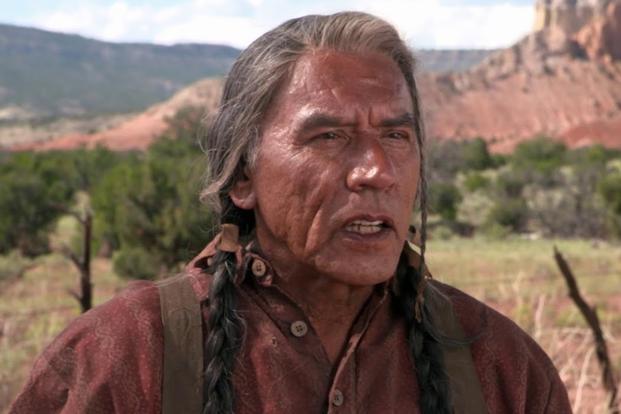
In 2019, Studi became the first Native American actor to receive an Academy Honorary Award (Governors Award) for lifetime achievement—the only Native American with an Oscar. He was the second Native to present at the Oscars (2018, speaking partly in Cherokee). Other honors include induction into the National Cowboy & Western Heritage Museum's Hall of Great Western Performers (2013), ranking No. 19 on The New York Times' "25 Greatest Actors of the 21st Century" (2020), and multiple awards for films like Geronimo.
In 2025, he received the Lenfest Spirit of the American Revolution Award from the Museum of the American Revolution (gala in June) and was honored with a mural and Cherokee ceremony at Tulsa Community College (November).
Personal Life
From his first marriage, Studi has a daughter, Leah, and son, Daniel (also an actor). He has been married to Maura Dhu Studi since the early 1990s; they have a son, Kholan, and live near Santa Fe, New Mexico. Studi is also a professional horse trainer, musician, and author of children's books promoting Cherokee culture.
His work continues to inspire greater Indigenous representation in film, emphasizing authentic storytelling and cultural pride. "It's about time," he said upon his Oscar win, reflecting on his trailblazing journey.
Yoon Chan-young (윤찬영)

1. Early Life and Career Beginnings
Child Actor Prodigy: He began acting at a very young age, making his debut in the 2007 drama H.I.T. His early career was packed with numerous supporting and guest roles, building a solid foundation.
Education: He attended the prestigious School of Performing Arts Seoul (SOPA), a school known for nurturing idol and actor talent. He graduated in 2020.
2. Career Trajectory: From Child Actor to Leading Man
His career can be traced through distinct phases:
Early/Child Roles (2007–2017): Appeared in countless popular dramas, often playing the younger versions of main characters. Notable early credits include:
The King 2 Hearts (2012) - young Lee Jae-ha
My Love from the Star (2013) - young Do Min-joon
The Moon Embracing the Sun (2012) - young Heo Yeom (young Lee Min-ho's role)
Mother (2018) - Seol-ak (a critically acclaimed performance that hinted at his potential)
Transition to Teen/Young Adult Roles (2018–2020): He began taking on more substantial, independent roles.
Moment of Eighteen (2019): He played the supporting role of Ma Hwi-young, a kind-hearted and popular student. This drama was a key step in establishing him among a younger audience.
Nobody Knows (2020): He delivered a nuanced performance as Ahn Seung-ho, a lonely and bullied student who forms a poignant bond with the female lead (Kim Seo-hyung). This role showcased his ability to handle complex, emotionally heavy material.
Global Breakthrough & Leading Man Status (2021–Present):
All of Us Are Dead (2022 - Netflix): His career-defining role. He played the male lead, Lee Cheong-san, an ordinary high school student fighting for survival during a zombie apocalypse. His portrayal of Cheong-san's bravery, vulnerability, and heart-wrenching character arc earned him international fame and cemented his status as a leading actor.
The Interest of Love (2022-2023): He took on a mature supporting role as Jung Jong-hyun, a bank intern, demonstrating his range in a slice-of-life melodrama alongside senior actors.
Light Shop (Ongoing Web Drama): He returned to a youth role, showing his continued connection to the genre that made him famous.
High School Return of a Gangster (Upcoming Film): He is set to star in this film adaptation of a popular webtoon, confirming his leading man status in film.
3. Acting Style and Public Persona
Emotional Authenticity: He is widely praised for his ability to convey deep, raw emotions—fear, despair, determination, and first love—with great sincerity. His eyes are often highlighted as a particular strength.
Versatility: Having started as a child actor, he has experience in historical, romantic, thriller, and horror genres. He is now focusing on carving a niche as a reliable lead in youth-centric and thriller stories.
Off-Screen Image: Known to be humble, hardworking, and thoughtful in interviews. Co-stars often describe him as professional, kind, and mature for his age. He has a quiet, grounded personality compared to some of his more exuberant characters.
4. Filmography (Highlights)
Dramas/Series:
Mother (2018)
Moment of Eighteen (2019)
Nobody Knows (2020)
All of Us Are Dead (2022) - LEAD
The Interest of Love (2022-2023)
Film:
Vertigo (2021) - Short Film
High School Return of a Gangster (Upcoming) - LEAD
Web Drama:
Light Shop (Ongoing)
5. Awards and Recognition
He has been nominated for several Best New Actor and Popularity Awards following the success of All of Us Are Dead.
While he hasn't yet won a major acting award, he is considered one of the most promising actors of his generation (born in the early 2000s), and industry recognition is widely anticipated.
6. Future Outlook
Yoon Chan-young's future is exceptionally bright. With the global platform Netflix provided, he is positioned for continued success. His strategy appears to be:
Securing lead roles in films and dramas.
Balancing youth-centric projects with more mature roles to broaden his range.
Potentially exploring military enlistment (a consideration for Korean male actors in their early 20s), after which he is likely to return to even more diverse and challenging roles.
In summary, Yoon Chan-young is the archetype of a successful child actor transition. He leveraged years of experience into a global superstar moment with All of Us Are Dead. He is now focused on building a sustainable career as a leading man, respected for his emotional depth and proven ability to carry major projects.
Yogesh Dattatraya Gosavi

Yogesh Gosavi is one of the most respected and understated figures in contemporary Marathi cinema. A child actor who started at age 11, he has grown into a complete filmmaker who writes, directs, edits, produces, and acts — all while quietly carrying the pride and pain of his Dalit Gosavi identity.
Early Life & Entry into Acting
- Born into a modest Gosavi family in Pune’s Dalit basti.
- First stage appearance at age 11 in the play Suryachi Pillu (1989).
- Debut film as child artist: Abolgandha Gharakada (1991).
- Acted in over 30 Marathi films and TV serials as a teenager, often playing the “poor but bright” boy — a role that mirrored his real-life struggle.
Education & Parallel Career
Despite poverty, he completed:
- B.Com
- M.Com
- MBA (Finance)
- Worked for 15 years in top financial institutions (Deutsche Bank, Citibank, etc.) in Mumbai while simultaneously doing theatre and films on weekends.
He used to leave office on Friday evening, travel to Pune, shoot or perform through the weekend, and return to Mumbai by Monday morning — a routine he followed for over a decade.
Breakthrough as Filmmaker
- Pratisaad – The Response (2010) Directorial debut. A hard-hitting film about caste atrocities and Dalit resistance. Won the Maharashtra State Award for Best Film on Social Issues. Still screened in Dalit and Ambedkarite study circles.
- Sorry (2018) A dark comedy on honour killings and caste endogamy. Premiered at the Pune International Film Festival and travelled to 15+ festivals. Won Best Director and Best Actor awards.
- Kanika (2017) A sensitive portrayal of a Dalit girl’s fight for education. Yogesh wrote, directed, edited, and acted in it.
- Goshta Eka Paithanichi (2023) Co-starred with Sayali Sanjeev; played a complex rural character with caste undertones.
Style & Themes
Yogesh’s films almost always revolve around:
- Caste oppression and resistance
- Rural Maharashtra’s harsh realities
- Women’s dignity within patriarchal and caste-bound villages
- Black humour as a weapon against injustice
He is known for raw, realistic performances and refusing to romanticise poverty or caste violence.
Awards & Recognition (Selected)
| Year | Award | Film/Work |
|---|---|---|
| 2010 | Maharashtra State Award – Best Film on Social Issues | Pratisaad |
| 2018 | Pune International Film Festival – Best Director | Sorry |
| 2019 | Sanskruti Kala Darpan – Best Actor | Sorry |
| 2022 | Maharashtra Times Sanmaan – Special Contribution to Marathi Cinema | Lifetime |
- Personal Life
- Married to Shraddha Gosavi; one daughter.
- Lives a simple life between Pune and Mumbai.
- Still works part-time in finance to fund his independent films.
- Mentors young Dalit and Bahujan artists through his production house “Yogesh Gosavi Films”.
Legacy (2025)
At 47, Yogesh Gosavi is regarded as the most authentic Dalit voice in Marathi parallel cinema today. Young filmmakers from Ambedkarite backgrounds call him “our Nagraj Manjule before Manjule” — a quiet pioneer who proved that a Dalit artist can be a complete filmmaker without compromising on caste consciousness.
He rarely gives interviews, avoids red-carpet events, and refuses to act in mainstream commercial Marathi films that whitewash caste realities.
Caste summary: Proudly Gosavi (Scheduled Caste) — a community that once begged at Shaivite temples and now produces some of Maharashtra’s most fearless storytellers.
Yogi G. Raj

A Pioneering Dalit (Arunthathiyar) Film Director Yogi G. Raj is a groundbreaking Tamil film director, screenwriter, and producer known for his bold, socially conscious cinema that explicitly centers on the lives, struggles, and dignity of the Arunthathiyar community, one of the most marginalized Scheduled Castes (Dalit) in Tamil Nadu.
1. Personal Background & Identity
Full Name: Yogi G. Raj born June 11.
Community: Arunthathiyar (a Dalit sub-caste historically associated with sanitation work, leatherwork, and other "unclean" occupations, facing severe untouchability and violence).
Hometown: He hails from Tirunelveli in southern Tamil Nadu, a region marked by intense caste discrimination and Arunthathiyar political assertion.
Activism Before Cinema: Before entering films, he was a student activist and an Ambedkarite. He founded and led the "Ambedkar Periyar Study Circle" (APSC) at his college, grounding his worldview in anti-caste philosophy.
2. Cinematic Journey & Style
Yogi entered cinema with a clear mission: to use mainstream film as a tool for Dalit assertion, political education, and challenging caste hegemony.
Debut - Draupadi (2010):
A low-budget, hard-hitting short film that became a viral sensation in Tamil Nadu.
It reimagines the Mahabharata character Draupadi as a modern-day Arunthathiyar woman facing caste-based sexual violence.
The film's raw portrayal and powerful ending made it an iconic piece of Dalit resistance art and announced Yogi as a fearless new voice.
Feature Film Debut - Masaan (Assistant Director, 2015):
He worked as an assistant director on Neeraj Ghaywan's acclaimed Hindi film Masaan, which deals with caste and morality in Varanasi. This experience broadened his craft.
Breakthrough - Pariyerum Perumal (2018):
This film is Yogi G. Raj's magnum opus and a landmark in Indian cinema.
Plot: It follows Pariyan (Kathir), an Arunthathiyar law student, as he faces brutal caste discrimination in a college town, his friendship with an upper-caste woman (Anandhi), and his journey from trauma to resistance.
Impact: The film is celebrated for its unflinching depiction of everyday casteism, its poetic yet raw narrative, and its ultimate message of Ambedkarite self-respect and education as weapons. It won massive critical acclaim, several awards (including the National Film Award for Best Tamil Film), and sparked widespread discussions on caste.
Second Feature - Madurai (Upcoming):
Announced as a political thriller, it is highly anticipated and expected to continue his exploration of caste politics.
3. Signature Themes & Political Vision
Yogi's films are direct articulations of his Ambedkarite politics:
Arunthathiyar Life: He places the experiences, language, culture, and resistance of his specific community at the forefront, offering a rare authentic representation.
Everyday Casteism: He meticulously depicts the subtle and overt violence of caste—from micro-aggressions to physical atrocities—experienced in educational institutions, public spaces, and interpersonal relationships.
Education & Awakening: His protagonists often use education and political consciousness (symbolized by images of Dr. B.R. Ambedkar) as tools for emancipation.
Reclaiming Dignity: The central conflict is always about fighting for basic human dignity and self-respect (Gethu or Maanam) in a caste-ordered society.
Confrontational Aesthetics: His style is raw, realistic, and deliberately unsettling. He uses symbolism (like the "Semma Horse" in Pariyerum Perumal) powerfully.
4. Significance & Legacy
Yogi G. Raj is not just a director; he is a cultural and political phenomenon.
Breaking Barriers: He is arguably the first major mainstream Tamil filmmaker to openly claim his Arunthathiyar identity and make it the core of his cinema, challenging an industry long dominated by upper-caste narratives.
Voice for the Voiceless: He has given cinematic voice and heroic agency to one of the most oppressed communities, changing how they are seen on screen.
Inspiration: He has inspired a new wave of Dalit filmmakers, writers, and artists to tell their own stories.
Political Educator: His films are used as pedagogical tools in universities and activist circles to discuss caste in contemporary India.
5. Controversies & Challenges
His work inevitably faces backlash:
Pariyerum Perumal faced attempts at censorship and threats from dominant caste groups uncomfortable with its portrayal.
He operates within an industry where funding and distribution for explicitly anti-caste films can be difficult, though his critical success has paved the way.
In Summary
Yogi G. Raj is a revolutionary figure in Indian cinema. He represents the assertive, politically conscious "third wave" of Dalit cinema in Tamil Nadu (following earlier symbolic and reformist depictions). Through his art, he forcefully translates the principles of Ambedkarite politics into powerful, accessible narratives, making him one of the most important and authentic directorial voices of his generation. His career is a testament to cinema's power as a weapon for social justice.

.jpg)

